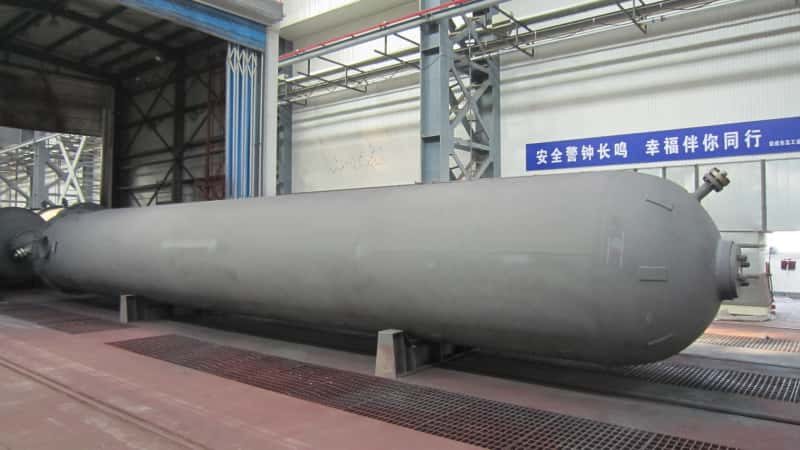

In the oil & gas, petrochemical, and chemical processing industries, separating complex mixtures into their individual components is a critical process. When this separation is inefficient, it can lead to high energy costs, poor product purity, equipment overloading, and operational downtime. This is where the Fractionation Tower & Column plays an essential role, serving as the heart of many distillation and separation processes. Understanding how it works, what types exist, and how to select and maintain it properly can significantly improve plant efficiency and product quality.
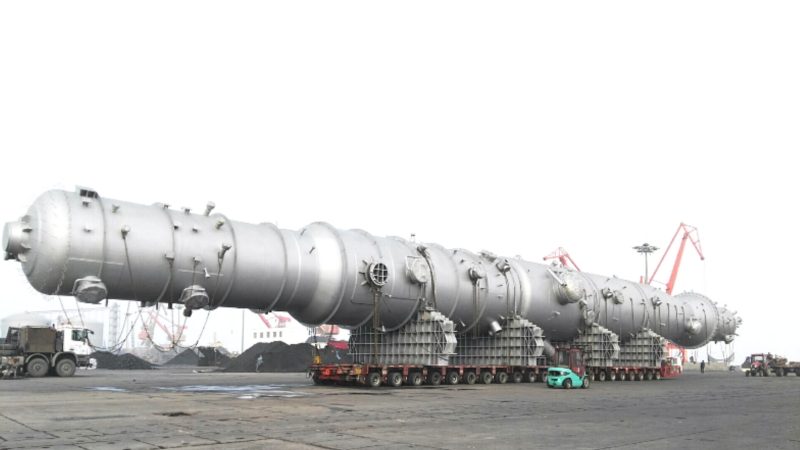
A Fractionation Tower & Column is a vertical vessel used in chemical processes to separate liquid mixtures based on differences in boiling points through distillation. Inside the column, vapor rises and condenses on trays or structured packing, allowing for component separation. These columns are critical in refining crude oil, processing natural gas, and producing chemicals, offering both continuous and batch operation modes depending on the application.
Whether you are designing a new process or optimizing an existing one, knowing the fundamentals of how a fractionation column works and how to select the right configuration will help you make informed decisions. In the following sections, we will explore the types, design considerations, operational principles, and maintenance practices related to this essential equipment.
What is the Function of a Fractionation Tower & Column in Industrial Processes?
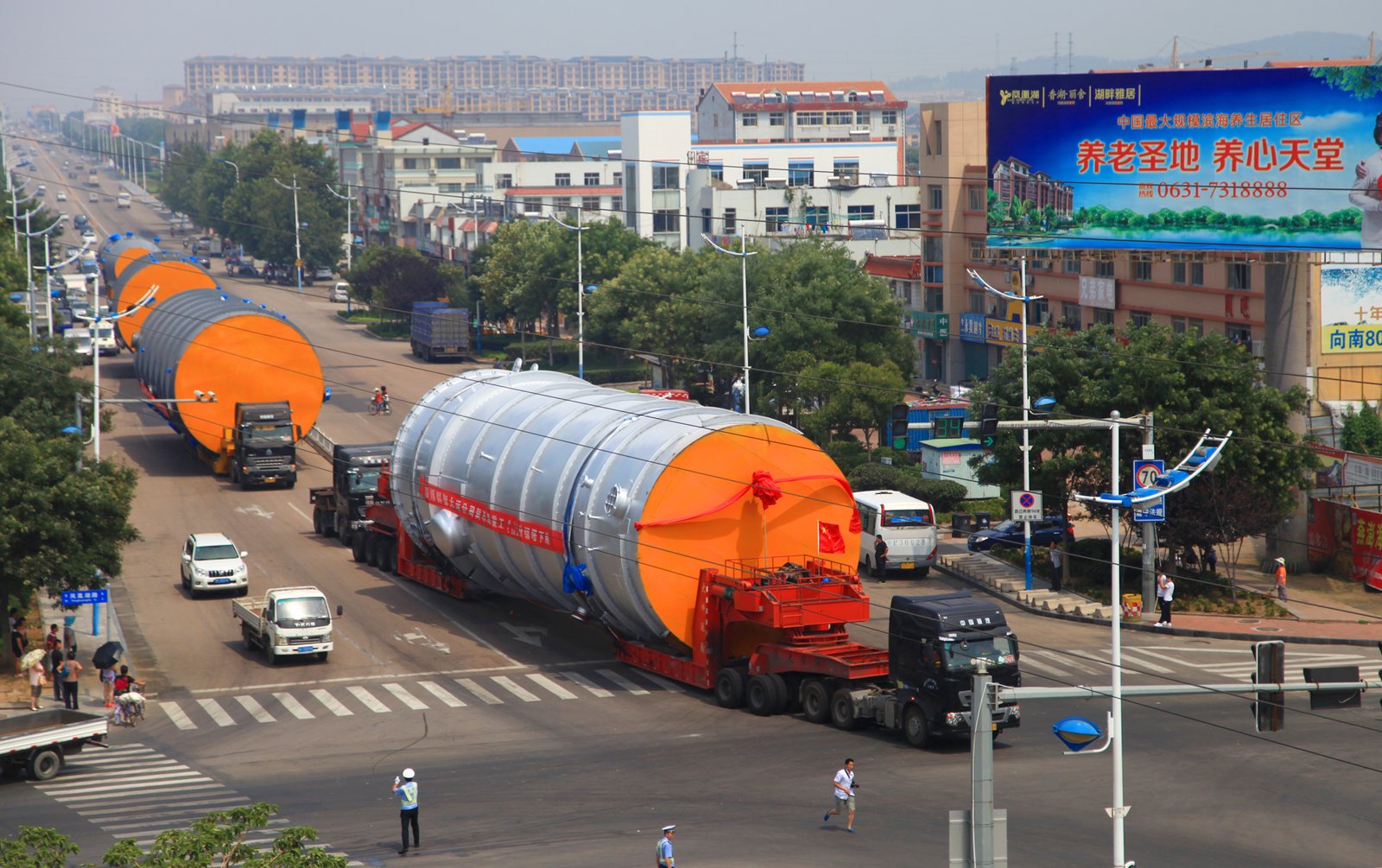
In modern industrial production—especially in petrochemical, natural gas, and chemical manufacturing—separating complex mixtures into usable products is essential. Without efficient separation, raw materials like crude oil, natural gas, or chemical mixtures would be unusable in their natural form. This is where Fractionation Towers and Columns come in. When they are poorly designed or operated, the result is poor product purity, reduced yield, and significant energy waste. However, by using well-designed fractionation equipment, industries can significantly increase efficiency, control product quality, and reduce costs, making them indispensable in any major industrial separation process.
A Fractionation Tower or Column is a large vertical vessel used in industrial processes to separate mixtures of chemical components based on their boiling points through the process of distillation. This is typically achieved by creating a temperature gradient within the tower, allowing vaporization and condensation to occur at various levels, thereby isolating and extracting different substances with high precision.
These towers are not just pieces of equipment; they are the central nervous systems of entire industrial units like oil refineries and chemical plants. To truly grasp the importance of fractionation towers, one must explore how they function, the key types of columns, design parameters, real-world industrial use cases, and performance optimization strategies.
Fractionation columns are only used in oil refineries.False
Fractionation columns are widely used in many industries, including petrochemical, gas processing, alcohol production, and even food processing.
Understanding the Core Function of Fractionation Towers
Fractionation towers, also called distillation columns, exploit the physical property of boiling point variance between different components of a liquid mixture. This principle is fundamental in chemical engineering thermodynamics and is the basis for phase equilibrium operations in process engineering. Here’s what happens step by step:
- Feed Introduction: A mixture (e.g., crude oil or a chemical solution) is fed into the column at a specific height.
- Heat Application: The bottom of the tower is heated, causing components with lower boiling points to vaporize.
- Rising Vapor: These vapors rise through the column and encounter trays or packing material that aid in contact between vapor and descending liquid.
- Condensation & Reboiling: As the vapor rises, it cools and condenses depending on its boiling point, while heavier components condense lower in the column.
- Fraction Collection: Different products—called fractions—are collected at various heights, each corresponding to a specific boiling point range.
This process allows the column to separate a complex feed into multiple purified products.
Common Types of Fractionation Columns
| Type of Column | Description | Typical Use |
|---|---|---|
| Tray Column | Uses horizontal trays (like bubble cap or sieve trays) to allow vapor-liquid interaction | Common in large-scale oil refineries |
| Packed Column | Uses structured or random packing to increase contact surface area | Suited for chemical and gas processing |
| Vacuum Column | Operates under reduced pressure to distill high-boiling components | Used in secondary crude oil distillation |
| Reactive Distillation Column | Integrates chemical reaction and separation in a single unit | Applied in specialty chemical manufacturing |
Each type is tailored to specific industrial needs depending on product volatility, feed composition, and purity requirements.
Key Operational Parameters in Fractionation
Below is a technical table outlining crucial parameters that affect the efficiency and output of fractionation columns:
| Parameter | Unit | Typical Range | Description |
|---|---|---|---|
| Reflux Ratio | Dimensionless | 1.2 – 5.0 | Ratio of liquid returned to the column vs. collected as distillate |
| Number of Theoretical Stages | Stages | 20 – 100+ | Indicates column separation capacity |
| Tray/Plate Efficiency | % | 50 – 90% | Effectiveness of each tray in separation |
| Pressure Drop | psi/ft | 0.1 – 0.5 | Pressure loss across the column height |
| Heat Duty | kW | 1,000 – 100,000 | Energy input for reboiler or condenser |
Precise control over these parameters is vital for maintaining separation performance and reducing operational costs.
How Fractionation Columns Impact Industrial Applications
Oil Refining
In petroleum refining, fractionation towers are essential in the atmospheric distillation unit (ADU) and vacuum distillation unit (VDU). They enable the separation of crude oil into valuable fractions like:
- Gasoline (C5–C12)
- Kerosene (C10–C16)
- Diesel (C14–C20)
- Fuel oil and residue
Real refinery case studies show that optimizing the reflux ratio and tray configuration can improve distillate yield by up to 8%, translating into millions in profit.
Chemical and Petrochemical Industry
In chemical plants, fractionation is used to purify and separate intermediate products like benzene, toluene, xylene (BTX), methanol, ethylene glycol, etc. For example, in ethylene production from naphtha, fractionation separates ethylene, propylene, and butadiene based on tight boiling point margins (as close as 5°C apart), requiring extremely precise control.
Gas Processing and LNG
Natural gas contains hydrocarbons like ethane, propane, butane, and impurities such as CO₂ and H₂S. Fractionation towers are critical for cryogenic distillation where light hydrocarbons are separated. This ensures pipeline specifications and enhances liquefied natural gas (LNG) efficiency.
Alcohol & Food Industry
Even in the food and beverage industry, fractionation columns are used to distill ethanol, flavors, and fragrances. High-purity alcohol (96%+) production depends on azeotropic distillation processes using specialized columns.
Fractionation columns can separate components with close boiling points only in laboratory settings.False
Industrial-scale fractionation towers can be designed with many theoretical stages and high reflux ratios to separate components with very similar boiling points.
Detailed Diagram of Fractionation Operation
| Component | Function |
|---|---|
| Reboiler | Heats the bottom of the column, generating vapors |
| Condenser | Cools the overhead vapor to liquid for reflux |
| Feed Inlet | Introduces the mixture to be separated |
| Trays or Packing | Enhances vapor-liquid contact |
| Draw-Off Points | Collect different fractions (e.g., naphtha, diesel) |
| Reflux Drum | Stores condensed liquid for returning part as reflux |
This design layout is customizable based on the product requirements and feedstock composition.
Energy Efficiency and Optimization
The operation of fractionation towers is energy-intensive. However, advanced control strategies and heat integration methods can significantly reduce energy costs:
- Heat Integration with Pinch Analysis
- Divided Wall Columns (DWC) to combine multiple separations
- Process Simulation (e.g., Aspen HYSYS) to model and optimize configurations
- Automation and Control Systems to maintain optimal pressure-temperature conditions
Some refineries have reported energy savings of over 25% through column revamps and automation upgrades.
Material Selection & Corrosion Resistance
Material compatibility is vital since fractionation towers handle high temperatures and potentially corrosive chemicals.
| Material | Suitable Applications |
|---|---|
| Carbon Steel | Basic applications with low corrosion risk |
| Stainless Steel (304/316) | Corrosive chemical environments |
| Duplex Steel / Inconel | High-chloride or high-temperature services |
| Cladded Columns | Cost-effective solution for aggressive feeds |
Proper material choice enhances lifespan, reduces downtime, and minimizes maintenance costs.
Digital Twins & AI in Fractionation Columns
Emerging technologies such as Digital Twin modeling, AI-based optimization, and predictive maintenance are transforming how fractionation columns are operated. With sensors, cloud-based analytics, and real-time monitoring, engineers can simulate column behavior, predict fouling, and implement proactive maintenance strategies.
Conclusion
Fractionation towers and columns are vital for separating multi-component chemical mixtures across many industries. By exploiting boiling point differences through distillation, they enable the production of fuels, chemicals, gases, and solvents in high-purity form. Through modern control strategies, advanced materials, and process simulation tools, their efficiency and productivity continue to evolve—solidifying their place as essential components of industrial process systems.
How Does a Fractionation Tower & Column Achieve Component Separation?

Industrial processes rely heavily on the ability to separate chemical mixtures into pure, valuable components. However, without precise separation, crude feedstocks such as crude oil or chemical blends become inefficient, wasteful, and potentially unusable. One of the most effective solutions to this problem is the fractionation tower—also known as a distillation column—which achieves separation by exploiting differences in component boiling points through controlled thermal and physical mechanisms. When separation fails, the consequences are severe: product contamination, energy waste, and major financial loss. But with the right fractionation system in place, plants can maximize yield, efficiency, and profitability.
A fractionation tower or column separates components in a chemical mixture by creating a vertical temperature gradient that allows each component to vaporize and condense at its specific boiling point level. As vapor rises and liquid descends through trays or packing, multiple stages of condensation and vaporization occur, leading to effective separation of components by volatility.
Understanding this function is key to optimizing production in industries like refining, petrochemicals, gas processing, and alcohol distillation. Continue reading to discover how phase equilibrium, thermodynamics, tray design, and process control come together to deliver high-purity product separation.
Fractionation columns only rely on temperature differences to separate components.False
While temperature is a key factor, pressure, reflux ratio, and column internals (like trays or packing) also play critical roles in achieving effective separation.
The Science Behind Fractionation: Boiling Point Differentiation and Phase Equilibrium
Fractionation towers operate based on Raoult’s Law, Dalton’s Law, and vapor-liquid equilibrium (VLE) principles. The key lies in the fact that each chemical component in a mixture has a unique boiling point. When heat is applied to the bottom of the tower, components with lower boiling points vaporize first, rising through the column. As they rise and encounter progressively cooler temperatures, they begin to condense, while higher boiling components stay in liquid form or condense lower down.
How Does This Mechanism Work in Practice?
Let’s break it down technically:
| Step | Process Description | Thermodynamic Principle |
|---|---|---|
| 1 | Heat is introduced at the column base | Sensible and latent heat transfer |
| 2 | Vaporization of light components begins | Boiling point differentials |
| 3 | Vapor rises and contacts descending liquid on trays/packing | Vapor-liquid equilibrium |
| 4 | Partial condensation and reboiling occur at each stage | Flash vaporization |
| 5 | Separated fractions are withdrawn at specific column heights | Fractional distillate withdrawal |
This process creates multiple theoretical stages—each representing an ideal separation point—within a single vertical column. These stages are facilitated by physical internals such as trays or structured packing.
Tray vs. Packed Column: Impact on Separation Efficiency
| Feature | Tray Column | Packed Column |
|---|---|---|
| Separation Surface | Discrete trays | Continuous packing |
| Pressure Drop | Higher | Lower |
| Efficiency | Easier to model and scale | Higher for low-pressure systems |
| Maintenance | Easier tray replacement | Difficult packing replacement |
| Typical Use | Crude distillation | Gas absorption, low-flow systems |
Packed columns offer no benefit over tray columns.False
Packed columns provide lower pressure drop and higher efficiency in certain low-pressure, high-purity applications, making them ideal for gas absorption or fine separations.
Visualization: Temperature and Composition Profile Inside a Column
Here’s a simplified representation:
| Height in Column | Temperature (°C) | Composition |
|---|---|---|
| Top (Condenser) | ~30–60°C | Lightest component (e.g., Propane) |
| Upper Middle | ~100°C | Intermediate component (e.g., Naphtha) |
| Lower Middle | ~200°C | Heavier component (e.g., Kerosene) |
| Bottom (Reboiler) | ~350°C | Heaviest component (e.g., Diesel/Residue) |
This vertical temperature gradient allows different substances to condense at precise locations, ensuring that each product is collected at optimum purity.
Reflux and Reboil: The Heart of Component Purity Control
Reflux
Reflux is the portion of condensed overhead vapor returned to the column. It increases contact between vapor and liquid, sharpening separation and improving product purity.
| Reflux Ratio | Effect |
|---|---|
| Low (<1.5) | Poor separation, energy-saving |
| Optimal (1.5–3.0) | Balanced separation vs. energy |
| High (>3.0) | High purity, energy-intensive |
Reboiler
Located at the bottom, the reboiler provides the thermal energy to re-vaporize liquid and drive light components back up the column.
| Reboiler Type | Application |
|---|---|
| Kettle | Standard crude towers |
| Thermosyphon | High-throughput systems |
| Fired | Specialized high-temp duties |
Together, these two systems maintain the internal recycling mechanism that makes continuous separation possible.
Simulation Tools: Aspen HYSYS and Beyond
Process engineers simulate separation using software tools like:
- Aspen HYSYS
- ChemCAD
- PRO/II
These tools model the equilibrium stage theory or rate-based distillation, helping optimize:
- Column height
- Number of stages
- Tray spacing
- Energy consumption
- Feed stage location
Simulation tools are unnecessary for column design.False
Process simulators are critical for accurately designing and optimizing fractionation columns to meet efficiency, safety, and economic targets.
Case Study: Ethanol-Water Separation
In ethanol production, the azeotropic mixture of ethanol (95.6%) and water (4.4%) presents a separation challenge. Fractionation columns combined with azeotropic distillation or molecular sieves enable full dehydration to 99.9% purity.
| Process | Technique Used | Final Ethanol Purity |
|---|---|---|
| Primary Column | Fractionation | 95.6% |
| Secondary Column | Azeotropic or extractive distillation | 99.5–99.9% |
| Final Step | Adsorption (molecular sieves) | 99.9% (fuel grade) |
This is a clear example of how multiple separation techniques can be integrated for precise purification.
Challenges in Fractionation Separation
Despite its effectiveness, the process can be hindered by:
- Fouling or scaling on trays/packing
- Pressure fluctuations disrupting VLE
- Feed composition variability
- Entrained liquids contaminating product draw-off
To combat these issues, plants use real-time monitoring, AI diagnostics, and column internals optimization to ensure stable and efficient separation.
Column Internals: Enhancing Mass Transfer
| Internal Component | Function |
|---|---|
| Bubble Cap Trays | Ensure good vapor-liquid mixing |
| Sieve Trays | Cost-effective, moderate efficiency |
| Structured Packing | High surface area, low pressure drop |
| Redistributors | Even flow across packing sections |
Each internal is selected based on process dynamics, feed characteristics, and target purity.
Conclusion
The fractionation column achieves component separation by leveraging temperature-driven vaporization and condensation, pressure control, and vapor-liquid equilibrium principles. Its design incorporates trays, packing, reflux, and reboilers to create repeated separation stages, allowing different components to be withdrawn at varying heights based on their boiling points. This process lies at the heart of virtually every major chemical and petrochemical plant.
What Are the Main Types of Fractionation Tower & Column Designs?
Selecting the wrong type of fractionation column can severely impact operational efficiency, product purity, and energy consumption. For engineers and plant operators, this often means excessive downtime, increased maintenance costs, and reduced yield. The solution lies in understanding the specific design types of fractionation towers and columns, each tailored to a certain process requirement. From tray vs. packed columns to advanced units like divided wall and reactive distillation columns, the design choice must align with your chemical system, separation difficulty, throughput, and operational goals.
The main types of fractionation towers and column designs include Tray Columns, Packed Columns, Vacuum Distillation Columns, Reactive Distillation Columns, Extractive Distillation Columns, Azeotropic Columns, Divided Wall Columns (DWC), and Cryogenic Distillation Columns. Each design differs in internal construction, operating pressure, application focus, and separation mechanism, allowing for tailored use across various industries.
Understanding these designs helps industries—from refineries to pharmaceuticals—select the most efficient, cost-effective, and scalable separation solutions. Keep reading to discover the construction features, application use cases, and performance metrics of each major column type.
All fractionation columns use the same internal design.False
Fractionation columns can have vastly different internals such as trays, random packing, or structured packing depending on their application and process needs.
Type #1: Tray (Plate) Column
Definition:
Tray columns use horizontal plates stacked vertically inside the tower. Each tray provides a stage where vapor rises and interacts with descending liquid to facilitate mass transfer.
Common Tray Types:
| Tray Type | Feature | Application |
|---|---|---|
| Bubble Cap Tray | Dome-shaped caps direct vapor through liquid | Heavy-duty, fouling-resistant |
| Sieve Tray | Holes allow vapor to bubble through liquid | Simple and economical |
| Valve Tray | Movable valves regulate vapor flow | Flexible load handling |
Advantages:
- Well-suited for large-scale industrial separation (e.g., crude oil distillation)
- Easy to model and scale
- Resistant to maldistribution
Disadvantages:
- Higher pressure drop
- Prone to fouling in dirty services
Use Cases:
- Oil refineries (atmospheric & vacuum distillation)
- Petrochemical plants (benzene, toluene separation)
Type #2: Packed Column
Definition:
Packed columns replace trays with packing material (structured or random) to increase surface area for vapor-liquid interaction.
Packing Types:
| Packing Type | Description | Example |
|---|---|---|
| Random Packing | Irregular shapes (Raschig rings, Berl saddles) | Gas scrubbing |
| Structured Packing | Engineered, uniform material | Precision separation |
Advantages:
- Lower pressure drop (ideal for vacuum systems)
- Better performance for heat-sensitive materials
- Higher capacity per unit volume
Disadvantages:
- Harder to clean or replace packing
- Sensitive to liquid maldistribution
Use Cases:
- Gas absorption
- Solvent recovery
- Specialty chemicals
Tray columns are always more efficient than packed columns.False
Packed columns can offer higher efficiency and lower pressure drop in certain applications, particularly under vacuum or for low-flow services.
Type #3: Vacuum Distillation Column
Definition:
This column operates under reduced pressure (vacuum), lowering the boiling points of components to allow separation at lower temperatures.
Advantages:
- Prevents thermal decomposition of high-boiling components
- Energy-saving compared to high-temperature distillation
Construction Features:
- Larger diameter to accommodate low vapor density
- Internals designed for reduced pressure drop
Use Cases:
- Secondary crude oil distillation (Vacuum Distillation Unit – VDU)
- Asphalt, wax production
- High-molecular-weight organics separation
Typical Conditions:
| Parameter | Value |
|---|---|
| Pressure | 5–100 mmHg |
| Temperature Range | 150–400°C |
| Height | 30–60 m |
Type #4: Reactive Distillation Column
Definition:
Combines reaction and separation in the same unit. Chemical reactions occur on trays or packing, followed by in-situ separation of products.
Advantages:
- Reduces capital and operating costs
- Shifts equilibrium for better conversion
- Eliminates need for separate reactor
Use Cases:
- Esterification (e.g., methyl acetate production)
- Etherification (MTBE synthesis)
- Hydrolysis reactions
Design Requirements:
- Catalytic trays or packed beds
- Specialized temperature control
- Corrosion-resistant materials
| Parameter | Feature |
|---|---|
| Catalyst | Solid acid or base |
| Temperature | 80–150°C |
| Typical Stages | 20–40 |
Type #5: Extractive and Azeotropic Distillation Columns
Definition:
Used to separate azeotropic mixtures that traditional fractionation cannot purify. Involves adding an entrainer or solvent.
| Type | Description | Application |
|---|---|---|
| Azeotropic Distillation | Add an agent to break azeotrope by changing VLE | Ethanol-water |
| Extractive Distillation | Add high-boiling solvent to change relative volatility | Acetone-methanol separation |
Advantages:
- Enables separation of difficult binary systems
- High purity achievable
Drawbacks:
- Additional solvent handling systems
- More complex control systems
Azeotropic mixtures cannot be separated industrially.False
Azeotropic mixtures can be separated using specialized distillation methods like azeotropic and extractive distillation.
Type #6: Divided Wall Column (DWC)
Definition:
An advanced column with an internal vertical partition that allows multi-component separation in one shell.
Advantages:
- Reduces energy usage by up to 30%
- Fewer columns required → lower CAPEX
- Smaller plot space
Applications:
- Ternary separations (e.g., methanol/ethanol/water)
- Fine chemical purification
Design Features:
- Dividing wall creates two zones
- Integrated feed and product draw
Performance Comparison Table:
| Feature | Conventional System | DWC |
|---|---|---|
| Energy Consumption | High | Low |
| Equipment Count | Multiple columns | Single column |
| Control Complexity | Medium | High |
| Maintenance Cost | Higher | Lower over time |
Type #7: Cryogenic Distillation Column
Definition:
Operates at extremely low temperatures to separate light gases based on boiling point differences.
Examples:
- Nitrogen (-196°C)
- Oxygen (-183°C)
- Argon (-186°C)
Use Cases:
- Air separation plants
- LNG processing
- Hydrogen purification
Challenges:
- Requires cryogenic compressors and insulation
- High capital cost
Advantages:
- High purity (99.999%)
- Efficient gas recovery
| Component | Boiling Point (°C) |
|---|---|
| Methane | -161.5 |
| Nitrogen | -195.8 |
| Oxygen | -183 |
| Argon | -185.7 |
Summary Table: Comparison of Fractionation Column Types
| Column Type | Operating Condition | Key Advantage | Main Application |
|---|---|---|---|
| Tray Column | Atmospheric | Easy to model | Crude distillation |
| Packed Column | Atmospheric or vacuum | Low pressure drop | Gas scrubbing |
| Vacuum Column | Sub-atmospheric | Low temp separation | High-boiling crude |
| Reactive Column | Integrated reaction | Reaction + separation | Esterification |
| Azeotropic/Extractive | Azeotrope-breaking | Separates complex mixtures | Ethanol dehydration |
| Divided Wall Column | Multi-feed | Energy and space saving | Ternary separation |
| Cryogenic Column | Low temp | Light gas separation | Air separation |
Conclusion
Fractionation towers and columns come in multiple designs, each engineered to solve specific industrial separation challenges. Whether you’re separating light hydrocarbons, breaking azeotropes, or purifying cryogenic gases, selecting the right type—tray, packed, reactive, DWC, or cryogenic—ensures better efficiency, higher purity, and lower energy use. A deep understanding of each design enables process engineers to optimize operations and scale production effectively.
What Key Factors Should Be Considered When Designing or Selecting a Fractionation Tower & Column?
Designing or selecting the wrong fractionation tower for your process can lead to catastrophic inefficiencies—ranging from poor product separation and high energy consumption to increased maintenance and unexpected shutdowns. Without careful consideration of design factors, industries risk losing thousands in operational costs daily. The good news? A well-designed fractionation column, tailored to your process parameters, feed composition, and operational goals, can increase product yield, reduce energy use, and boost plant reliability. Whether you’re working in oil refining, chemical processing, or gas purification, understanding the critical design factors is essential for achieving optimal column performance.
When designing or selecting a fractionation tower or column, key factors include feed composition and flow rate, volatility of components (relative volatility), desired product purity, pressure and temperature conditions, number of theoretical stages, column diameter and height, type of internals (trays or packing), reflux ratio, reboiler/condenser duty, material selection, and operational constraints such as fouling, corrosion, or vacuum operation. All these elements must be optimized holistically to ensure separation efficiency and economic viability.
The best design starts with the process requirements and ends with a finely-tuned, efficient, and cost-effective separation unit. Keep reading for a deep dive into each of these critical considerations, complete with technical charts and real-world design criteria.
The main design factor in fractionation columns is just the column height.False
While column height is important, many factors such as feed composition, number of stages, pressure, temperature, and tray/packing type are equally critical to proper design.
1. Feed Composition and Flow Rate
Understanding the feed composition and total volumetric or mass flow rate is the starting point for any design.
| Parameter | Design Impact |
|---|---|
| Light vs. heavy components | Determines boiling point range and number of stages |
| Presence of azeotropes | May require extractive or azeotropic distillation |
| Flow rate | Affects column diameter and flooding calculations |
| Impurities (e.g., salts, polymers) | Drives material and fouling considerations |
2. Relative Volatility (α)
Relative volatility (α) is a dimensionless measure of the ease of separation between two components. Higher α means easier separation.
| Relative Volatility | Separation Difficulty | Typical Application |
|---|---|---|
| α > 3.0 | Easy | Methanol/Water |
| 1.5 < α < 3.0 | Moderate | Ethanol/Water |
| α ≈ 1.1–1.3 | Difficult | Aromatic separations, close-boilers |
Low relative volatility increases the required number of stages and energy consumption.
All chemical mixtures have high relative volatility and are easy to separate.False
Many mixtures have low relative volatility, making them difficult to separate and requiring more complex distillation techniques.
3. Desired Product Purity and Recovery
High-purity requirements drive both column complexity and energy demand.
| Purity Target (%) | Typical Design Adjustment |
|---|---|
| 95% | Standard design, moderate reflux |
| 99% | Higher stages, increased reflux |
| >99.9% | Tight control, special column type (e.g., DWC) |
Consider both top (distillate) and bottom (residue) purity specs. Product recovery (yield) is also crucial.
4. Operating Pressure and Temperature
Column pressure influences boiling points and energy input.
| Column Type | Operating Pressure | Application |
|---|---|---|
| Atmospheric | 0.9–1.2 atm | Crude distillation |
| Vacuum | 10–100 mmHg | High boiling components |
| Pressurized | 2–30 bar | Light hydrocarbon separation |
Higher pressure typically increases throughput but may raise energy costs and require stronger materials.
5. Number of Theoretical Stages
The number of theoretical stages determines the height of the column and directly correlates with separation performance.
Calculated using:
- McCabe-Thiele method (binary systems)
- Fenske-Underwood-Gilliland equations
- Process simulators (Aspen HYSYS, ChemCAD)
| Parameter | Impact |
|---|---|
| More stages | Better separation, higher cost |
| Fewer stages | Lower CAPEX, but lower purity |
Adding more stages always improves column performance.False
Beyond a certain point, additional stages offer diminishing returns and can increase cost and complexity unnecessarily.
6. Column Diameter and Height
These two dimensions are crucial for vapor-liquid contact area and capacity.
Diameter
Calculated to avoid flooding, based on:
- Vapor flow rate
- Liquid density
- Tray spacing
- Foaming tendency
Height
Depends on:
- Number of theoretical stages
- Tray spacing (typically 0.5–0.7 m)
- Reboiler and condenser space
| Column Type | Typical Height (m) | Diameter (m) |
|---|---|---|
| Crude Tower | 40–60 | 3–5 |
| Vacuum Column | 30–40 | 5–7 |
| Packed Column | 10–25 | 0.5–2 |
7. Internals: Trays vs. Packing
| Feature | Tray Column | Packed Column |
|---|---|---|
| Separation Surface | Discrete stages | Continuous area |
| Pressure Drop | Higher | Lower |
| Suitability | Dirty feeds | Low-pressure service |
| Maintenance | Tray replacement | Packing more difficult |
| Cost | Moderate | Varies with packing type |
Structured packing (e.g., Mellapak) is ideal for high-efficiency separations, while random packing is economical for gas absorption.
8. Reflux Ratio and Control
A core variable for tuning separation performance.
| Reflux Ratio | Effect |
|---|---|
| Low (<1.5) | Energy efficient, low purity |
| Medium (1.5–3.0) | Balanced design |
| High (>3.0) | High purity, high energy cost |
Automated feedback loops are often used to maintain optimal reflux based on product composition.
9. Reboiler and Condenser Design
The energy input (bottom) and removal (top) drive the entire separation.
| Component | Design Factor | Typical Type |
|---|---|---|
| Reboiler | Heat duty, fouling tendency | Kettle, thermosyphon |
| Condenser | Cooling water vs. air | Shell & tube, air-cooled |
Oversized reboilers can lead to flooding, while undersized ones limit throughput.
10. Materials of Construction
Important due to temperature, pressure, and corrosive species.
| Material | Application |
|---|---|
| Carbon Steel | Standard hydrocarbons |
| SS316L | Mildly corrosive chemicals |
| Inconel, Hastelloy | Strong acids, chlorides |
| Cladded Steel | Cost-effective corrosion resistance |
All fractionation columns use stainless steel.False
Material selection depends on process fluid, pressure, and temperature. In many cases, carbon steel or alloy materials are more appropriate.
11. Safety and Operational Constraints
Consider:
- Overpressure protection (relief valves, rupture disks)
- Pressure drop limits
- Foaming potential
- Fouling rate
- Turn-down ratio (flexibility in flow rate changes)
12. Environmental and Energy Considerations
Incorporate:
- Heat integration with other plant systems
- Energy-saving options: vapor recompression, divided wall column
- Emissions control for vented gases or VOCs
Design Checklist Table
| Factor | Description | Design Tool |
|---|---|---|
| Feed Data | Composition, flow rate, T/P | Lab analysis, flow meters |
| Separation Target | Purity, recovery | Specs |
| Volatility | α value | Thermodynamic data |
| Stages | Number required | Simulation (Aspen, HYSYS) |
| Column Size | Diameter, height | Sizing calculations |
| Internals | Tray or packing | Process type |
| Reflux/Boil Ratio | Energy balance | Control system |
| Construction | Material selection | Corrosion handbook |
| Safety | PSV, rupture disk | Process safety analysis |
Conclusion
Designing or selecting a fractionation column is a multi-variable engineering task that involves deep understanding of the feed characteristics, thermodynamics, process goals, and operating constraints. Every detail—tray spacing, reflux ratio, packing type, or materials—affects cost, energy use, separation performance, and long-term reliability. Getting these decisions right means creating a system that performs efficiently for years with minimum intervention.
How Is the Performance of a Fractionation Tower & Column Monitored and Optimized?
Fractionation towers are at the heart of refining, petrochemical, and chemical manufacturing processes—but their high energy consumption and sensitivity to process conditions make performance monitoring and optimization absolutely critical. When left unchecked, poor column performance leads to product contamination, energy waste, off-spec batches, and even equipment failure. Fortunately, with modern instrumentation, control systems, and simulation tools, it’s now possible to precisely monitor and fine-tune every parameter of a fractionation tower. This helps industries minimize losses, maximize purity, and reduce operating costs.
The performance of a fractionation tower or column is monitored through a combination of real-time sensors, process control systems, sampling, and analytical data. Key parameters such as temperature, pressure, reflux ratio, product composition, and tray efficiency are tracked continuously. Optimization is achieved through advanced control strategies, process simulation, energy integration, and digital twin models to maximize separation efficiency, yield, and energy use.
With such strategic monitoring and optimization in place, facilities can improve separation quality, respond quickly to process deviations, and extend the lifespan of column internals and equipment.
Fractionation columns operate at their best without active monitoring systems.False
Real-time monitoring is essential for maintaining product quality, reducing energy usage, and preventing failures in fractionation columns.
The Core Metrics for Monitoring a Fractionation Column
To effectively monitor a distillation or fractionation column, a set of key process variables must be continuously measured and analyzed.
| Parameter | Monitoring Method | Importance |
|---|---|---|
| Temperature Profile | Thermocouples, RTDs | Ensures proper thermal gradient across the column |
| Pressure Profile | Pressure transmitters (top, bottom, side) | Affects boiling points and separation |
| Flow Rates | Flow meters on feed, distillate, and bottoms | Balances mass flow and energy |
| Reflux Ratio | Flow transmitters & control valves | Controls separation sharpness |
| Tray/Stage Efficiency | Model-based estimates & gamma scanning | Diagnoses column health |
| Product Purity | Online gas chromatographs (GC), NIR analyzers | Ensures output meets specifications |
| Pressure Drop | Differential pressure sensors | Monitors fouling and flow resistance |
| Heat Duty | Reboiler and condenser power meters | Measures energy efficiency |
These parameters are visualized in the Distributed Control System (DCS) or Supervisory Control and Data Acquisition (SCADA) dashboards to help operators make real-time decisions.
Advanced Tools for Monitoring
| Tool | Function |
|---|---|
| Smart Sensors | Provide accurate, real-time field data |
| Digital Twin Models | Simulate real-time column behavior under changing conditions |
| Gamma Scanning | Detects tray flooding, weeping, and foaming |
| Infrared Cameras | Thermal imaging for detecting hot/cold zones |
| Online Gas Chromatography (GC) | Measures component concentration instantly |
| Process Historians | Store long-term performance data for trend analysis |
Optimization Strategies: From Control Loops to AI
Once performance data is captured, optimization techniques are used to enhance the fractionation tower’s operation. Optimization falls into several categories:
1. Reflux Ratio Control
- Adjusting reflux ratio allows fine control over separation efficiency and energy usage.
- Lower ratio = less energy use, but poorer separation.
- Higher ratio = better separation, but increased energy consumption.
| Scenario | Reflux Ratio | Impact |
|---|---|---|
| Energy Saving | 1.2–1.5 | Lower purity, less reboil |
| Balanced Operation | 1.5–2.5 | Ideal for quality and cost |
| High-Purity Mode | 2.5–5.0 | Maximum purity, high energy |
2. Feed Stage Optimization
- Using simulation (e.g., Aspen HYSYS), the feed entry location is optimized to minimize reflux/reboil needs and improve stage utilization.
- Poor feed placement can result in flooding, foaming, or poor component split.
3. Tray/Stage Efficiency Analysis
- Efficiency can be measured using gamma scanning or inferred from simulation vs. plant data.
- Low efficiency may indicate weeping, flooding, or fouling.
| Fault | Indicator | Resolution |
|---|---|---|
| Weeping | Low ΔP, reduced temp rise | Increase vapor rate |
| Flooding | Sharp ΔP increase | Lower feed rate, reduce reflux |
| Fouling | Progressive ΔP increase over days/weeks | Clean trays/packing |
Weeping in a distillation column enhances separation efficiency.False
Weeping reduces vapor-liquid contact efficiency, leading to poor separation and must be corrected.
4. Energy Integration
- Pinch Analysis helps optimize heat exchanger networks around the column.
- Reboiler and condenser duty are matched to minimize waste.
- Techniques like heat pump-assisted distillation and multi-effect distillation reduce steam demand.
| Technique | Energy Saving |
|---|---|
| Heat Pump Integration | 20–35% |
| Vapor Recompression | 10–20% |
| Divided Wall Column (DWC) Conversion | Up to 40% |
5. AI and Predictive Control
- Model Predictive Control (MPC) algorithms predict future trends and optimize control actions.
- AI-based diagnostics identify abnormal behavior like foaming or tray damage before it escalates.
- Integration with Industry 4.0 platforms allows remote monitoring, alerts, and predictive maintenance scheduling.
Optimization Workflow in Practice
| Step | Activity | Tools Used |
|---|---|---|
| 1 | Data Acquisition | Sensors, GC, pressure/flow meters |
| 2 | Model Calibration | Aspen HYSYS, ChemCAD |
| 3 | Performance Analysis | Historian review, efficiency charts |
| 4 | Fault Detection | Gamma scanning, AI diagnostics |
| 5 | Optimization | Reflux/feed adjustment, energy integration |
| 6 | Validation | Product sampling, real-time analytics |
Monitoring Tools Interface Example (Chart):
| Time | Top Temp (°C) | Bottom Temp (°C) | Reflux Ratio | Distillate Purity (%) | ΔP (kPa) |
|---|---|---|---|---|---|
| 08:00 | 85 | 320 | 2.3 | 98.5 | 12 |
| 10:00 | 84.5 | 325 | 2.5 | 99.1 | 13.2 |
| 12:00 | 85.2 | 327 | 2.6 | 99.4 | 13.5 |
From this chart, one can identify when the column is operating optimally or heading toward a fault condition (e.g., rising ΔP indicates possible fouling).
Real-World Case Study: Refinery Optimization
In a Middle East refinery, optimization of a crude distillation column via MPC and real-time composition analysis led to:
- 7% increase in light distillate recovery
- 15% reduction in energy consumption
- 3-month payback on investment
Upgrades included:
- Installing online GC analyzers
- Replacing old trays with high-capacity valve trays
- Tuning the DCS to reduce controller lag
Performance Benchmarking Table
| KPI | Typical Target | Optimization Effect |
|---|---|---|
| Tray Efficiency | >65% | Improve to >80% |
| Product Purity | 98–99.9% | Achievable with real-time control |
| Energy Cost ($/ton) | $8–$15 | Cut by 20–40% | |
| Downtime (%) | <5% | Reduced to <1% with predictive alerts |
Digital twins have no real benefit in optimizing column performance.False
Digital twins replicate real column behavior, allowing simulations, fault diagnosis, and predictive optimization for better performance.
Conclusion
The performance of a fractionation column is not static—it must be actively monitored and optimized using advanced tools and strategies. From real-time sensors and analyzers to simulation software, AI, and predictive maintenance systems, modern process plants can achieve outstanding product quality, energy savings, and operational uptime. The return on investment from these strategies is rapid and measurable, proving that smart column monitoring isn’t just a luxury—it’s a necessity.
What Are the Common Operational Challenges and Maintenance Practices for Fractionation Tower & Column?
Even the most well-designed fractionation tower will face operational challenges over time. From tray flooding and weeping to scaling, corrosion, and instrumentation failures, fractionation columns must endure extreme thermal and chemical stresses. If these issues go unnoticed or are poorly managed, they can cause reduced separation efficiency, off-spec products, increased energy consumption, and unplanned shutdowns. However, with effective maintenance practices and modern monitoring tools, these risks can be minimized. Successful operation requires not only design excellence but also disciplined operation, inspection, and preventive maintenance.
The most common operational challenges in fractionation towers include flooding, weeping, foaming, fouling, corrosion, pressure drop anomalies, and instrumentation failures. Effective maintenance practices involve routine inspections, gamma scanning, tray and packing cleaning, corrosion monitoring, thermal imaging, and use of digital diagnostics for predictive alerts. Together, these strategies help maintain efficient separation, reduce downtime, and extend equipment life.
Knowing what can go wrong and how to prevent or resolve issues is the foundation of sustainable and cost-effective distillation system management.
Fractionation columns rarely require maintenance after initial installation.False
Fractionation columns operate under extreme conditions and require regular maintenance to ensure efficiency, safety, and long-term reliability.
Common Operational Challenges in Fractionation Towers
| Challenge | Description | Common Causes | Impact |
|---|---|---|---|
| Flooding | Excess liquid accumulates on trays or packing | High vapor load, poor drainage, fouled internals | High ΔP, poor separation, risk of mechanical damage |
| Weeping | Liquid leaks through tray perforations | Low vapor rate, under-loaded column | Loss of mass transfer efficiency |
| Foaming | Stable foam forms, disrupting separation | High surfactant levels, improper tray design | Entrainment, pressure surges |
| Entrainment | Liquid droplets carried upward with vapor | High vapor velocity, low tray spacing | Contaminated distillate |
| Fouling | Accumulation of solids or polymers | Dirty feed, reactive compounds | Blockages, higher energy demand |
| Corrosion | Chemical attack on column material | Acidic feeds, chlorides, H₂S, CO₂ | Material thinning, leaks, failures |
| Pressure Drop | Unusual differential pressure across column | Fouling, tray damage, flooding | Process inefficiency, safety risk |
| Instrumentation Failures | Sensor or control loop malfunction | Aging, poor calibration, harsh conditions | Data inaccuracy, control instability |
Weeping improves tray efficiency by allowing more liquid contact.False
Weeping indicates underperformance of trays, reducing contact between vapor and liquid, thus decreasing efficiency.
Indicators and Diagnostic Tools for Detecting Issues
To detect the above challenges early, plants rely on specific symptoms and tools:
| Indicator | Possible Problem | Diagnostic Tool |
|---|---|---|
| Sharp ΔP increase | Flooding or fouling | Differential pressure sensors |
| High distillate contamination | Entrainment or weeping | Gas chromatography (GC) |
| Low column temperature | Tray damage or poor vapor flow | Temperature profiling |
| Uneven temp gradient | Maldistribution or fouling | Infrared thermography |
| Deviation from purity specs | Packing channeling or tray leaks | Gamma scanning, sample analysis |
Gamma scanning, in particular, is widely used to non-invasively assess the hydraulic behavior and tray conditions within the tower.
Maintenance Practices for Fractionation Columns
To maintain performance, a preventive maintenance plan should be implemented.
1. Routine Inspections and Cleaning
- Annual shutdowns for internal visual inspection
- Removal and hydro-blasting of fouled trays or packing
- Inspection of welds, nozzles, and draw-off lines
| Maintenance Task | Frequency | Notes |
|---|---|---|
| Visual Inspection | Annually or biannually | Look for corrosion, damage |
| Tray Cleaning | Every 1–2 years | Manual or hydro-cleaning |
| Packing Replacement | Every 3–5 years (if needed) | Monitor ΔP for signs of fouling |
Packing material never requires cleaning or replacement.False
Packing can foul over time, increasing pressure drop and reducing efficiency, and may need periodic cleaning or replacement.
2. Corrosion Monitoring and Mitigation
- Use of corrosion coupons and online probes
- Application of inhibitors for acidic feeds
- Upgrading to cladded or alloy materials if recurring corrosion occurs
| Corrosion Type | Typical Location | Prevention |
|---|---|---|
| Pitting | Reboiler zones, draw lines | Material upgrade, inhibitor dosing |
| General | Wall thinning across height | Regular UT scanning |
| Stress Corrosion Cracking | Welds, joints | Controlled shutdown and inspection |
3. Instrumentation Calibration
- Regular checks of:
- Temperature sensors (RTDs, thermocouples)
- Pressure transmitters
- Flow meters
- Gas chromatographs
- Recalibrate quarterly or as per ISA standards
4. Tray and Packing Condition Monitoring
- Gamma scans to detect tray flooding, damage, and weeping
- Dye tests and hydraulic simulations
- Liquid distributor checks in packed towers
| Test | Tool Used | Insight Provided |
|---|---|---|
| Gamma Scan | Radiation source/detector | Tray liquid loading, damage |
| Dye Injection | Visual tracing | Distributor performance |
| Hydraulic Simulation | CFD or HYSYS | Predicts maldistribution |
Shutdown Planning and Turnaround Best Practices
Proper planning reduces downtime and cost.
| Step | Action |
|---|---|
| 1 | Schedule around production demand |
| 2 | Perform condition-based diagnostics before shutdown |
| 3 | Pre-order replacement internals or repair kits |
| 4 | Verify permits, safety lockout procedures |
| 5 | Document inspection findings for lifecycle tracking |
Predictive Maintenance and Digital Tools
Modern refineries now use AI-enabled predictive maintenance platforms that:
- Monitor real-time sensor data
- Predict fouling or corrosion trends
- Alert operators before failure
- Reduce unplanned downtime by up to 70%
Digital Twins of the column allow operators to simulate faults and their impact before they occur.
| Platform | Function |
|---|---|
| Aspen Mtell | Predictive alerts for failure modes |
| AVEVA Predictive Analytics | Real-time performance modeling |
| Emerson Plantweb | Integrated diagnostics across assets |
Predictive maintenance has little impact on column reliability.False
Predictive maintenance can dramatically reduce unplanned downtime, improve safety, and extend asset life by identifying issues before they escalate.
Case Example: Maintenance in a Petrochemical Tower
Plant Type: Ethylene Glycol Production
Column: Reactive Distillation with Structured Packing
Problem: Increased pressure drop, purity off-spec
Action Taken:
- Gamma scan revealed partial fouling of packing
- Shutdown initiated; structured packing removed and cleaned
- Liquid distributor was found misaligned and reinstalled
- Column retuned and restart completed in 4 days
Result:
- Recovered product purity to >99.8%
- Reduced ΔP by 40%
- Avoided unscheduled downtime and $300,000 in potential losses
Maintenance Interval Chart
| Component | Inspection Interval | Replacement Interval |
|---|---|---|
| Trays | 12–18 months | 5–10 years (condition-based) |
| Packing | 2 years | 3–5 years |
| Thermowells | 2 years | 5–7 years |
| Reboiler tubes | 1–2 years | 6–10 years |
| Level Controllers | 6 months | 3 years |
Conclusion
Operational challenges in fractionation columns—such as flooding, fouling, corrosion, and instrumentation drift—are inevitable over time but can be effectively managed. By combining traditional inspection methods with modern diagnostic tools like gamma scanning, thermal imaging, and AI-based predictive systems, operators can maintain optimal performance, ensure safety, and prolong equipment life. Preventive maintenance isn’t just a best practice—it’s a strategic necessity for sustainable production.
Summary
Understanding the design and operation of a Fractionation Tower & Column can greatly improve your process efficiency, reduce costs, and ensure product quality. These towers are not just passive vessels—they are highly engineered systems that require careful selection, operation, and maintenance to function optimally.
Contact Us
Looking for expert guidance or custom-engineered Fractionation Towers & Columns for your application? Contact us today for professional consultation, tailored solutions, and reliable supply from an experienced manufacturer and supplier.
FAQ
Q1: What is a fractionation tower used for?
A1: A fractionation tower, also known as a fractionation column, is primarily used in the chemical and oil refining industries to separate mixtures into their individual components based on differences in boiling points. Through a process called distillation, heated mixtures enter the column, where vapors rise and condense at different levels depending on their volatility. This enables the efficient collection of purified components like gasoline, kerosene, and diesel in oil refineries.
Q2: How does a fractionation column work?
A2: A fractionation column works by exploiting the differences in boiling points among the components of a liquid mixture. As the mixture is heated, it vaporizes and enters the column. Inside, trays or packing materials allow the vapors to cool and condense at various levels. Heavier components condense lower in the column, while lighter ones condense higher up. This physical separation allows industries to collect and utilize specific fractions with high purity.
Q3: What industries use fractionation towers?
A3: Fractionation towers are commonly used in:
– Petroleum refining (to separate crude oil into gasoline, diesel, etc.)
– Chemical manufacturing (to purify chemical compounds)
– Alcohol production (to concentrate ethanol)
– Natural gas processing (to separate hydrocarbon gases)
These industries rely on the precise and efficient separation of complex mixtures, which the fractionation tower facilitates.
Q4: What are the main components of a fractionation tower?
A4: The main components of a fractionation tower include:
– Reboiler: Heats the mixture to initiate vaporization.
– Column body: Contains trays or packing materials for vapor-liquid contact.
– Condenser: Cools the top vapors to collect light fractions.
– Trays/packing: Facilitate repeated condensation and vaporization to enhance separation.
– Overhead and bottom outlets: Collect top and bottom fractions, respectively.
Together, these components enable the tower to perform efficient fractional distillation.
Q5: Is there a difference between a fractionation tower and a distillation column?
A5: The terms “fractionation tower” and “distillation column” are often used interchangeably. However, technically, a fractionation tower refers to a type of distillation column specifically designed for continuous, complex separations like those in oil refining. Distillation columns may also refer to simpler batch systems used in laboratories or small-scale chemical processes. The principle remains the same—separating components based on boiling points.
References
- Fractional Distillation – https://www.britannica.com/science/fractional-distillation – Britannica
- Fractionating Column Explained – https://www.chemguide.co.uk/physical/phaseeqia/fractional.html – Chemguide
- How Oil Refining Works – https://science.howstuffworks.com/oil-refining.htm – HowStuffWorks
- Petroleum Refining Processes – https://www.eia.gov/energyexplained/oil-and-petroleum-products/refining-crude-oil.php – U.S. Energy Information Administration
- Distillation in Industry – https://www.sciencedirect.com/topics/engineering/fractionation-column – ScienceDirect
- Column Internals and Design – https://www.cheresources.com/distillationcolumns.shtml – Cheresources
- Types of Fractionation Columns – https://www.engineeringenotes.com/mechanical-engineering/distillation/types-of-fractionating-columns-industrial-distillation/42641 – Engineering Notes
- Fractional Distillation in Chemistry – https://edu.rsc.org/resources/fractional-distillation-of-crude-oil/4011326.article – Royal Society of Chemistry
- Design of Fractionation Towers – https://processdesign.mccormick.northwestern.edu/index.php/Distillation – Northwestern University
- Crude Oil Separation Processes – https://www.petropedia.com/definition/8257/fractional-distillation – Petropedia
“`
“`