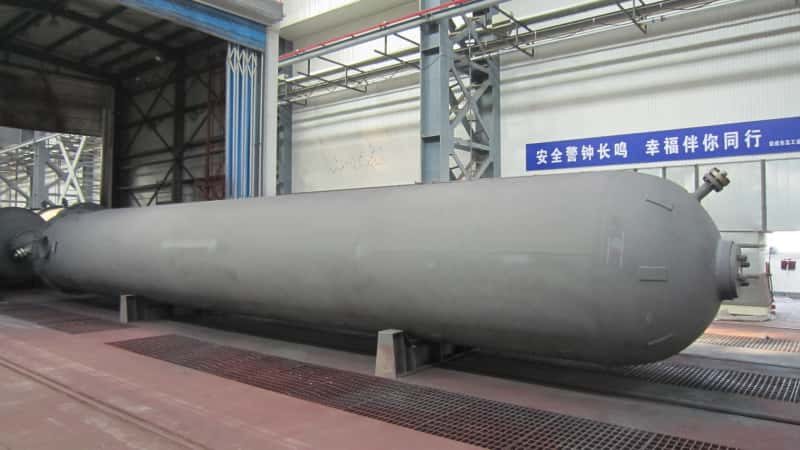

Storing liquefied gases like LPG, LNG, or ammonia isn’t just a technical challenge—it’s a matter of safety, compliance, and long-term cost efficiency. Making the wrong installation choice can expose your facility to explosion risks, costly downtime, or permit rejections. These consequences aren’t just theoretical—they happen when tank types are mismatched to their application environments. So what’s the solution? Understanding whether above-ground, underground, or mounded storage tanks best suit your operation. This article will help you make a data-driven decision to protect your assets and stay ahead of industry standards.
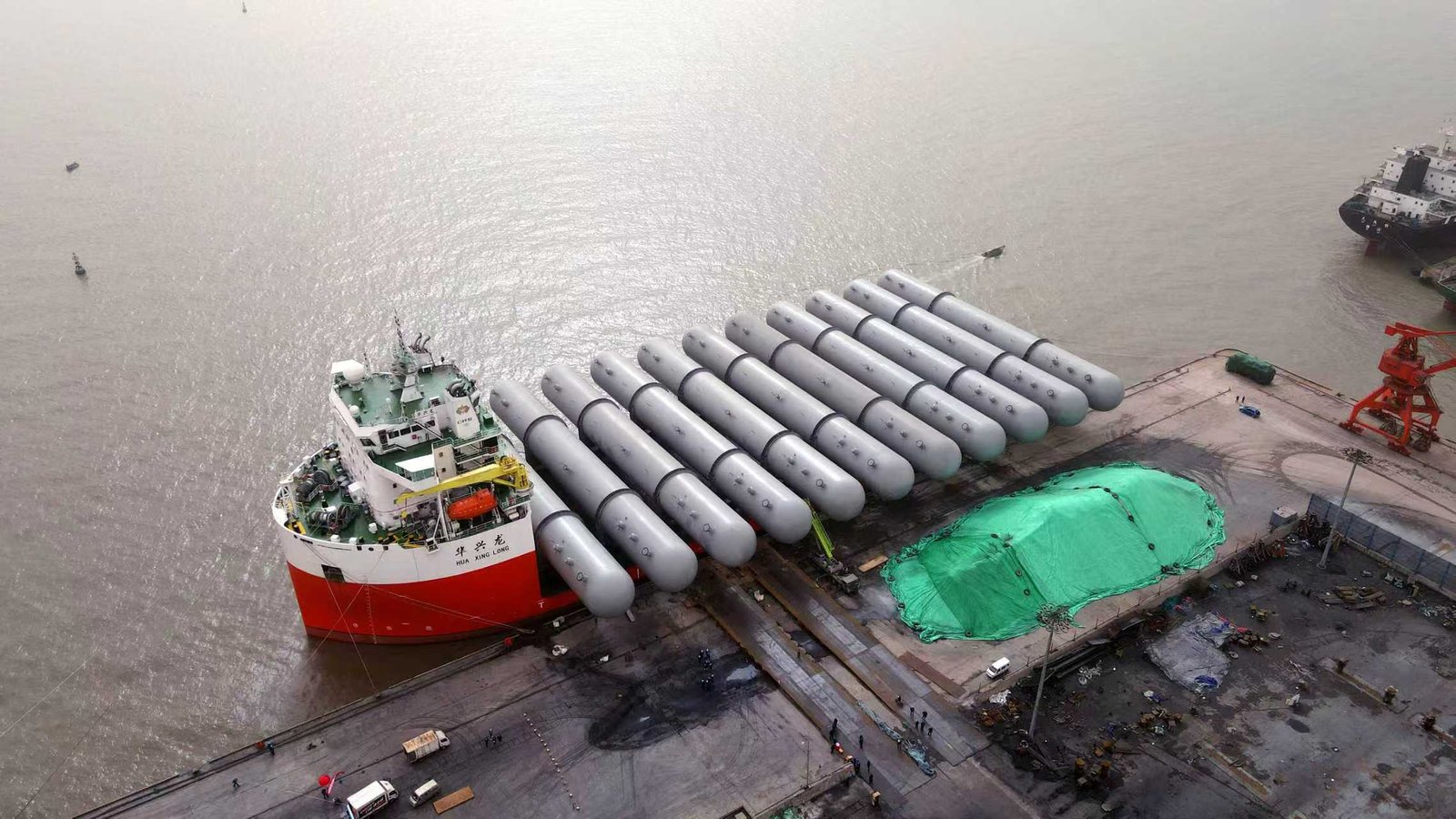
🛢️ Liquefied gas storage tanks can be designed for:
- 🏗️ Above-ground – Easy maintenance, lower CAPEX
- 🌍 Underground – Best for urban zones & aesthetics
- ⛰️ Mounded – Fire-resistant & cost-effective hybrid
➡️ Choose based on: safety, regulations, space, and long-term operational goals.
Let’s break it down and explore which type works best under different conditions and why top-tier facilities worldwide make distinct choices based on application, cost, safety, and code compliance.
Liquefied gas storage tanks can be installed above-ground, underground, or in a mounded configuration depending on the safety and site requirements.True
Industry standards like NFPA 58 and API 2510 recognize all three configurations as compliant when properly engineered.
A Closer Look at the Three Installation Methods
🏗️ Above-Ground Liquefied Gas Storage Tanks
Above-ground tanks are the most commonly seen in industrial environments. Usually cylindrical and horizontal, they are built from steel and coated for corrosion resistance.
✅ Advantages:
- 🔧 Easier maintenance & inspection
- 💰 Lower capital cost
- 🛠️ Simplified installation
- 🧯 Faster leak detection
- 📈 Easier to scale and automate
⚠️ Disadvantages:
- 🔥 Exposed to environmental hazards
- 🧱 Requires large fenced-off area
- 👀 May not be aesthetically acceptable in urban settings
📌 Engineering Insights:
- Must comply with codes like NFPA 58, EN 13445, and API 2510
- Anchoring is essential in seismic zones
- Firewater deluge or foam systems often required
🌍 Underground Liquefied Gas Storage Tanks
These tanks are completely buried, making them ideal in space-constrained or high-security locations. Access is maintained via risers and sealed manholes.
✅ Advantages:
- 🌆 Hidden from view — ideal for cities or scenic zones
- 🔥 Natural fire protection from earth insulation
- ❄️ Better thermal stability year-round
- 🏡 Preferred in residential zones
⚠️ Disadvantages:
- 💸 Higher excavation and installation costs
- 🚨 Difficult inspection & repair access
- 💧 Risk of water ingress or ground corrosion
📌 Engineering Essentials:
- Requires cathodic protection
- Must address buoyancy in high water tables
- Use of double-walled design or leak-liner systems
⛰️ Mounded Liquefied Gas Storage Tanks
Think of this as a hybrid: the tank sits on or slightly below grade, covered by an engineered mound of earth or gravel.
✅ Advantages:
- 🔥 Excellent passive fire protection
- 🧱 Impact-resistant from mechanical threats
- ⚙️ Cheaper than full underground installations
- 👩🔧 Easier operational access than UG tanks
⚠️ Disadvantages:
- 🪨 Requires engineered mound fill & drainage
- 📐 Needs proper design to avoid mound collapse
- 🕳️ May still require fencing or barriers
📌 Relevant Standards:
- OISD-150, API 2510A, and BS EN 12820
- May include vent risers, gas detectors, and manholes with fire protection
📊 Comparative Summary of Storage Types
| 🧾 Feature/Factor | 🏗️ Above-Ground | 🌍 Underground | ⛰️ Mounded |
|---|---|---|---|
| 💰 Cost | $$ | $$$$ | $$$ |
| 🔥 Fire Resistance | Moderate | High | High |
| 🛠️ Maintenance Access | Easy | Difficult | Moderate |
| 📐 Land Use | High | Low | Medium |
| 🚧 Installation Time | Short | Long | Medium |
| 🚨 Leak Detection | Easy | Complex | Moderate |
| 📜 Regulatory Complexity | Low-Mid | High | Medium |
| 🧭 Best Use Cases | Plants, terminals | Urban zones | Refineries, depots |
📈 Real-World Application Insights
📊 Global Distribution by Industry (2022 data):
| 🏭 Industry | 🏗️ Above-Ground | 🌍 Underground | ⛰️ Mounded |
|---|---|---|---|
| Petrochemical | 60% | 10% | 30% |
| Residential Supply | 15% | 75% | 10% |
| Oil Terminals | 40% | 5% | 55% |
| Agriculture/Off-grid | 80% | 15% | 5% |
| Urban Utilities | 10% | 85% | 5% |
🧪 Case Study Example:
A 2023 LPG terminal in Southeast Asia selected mounded tanks due to high seismic activity and stringent fire code. Though initial cost was 20% higher than AG tanks, they gained:
- 📉 20% insurance premium reduction
- 🛠️ 5-year maintenance-free service period
- 🧯 Built-in passive fire protection
🧾 ROI after 7 years: +$250,000 in operational savings.
✅ Final Thoughts
Choosing between above-ground, underground, or mounded liquefied gas tanks isn’t a one-size-fits-all situation. Instead, the choice should be driven by:
- 🔍 Site conditions
- 📜 Regulatory mandates
- 🧯 Safety considerations
- 💰 Lifecycle cost analysis
Each has proven effective globally—when engineered and installed properly. Your storage system’s performance and safety start with this critical decision.
📞 Ready to Get Expert Support?
Whether you’re planning a new project or upgrading an existing facility, we’re here to help you make the smartest, safest, and most cost-effective choice.
📧 Contact us now to receive:
- 🛠️ Technical layout designs
- 📐 Regulatory compliance guidance
- 🧪 Custom tank system proposals
➡️ Let us help you build storage that performs, protects, and complies.
References
- Types of LPG Storage Tanks – Chemical Engineering
- Above-Ground vs Underground Tanks – ScienceDirect
- LPG Mounded Vessel Guidelines – Ministry of Petroleum & Natural Gas (India)
- Liquefied Gas Tank Installation Best Practices – American Petroleum Institute (API)
- Storage Tank Design Considerations – Thermopedia
- LPG Safety and Storage – UK Oil & Gas Authority
- NFPA 58 – LPG Code – National Fire Protection Association
- Underground Storage Regulations – United States Environmental Protection Agency (EPA)
- Benefits of Mounded Storage – Sulzer
- Tank Safety Standards – Britannica