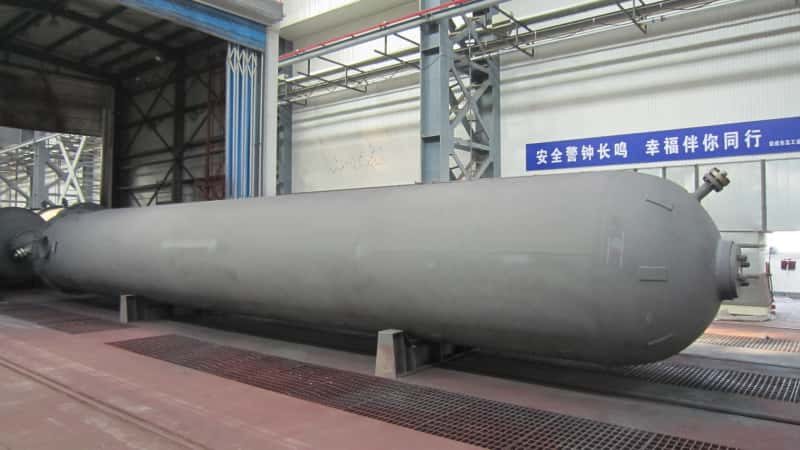

In homes and industries that rely on well water or pressurized systems, a lack of consistent water pressure can lead to severe inconvenience, damage to equipment, or inefficient system performance. Without the right system in place, water pumps would need to turn on and off constantly—leading to premature failure, higher energy bills, and unstable water flow. This is where pressure tanks play a critical role. They act as a buffer and a stabilizer, ensuring reliable pressure, reducing pump cycling, and prolonging the lifespan of the entire water system. Understanding what a pressure tank is and why it matters is essential for anyone managing a water supply system.
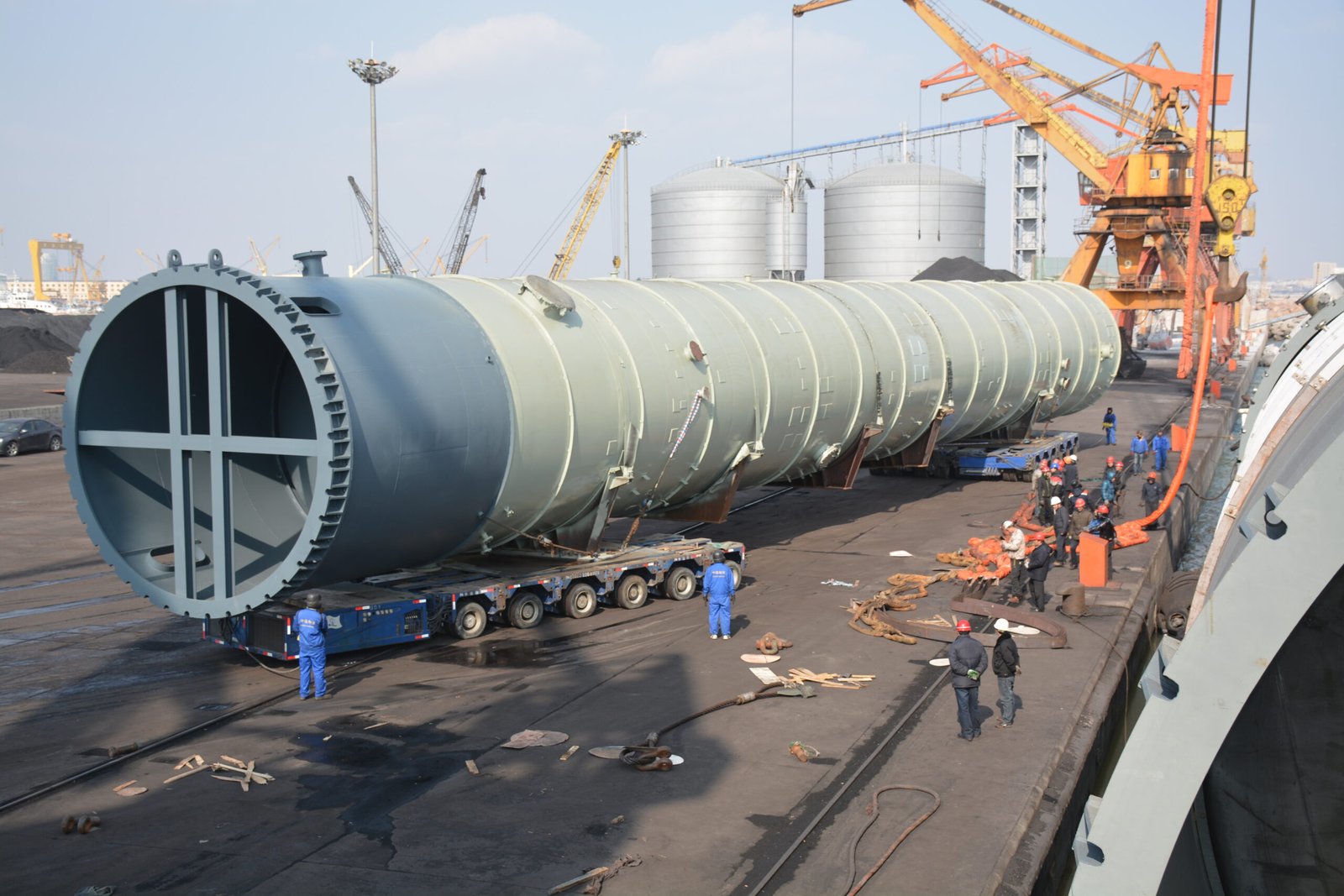
A pressure tank is a storage container designed to maintain water pressure at a consistent level in water supply systems by holding both water and air under pressure. It is important because it minimizes pump cycling, prevents water hammer, ensures steady water flow, extends the life of pumps, and helps conserve energy by reducing power consumption.
If you’re operating a well water system or pressurized plumbing network, knowing how a pressure tank works—and why it’s indispensable—can save you time, money, and frustration. Keep reading to understand its functionality, types, and how to choose the right one for your needs.
What Is a Pressure Tank and How Does It Work?
Many homeowners and industrial operators face the frustrating problem of inconsistent water pressure, noisy pump cycling, or premature failure of water pumps due to continuous on-off operation. These issues not only affect comfort and efficiency but can also lead to increased maintenance costs and energy usage. Fortunately, the pressure tank is a proven solution that addresses all these pain points by stabilizing system pressure, reducing pump wear, and storing pressurized water for on-demand use. If you want to maximize the performance and longevity of your water system, understanding how a pressure tank works is essential.
A pressure tank is a sealed vessel used in water systems to store pressurized water and regulate water pressure through a balance of air and water. It works in tandem with a pump and a pressure switch: as water is pumped into the tank, it compresses the air inside, creating pressure; when a tap is opened, this air pressure pushes water out without immediate pump activation. This mechanism reduces pump cycling, maintains consistent pressure, and ensures efficient water delivery.
Pressure tanks are often underestimated in importance, yet they are critical components of residential, agricultural, and industrial water systems. Whether you’re running a well water setup or a booster system for multi-story buildings, a pressure tank ensures your system operates smoothly and cost-effectively. Let’s explore the science, function, and advantages of pressure tanks in detail, including the key types, working mechanisms, sizing guidelines, maintenance tips, and real-world case studies.
A pressure tank maintains water pressure without needing the pump to run constantly.True
Pressure tanks use compressed air to maintain system pressure, reducing the frequency of pump operation and extending pump life.
How Does a Pressure Tank Work? – Technical Breakdown
To fully understand how a pressure tank operates, we need to dive into its structure and the fluid dynamics behind it. Here’s a look at its core components:
| Component | Function |
|---|---|
| Tank Body | Contains water and air, usually made of steel, fiberglass, or composite. |
| Internal Bladder/Diaphragm | Separates water from air to prevent waterlogging (in modern models). |
| Air Chamber | Provides the pressurized air cushion that pushes water out. |
| Water Inlet/Outlet | Allows water to flow into or out of the system. |
| Pressure Switch | Controls the pump based on pressure thresholds (e.g., 30-50 PSI). |
There are three main types of pressure tanks used in the field:
| Type | Air-Water Separation | Advantages | Typical Use Cases |
|---|---|---|---|
| Air-Over-Water Tanks | No physical separator | Simple design, low cost | Older or low-demand residential setups |
| Diaphragm Tanks | Rubber diaphragm | Prevents waterlogging, compact size | Domestic and light commercial |
| Bladder Tanks | Replaceable bladder | Long life, best air charge retention | High-demand systems |
Working Principle: A Step-by-Step Process
- Initial Fill
The pump begins to draw water from the well or main supply. This water is pushed into the pressure tank. Inside, there’s already air compressed to a preset “pre-charge” pressure (typically 2 PSI below cut-in pressure). Air Compression
As the water enters, it compresses the air inside the tank. This raises the overall pressure in the tank. The pressure gauge rises with it.Pressure Switch Activation
When pressure reaches the preset cut-off value (e.g., 50 PSI), the pressure switch turns off the pump.Water Usage
When a faucet or fixture is opened, pressurized air pushes the stored water out. The system delivers water without needing to activate the pump immediately.Pressure Drop & Refill
As water is used, pressure drops. When it reaches the cut-in pressure (e.g., 30 PSI), the pressure switch reactivates the pump, starting the cycle again.
This cycle allows efficient water delivery while greatly reducing the number of times the pump must start—key for extending pump life.
The Physics Behind Pressure Tanks
The pressure tank is essentially an application of Boyle’s Law: P1 × V1 = P2 × V2, where the pressure (P) and volume (V) of gas are inversely proportional at constant temperature. As the water fills the tank, it compresses the air (reducing air volume, increasing air pressure), which later expands to push the water out when needed. This simple yet powerful principle makes pressure tanks energy-efficient and mechanically reliable.
Below is a pressure cycle graph representing the water pressure levels during a typical operation:
| Phase | Pressure Range (PSI) | Pump Status |
|---|---|---|
| Pump Starts | 30 PSI (Cut-in) | ON |
| Water Filling | 30–50 PSI | ON |
| Max Pressure | 50 PSI (Cut-off) | OFF |
| Water Usage | 50–30 PSI | OFF |
| Pump Restarts | 30 PSI | ON |
Applications of Pressure Tanks
Pressure tanks are used in:
- Well Water Systems – To deliver constant pressure and reduce pump cycling.
- Booster Pump Systems – For high-rise buildings and commercial facilities.
- Irrigation Systems – Ensures steady flow during agricultural watering.
- Fire Protection – Maintains reserve pressure in emergency sprinkler systems.
- HVAC Systems – In hydronic heating for air cushion control in expansion.
Sizing and Selection: What Size Pressure Tank Do You Need?
Selecting the right size pressure tank is critical for optimal performance. A tank that is too small causes frequent pump cycling, while a tank that is too large may lead to sluggish performance and higher costs.
| Pump Flow Rate (GPM) | Minimum Tank Size (Gallons) |
|---|---|
| 5 GPM | 20–30 |
| 10 GPM | 40–60 |
| 15 GPM | 60–80 |
| 20 GPM | 80–100 |
General Rule of Thumb:
Tank size = One gallon of drawdown for every GPM of pump capacity during the pump cycle.
For a pump that delivers 10 GPM and a pressure range of 30-50 PSI, you’ll want at least a 40-gallon pressure tank with a drawdown capacity of ~10 gallons.
Maintenance and Troubleshooting of Pressure Tanks
Routine maintenance ensures long service life and safety. Key checks include:
- Pre-charge Pressure Check: Every 6 months using a tire gauge (with pump off and tank empty).
- Bladder Integrity Test: Tap the side; a “hollow” sound = OK, “dull thud” = waterlogged.
- Pressure Switch Calibration: Ensures cut-in and cut-off pressures are optimal.
- Drain Sediment: Occasionally drain water to remove sediment that may reduce capacity.
Common issues and solutions:
| Problem | Cause | Solution |
|---|---|---|
| Waterlogged Tank | Bladder rupture or air loss | Recharge air or replace bladder |
| Frequent Pump Cycling | Undersized tank or faulty pressure switch | Check sizing and switch settings |
| Low Water Pressure | Clogged pipes or incorrect pressure | Clean pipes, adjust settings |
Pressure tanks need to be replaced every 2–3 years.False
High-quality pressure tanks can last 5–15 years with proper maintenance and pre-charge management.
Case Study: Residential Well System Upgrade
Client: Suburban homeowner with a 4-bedroom house and irrigation system.
Problem: Pump running every 30 seconds, noisy operation, low pressure.
Diagnosis: Undersized 20-gallon tank with a 15 GPM pump.
Solution: Replaced with a 60-gallon bladder tank, reset pressure switch from 20-40 PSI to 30-50 PSI.
Result: 60% reduction in pump cycles per day, 25% drop in energy use, significantly quieter system.
Conclusion
Pressure tanks are vital components that improve the performance, longevity, and efficiency of water systems. By understanding their operation, choosing the correct size, and performing routine maintenance, homeowners and system designers can avoid costly issues and ensure consistent, reliable water pressure. Whether you’re managing a private well, a commercial building, or an industrial plant, investing in the right pressure tank pays off long-term.
Why Is a Pressure Tank Important in a Water System?
Water systems without proper pressure regulation often suffer from frustrating issues like erratic water pressure, short cycling of pumps, early pump failure, and inadequate water flow during peak demand. These problems can lead to discomfort, damaged appliances, increased energy bills, and costly repairs. The good news is that there is a proven and reliable solution: installing a pressure tank. It plays a critical role in stabilizing water pressure, reducing pump wear, and ensuring reliable water delivery across homes, farms, and commercial buildings.
A pressure tank is essential in a water system because it regulates water pressure, stores pressurized water for on-demand use, and minimizes the frequency of pump cycling. By maintaining a consistent pressure range and reducing the direct dependence on the pump during every water use, it extends pump lifespan, conserves energy, and improves overall water system performance and reliability.
If you’ve ever experienced a sudden drop in water pressure or heard your pump turning on and off too frequently, it’s likely due to the absence or failure of a properly sized pressure tank. In this article, we will explore why a pressure tank is not just useful but vital in any well-designed water system—backed by technical details, data, tables, and real-world examples.
A pressure tank is only used to store water in a water system.False
While a pressure tank does store water, its primary function is to regulate water pressure and reduce pump cycling, improving efficiency and pump longevity.
The Core Functions of a Pressure Tank in Water Systems
A pressure tank is far more than just a reservoir. It acts as a dynamic component that balances pressure through air-water interaction. Here’s what it does:
| Function | Impact on System |
|---|---|
| Maintains Consistent Pressure | Ensures stable water delivery without sudden surges or drops |
| Reduces Pump Cycling | Extends pump lifespan by preventing rapid on-off switching |
| Stores Pressurized Water | Provides immediate water access without activating the pump |
| Acts as a Pressure Buffer | Absorbs pressure fluctuations, protecting plumbing fixtures and appliances |
| Supports Peak Demand | Handles short-term high usage scenarios without overloading the pump |
Let’s walk through a typical sequence of how a pressure tank operates:
- Pump activates at low pressure (cut-in, e.g., 30 PSI) and fills the tank.
- As the tank fills, air inside compresses, raising pressure.
- When pressure hits the high threshold (cut-off, e.g., 50 PSI), the pump shuts off.
- Water usage is now supplied by the pressurized air in the tank, not the pump.
- Once pressure drops again, the cycle repeats.
This buffer zone of operation is critical for system efficiency and reliability.
Importance of Pressure Tanks by Application
| Application Area | Pressure Tank Role |
|---|---|
| Residential Homes | Prevents low water pressure when multiple fixtures are used |
| Agricultural Irrigation | Maintains steady pressure across long pipe runs and variable terrain |
| Commercial Buildings | Balances pressure for multiple floors and high-demand hours |
| Industrial Processing Plants | Ensures consistent water flow to sensitive machinery and systems |
| Fire Suppression Systems | Maintains minimum standby pressure in case of emergency deployment |
Graph: Pump Activation Without vs. With Pressure Tank
This graph compares the number of pump cycles per hour with and without a pressure tank:
| Scenario | Pump Cycles Per Hour | Pump Life Expectancy |
|---|---|---|
| No Pressure Tank | 30–50 cycles | Shorter (5–7 years) |
| Small Undersized Tank | 15–25 cycles | Moderate (7–10 years) |
| Properly Sized Pressure Tank | 5–10 cycles | Longer (10–15 years or more) |
The less frequently the pump turns on, the longer it will last. This also means lower electricity bills and fewer breakdowns.
Pressure tanks help to reduce electricity usage in water systems.True
By storing water under pressure, the tank allows for water delivery without activating the pump every time, reducing energy consumption.
Pressure Tank Sizing and Drawdown
Drawdown is the usable volume of water available from the tank between the high and low-pressure switch settings. It depends on:
- Pump output (GPM)
- Pressure switch settings (e.g., 30/50 PSI)
- Tank pre-charge pressure
- Tank total volume
| Tank Size (Gallons) | Drawdown at 30/50 PSI | Drawdown at 40/60 PSI |
|---|---|---|
| 20 | 6.1 gallons | 5.4 gallons |
| 40 | 12.3 gallons | 10.8 gallons |
| 60 | 18.5 gallons | 16.2 gallons |
| 80 | 24.7 gallons | 21.6 gallons |
Proper drawdown capacity means your pump will cycle fewer times, which is the goal of pressure tank optimization.
Real-World Example: Commercial Booster System
Location: 5-story office building
Problem: Unstable water pressure during peak hours (early morning and lunch breaks)
Initial Setup: Direct pump-fed system, no pressure tank
Issues Faced:
- Pumps frequently overheating
- Water pressure drops on upper floors
- High maintenance cost and tenant complaints
Solution: Installed two 100-gallon bladder-type pressure tanks on the booster system
Results:
- Reduced pump cycles by 70%
- Stable pressure across all floors
- Improved tenant satisfaction
- Lower monthly energy costs by 22%
Pressure tanks eliminate the need for water pumps in a pressurized water system.False
Pressure tanks assist the pump by maintaining pressure but do not replace the pump, which is still required to refill the tank and supply water.
Summary
A pressure tank is not just a convenience—it is a critical infrastructure component in modern water systems. From improving water pressure consistency to preventing excessive wear on pumps, pressure tanks deliver long-term performance benefits. Their role in energy efficiency, system stability, and water delivery reliability cannot be overstated.
What Are the Different Types of Pressure Tanks and Their Applications?
Selecting the wrong type of pressure tank for a water system can lead to frequent pump cycling, poor water pressure, waterlogging issues, and costly system failures. This is especially true for well water setups, irrigation systems, and booster applications. Many users aren’t aware that pressure tanks come in multiple designs, each suited for specific applications and operational demands. The good news is that understanding the different types of pressure tanks can help you choose the best one to ensure optimal system performance, longevity, and efficiency.
The main types of pressure tanks are air-over-water tanks, diaphragm tanks, and bladder tanks. Air-over-water tanks use a shared chamber for air and water, while diaphragm and bladder tanks separate them using a flexible barrier. Each type has unique advantages and is suited for specific applications, such as residential wells, commercial booster systems, irrigation setups, or industrial water processing. Choosing the right type depends on your system pressure, water demand, and maintenance expectations.
If you’re wondering which pressure tank is right for your home, farm, or facility, you’re not alone. In this guide, we’ll compare all the major types of pressure tanks—how they work, their construction, benefits, limitations, and use cases. We’ll also provide sizing tables, system compatibility charts, and real-world application examples to help you make the most informed choice.
All pressure tanks operate using the same internal design and mechanism.False
Different types of pressure tanks vary in design—some separate air and water using diaphragms or bladders, while others do not, affecting performance and maintenance.
Overview of Pressure Tank Types
Pressure tanks differ in how they handle the separation of air and water, which directly affects system performance, durability, and maintenance. Here’s a breakdown:
| Tank Type | Air-Water Separation | Internal Structure | Key Features |
|---|---|---|---|
| Air-Over-Water Tank | No separator | Open chamber for both air and water | Simple, prone to waterlogging |
| Diaphragm Pressure Tank | Rubber diaphragm fixed inside | Air and water divided by a non-replaceable diaphragm | Compact, minimal maintenance |
| Bladder Pressure Tank | Replaceable air-tight bladder | Water stored inside bladder, surrounded by air | Most reliable, long-lasting |
| Composite Pressure Tank | Usually bladder-type | Fiberglass outer shell + internal bladder | Corrosion-resistant, lightweight |
Below is a visual comparison chart showing their design differences:
| Characteristic | Air-Over-Water | Diaphragm | Bladder | Composite |
|---|---|---|---|---|
| Air-Water Separation | None | Yes | Yes | Yes |
| Maintenance Requirement | High (recharge air) | Low | Very Low | Very Low |
| Susceptible to Waterlogging | Yes | No | No | No |
| Pressure Stability | Medium | High | Very High | Very High |
| Lifespan | 5–7 years | 7–10 years | 10–15 years | 10–15 years |
| Cost | Lowest | Medium | Higher | Higher |
How Each Type Works
🔹 Air-Over-Water Tanks
Mechanism: Air and water share the same tank chamber. Air compresses as water enters and expands as water exits.
- Advantages: Inexpensive, simple, no internal parts.
- Disadvantages: Air gradually dissolves into water, leading to waterlogging. Requires frequent manual or automatic air charging.
- Best Use Cases: Low-demand residential or rural well systems where budget is a priority.
🔹 Diaphragm Pressure Tanks
Mechanism: A flexible diaphragm is permanently sealed inside the tank, separating air on one side and water on the other.
- Advantages: Low maintenance, compact, more efficient than air-over-water.
- Disadvantages: Diaphragm is non-replaceable; failure requires full tank replacement.
- Best Use Cases: Residential well systems, light commercial buildings, and irrigation.
🔹 Bladder Pressure Tanks
Mechanism: Water is stored inside a sealed bladder. The bladder expands and contracts within a steel or composite tank surrounded by air.
- Advantages: Long lifespan, most reliable air charge retention, easily replaceable bladder.
- Disadvantages: Higher cost upfront.
- Best Use Cases: High-demand residential, commercial booster pumps, industrial applications.
🔹 Composite Pressure Tanks
Mechanism: Typically bladder-type, but with fiberglass or composite outer shells for corrosion resistance.
- Advantages: Lightweight, rust-free, hygienic (for drinking water), chemical resistant.
- Disadvantages: Costlier than steel tanks.
- Best Use Cases: Coastal installations, water purification systems, food-grade water supply, marine environments.
Bladder tanks are suitable for high-pressure and high-demand systems.True
Bladder tanks provide superior pressure stability and have a replaceable internal bladder, making them ideal for high-flow or high-pressure systems.
Application Matrix by Tank Type
This matrix helps you choose the best pressure tank based on your application needs:
| Application | Air-Over-Water | Diaphragm | Bladder | Composite |
|---|---|---|---|---|
| Low-Demand Well Water Systems | ✅ | ✅ | ✅ | ✅ |
| High-Demand Household Water Systems | ❌ | ✅ | ✅✅ | ✅ |
| Booster Systems for Multi-Story | ❌ | ✅ | ✅✅ | ✅ |
| Agricultural Irrigation Systems | ❌ | ✅ | ✅✅ | ✅✅ |
| Industrial Water Treatment | ❌ | ✅ | ✅✅ | ✅✅ |
| Coastal / Marine Environments | ❌ | ❌ | ✅ | ✅✅ |
| Fire Protection Systems | ❌ | ✅ | ✅✅ | ✅ |
✅ = Suitable, ✅✅ = Highly Recommended, ❌ = Not Recommended
Sizing Considerations Based on Tank Type
Sizing pressure tanks properly is critical regardless of the type, but air-over-water tanks require significantly larger volumes to provide the same drawdown.
| Tank Type | 50 PSI System Pressure | Minimum Size for 10 GPM Pump |
|---|---|---|
| Air-Over-Water | 100 gallons | 100–120 gallons |
| Diaphragm | 60 gallons | 40–60 gallons |
| Bladder | 40 gallons | 35–50 gallons |
| Composite (Bladder) | 40 gallons | 35–50 gallons |
Note: Drawdown capacity (usable water between pump cycles) depends on pressure switch settings and pre-charge.
Real-World Example: Commercial Application
Client: Small hotel with five floors and a booster pump system
Original Setup: Diaphragm tanks undersized for 15 GPM pump
Issues: Inconsistent pressure on upper floors, pump overheating
Solution: Replaced with two 80-gallon composite bladder tanks
Results:
- Improved pressure delivery across all rooms
- Pump cycles reduced by 60%
- Maintenance-free performance for over 3 years
Diaphragm tanks can be repaired if the diaphragm fails.False
Most diaphragm tanks are sealed units, and the diaphragm is not replaceable. A failed diaphragm typically means the entire tank must be replaced.
Summary
Choosing the right type of pressure tank—air-over-water, diaphragm, bladder, or composite—can make a significant difference in your water system’s performance, reliability, and cost-efficiency. Each type offers distinct advantages, and the best choice depends on your specific application, water usage patterns, maintenance tolerance, and environmental conditions. Understanding these differences ensures your system runs smoothly, your pump lasts longer, and your water pressure stays consistent when you need it most.
How Does a Pressure Tank Improve Water Pressure Consistency?
Few things are more frustrating than turning on a shower or faucet and being met with a sudden drop—or surge—in water pressure. This inconsistency not only affects comfort but can also damage appliances, lead to inefficient irrigation, or disturb industrial processes. At the heart of many stable water systems lies an often overlooked but essential component: the pressure tank. When properly installed and sized, a pressure tank plays a pivotal role in regulating and stabilizing water pressure across any plumbing network.
A pressure tank improves water pressure consistency by storing pressurized water and releasing it steadily, independent of the pump’s operation. It acts as a buffer between the pump and the end-use points, reducing fluctuations caused by pump start/stop cycles. The compressed air inside the tank maintains uniform pressure, delivering a smooth and uninterrupted water flow even during varying usage demands.
If you’ve experienced uneven water pressure—strong one moment, weak the next—your system likely lacks a properly functioning pressure tank. In this guide, we’ll explore the fluid dynamics, components, and control mechanisms that enable a pressure tank to regulate water pressure consistently, with technical accuracy, data, diagrams, and real-world applications.
Pressure tanks eliminate pressure drops entirely, regardless of water usage demand.False
Pressure tanks minimize pressure fluctuations, but large, sudden demand can still cause drops if the tank or system is undersized.
How Water Pressure Normally Works Without a Pressure Tank
Before diving into how pressure tanks stabilize pressure, let’s look at a system without one.
- Pump-only System: Every time you open a faucet, the pump must turn on to supply water. When multiple fixtures are used or demand spikes, the pump may not keep up, causing pressure drops or surges.
- Frequent Cycling: The pump switches on/off rapidly—called short cycling—creating fluctuating water pressure and stressing the system.
- Uneven Delivery: Inconsistent flow at fixtures, especially those farthest from the source or at higher elevations.
What Happens When a Pressure Tank Is Installed?
A pressure tank introduces a pressurized air cushion into the water system, allowing the pump to fill the tank, then rest, while the tank supplies water with stable pressure. The tank compresses air as it fills with water and uses this air pressure to maintain consistent flow as water is released.
Here’s how the process works:
- Pump Activation: When pressure drops to the cut-in point (e.g., 30 PSI), the pump turns on.
- Water Compression: Pump fills the tank; incoming water compresses the air inside the tank.
- Stable Delivery: When a faucet is opened, the pressurized air pushes water out at a consistent pressure.
- Pump Resting: Water is delivered without engaging the pump every time, avoiding pressure drops.
| Phase | Pressure (PSI) | System Behavior |
|---|---|---|
| Pump On | 30 → 50 PSI | Tank fills, pressure increases |
| Pump Off | 50 PSI | Tank full, water ready |
| Faucet Opens | 50 → 30 PSI | Tank supplies water under pressure |
| Cut-In Pressure Hit | 30 PSI | Pump reactivates |
Pressure tanks stabilize water pressure by regulating the pump's operation.True
Pressure tanks work with pressure switches to manage pump cycles and release pressurized water steadily, ensuring consistent water delivery.
Air Compression: The Physics Behind Consistency
Pressure tanks use Boyle’s Law to manage pressure:
P × V = constant (at constant temperature)
- As water fills the tank, air volume decreases, and pressure increases.
- As water is drawn out, air expands, pushing the water out with a relatively constant pressure.
This natural compression/expansion buffer avoids the sudden starts/stops of pump-only systems.
Key Components That Regulate Pressure
| Component | Function |
|---|---|
| Bladder or Diaphragm | Separates water and air for better pressure retention |
| Pre-Charged Air | Ensures immediate pressure force when water is needed |
| Pressure Switch | Automatically starts/stops the pump at defined PSI settings (e.g., 30/50 PSI) |
| Tank Volume | Larger volume = longer consistent flow before pump reactivates |
Graph: Pressure Drop Comparison
| System Type | Average Pressure Variation | User Experience |
|---|---|---|
| Pump-only (no tank) | ±15 PSI | Noticeable surges and drops |
| Small Tank (under-sized) | ±8 PSI | Minor fluctuations |
| Proper Tank (sized well) | ±2–4 PSI | Smooth and consistent pressure |
Real-World Example: Residential Water Pressure Stabilization
Scenario: A 2-story home with 3 bathrooms and a 1 HP pump.
Problem: Shower pressure drops when multiple taps are open.
Original Setup: Direct pump, no pressure tank.
Solution: Install a 50-gallon bladder-type pressure tank with 30/50 PSI switch.
Result:
- Water pressure remained within 47–51 PSI during typical usage
- Pump cycles reduced from 35 to 12 times per day
- System noise and energy use significantly decreased
A properly sized pressure tank can deliver water without needing the pump to run during normal usage intervals.True
Once pressurized, the tank provides water using its internal air pressure, allowing the pump to rest until the lower pressure limit is reached.
Factors That Affect Pressure Consistency
| Factor | Impact on Performance | Optimization Tips |
|---|---|---|
| Tank Size | Larger tanks offer longer drawdown, better pressure consistency | Match tank to pump GPM and usage pattern |
| Pressure Switch Settings | A wider pressure range (e.g., 20 PSI gap) reduces cycling | Use 30/50 or 40/60 for standard systems |
| Pre-Charge Air Level | Incorrect air charge leads to poor pressure regulation | Set 2 PSI below cut-in pressure |
| Pipe Length and Elevation | Long runs or height differences reduce pressure at outlets | Use booster pumps in multi-level buildings |
| Flow Demand | High-flow events can exceed tank drawdown capacity | Consider dual tanks or variable-speed pumps |
Summary
A pressure tank ensures water pressure remains consistent by acting as a hydraulic buffer, storing water under pressure, and smoothing out the fluctuations caused by pump cycling. It ensures faucets don’t sputter, showers don’t weaken, and irrigation systems operate smoothly. Whether you’re in a small home, large estate, or commercial facility, a properly installed and sized pressure tank is the backbone of stable water delivery.
What Size Pressure Tank Do I Need for My System?
Choosing the wrong size pressure tank is one of the most common and costly mistakes made in water system design. An undersized tank causes frequent pump cycling, overheating, and premature pump failure. An oversized tank may waste space and inflate installation costs without proportional benefits. Whether you’re running a well water system, booster pump, irrigation setup, or industrial line, correctly sizing your pressure tank is critical for system performance, longevity, and efficiency.
The correct pressure tank size depends on your pump’s flow rate (GPM), pressure switch settings (e.g., 30/50 PSI), and desired drawdown capacity. A good rule of thumb is to provide one gallon of drawdown per gallon per minute (GPM) of pump output during each cycle. This means a 10 GPM pump needs a tank with at least 10 gallons of drawdown capacity, which typically equates to a 40- to 50-gallon tank.
If you’re wondering how to match the tank size to your system’s exact demand, flow rate, and pressure range, this guide is for you. We’ll walk you through the key sizing formula, provide comprehensive tables, and share examples for homes, farms, and commercial buildings.
A pressure tank’s total volume is equal to its usable water capacity.False
A pressure tank’s usable capacity (drawdown) is only a portion of its total volume, depending on pressure settings and air pre-charge.
Understanding Pressure Tank Sizing: Key Concepts
To size a pressure tank properly, you need to understand a few core terms:
| Term | Definition |
|---|---|
| GPM (Gallons Per Minute) | The pump’s flow rate—the amount of water it can deliver per minute |
| Drawdown Capacity | The amount of water a pressure tank can deliver before the pump turns back on |
| Total Tank Volume | The physical size of the tank (not all of it is usable water) |
| Pressure Settings | The cut-in and cut-out PSI that control the pump (e.g., 30/50 PSI) |
| Pre-Charge Pressure | The air pressure inside the tank (typically 2 PSI below cut-in) |
The Pressure Tank Sizing Formula
The simplified rule of thumb:
Tank drawdown (gallons) = Pump flow rate (GPM) × Desired pump run time (minutes)
Example:
- Pump = 10 GPM
- Desired run time = 1 minute
- Required drawdown = 10 gallons
- Therefore, you need a pressure tank that provides at least 10 gallons of drawdown
- For a 30/50 PSI switch, this corresponds to a 40–50 gallon tank
Pressure tanks need to be sized based solely on pipe diameter.False
Pressure tank sizing depends on pump flow rate, pressure settings, and desired drawdown—not pipe diameter.
Table: Drawdown vs. Total Tank Volume at Different PSI Settings
This table shows how total tank size translates into actual usable water (drawdown):
| Tank Volume (Gallons) | Drawdown at 20/40 PSI | Drawdown at 30/50 PSI | Drawdown at 40/60 PSI |
|---|---|---|---|
| 20 | 7.5 gallons | 6.1 gallons | 5.4 gallons |
| 40 | 15.1 gallons | 12.3 gallons | 10.8 gallons |
| 60 | 22.6 gallons | 18.5 gallons | 16.2 gallons |
| 80 | 30.2 gallons | 24.7 gallons | 21.6 gallons |
| 100 | 37.7 gallons | 30.9 gallons | 27.0 gallons |
Chart: Recommended Tank Size Based on Pump GPM
| Pump GPM | Minimum Drawdown Required (1 min run time) | Suggested Tank Size (30/50 PSI) |
|---|---|---|
| 5 GPM | 5 gallons | 20–30 gallons |
| 10 GPM | 10 gallons | 40–50 gallons |
| 15 GPM | 15 gallons | 60–80 gallons |
| 20 GPM | 20 gallons | 80–100 gallons |
| 25 GPM | 25 gallons | 100–120 gallons |
Note: These are general guidelines. Larger tanks offer better performance and less pump cycling.
Larger pressure tanks reduce pump wear and energy usage by decreasing cycling.True
With larger drawdown volumes, pumps run less frequently, improving energy efficiency and reducing mechanical wear.
Sizing Based on Application Type
| Application | Typical GPM | Recommended Tank Size | Notes |
|---|---|---|---|
| 2–3 Person Home | 5–7 GPM | 20–40 gallons | Minimum acceptable for standard residential use |
| 4–6 Person Home + Lawn Irrigation | 10–15 GPM | 50–80 gallons | Needed to avoid cycling during simultaneous usage |
| Agricultural Irrigation | 15–25 GPM | 80–120 gallons | Large drawdown needed for zone-based watering |
| Booster Pump for Building | 20–30+ GPM | 100–150 gallons | Must support variable demand and multi-point delivery |
| Commercial Car Wash | 30–50 GPM | 150+ gallons | High demand + high drawdown required |
Real-World Case Study: Residential System Upgrade
Client: 4-bedroom house with sprinkler system
Old Setup: 20-gallon diaphragm tank, 10 GPM pump
Issues:
- Frequent pump cycling
- Weak shower pressure when sprinkler on
Solution: - Installed 60-gallon bladder tank with 12.3 gallons drawdown
- Switched pressure settings to 30/50 PSI
Results: - Pump cycles reduced by 60%
- More stable water pressure
- Lower monthly energy cost by ~18%
Pre-charging a tank incorrectly can reduce its effective drawdown.True
Improper pre-charge air pressure can lead to waterlogging or reduced usable volume, compromising system performance.
Sizing Tips & Best Practices
- Match tank to pump: Know your pump’s GPM and size your tank accordingly.
- Set the pre-charge correctly: 2 PSI below cut-in pressure (e.g., for 30/50 PSI, set at 28 PSI).
- Larger tanks = longer lifespan: Less cycling = less wear = more years of reliable use.
- Consider future demand: If you plan to add irrigation or bathrooms, go up a size.
- Use multiple tanks if needed: Two 50-gallon tanks can work better than one 100-gallon tank in some layouts.
Summary
Properly sizing your pressure tank is essential for system efficiency, water pressure consistency, and pump longevity. Start with your pump’s GPM, determine your desired drawdown, and use the pressure settings to select a tank with enough usable capacity. Remember, sizing too small leads to high maintenance and failure risks—sizing right ensures comfort, reliability, and peace of mind.
Whether you’re a homeowner, facility manager, or contractor, understanding the value of a pressure tank can help you design smarter systems and avoid costly breakdowns.
Contact us today for expert guidance on selecting and installing the ideal pressure tank for your system.
FAQ
Q: What is a pressure tank?
A: A pressure tank is a sealed container designed to store fluids (liquids or gases) under pressure. It acts as a pressure buffer in systems like water supply, heating, or compressed air. It helps maintain consistent pressure, reduce pump cycling, and manage volume changes due to temperature or flow fluctuations. Pressure tanks are commonly used in residential, commercial, and industrial systems.
Q: How does a pressure tank work?
A: A pressure tank typically contains compressed air and a bladder or diaphragm. As water or gas enters the tank, it compresses the air inside, storing energy in the form of pressure. When demand increases, the stored pressure pushes the fluid back into the system without requiring immediate pump activation, ensuring smoother operation and energy efficiency.
Q: Why is a pressure tank important in water systems?
A: In water supply systems, pressure tanks reduce the frequency of pump starts and stops, extending pump life and lowering energy costs. They help maintain consistent water pressure, prevent water hammer, and store a reserve supply, especially in well systems or buildings with variable demand.
Q: What is the difference between a pressure tank and an expansion tank?
A: While both manage pressure, a pressure tank is used to maintain system pressure and store fluid under pressure, often with a pump. An expansion tank accommodates fluid volume changes due to temperature increases (e.g., in heating systems) to prevent overpressure. Expansion tanks usually don’t store pressurized fluid for supply purposes.
Q: Where are pressure tanks used in industrial applications?
A: Pressure tanks are used in many industrial settings such as chemical processing, boiler systems, compressed air systems, food and beverage, and pharmaceutical production. They ensure safe operation by absorbing pressure surges, balancing fluid delivery, and meeting flow demands without stressing pumps or pipelines.
References
- How Pressure Tanks Work – Water Tank Store
- Pressure Vessels Explained – Engineering Toolbox
- Pressure Tank Applications in Industry – Elmhurst University
- Difference Between Pressure Tank and Expansion Tank – Chemical Engineering Resources
- Well Water Pressure Tanks – Fresh Water Systems
- ASME Code for Pressure Vessels – ASME
- Bladder vs Diaphragm Pressure Tanks – RC Worst
- Industrial Tank Safety Standards – OSHA
- Boiler and Expansion Tanks – HVAC.com
- Compressed Air Pressure Tanks – Kaeser Compressors