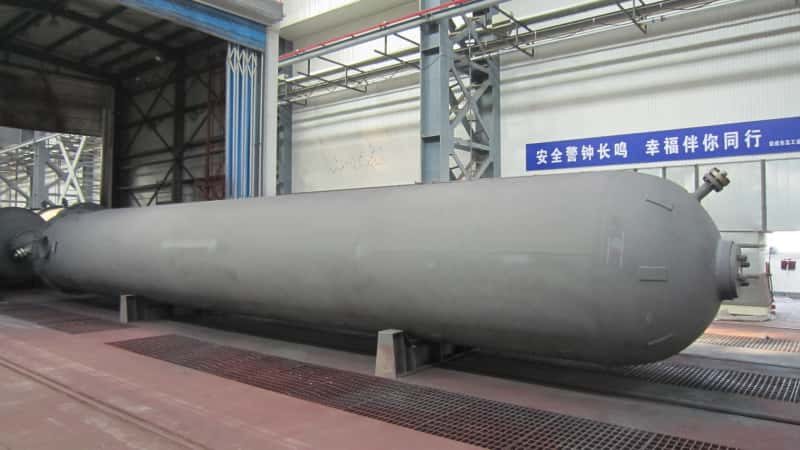

In industrial and HVAC applications, heat exchangers must endure harsh environments, including extreme temperatures, pressure variations, and corrosive fluids. One of the most critical factors that determine the reliability, lifespan, and safety of a heat exchanger is material selection. Choosing the wrong material can lead to premature failure, increased maintenance costs, and even system shutdowns. However, selecting the right material—be it stainless steel, titanium, or copper alloys—can optimize performance, enhance resistance to corrosion, and reduce total cost of ownership. This article explores how different materials directly influence a heat exchanger’s durability and compatibility.
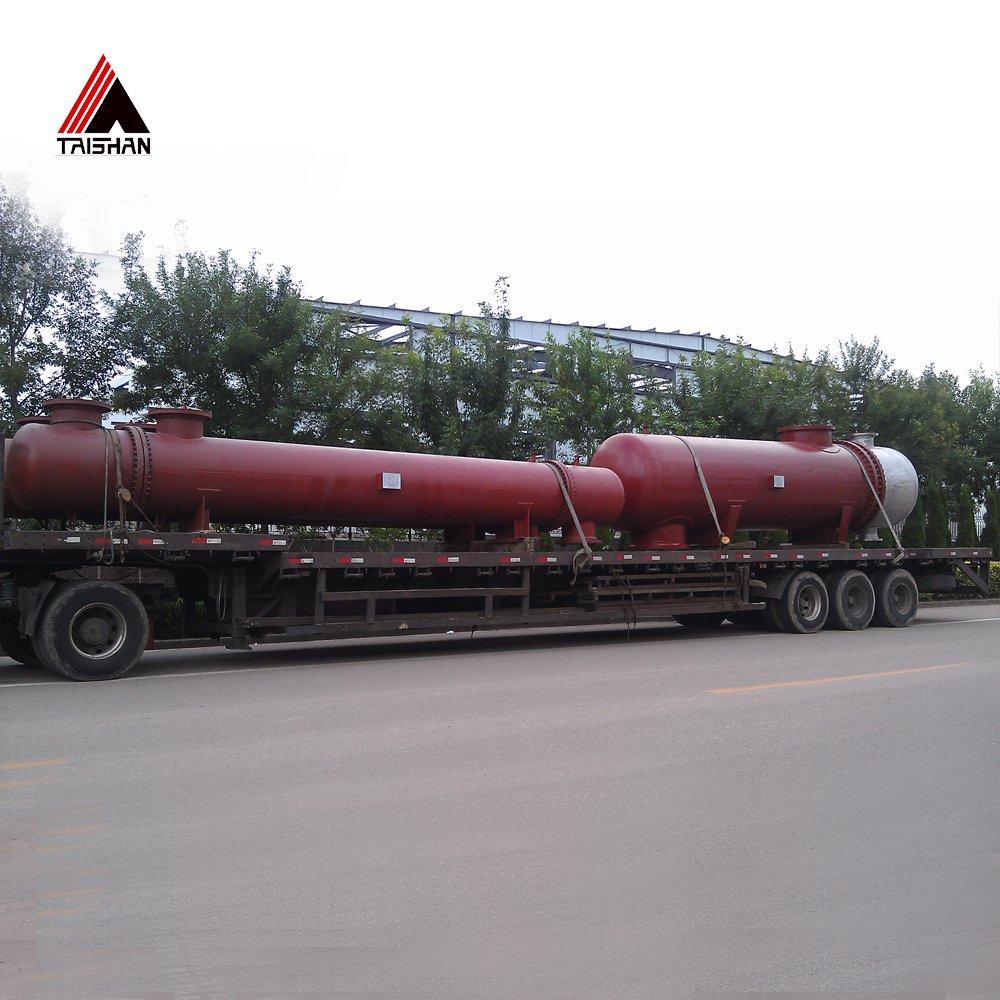
Material selections like stainless steel, titanium, and copper alloys significantly impact a heat exchanger’s durability by affecting its corrosion resistance, mechanical strength, thermal conductivity, and chemical compatibility with process fluids and environments. Each material has unique properties that make it suitable for specific applications, with trade-offs between cost, performance, and lifespan.
Material selection is not just a technical decision—it’s a strategic one. Keep reading to learn how to match the right material to your heat exchanger’s environment and functional demands, ensuring optimal performance and long-term reliability.
How Does Stainless Steel Affect a Heat Exchanger’s Durability and Compatibility?
One of the most common causes of heat exchanger failure in industrial environments is material degradation—especially due to corrosion, thermal fatigue, or chemical incompatibility. Many facilities experience downtime, contamination, or frequent maintenance simply because the heat exchanger material was not correctly matched to the process media or environment. Stainless steel offers a powerful solution to these challenges, delivering a robust combination of corrosion resistance, mechanical strength, and hygienic properties. In this article, we’ll explore how stainless steel affects the durability and compatibility of heat exchangers across different industries and applications.
Stainless steel significantly enhances a heat exchanger’s durability and compatibility by providing excellent resistance to corrosion, oxidation, and thermal fatigue, while maintaining structural integrity across a wide range of temperatures and pressures. Its chemical inertness also makes it compatible with aggressive fluids, hygienic processes, and outdoor or marine environments.
Understanding the impact of stainless steel in heat exchangers helps industries reduce total lifecycle costs, improve safety, and increase service life—even under extreme conditions.
Stainless steel improves the corrosion resistance and lifespan of heat exchangers.True
Its chromium content forms a passive oxide layer that resists corrosive attack, making it ideal for aggressive fluids and harsh environments.
Stainless steel is unsuitable for use in pharmaceutical and food applications due to its metallic nature.False
Stainless steel is widely used in sanitary applications due to its hygienic, non-reactive, and easy-to-clean surface.
Material Properties That Improve Heat Exchanger Durability
Stainless steel is not a single material, but a family of iron-based alloys containing at least 10.5% chromium, with optional additions of nickel, molybdenum, or nitrogen to enhance properties.
Key Mechanical and Chemical Benefits:
| Property | Benefit for Heat Exchangers |
|---|---|
| Corrosion Resistance | Withstands acidic, alkaline, saline, and oxidizing environments |
| High Strength | Maintains structural integrity at high pressure |
| Thermal Fatigue Resistance | Resists cracking under cyclic heating/cooling |
| Weldability | Easily fabricated into tubes, shells, plates, and fittings |
| Hygienic Surface | Non-porous and easy to clean (critical in pharma, food) |
| Wide Temperature Range | Typically -200°C to +600°C, depending on grade |
The passive chromium oxide layer formed on stainless steel prevents corrosion even under aggressive or variable conditions—far superior to carbon steel or aluminum.
Common Stainless Steel Grades Used in Heat Exchangers
Each stainless steel grade has its own performance profile:
| Grade | Composition Highlights | Application Suitability |
|---|---|---|
| 304 | 18% Cr, 8% Ni | General use, low-corrosion water and air systems |
| 316 / 316L | Adds 2–3% Molybdenum | Excellent for acids, brines, food, and pharmaceuticals |
| 310 | High Cr & Ni | High-temperature oxidizing environments |
| 2205 Duplex | High Cr and N, ferritic-austenitic | Chloride resistance, high strength, marine use |
| 904L | High Ni and Mo | Severe corrosion, sulfuric acid, or bleach plants |
| 254 SMO | Super austenitic, high Mo | Salt water, brine, pulp bleaching, desalination |
How Stainless Steel Improves Durability in Harsh Environments
1. Corrosion Resistance in Aggressive Fluids
| Fluid Type | Corrosion Risk | Recommended SS Grade |
|---|---|---|
| Chlorides (e.g., seawater) | Pitting, crevice corrosion | 316L, 2205, 254 SMO |
| Acids (e.g., sulfuric) | Uniform corrosion | 904L, 316L |
| Caustics (e.g., NaOH) | Stress cracking | Duplex SS, 310 |
| Organic solvents | Minimal | 304, 316 |
Stainless steel outperforms carbon steel in most corrosive applications by an order of magnitude in terms of expected service life.
2. Temperature Stability for Long-Term Use
High temperatures accelerate corrosion, scaling, and creep. Stainless steel resists these due to:
- Slow oxidation rates (especially in 310 and 304)
- Excellent thermal cycling resistance
- Low thermal expansion coefficients (especially in duplex grades)
3. Mechanical Integrity Under Pressure
Many stainless steels have yield strengths >200 MPa, with duplex grades approaching 400 MPa, making them excellent for high-pressure exchangers like:
- Breech lock heat exchangers
- Hairpin exchangers in gas services
- Shell-and-tube condensers for steam systems
Stainless Steel Compatibility by Industry
🛢️ Oil & Gas and Petrochemical
- Handles H₂S, CO₂, chlorides, and high-pressure sour gas
- Stainless steel breech lock exchangers used in refineries, offshore rigs
🧪 Chemical Processing
- Acid-resistant grades like 904L and SMO prevent corrosion in reactor cooling and acid concentration
- Used in double pipe or hairpin designs for small batch reactions
🧴 Pharmaceutical & Food Processing
- Stainless steel offers non-reactive, sanitary surfaces
- Ideal for CIP/SIP systems, WFI loops, and ingredient heating/cooling
🌊 Marine & Desalination
- Duplex and super austenitic stainless steels withstand seawater corrosion
- Long-term use in brine coolers and RO preheaters
Service Life and Maintenance Improvements
| Comparison Factor | Carbon Steel | Stainless Steel |
|---|---|---|
| Corrosion Resistance | Low | Very High |
| Maintenance Frequency | High (scaling, rust) | Low |
| Lifespan (typical) | 5–10 years | 15–30+ years |
| Required Coatings | Yes | No |
| Suitable for Aggressive Fluids | No | Yes |
Stainless steel’s low-maintenance properties make it ideal for applications where downtime is expensive, or where safety is critical (e.g., nuclear, food, offshore).
When to Avoid Stainless Steel
While stainless steel is highly versatile, it may not be suitable when:
- Cost is a constraint: Higher upfront cost vs. carbon steel or aluminum
- High chloride + high temperature: Even 316 can pit above 60°C in chlorides
- Low thermal conductivity needed: Stainless steel conducts heat slower than copper or aluminum
In such cases, special alloys or coated carbon steel may be alternatives—but with added maintenance or shorter lifespans.
Conclusion: Stainless Steel Is a Smart Investment in Performance and Reliability
Whether you’re dealing with aggressive chemicals, extreme pressure, or hygienic production environments, stainless steel remains the material of choice for long-term durability and process compatibility in heat exchangers. Its ability to resist corrosion, handle temperature extremes, and minimize maintenance ensures a superior return on investment over the full lifecycle of your equipment.
Why Is Titanium Used in Heat Exchangers Exposed to Aggressive or Corrosive Environments?
In aggressive environments—where conventional metals corrode, fail prematurely, or require frequent maintenance—titanium has emerged as a game-changing material in heat exchanger applications. Many industrial plants suffer recurring downtime and high replacement costs due to acidic, saline, or oxidizing process fluids attacking standard materials like carbon steel or even stainless steel. Titanium offers a long-term solution, delivering unmatched corrosion resistance, durability, and biocompatibility, especially in chloride-rich or highly acidic applications. This article explains why titanium is used in heat exchangers and how it provides a critical advantage in harsh industrial environments.
Titanium is used in heat exchangers exposed to aggressive or corrosive environments because it forms a stable, self-healing oxide layer that offers exceptional resistance to corrosion from seawater, chlorine, acids, and alkalis. Its lightweight strength, non-reactive surface, and extended service life make it ideal for critical applications in chemical, marine, power generation, and desalination industries.
This article will help you understand how titanium outperforms other materials, where it is best used, and why it can significantly reduce operational costs and unplanned shutdowns in corrosive service environments.
Titanium is corrosion-resistant in seawater and chloride-rich environments.True
Titanium forms a passive oxide film that resists pitting and crevice corrosion even in high chloride concentrations.
Titanium is prone to rapid corrosion in acidic industrial applications.False
Titanium resists many acids, including nitric, hydrochloric, and sulfuric acids under most industrial conditions.
The Corrosion Resistance Power of Titanium
Titanium’s inherent corrosion resistance stems from its ability to form a thin, tightly-adherent, and self-healing titanium dioxide (TiO₂) layer upon exposure to oxygen or water. This layer:
- Repairs itself instantly if scratched
- Resists pitting and crevice corrosion (common failure modes in stainless steel)
- Protects the base metal from most acidic and saline attacks
Titanium vs Other Metals in Corrosive Media
| Environment | Carbon Steel | Stainless Steel 316L | Titanium Grade 2 |
|---|---|---|---|
| Seawater (ambient) | Rapid rusting | Moderate pitting risk | No corrosion |
| Chloride brines (>20,000 ppm) | Severe corrosion | High pitting risk | Excellent resistance |
| Sulfuric Acid (≤20%) | Severe corrosion | Moderate to poor | Resistant (at low temp) |
| Nitric Acid | Rusts | Good | Excellent |
| Hydrochloric Acid (≤5%) | Destroys quickly | Not recommended | Acceptable (under control) |
| High Temperature (>100°C) | Thermal scaling | Pitting possible | Stable oxide layer |
Titanium’s resistance to localized corrosion, such as pitting, crevice, and stress-corrosion cracking, makes it the go-to material where failure can lead to contamination, explosion risk, or costly shutdowns.
Key Properties of Titanium in Heat Exchangers
Physical & Chemical Advantages
| Property | Benefit in Heat Exchangers |
|---|---|
| High Corrosion Resistance | Handles seawater, acids, alkalis without coatings |
| Low Density (4.5 g/cm³) | Lightweight compared to stainless steel (7.9 g/cm³) |
| High Strength-to-Weight Ratio | Suitable for pressure systems with minimal structural weight |
| Excellent Fatigue Resistance | Resists failure under pressure cycling |
| Biocompatibility | Safe for food, pharmaceutical, and biomedical applications |
| Thermal Conductivity | Moderate (~17 W/m·K), but offset by thinner walls and design |
Although its thermal conductivity is lower than copper, titanium compensates through thinner tube walls, turbulent flow promotion, and extended surface designs that maintain high overall heat transfer rates.
Common Titanium Grades Used in Heat Exchangers
| Grade | Application Suitability |
|---|---|
| Grade 1 (Pure) | Maximum corrosion resistance, low strength |
| Grade 2 (Pure) | Most commonly used in industrial heat exchangers |
| Grade 5 (Ti-6Al-4V) | High strength aerospace or high-pressure systems |
| Grade 7 (with Palladium) | Enhanced acid resistance (e.g., HCl systems) |
| Grade 12 (with Mo/Ni) | Higher pressure and temperature tolerance |
Grade 2 titanium strikes the best balance between cost, corrosion resistance, and mechanical performance for industrial use.
Industry Use Cases: Where Titanium Is the Best Choice
Titanium’s performance justifies its higher upfront cost in industries where failure is not an option.
🛢️ Oil & Gas / Offshore Platforms
- Application: Seawater-cooled exchangers, produced water heat recovery
- Why titanium?: Withstands continuous exposure to chlorides, oxygen, and bacteria in marine environments.
🌊 Desalination Plants
- Application: Brine heaters, seawater preheaters, distillation units
- Why titanium?: Prevents scaling and chloride-induced corrosion in high-salinity systems.
🧪 Chemical & Petrochemical
- Application: Acid coolers, alkali scrubber condensers, solvent recovery
- Why titanium?: Compatible with nitric, hydrochloric, and organic acids without degradation.
🧴 Pharmaceutical & Food Processing
- Application: Bioreactors, clean steam generation, WFI loops
- Why titanium?: Non-reactive and easy to sterilize; resists cleaning chemicals like NaOH and H₂O₂.
⚡ Power Generation
- Application: Cooling towers, feedwater heaters, nuclear cooling systems
- Why titanium?: Radiation-resistant and stable under fluctuating thermal loads.
Cost vs Lifecycle Analysis
| Parameter | Carbon Steel | Stainless Steel (316L) | Titanium Grade 2 |
|---|---|---|---|
| Upfront Material Cost | Low | Medium | High |
| Expected Service Life | 5–8 years | 10–15 years | 25–40+ years |
| Maintenance Frequency | Frequent | Moderate | Very Rare |
| Risk of Corrosion Failures | High | Medium | Near-Zero |
| Total Lifecycle Cost | High | Moderate | Low (despite CapEx) |
In aggressive environments, titanium heat exchangers often pay for themselves within 3–5 years, thanks to reduced maintenance and downtime.
Design Considerations for Titanium Heat Exchangers
- Welding & Fabrication: Must be performed in argon-purged environments to prevent embrittlement
- Thermal Expansion: Lower than many metals, helps maintain dimensional stability
- Fouling: Titanium resists biological fouling and scale formation, reducing cleaning needs
- Customization: Can be built into shell-and-tube, plate, hairpin, or double pipe configurations
Common Design Formats
| Design Type | Titanium Application |
|---|---|
| Shell-and-Tube | Condensers, coolers, reboilers |
| Plate (Welded) | Compact units for corrosive media |
| Hairpin | Modular offshore or nuclear systems |
| Double Pipe | Brine or acid service loops |
Conclusion: Titanium Is the Premium Choice for Extreme Conditions
When process fluids are corrosive, the environment is aggressive, or maintenance access is limited, titanium offers unmatched material performance. Its self-healing oxide layer, resistance to chemical attack, and structural integrity make it the most reliable choice for long-term service in critical heat exchanger applications.
What Are the Advantages and Disadvantages of Copper Alloys in Heat Exchanger Applications?
Copper and its alloys have played a central role in thermal systems for decades, particularly in HVAC, power plants, and marine engineering. Yet, many engineers today face a growing dilemma: should copper still be used, or should stainless steel or titanium be chosen instead? The answer depends on your application. Copper alloys offer excellent thermal conductivity and antimicrobial properties, but they also come with corrosion risks and mechanical limitations in certain environments. This article offers a comprehensive analysis of the advantages and disadvantages of copper alloys in heat exchanger applications, so you can make the right material choice for your process.
Copper alloys are widely used in heat exchangers due to their excellent thermal conductivity, ease of fabrication, and biofouling resistance. However, they can suffer from dezincification, erosion corrosion, and poor strength at high temperatures, which limits their suitability for high-pressure or highly corrosive environments.
Whether you’re evaluating new builds or retrofits, understanding the trade-offs of copper alloys ensures you balance cost, performance, and durability effectively.
Copper alloys are highly thermally conductive and suitable for low to moderate pressure heat exchangers.True
Their high thermal conductivity enhances heat transfer efficiency in compact designs, particularly in HVAC and marine systems.
Copper alloys resist all types of corrosion, including ammonia and seawater-induced attack.False
Copper alloys are vulnerable to certain types of corrosion, including dezincification, ammonia attack, and erosion in high-velocity seawater.
Types of Copper Alloys Used in Heat Exchangers
Copper alloys are engineered by combining copper with zinc, nickel, tin, or aluminum for specific performance traits.
| Alloy | Composition Highlights | Common Applications |
|---|---|---|
| Brass (Cu-Zn) | Moderate strength, good conductivity | HVAC, potable water, light-duty exchangers |
| Admiralty Brass | Cu-Zn-Sn | Marine applications, condensers, good seawater resistance |
| Aluminum Brass | Cu-Zn-Al | Seawater systems, power plant condensers |
| Cupro-Nickel (Cu-Ni 90/10, 70/30) | Excellent corrosion resistance | Shipboard condensers, oil coolers, offshore exchangers |
| Phosphor Bronze | Cu-Sn-P | Chemical resistance, moderate strength |
Each alloy is selected based on corrosion environment, pressure range, and fluid velocity.
✅ Advantages of Copper Alloys in Heat Exchangers
1. High Thermal Conductivity
Copper alloys outperform stainless steel and titanium in heat transfer efficiency, enabling smaller exchanger sizes.
| Metal | Thermal Conductivity (W/m·K) |
|---|---|
| Pure Copper | ~390 |
| Brass | 110–150 |
| Cupro-Nickel 90/10 | ~50 |
| Stainless Steel | ~15–25 |
| Titanium | ~17 |
Result: Faster thermal response, better heat recovery, and reduced surface area requirements.
2. Biofouling Resistance
Copper has natural antimicrobial properties that inhibit:
- Algae
- Mussels
- Barnacles
- Bacterial slime
This makes copper alloys especially useful in marine environments and open-loop cooling systems with biological exposure.
3. Ease of Fabrication and Welding
- Good malleability allows tight tube bends without cracking
- Low hardness enables easy rolling, brazing, and joining
- Lower fabrication cost than exotic metals like titanium
Copper alloys are ideal for coils, serpentine bundles, and intricate exchanger geometries.
4. Decent Corrosion Resistance in Some Conditions
Certain copper alloys (like Cupro-Nickel) perform well in:
- Seawater at moderate flow rates
- Freshwater with neutral pH
- Moderate chemical services
5. Cost-Effective for Low-Pressure Applications
- Less expensive than titanium or Hastelloy
- Performs well in HVAC, chillers, and domestic systems where pressure is <20 bar
❌ Disadvantages of Copper Alloys in Heat Exchangers
1. Limited Corrosion Resistance in Specific Environments
Despite good general resistance, copper alloys are vulnerable to the following:
| Corrosive Agent | Effect on Copper Alloys |
|---|---|
| Ammonia/Ammonium Ions | Stress corrosion cracking |
| High-velocity seawater | Erosion corrosion |
| Acidic solutions | Uniform or pitting corrosion |
| Dissolved oxygen (oxidizing agents) | Accelerated corrosion in stagnant flow |
Dezincification in brasses (loss of zinc content) leads to structural weakening.
2. Poor Performance at Elevated Temperatures
| Material | Max Recommended Temp |
|---|---|
| Brass | ~200°C |
| Cupro-Nickel | ~250–300°C |
| Stainless Steel | Up to 500°C |
| Titanium | 500–600°C |
High temperatures may cause:
- Grain boundary embrittlement
- Creep deformation
- Oxidation of copper surface
3. Lower Mechanical Strength
- Not ideal for high-pressure exchangers (above 25–30 bar)
- Susceptible to tube wall thinning in erosion-prone environments
Designs must include thicker walls or protective flow restrictors, increasing weight and cost.
4. Limited Chemical Compatibility
Copper alloys are not recommended for:
- Strong oxidizers (e.g., nitric acid)
- Sulfide-containing water
- Strong alkalis or acids
- Industrial solvents
Summary: Copper Alloy Suitability by Application
| Application | Recommended Copper Alloy | Suitability |
|---|---|---|
| Seawater condensers (low flow) | Aluminum Brass, Cu-Ni 90/10 | ✅ Excellent |
| Ammonia-based refrigeration | None (avoid copper) | ❌ Not suitable |
| HVAC water systems | Brass, Cu-Ni | ✅ Good |
| Desalination (brine) | Titanium preferred | ❌ Limited performance |
| Chemical processing (acidic) | Titanium, SS316L, or alloys | ❌ Avoid copper |
| Power plant condensers | Cu-Ni 70/30 | ✅ Proven use |
Advantages vs Disadvantages Chart
| Factor | Copper Alloys (Score out of 5) |
|---|---|
| Thermal Conductivity | ⭐⭐⭐⭐⭐ (5) |
| Biofouling Resistance | ⭐⭐⭐⭐ (4) |
| Fabrication Ease | ⭐⭐⭐⭐ (4) |
| Corrosion Resistance | ⭐⭐ (2) |
| Mechanical Strength | ⭐⭐ (2) |
| Temperature Resistance | ⭐⭐ (2) |
| Cost-Effectiveness | ⭐⭐⭐⭐ (4) (in low-duty systems) |
Conclusion: When to Use Copper Alloys—and When to Avoid Them
Copper alloys continue to offer value and performance in low-to-moderate pressure, temperature, and biological environments. They are especially useful in marine, HVAC, and low-acid process systems, where heat transfer and antifouling properties matter most. However, in corrosive, oxidizing, high-pressure, or ammonia-rich environments, copper can deteriorate quickly, leading to system failure or contamination.
How Do Material Properties Influence Thermal Efficiency and Fouling Resistance in Heat Exchangers?
In industrial systems, heat exchangers are only as efficient and reliable as the materials they’re made of. Yet many operations struggle with poor heat transfer performance, rapid fouling, and frequent cleaning cycles because the material properties were not optimized for the application. Engineers often focus on exchanger type but overlook the critical impact of material conductivity, corrosion resistance, surface roughness, and biofouling behavior. In this article, we explore how heat exchanger material properties influence thermal efficiency and fouling resistance, and how proper material selection can dramatically improve performance, uptime, and operating costs.
Material properties such as thermal conductivity, corrosion resistance, surface energy, hardness, and biofouling resistance directly affect the heat exchanger’s thermal efficiency and fouling behavior. High-conductivity materials like copper enhance heat transfer rates, while smooth, corrosion-resistant surfaces like titanium or stainless steel reduce fouling, scaling, and microbial buildup—leading to longer service intervals and higher energy efficiency.
Whether designing for steam heating, chilled water, corrosive chemicals, or seawater cooling, choosing the right material is essential for both thermal performance and system longevity.
Thermal conductivity of a material significantly influences a heat exchanger's efficiency.True
Higher thermal conductivity allows faster heat transfer through the exchanger wall, reducing surface area and improving energy efficiency.
Fouling resistance is only dependent on cleaning schedules, not material properties.False
Material surface properties such as roughness, hydrophobicity, and chemical composition significantly influence fouling behavior.
1. Thermal Conductivity and Heat Transfer Efficiency
Thermal conductivity ((k)) is the material’s ability to conduct heat. In heat exchangers, it governs how efficiently heat flows through the tube or plate walls, impacting both design and energy consumption.
Thermal Conductivity of Common Heat Exchanger Materials
| Material | Thermal Conductivity (W/m·K) | Thermal Efficiency Impact |
|---|---|---|
| Pure Copper | ~390 | Excellent (compact design, fast transfer) |
| Aluminum | ~205 | Very Good |
| Brass | 110–150 | Good |
| Stainless Steel (304/316) | ~15–25 | Moderate (larger area needed) |
| Titanium | ~17 | Moderate (offset by thin walls) |
| Inconel | ~12–15 | Poor (requires extended surfaces) |
| Graphite | ~100–130 | Good, but brittle |
Higher thermal conductivity means a thinner wall can achieve the same heat transfer, reducing weight and volume.
Influence on Design:
- Copper/brass exchangers can be smaller and still meet thermal duty
- Stainless and titanium designs require more surface area or higher turbulence to compensate
2. Surface Roughness and Fouling Resistance
Fouling is the unwanted accumulation of materials (e.g., scale, biofilm, particulates) on heat transfer surfaces. Material choice affects how easily foulants adhere to the surface.
Surface Roughness (Ra) and Fouling
| Material | Typical Surface Roughness (Ra μm) | Fouling Behavior |
|---|---|---|
| Electropolished SS | ~0.2–0.4 | Very low fouling |
| Smooth Titanium | ~0.4–0.6 | Low fouling |
| Copper Alloy (as-drawn) | ~0.6–1.2 | Moderate fouling |
| Carbon Steel | ~1.0–2.0 | High fouling |
| Glass-lined surfaces | <0.2 | Excellent resistance |
Smoother surfaces discourage deposit adhesion and extend cleaning intervals.
3. Corrosion Resistance and Scaling Prevention
Corrosion accelerates fouling by roughening the surface and releasing corrosion products that trigger scaling and particulate binding.
Material Corrosion Behavior in Heat Exchangers
| Environment | Best Material Choices | Corrosion Impact |
|---|---|---|
| Seawater | Titanium, Cupro-nickel | Avoid carbon steel/stainless |
| Acids | 316L SS, Hastelloy, Titanium | Choose based on pH and oxidation |
| Ammonia or Alkalis | 304/316L not ideal, Inconel preferred | Copper alloys corrode in ammonia |
| Clean Steam | 316L SS, Titanium | Avoid contamination-prone alloys |
Corrosion-resistant materials reduce fouling and prolong life—particularly in high-pH or high-chloride systems.
4. Biofouling Resistance in Marine or Open-Loop Systems
In environments prone to biological contamination, biofilm formation can reduce thermal efficiency by 20–30% within months. Some materials naturally resist biofouling.
Biofouling Resistance Table
| Material | Biofouling Behavior | Best Use Case |
|---|---|---|
| Copper Alloys | Naturally antimicrobial, inhibits algae | Marine cooling, condensers |
| Stainless Steel | Susceptible unless polished or coated | Pharma, food (with CIP systems) |
| Titanium | Resistant to biofilm and scaling | Seawater, wastewater |
| Plastic/Polymer | High risk of fouling | Avoid in open-loop systems |
For seawater and brine, titanium or copper-nickel is ideal. In bioreactors or food plants, stainless steel is preferred with cleaning cycles.
5. Material Hardness and Erosion Resistance
High fluid velocity or abrasive particles can erode surfaces—especially in condensers, economizers, or slurry cooling.
| Material | Hardness (HV) | Erosion Resistance |
|---|---|---|
| Titanium | ~200–250 | Excellent |
| Stainless Steel | ~150–220 | Good |
| Copper Alloys | ~80–120 | Moderate to low |
| Carbon Steel | ~120–180 | Moderate (but corrosion-prone) |
| Glass-lined Steel | Very hard (brittle) | High (for chemicals, not abrasion) |
Materials with high hardness and corrosion resistance survive best in erosive + corrosive conditions.
Combined Influence on Efficiency & Fouling
Multi-Factor Material Suitability Grid:
| Material | Thermal Efficiency | Fouling Resistance | Corrosion Resistance | Best For |
|---|---|---|---|---|
| Copper Alloy | ⭐⭐⭐⭐⭐ (5) | ⭐⭐⭐ (3) | ⭐⭐ (2) | HVAC, marine, low-pressure loops |
| Stainless Steel | ⭐⭐ (2) | ⭐⭐⭐⭐ (4) | ⭐⭐⭐⭐ (4) | Food, pharma, general industry |
| Titanium | ⭐⭐ (2) | ⭐⭐⭐⭐ (4) | ⭐⭐⭐⭐⭐ (5) | Seawater, chemicals, power generation |
| Inconel | ⭐ (1) | ⭐⭐⭐⭐ (4) | ⭐⭐⭐⭐⭐ (5) | Nuclear, high-pressure corrosives |
| Carbon Steel | ⭐⭐⭐ (3) | ⭐ (1) | ⭐ (1) | Water loops (coated), low-cost systems |
Conclusion: Material Choice = Long-Term Efficiency & Uptime
Your heat exchanger’s performance is not just about flow rate and temperature—it’s about material science. Selecting materials with high thermal conductivity ensures rapid heat transfer. Choosing corrosion-resistant and smooth surfaces minimizes fouling and reduces cleaning frequency. By balancing thermal, chemical, and mechanical properties, engineers can build systems that run longer, perform better, and cost less to maintain.
What Factors Should Guide Material Selection Based on Fluid Compatibility and Operating Conditions?
Choosing the wrong material for a heat exchanger often leads to costly corrosion, fouling, leakage, or mechanical failure—especially when the process fluid is aggressive or the operating conditions are extreme. Many industries suffer from unplanned shutdowns and premature equipment failure because critical selection factors like fluid chemistry, pressure, and temperature were not considered holistically. Proper material selection is not just about matching corrosion charts—it requires understanding the interaction between the material, the process fluid, and the system’s mechanical demands. This article outlines the key factors that must guide heat exchanger material selection to ensure long-term safety, performance, and cost-efficiency.
Material selection in heat exchangers must be guided by fluid compatibility, temperature and pressure limits, corrosion mechanisms, fouling potential, mechanical properties, and regulatory standards. A correct match ensures the exchanger material can withstand the chemical environment, maintain mechanical integrity under operating conditions, and resist fouling or degradation over time.
Understanding how these factors interplay ensures reliable, long-lasting performance, especially in demanding industrial applications.
Material selection in heat exchangers should be based on both fluid properties and operating conditions.True
The fluid’s chemical composition, along with temperature, pressure, and flow regime, determines corrosion, erosion, and material compatibility risks.
All metals behave the same way when exposed to process fluids, regardless of temperature or pressure.False
Material behavior changes significantly with temperature and pressure—certain alloys corrode, embrittle, or weaken under specific conditions.
1. Fluid Compatibility: The First and Foremost Factor
Key Aspects of Fluid Chemistry to Consider:
| Fluid Characteristic | Impact on Material |
|---|---|
| pH (Acidity/Alkalinity) | Acidic fluids attack metals like carbon steel or brass |
| Chloride Content | Induces pitting and stress corrosion in stainless steel |
| Oxidizing Agents | Accelerates corrosion in reactive alloys |
| Ammonia/NH₃ | Cracks copper and aluminum alloys |
| Hydrogen Sulfide (H₂S) | Sulfidation in carbon steel, select stainless grades |
| Solvents or Organics | Requires inert or non-reactive surfaces |
| Water Hardness/Salinity | Causes scaling, crevice corrosion, and fouling |
Fluid Compatibility Example Table:
| Fluid Type | Compatible Materials | Avoid |
|---|---|---|
| Seawater / Brine | Titanium, Cupro-Nickel, Duplex SS | 304 SS, Carbon Steel |
| Sulfuric Acid (<30%) | 316L SS, 904L, PTFE-lined Steel | Brass, 304 SS |
| Ammonia Refrigerant | Stainless Steel, Aluminum (pure) | Copper, Brass |
| Chlorinated Water | Titanium, Duplex SS | 304/316 SS at high temps |
| Organic Solvents (e.g., ethanol, toluene) | 316L SS, Hastelloy, Glass-lined steel | Carbon Steel, Zinc-coated alloys |
| Hydrochloric Acid (<5%) | Titanium Grade 7, PTFE-lined Exchangers | Stainless Steel, Carbon Steel |
Rule of thumb: Use corrosion-resistant alloys or non-metallic linings for acidic, high-chloride, or oxidizing media.
2. Operating Temperature Range
Temperature affects corrosion rates, mechanical strength, and material phase stability.
| Temperature Range | Material Suitability |
|---|---|
| Low Temp (< -50°C) | Austenitic SS (304/316), Titanium, Aluminum |
| Moderate (0–200°C) | Carbon Steel, SS, Brass, Copper Alloys |
| High Temp (200–600°C) | Inconel, 310 SS, Titanium, Nickel Alloys |
| Very High (>600°C) | Inconel, Alloy 800/825, Refractory Metals |
Some materials become brittle at low temps (e.g., carbon steel), while others oxidize or lose strength at high temps (e.g., aluminum, copper).
3. Operating Pressure and Mechanical Stress
Higher pressures demand stronger, more fatigue-resistant materials with reliable weldability and structural integrity.
Key Considerations:
- Wall thickness and allowable stress depend on material tensile strength.
- High pressure + temperature requires alloys like Inconel, Duplex SS, or Titanium.
- In cyclic operations, fatigue resistance (especially in welds) is essential.
Typical Pressure Tolerance Table:
| Material | Max Safe Pressure Range (general) | Use Cases |
|---|---|---|
| Carbon Steel | Up to 50 bar | Low-cost water/glycol applications |
| 316L Stainless | 50–150 bar | Pharma, food, moderate pressure loops |
| Duplex SS | 150–300 bar | Offshore, sour gas, seawater |
| Titanium | 150–300+ bar | Marine, acid systems, compact units |
| Inconel 625/825 | 300–1000+ bar | High-pressure nuclear, chemical plants |
4. Fouling and Scaling Risk
Fouling adds thermal resistance and increases cleaning frequency. Surface properties influence fouling rate.
Material-Related Fouling Factors:
| Material Property | Impact on Fouling |
|---|---|
| Surface Roughness | Rougher = more scale and particulates |
| Surface Energy | High energy = more likely to attract deposits |
| Corrosion Behavior | Corrosion promotes pitting → scaling and biofilm growth |
| Anti-Microbial Nature | Copper inhibits biological fouling |
Electropolished Stainless Steel or Titanium are ideal for low-fouling designs.
5. Erosion and Velocity Sensitivity
High flow velocity or abrasive fluids can erode soft metals like brass and copper.
| Erosion Resistance Ranking (1–5) | Material |
|---|---|
| ⭐⭐⭐⭐⭐ (5) | Titanium, Inconel |
| ⭐⭐⭐⭐ (4) | Stainless Steel |
| ⭐⭐⭐ (3) | Duplex SS |
| ⭐⭐ (2) | Copper-Nickel |
| ⭐ (1) | Brass, Aluminum |
If velocities exceed 2.5–3 m/s in water or 1.5 m/s in seawater, use high-hardness materials.
6. Regulatory and Sanitary Requirements
Certain industries have material standards and certifications:
| Industry | Required Material Characteristics |
|---|---|
| Pharmaceutical | Non-reactive, easy to sterilize (316L SS, Titanium) |
| Food & Beverage | FDA-grade, CIP/SIP compatible (SS316L, electropolished) |
| Nuclear | Radiation-resistant, documented stress behavior (Inconel) |
| Oil & Gas | NACE MR0175, sour service (Duplex SS, Titanium) |
Failure to meet industry specs can cause safety issues or process contamination.
7. Cost vs Lifecycle Performance
Material choice should balance initial cost and total lifecycle value:
| Material | Initial Cost | Maintenance Needs | Service Life (years) |
|---|---|---|---|
| Carbon Steel | Low | High | 5–10 |
| Copper Alloys | Medium | Moderate | 10–20 |
| Stainless Steel | Medium | Low | 15–25 |
| Titanium | High | Very Low | 25–40 |
| Inconel | Very High | Very Low | 30+ |
Summary: Material Selection Decision Framework
| Factor | Material Selection Consideration |
|---|---|
| Fluid chemistry | Resist corrosion, scaling, chemical attack |
| Temperature and pressure | Maintain mechanical strength, avoid creep/brittleness |
| Fouling/scaling risk | Use smooth, low-energy, anti-corrosive surfaces |
| Flow velocity and erosion | Choose erosion-resistant materials (Titanium, Inconel) |
| Weldability and fabrication | Ease of forming and joining for complex exchanger geometries |
| Cost vs service life | Higher cost may be justified by longer uptime and fewer failures |
| Industry compliance | Ensure FDA, ASME, NACE, or PED as applicable |
Conclusion: Precision in Material Selection = Process Stability
Choosing the right material for a heat exchanger is not just a technical task—it’s a strategic decision. It impacts performance, durability, maintenance cycles, and safety. By aligning material properties with fluid characteristics and operating conditions, engineers can create systems that run longer, cleaner, and more efficiently—while avoiding costly failures and unplanned outages.
How Do Lifecycle Costs and Maintenance Vary with Different Heat Exchanger Materials?
When selecting a heat exchanger, many engineers focus only on initial purchase cost—but this short-sighted approach can lead to frequent breakdowns, high cleaning costs, and early failure. In reality, lifecycle cost—which includes purchase, operation, maintenance, and replacement—can vary dramatically depending on the material used. For example, while carbon steel is cheap upfront, it often demands high maintenance in corrosive environments. On the other hand, titanium or stainless steel, though more expensive initially, can outperform and outlast cheaper materials over decades. In this article, we break down how different heat exchanger materials impact maintenance frequency, repair risk, downtime, and total cost of ownership.
Heat exchanger lifecycle costs and maintenance requirements are heavily influenced by material properties such as corrosion resistance, fouling tendency, erosion resistance, and thermal stability. Materials like titanium and stainless steel offer lower long-term maintenance and longer service life, while carbon steel and copper alloys, though cheaper initially, often incur higher cumulative costs due to corrosion, fouling, and frequent servicing.
By evaluating the total cost over time, not just the upfront price, you can make smarter investments that optimize reliability, efficiency, and ROI.
Materials with higher corrosion and fouling resistance reduce lifecycle maintenance costs in heat exchangers.True
Materials like titanium and stainless steel require less frequent cleaning and resist degradation, extending service life and reducing downtime.
Cheaper materials like carbon steel always result in lower long-term costs.False
While inexpensive to purchase, materials like carbon steel often corrode faster, require more maintenance, and need earlier replacement—raising total lifecycle costs.
What Are Lifecycle Costs in Heat Exchangers?
Lifecycle cost (LCC) is the total cost of ownership of a heat exchanger over its operational life. It includes:
- Initial Capital Cost (CapEx): Material, manufacturing, and installation
- Operating Cost (OpEx): Energy efficiency, pressure drop, pumping power
- Maintenance Cost: Cleaning, inspection, repairs, corrosion mitigation
- Downtime Cost: Lost productivity during unplanned or scheduled shutdowns
- Replacement Cost: End-of-life component or full unit replacement
Lifecycle Cost & Maintenance Comparison by Material
🔧 Table: 20-Year Cost and Maintenance Overview
<
table>
| **Stainless Steel (316L)** | Medium ($$
$)
<
div class=”katex-display” data-tex=”
| **Duplex SS** | High (“>$$
| **Duplex SS** | High ($$
$)
)
Key Insight: Initial cost doesn’t equal value. The lowest total cost often comes from higher-grade materials with long life and minimal maintenance.
Maintenance Needs by Material Type
🛠 Carbon Steel
- Frequent inspections for rust, pitting, and wall thinning
- Requires protective coatings or cathodic protection
- Subject to internal scaling and corrosion in water or chemical service
- Needs annual or semi-annual cleaning, especially in humid or saline environments
Downtime cost is high, especially in continuous-process plants.
🧴 Stainless Steel (304/316L)
- Resists most industrial chemicals, steam, and CIP agents
- Requires less frequent cleaning, particularly with polished surfaces
- Minimal maintenance in food, pharma, and HVAC applications
Typically inspected every 2–3 years, with minor cleaning or flushing.
🌊 Titanium
- Practically no corrosion or fouling even in seawater or brine
- No protective coatings needed
- Minimal biofouling = lower flow resistance over time
- Decades of operation with little to no degradation
Often runs for 10+ years without any significant maintenance.
🔩 Inconel, Hastelloy, Exotic Alloys
- Used in extreme acids, nuclear, or high-pressure gas systems
- Expensive, but nearly maintenance-free
- Lifespan often exceeds 30–40 years
Maintenance typically limited to external supports, seals, or gaskets.
How Fouling and Corrosion Add to Lifecycle Cost
Fouling and corrosion are the top two contributors to heat exchanger inefficiency and failure. Material selection plays a direct role:
Chart: Material Resistance to Fouling and Corrosion
| Material | Corrosion Resistance | Fouling Resistance | Cleaning Frequency |
|---|---|---|---|
| Carbon Steel | ⭐ | ⭐⭐ | 2–4 times/year |
| Brass / Copper | ⭐⭐ | ⭐⭐⭐ | 1–2 times/year |
| Stainless Steel | ⭐⭐⭐⭐ | ⭐⭐⭐⭐ | 1 time/year |
| Titanium | ⭐⭐⭐⭐⭐ | ⭐⭐⭐⭐⭐ | Once every 5–10 years |
| Inconel | ⭐⭐⭐⭐⭐ | ⭐⭐⭐⭐ | Rare |
Choosing the right material can reduce cleaning frequency by 70–90%, significantly lowering downtime and labor costs.
Real-World Lifecycle Example
Case Study: Seawater Cooled Heat Exchanger (20-Year Comparison)
| Material | Initial Cost | Maintenance Cost (20 yrs) | Downtime Cost | Total Cost |
|---|---|---|---|---|
| Carbon Steel (coated) | $10,000 | $45,000 (cleaning, recoating) | $80,000 | **$135,000** | ||
| Cupro-Nickel | $20,000 | $20,000 | $30,000 | **$70,000** | ||
| Titanium | $35,000 | $5,000 | $5,000 | **$45,000** |
Titanium, though most expensive at first, offers the lowest total lifecycle cost due to minimal downtime and maintenance.
Design Trade-Offs: When Low-Cost Materials Make Sense
Use low-cost materials when:
- Operating conditions are mild (low T/P)
- Fluids are non-corrosive and clean
- The plant is temporary or low duty
- Budget constraints outweigh lifecycle ROI
Example: Carbon steel in a closed-loop chilled water system with treated fluid may still be cost-effective.
Summary Table: Lifecycle Evaluation Matrix
| Factor | Carbon Steel | Copper Alloys | Stainless Steel | Titanium | Inconel |
|---|---|---|---|---|---|
| Upfront Cost | ⭐⭐⭐⭐⭐ | ⭐⭐⭐⭐ | ⭐⭐⭐ | ⭐⭐ | ⭐ |
| Corrosion Resistance | ⭐ | ⭐⭐ | ⭐⭐⭐⭐ | ⭐⭐⭐⭐⭐ | ⭐⭐⭐⭐⭐ |
| Maintenance Frequency | ⭐ | ⭐⭐ | ⭐⭐⭐⭐ | ⭐⭐⭐⭐⭐ | ⭐⭐⭐⭐ |
| Lifespan | ⭐⭐ | ⭐⭐⭐ | ⭐⭐⭐⭐ | ⭐⭐⭐⭐⭐ | ⭐⭐⭐⭐⭐ |
| Total Lifecycle Cost | ⭐ | ⭐⭐ | ⭐⭐⭐⭐ | ⭐⭐⭐⭐⭐ | ⭐⭐⭐⭐ |
| Best For | Basic loops | Marine, HVAC | Industrial, Pharma | Corrosive/brine | Extreme service |
Conclusion: Choose Materials Based on Lifecycle ROI, Not Just Upfront Cost
Choosing the right heat exchanger material isn’t just an engineering decision—it’s a financial strategy. While carbon steel or copper alloys seem budget-friendly, they often lead to expensive downtime and short service life. In contrast, materials like stainless steel and titanium offer low-maintenance, long-lasting performance, saving hundreds of thousands over the lifespan of the unit.
Conclusion
Choosing the right material for a heat exchanger is a balance between operational demands, environmental conditions, and cost-efficiency. Each material—from stainless steel’s versatility, to titanium’s exceptional corrosion resistance, to copper’s thermal conductivity—offers unique benefits and limitations. Understanding these differences is key to maximizing your system’s lifespan and performance.
Ready to choose the ideal heat exchanger material for your application?
Contact us today for expert guidance on selecting the most suitable and cost-effective material for your specific industry and operating conditions.
FAQ
Q: Why is material selection important in heat exchanger design?
A: Material selection directly affects a heat exchanger’s durability, corrosion resistance, thermal conductivity, and fluid compatibility. The right material ensures long service life, safe operation, and efficient heat transfer while resisting chemical attack, scaling, erosion, or thermal stress.
Q: What are the benefits of stainless steel in heat exchangers?
A: Stainless steel offers excellent corrosion resistance, moderate thermal conductivity, and good mechanical strength. It’s widely used in food processing, pharmaceutical, chemical, and HVAC applications. Stainless steel resists oxidation and is suitable for mildly corrosive fluids and clean environments.
Q: When should titanium be used in a heat exchanger?
A: Titanium is best used in highly corrosive environments, such as seawater, chlorinated media, or chemical processing. It offers exceptional resistance to pitting, crevice corrosion, and saltwater environments, with excellent strength-to-weight ratio, making it ideal for marine, offshore, and desalination industries.
Q: What are the advantages and limitations of copper and copper alloys?
A: Copper alloys (e.g., brass, bronze, cupronickel) provide high thermal conductivity and natural biofouling resistance, which is valuable in HVAC, marine, and power generation applications. However, they may corrode in ammonia-based or acidic fluids, and are not suitable for all chemical services.
Q: How do you choose the right material for compatibility and longevity?
A: Evaluate the fluid chemistry, operating temperature and pressure, corrosiveness, fouling tendencies, and cleaning methods. Use corrosion charts, consult with material experts, and refer to standards like ASME, NACE, or TEMA. Material cost vs. lifecycle performance should also be balanced for cost-effective, long-term operation.
References
- Material Selection for Heat Exchangers – Chemical Engineering Resources
- Stainless Steel Properties – AZoMaterials
- Titanium in Heat Exchangers – TIMET
- Copper Alloy Applications in HVAC – Copper Development Association
- Corrosion Resistance Chart – Engineering Toolbox
- Heat Exchanger Material Comparison – Matmatch
- NACE Standards for Corrosion Materials – NACE International
- TEMA Material Guidelines – Tubular Exchanger Manufacturers Association
- ASME Boiler and Pressure Vessel Code – ASME
- Selection of Metals for Heat Exchangers – Total Materia