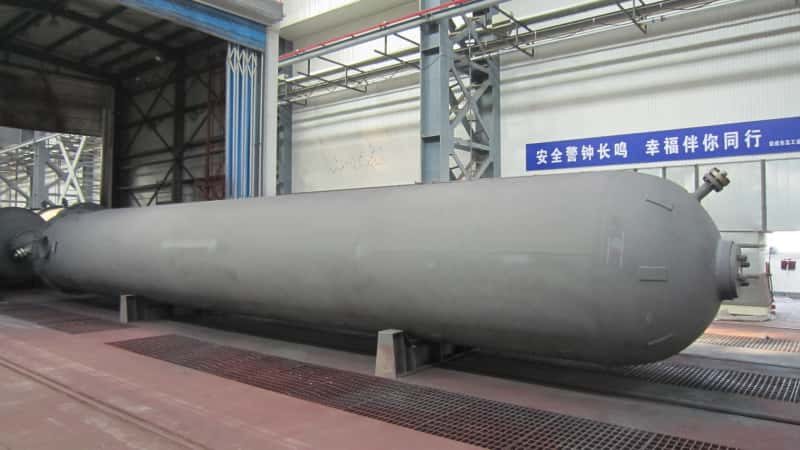

Selecting the wrong heat exchanger material can cause catastrophic system failures, rapid corrosion, fluid contamination, and ultimately, significant financial loss. Each process fluid has its own unique set of chemical properties that interact differently with metals and alloys. If these reactions are not properly understood during material selection, it can lead to premature failure or even dangerous leakage. The good news is that with a clear understanding of the fluid properties and corrosion behavior, there are well-established materials of construction tailored to these needs. This article will help you make the right decision for both performance and safety by analyzing how heat exchanger materials align with fluid compatibility and corrosion resistance.
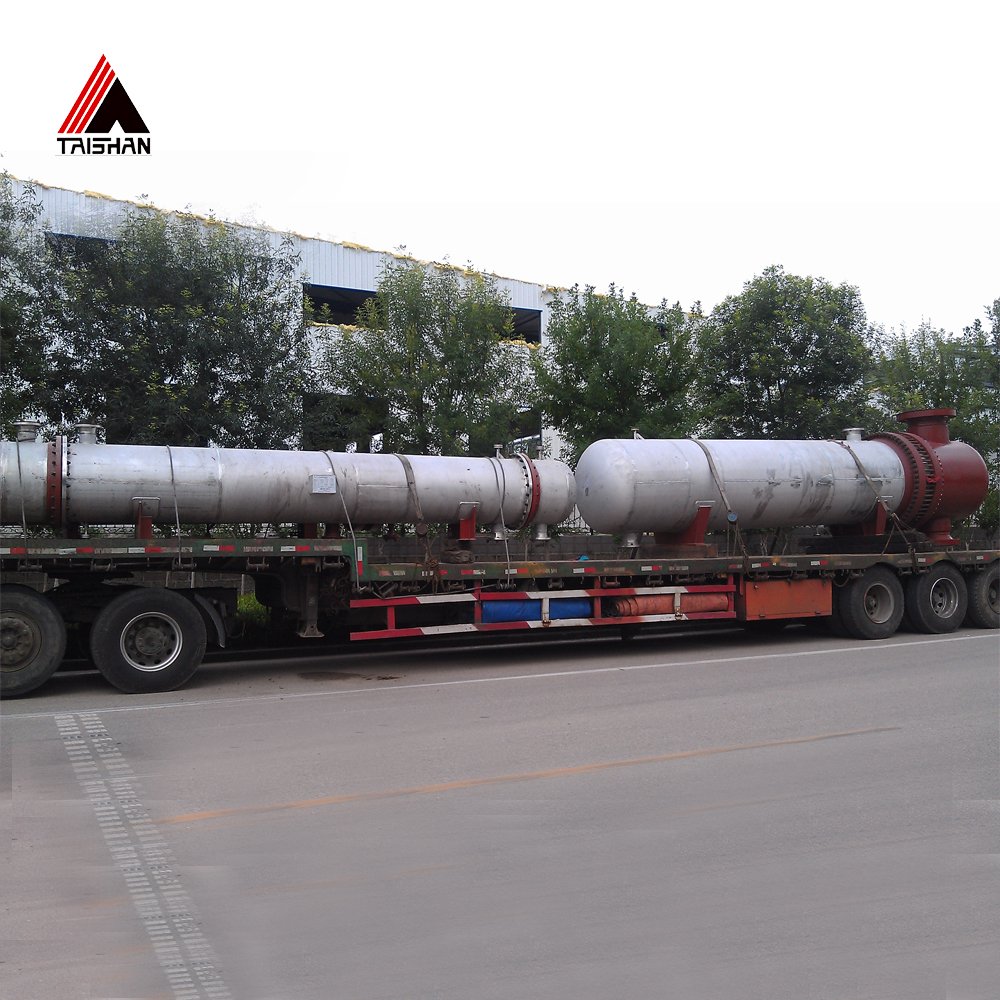
The most common materials used in heat exchanger construction include stainless steel, carbon steel, copper alloys, titanium, and exotic alloys like Hastelloy, Monel, and Inconel; each offers different advantages in terms of corrosion resistance, mechanical strength, and compatibility with process fluids. Stainless steel is highly resistant to most aqueous fluids and mild acids, while titanium excels in seawater or chloride-rich environments. Choosing the correct material depends on the chemical composition, temperature, pressure, and flow velocity of your fluids, as well as the required lifespan and maintenance strategy.
Different industries—from chemical processing to HVAC to pharmaceuticals—have highly specific requirements for heat exchanger material selection. If you’re dealing with aggressive fluids such as chlorinated brine, caustics, or organic solvents, your choice of metal must be resilient under thermal stress and chemical exposure. Continue reading to explore comprehensive material compatibility tables, real-life corrosion failure case studies, and expert guidance on how to tailor material selection to your process.
Titanium is the most corrosion-resistant metal commonly used in heat exchangers.True
Titanium forms a highly stable oxide film that protects it from most aggressive chemicals, including chlorides and seawater, making it ideal for highly corrosive environments.
Copper-nickel alloys are incompatible with seawater applications due to rapid corrosion.False
Copper-nickel alloys, especially 90/10 and 70/30 grades, are specifically formulated to resist seawater corrosion and are widely used in marine heat exchangers.
Stainless steel heat exchangers are suitable for strong hydrochloric acid applications.False
Stainless steel is highly susceptible to localized corrosion in the presence of chlorides and is generally not recommended for hydrochloric acid environments.
Understanding Heat Exchanger Material Categories
1. Stainless Steel: The Industry Standard for General-Purpose Use
Stainless steels, primarily grades 304 and 316, are widely used for their excellent corrosion resistance, mechanical strength, and moderate cost. Grade 316 contains molybdenum, which improves resistance to pitting in chloride-rich environments, but it is still vulnerable to crevice corrosion under stagnant or high-temperature chloride conditions.
| Stainless Steel Grade | Key Composition | Max Temp (°C) | Chloride Resistance | Applications |
|---|---|---|---|---|
| 304 | 18% Cr, 8% Ni | 870 | Low | General-purpose |
| 316 | 16% Cr, 10% Ni, 2% Mo | 925 | Moderate | Food, Pharma, HVAC |
| 316L | Low carbon 316 | 850 | Higher than 316 | Welded systems, chemical |
Use Case: Ideal for process water, light hydrocarbons, or mildly corrosive fluids, especially when hygiene or ease of cleaning is required, such as in food processing or pharmaceutical applications.
2. Carbon Steel: Economical But Limited Corrosion Resistance
Carbon steel is commonly used in non-corrosive or mildly corrosive environments due to its low cost and mechanical strength. However, it requires corrosion allowances and protective coatings if used with water, acids, or oxygenated solutions.
| Attribute | Carbon Steel |
|---|---|
| Cost | Low |
| Corrosion Resistance | Poor without coating |
| Compatibility | Steam, air, inert gases |
| Not Recommended For | Acidic, saline, or oxidizing fluids |
Real-world case: In a steam-water loop, a carbon steel shell and tube exchanger showed wall thinning and failure after 18 months due to oxygen ingress and lack of water treatment.
3. Copper and Copper-Nickel Alloys: High Thermal Conductivity With Moderate Corrosion Resistance
Copper-based alloys are often used in HVAC, marine, and power applications due to their high thermal conductivity and reasonable corrosion resistance in clean water and seawater.
| Alloy Type | Common Ratio | Key Benefit | Fluid Compatibility |
|---|---|---|---|
| Copper | Pure | Excellent conductivity | Clean water, mild fluids |
| 90/10 Cu-Ni | 90% Cu / 10% Ni | Marine resistance | Seawater, brine |
| 70/30 Cu-Ni | 70% Cu / 30% Ni | Higher corrosion resistance | Offshore platforms |
Notably, copper alloys are susceptible to ammonia-induced stress corrosion cracking and erosion in high-velocity fluids.
4. Titanium: Superior for Aggressive Fluids and Seawater
Titanium heat exchangers are the gold standard for resistance to highly corrosive fluids like seawater, hypochlorite, and high-concentration brines. Titanium forms a passivating oxide layer that regenerates instantly, making it resistant even to crevice corrosion.
| Property | Titanium Grade 2 |
|---|---|
| Max Service Temp | ~600°C |
| Corrosion Resistance | Exceptional |
| Weight | Low (45% of steel) |
| Ideal Applications | Desalination, offshore oil rigs, brine, chlorinated water |
Use case: A titanium plate heat exchanger in a chlorine manufacturing plant has operated continuously for over 12 years without measurable corrosion.
5. Nickel-Based Alloys (Hastelloy, Monel, Inconel): For Extreme Chemical Stability
These exotic alloys are selected when standard materials fail. They resist aggressive acids, including nitric, sulfuric, and hydrochloric acid, as well as oxidizers and mixed chemical waste streams.
| Alloy | Key Properties | Typical Application |
|---|---|---|
| Hastelloy C276 | Resistance to all oxidizing and reducing acids | Chemical reactors |
| Monel 400 | Excellent resistance to hydrofluoric acid and seawater | Nuclear and aerospace |
| Inconel 625 | High strength at elevated temperatures | Waste gas recovery |
Although expensive, these materials often reduce lifecycle costs due to minimal maintenance, downtime, or replacement.
Fluid Compatibility and Material Selection Matrix
To help in decision-making, the following table summarizes recommended material choices based on fluid type and corrosion potential:
| Fluid Type | Recommended Materials | Avoid Materials |
|---|---|---|
| Seawater | Titanium, 90/10 Cu-Ni | Carbon steel, standard stainless steel |
| Hydrochloric acid | Hastelloy, Tantalum | Stainless steel, copper alloys |
| Caustic soda | Nickel, Inconel | Aluminum, brass |
| Clean water | Stainless steel, copper | Carbon steel (if untreated) |
| Organic solvents | Stainless steel, Monel | Copper |
Real Case Study: Shell and Tube Heat Exchanger in Chlor-Alkali Plant
Background: A chemical plant used 316L stainless steel tubes in a shell and tube heat exchanger for brine cooling. Over time, chloride pitting led to tube failure and brine leakage into the cooling water loop.
Solution: Titanium tubes were installed due to their high chloride resistance. After 5 years, no signs of corrosion were reported, and maintenance costs dropped by 65%.
Lesson: Initial material cost may be higher for titanium, but long-term reliability and maintenance savings offer significant ROI.
Heat Exchanger Design Considerations: Pressure, Temperature, and Velocity
Beyond fluid compatibility, the mechanical properties of materials also matter:
- Pressure Rating: Stronger alloys like Inconel withstand high-pressure cycles better.
- Temperature Resistance: For processes above 500°C, stainless steel and Inconel outperform copper or carbon steel.
- Velocity Tolerance: High fluid velocities can erode softer metals like copper, requiring harder alloys.
It’s essential to combine chemical compatibility with mechanical suitability when finalizing material selection.
Coatings and Linings: When Base Metals Aren’t Enough
In some cases, exotic materials may be prohibitively expensive. For lower-budget projects, applying epoxy, rubber, PTFE linings, or sacrificial anodes can extend the life of standard metals, though these require periodic inspection and replacement.
| Coating Type | Protection Level | Typical Lifespan |
|---|---|---|
| Epoxy | Moderate | 3–5 years |
| Rubber lining | High (limited temp) | 5–10 years |
| PTFE | High chemical resistance | 10+ years |
However, coatings are not fail-proof. If pinholes or mechanical damage occur, underlying metal may corrode rapidly.
Final Words on Corrosion Allowance and Lifecycle Costing
Always factor in corrosion allowance (extra thickness) during design. Also, use total cost of ownership (TCO) models to evaluate material choice. Sometimes a $50,000 titanium exchanger will outperform and outlast three $20,000 stainless units over 15 years.
In Summary
Selecting the right material for your heat exchanger isn’t just a technical decision—it’s a financial and operational one. By aligning fluid properties with material resistance data, you ensure system reliability, maximize lifecycle, and reduce costly unplanned downtime.
Get Expert Support Today
Need help identifying the best heat exchanger material for your application? Contact our engineering team now—we offer full fluid compatibility assessments, corrosion audits, and custom exchanger builds to suit your process needs.
References
Heat Exchanger Material Selection Guide – https://www.thermopedia.com/content/961/
– Thermopedia
Corrosion Resistance of Heat Exchanger Materials – https://www.corrosionpedia.com
– Corrosionpedia
Material Compatibility Chart – https://www.engineeringtoolbox.com/
– Engineering Toolbox
Heat Exchanger Design Handbook – https://www.sciencedirect.com/book/9780128192321/heat-exchanger-design-handbook
– ScienceDirect
Selection of Materials for Heat Exchangers – https://www.asminternational.org
– ASM International
Titanium for Seawater Service – https://www.titanium.org
– International Titanium Association