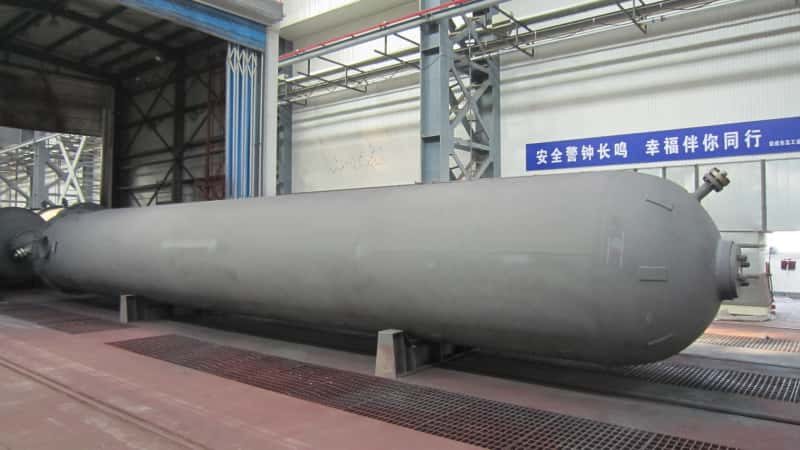

Hairpin heat exchangers play a crucial role in many industrial processes where efficient heat transfer between two fluids is essential. However, due to their unique U-shaped design, many engineers and operators are unfamiliar with how they function compared to traditional shell and tube heat exchangers. Misunderstanding the working principle can lead to poor selection, reduced efficiency, or even operational failures. Understanding the core working principle of a hairpin heat exchanger is essential for maximizing process performance and ensuring long-term reliability.
A hairpin heat exchanger operates by directing two process fluids—one inside the inner tube(s) and the other in the outer shell—through a U-shaped, double-pipe or multi-tube design, enabling effective counter-current flow and high thermal efficiency within a compact footprint. The fluid flows through straight tubes, bends at the closed end, and returns, facilitating extended heat transfer surface area in a minimal layout.
This efficient design allows hairpin heat exchangers to handle high pressures and temperatures, as well as phase-change processes like condensation or vaporization. If you want to select or operate these exchangers effectively, it’s important to understand their internal mechanisms and performance advantages.
How Does a Hairpin Heat Exchanger Work in Terms of Fluid Flow and Heat Transfer?

In many industrial systems, effective heat transfer is essential for efficient energy usage and system control. However, limited space, high-pressure requirements, or the need for easy maintenance can complicate traditional shell-and-tube heat exchanger designs. The hairpin heat exchanger emerges as a compact, versatile solution. When misunderstood, it leads to inefficient thermal transfer, pressure drops, or even equipment failure. But by understanding its working principle — especially fluid flow and thermal exchange — engineers can design optimal systems that reduce energy loss and operational costs.
A hairpin heat exchanger works by directing two fluid streams through a U-shaped (hairpin) tube bundle inside a shell, enabling efficient counterflow heat transfer between a hot and a cold fluid. The design allows one fluid to enter one end of the hairpin tube, flow through the inner pipe, reverse direction at the bend, and exit through the outer pipe while the second fluid flows in the opposite direction within the shell side, creating a high thermal gradient that enhances heat exchange.
This counterflow configuration is especially effective because it maintains a more uniform temperature difference between the fluids along the entire length of the exchanger, thereby improving the heat transfer rate. The design also permits easy removal for cleaning and maintenance, making hairpin exchangers suitable for high-viscosity or fouling-prone fluids.
Understanding the unique internal flow dynamics and heat transfer mechanisms of a hairpin heat exchanger is key to leveraging its full potential. Keep reading as we delve into the technical structure, thermodynamic principles, flow diagrams, and design parameters that define this efficient piece of thermal machinery.
Hairpin heat exchangers always use parallel flow.False
Hairpin heat exchangers typically use a counterflow arrangement, which maximizes heat transfer efficiency by maintaining a high temperature gradient between fluids.
Hairpin heat exchangers are suitable for high-pressure applications.True
The closed, compact U-shaped tube design of hairpin heat exchangers allows them to handle high-pressure differentials effectively.
Internal Design and Fluid Flow Mechanics of a Hairpin Heat Exchanger
A hairpin heat exchanger consists of a bundle of tubes bent in a U-shape and encased within a larger outer shell. This tubular arrangement forms two flow paths: one for the tube-side fluid and one for the shell-side fluid. The fluid dynamics follow this path:
- Tube-side fluid (Process fluid A) enters one end of the exchanger and travels down the inner tube.
- At the hairpin bend, the fluid reverses direction and flows back through the outer concentric tube.
- Meanwhile, shell-side fluid (Process fluid B) enters at the opposite end of the exchanger and flows around the hairpin tube bundle in the shell space in the opposite direction (counterflow).
This U-shaped configuration achieves countercurrent flow, where the hottest part of the tube-side fluid meets the hottest part of the shell-side fluid in reverse directions. This configuration maximizes thermal driving force, i.e., the temperature gradient between the two fluids.
Let’s explore how the fluid paths work in different applications with a diagrammatic view:
| Flow Arrangement | Tube Side (Fluid A) | Shell Side (Fluid B) | Heat Transfer Efficiency |
|---|---|---|---|
| Counterflow | Inlet at tube front → bends → outlet at rear | Inlet at rear → outlet at front | High — due to sustained temperature difference |
| Parallel flow | Inlet at tube front → outlet at rear | Inlet at front → outlet at rear | Low — temperature difference decreases rapidly |
| Crossflow (less common) | Mixed path | Mixed or baffled flow | Moderate — used in specialized setups |
Thermodynamic Principles of Heat Transfer in Hairpin Exchangers
The fundamental heat transfer mechanism in a hairpin heat exchanger relies on conduction through the tube walls and convection on both the tube and shell sides. The exchanger’s overall thermal performance is governed by the log mean temperature difference (LMTD) or the effectiveness-NTU method, depending on the system configuration.
Let’s compare the thermal performance of a hairpin heat exchanger vs a straight-through shell-and-tube type:
| Parameter | Hairpin Exchanger | Shell-and-Tube (Straight) |
|---|---|---|
| Surface Area | Moderate (U-shaped) | High (multi-pass) |
| Flow Direction | Countercurrent (standard) | Mixed (co-current or multi-pass) |
| Heat Transfer Efficiency | High due to counterflow | Moderate to high (design dependent) |
| Pressure Drop | Lower due to short flow path | Higher due to multiple passes |
| Maintenance | Easier (removable bundle) | More difficult (requires disassembly) |
Real-World Application Examples and Performance Data
Case Study: Hairpin Heat Exchanger in Petrochemical Plant
A petrochemical facility in Texas utilized a double-pipe hairpin heat exchanger to cool hot process fluid (oil-based) using water. The existing system was underperforming due to scaling and high-pressure losses.
Parameters:
- Hot fluid: Process oil @ 180°C, 12 bar
- Cold fluid: Water @ 30°C, 6 bar
- Flow rate: 1000 L/h
Results:
- Heat duty: 90 kW
- Outlet temperatures: Oil cooled to 70°C, water heated to 80°C
- Pressure drop: < 1 bar
- Cleaning frequency reduced by 40% due to better access
This showcases how the compact design, counterflow efficiency, and ease of cleaning of the hairpin model make it superior in demanding environments.
Design Considerations and Customization
When designing a hairpin heat exchanger, several parameters must be balanced:
- Tube material: Stainless steel, carbon steel, titanium for corrosion resistance
- Number of passes: Single-pass or multi-pass depending on required heat duty
- Length and diameter: Affects heat transfer area and pressure drop
- Fouling factors: Special internal fins or coatings can mitigate fouling
- Thermal expansion: The U-shaped design compensates for differential expansion without the need for expansion joints
To optimize performance, CFD simulations and HTRI software are commonly used to model flow behavior and predict thermal performance.
Below is an overview of design parameter ranges:
| Design Parameter | Typical Range |
|---|---|
| Operating Pressure | Up to 70 bar |
| Temperature Range | -50°C to 400°C |
| Heat Duty | 10 kW – 5 MW |
| Tube Diameter | 12 mm – 50 mm |
| Materials | SS304, SS316L, Hastelloy, Titanium |
| Cleaning Access | Front/Rear removable headers |
Conclusion
A hairpin heat exchanger is a high-efficiency, compact, and customizable solution for industries needing robust heat exchange with ease of maintenance. Its countercurrent flow configuration ensures optimal thermal gradients, while its design simplifies installation and cleaning. Whether you’re dealing with corrosive fluids, high-pressure systems, or space constraints, the hairpin model often outperforms traditional designs in both performance and practicality.
What Are the Key Components of a Hairpin Heat Exchanger and How Do They Contribute to Its Function?
In many process industries, the ability to transfer heat efficiently within a compact footprint is crucial — especially under high pressure or with fouling fluids. Enter the Hairpin Heat Exchanger, a U-shaped configuration ideal for heat transfer between two process fluids. Yet many operators and engineers underutilize this equipment simply because they don’t understand its internal construction. Failing to grasp the purpose of each component can lead to improper operation, reduced efficiency, and frequent maintenance problems. This article breaks down the critical parts of a hairpin heat exchanger and explains how each one contributes to the exchanger’s functionality and thermal performance.
The key components of a hairpin heat exchanger include the tube bundle, outer shell, return bend (hairpin bend), headers (or bonnets), baffles, and support structures. Each component plays a crucial role: the tubes enable thermal conduction between fluids, the shell channels the secondary fluid, the bend reverses flow for countercurrent operation, and the headers manage fluid entry and exit while maintaining pressure boundaries.
Understanding each of these components allows engineers to optimize system design, fluid compatibility, and thermal efficiency. Each part also determines the exchanger’s pressure rating, cleaning ease, and suitability for specific applications like oil refining, chemical processing, or food production.
Continue reading to explore each part of a hairpin heat exchanger, how it functions under real-world conditions, and how these components interact for maximum heat transfer.
All hairpin heat exchangers have removable tube bundles.False
Not all hairpin exchangers are built with removable bundles. This feature is optional and used primarily for cleaning or replacement in high-fouling environments.
The return bend in a hairpin heat exchanger is responsible for changing the direction of fluid flow inside the tubes.True
The return bend (or hairpin bend) allows the tube-side fluid to reverse direction, creating a U-shaped flow path that enables countercurrent heat transfer.
Core Components and Their Functions
Let’s break down the essential components of a typical hairpin heat exchanger and explore how each contributes to its performance.
1. Tube Bundle (Inner and Outer Tubes)
The tube bundle is the primary path for one of the two fluids — usually the process fluid on the tube side. Hairpin designs typically use a concentric tube (double-pipe) system where:
- The inner tube carries the fluid in one direction.
- The fluid then reverses at the return bend and flows through the outer tube, which surrounds the inner pipe.
These tubes are responsible for thermal conduction — the inner fluid transfers heat through the metal tube walls, which is absorbed or released by the shell-side fluid. Materials like stainless steel, titanium, or carbon steel are selected based on corrosion resistance and thermal conductivity.
2. Shell
The shell is the outer casing that surrounds the tube bundle. It houses the shell-side fluid, which flows in the opposite direction to the tube-side fluid. The shell also:
- Contains baffles or flow diverters to increase turbulence and heat transfer.
- Serves as a pressure boundary for the shell-side fluid.
- Provides the framework for mounting and structural support.
Its role is to facilitate convective heat transfer between the shell-side fluid and the outer tube.
3. Return Bend (Hairpin Bend)
This U-shaped return bend is the defining feature of the exchanger. It physically joins the two ends of the tubes together, causing the tube-side fluid to reverse direction.
Function:
- Enables countercurrent flow, which maintains a high temperature gradient.
- Simplifies layout by minimizing total length compared to a straight double-pipe exchanger.
- Accommodates thermal expansion and reduces stress on tubes.
Return bends are usually welded or formed from heavy-wall tubing, and their curvature is carefully designed to minimize pressure drop while enabling easy cleaning.
4. Headers / Bonnets / End Chambers
These are located at both ends of the exchanger and serve as fluid manifolds. Their functions include:
- Distributing fluid evenly into the tube bundle.
- Withstanding high pressure (especially on the tube side).
- Allowing access to tubes for maintenance and inspection.
- Some designs use removable bonnets for easy cleaning.
Headers may be flanged, welded, or bolted, and are critical in sealing and controlling fluid flow at entry/exit points.
5. Baffles (Optional)
While not always included in every hairpin exchanger, baffles or flow diverters are used on the shell side to:
- Direct flow across the tubes instead of parallel to them.
- Increase turbulence, which enhances heat transfer efficiency.
- Prevent flow stagnation and eliminate dead zones.
Baffles can also support the tube bundle mechanically, reducing vibration.
6. Support Structures and Mounts
Because hairpin heat exchangers are often installed horizontally or vertically, they require proper mounting frames, saddles, or sliding supports. These ensure:
- Stable installation.
- Absorption of thermal expansion movement.
- Reduction of mechanical stress on piping connections.
Visual Diagram of Component Interactions
Here is a simplified schematic showing how each component connects and interacts:
| Component | Location | Primary Function |
|---|---|---|
| Inner Tube | Inside center | Directs first fluid flow (forward path) |
| Outer Tube | Around inner tube | Returns fluid to outlet (reverse path) |
| Shell | Outside tubes | Carries second fluid for heat exchange |
| Return Bend | U-turn end | Reverses tube-side fluid flow |
| Header / Bonnet | At both ends | Distributes and collects tube-side fluid |
| Baffles | Inside shell | Increases turbulence and flow efficiency (if used) |
| Mounting Base | Under unit | Provides physical support |
Let’s illustrate component functions with a diagrammatic comparison:
| Component Name | Material | Key Role in Heat Transfer | Maintenance Notes |
|---|---|---|---|
| Inner/Outer Tubes | SS316, Titanium | Primary thermal interface | Removable in some designs |
| Shell | Carbon Steel, Alloy | Secondary fluid container | Inspect for fouling |
| Return Bend | Stainless Steel | Enables U-turn counterflow | Must withstand pressure |
| Headers | Forged Steel | Control fluid access/sealing | Removable or fixed |
| Baffles | Mild Steel, Alloy | Improve turbulence | Optional component |
Design Customizations Based on Application Needs
Each component can be customized to suit different industry applications, such as:
- High fouling environments → Removable tube bundles and larger tube diameters
- Corrosive fluids → Titanium or Hastelloy tubes
- High pressure systems → Reinforced return bends and bonnets
- High thermal loads → Multi-tube configurations or extended surface tubes
Below is a table comparing component selection based on application:
| Industry | Fluid Type | Tube Material | Shell Pressure Rating | Customization |
|---|---|---|---|---|
| Petrochemical | Hydrocarbon + Steam | SS316 / Inconel | Up to 70 bar | Floating head, baffled shell |
| Food & Beverage | Milk, Juice, Syrup | SS304L | Up to 15 bar | Polished interior, sanitary headers |
| Power Generation | Boiler Feedwater | Copper, Cu-Ni | 35–50 bar | Long hairpin leg, external insulation |
| Pharmaceutical | Solvents + Water | Hastelloy C276 | 25–30 bar | Passivation, removable tubes |
Conclusion
Each component of a hairpin heat exchanger serves a specific thermal, structural, or flow management function. From the precise engineering of the tube bundle and return bend to the sealing capabilities of headers and the flow directionality ensured by baffles, all elements work in concert to enable efficient heat transfer. A deep understanding of these parts helps engineers select the right configuration for performance, cost, and maintenance balance.
Why Is Counter-Current Flow Used in Hairpin Heat Exchangers and How Does It Improve Efficiency?
When designing industrial heat exchangers, one of the most critical performance factors is the temperature gradient between two fluids. Traditional co-current flow designs quickly lose this gradient, resulting in decreased thermal efficiency. That’s why counter-current flow, especially in hairpin heat exchangers, is a preferred configuration. Failing to use this approach can lead to oversized equipment, energy waste, and unstable process control. Understanding why and how counter-current flow enhances heat transfer in hairpin heat exchangers can help engineers and operators achieve optimal performance with a smaller footprint and lower energy usage.
Counter-current flow is used in hairpin heat exchangers because it maintains a consistent and higher temperature difference between the two fluid streams across the length of the exchanger, significantly increasing thermal efficiency. In this flow arrangement, the hot and cold fluids move in opposite directions, allowing the outlet temperature of the cold fluid to exceed the outlet temperature of the hot fluid, maximizing energy recovery and minimizing thermal losses.
This arrangement results in a greater log mean temperature difference (LMTD) compared to co-current flow, which directly improves the amount of heat transferred per unit area. The hairpin exchanger’s U-shaped tube design naturally facilitates this configuration, making it ideal for applications requiring compact, high-efficiency, and high-pressure thermal exchange solutions.
Continue reading to understand the physics of counter-current heat exchange, how it compares to other flow arrangements, and why it’s indispensable in modern hairpin heat exchanger applications.
Counter-current flow allows the cold fluid to exit at a temperature higher than the hot fluid's outlet temperature.True
Counter-current flow maintains a favorable temperature gradient, allowing maximum heat recovery and efficient energy transfer between the two fluids.
Hairpin heat exchangers always operate in co-current flow mode.False
Hairpin heat exchangers are specifically designed to operate in counter-current flow mode to maximize heat transfer efficiency.
How Counter-Current Flow Works in Hairpin Heat Exchangers
The hairpin heat exchanger utilizes a double-pipe or multi-tube configuration with a U-bend. In a typical setup:
- The tube-side fluid enters at one end, flows through the inner tube, makes a U-turn at the return bend, and exits through the annular space (outer tube).
- The shell-side fluid enters at the opposite end of the shell and flows in the opposite direction around the tubes, often guided by baffles to create a turbulent path.
This creates a true counterflow arrangement: the coldest part of the cold fluid comes into contact with the coldest part of the hot fluid’s path — and likewise, the hottest sections interact at the other end. This arrangement keeps the temperature difference (∆T) between the two fluids high across the entire exchanger length, which is essential for maximizing heat transfer.
Below is a diagram comparing counter-current vs co-current flow configurations:
| Flow Type | Hot Fluid Flow | Cold Fluid Flow | Thermal Gradient | Efficiency |
|---|---|---|---|---|
| Counter-Current | Inlet to Outlet | Outlet to Inlet | High and consistent across the length | High (ideal) |
| Co-Current | Inlet to Outlet | Inlet to Outlet | Rapidly drops along the flow path | Low to Moderate |
Enhanced Energy Recovery and System Efficiency
In industrial applications — such as chemical processing, refineries, or HVAC systems — energy efficiency is tied to how close you can bring the cold fluid’s outlet temperature to the hot fluid’s inlet temperature. Counterflow supports this goal by enabling exit temperatures that surpass the opposing fluid’s outlet temperature, which is thermodynamically impossible in co-current flow.
Benefits of this include:
- Greater energy recovery → recover more thermal energy from hot waste streams.
- Lower utility costs → reduce steam, cooling water, or refrigeration demands.
- Smaller exchanger footprint → less surface area needed for same performance.
- Improved control → better outlet temperature predictability.
Here is a chart showing energy recovery performance by flow type:
| Metric | Co-current Flow | Counter-current Flow |
|---|---|---|
| Energy Recovery (%) | 60–70% | 80–95% |
| Heat Transfer Area (for same duty) | Larger | Smaller |
| Outlet Temp Control | Moderate | Excellent |
Real-World Use Case: Refinery Waste Heat Recovery
Problem: A refinery was losing energy through high-temperature process effluent (150°C) being discharged. Initial co-current designs recovered only 60% of heat, and the outlet temperature of cooling water was sub-optimal (65°C).
Solution: A hairpin heat exchanger with counterflow configuration was installed.
Results:
- Hot fluid inlet: 150°C → outlet: 90°C
- Cooling water inlet: 30°C → outlet: 100°C
- LMTD increased by 54%
- Energy recovered: Increased by 32%
- ROI achieved in under 6 months due to energy savings
This example demonstrates how counter-current flow transforms heat exchanger performance in practical, measurable ways.
Physical Design Advantage in Hairpin Exchangers
The U-shaped (hairpin) layout is naturally suited for counterflow because:
- It integrates both inlet and outlet headers at one end, simplifying piping.
- It provides equal heat path lengths for both fluids.
- It reduces pressure drop due to compact design.
This contrasts with multi-pass shell-and-tube designs, which require complex baffles and flow arrangements to achieve the same effect — often at a higher cost and larger footprint.
Conclusion
Counter-current flow is fundamental to the superior performance of hairpin heat exchangers. It ensures a sustained thermal gradient, maximizes energy recovery, and improves outlet temperature control — all within a compact design. Whether you’re optimizing an existing system or designing from scratch, counterflow is the most efficient and thermodynamically favorable choice.
How Does the U-Tube Design of Hairpin Heat Exchangers Affect Performance and Maintenance?
In industrial operations where space is limited and performance is critical, heat exchanger reliability and ease of maintenance can directly affect production uptime and operational efficiency. Poorly designed heat exchangers may underperform or require frequent shutdowns for cleaning. This is where the U-tube design of hairpin heat exchangers excels — by offering a highly compact, robust, and efficient solution. Yet, many engineers overlook how this unique configuration affects thermal performance, pressure handling, thermal stress management, and maintenance accessibility. Understanding this can help reduce costs, simplify installation, and extend equipment lifespan.
The U-tube design in hairpin heat exchangers enhances performance by enabling efficient countercurrent flow, accommodating thermal expansion without stress damage, and providing a compact footprint. It also simplifies maintenance by allowing tube access from one side, though cleaning the bend area can be more challenging. This design balances high-pressure capabilities, thermal efficiency, and ease of handling in demanding process environments.
With the tubes arranged in a “hairpin” or U-shape, the heat exchanger offers a double-pass configuration that supports high heat recovery rates and minimizes piping complexity. It’s particularly well-suited for high-temperature and high-pressure systems, thanks to its natural ability to absorb thermal strain without expansion joints.
Keep reading to discover the real engineering implications of the U-tube design — including diagrams, maintenance strategies, pressure data, and industrial case applications.
The U-tube design in hairpin heat exchangers eliminates the need for expansion joints.True
The U-shaped configuration allows for natural thermal expansion of the tubes without introducing mechanical stress, making expansion joints unnecessary.
Hairpin heat exchangers are difficult to clean due to their U-tube design.False
While the straight sections of the tubes are accessible from one side, the bend area can be harder to clean, especially in high-fouling applications.
Structural Role of the U-Tube Design in Hairpin Heat Exchangers
The U-tube configuration is at the heart of the hairpin heat exchanger. It consists of two flow paths within a single continuous pipe — one flowing down through the inner tube, and one returning via the outer tube or a concentric path. This configuration plays a significant role in:
- Countercurrent Flow Facilitation: Since the fluids move in opposite directions, the system achieves maximum thermal driving force.
- Thermal Expansion Compensation: The curved shape of the tube allows the metal to expand and contract under high-temperature differentials without creating excessive stress or requiring expansion joints.
- Compact Footprint: The folded design reduces overall exchanger length while achieving a long effective heat path, ideal for space-constrained installations.
Below is a chart that summarizes the comparative impact of the U-tube design versus straight-tube designs:
| Feature | U-Tube (Hairpin Design) | Straight Tube |
|---|---|---|
| Thermal Expansion Handling | Excellent (no expansion joint needed) | Poor (requires expansion joints) |
| Space Efficiency | High | Low |
| Tube Accessibility | One end only (limited at bend) | Both ends |
| Cleaning and Maintenance Access | Moderate | Good |
| Pressure/Temperature Resistance | High | Medium |
| Fluid Flow Configuration | Countercurrent (efficient) | Multi-pass or parallel |
Thermal and Hydraulic Performance Impacts
The U-tube structure enhances both thermal efficiency and hydraulic performance:
Thermal Efficiency:
- Enables maximum counterflow contact, leading to a higher log mean temperature difference (LMTD).
- Allows greater temperature recovery, which means you can achieve higher cold-side outlet temperatures, increasing energy recovery.
- Longer effective heat path within a small footprint improves the overall heat duty (Q) without requiring excessive space.
Hydraulic Considerations:
- Lower pressure drop due to smoother transitions compared to multi-pass shell-and-tube exchangers.
- Flow velocity control: The tube diameter and path can be engineered to maintain turbulent flow, increasing heat transfer coefficients without excessive resistance.
Here’s an example comparing LMTD and pressure drop performance:
| Configuration | LMTD (°C) | Pressure Drop (kPa) | Heat Transfer Efficiency |
|---|---|---|---|
| U-Tube Hairpin Exchanger | 65 | 18 | High |
| Straight Shell-and-Tube | 48 | 27 | Moderate |
Maintenance Benefits and Challenges of U-Tube Configuration
Advantages:
- One-sided access: Maintenance crews can remove the bonnet or head from one side to access all tubes.
- Tube replacement: Individual tubes can be pulled and replaced easily from the accessible end.
- Compact assembly: Easier to transport, install, and remove for servicing compared to longer straight-tube systems.
Challenges:
- Cleaning U-bends: The curved section at the return bend is not directly accessible with standard rod cleaning methods.
- High-fouling fluids: In applications with sludge, crystallization, or polymerization risks, cleaning the return bend may require chemical cleaning or specialized pigging systems.
- Inspection limitations: Endoscopic or fiber optic inspection tools may be needed for bend areas.
Here’s a practical maintenance workflow for a U-tube hairpin heat exchanger:
| Maintenance Task | Procedure | Access Point | Frequency |
|---|---|---|---|
| Tube Cleaning | High-pressure water jet or chemical circulation | Tube-side bonnet | Quarterly/Annually |
| Leak Detection | Hydrostatic pressure test | Shell & tube ends | Annually |
| Return Bend Inspection | Endoscopic camera or ultrasonic testing | Tube-side inlet | As needed |
| Tube Replacement | Pull-and-replace from accessible side | Single-end bonnet opening | As required |
Design Flexibility and Application Suitability
The U-tube configuration in hairpin heat exchangers allows for modular customization, including:
- Single-pass or multi-pass tube designs
- Double-pipe or triple-pipe arrangements
- Floating head options for extremely high-temperature or fouling applications
These design features are well suited for:
- Refineries and Petrochemical Plants → where high pressure, high temperature, and dirty fluids are common.
- Pharmaceutical and Food Industries → where cleaning access is crucial, and space is limited.
- Power Generation → for heat recovery in steam systems where space and thermal fatigue resistance are critical.
Below is a table illustrating design flexibility by application:
| Industry | Preferred Tube Design | Tube Material | Typical U-Bend Radius | Maintenance Features |
|---|---|---|---|---|
| Oil & Gas | Double-pipe U-tube | Inconel, SS316 | Large (to reduce fouling) | Removable tube bundle, piggable bend |
| Food & Beverage | Sanitary U-tube | SS304L | Medium | Polished interior, CIP ports |
| Chemicals | Multi-pass U-tube | Hastelloy | Small | Floating head, isolation valves |
| Power Generation | Long-leg U-tube | Copper/Nickel | Custom based on layout | Welded shell, thermal insulation |
Conclusion
The U-tube design of hairpin heat exchangers is a powerful engineering solution that balances compact design, thermal performance, and structural integrity. It enables true counterflow operation, minimizes thermal stress, and allows single-sided access for routine maintenance. While it introduces some challenges in cleaning the bend area, its overall performance benefits make it ideal for high-efficiency, high-pressure applications across various industries.
What Types of Fluids and Processes Are Ideal for Hairpin Heat Exchangers?
In industrial settings, selecting the wrong type of heat exchanger for a specific fluid or process can lead to inefficiencies, frequent maintenance, and even system failure. Fluids may be too viscous, too corrosive, or require high-pressure handling. Fortunately, the hairpin heat exchanger offers a uniquely robust and versatile solution. Its compact U-tube design, countercurrent flow capability, and material adaptability make it ideal for a wide range of fluids and challenging process conditions. But knowing exactly which fluids and process types are most compatible with hairpin designs is essential for achieving optimal thermal performance and operational reliability.
Hairpin heat exchangers are ideal for handling high-pressure, high-temperature, and fouling-prone fluids such as hydrocarbons, steam, hot oils, corrosive chemicals, and viscous process liquids. They are commonly used in industries like petrochemical refining, oil and gas production, power generation, food processing, and chemical manufacturing where space is limited, but efficient, high-duty heat exchange is critical.
Because they allow for easy customization of materials, flow paths, and cleaning access, hairpin heat exchangers excel in processes involving aggressive, unstable, or variable fluids. Their countercurrent flow design ensures optimal energy recovery and compact footprint, making them a cost-effective choice for both continuous and batch processes.
Continue reading to explore the specific fluid types, process conditions, and industrial scenarios where hairpin heat exchangers outperform other designs — supported by real data, application charts, and technical comparisons.
Hairpin heat exchangers are only suitable for clean, low-viscosity fluids.False
Hairpin heat exchangers are particularly suited for handling viscous, dirty, and fouling fluids due to their accessible design and strong turbulence-promoting flow characteristics.
Hairpin heat exchangers can be used with both corrosive and high-pressure fluids.True
Their robust construction and customizable materials (e.g., Hastelloy, titanium) make them suitable for aggressive, corrosive, and high-pressure fluid applications.
Common Fluid Types Suitable for Hairpin Heat Exchangers
Hairpin heat exchangers are capable of transferring heat between a wide variety of fluids due to their flexibility in design and material selection. Below is a breakdown of commonly processed fluid types and their characteristics:
| Fluid Type | Key Characteristics | Why Ideal for Hairpin Exchanger |
|---|---|---|
| Hydrocarbons (crude oil, condensate, diesel) | High temperature, high viscosity | Countercurrent flow and high-pressure tolerance |
| Steam / Condensate | High enthalpy, phase change involved | Effective for energy recovery and condensation |
| Hot Oils (Therminol, Dowtherm) | Thermal stability, high temperature | Excellent heat retention and controlled heat recovery |
| Corrosive Chemicals (acid, caustic solutions) | Aggressive, erosive, high corrosion risk | Custom alloy materials (Hastelloy, Monel, Titanium) |
| Viscous Slurries / Sludges | High fouling, poor flowability | Turbulent flow and removable tube bundle for easier cleaning |
| Natural Gas / CO₂ | Compressible, may require gas-to-liquid exchange | Suitable for high-pressure gas cooling or condensation |
| Refrigerants (R134a, ammonia) | Phase-change fluid, low temperature | Efficient subcooling and evaporation in compact space |
| Water / Glycol / Brines | General purpose cooling fluids | Used for heat rejection, preheating, or intermediate stages |
Ideal Process Applications by Industry
Petrochemical and Refining
Hairpin exchangers are frequently used in refineries for:
- Crude oil preheating
- Catalytic reformer effluent cooling
- Heat recovery from hydrocarbon process streams
These processes demand robust materials, compact footprints, and the ability to handle two-phase flow or phase-change phenomena.
| Fluid | Inlet Temp (°C) | Pressure (bar) | Hairpin Advantage |
|---|---|---|---|
| Crude Oil | 150–300 | 10–40 | Handles fouling, easy cleaning access |
| Steam Condensate | 120–170 | 4–25 | Effective for energy recovery |
| Naphtha | 90–250 | 12–30 | Countercurrent flow for efficient duty |
Oil & Gas Production
Hairpin exchangers are essential in offshore platforms and upstream facilities, particularly for:
- Wellstream cooling
- Gas dehydration heating
- Amine and glycol reboiler systems
Space is often limited, and fluids are typically high-pressure and multi-phase, making the compact and durable U-tube design highly suitable.
| Fluid | Typical Application | Pressure Class (bar) | Material Choice |
|---|---|---|---|
| Sour Gas | Gas sweetening system | 50–100 | Monel or Inconel |
| Lean/Rich Amine | Amine loop heat exchanger | 10–60 | Stainless Steel 316L |
| Produced Water | Oil/water separator heat-up | 5–15 | Duplex SS |
Power Generation
In thermal power plants, hairpin heat exchangers are used for:
- Feedwater preheating
- Heat recovery steam generator (HRSG) economizers
- Turbine oil cooling
They must handle cyclical operation, high temperatures, and be resistant to thermal fatigue.
| Medium | Function | Temperature (°C) | Key Feature |
|---|---|---|---|
| Boiler Feedwater | Preheating | 60–120 | Compact footprint, fast response |
| Lubricating Oil | Cooling for turbines/compressors | 40–90 | Low pressure drop design |
Food & Beverage Industry
In applications requiring sanitary design, such as:
- Syrup or sauce preheating
- CIP (clean-in-place) heating
- Pasteurization processes
Hairpin exchangers can be built with polished internal surfaces and food-grade stainless steel, ensuring hygienic conditions while maintaining thermal efficiency.
| Fluid | Viscosity | Cleaning Requirement | Hairpin Benefit |
|---|---|---|---|
| Fruit Pulp | High | CIP and manual | Removable tube bundle, sanitary finish |
| Dairy Products | Medium | CIP | Smooth surfaces, reduced fouling |
| Liquid Sugar | Very High | Regular | Turbulent flow improves heat transfer |
Chemical Processing
Hairpin exchangers handle:
- Exothermic reaction cooling
- Polymer solution heating
- Toxic or hazardous fluid exchange
They must resist chemical attack, withstand high pressures, and accommodate phase changes.
| Fluid | Hazard Level | Temperature (°C) | Material Recommendation |
|---|---|---|---|
| Hydrochloric Acid | High | 40–90 | Glass-lined steel, Tantalum |
| Caustic Soda (NaOH) | Medium | 70–120 | Alloy 20 or Duplex Steel |
| Acetone Vapors | High | -20 to 40 | SS316 or Monel |
Process Selection Guide – Is a Hairpin Heat Exchanger Right for You?
Here is a process selection matrix to help determine suitability:
| Process Requirement | Hairpin Heat Exchanger Suitable? | Reason |
|---|---|---|
| High-pressure, high-temperature fluids | ✅ Yes | U-tube design handles pressure and expansion |
| Limited installation space | ✅ Yes | Compact, modular design |
| Frequent cleaning required | ⚠️ Conditional | Good for low-to-medium fouling |
| Strong corrosive fluids | ✅ Yes (with proper material) | Custom alloys resist corrosion |
| Sanitary food or pharma processes | ✅ Yes (if designed accordingly) | Polished and hygienic construction available |
| Heavy fouling or solids-laden fluids | ⚠️ Yes, but may need removable bundle | Requires access to return bends |
| Cryogenic cooling or refrigeration | ✅ Yes | Effective in low-temp duty applications |
Conclusion
Hairpin heat exchangers are among the most versatile and reliable designs available for modern industrial thermal management. Their ability to handle a wide range of fluid types — from corrosive chemicals to thick food-grade slurries — makes them a go-to choice for process engineers looking to maximize heat transfer efficiency, reduce maintenance costs, and adapt to harsh environments. Whether you’re working with hydrocarbons, glycol, steam, or high-fouling fluids, a properly designed hairpin heat exchanger can be tailored to your exact operational needs.
How Do Hairpin Heat Exchangers Compare to Traditional Shell and Tube Heat Exchangers in Terms of Operation?
Choosing the right heat exchanger design can dramatically impact system performance, operational cost, and maintenance cycles. Traditional shell-and-tube heat exchangers are widely known for their capacity and versatility, but they come with certain limitations, especially in high-pressure or space-constrained applications. Hairpin heat exchangers, with their unique U-tube, compact, and counterflow-oriented structure, provide a compelling alternative — but only when the operational differences are well understood. Misapplying either design can lead to poor efficiency, excessive pressure drop, or maintenance difficulties.
Hairpin heat exchangers differ from traditional shell and tube heat exchangers in operation by offering a naturally compact, high-efficiency counterflow design, lower pressure drops, and easier modular maintenance. Unlike multi-pass shell and tube systems that may require complex baffling and support structures, hairpin exchangers maintain consistent thermal gradients through U-tube counterflow, making them better suited for high-pressure, space-limited, or high-fouling applications.
While shell-and-tube exchangers excel in large-scale, high-volume operations, hairpin designs shine in precision applications, two-phase flows, and when cleaning access or modular flexibility is required. Keep reading to explore detailed comparisons of performance, maintenance, thermal behavior, flow configuration, and field application.
Hairpin heat exchangers cannot handle high pressures like shell and tube designs.False
Hairpin heat exchangers are particularly suitable for high-pressure applications due to their short tube lengths and strong U-bend construction.
Shell and tube exchangers are more compact than hairpin heat exchangers.False
Hairpin heat exchangers are generally more compact due to their folded U-tube layout, making them ideal for tight installations.
Operational Differences Between Hairpin and Shell-and-Tube Designs
Below is a side-by-side technical comparison between these two exchanger types:
| Feature | Hairpin Heat Exchanger | Shell and Tube Heat Exchanger |
|---|---|---|
| Flow Configuration | True counter-current (standard) | Usually multi-pass or mixed flow |
| Footprint | Compact (folded tube design) | Large (long straight tube bundle) |
| Thermal Expansion Handling | Built-in with U-tube (no expansion joints needed) | Requires expansion joints or floating head designs |
| Pressure Tolerance | High (especially tube-side) | Moderate to high (depends on construction) |
| Maintenance Access | One-side access, easy tube pullout | Multi-side access, often requires full disassembly |
| Cleaning | Tube side accessible, bend harder to clean | Both ends accessible, better for high-fouling fluids |
| Fabrication Cost | Moderate (more compact, but custom design) | Lower in large-scale production |
| Scalability | Modular, easy to add in series | Better for large-scale plant-wide applications |
| Baffling Requirement | Often baffle-free or minimal | Extensive baffle network required |
Thermal Performance and Flow Configuration
The thermal efficiency of a heat exchanger largely depends on maintaining a consistent temperature gradient across the flow path.
Hairpin Heat Exchanger:
- Operates in true countercurrent flow configuration.
- Achieves higher log mean temperature difference (LMTD) across the unit length.
- Ensures maximum thermal driving force, even as the fluid temperatures converge.
- Ideal for close approach temperatures — where outlet temp of cold fluid exceeds hot fluid’s outlet temp.
Shell and Tube Exchanger:
- Often uses multi-pass or parallel flow patterns.
- Thermal gradient diminishes along flow path unless baffles are used to redirect.
- Higher shell-side pressure drop due to complex flow redirection.
LMTD Comparison Example:
| Configuration | Hot In (°C) | Hot Out (°C) | Cold In (°C) | Cold Out (°C) | LMTD (°C) |
|---|---|---|---|---|---|
| Hairpin (Counterflow) | 150 | 90 | 30 | 100 | 66.1 |
| Shell and Tube (Parallel) | 150 | 90 | 30 | 80 | 41.6 |
The hairpin achieves ~60% higher LMTD, leading to significantly higher heat transfer performance per unit area.
Pressure Drop and Energy Efficiency
Hairpin exchangers offer advantages in terms of pressure handling and reduced pressure drop.
- Shorter straight tube sections mean lower frictional resistance.
- Shell-side fluid can often flow without extensive baffling, reducing backpressure.
- Ideal for gas-liquid exchanges, steam condensers, and hydrocarbon coolers.
Shell and tube exchangers:
- Require more baffles and redirection, increasing pressure drop.
- More susceptible to vibration-induced failures due to longer tube spans.
Pressure Drop Comparison Table (Hypothetical Application):
| Exchanger Type | Tube Side ΔP (kPa) | Shell Side ΔP (kPa) |
|---|---|---|
| Hairpin Heat Exchanger | 18 | 10 |
| Shell and Tube Exchanger | 28 | 22 |
Cleaning, Maintenance, and Fouling Resistance
Hairpin Exchangers:
- Tube bundle can be removed from one end, simplifying cleaning.
- Less surface area per unit length, reducing fouling points.
- Curved U-bend may be hard to clean mechanically, requiring chemical cleaning.
Shell and Tube Exchangers:
- Both ends of tubes accessible → better for mechanical cleaning.
- More complex disassembly process.
- High fouling processes may require frequent downtime for cleaning.
| Factor | Hairpin | Shell and Tube |
|---|---|---|
| Tube Inspection | From one end only | From both ends |
| Fouling Fluid Compatibility | Good with moderate fouling | Better for heavy fouling fluids |
| Downtime for Maintenance | Shorter | Longer due to full access needs |
Application-Specific Use Cases
Hairpin Heat Exchangers Are Ideal For:
- High-pressure oil and gas applications (e.g., amine systems, glycol dehydration)
- Compact installations (offshore platforms, skid-mounted units)
- Two-phase heat exchange (condensation or vaporization)
- Thermally sensitive fluids where tight outlet temperature control is required
Shell and Tube Heat Exchangers Are Ideal For:
- Large-scale thermal loads (boiler feedwater, turbine exhaust)
- Processes with heavy fouling (slurries, waste heat recovery)
- Very large plant systems with integrated utility networks
- Economizers or reboilers in refineries or chemical plants
In conclusion, the working principle of a hairpin heat exchanger is rooted in efficient, compact, and versatile design, making it a preferred solution in many industries such as chemical, petrochemical, and energy. Understanding its design helps users make informed decisions regarding system integration and process optimization.
FAQ
Q1: What is the working principle of a Hairpin Heat Exchanger?
A1: A Hairpin Heat Exchanger operates based on the principle of counterflow heat exchange, where two fluids at different temperatures flow in opposite directions. The exchanger consists of a U-shaped or straight hairpin design with inner and outer tubes. One fluid typically flows through the inner tube (tube side) and the other through the outer shell (shell side). The design maximizes surface contact and thermal efficiency by allowing extended residence time and better heat transfer. The counterflow arrangement ensures that the temperature gradient between the fluids remains high across the entire length of the exchanger, improving thermal performance.
Q2: Why is the hairpin design used in heat exchangers?
A2: The hairpin design is used for its compactness, ease of maintenance, and high thermal efficiency. Its U-shape allows a longer flow path within a limited footprint, promoting better heat transfer. Additionally, it accommodates thermal expansion and reduces pressure drops, making it suitable for high-pressure and high-temperature applications. Hairpin heat exchangers are often used in industries like petrochemicals and power generation due to their reliability and performance in continuous processes.
Q3:How does a Hairpin Heat Exchanger differ from a shell-and-tube heat exchanger?
A3: While both serve similar functions, a Hairpin Heat Exchanger features a U-shaped design with two concentric tubes, whereas a shell-and-tube exchanger has multiple straight tubes inside a shell. Hairpin exchangers typically allow for true counterflow operation, offering superior thermal efficiency. They are also easier to clean and maintain due to fewer parts and joints. However, shell-and-tube exchangers may be more suitable for larger-scale applications needing extensive surface area.
Q4: In which industries are Hairpin Heat Exchangers commonly used?
A4: Hairpin Heat Exchangers are widely used in industries where compact design and efficient heat transfer are essential. These include petrochemical, oil and gas, chemical processing, power generation, and food and beverage industries. They are especially effective in high-pressure or corrosive environments, offering long service life and cost-effective maintenance.
Q5: Are Hairpin Heat Exchangers suitable for two-phase flow applications?
A5: Yes, Hairpin Heat Exchangers are highly suitable for two-phase flow applications such as condensation or vaporization processes. Their design supports efficient phase change operations due to high heat transfer coefficients and the counterflow arrangement, which maintains a consistent temperature differential. They can be customized with specific materials and construction to handle aggressive fluids or thermal cycling effectively.
References
- Hairpin Heat Exchangers Explained – https://www.thermopedia.com/content/1188/ – Thermopedia
- Heat Exchanger Design Guide – https://www.sciencedirect.com/book/9780128037641/heat-exchanger-design-guide – ScienceDirect
- API Heat Transfer Hairpin Products – https://www.apiheattransfer.com/products/hairpin-heat-exchangers/ – API Heat Transfer
- Working Principle of Heat Exchangers – https://www.engineeringtoolbox.com/heat-exchanger-principles-d_163.html – Engineering Toolbox
- Hairpin Heat Exchanger Overview – https://www.process-heating.com/articles/90723-the-basics-of-hairpin-heat-exchangers – Process Heating
- Double Pipe and Hairpin Heat Exchangers – https://www.thermoworks.com/blog/double-pipe-heat-exchangers/ – ThermoWorks
- Heat Exchangers in Process Engineering – https://www.cheresources.com/content/articles/heat-transfer/overview-of-heat-exchanger-types – Cheresources
- Compact Heat Exchangers in Industry – https://www.researchgate.net/publication/313682157 – ResearchGate
- Industrial Heat Exchanger Applications – https://www.hrs-heatexchangers.com/heat-exchanger-applications/ – HRS Heat Exchangers
- Counterflow vs Parallel Flow Heat Exchangers – https://www.mechanicalboost.com/counterflow-vs-parallel-flow-heat-exchanger/ – Mechanical Boost