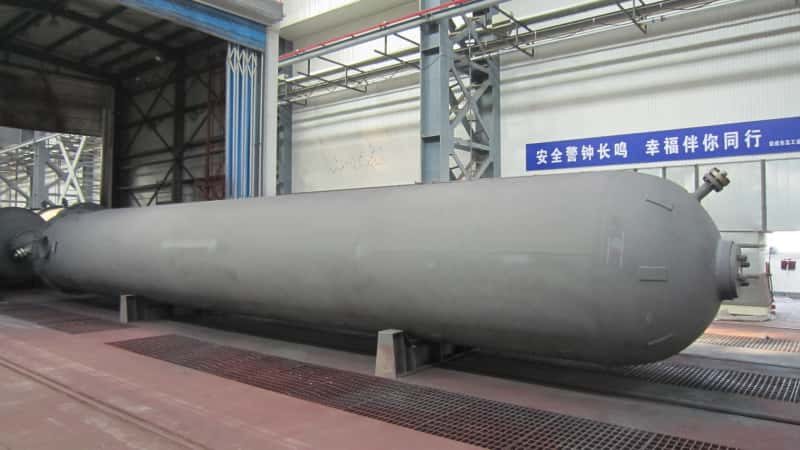

In chemical, petrochemical, and refining industries, many operations depend on the separation of components—whether for purity, recovery, or downstream processing. When this separation is inefficient or poorly designed, the consequences include reduced product quality, operational downtime, and significant financial losses. A key tool in this separation process is the process tower or column, yet many users lack a clear understanding of what these are, how they function, and how to optimize them. This article addresses this critical gap and offers a practical guide for engineers, operators, and decision-makers to better understand and manage process towers and columns.
Process towers and columns are vertical vessels used in industrial processes to separate mixtures based on differences in boiling point, solubility, or other physical-chemical properties. These columns work by allowing vapor and liquid phases to interact across trays or packing materials inside the tower, enabling selective component separation through mechanisms like distillation, absorption, stripping, or extraction.
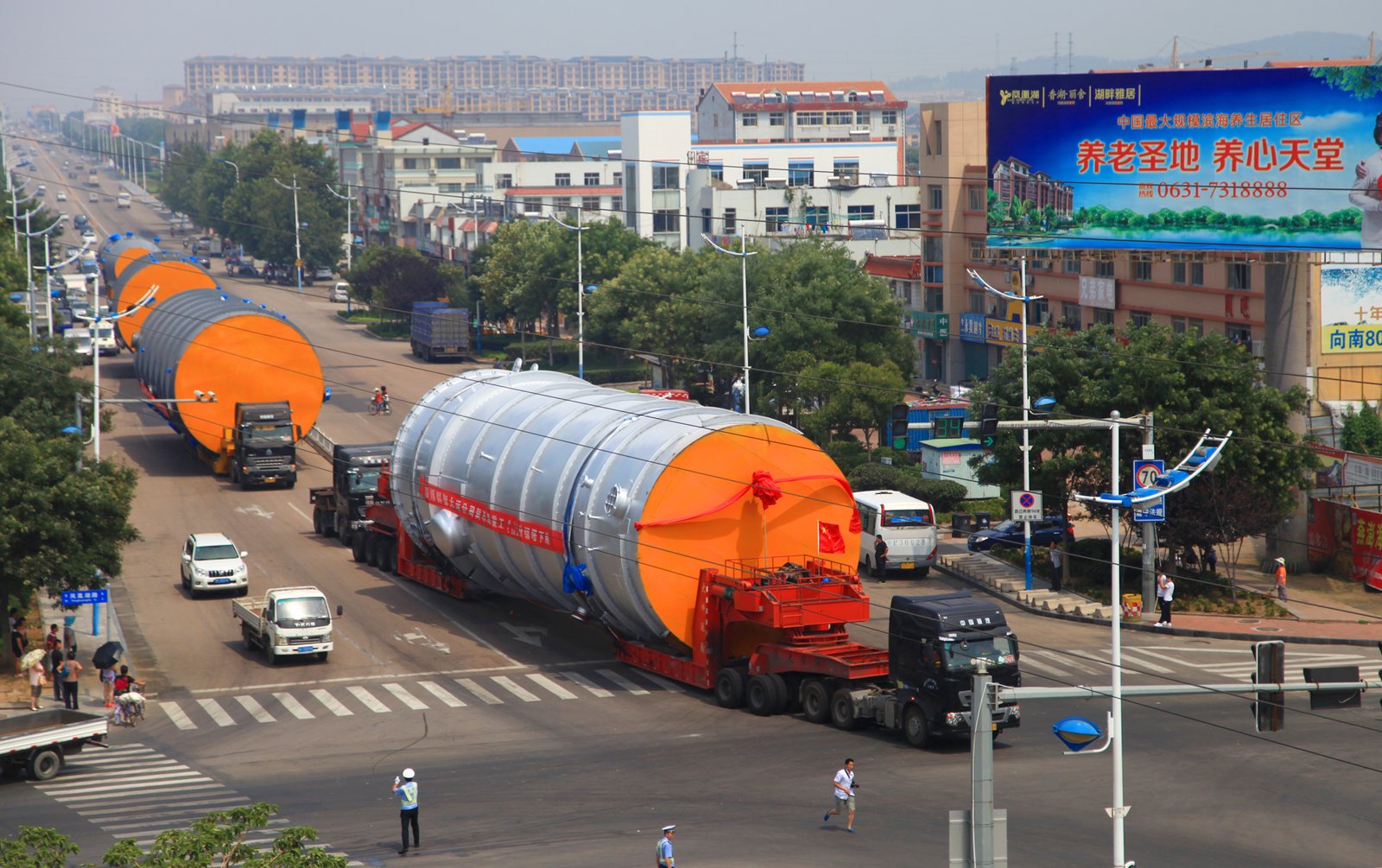
These towers are the heart of many processing facilities, and understanding their types, functions, and internal mechanisms is crucial for safe and efficient plant operation. Let’s dive deeper into how these systems work and what you need to know to make the right choices.
What Are Process Towers and Columns Used for in Industrial Operations?
In modern industrial operations, especially within chemical processing, petrochemical refining, gas treatment, and pharmaceutical manufacturing, efficiency and precision are critical. When raw materials contain complex mixtures of compounds, separating or purifying these components becomes essential to ensure quality, safety, and profitability. Failing to do so can lead to impure final products, environmental hazards, and excessive energy consumption. That’s where process towers and columns come in—a class of towering equipment that quietly powers the backbone of industrial separations. These columns are engineered to extract, purify, or react chemical substances continuously and efficiently under controlled conditions, solving one of the most foundational industrial challenges: separation of chemical mixtures.
Process towers and columns are tall vertical vessels designed for separation, absorption, distillation, or chemical reactions in continuous industrial processes. They are essential for tasks such as separating liquid mixtures into their components (distillation columns), removing impurities from gas streams (absorption towers), and facilitating reaction steps (reactor towers) in sectors like oil refining, petrochemicals, gas processing, and pharmaceuticals.
Given their critical role in virtually every large-scale chemical operation, it’s essential for plant managers, engineers, and procurement professionals to fully understand how they work and what benefits they offer. In this article, we’ll dive deep into the types, functions, designs, and optimization strategies of process towers and columns—empowering you to select and operate the right one for your needs.
Process columns are only used in oil refineries.False
Process columns are widely used in various industries including gas processing, pharmaceuticals, chemical manufacturing, and food processing.
Distillation Columns – For Separation of Liquid Mixtures
Distillation is the most common application of process columns. These are designed to separate liquids based on differences in boiling points through vaporization and condensation stages.
| Component | Function |
|---|---|
| Column Shell | Encases internal trays or packing; provides structural support |
| Trays or Packing | Facilitate vapor-liquid contact, essential for separation efficiency |
| Reboiler | Heats the bottom liquid to generate vapor |
| Condenser | Cools vapor at the top into a liquid for reflux or product |
| Reflux Drum | Stores condensed liquid, returning part back to column |
There are two main types of distillation columns:
- Tray Columns (Bubble Cap, Sieve, Valve): Discrete contact stages between vapor and liquid
- Packed Columns: Random or structured packing providing surface area for mass transfer
Distillation columns are widely used in crude oil fractionation, solvent recovery, alcohol purification, and chemical manufacturing. Each column’s design, including height, diameter, internals, and materials, is optimized based on the chemical characteristics of the feed and desired products.
Absorber Towers – For Gas Treatment
Absorber columns are used for scrubbing or removing specific components from a gas mixture using a liquid absorbent. For instance, removing CO₂ or H₂S from natural gas.
| Key Absorber Applications | Absorbent Material Used |
|---|---|
| CO₂ removal in gas processing | Aqueous amine solutions |
| SO₂ scrubbing from flue gases | Limestone slurry (wet scrubbing) |
| H₂S removal in petrochemical refining | MDEA or DEA-based amines |
Absorption towers operate in counter-current flow, where gas moves upward and the liquid absorbent flows downward. This arrangement maximizes contact time and mass transfer efficiency.
Critical design parameters include tower height, number of theoretical stages, liquid-to-gas ratio, and pressure drop. Proper mist eliminators, distributors, and internals ensure performance consistency and prevent foaming or flooding.
Stripping Columns – Removing Volatiles from Liquids
Stripping towers remove volatile components (like solvents or water) from a liquid. They are essentially the reverse of absorption columns. These are vital in amine regeneration units, wastewater treatment, and ethanol dehydration.
Design features include steam reboilers, packing or trays to enhance contact, and controlled pressure to maintain volatility. The selection of operating temperature and stripping agent (steam, nitrogen) directly influences the efficiency.
Stripping columns are often paired with absorber towers in closed-loop processes, such as gas sweetening units where CO₂ is absorbed and then stripped for amine regeneration.
Reactor Towers – Vertical Chemical Reactors
These include reactive distillation columns, where reaction and separation occur simultaneously. They’re used in esterification, alkylation, transesterification (biodiesel), and dehydration processes.
Designing a reactive column involves integrating catalyst beds, reactive trays, or modified packing. The heat balance must accommodate both endothermic and exothermic reactions while maintaining separation profiles.
Such systems save energy and space by reducing the number of process units, but require precise thermodynamic modeling and kinetic data to achieve optimal conversion and separation simultaneously.
Operational Considerations for Process Columns
Operating a process tower involves careful monitoring of pressure, temperature, flow rates, and composition. A key performance metric is the number of theoretical stages, which defines the efficiency of separation.
| Tray Type | Efficiency (%) | Pressure Drop (kPa) | Best For |
|---|---|---|---|
| Sieve Trays | 60–70 | Moderate | General purpose, easy maintenance |
| Bubble Cap Trays | 50–60 | Higher | Tolerates flow fluctuations |
| Valve Trays | 65–75 | Moderate | Flexible turndown, better control |
Other operating variables include:
- Reflux ratio
- Feed stage location
- Liquid and vapor flow distribution
- Column pressure (atmospheric vs. vacuum)
- Fouling and tray flooding potential
Understanding these parameters allows operators to fine-tune performance and reduce energy costs.
Real-World Application: Crude Oil Fractionation Tower
In a typical oil refinery, the crude distillation column (CDU) is a central piece of equipment. It separates crude oil into components like naphtha, kerosene, diesel, and residue.
| Fraction | Boiling Range (°C) | Usage |
|---|---|---|
| LPG | < 30 | Cooking fuel, petrochemicals |
| Naphtha | 30–180 | Gasoline blending |
| Kerosene | 180–250 | Jet fuel |
| Diesel | 250–350 | Transportation fuel |
| Residue | > 350 | Bitumen, fuel oil |
The CDU typically features:
- Over 20 trays or structured packing
- Preheat train for feed
- Multiple side draws with side strippers
- Steam strippers to improve product purity
Energy integration through heat exchangers can reduce operating costs by up to 25%, making the CDU one of the most optimized towers in industrial operations.
Advances in Process Column Design and Optimization
Modern columns now use advanced materials like FRP and duplex stainless steels and are integrated with process simulation software for real-time optimization.
Computational Fluid Dynamics (CFD) modeling allows plant engineers to simulate internal flow dynamics and predict efficiency under different load conditions. Combined with AI-driven process control, real-time data can optimize reflux ratios, feed preheat temperatures, and pressure setpoints to maximize throughput and product purity.
Energy-saving technologies include:
- Heat Pump-assisted Distillation: Reduces reboiler duty by up to 40%
- Divided Wall Columns: Combine multiple separations in one shell
- Hybrid Membrane-Distillation Systems: Handle azeotropic or close-boiling mixtures
Material Selection and Fabrication Considerations
Depending on the application, columns can be made from:
| Material | Use Case | Pros |
|---|---|---|
| Carbon Steel | General purpose, low-cost | Durable, easy to fabricate |
| 316 Stainless Steel | Food, pharma, corrosive environments | Corrosion resistant |
| Duplex Stainless Steel | Chloride-rich media, offshore applications | High strength, pitting resistance |
| FRP (Fiberglass) | Corrosive and low-pressure uses | Lightweight, low maintenance |
| Inconel/Nickel Alloys | High-temp, acid-resistant processes | High cost, exceptional performance |
Fabrication includes:
- Plate rolling and welding per ASME Section VIII
- Tray or packing installation and supports
- Surface finishing for cleanability and corrosion resistance
- Pressure testing (hydrotest, radiography)
Proper fabrication ensures long-term reliability, safety, and ease of maintenance.
Cost and Lifecycle Factors
Initial investment in a column may range from $50,000 to over $5 million, depending on size, material, internals, and complexity. However, lifecycle costs are heavily influenced by:
- Energy consumption (reboiler/condenser duty)
- Maintenance cycles (tray/packing replacement, fouling)
- Downtime and changeover time
- Corrosion and mechanical wear
Use of predictive maintenance technologies like vibration sensors, corrosion probes, and thermal imaging reduces unplanned downtime and extends column lifespan.
Summary
Process towers and columns are indispensable assets in industrial operations, designed to perform complex separation and purification tasks with high efficiency. Whether you’re refining petroleum, processing natural gas, manufacturing chemicals, or producing pharmaceuticals, understanding the design, function, and optimization of these towers is key to operational excellence. With modern innovations like AI integration, CFD modeling, and advanced materials, the future of process towers is more precise, energy-efficient, and sustainable than ever.
How Do Process Towers and Columns Achieve Separation of Mixtures?
In industrial production, especially in the petrochemical, chemical, and gas industries, raw input materials are rarely pure substances—they’re often complex mixtures of liquids or gases. If left unseparated, these mixtures cannot be used effectively in downstream applications or may cause safety and environmental issues. That’s where process towers and columns come into play. Without them, industries would struggle to purify products, recover valuable components, or remove harmful impurities. These towering vertical vessels are engineered to separate mixtures with extreme efficiency, whether by leveraging boiling point differences, solubility variations, or chemical affinities. Understanding how these columns achieve separation is fundamental for anyone involved in chemical engineering or industrial operations.

Process towers and columns achieve separation by creating repeated contact between different phases—usually vapor and liquid—within a controlled environment. This contact enables mass transfer based on differences in boiling point (distillation), solubility (absorption/stripping), or chemical reactivity (reactive distillation). Internals like trays or packing enhance the interaction surface area, allowing lighter or more volatile components to rise and heavier or less volatile ones to fall, effectively isolating specific compounds.
To truly grasp how these process columns work, we need to examine the physics of phase interaction, the design of the internal components, and the chemical principles that govern separation efficiency. The remainder of this article explores the science and engineering in detail, revealing how industries use towers to achieve precise, scalable separation of even the most complex mixtures.
Separation in columns occurs due to gravity alone.False
Separation in process columns is driven by vapor-liquid equilibrium, mass transfer, and phase interactions—not gravity alone.
Separation by Distillation: Leveraging Boiling Point Differences
The most widely used separation mechanism in industrial towers is distillation. This technique is based on the fact that different components of a liquid mixture have different boiling points.
| Component | Boiling Point (°C) | Volatility |
|---|---|---|
| Methanol | 64.7 | Very High |
| Acetone | 56.5 | High |
| Water | 100 | Moderate |
| Glycerol | 290 | Very Low |
Inside a distillation column:
- The liquid mixture is heated in a reboiler, producing vapor that rises through the column.
- As the vapor ascends, it encounters cooler trays or packing, where part of it condenses into liquid.
- Simultaneously, liquid from above meets the rising vapor, causing re-vaporization of lighter components and condensation of heavier ones.
- This vapor-liquid interaction repeats across multiple stages (called theoretical stages), progressively enriching the vapor in lighter components and the liquid in heavier ones.
By the time the vapor reaches the top condenser, it contains mostly the lowest boiling point component, while the liquid at the bottom contains the heaviest.
The column’s efficiency is measured by its Height Equivalent to a Theoretical Plate (HETP)—a smaller HETP means better separation per unit height.
Role of Internals: Trays vs. Packing
Separation efficiency depends heavily on the column internals, which are designed to maximize mass transfer surface area between phases.
| Internal Type | Structure | Best For |
|---|---|---|
| Sieve Trays | Perforated plates | Broad flow ranges, standard separations |
| Bubble Cap Trays | Caps with risers | Foaming or low liquid loads |
| Valve Trays | Floating valves in slots | Adjustable operation, turndown flexibility |
| Random Packing | Raschig rings, saddles | Low-pressure drop systems |
| Structured Packing | Corrugated metal sheets | High-efficiency separations, low energy cost |
Trays create discrete equilibrium stages, while packing creates a continuous equilibrium gradient.
In packed columns, the liquid trickles down the surfaces of the packing, while vapor flows upward through the voids. This counter-current flow allows for high surface contact and efficient separation with minimal pressure drop, ideal for vacuum distillation and reactive systems.
Mass Transfer Principles: Vapor-Liquid Equilibrium (VLE)
The core mechanism of separation in process columns is mass transfer, driven by Vapor-Liquid Equilibrium (VLE). At each stage:
- The vapor phase contains a higher concentration of more volatile components.
- The liquid phase retains less volatile components.
- As vapor and liquid interact, diffusion causes the components to redistribute between phases based on their partial pressures and activity coefficients.
The process continues until an equilibrium is reached on each stage or across the packing height. Repeating this across many stages results in the desired level of component purity at the top and bottom outlets.
| Key Variables in VLE | Impact on Separation |
|---|---|
| Temperature | Affects vapor pressure and volatility |
| Pressure | Changes boiling points and relative volatility |
| Reflux Ratio | Controls purity and energy use |
| Relative Volatility | Determines how easily components separate |
Columns are designed using McCabe-Thiele diagrams, Ponchon-Savarit methods, or simulated via process modeling software (Aspen HYSYS, ChemCAD) to optimize the number of stages and internal configuration.
Absorption and Stripping: Solubility-Based Separation
Not all separations rely on boiling points. Absorbers and strippers achieve separation through differences in solubility between gas and liquid phases.
- In an absorption column, a liquid solvent absorbs one or more components from a gas stream.
- In a stripping column, a vapor or inert gas is used to strip volatile compounds from a liquid stream.
This relies on Henry’s Law, which states that the amount of gas dissolved in a liquid is proportional to its partial pressure above the liquid.
| Absorption Example | Solvent Used | Target Component |
|---|---|---|
| CO₂ removal from natural gas | MDEA (amine) solution | CO₂ |
| SO₂ scrubbing from flue gases | Lime slurry | SO₂ |
| Benzene removal from air | Water or glycol | Benzene |
Design considerations include:
- Liquid-to-gas ratio
- Solvent regeneration needs
- Temperature and pressure operating windows
- Use of packing (structured or random) for mass transfer enhancement
This method is especially useful when the components to be removed are minor constituents in a gas stream but need to be captured or neutralized before venting.
Reactive Distillation: Combining Reaction and Separation
In some applications, chemical reaction and separation are combined within the same column to improve efficiency. Known as reactive distillation, this method integrates:
- A catalyst bed or reactive zone within the column
- Simultaneous separation of products from reactants
- Shift of chemical equilibrium toward product formation
This method is used in:
- Production of methyl tert-butyl ether (MTBE)
- Esterification and transesterification reactions
- Hydrolysis or dehydration reactions
By continuously removing the products, the system drives the reaction forward (Le Chatelier’s Principle), improving conversion and reducing energy usage by eliminating intermediate separation units.
Advanced Process Control and Real-Time Optimization
Modern process towers are integrated with sensors, control loops, and AI-based optimization software. These tools monitor:
- Column temperature profiles
- Reflux drum levels
- Vapor and liquid flow rates
- Product compositions (via online analyzers)
Using this data, the system can:
- Adjust the reflux ratio dynamically
- Modify feed stage locations
- Change reboiler heat input
- Detect flooding or weeping conditions early
This not only increases efficiency but also improves safety, product consistency, and energy savings.
Summary
Process towers and columns achieve the separation of mixtures by leveraging physical and chemical differences such as boiling point, solubility, or reactivity. They do so through carefully engineered internals like trays or packing, and through controlled counter-current flow of vapor and liquid phases. Whether by distillation, absorption, stripping, or reactive processes, these towers maximize phase interaction to isolate target components. Their design and operation are grounded in thermodynamics, mass transfer, and fluid dynamics—and with advances in materials and digital control, their performance continues to evolve.
What Are the Main Types of Process Towers and Columns and How Are They Different?
In the world of industrial production—especially in oil refining, gas processing, chemical manufacturing, and environmental control—separating complex mixtures into usable components is a fundamental requirement. The tools that enable this are towering vertical vessels known as process towers or columns. But not all process towers are the same. In fact, selecting the wrong type for your operation can lead to reduced efficiency, excessive energy consumption, equipment damage, or poor product quality. Understanding the main types of process towers and their functional differences is crucial for engineers, procurement teams, plant operators, and project planners who aim to design efficient, scalable, and safe industrial systems.
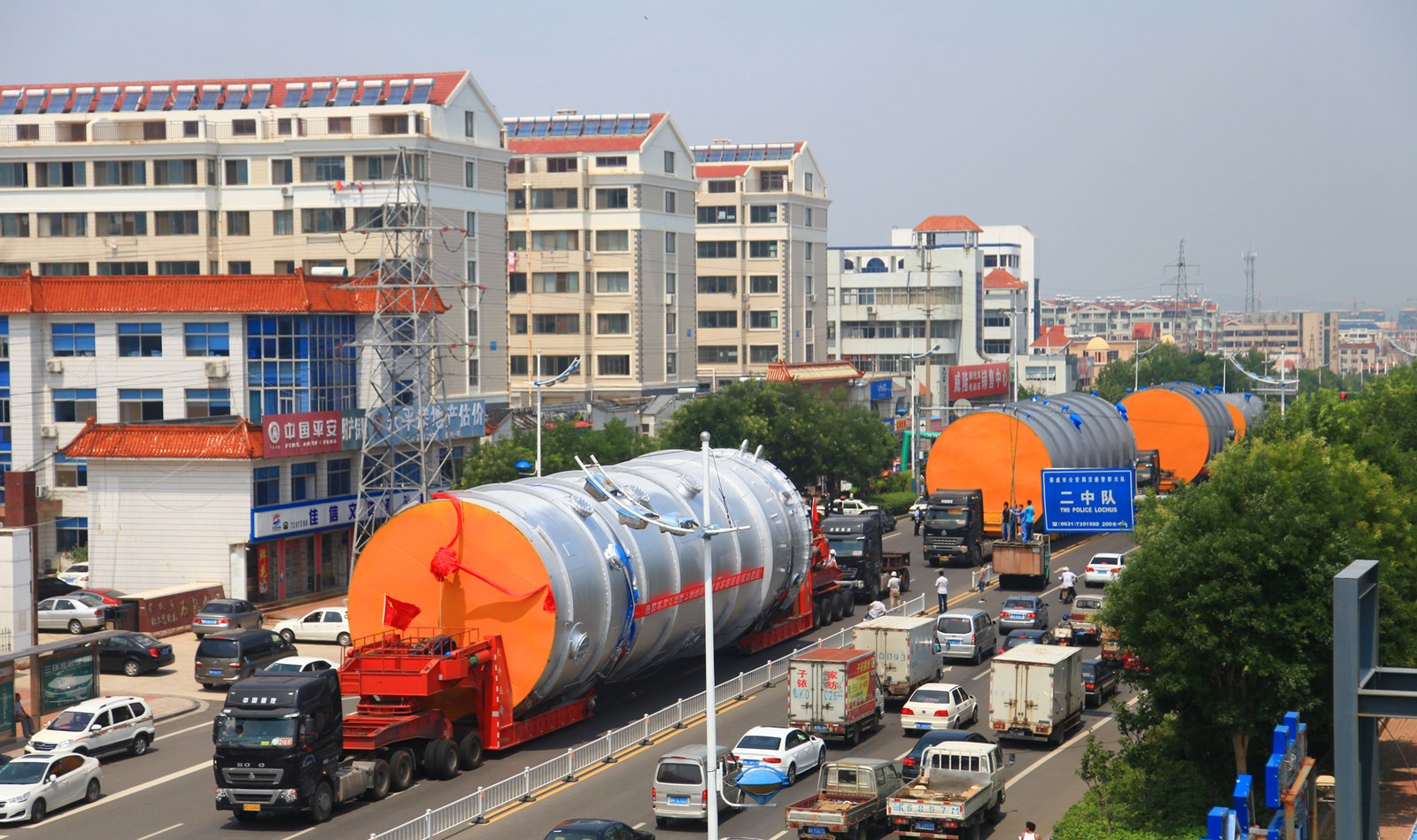
The main types of process towers and columns include distillation columns, absorption towers, stripping towers, and reactive distillation columns. Each type is designed for a specific separation or reaction purpose—distillation columns use boiling point differences for liquid separation; absorption towers remove components from gases via a liquid solvent; stripping towers remove volatiles from liquids using vapor; and reactive distillation columns combine chemical reaction and separation in one unit. Differences arise from internal design (trays vs. packing), operating conditions, flow dynamics, and the physical principles utilized.
To make the right engineering decision, it’s important to dive deep into how these towers work, their construction, applications, and how they compare under industrial conditions. This comprehensive guide explores each type in detail, using technical insights, real data, and performance comparison tables to help you make informed decisions for your facility or process design.
All process towers perform the same function.False
Process towers serve different functions based on their design: distillation separates by boiling points, absorption by solubility, stripping by volatility, and reactive towers by combining reaction and separation.
Distillation Columns: Separation by Boiling Point Differences
Distillation is the most widely used separation technique in the chemical and petroleum industries. These columns operate based on differences in boiling points among components in a liquid mixture.
| Component | Boiling Point (°C) | Volatility |
|---|---|---|
| Methanol | 64.7 | Very High |
| Ethanol | 78.3 | High |
| Water | 100 | Moderate |
| Glycerol | 290 | Low |
Key Characteristics:
- Vertical cylindrical tower with trays or packing to enhance vapor-liquid contact
- Requires heat input from a reboiler at the bottom and cooling at the top through a condenser
- Used for crude oil fractionation, solvent purification, alcohol distillation, and chemical product separation
| Distillation Column Types | Internal Design | Typical Use |
|---|---|---|
| Tray Column | Sieve, valve, or bubble cap trays | General-purpose separations |
| Packed Column | Structured or random packing | Vacuum distillation or clean services |
| Vacuum Column | Operates below atmospheric pressure | Heavy oil separation |
Distillation columns are best suited for liquid mixtures where component volatility differences are significant. Columns may have 30+ trays, and efficiency depends on the number of theoretical stages, reflux ratio, and relative volatility.
Absorption Towers: Removal of Gases by Liquid Solvent
Absorption towers remove gaseous components from a gas mixture using a liquid absorbent. This is common in gas purification and air pollution control.
| Absorption Process Example | Absorbent Used | Target Gas |
|---|---|---|
| CO₂ removal from natural gas | MDEA or DEA amine solution | CO₂ |
| SO₂ scrubbing from flue gas | Lime slurry (Ca(OH)₂) | SO₂ |
| Ammonia removal from air | Water or sulfuric acid | NH₃ |
Key Characteristics:
- Operates as a counter-current flow system: gas flows up, liquid flows down
- Uses structured or random packing to enhance gas-liquid contact
- May include demisters, redistributors, and drainage collectors
- Works under moderate pressure and temperature
Absorption towers are not limited to chemical plants—they are also crucial in environmental compliance systems for removing acid gases, organic vapors, and toxic emissions.
| Comparison: Absorption vs Distillation | Absorption | Distillation |
|---|---|---|
| Driving Force | Solubility differences | Boiling point differences |
| Phase Types | Gas-liquid | Liquid-vapor |
| Energy Requirement | Often minimal (pumping only) | High (reboiler and condenser) |
| Internals | Packing | Trays or packing |
Stripping Towers: Removing Volatile Components from Liquids
Stripping towers are often used in tandem with absorption systems. They work by using a vapor phase (usually steam or air) to strip volatile compounds from a liquid.
| Stripping Application | Stripping Agent | Target Component |
|---|---|---|
| Amine regeneration | Steam | CO₂ |
| Wastewater degassing | Air or steam | VOCs, NH₃, H₂S |
| Ethanol recovery | Inert gas or steam | Water or alcohol |
Key Characteristics:
- Similar design to absorption towers
- Opposite goal: remove volatile compounds from a liquid
- Common in amine gas treating, wastewater treatment, and solvent recovery
- Often integrated with reboilers to add heat and promote vaporization
Design considerations include column height, vapor-to-liquid ratio, and temperature control. Fouling and corrosion are common issues in stripper towers, especially when dealing with sour gases or wastewater streams.
Reactive Distillation Columns: Reaction and Separation in One Unit
Reactive distillation combines chemical reaction and physical separation in a single tower. This integration reduces capital cost, footprint, and energy usage.
| Reactive Distillation Example | Reaction | Product |
|---|---|---|
| MTBE Production | Isobutene + Methanol → MTBE | MTBE (fuel additive) |
| Esterification | Acid + Alcohol → Ester + Water | Biodiesel, flavor esters |
| Acetylation | Acetic acid + Alcohol → Acetate ester | Solvents, fragrances |
Key Characteristics:
- Includes catalyst beds or reactive trays/packing
- Operates under finely tuned temperature-pressure conditions
- Promotes equilibrium-limited reactions by removing products as they form
- Requires in-depth modeling to balance reaction kinetics and separation efficiency
Reactive distillation is favored when components are volatile and mutually reactive, and when traditional separation would require multiple steps.
Comparison Table: Key Differences Between Column Types
| Tower Type | Separation Principle | Primary Phases | Internals | Typical Applications |
|---|---|---|---|---|
| Distillation Column | Boiling point differences | Vapor-liquid | Trays, structured/random packing | Crude oil refining, solvent recovery |
| Absorption Tower | Gas solubility in liquid | Gas-liquid | Structured/random packing | Acid gas removal, VOC scrubbing |
| Stripping Tower | Volatility removal from liquid | Liquid-vapor | Trays, packing | Amine regeneration, wastewater degassing |
| Reactive Distillation Tower | Reaction + distillation | Vapor-liquid | Reactive trays/packing | MTBE synthesis, esterification, transesterification |
Choosing the Right Column Type for Your Process
Selecting the right column depends on:
- Nature of the mixture (liquid-liquid, gas-liquid, reactive)
- Separation target (purity, recovery, removal)
- Process conditions (pressure, temperature, corrosiveness)
- Energy considerations (available utilities, integration potential)
- Throughput and scalability (pilot to full scale)
Engineers typically run process simulations (e.g., Aspen HYSYS) to model different column types under defined feed compositions and optimize tower height, diameter, internal layout, and control strategies.
Summary
Process towers and columns come in four main types—distillation, absorption, stripping, and reactive distillation—each tailored to a specific separation or reaction process. Their differences lie in their design, operating principles, phase interactions, and target applications. From boiling point-driven separation in distillation to gas absorption and chemical conversion in reactive columns, choosing the right tower type ensures optimal efficiency, cost-effectiveness, and product quality. A clear understanding of each column’s strengths and limitations is essential for engineers, plant managers, and technical buyers.
What Are the Key Internal Components of Process Towers and Columns?
Inside the towering shell of a process column lies the heart of its functionality: the internal components that enable precise separation, purification, or chemical conversion. While these columns may appear simple from the outside, their internal architecture is a carefully engineered system that governs performance, efficiency, and reliability. Without the correct internal setup, even the most expensive tower may fail to achieve required purity levels or energy targets. Process engineers, operators, and designers must therefore understand the function and design of these components to ensure optimal column behavior, especially in industries like oil refining, gas processing, and chemical manufacturing.
The key internal components of process towers and columns include trays (sieve, valve, or bubble cap), packing materials (random or structured), liquid distributors, redistributors, demisters, reboilers, and condensers. These components work together to maximize mass transfer between vapor and liquid phases, maintain proper flow distribution, and control temperature and pressure throughout the column. The specific selection and arrangement of internals depend on the column’s application, such as distillation, absorption, stripping, or reactive separation.
Knowing how these parts work individually and as a system allows engineers to select the right configuration, troubleshoot performance issues, and scale up operations with confidence. In this article, we’ll explore each component, its function, design variations, and how it fits into the overall process column system.
The internals of all process columns are identical.False
Process column internals are customized based on the function of the column—distillation columns may use trays or packing, while absorbers often use structured packing and redistributors.
Trays: Creating Discrete Mass Transfer Stages
Trays are the most common internals in traditional distillation columns. They divide the tower into discrete stages, each facilitating vapor-liquid contact.
| Tray Type | Design | Best Used For |
|---|---|---|
| Sieve Tray | Perforated metal plate | High-capacity, low-cost operations |
| Bubble Cap Tray | Caps and risers on a tray | Stable under variable flow, foaming systems |
| Valve Tray | Floating valves in slots | Flexible turndown, lower weeping/flooding |
Tray Functions:
- Hold a thin layer of liquid, allowing vapor to bubble through
- Promote mass transfer via vapor-liquid contact
- Control pressure drop and flow rates across the column
Trays are designed with weirs, downcomers, and active areas to maintain liquid levels and flow stability. The tray spacing, number of trays, and tray efficiency are calculated based on the desired separation.
Packing: Maximizing Surface Area for Mass Transfer
Packing is used in both distillation and absorption towers, especially when low pressure drop and high surface area are needed.
| Packing Type | Shape/Design | Typical Use |
|---|---|---|
| Random Packing | Raschig rings, Berl saddles | Older towers, low-cost retrofits |
| Structured Packing | Corrugated metal/plastic sheets | High-efficiency systems, clean service |
Packing Functions:
- Provide a large surface area for vapor and liquid to contact
- Allow continuous phase interaction rather than discrete stages
- Reduce pressure drop, ideal for vacuum distillation or gas absorption
Packing must be supported by bed supports, hold-down grids, and liquid distributors to prevent maldistribution and channeling.
Liquid and Vapor Distributors: Ensuring Uniform Flow
Distributors are critical to packing performance, ensuring that both the liquid and vapor are evenly spread across the tower’s cross-section.
| Distributor Type | Purpose | Placement |
|---|---|---|
| Liquid Distributor | Distributes liquid over packing | Above each packed bed |
| Redistributor | Re-levels flow in tall columns | Between packing beds |
| Chimney Tray | Prepares vapor for tray entry | Below trays or catalyst beds |
Poor distribution causes dry spots, flooding, and inefficient separation. In high-performance towers, distributors are often laser-cut stainless steel, ensuring hydraulic uniformity even under variable flow conditions.
Demisters and Mist Eliminators: Protecting Purity and Equipment
At the top of many process towers is a demister pad or mist eliminator, designed to remove liquid droplets from the exiting vapor.
| Demister Type | Material | Function |
|---|---|---|
| Wire Mesh Pad | Stainless steel | Capture entrained liquid droplets |
| Vane Type Eliminator | Bladed metal structure | Change vapor direction to trap liquid |
Demisters are critical in distillation, scrubbing, and gas dehydration systems where liquid carryover would contaminate downstream units or reduce product quality.
Reboiler: Supplying Heat at the Column Base
The reboiler is the heat exchanger located at the bottom of distillation or stripping columns. It provides the thermal energy needed to vaporize the heavier liquid.
| Reboiler Type | Configuration | Application |
|---|---|---|
| Kettle Reboiler | Horizontal shell-and-tube | General-purpose use |
| Thermosyphon Reboiler | Natural circulation, vertical | Space-saving, efficient |
| Forced Circulation Reboiler | Pump-driven loop | High-viscosity or fouling fluids |
Reboiler duty is a key design variable, often accounting for 30–50% of the energy consumption of a separation unit. Proper control of reboiler temperature and flow rate prevents bottom product degradation or column flooding.
Condenser: Cooling and Reflux Control at the Top
At the top of the column, the condenser turns the vapor into liquid for product withdrawal or reflux back into the tower.
| Condenser Type | Location | Function |
|---|---|---|
| Total Condenser | All vapor condensed | Provides 100% reflux or overhead product |
| Partial Condenser | Some vapor condensed | Split stream: reflux + gas draw-off |
| Air-cooled Condenser | Uses ambient air | Where water is limited |
Condensers control column pressure, overhead purity, and reflux ratio—all vital for separation efficiency.
Other Critical Components
In specialized process towers, additional internals may be included:
- Catalyst beds: In reactive distillation towers
- Support grids: Prevent downward collapse of packing
- Weirs and downcomers: Manage tray liquid levels
- Feed distributors: Ensure proper phase entry location
These elements are tailored to the chemical behavior, phase distribution, and process goals of the tower.
Internal Component Placement: Schematic Overview
| Tower Section | Internal Components Present |
|---|---|
| Top (Overhead) | Demister, condenser, reflux drum |
| Upper Column Section | Packing or trays, liquid distributors, redistributors |
| Feed Zone | Feed nozzle, vapor and liquid phase contact area |
| Lower Column Section | Packing or trays, chimney trays, downcomers, sump |
| Base | Reboiler, bottom product draw, temperature and level sensors |
Each internal component must be designed to handle flow variations, minimize pressure drops, and withstand corrosive or thermal stress conditions.
Summary
The performance of a process tower depends not just on its external structure, but more importantly on its internal components—trays, packing, distributors, demisters, reboilers, and condensers. These components enable mass and heat transfer, control phase distribution, and maintain product purity. Whether you’re designing a distillation unit, absorber, stripper, or reactive tower, selecting and arranging these internals appropriately is critical for optimal column efficiency, safety, and longevity. Understanding their functions and integration gives you the power to engineer high-performance towers tailored to your specific process needs.
How Do Temperature, Pressure, and Flow Rates Affect Tower or Column Performance?
Process towers and columns are precision-engineered systems that depend on a delicate balance of temperature, pressure, and flow rates to function optimally. When any of these parameters deviate—even slightly—the result can be decreased separation efficiency, product contamination, equipment damage, or even complete process failure. Whether it’s a distillation column, an absorption tower, or a stripping unit, understanding the interplay between these operating variables is crucial to achieving process stability and product purity. Engineers must monitor and control these variables continuously to ensure consistent performance, reduce energy consumption, and avoid costly operational disruptions.
Temperature, pressure, and flow rates directly affect the separation efficiency, phase equilibrium, and overall performance of process towers and columns. Temperature influences vaporization and condensation rates, pressure affects relative volatility and boiling points, and flow rates determine residence time and contact efficiency between phases. Deviations from optimal ranges can lead to flooding, weeping, foaming, entrainment, and reduced mass transfer, significantly impacting product quality and energy consumption.
To design and operate a high-performance column, it’s critical to understand how each variable behaves within the system, how they interact with one another, and how to control them effectively under changing load conditions. Let’s explore the effects in detail, supported by real data, technical charts, and practical insights.
Operating conditions like temperature and pressure have little impact on column separation performance.False
Temperature and pressure are fundamental to vapor-liquid equilibrium, directly impacting the efficiency and success of separation processes.
Effect of Temperature on Column Performance
Temperature plays a central role in phase change processes, especially in distillation, where it governs vaporization and condensation. The column operates along a temperature gradient, with the highest temperature at the bottom (reboiler) and the lowest at the top (condenser).
| Column Zone | Typical Temperature Range (°C) | Role |
|---|---|---|
| Condenser/Overhead | 30–90 | Condensation of top vapor |
| Middle (Feed Tray Zone) | 90–180 | Vapor-liquid equilibrium zone |
| Reboiler/Base | 150–350 | Boiling of bottom liquid |
Impacts of Temperature Variations:
- Too Low: Insufficient vapor generation → low separation efficiency
- Too High: Excessive vaporization → flooding, thermal degradation of products
- Feed Temperature Mismatch: Can upset the equilibrium, requiring more stages or increasing reboiler duty
The temperature difference across stages drives mass transfer. A stable and optimal temperature profile ensures good contact and maximized component separation.
Effect of Pressure on Column Performance
Pressure affects boiling points, volatility, and the vapor-liquid equilibrium (VLE). In distillation, the relative volatility between components is a key factor in determining how easy it is to separate them.
| Operating Pressure | Column Type | Purpose |
|---|---|---|
| Atmospheric (1 atm) | Crude distillation (ADU) | General-purpose fractionation |
| Vacuum (<1 atm) | Vacuum distillation | For heat-sensitive heavy compounds |
| High Pressure (>10 atm) | Absorbers, gas-liquid systems | Enhance gas solubility or capacity |
Pressure Effects:
- Lower Pressure (Vacuum Columns):
- Lowers boiling points
- Reduces reboiler energy consumption
- Requires larger column diameters due to increased vapor volume
- Higher Pressure (Gas Absorbers, Refrigerant Towers):
- Increases gas solubility (Henry’s Law)
- Reduces tower height for the same absorption efficiency
- May require thicker walls due to mechanical stress
Relationship Between Pressure and Volatility
| Pressure (bar) | Relative Volatility (Methanol/Water) |
|---|---|
| 1.0 | 4.65 |
| 5.0 | 3.28 |
| 10.0 | 2.62 |
Higher pressure reduces relative volatility, making distillation more difficult, and requiring more trays or higher reflux.
Effect of Flow Rates on Column Performance
Flow rates—both vapor and liquid—directly impact contact time, residence time, and mass transfer efficiency inside the column.
| Parameter | Too Low | Too High |
|---|---|---|
| Vapor Flow Rate | Weeping, poor contact, reduced efficiency | Flooding, entrainment, pressure spike |
| Liquid Flow Rate | Maldistribution, channeling | Tray flooding, downcomer backup |
| Feed Flow (Load Variation) | Low throughput | Overload, instability, off-spec product |
Tower Hydraulic Limits
| Flow Problem | Description |
|---|---|
| Flooding | Vapor velocity too high; liquid backs up through trays or packing |
| Weeping | Vapor flow too low; liquid leaks through perforations without vapor interaction |
| Entrainment | Liquid carried upward by vapor, contaminating overhead product |
| Channeling | Uneven liquid distribution in packed beds, leading to bypassing |
Integrated Effects: Temperature, Pressure, and Flow Interactions
These three variables are interdependent—changing one typically affects the others.
- Increasing Reboiler Duty (Temperature) → More vapor generation → Increased pressure and vapor flow
- Lowering Column Pressure → Reduces boiling points → May require less reboiler energy
- Increasing Feed Flow Rate → Demands more heat, vapor space, and control adjustment
Below is a simulated performance matrix showing typical outcomes of operational deviations in a distillation column.
| Deviation | Effect on Performance | Recommended Action |
|---|---|---|
| 20% increase in reboiler heat | Flooding risk, increased overhead pressure | Increase reflux ratio, check tray loading |
| 10% drop in column pressure | Lower bottom temperature, loss of driving force | Adjust reboiler duty and condenser load |
| Vapor flow increase (30%) | Entrainment and loss of top product purity | Reduce reboiler or increase top cooling |
| Feed rate upsurge (50%) | Off-spec separation, tray loading mismatch | Load shedding, rebalance energy input |
Tools for Monitoring and Control
Modern towers are equipped with advanced control systems to continuously monitor and adjust parameters:
- Temperature Sensors: Multiple tray levels
- Pressure Transmitters: Top, middle, and base readings
- Flow Meters: Feed, vapor, liquid draw, and reflux lines
- Level Controllers: Bottom sump, reflux drum
- Process Control Systems: PID loops, DCS/PLC interfaces
These systems allow operators to maintain stable conditions and respond in real-time to feed or load changes, preventing performance issues and avoiding costly shutdowns.
Summary
Temperature, pressure, and flow rates are the three pillars that determine the operational success of any process tower or column. Temperature controls phase changes and mass transfer, pressure governs volatility and solubility, and flow rates ensure proper interaction between phases. Any deviation from optimal conditions can compromise separation efficiency, energy usage, and product quality. By understanding these variables and how they interrelate, engineers can design better systems, operate more efficiently, and troubleshoot with confidence.
In conclusion
Process towers and columns are fundamental to the industrial separation of fluids and gases. Understanding how they work—from physical design to operational principles—can dramatically improve plant efficiency, safety, and profitability.
FAQ
Q1: What are process towers and columns used for in industrial settings?
A1: Process towers and columns are vertical equipment used in chemical, petrochemical, and refining industries to separate mixtures into their components. These systems operate based on physical principles such as boiling point differences (distillation), mass transfer (absorption), or heat exchange (cooling towers). Their primary function is to isolate and purify chemical compounds during production.
Q2: How do distillation columns work in chemical processing?
A2: Distillation columns separate components of a liquid mixture by utilizing differences in boiling points. The mixture is heated, causing vaporization, and as the vapor rises through trays or packing, it condenses at different levels. Components with lower boiling points reach the top, while heavier ones condense below. The result is a purified separation of substances like ethanol from water or gasoline from crude oil.
Q3: What are the main types of process towers used in industry?
A3: The primary types include distillation columns, absorption columns, stripping columns, extraction towers, and cooling towers. Each serves a specific separation or treatment function. For example, absorption columns remove specific gases using liquid solvents, while cooling towers reject heat from processes. The choice depends on the desired separation or treatment outcome.
Q4: Why are process columns critical in oil refineries and petrochemical plants?
A4: In oil refineries, columns like distillation towers play a vital role in breaking down crude oil into usable fractions like gasoline, diesel, and jet fuel. Without these towers, large-scale refining would not be feasible. Their efficiency and precision directly impact the productivity, safety, and profitability of refining operations.
Q5: What are the design factors for effective process tower operation?
A5: Key design elements include column diameter, height, internal trays or packing type, reflux ratio, and temperature/pressure conditions. Each factor ensures optimal mass transfer, energy efficiency, and throughput. Proper maintenance and instrumentation are also critical to avoid inefficiencies like flooding, weeping, or pressure drops.
References
- What is a Distillation Column? – https://www.chemicalengineering.org/what-is-a-distillation-column/ – Chemical Engineering
- Process Towers Explained – https://www.cheresources.com/content/articles/process/process-towers – Cheresources
- How Do Distillation Columns Work? – https://www.processindustryforum.com/article/how-do-distillation-columns-work – Process Industry Forum
- Types of Separation Columns – https://www.engineeringenotes.com/chemical-engineering/separation-columns-types-and-uses/ – Engineering Notes
- Absorption Towers in Refining – https://www.sciencedirect.com/topics/chemical-engineering/absorption-column – ScienceDirect
- Cooling Towers in Industry – https://www.epa.gov/cooling-towers – US EPA
- Refinery Column Design – https://www.digitalrefining.com/article/1001357/optimising-distillation-columns – Digital Refining
- Tray vs. Packed Columns – https://www.chemicalprocessing.com/articles/2021/tray-vs-packed-columns-which-is-better/ – Chemical Processing
- Operation of Process Towers – https://www.sciencedirect.com/book/9780750674173/chemical-process-equipment – ScienceDirect
- Reflux and Column Efficiency – https://www.controlglobal.com/articles/2006/228/ – Control Global
“`
“`