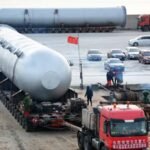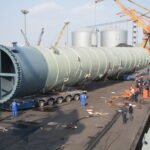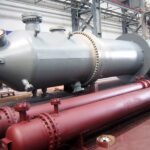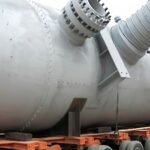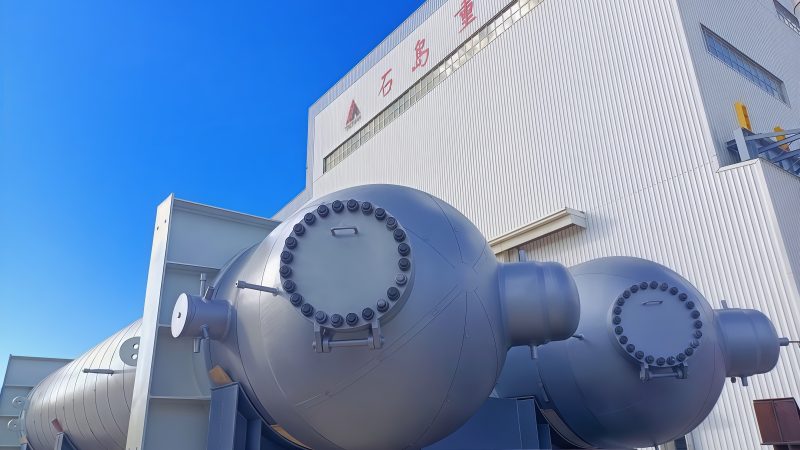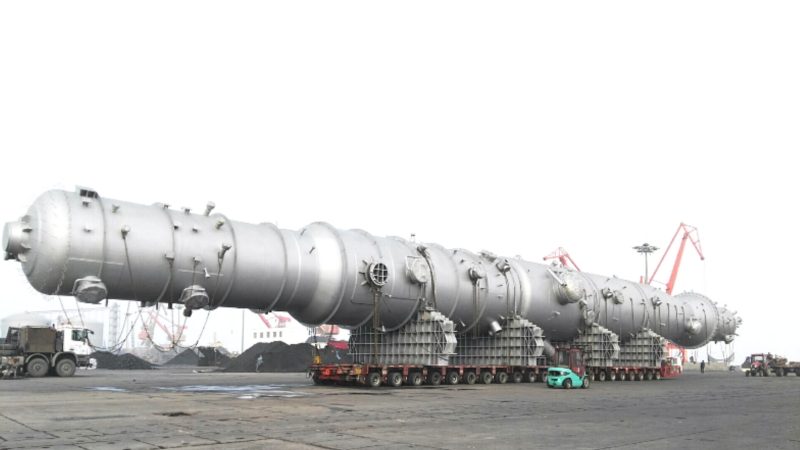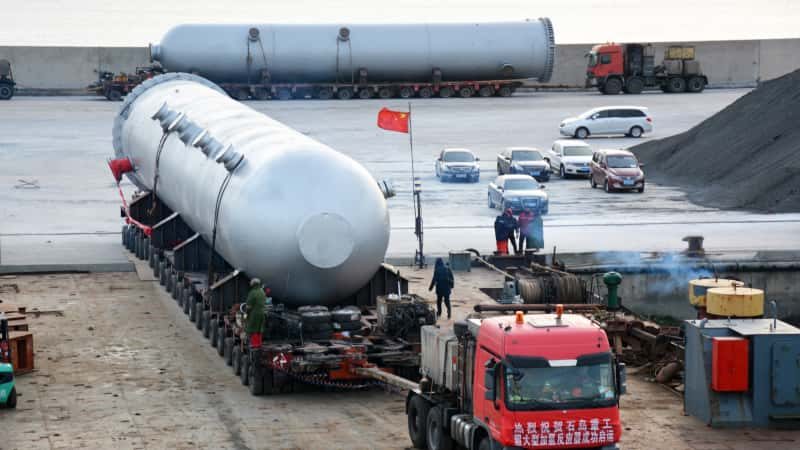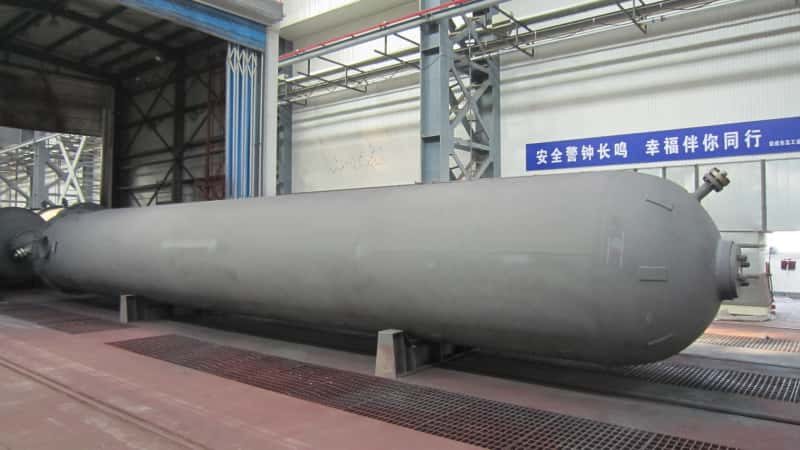

Modern industrial production—from transforming crude oil into fuels to synthesizing plastics and producing fertilizers—relies heavily on the ability to separate, purify, and process chemical mixtures continuously and efficiently. Process towers and columns are the critical equipment that make this possible. These towering vessels serve as the industrial backbone for achieving high-purity products, minimizing waste, and maximizing energy efficiency. In oil refining, petrochemical production, and chemical manufacturing, they perform a wide variety of roles, from fractionating hydrocarbons, to removing impurities, to facilitating complex chemical reactions. Without them, large-scale, economically viable industrial production would not be possible.

Process towers and columns are essential in oil refining, petrochemical, and chemical industries for carrying out physical and chemical separations at industrial scale. In oil refineries, they are used in atmospheric and vacuum distillation, catalytic reforming, and hydroprocessing. In the petrochemical sector, columns enable feedstock purification, olefin recovery, and polymer monomer separation. In chemical manufacturing, they are employed for solvent recovery, acid concentration, ammonia synthesis, and reaction integration. Each application leverages specific column types—distillation, absorption, stripping, or reactive distillation—engineered for that industry’s process requirements.
To fully appreciate their role, it is necessary to look at how these columns are specifically deployed in each industry—how they work, what challenges they solve, and how they support global-scale industrial operations.
Process towers are used exclusively in the petroleum industry.False
While process towers are critical in petroleum refining, they are equally essential in petrochemical and chemical manufacturing industries for separation, purification, and reaction processes.
Use of Process Towers in Oil Refining
In petroleum refining, the separation of crude oil into various fractions is the first and most critical step. Towers and columns dominate refinery layouts, often being the tallest and most prominent structures.
Main Column Applications in Oil Refineries:
| Column Type | Function | Process Unit |
|---|---|---|
| Atmospheric Distillation | Separates crude oil into fractions by boiling point | Crude Distillation Unit (CDU) |
| Vacuum Distillation | Further distills residue under vacuum | Vacuum Distillation Unit (VDU) |
| Stripper Columns | Remove light ends from side streams | Naphtha/Diesel/Kerosene Strippers |
| Debutanizer/Debutanizer | Separate C₄ hydrocarbons | Gas Recovery Units |
| Stabilizer Columns | Remove volatile gases from liquid products | Hydrotreater, Reformer Units |
Example: Crude Distillation Unit (CDU)
| Crude Fraction | Boiling Range (°C) | Common Use |
|---|---|---|
| LPG | <30 | Fuel gas, petrochemicals |
| Naphtha | 30–180 | Gasoline, reformer feed |
| Kerosene | 180–250 | Jet fuel |
| Diesel | 250–350 | Automotive/industrial fuel |
| Residue | >350 | Vacuum distillation or asphalt |
In the CDU, trays or structured packing inside the column facilitate counter-current vapor-liquid flow, separating hydrocarbons based on volatility. Reboilers and side strippers are used to fine-tune product cut points.
Advanced Use in Refining:
- Hydroprocessing columns: Used in hydrotreaters and hydrocrackers for phase separation of H₂-rich gas and desulfurized liquids
- Catalytic reforming columns: Recover hydrogen and light ends post-reaction
- FCC Main Fractionators: Separate cracked products after fluid catalytic cracking
In all cases, column design is customized based on feedstock variability, target cut points, and desired product specifications.
Use of Process Columns in Petrochemical Industry
The petrochemical industry converts hydrocarbon feedstocks—often derived from refineries—into base chemicals like ethylene, propylene, benzene, and xylene. These in turn become plastics, rubbers, and synthetic fibers.
Key Petrochemical Tower Applications:
| Column Application | Purpose | Typical Feed/Product |
|---|---|---|
| Demethanizers | Remove methane from cracked gas | Ethylene, propylene recovery |
| Deethanizers | Separate ethane from heavier C3+ components | Olefin purification |
| Ethylene Purification | Cryogenic or pressure swing distillation | High-purity ethylene (>99.9%) |
| Aromatics Extractors | Separate benzene, toluene, xylene (BTX) | Catalytic reformate |
| Acetylene Converters | Remove acetylene from ethylene | Steam cracker effluent |
Example: Olefin Recovery System
Olefins are produced via steam cracking of naphtha or ethane. The effluent is a mix of H₂, CH₄, C₂H₄, C₂H₆, C₃H₆, and C₄+.
This stream undergoes multiple columns:
- Demethanizer → removes methane
- Deethanizer → separates ethylene and ethane
- Ethylene splitter → separates high-purity ethylene from ethane
Each column operates under cryogenic or high-pressure conditions, with structured packing and advanced controls to achieve ppm-level impurity removal.
Other Petrochemical Tower Uses:
- Propylene/Propane separation: Energy-intensive due to close boiling points
- Polymer-grade monomer purification: Prevents catalyst poisoning in polymerization
- Recycle stream recovery: Minimizes waste and raw material loss
Use of Process Towers in the Chemical Industry
The chemical industry is more diverse, producing thousands of products ranging from basic chemicals to specialty and fine chemicals. Columns here are used for reactive separations, solvent recovery, and concentration.
Key Applications:
| Chemical Application | Tower Type | Role |
|---|---|---|
| Ammonia Synthesis | Absorption column (CO₂ removal) | Remove CO₂ from syngas using amine systems |
| Nitric/Sulfuric Acid Plants | Drying and absorption towers | Recover NO₂ or SO₃ from gas streams |
| Solvent Recovery | Distillation and stripping | Recycle solvents like acetone, methanol |
| Biodiesel Production | Reactive distillation | Combine transesterification and separation |
| Polymer Manufacturing | Monomer purification | Remove inhibitors, water, or impurities |
Example: Ammonia Synthesis Gas Purification
Before NH₃ can be synthesized via the Haber-Bosch process, CO₂ must be removed from the H₂/N₂-rich syngas.
- CO₂ Absorber: Uses MDEA or hot potassium carbonate solution
- Stripper Column: Regenerates the solvent for reuse
- Water Wash Column: Final gas polishing
These columns run at high pressure (20–30 bar) and require corrosion-resistant internals, high-efficiency packing, and advanced temperature control.
Specialty Uses:
- Ternary mixture separation (azeotropes): Use azeotropic or extractive distillation columns
- Reactive purification: Esterification with simultaneous product removal
- High-viscosity fluids: Use of falling film columns or thin film evaporators
Column Design Considerations Across Industries
| Parameter | Oil Refining | Petrochemicals | Chemicals |
|---|---|---|---|
| Operating Pressure | Atmospheric to vacuum | Cryogenic to high-pressure | Medium to high |
| Internal Design | Trays or structured packing | Structured packing mainly | Mixed internals |
| Typical Materials | Carbon steel, 316 SS | 316 SS, duplex, Inconel | Glass-lined, alloys, FRP |
| Process Stability | Continuous long runs | High purity, low downtime | Variable batch/continuous |
| Product Purity Requirement | 90–98% | >99.9% | 95–99.9% (depending) |
Each industry prioritizes different aspects—energy integration in refineries, product purity in petrochemicals, and reactor compatibility in chemical plants—but all rely heavily on column technology.
Summary
Process towers and columns are foundational across oil refining, petrochemical, and chemical industries, enabling the continuous, high-volume separation and purification of complex mixtures. Whether it’s splitting crude oil into valuable fuels, isolating monomers for plastics, or purifying solvents and gases in chemical synthesis, these columns are meticulously engineered to deliver reliability and precision. Understanding their function in each sector allows operators and designers to select the right equipment, optimize energy use, and ensure regulatory compliance—ensuring global-scale industrial efficiency.
Need Help Selecting or Designing a Column?
If you’re working on a refinery expansion, petrochemical project, or specialty chemical plant, we can assist with design, manufacturing, installation, and optimization of the right towers for your process. Our team brings years of cross-sector expertise to every solution.
📞 Contact us today for expert guidance and custom-engineered process column solutions!
References
- Crude Oil Distillation Process – https://www.exxonmobil.com/en/what-we-do/refining/crude-oil-distillation – ExxonMobil
- How Distillation Columns Work in Refineries – https://www.shell.com/energy-and-innovation/refining-technologies/distillation.html – Shell
- Separation Processes in Petrochemicals – https://www.icis.com/explore/resources/news/2021/06/07/10647970/separation-processes-boost-petrochemical-yields – ICIS
- Process Towers Overview – https://www.cheresources.com/content/articles/process/process-towers – Cheresources