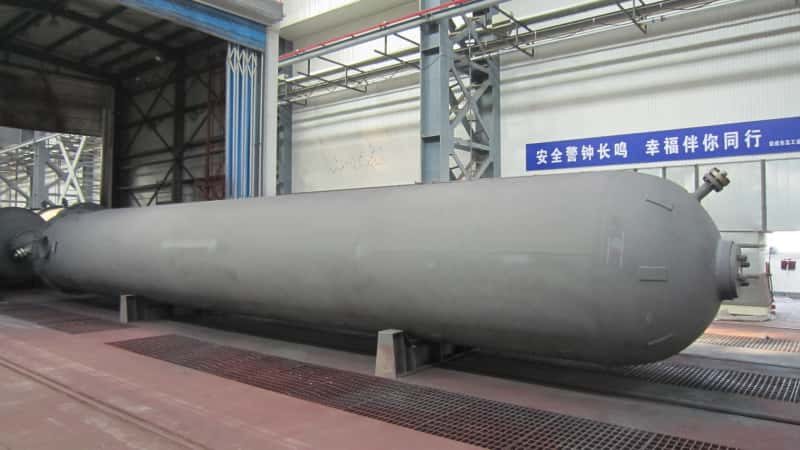

In the vast world of chemical processing, industrial plants depend heavily on the efficiency, reliability, and precision of chemical reactors. Without properly designed and optimized reactors, key processes such as polymerization, hydrogenation, and oxidation would become economically unfeasible or even technically impossible. Poor reactor selection or operation can lead to uncontrollable reaction rates, safety risks, excessive energy consumption, and off-spec product qualities. On the flip side, properly engineered reactors enable high conversion efficiency, process scalability, safety under extreme conditions, and consistent product specifications — making them the heart of industrial transformation processes. This article offers a comprehensive breakdown of the critical roles that reactors play in these three essential chemical reactions.
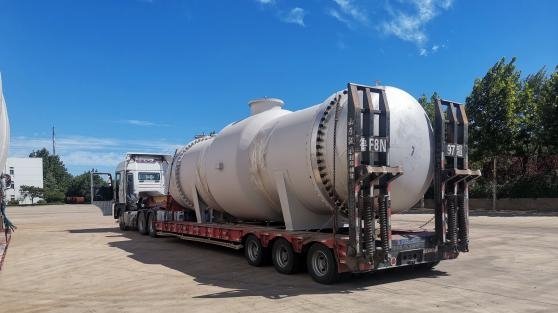
Reactors play a pivotal role in polymerization, hydrogenation, and oxidation processes by providing a controlled environment where temperature, pressure, catalyst activity, and mixing conditions can be precisely regulated to achieve optimal conversion rates, product selectivity, safety, and scalability. The reactor type, design, and operational mode (batch, continuous, or semi-batch) must be carefully matched to the reaction kinetics, thermodynamics, and physical properties of reactants and products.
Understanding how reactors govern these transformations allows chemical engineers and plant managers to make informed decisions that directly impact yield, cost, and environmental compliance. Continue reading for an in-depth analysis supported by data, real industrial practices, and technical insights.
Reactors are responsible for controlling all the parameters of a chemical reaction.True
Reactors are engineered to manage temperature, pressure, residence time, and mixing, all of which directly influence the outcome of chemical processes.
🧪 Role of Reactors in Polymerization Processes
Polymerization is a process in which small molecules (monomers) chemically bond to form long-chain molecules known as polymers. This process is sensitive to heat, impurities, and reaction kinetics. Reactors used in polymerization must be capable of:
- Handling exothermic reactions
- Ensuring uniform mixing of viscous materials
- Allowing precise control over reaction time and temperature
Common Reactor Types for Polymerization:
| Reactor Type | Applications | Key Features |
|---|---|---|
| CSTR (Continuous Stirred Tank Reactor) | Suspension and emulsion polymerization | Good temperature control, easy to scale |
| PFR (Plug Flow Reactor) | Bulk and gas-phase polymerization | High conversion efficiency, tubular design |
| Loop Reactor | Polyethylene and polypropylene production | Excellent heat removal, high productivity |
| Batch Reactor | Specialty and low-volume polymer production | Flexible, easy to operate, suitable for pilot studies |
Case Example: Polypropylene Production
In gas-phase polypropylene plants, a fluidized-bed reactor is commonly used. The reactor enables solid catalyst particles to remain suspended, ensuring excellent gas-solid contact and heat transfer. Reaction conditions typically include:
- Temperature: 60°C–90°C
- Pressure: 2–4 MPa
- Catalyst: Ziegler-Natta or metallocene
Reactor design directly influences:
- Molecular weight distribution
- Polymer branching
- Monomer conversion rates
- Reactor fouling tendencies
Polymerization reactions are always endothermic.False
Most polymerization reactions, especially addition polymerizations, are exothermic, releasing heat during chain growth.
🔬 Role of Reactors in Hydrogenation Processes
Hydrogenation is the chemical addition of hydrogen (H₂) to unsaturated bonds in the presence of a catalyst. Industrial hydrogenation is crucial in:
- Saturating fats and oils
- Producing ammonia
- Refining fuels
- Reducing aromatic compounds
Reactors must ensure intimate mixing of hydrogen gas with liquid or solid reactants, while preventing over-hydrogenation or catalyst deactivation.
Types of Hydrogenation Reactors:
| Reactor Type | Applications | Key Considerations |
|---|---|---|
| Trickle-Bed Reactor | Hydrodesulfurization, hydrogenation of oils | Gas-liquid-solid interaction, catalyst packed bed |
| Slurry Reactor | Fine chemical hydrogenation, pharmaceutical synthesis | Suspended catalyst, excellent heat management |
| Fixed-Bed Reactor | Large-scale hydrogenation | Stable operation, ease of catalyst replacement |
| Loop Reactor (High-pressure) | Hydrogenation of fatty acids | Enhanced hydrogen solubility under pressure |
Example: Hydrogenation of Vegetable Oil
This process involves unsaturated triglycerides (C=C double bonds) being converted into saturated fats. It’s a three-phase reaction involving:
- Liquid oil
- Hydrogen gas
- Nickel-based catalyst
Reactors must maintain:
- Temperature: 120–200°C
- Hydrogen pressure: 1–6 atm
- Agitation: High-shear mixing for gas dispersion
Reactor efficiency is vital for achieving the correct degree of saturation without producing trans fats or causing catalyst degradation.
🌬️ Role of Reactors in Oxidation Processes
Oxidation reactions are core to many chemical manufacturing lines, such as:
- Producing nitric acid from ammonia
- Oxidizing ethylene to ethylene oxide
- Combustion-based oxidation of hydrocarbons
These reactions are often highly exothermic and fast, requiring reactors that:
- Provide superior heat removal
- Avoid hot spots
- Ensure gas-phase reaction stability
Reactor Types for Oxidation:
| Reactor Type | Typical Uses | Design Focus |
|---|---|---|
| Tubular Reactor | Ethylene oxide, formaldehyde production | Good for gas-phase, high temperature |
| Fluidized-Bed Reactor | SO₂ to SO₃ in sulfuric acid plants | Efficient heat transfer, catalyst exposure |
| Multi-Tube Reactor | Nitric acid from ammonia oxidation | Parallel tubes with catalyst, temperature control |
| CSTR (with gas sparging) | Liquid-phase oxidation reactions | Controlled oxygen dosing, safe operation |
Example: Ethylene Oxidation to Ethylene Oxide
A silver catalyst facilitates this gas-phase oxidation. It is highly exothermic and must be carefully managed:
- Temperature: 200–300°C
- Pressure: 1–3 MPa
- Selectivity to ethylene oxide vs. CO₂ formation is reactor-dependent
All oxidation reactions must be conducted in batch reactors.False
Many oxidation reactions are performed in continuous reactors like tubular or fluidized-bed systems for efficiency and safety.
Heat Removal and Safety Chart:
| Process Type | Heat of Reaction (kJ/mol) | Recommended Heat Management Strategy |
|---|---|---|
| Polymerization | -20 to -100 | Jacketed reactors, internal coils, loop cooling |
| Hydrogenation | -100 to -300 | External heat exchangers, high turbulence |
| Oxidation | -200 to -800 | Multi-tube reactors, gas quenching systems |
Reactor Design and Kinetics: How They Interact
Each of these processes requires understanding complex kinetics:
- Polymerization: Chain growth, termination, inhibition
- Hydrogenation: Mass transfer-limited, catalyst-sensitive
- Oxidation: Fast kinetics, side reactions, thermal stability
Reactor geometry, residence time, and catalyst distribution directly affect these kinetics.
| Process | Key Kinetic Factor | Reactor Design Focus |
|---|---|---|
| Polymerization | Inhibition period, heat buildup | Batch control or continuous loop |
| Hydrogenation | Mass transfer limitation | Efficient gas-liquid-solid contact |
| Oxidation | Selectivity and thermal runaway | Isothermal conditions, flow distribution |
Practical Considerations: Scaling Up Industrial Reactors
When scaling up from lab to pilot or full-scale operation, engineers must account for:
- Heat and mass transfer coefficients
- Catalyst aging and regeneration cycles
- Safety interlocks and pressure relief systems
- Material compatibility with corrosive or high-temperature media
Advanced CFD simulations and pilot plant trials are standard practices before committing to full-scale reactors.
Reactors are more than just vessels — they are precision-engineered tools that dictate the success or failure of chemical processes like polymerization, hydrogenation, and oxidation. Through careful design and operational control, reactors convert raw materials into valuable products at the heart of modern industry.
Contact us today if you’re designing, optimizing, or scaling up reactor systems for polymerization, hydrogenation, or oxidation applications. We are a professional manufacturer and global supplier of industrial reactors tailored to your process requirements — from pilot-scale R&D to full-scale chemical plant deployment.