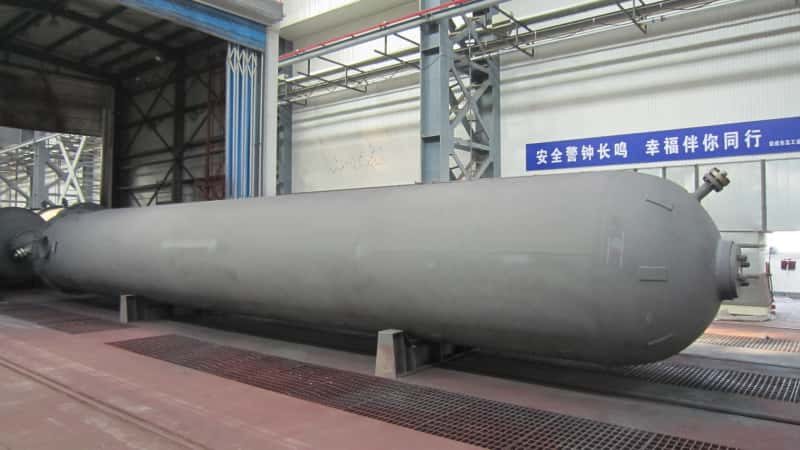

When dealing with chemical processing and reactor design, a critical pain point for manufacturers and engineers is material failure due to corrosion. If a reactor is constructed from incompatible materials for its chemical media, the results can be catastrophic: production halts, equipment degradation, safety hazards, and massive repair costs. The primary concern is: Are the reactor materials compatible and corrosion-resistant for the chemicals being processed? Without selecting proper materials, operational longevity, efficiency, and safety all collapse. Fortunately, this article provides comprehensive guidance on material choices tailored to chemical resistance and reactor durability — read on to ensure your reactor system lasts without chemical compromise.
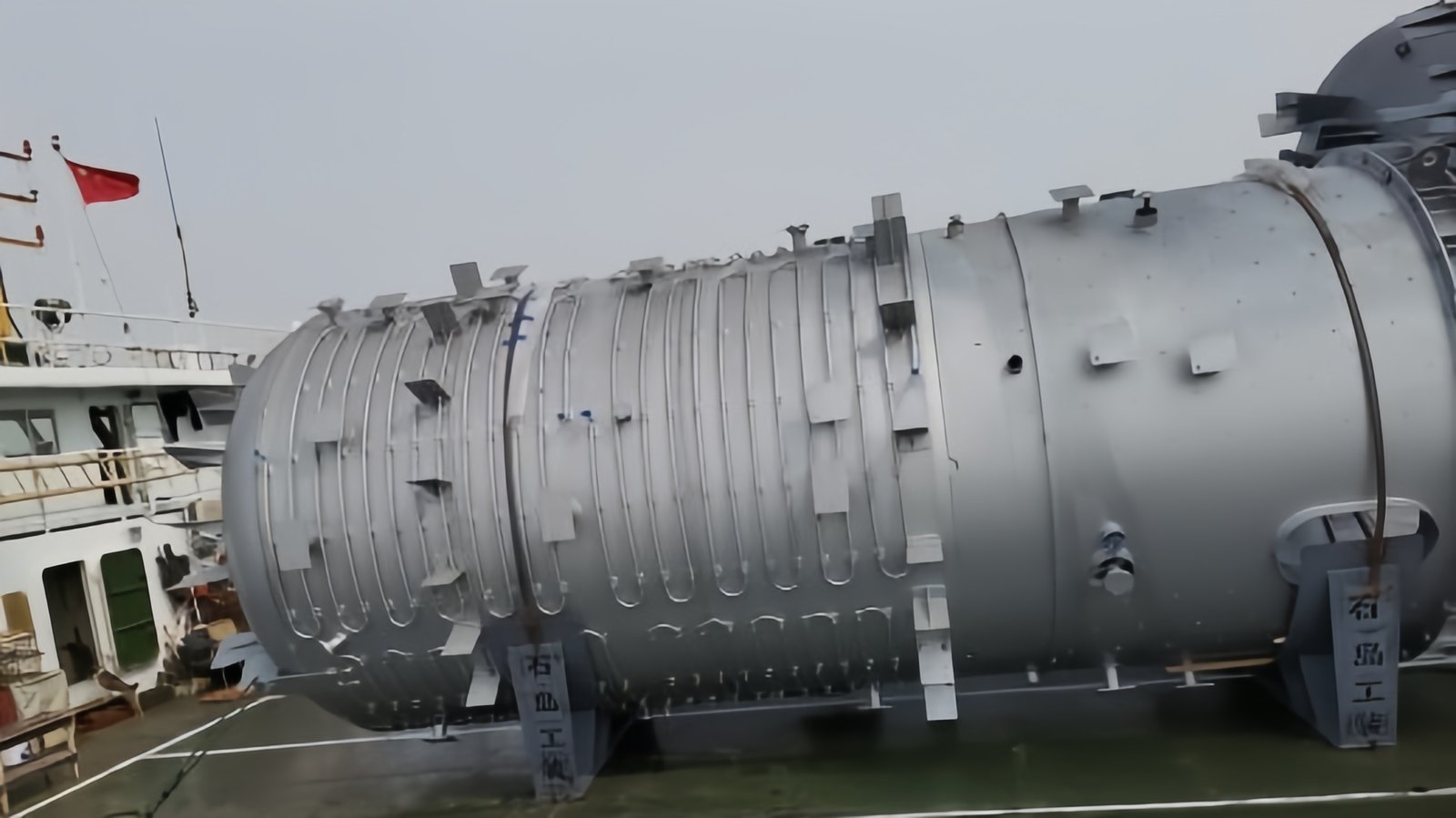
The most common materials used for constructing chemical reactors include stainless steels (like 304, 316L), Hastelloy, titanium, glass-lined steel, and exotic alloys, chosen based on the specific chemicals involved. These materials are selected precisely for their corrosion resistance, mechanical strength, and thermal compatibility. For example, 316L stainless steel resists acids and chlorides, while Hastelloy excels in extreme acidic or oxidizing environments. The selection process involves analyzing the chemical media, temperature, pressure, and reaction type to ensure optimal material longevity and performance.
Understanding the relationship between material composition and chemical resistance is essential before making a capital investment in a reactor. Below, we break down specific materials used in reactor construction, their corrosion resistance ratings, applicable chemical environments, and critical industry use cases. This article also includes technical tables and charts to help you choose the right material based on your process chemistry.
Hastelloy is used in reactors because of its exceptional resistance to strong oxidizers and acids.True
Hastelloy, especially types C-22 and C-276, shows high corrosion resistance in acidic and oxidizing environments, making it ideal for aggressive chemical reactions.
Carbon steel is the most corrosion-resistant material for all chemical reactors.False
Carbon steel is affordable and strong but has poor corrosion resistance, especially in acidic or high-moisture environments, limiting its use in aggressive chemical processes.
Common Reactor Construction Materials and Their Corrosion Resistance Properties
| Material | Corrosion Resistance | Best Suited Chemicals | Limitations | Typical Industries |
|---|---|---|---|---|
| 316L Stainless Steel | High (pH 4–10, chlorides, organic acids) | Acetic acid, solvents, chlorinated compounds | Not suitable for high-concentration acids | Pharma, food, fine chemicals |
| Hastelloy C-276 | Very high (acids, oxidizers) | HCl, H₂SO₄, Cl₂, wet chlorine gas | Expensive; may crack under stress | Petrochemicals, mining, defense |
| Glass-lined Steel | Excellent (wide chemical compatibility) | Strong acids, alkalis, solvents | Brittle, limited to moderate pressures/temperatures | API, dye intermediates |
| Titanium Grade 2 | High (chlorides, seawater, oxidizers) | HNO₃, NaClO₃, seawater | Not resistant to strong acids at high temps | Marine, desalination, chlor-alkali |
| Alloy 20 | Very good (acid-resistant) | Sulfuric acid, phosphoric acid | Poor mechanical strength in some conditions | Fertilizer, food, pharmaceuticals |
| Carbon Steel | Low | Non-corrosive or mild chemicals | Rusts easily, requires lining or coating | General industry (if coated) |
Selection Factors in Reactor Material Design
Chemical Compatibility Charts
Understanding compatibility between the reactor material and chemicals used is critical. Below is a sample compatibility chart for select chemicals and materials:
| Chemical | 316L SS | Hastelloy C-276 | Glass-Lined Steel | Titanium | Carbon Steel |
|---|---|---|---|---|---|
| Acetic Acid (glacial) | ✓✓ | ✓✓✓ | ✓✓✓ | ✓✓✓ | ✗ |
| Hydrochloric Acid | ✗ | ✓✓✓ | ✓✓ | ✗ | ✗ |
| Nitric Acid | ✓✓ | ✓✓✓ | ✓✓ | ✓✓✓ | ✗ |
| Sodium Hydroxide | ✓✓✓ | ✓✓ | ✓✓✓ | ✓✓ | ✗ |
| Chlorine Gas (wet) | ✗ | ✓✓✓ | ✓✓ | ✓✓ | ✗ |
Key: ✓✓✓ = Excellent, ✓✓ = Good, ✓ = Acceptable, ✗ = Not Recommended
Case Study: Reactor Failure Due to Material Incompatibility
In 2017, a mid-scale chemical processing plant in Southeast Asia suffered a catastrophic reactor rupture. The unit was designed using standard 304 stainless steel for cost-efficiency. However, the process involved concentrated hydrochloric acid at elevated temperatures. Within just 6 months, severe pitting corrosion weakened the pressure boundary, leading to failure and millions in damages. Post-failure analysis confirmed that Hastelloy C-276 should have been used. This incident highlights the critical nature of accurate material selection.
Cost vs. Performance: Material Investment Decisions
| Material | Initial Cost | Maintenance Cost | Expected Lifespan | ROI (5-Year) |
|---|---|---|---|---|
| 316L Stainless Steel | $$ | Low | 10–15 years | High |
| Hastelloy C-276 | $$$$ | Very Low | 20+ years | Very High |
| Glass-Lined Steel | $$$ | Moderate | 10–12 years | Medium |
| Titanium | $$$$ | Low | 15–20 years | High |
| Carbon Steel | $ | High | 3–5 years | Low |
From a total cost of ownership standpoint, investing in high-grade corrosion-resistant materials yields significant savings over time, especially in critical or continuous processes.
Understanding Reactor Linings and Coatings
When base materials like carbon steel must be used for budget reasons, linings (such as PTFE, rubber, or glass) can be applied to increase chemical resistance.
| Lining Type | Used With | Resists | Max Temp (°C) | Limitations |
|---|---|---|---|---|
| PTFE (Teflon) | Carbon steel | Acids, alkalis, solvents | 230 | Prone to mechanical damage |
| Rubber | Carbon steel | Mild acids, alkalis | 90 | Low temp limit, not for solvents |
| Glass Lining | Carbon steel | Acids, solvents | 250 | Brittle, risk of cracking |
| Epoxy Coating | Carbon steel | Mild chemicals | 100 | Moderate chemical resistance |
These options serve as intermediate solutions, especially in cost-sensitive projects where high-alloy materials aren’t feasible.
Designing for Long-Term Corrosion Resistance
Modern design philosophy emphasizes predictive corrosion modeling, material testing under simulated conditions, and non-destructive evaluation (NDE) over time. Investing in a custom-designed reactor, matched to your chemical process and built from suitable materials, prevents future shutdowns and ensures compliance with regulatory safety standards (e.g., ASME, ISO, GMP).
Conclusion
In reactor construction, material selection is mission-critical. The right material guarantees safety, efficiency, and durability, especially when corrosive chemicals are involved. By evaluating the intended chemicals, operating conditions, and long-term performance expectations, engineers can design reactors with optimal corrosion resistance — saving millions in potential failures.
Contact Us for Expert Reactor Material Solutions
References
- Materials of Construction for Process Equipment – https://www.chemicalengineeringmag.com – Chemical Engineering
- Stainless Steel in the Chemical Process Industry – https://www.nipponsteel.com – Nippon Steel
- Corrosion-Resistant Alloys – https://www.haynesintl.com – Haynes International
- Glass-Lined Equipment Overview – https://www.dedietrich.com – De Dietrich Process Systems
- Hastelloy C-276 Properties – https://www.corrosionmaterials.com – Corrosion Materials