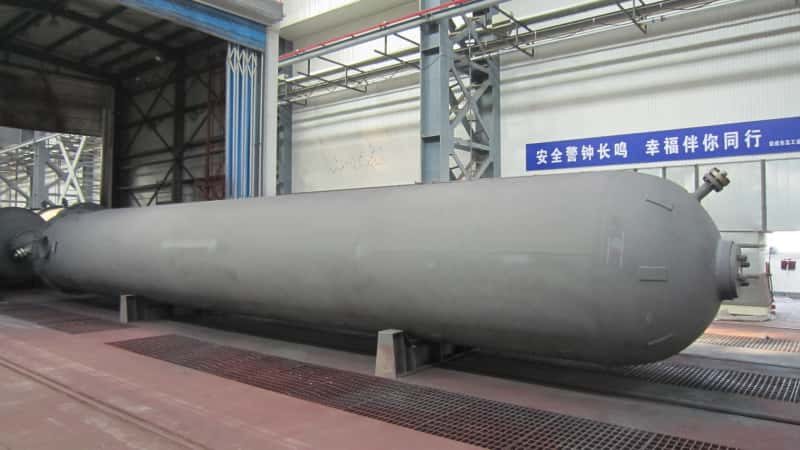

Selecting the wrong material of construction for your process tower or column can result in accelerated corrosion, frequent shutdowns, contamination, and complete structural failure. The stakes are high—especially in corrosive chemical environments involving acids, chlorides, or elevated temperatures. Unfortunately, many engineers rely on default materials like carbon steel or 316L stainless steel without considering long-term compatibility, stress corrosion cracking, or sour service resistance. The good news is that by carefully matching tower materials to your fluid chemistry and environmental conditions, you can dramatically increase reliability, reduce lifecycle costs, and avoid catastrophic corrosion. This article offers a complete guide to the materials used in process tower construction—and whether they are suitable for your process fluids and operating conditions.
The most common materials used for process towers and columns include carbon steel, stainless steels (304L, 316L), duplex stainless steels, high-alloy materials (e.g., Hastelloy, Inconel, Monel), titanium, fiberglass-reinforced plastics (FRP), and lined steel. The suitability of each depends on fluid composition, corrosiveness, temperature, pressure, and mechanical requirements. Proper material selection is critical to ensure corrosion resistance, safety, and long-term performance.
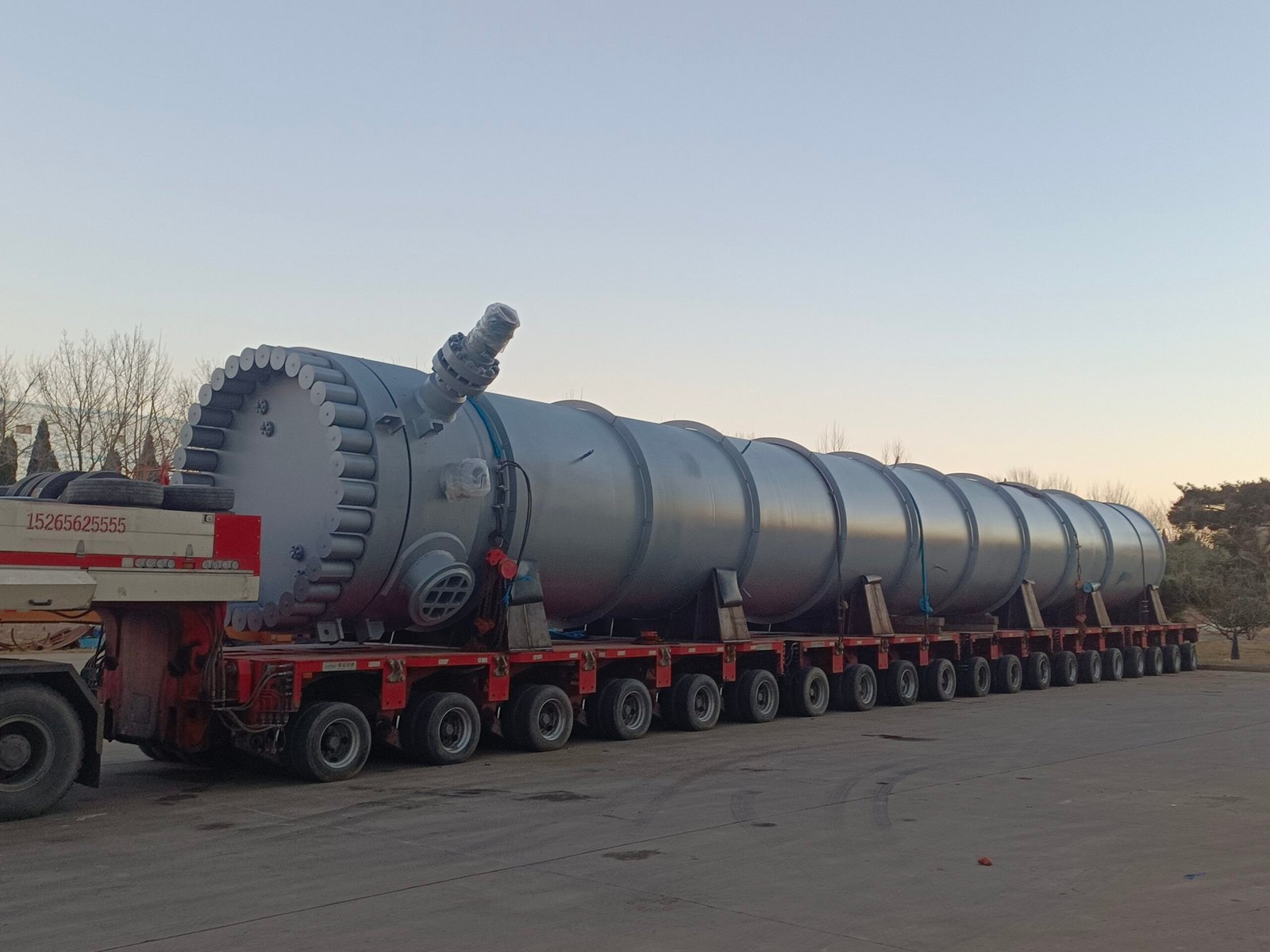
Keep reading for a detailed breakdown of corrosion resistance, thermal tolerance, mechanical integrity, and chemical compatibility for each material—and learn how to select the ideal material for your specific process.
316L stainless steel is suitable for most chlorinated fluids.False
316L is vulnerable to chloride-induced stress corrosion cracking and pitting, especially at elevated temperatures; higher alloys like duplex or Hastelloy may be needed.
Most Common Materials Used in Tower and Column Construction
1. Carbon Steel (CS – ASTM A516 Gr. 70)
- Use Case: Non-corrosive or mildly corrosive services, e.g., ammonia, hydrocarbons, air
- Strengths: Low cost, good weldability, high availability
- Weaknesses: Rapidly corrodes in presence of acids, chlorides, moisture, or oxidizers
- Temperature Range: -29°C to 427°C (depending on thickness)
- Not suitable for: Acidic, moist, or corrosive streams unless lined or coated
2. 304L / 316L Stainless Steel
- Use Case: Moderate corrosion services—organic acids, mild chlorides, some solvents
- Strengths:
- 316L has molybdenum → better pitting and crevice corrosion resistance than 304L
- Passivating film resists oxidation
- Weaknesses:
- 316L still susceptible to chloride stress corrosion cracking (CSCC)
- Sensitive to high-temperature scaling above 870°C
- Temperature Range: Up to 870°C (intermittent)
- Corrosion Resistance: Good for neutral/acidic aqueous environments (up to ~500 ppm Cl⁻)
3. Duplex Stainless Steels (2205 / 2507)
- Use Case: Brine, seawater, wet chlorides, H₂S gas systems
- Strengths:
- High strength and CSCC resistance
- Better mechanical properties than austenitic SS
- Weaknesses: More expensive, requires specialized welding
- Temperature Range: 260–315°C (upper limit lower than austenitic grades)
4. High-Performance Alloys (Hastelloy, Inconel, Monel)
| Alloy Type | Strengths | Typical Service |
|---|---|---|
| Hastelloy C-276 | Excellent resistance to oxidizing and reducing acids | HCl, H₂SO₄, HNO₃ |
| Inconel 625 | Resistant to high-temp, oxidizing atmospheres | Flue gas scrubbers, acidic vapors |
| Monel 400 | Great in seawater, alkalis, hydrofluoric acid | Brine towers, alkylation units |
Temperature Resistance: Up to 1040°C depending on alloy
Cost: 3–10x higher than stainless steels
Application Criteria: Used only when failure would be catastrophic or corrosion rate is unacceptable
5. Titanium (Gr. 2, Gr. 7)
- Use Case: Chlorine systems, seawater, strong oxidizers
- Strengths: Forms a strong oxide layer for corrosion resistance; excellent in wet chlorine
- Weaknesses: High cost, fabrication complexity
- Temperature Range: -250°C to ~600°C
- Often Used In: Bleach towers, desalination systems
Titanium is immune to all forms of corrosion in process environments.False
While highly corrosion-resistant, titanium can suffer from erosion and hydrogen embrittlement in certain conditions.
6. Fiberglass Reinforced Plastic (FRP)
- Use Case: Low-pressure acidic environments (e.g., HCl scrubbers)
- Strengths: Lightweight, corrosion-resistant, non-metallic
- Weaknesses: Limited temperature (usually < 93°C), lower mechanical strength
- Best For: Fume scrubbing, low-pressure gas absorption, outdoor stacks
7. Lined Steel (Rubber, PTFE, Glass, Epoxy)
- Use Case: When CS or SS shell cannot resist aggressive media
- Types:
- PTFE-lined: Broad chemical compatibility, excellent for HCl, HF, mixed acids
- Rubber-lined: Good for dilute sulfuric acid, phosphoric acid
- Glass-lined: Pharmaceutical or high-purity applications
Limitation: Liner damage can lead to catastrophic failure—strict QA/QC and inspection needed.
Corrosion Compatibility Table: Common Fluids vs. Material Suitability
| Process Fluid | CS | 316L | Duplex 2205 | Hastelloy C-276 | FRP | Titanium |
|---|---|---|---|---|---|---|
| Hydrochloric Acid (HCl) | ❌ | ❌ | ❌ | ✅ | ✅ | ✅ |
| Sulfuric Acid (H₂SO₄) | ⚠ (low %) | ⚠ | ✅ | ✅ | ✅ | ⚠ |
| Seawater / Brine | ❌ | ❌ | ✅ | ✅ | ✅ | ✅ |
| Ammonia (Dry) | ✅ | ✅ | ✅ | ✅ | ⚠ | ✅ |
| Chlorine (Wet) | ❌ | ❌ | ❌ | ✅ | ✅ | ✅ |
| Sodium Hydroxide (NaOH) | ✅ | ✅ | ✅ | ✅ | ✅ | ❌ |
| Nitric Acid | ❌ | ⚠ | ✅ | ✅ | ❌ | ✅ |
| Organic Solvents | ✅ | ✅ | ✅ | ✅ | ⚠ | ✅ |
Legend: ✅ Suitable | ⚠ Limited or Conditional | ❌ Not Suitable
FRP towers are suitable for high-pressure, high-temperature distillation.False
Other Key Considerations
1. Temperature Resistance
Materials weaken at high temperatures:
- 316L loses half its strength above 600°C
- Hastelloy maintains integrity up to 1040°C
- FRP fails above 120°C due to resin breakdown
2. Pressure Rating and Mechanical Load
- CS and SS are strong under pressure
- FRP requires thick walls or ribs to withstand minor pressure
- Lined vessels depend on steel shell for pressure containment
3. Erosion and Solids
- High velocity or solids erode soft materials like FRP or rubber linings
- Use cladding or alloy weld overlays in high-wear zones
4. Cost vs. Lifecycle
- CS: $1 (baseline)
- 316L: $2.5–3
- Duplex: $4–5
- Hastelloy C-276: $10+
- Titanium: $15+
Spending more upfront may result in significant savings in maintenance, inspection, and replacements over 10–20 years.
Case Study: Acid Gas Absorber Redesign
A gas processing plant initially used a 316L absorber for HCl and SO₂ scrubbing. Within 18 months:
- Localized pitting and stress cracking occurred.
- Tower required frequent acid neutralization and inspection.
Solution: Tower rebuilt using PTFE-lined carbon steel with Hastelloy nozzles. Result:
- Corrosion rate reduced to <5 mils/year
- Maintenance shutdowns cut by 80%
- 10-year projected lifespan achieved
Hastelloy is only needed in rare laboratory conditions.False
Hastelloy is commonly used in industrial towers handling aggressive media like hydrochloric, sulfuric, or mixed acid streams.
Summary
The material you choose for your process tower or column must align with the chemical nature of your fluids, temperature, pressure, and mechanical demands. While carbon steel and 316L stainless steel serve well in many environments, aggressive chemicals, chlorides, or high temperatures may demand duplex, nickel alloys, titanium, or specialty linings. Always consult corrosion data, material test certificates, and process specifications before finalizing material selection. Choosing correctly means better uptime, fewer failures, and superior ROI.