

Types of Industrial Heat Exchangers
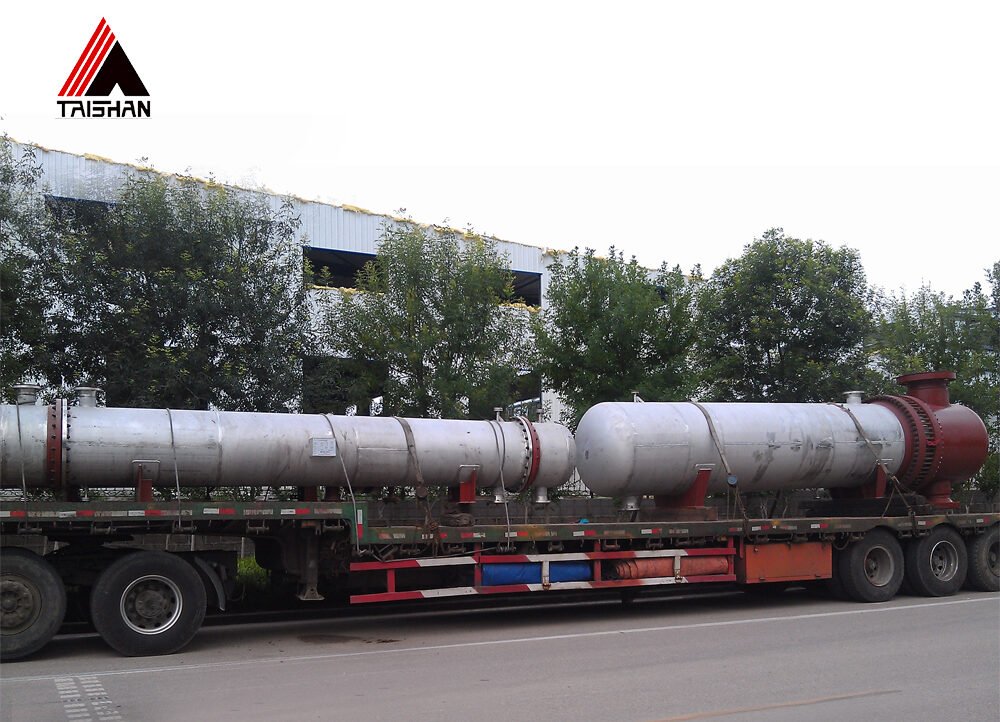
The most common types of industrial heat exchangers include shell and tube heat exchangers, hairpin heat exchangers, plate heat exchangers, and air cooled heat exchangers. Each type is designed for different pressure levels, temperature ranges, and process conditions.
How Heat Exchangers Work
Types of Industrial Heat Exchangers
The most common types of industrial heat exchangers include shell and tube heat exchangers, hairpin heat exchangers, plate heat exchangers, and air cooled heat exchangers. Each type is designed for different pressure levels, temperature ranges, and process conditions.
How Heat Exchangers Work
Industrial Applications of Heat Exchangers
Materials Used in Heat Exchanger Manufacturing
Related Heat Exchanger Articles
How Should Buyers Specify Heat Exchangers When Cross-Contamination Is Unacceptable?
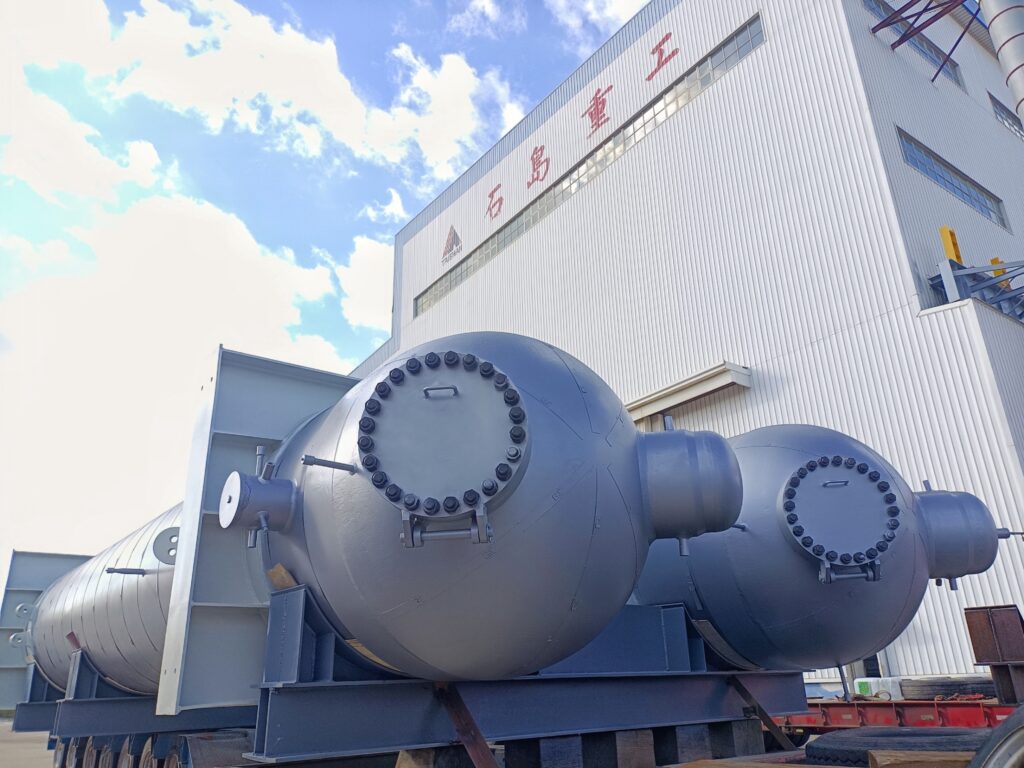
Specify heat exchangers for contamination-sensitive duties with clear fluid isolation requirements, pressure cases, leak testing, and acceptance criteria.
Heat exchangers for slurry service must be evaluated ag […]
EPC guide to high-viscosity chemical heat exchangers, covering pressure drop, cleaning access, materials and shell and tube design checks.