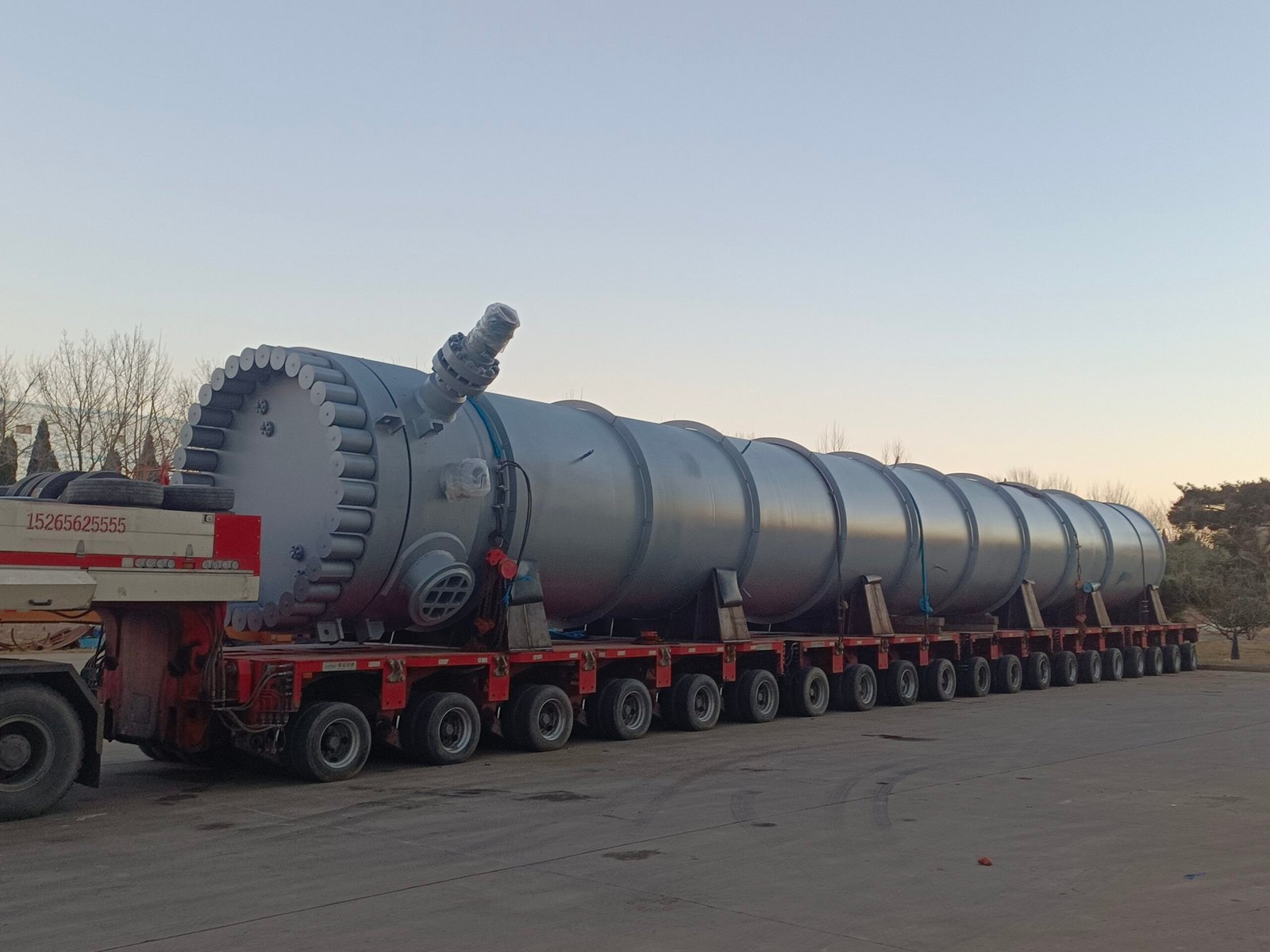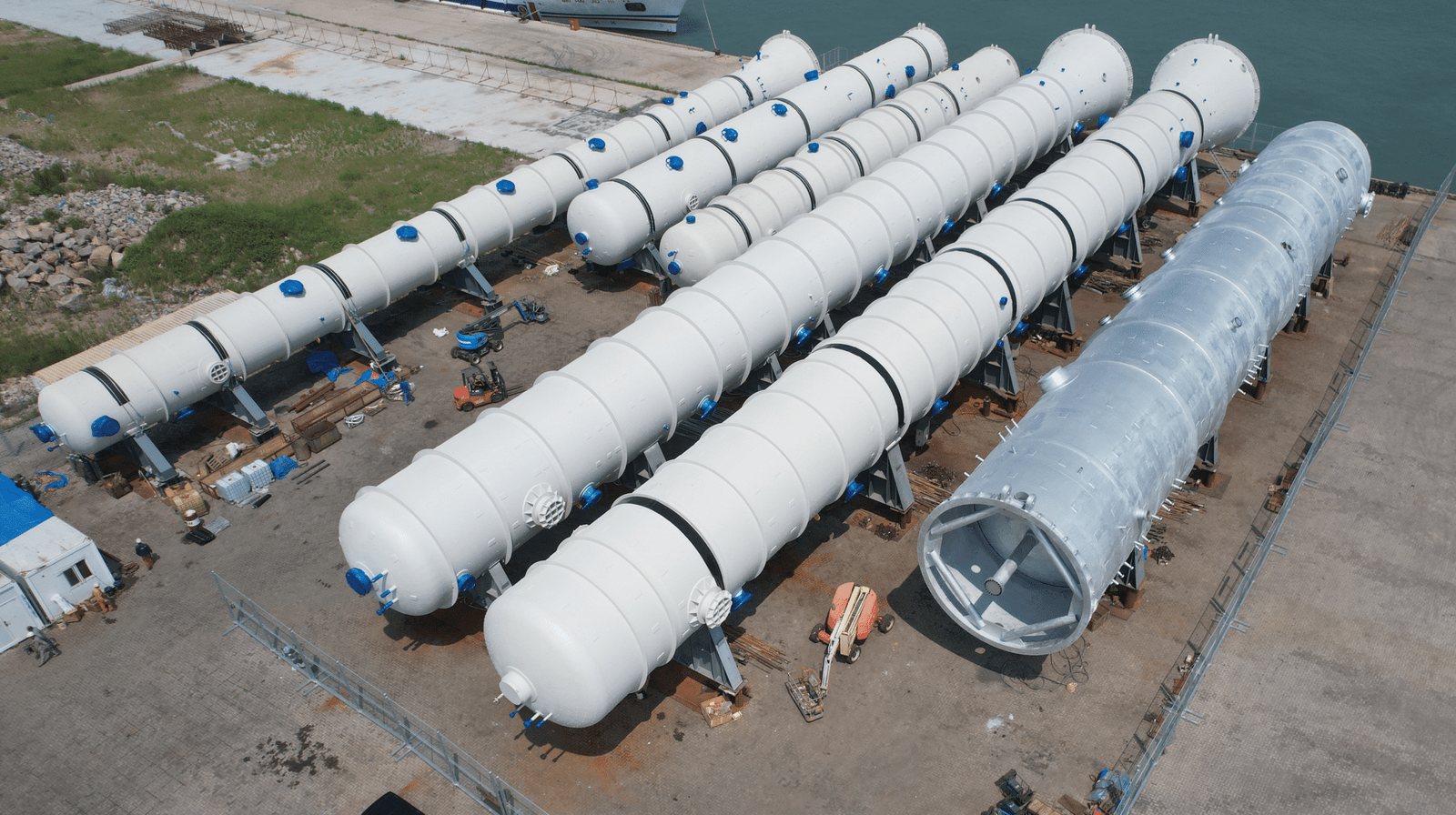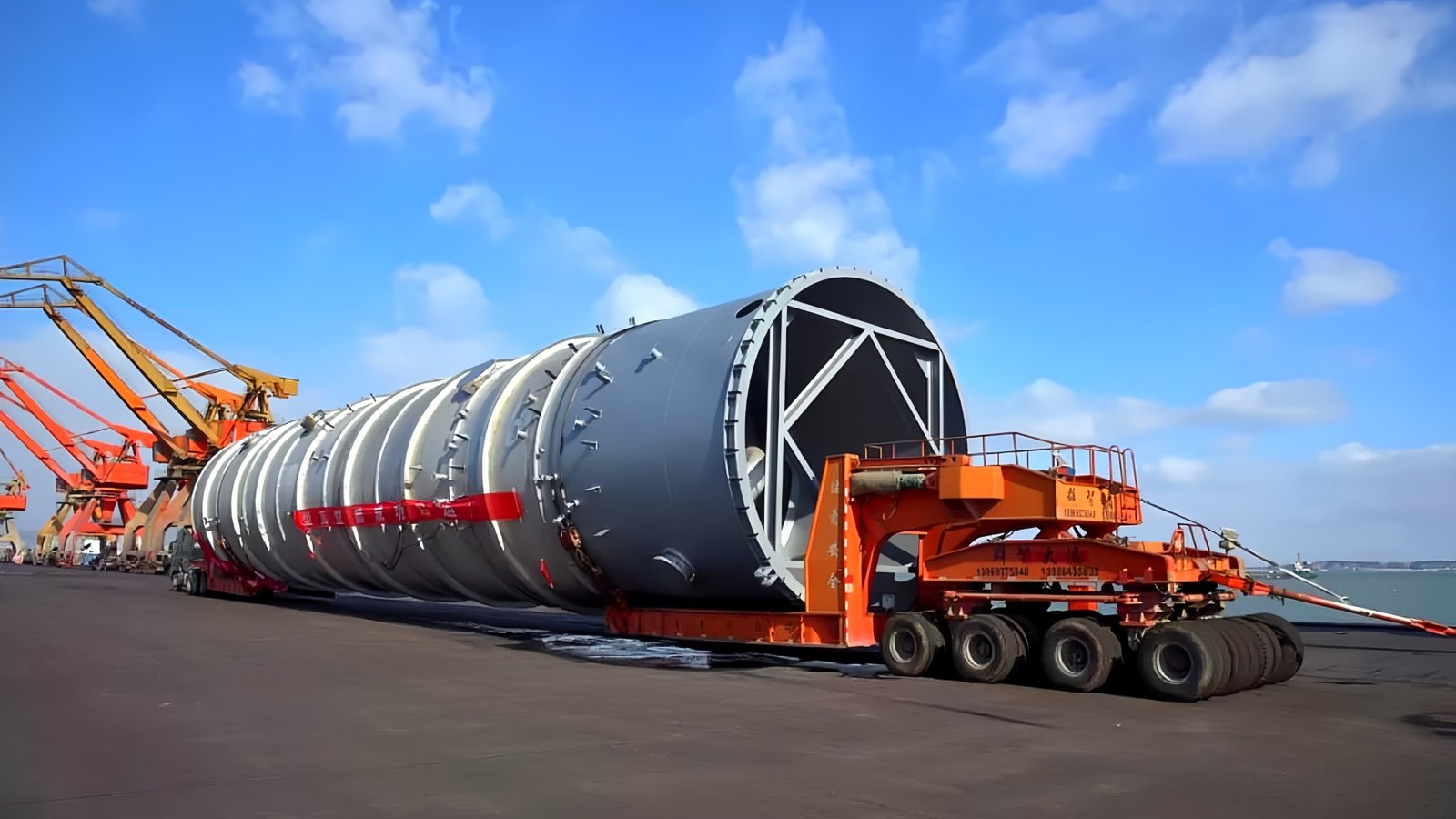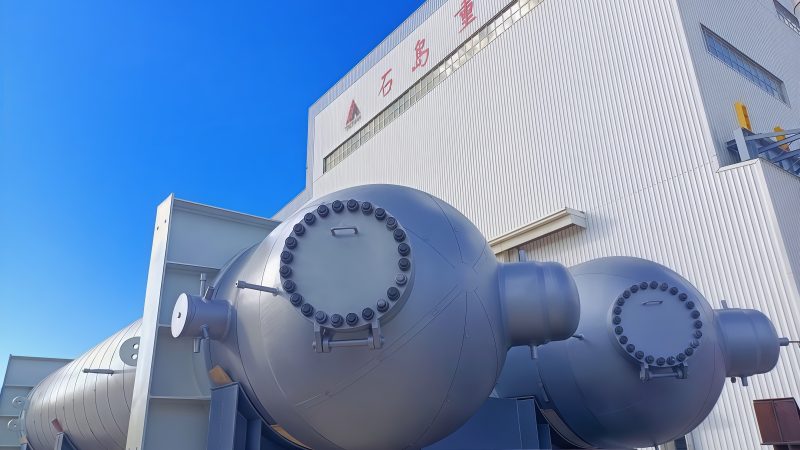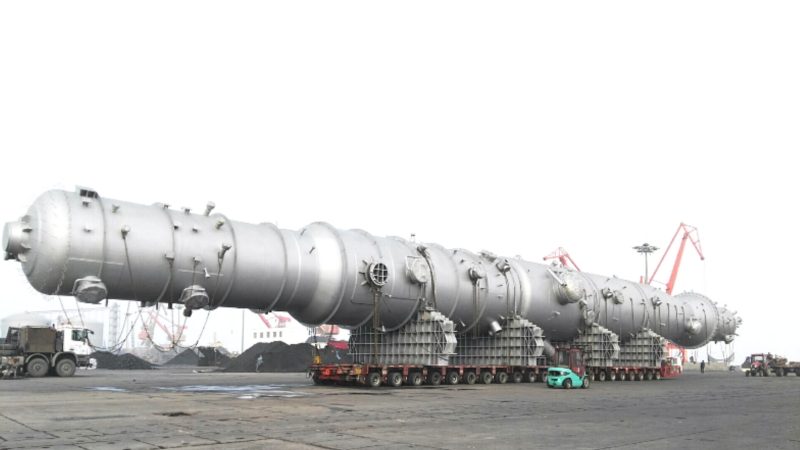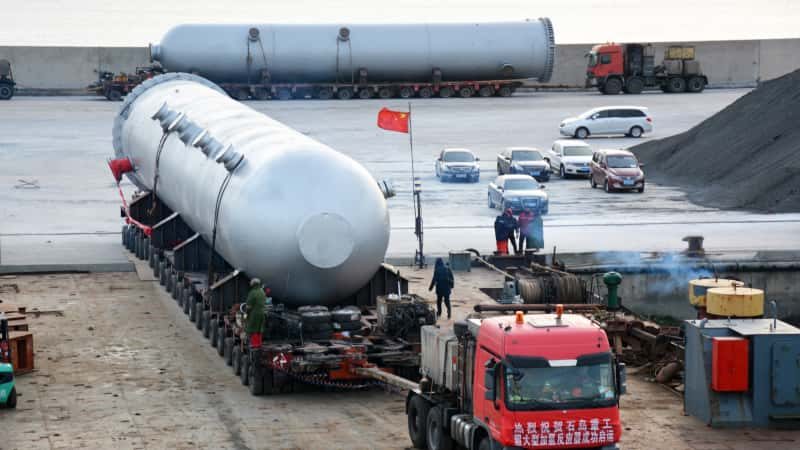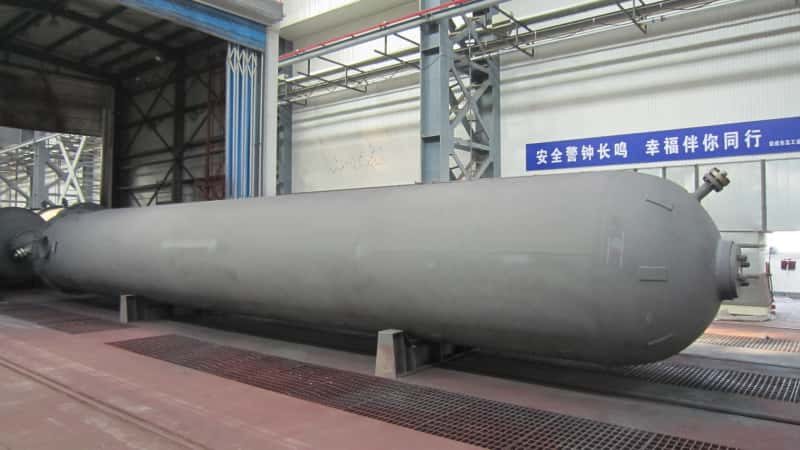

Ammonia production is the backbone of modern fertilizer, chemicals, and energy industries, yet many plant operators and project decision-makers struggle to fully understand the role of the ammonia synthesis tower and column. Misunderstanding its function can lead to poor equipment selection, inefficiencies, safety risks, and higher operating costs. The good news is that with a clear understanding of what an ammonia synthesis tower and column are and how they work, you can make better technical and commercial decisions for stable, efficient, and long-term ammonia production.
An ammonia synthesis tower (also called an ammonia synthesis column) is a high-pressure, high-temperature reactor where nitrogen and hydrogen react over a catalyst to form ammonia. It works by controlling pressure, temperature, gas flow, and heat recovery to maximize ammonia conversion while ensuring safe and continuous operation in the Haber–Bosch process.
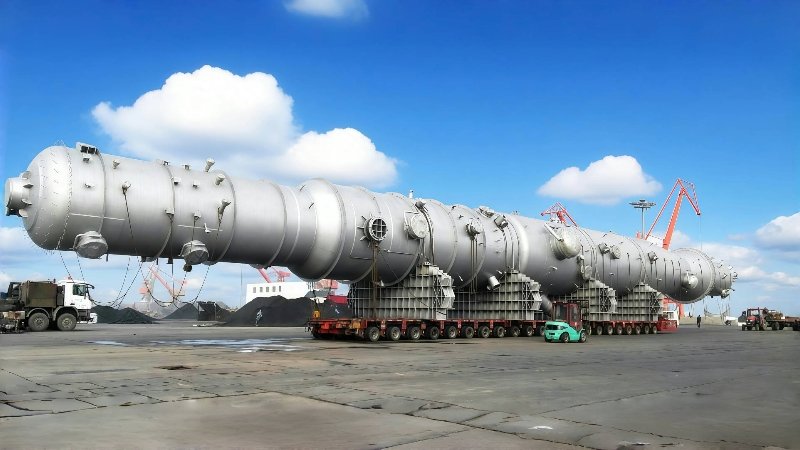
To help you clearly understand this critical equipment and its role in ammonia plants, the following article walks you through its structure, working principle, design considerations, and practical selection insights from a manufacturer’s perspective.
What Is an Ammonia Synthesis Tower & Column in Industrial Ammonia Production?
Industrial ammonia production sits at the heart of global agriculture, chemical manufacturing, and energy systems, yet many plant owners, engineers, and procurement managers struggle with one persistent problem: understanding why the ammonia synthesis tower and column are so critical, complex, and failure-sensitive. When these core reactors are poorly designed, improperly selected, or inadequately operated, the consequences are severe—lower conversion efficiency, excessive energy consumption, frequent shutdowns, catalyst degradation, and even catastrophic safety risks due to high pressure and hydrogen embrittlement. These issues directly translate into higher operating costs, unstable output, and lost competitiveness. The good news is that with a clear understanding of what an ammonia synthesis tower and column are, how they work, and how they should be engineered and operated, these risks can be systematically reduced, enabling safer operation, higher yields, and long-term economic performance.
An ammonia synthesis tower (also called an ammonia synthesis column or converter) is a high-pressure, high-temperature industrial reactor where purified nitrogen and hydrogen react over an iron-based or ruthenium-based catalyst to form ammonia (NH₃) via the Haber–Bosch process. It is specifically designed to withstand extreme pressures (typically 150–300 bar), elevated temperatures (400–500 °C), and continuous operation, while maximizing conversion efficiency, heat management, and catalyst life.
If you are responsible for designing, operating, upgrading, or sourcing equipment for an ammonia plant, it is not enough to know this definition alone. To truly benefit, you need to understand the structural design logic, thermodynamic constraints, internal flow patterns, catalyst loading strategies, heat exchange integration, materials selection, safety considerations, and real-world operational trade-offs that define modern ammonia synthesis towers and columns. The following in-depth discussion is written from the dual perspective of a Ph.D.-level chemical engineer and an industrial manufacturer and supplier, with the explicit goal of helping users make informed, practical, and economically sound decisions.
The ammonia synthesis tower is the core reactor where nitrogen and hydrogen chemically combine to form ammonia.True
In the Haber–Bosch process, ammonia formation occurs exclusively inside the synthesis converter where catalyst, pressure, and temperature are controlled.
Ammonia synthesis columns operate at low pressure to reduce equipment cost.False
Industrial ammonia synthesis requires very high pressure to shift equilibrium toward ammonia formation, making high-pressure design unavoidable.
Understanding the Role of the Ammonia Synthesis Tower in the Haber–Bosch Process
To appreciate the importance of the ammonia synthesis tower and column, one must first understand the broader context of the Haber–Bosch process and where this equipment fits within the overall ammonia production loop. Industrial ammonia production begins with feedstock preparation—typically natural gas, coal, or increasingly green hydrogen sources—followed by reforming or gasification to produce hydrogen, air separation to supply nitrogen, gas purification to remove sulfur, CO, CO₂, and moisture, and compression of the synthesis gas mixture. All of these upstream units exist for a single reason: to deliver ultra-clean, precisely proportioned nitrogen and hydrogen to the ammonia synthesis tower under the correct thermodynamic conditions. The synthesis tower is therefore not just another vessel; it is the culmination of the entire process train, and its performance determines the plant’s overall efficiency and economics.
From a thermodynamic standpoint, the reaction N₂ + 3H₂ ⇌ 2NH₃ is exothermic and equilibrium-limited. High pressure favors ammonia formation, while high temperature accelerates reaction kinetics but shifts equilibrium backward. The ammonia synthesis column is engineered to balance these opposing effects through multi-bed catalyst arrangements, inter-bed heat exchangers, and carefully controlled flow paths. In practical terms, this means that the internal design of the synthesis tower is far more complex than its external appearance suggests. What looks like a simple vertical pressure vessel is, in reality, a highly optimized reaction system where temperature profiles, pressure drops, catalyst geometry, and gas velocities are all interdependent.
Another critical role of the ammonia synthesis tower is thermal management. The exothermic nature of ammonia formation releases a significant amount of heat, and if this heat is not efficiently removed or redistributed, catalyst sintering, accelerated deactivation, and mechanical stress can occur. Modern synthesis columns often integrate internal heat exchangers that preheat incoming synthesis gas while simultaneously cooling partially reacted gas between catalyst beds. This internal heat recovery not only improves energy efficiency but also stabilizes operation, reducing thermal cycling and extending equipment life. From an operator’s perspective, this design directly affects startup time, load flexibility, and the ability to respond to market-driven production changes.
Structural Design and Classification of Ammonia Synthesis Towers and Columns
Although the terms “ammonia synthesis tower” and “ammonia synthesis column” are often used interchangeably, they can imply subtle differences depending on regional practice, plant scale, and design philosophy. Structurally, both refer to vertical cylindrical pressure vessels, but classification typically depends on internal configuration, pressure rating, and integration with heat exchange systems. As a manufacturer and supplier, it is essential to clarify these distinctions for end users, because misalignment between process requirements and equipment design is a common source of underperformance.
Broadly speaking, ammonia synthesis towers can be classified into single-bed, multi-bed, and radial-flow converter designs. Early Haber–Bosch plants used relatively simple axial-flow single-bed converters, which were easier to manufacture but suffered from poor temperature control and limited conversion per pass. Modern plants overwhelmingly favor multi-bed axial or radial-flow designs, where catalyst is divided into two to four beds with inter-bed cooling. Radial-flow designs, in particular, offer lower pressure drop and more uniform temperature distribution, making them suitable for large-scale, high-capacity plants exceeding 2,000 metric tons per day.
From a materials perspective, ammonia synthesis columns must withstand not only high pressure and temperature but also hydrogen attack, nitriding, and long-term creep. As a result, thick-wall low-alloy steels with carefully controlled chemical composition are used, often with internal liners or cladding to protect against hydrogen embrittlement. The wall thickness of a large synthesis tower can exceed 200 mm, making forging, welding, heat treatment, and non-destructive testing critical manufacturing steps. Users evaluating suppliers should therefore look beyond nominal pressure ratings and focus on proven fabrication experience, quality control systems, and compliance with international standards such as ASME Section VIII, EN 13445, or GB standards.
The following table summarizes common structural types of ammonia synthesis towers and their typical applications:
| Synthesis Tower Type | Internal Flow Pattern | Typical Capacity Range | Key Advantages | Typical Use Case |
|---|---|---|---|---|
| Single-bed axial flow | Axial | <500 t/day | Simple design, low cost | Small or pilot plants |
| Multi-bed axial flow | Axial with inter-bed cooling | 500–1,500 t/day | Better temperature control | Medium-scale plants |
| Radial-flow converter | Radial | 1,500–3,500 t/day | Low pressure drop, high efficiency | Large modern plants |
| Internally heat-exchanged | Mixed axial/radial | All ranges | High energy efficiency | Energy-optimized plants |
Internal Components and Functional Elements of an Ammonia Synthesis Column
While the external shell of an ammonia synthesis column attracts attention due to its size and pressure rating, the true performance of the reactor is determined by its internal components. These include catalyst beds, support grids, distributors, collectors, heat exchangers, insulation systems, and instrumentation ports. Each element plays a specific role, and failure or poor design in any one of them can compromise the entire unit.
Catalyst beds are the heart of the synthesis column. Industrial ammonia catalysts are typically magnetite-based iron catalysts promoted with potassium, aluminum, and calcium oxides, although ruthenium-based catalysts are increasingly used in low-pressure or green ammonia applications. The catalyst is loaded in carefully controlled layers to ensure uniform gas distribution and minimize channeling. Bed geometry, particle size distribution, and loading procedures directly affect pressure drop and conversion efficiency. As a supplier, we often emphasize to users that catalyst performance is inseparable from reactor design; a high-quality catalyst cannot compensate for poor flow distribution, and vice versa.
Gas distributors and collectors are equally critical. These internal structures ensure that synthesis gas enters each catalyst bed evenly and exits without creating hot spots or stagnant zones. In radial-flow designs, perforated baskets and annular flow paths are used to distribute gas radially through the catalyst, reducing pressure drop and improving temperature uniformity. Poorly designed distributors can lead to localized overheating, which accelerates catalyst sintering and shortens its usable life. From a practical standpoint, this means higher catalyst replacement costs and more frequent shutdowns—outcomes that users are keen to avoid.
Internal heat exchangers represent another defining feature of modern ammonia synthesis columns. These can take the form of bayonet tubes, coil-type exchangers, or plate-type elements integrated within the reactor. Their purpose is to recover reaction heat and use it to preheat incoming synthesis gas, thereby improving overall plant energy efficiency. The design challenge lies in accommodating differential thermal expansion, maintaining mechanical integrity under pressure, and ensuring ease of maintenance. Users evaluating synthesis tower designs should always request detailed information on heat exchanger materials, expected fouling behavior, and inspection accessibility.
The table below outlines key internal components and their functional roles:
| Internal Component | Primary Function | Design Considerations | Impact on Performance |
|---|---|---|---|
| Catalyst bed | Promote NH₃ synthesis | Catalyst type, bed geometry | Conversion efficiency |
| Gas distributor | Uniform gas flow | Hole size, layout | Temperature uniformity |
| Gas collector | Efficient gas removal | Pressure drop minimization | Energy consumption |
| Internal heat exchanger | Heat recovery | Thermal stress management | Energy efficiency |
| Support grid | Structural support | Load capacity | Mechanical reliability |
Operating Conditions and Performance Optimization in Ammonia Synthesis Towers
The operating conditions of an ammonia synthesis tower are among the most extreme encountered in chemical engineering, and optimizing these conditions is a constant challenge for plant operators. Pressure, temperature, space velocity, and gas composition must all be tightly controlled to achieve stable, efficient operation. Deviations can quickly propagate through the system, affecting downstream separation and recycling loops.
Pressure is the most influential variable in ammonia synthesis. Higher pressure shifts the equilibrium toward ammonia formation, increasing per-pass conversion. However, higher pressure also increases compression energy consumption and imposes greater mechanical stress on the synthesis column. Modern plants typically operate in the range of 150–300 bar, with the exact value determined by a techno-economic optimization that balances capital cost, operating cost, and energy prices. As a manufacturer, we often assist users in evaluating whether upgrading an existing synthesis tower to a higher pressure rating is economically justified, taking into account not only the reactor itself but also compressors, piping, and safety systems.
Temperature control is equally critical. The optimal temperature range for iron-based catalysts is typically 400–500 °C, but the reaction releases heat that can push local temperatures beyond safe limits if not managed. Multi-bed designs with inter-bed cooling allow operators to maintain each catalyst bed near its optimal temperature, maximizing overall conversion while protecting the catalyst. Advanced control systems, including distributed temperature sensing and model-based control algorithms, are increasingly used to fine-tune operation. For users, investing in such systems often yields rapid payback through improved efficiency and reduced downtime.
Gas composition and purity cannot be overstated. Even trace amounts of sulfur, oxygen, or carbon monoxide can poison ammonia synthesis catalysts, leading to irreversible loss of activity. This places stringent requirements on upstream purification units and on the materials used in the synthesis column itself. From a supplier’s perspective, providing detailed guidelines on allowable impurity levels and recommending compatible materials is a key part of delivering user-centered value.
Safety, Reliability, and Lifecycle Considerations
Safety is paramount in ammonia synthesis, and the synthesis tower is the single most critical piece of equipment from a risk perspective. The combination of high pressure, hydrogen, and elevated temperature creates a hazard profile that demands rigorous design, inspection, and maintenance practices. Users must be confident that their synthesis column can operate safely over a design life of 20–30 years, often under continuous duty.
Hydrogen embrittlement and nitriding are two major degradation mechanisms affecting ammonia synthesis towers. These phenomena can lead to loss of ductility and cracking in pressure vessel materials. To mitigate these risks, manufacturers select low-alloy steels with controlled microstructures and apply post-weld heat treatments to relieve residual stress. Periodic non-destructive testing, including ultrasonic testing and acoustic emission monitoring, is essential to detect early signs of damage. From a user’s standpoint, choosing a supplier with proven metallurgical expertise and a strong track record in ammonia service is not optional—it is a prerequisite for safe operation.
Reliability also depends on proper startup, shutdown, and load-change procedures. Thermal cycling imposes fatigue stress on both the shell and internal components of the synthesis column. Plants that frequently ramp production up and down must pay particular attention to thermal gradients and expansion allowances in the reactor design. As green ammonia and renewable hydrogen integration increase load variability, this aspect of synthesis tower design is becoming even more important.
Economic Impact and Real-World Case Insights
The economic performance of an ammonia plant is closely tied to the efficiency and reliability of its synthesis tower. Even a 1–2 % improvement in conversion efficiency or energy recovery can translate into millions of dollars in annual savings for a large-scale plant. Conversely, unplanned shutdowns due to synthesis column issues can result in substantial lost revenue and repair costs.
In one real-world case, a 2,200 t/day ammonia plant experienced repeated catalyst degradation and pressure drop increase within its synthesis tower. Investigation revealed uneven gas distribution caused by a poorly designed distributor plate. After retrofitting the reactor with an optimized radial-flow distributor supplied by an experienced manufacturer, the plant achieved a 3 % increase in per-pass conversion and extended catalyst life by over two years. This example underscores the value of deep technical understanding and user-centered design in ammonia synthesis equipment.
Summary and Key Takeaways
An ammonia synthesis tower or column is far more than a simple pressure vessel; it is the technical and economic heart of industrial ammonia production. Its design integrates thermodynamics, reaction kinetics, materials science, mechanical engineering, and operational strategy into a single, highly optimized system. Understanding its function, internal components, operating conditions, and lifecycle considerations is essential for anyone involved in ammonia plant design, operation, or procurement. When properly engineered and operated, the synthesis tower enables safe, efficient, and reliable ammonia production that supports agriculture, industry, and emerging energy applications worldwide.
How Does an Ammonia Synthesis Tower & Column Work in the Haber–Bosch Process?
Industrial ammonia production remains one of the most energy-intensive and technically demanding chemical processes in the world, and at the center of this challenge lies a question that troubles engineers, investors, and plant operators alike: how exactly does the ammonia synthesis tower and column work inside the Haber–Bosch process, and why does its operation so profoundly affect efficiency, safety, and profitability? When this core reactor is poorly understood, plants often suffer from chronic issues such as unstable temperature profiles, lower-than-expected conversion rates, excessive catalyst consumption, high compression energy costs, and recurring unplanned shutdowns. These problems cascade through the entire ammonia loop, inflating operating expenses and undermining long-term asset value. The solution begins with a deep, system-level understanding of how the ammonia synthesis tower and column function, how reaction heat is managed, how equilibrium limitations are handled, and how modern engineering design transforms a thermodynamically unfavorable reaction into a commercially viable industrial process.
In the Haber–Bosch process, an ammonia synthesis tower (or synthesis column) works by continuously feeding highly purified nitrogen and hydrogen into a high-pressure reactor where they pass through multiple catalyst beds, reacting exothermically to form ammonia while internal heat exchange and gas circulation systems control temperature, recover energy, and maximize overall conversion efficiency under equilibrium constraints.
To truly grasp this mechanism, it is not enough to memorize reaction equations or operating numbers. One must understand how thermodynamics, reaction kinetics, mechanical design, catalyst science, and process integration come together inside the synthesis tower. In the following sections, I will explain the working principle of the ammonia synthesis tower and column in the Haber–Bosch process in a practical, user-centered way, drawing on both academic research and decades of industrial manufacturing and plant operation experience.
The ammonia synthesis reaction is exothermic and releases significant heat inside the synthesis tower.True
The reaction of nitrogen and hydrogen to form ammonia releases heat, which must be carefully managed to protect the catalyst and equipment.
Ammonia synthesis towers achieve complete conversion of nitrogen and hydrogen in a single pass.False
Because the reaction is equilibrium-limited, only partial conversion occurs per pass, requiring recycling of unreacted gases.
The ammonia synthesis tower works as the thermodynamic and kinetic heart of the Haber–Bosch process, transforming compressed synthesis gas into ammonia through a carefully controlled sequence of reaction, heat removal, and gas recycling. After hydrogen production and nitrogen separation, the two gases are mixed in a stoichiometric ratio of approximately 3:1 and purified to extremely low impurity levels. This synthesis gas is then compressed to high pressure and introduced into the ammonia synthesis loop, where the synthesis tower is the central reactor. Inside this tower, the gas does not simply flow once from inlet to outlet; instead, it undergoes a highly orchestrated journey through catalyst beds, heat exchangers, and flow-distribution systems that together make large-scale ammonia production possible.
From a thermodynamic perspective, the Haber–Bosch reaction favors high pressure and low temperature, while reaction kinetics favor high temperature. The synthesis tower reconciles this contradiction by operating at high pressure while carefully managing temperature through staged reaction zones. As synthesis gas enters the tower, it is typically preheated by outgoing hot gas using internal or external heat exchangers. This preheating ensures that the gas reaches the catalyst at a temperature high enough to initiate the reaction. Once the gas contacts the catalyst surface, nitrogen molecules dissociate—a step that requires significant activation energy—and react with hydrogen atoms to form ammonia molecules. This reaction releases heat, causing the gas temperature to rise rapidly. If this heat were allowed to accumulate unchecked, catalyst sintering and loss of activity would occur. Therefore, the synthesis column is designed to remove or redistribute heat between reaction stages, maintaining optimal conditions throughout the reactor.
In practical terms, most modern ammonia synthesis towers use a multi-bed configuration. The gas flows through the first catalyst bed, where a portion of nitrogen and hydrogen reacts to form ammonia. The hot gas then passes through an inter-bed heat exchanger, where heat is removed or transferred to incoming cold gas. This cooled, partially reacted gas then enters the next catalyst bed, where further ammonia formation occurs. This sequence may be repeated two, three, or even four times, depending on plant capacity and design philosophy. Each bed operates closer to its optimal temperature, allowing the overall reactor to achieve higher total conversion while protecting catalyst integrity. From a user’s standpoint, this staged approach is the key reason why modern ammonia plants are far more efficient and reliable than early Haber–Bosch installations.
The internal flow pattern of the ammonia synthesis column also plays a decisive role in how it works. In axial-flow designs, gas flows parallel to the reactor axis through each catalyst bed. In radial-flow designs, gas flows radially inward or outward through annular catalyst layers. Radial-flow reactors are particularly effective at reducing pressure drop and ensuring uniform temperature distribution, which is why they dominate large-scale plants today. Lower pressure drop means lower compressor energy consumption, which directly reduces operating costs. Uniform temperature distribution minimizes hot spots, extending catalyst life and reducing the risk of mechanical damage. These design choices are not academic; they have direct financial consequences for plant owners.
The following table illustrates how different internal flow concepts affect the working behavior of the ammonia synthesis tower:
| Flow Concept | Gas Movement | Pressure Drop | Temperature Control | Typical Application |
|---|---|---|---|---|
| Axial flow | Parallel to axis | Higher | Moderate | Small to medium plants |
| Multi-bed axial | Staged axial | Medium | Good | Medium plants |
| Radial flow | Radial through catalyst | Low | Excellent | Large modern plants |
| Hybrid designs | Combined paths | Optimized | Very high | Energy-optimized systems |
Another essential aspect of how the ammonia synthesis tower works is heat integration. Because ammonia synthesis releases a large amount of heat, this energy must be recovered and reused to make the process economically viable. Inside the synthesis column, internal heat exchangers transfer heat from hot reacted gas to cold incoming synthesis gas. This not only reduces the need for external heating but also stabilizes reactor operation. In many plants, excess heat recovered from the synthesis loop is further used to generate steam or preheat feed streams elsewhere in the plant. From a system-wide perspective, the synthesis tower is therefore both a reactor and a heat management device. Understanding this dual role is critical for anyone involved in process optimization or energy efficiency projects.
Catalyst behavior is central to understanding how the synthesis tower works. Industrial ammonia catalysts provide active sites where nitrogen molecules can dissociate, a step that would be prohibitively slow in the gas phase alone. The catalyst does not change the reaction equilibrium, but it dramatically accelerates the rate at which equilibrium is approached. This is why catalyst activity, surface area, and promoter composition are so important. Over time, catalysts gradually lose activity due to sintering, poisoning, or structural changes. The synthesis tower’s design influences how quickly this deactivation occurs. Uniform flow distribution, stable temperature profiles, and clean feed gas all contribute to long catalyst life. From a manufacturer’s perspective, we often emphasize that investing in a well-designed synthesis column pays for itself many times over through reduced catalyst replacement frequency and higher on-stream factors.
The ammonia synthesis tower does not operate in isolation; it works as part of a closed synthesis loop. After leaving the synthesis column, the gas mixture contains ammonia and unreacted nitrogen and hydrogen. This mixture is cooled, causing ammonia to condense and be separated as liquid product. The unreacted gases are then recompressed or circulated back to the synthesis tower inlet. Because only a fraction of the feed converts per pass, this recycling is essential. The synthesis tower must therefore be designed to handle continuous circulation with minimal pressure loss and stable performance over long operating campaigns. Any inefficiency inside the tower magnifies itself through repeated passes, making robust design and operation essential.
The table below summarizes the key process steps surrounding the synthesis tower and how they interact with its operation:
| Process Step | Interaction with Synthesis Tower | Operational Impact |
|---|---|---|
| Gas compression | Determines inlet pressure | Energy consumption |
| Gas preheating | Sets reaction entry temperature | Reaction initiation |
| Catalyst reaction | Occurs inside tower | Ammonia formation |
| Heat recovery | Integrated within tower | Efficiency improvement |
| Ammonia separation | Downstream of tower | Product recovery |
| Gas recycle | Returns unreacted gas | Overall conversion |
Safety considerations are inseparable from the working principle of the ammonia synthesis tower. The reactor operates under extreme pressure and temperature in a hydrogen-rich environment, making material selection, wall thickness, and inspection regimes critical. The way the tower works mechanically—how it expands under heat, how stress is distributed, how internal components are supported—directly affects long-term reliability. Modern synthesis columns are designed with conservative safety margins, advanced monitoring systems, and provisions for controlled startup and shutdown. For users, understanding these aspects is not just about compliance; it is about protecting people, assets, and business continuity.
In real industrial practice, the way an ammonia synthesis tower works evolves over its lifetime. As catalysts age, feedstock quality changes, or production targets shift, operating conditions are adjusted. Plants that understand the fundamental working principles of their synthesis columns are far better equipped to make these adjustments without sacrificing safety or efficiency. For example, slight changes in inlet temperature or pressure can compensate for gradual catalyst deactivation, extending campaign length. Conversely, operators who treat the synthesis tower as a “black box” often resort to trial-and-error adjustments that increase risk and cost.
From an economic standpoint, the working efficiency of the ammonia synthesis tower has a disproportionate impact on plant profitability. Energy costs account for a large share of ammonia production expenses, and the synthesis loop is one of the biggest energy consumers. Improvements in heat recovery, pressure drop reduction, and conversion efficiency inside the synthesis column translate directly into lower unit production costs. This is why modern ammonia projects place such emphasis on advanced synthesis tower design and why experienced manufacturers are deeply involved in early process design stages.
In summary, the ammonia synthesis tower and column work in the Haber–Bosch process by providing a controlled, high-pressure, high-temperature environment where nitrogen and hydrogen can react over a catalyst in multiple stages, with integrated heat management and gas recycling to overcome thermodynamic limitations. Its operation is a sophisticated balance of chemistry, physics, and engineering, refined over more than a century of industrial practice. Understanding how it works is essential for anyone seeking to design, operate, or improve an ammonia plant.
What Are the Main Structural Components of an Ammonia Synthesis Tower & Column?
In industrial ammonia production, many plant owners and engineers underestimate a critical risk: they focus heavily on reaction chemistry and operating parameters, but they do not fully understand the structural components that actually make stable, long-term ammonia synthesis possible. When the structural design of an ammonia synthesis tower or column is poorly understood or undervalued, the consequences can be severe—uneven gas distribution, uncontrollable hot spots, accelerated catalyst degradation, pressure drop increases, hydrogen embrittlement, and even catastrophic mechanical failure. These problems do not appear overnight; they develop slowly, quietly eroding efficiency and safety until a forced shutdown or major accident occurs. The solution lies in a deep, component-level understanding of the ammonia synthesis tower’s structure, because every internal and external element plays a direct role in performance, reliability, and lifecycle cost.
The main structural components of an ammonia synthesis tower or column include the high-pressure reactor shell, internal liner or cladding, catalyst beds, gas distributors and collectors, internal heat exchangers, support grids, thermal insulation systems, nozzles and manways, and integrated instrumentation interfaces, all designed to operate together under extreme pressure, temperature, and hydrogen-rich conditions.
To truly benefit from this knowledge, it is not enough to recognize these components by name. Engineers, operators, and decision-makers must understand why each component exists, how it functions under real operating conditions, how it interacts with other components, and how design choices affect safety, efficiency, and long-term cost. The following in-depth discussion is written from the perspective of a Ph.D.-level chemical engineer and an experienced industrial manufacturer and supplier, with the explicit goal of helping users make informed, practical, and risk-aware decisions.
The pressure-bearing shell is the most critical safety component of an ammonia synthesis tower.True
The shell contains the high-pressure hydrogen-nitrogen mixture and must withstand extreme mechanical and thermal stresses safely.
Internal components of an ammonia synthesis column have little influence on conversion efficiency.False
Internal components such as catalyst beds, distributors, and heat exchangers directly determine temperature control, flow distribution, and conversion efficiency.
The structural design of an ammonia synthesis tower begins with its outermost and most visible element: the pressure-bearing shell. This shell is the primary containment boundary for the synthesis reaction and must safely withstand operating pressures that commonly range from 150 to 300 bar, as well as temperatures approaching 500 °C. Unlike ordinary pressure vessels, the shell of an ammonia synthesis column is exposed to hydrogen-rich environments for decades, making it susceptible to hydrogen embrittlement, high-temperature hydrogen attack, and long-term creep. For this reason, shell materials are carefully selected low-alloy steels with tightly controlled chemical composition and heat treatment history. Wall thickness can exceed 150–250 mm in large-scale plants, and manufacturing involves heavy forging, multi-pass welding, post-weld heat treatment, and extensive non-destructive testing. From a user’s perspective, the shell is not simply a piece of steel; it is a long-term safety investment that defines the allowable operating window of the entire plant.
Inside the pressure shell, many ammonia synthesis towers incorporate an internal liner or cladding system. This liner serves as a protective barrier between the shell material and the aggressive hydrogen–nitrogen environment. In some designs, stainless steel or specialized alloy liners are used to reduce hydrogen permeation and nitriding of the load-bearing shell. In others, the liner also provides a smooth internal surface that improves flow distribution and simplifies maintenance. Although liners add cost and complexity, they significantly extend vessel life and reduce inspection risk. As a manufacturer, we often advise users to consider lifecycle cost rather than initial capital cost when deciding whether to include a liner, particularly for plants targeting 25–30 years of continuous operation.
At the heart of the ammonia synthesis column are the catalyst beds. These beds contain the iron-based or ruthenium-based catalyst that enables nitrogen dissociation and ammonia formation. Structurally, a catalyst bed is far more than a container of catalyst pellets. It includes bed walls, retaining screens, flow distributors, and support grids that must hold several tens or even hundreds of tons of catalyst under high pressure while allowing uniform gas flow. Poorly designed catalyst beds lead to channeling, hot spots, and uneven catalyst utilization, which in turn reduce conversion efficiency and shorten catalyst life. From a practical standpoint, the catalyst bed structure directly determines how effectively the synthesis tower performs its primary function.
Supporting the catalyst beds are heavy-duty support grids or trays. These components carry the full weight of the catalyst and distribute mechanical loads to the vessel shell or internal framework. They must be designed to withstand not only static loads but also thermal expansion, vibration, and pressure fluctuations during startup, shutdown, and load changes. Failure of a support grid can result in catalyst bed collapse, which is one of the most serious internal failures an ammonia synthesis tower can experience. As a result, support grids are typically overdesigned with generous safety margins and fabricated from high-strength alloys compatible with ammonia service.
Gas distribution and collection systems are another set of critical structural components. At the inlet of each catalyst bed, gas distributors ensure that synthesis gas enters the bed evenly across its entire cross-section. At the outlet, collectors gather the reacted gas and direct it toward the next stage or heat exchanger. These components may take the form of perforated plates, spargers, annular channels, or complex radial-flow baskets, depending on reactor design. Their geometry, hole size, and layout are carefully engineered to balance pressure drop and flow uniformity. From the user’s point of view, gas distributors and collectors are silent performance enablers: when they work well, they are invisible; when they are poorly designed, they become the root cause of chronic operational problems.
Modern ammonia synthesis towers also include internal heat exchangers as integral structural components. These heat exchangers remove or redistribute the heat released by the exothermic synthesis reaction. Structurally, they must withstand high pressure differentials, thermal cycling, and corrosive environments, all while maintaining tight tolerances to avoid vibration-induced fatigue. Internal heat exchangers may be bayonet-type tubes, coil bundles, or plate-like structures integrated into the reactor core. Their placement and mechanical support are critical, because excessive thermal stress or poor expansion allowance can lead to tube cracking or leakage. For users, the reliability of these heat exchangers directly affects energy efficiency and on-stream factor.
Thermal insulation systems are often overlooked but are essential structural elements of the ammonia synthesis column. Inside the reactor, insulation protects the pressure shell from excessive temperature and reduces heat loss. This insulation must be mechanically secured, resistant to chemical attack, and stable under high pressure. Poor insulation design can lead to localized overheating of the shell, accelerating creep and embrittlement. Externally, insulation reduces heat loss to the environment and improves overall plant energy efficiency. From a lifecycle perspective, insulation quality influences not only energy cost but also vessel longevity.
The table below summarizes the primary internal and external structural components and their core functions:
| Structural Component | Location | Primary Function | Impact on Operation |
|---|---|---|---|
| Pressure shell | External | Contain pressure and temperature | Safety, lifetime |
| Internal liner | Internal | Protect shell from hydrogen/nitriding | Reliability |
| Catalyst beds | Internal core | Enable ammonia synthesis | Conversion efficiency |
| Support grids | Beneath beds | Carry catalyst load | Mechanical integrity |
| Gas distributors | Bed inlet | Uniform gas flow | Temperature control |
| Gas collectors | Bed outlet | Efficient gas removal | Pressure drop |
| Internal heat exchangers | Core/inter-bed | Heat recovery and control | Energy efficiency |
| Thermal insulation | Internal/external | Limit heat transfer | Shell protection |
Nozzles, manways, and flanged connections form another important category of structural components. These elements allow process gas entry and exit, instrumentation access, catalyst loading and unloading, and internal inspection. Because they create openings in the pressure shell, nozzles are stress concentration points and require careful reinforcement design. Poor nozzle design can become a weak point in the vessel, especially under cyclic loading. From an operational standpoint, well-designed manways and access ports significantly reduce maintenance time and improve safety during turnarounds.
Instrumentation interfaces are increasingly integrated into the structural design of ammonia synthesis towers. Temperature sensors, pressure taps, sampling ports, and advanced diagnostic tools such as distributed temperature sensing fibers are installed through dedicated nozzles and protective housings. These interfaces must be structurally robust and leak-tight while providing accurate data under extreme conditions. For users pursuing digitalization and advanced process control, the structural provision for instrumentation is no longer optional; it is a core design requirement.
From a system-level perspective, the structural components of an ammonia synthesis column must function as an integrated whole. The pressure shell provides containment, the liner protects it, the catalyst beds enable reaction, the distributors and collectors control flow, the heat exchangers manage energy, and the insulation protects materials. A weakness in any one component compromises the entire system. This is why experienced manufacturers approach synthesis tower design holistically rather than optimizing components in isolation.
Real-world operating experience reinforces this point. In one large ammonia plant, repeated hot spots and rapid catalyst deactivation were traced not to catalyst quality but to deformation of an internal distributor caused by insufficient mechanical stiffness. The resulting uneven flow led to localized overheating. After redesigning and reinforcing the distributor structure, the plant achieved stable operation and extended catalyst life by several years. This case highlights how structural details directly translate into operational outcomes.
Economically, the structural integrity and design quality of an ammonia synthesis tower determine its total cost of ownership. While high-quality materials, thicker shells, robust internals, and advanced insulation increase initial capital cost, they significantly reduce the risk of unplanned outages, extend maintenance intervals, and allow higher, more stable operating severity. Over a 20–30 year plant life, these benefits far outweigh the upfront investment. For users, understanding the structural components empowers more informed procurement decisions and more productive conversations with equipment suppliers.
In summary, the main structural components of an ammonia synthesis tower and column include the pressure-bearing shell, internal liner or cladding, catalyst beds, support grids, gas distributors and collectors, internal heat exchangers, insulation systems, nozzles, and instrumentation interfaces. Each component has a clear functional purpose and a direct impact on safety, efficiency, and lifecycle performance. Understanding these components is essential for anyone involved in ammonia plant design, operation, or modernization.
Why Is Pressure, Temperature, and Catalyst Control Critical in an Ammonia Synthesis Tower & Column?
In industrial ammonia production, many failures, inefficiencies, and safety incidents can be traced back to one root cause: insufficient control or misunderstanding of pressure, temperature, and catalyst behavior inside the ammonia synthesis tower and column. When pressure drifts outside its optimal range, energy costs rise sharply and mechanical stress accumulates. When temperature is poorly managed, catalyst sintering, hot spots, and irreversible deactivation follow. When catalyst condition and loading are neglected, conversion efficiency drops, recycle rates increase, and the entire synthesis loop becomes unstable. These problems rarely appear suddenly; instead, they quietly erode performance, shorten equipment life, and expose plants to escalating operational and safety risks. The solution is not guesswork or reactive troubleshooting, but a deep, integrated understanding of why pressure, temperature, and catalyst control are absolutely critical in the ammonia synthesis tower—the very heart of the Haber–Bosch process.
Pressure, temperature, and catalyst control are critical in an ammonia synthesis tower and column because ammonia formation is an equilibrium-limited, highly exothermic catalytic reaction that requires high pressure to favor conversion, carefully controlled temperature to balance kinetics and equilibrium, and stable catalyst activity to sustain reaction rates, efficiency, safety, and long-term reactor reliability.
To fully appreciate this, one must move beyond textbook explanations and examine how these three parameters interact inside a real industrial reactor operating continuously for decades. As a Ph.D.-level chemical engineer and an industrial manufacturer and supplier of ammonia synthesis equipment, I will explain in detail why these controls are inseparable, how they are implemented in practice, and what happens when they are mismanaged.
High pressure shifts the ammonia synthesis equilibrium toward ammonia formation.True
According to Le Chatelier’s principle, higher pressure favors ammonia formation because the reaction reduces total gas moles.
Catalyst control is less important than pressure in ammonia synthesis.False
Without an active and well-managed catalyst, high pressure alone cannot achieve practical ammonia production rates.
The critical importance of pressure control in an ammonia synthesis tower begins with fundamental thermodynamics. The Haber–Bosch reaction converts four moles of gas (one nitrogen and three hydrogen) into two moles of ammonia. This reduction in gas volume means that increasing pressure strongly favors ammonia formation at equilibrium. In practical industrial terms, this is why ammonia synthesis towers operate at pressures that would be uneconomical or unsafe for most other chemical reactions. Typical operating pressures range from 150 to 300 bar, depending on plant design, catalyst type, energy prices, and capacity targets. However, pressure is not simply “the higher, the better.” Every incremental increase in pressure raises compression energy consumption exponentially and places additional mechanical stress on the reactor shell, internals, and piping. Therefore, pressure control is a continuous balancing act between thermodynamic benefit and economic and mechanical penalty.
In a real ammonia synthesis column, pressure must be controlled not only at the inlet but throughout the reactor. Pressure drop across catalyst beds, distributors, and heat exchangers directly affects circulation flow and compressor load. Excessive pressure drop often indicates catalyst fouling, bed compaction, or internal damage, while insufficient pressure drop may signal channeling or bypassing that reduces effective conversion. From an operator’s perspective, stable pressure profiles are one of the earliest indicators of healthy reactor internals. From a manufacturer’s perspective, minimizing pressure drop through intelligent structural design is one of the most valuable ways to reduce lifetime operating cost for the user.
Temperature control is equally, if not more, critical because ammonia synthesis is strongly exothermic. When nitrogen and hydrogen react over the catalyst surface, a large amount of heat is released in a very small volume. If this heat is not removed or redistributed efficiently, local temperatures can spike far above the optimal range for the catalyst. Iron-based ammonia synthesis catalysts typically perform best between 400 and 500 °C. Above this range, catalyst particles begin to sinter, losing surface area and active sites. Once sintering occurs, activity loss is permanent and cannot be reversed by operational adjustment. This makes temperature control not merely an efficiency issue, but a catalyst life and capital protection issue.
In industrial synthesis towers, temperature control is achieved through multi-bed reactor design, inter-bed heat exchangers, internal heat recovery systems, and precise control of inlet gas temperature. The gas enters the first catalyst bed at a carefully selected temperature that is high enough to initiate reaction but low enough to provide thermal headroom for the exothermic heat release. After partial conversion in the first bed, the hot gas is cooled before entering the next bed. This staged approach allows each catalyst bed to operate near its optimal temperature, maximizing overall conversion while preventing thermal runaway. Without such control, a single-bed reactor would experience severe hot spots and rapid catalyst degradation, making continuous industrial operation impossible.
The following table illustrates the practical impact of temperature control on catalyst performance:
| Temperature Range (°C) | Catalyst Behavior | Operational Impact |
|---|---|---|
| <380 | Low activity | Poor conversion, high recycle |
| 400–450 | Optimal | High conversion, long catalyst life |
| 450–500 | Acceptable but risky | Higher conversion, faster aging |
| >500 | Severe sintering | Rapid irreversible deactivation |
Catalyst control forms the third pillar of stable ammonia synthesis tower operation, and it is inseparable from pressure and temperature control. The catalyst is the enabling technology that makes ammonia synthesis possible at industrial rates. While pressure shifts equilibrium and temperature influences kinetics, the catalyst determines how quickly equilibrium can be approached under given conditions. Industrial ammonia synthesis catalysts are typically magnetite-based iron catalysts promoted with potassium and other oxides, although ruthenium-based catalysts are increasingly used in low-pressure or green ammonia applications. Regardless of type, catalyst activity, distribution, and physical condition directly determine reactor performance.
Catalyst control begins with correct loading and distribution. Uneven catalyst loading leads to channeling, where gas preferentially flows through low-resistance paths, creating hot spots and underutilized regions. This not only reduces effective conversion but also accelerates localized catalyst damage. Support grids, retaining screens, and distributors must be precisely designed and installed to ensure uniform bed geometry. During operation, catalyst control extends to protecting the catalyst from poisons such as sulfur, oxygen, water, and carbon monoxide. Even trace levels of these impurities can permanently deactivate active sites. This is why upstream gas purification and strict operating discipline are essential parts of catalyst control, even though they occur outside the synthesis tower itself.
Pressure, temperature, and catalyst control do not act independently; they form a tightly coupled system. Increasing pressure raises equilibrium conversion but also increases reaction rate and heat release, which in turn intensifies temperature control challenges. Raising temperature accelerates kinetics but shifts equilibrium unfavorably and shortens catalyst life. Declining catalyst activity may tempt operators to increase temperature or pressure to maintain production, but this often accelerates degradation and leads to a downward spiral of efficiency loss. Understanding these interactions is critical for sustainable operation. Experienced operators and well-designed control systems aim to keep all three parameters within a narrow, optimized window rather than maximizing any single variable.
The following table summarizes the interaction between these three critical parameters:
| Parameter | Primary Benefit | Primary Risk | Control Objective |
|---|---|---|---|
| Pressure | Higher equilibrium conversion | Energy cost, mechanical stress | Economic optimum |
| Temperature | Faster reaction rate | Catalyst sintering | Narrow optimal range |
| Catalyst | Enables reaction | Poisoning, aging | Stable long-term activity |
From a safety perspective, control of pressure and temperature is non-negotiable. The ammonia synthesis tower operates under extreme conditions, and deviations can have catastrophic consequences. Overpressure can exceed design limits and compromise vessel integrity, while uncontrolled temperature rise can weaken materials and trigger hydrogen-related damage mechanisms. Modern synthesis towers are therefore equipped with multiple layers of protection, including pressure relief systems, redundant temperature sensors, advanced process control algorithms, and emergency shutdown logic. However, no safety system can compensate for poor fundamental control philosophy or lack of operator understanding.
In real-world industrial practice, the importance of these controls becomes even more apparent over long operating campaigns. As catalyst gradually deactivates, operators must adjust operating conditions to maintain production. Plants that understand the fundamental relationship between pressure, temperature, and catalyst activity can make small, informed adjustments that extend catalyst life by years. Plants that lack this understanding often resort to aggressive temperature increases that deliver short-term gains at the expense of long-term reliability. From a lifecycle cost perspective, disciplined control strategies consistently outperform reactive ones.
Economic considerations further reinforce the critical nature of these controls. Energy consumption accounts for a large fraction of ammonia production cost, and compression energy is directly tied to operating pressure. Heat recovery efficiency depends on stable temperature profiles, and catalyst replacement is a major periodic expense. Even modest improvements in control—such as reducing pressure drop, smoothing temperature gradients, or extending catalyst life—can yield millions of dollars in savings over the life of a plant. For this reason, modern ammonia projects invest heavily in advanced reactor design, high-quality internals, and sophisticated control systems.
A real industrial example illustrates this point. In one large ammonia plant, operators observed declining production due to catalyst aging. Instead of increasing temperature aggressively, the plant implemented a refined pressure-temperature optimization strategy combined with improved flow distribution inside the synthesis column. As a result, the catalyst campaign was extended by more than two years, and overall energy consumption was reduced. This outcome was achieved not by new chemistry, but by disciplined control of pressure, temperature, and catalyst behavior.
In summary, pressure, temperature, and catalyst control are critical in an ammonia synthesis tower and column because they govern the thermodynamic feasibility, kinetic rate, safety envelope, and economic performance of ammonia production. These parameters are deeply interdependent, and successful operation requires a holistic understanding of their interactions rather than isolated optimization. The synthesis tower is not a forgiving piece of equipment; it rewards precision, discipline, and sound engineering judgment.
How Do Different Ammonia Synthesis Tower & Column Designs Affect Efficiency and Safety?
In industrial ammonia production, one of the most underestimated causes of inefficiency, safety incidents, and long-term economic loss is not feedstock quality or catalyst brand, but the fundamental design of the ammonia synthesis tower and column itself. Many operators inherit reactor designs chosen decades ago, while new project developers often focus on headline capacity and cost without fully appreciating how different synthesis tower designs profoundly affect energy efficiency, conversion performance, operational stability, and safety margins. When design choices are misaligned with plant scale, operating philosophy, or feedstock variability, the consequences are serious: excessive pressure drop, uncontrollable temperature gradients, accelerated catalyst deactivation, higher compression energy consumption, and increased risk of mechanical or metallurgical failure. The solution is not a single “best” design, but a clear understanding of how different ammonia synthesis tower and column designs influence efficiency and safety in real industrial conditions.
Different ammonia synthesis tower and column designs affect efficiency and safety by determining gas flow distribution, pressure drop, heat removal capability, catalyst utilization, mechanical stress distribution, and failure tolerance under high-pressure, high-temperature, hydrogen-rich conditions, directly influencing conversion efficiency, energy consumption, catalyst life, and operational risk.
To truly benefit from this insight, engineers, plant owners, and decision-makers must look beyond simplified descriptions and understand how design philosophies evolved, why certain configurations dominate modern plants, and how structural and internal design choices translate into measurable performance and safety outcomes. The following in-depth analysis is written from the perspective of a Ph.D.-level chemical engineer and an experienced ammonia synthesis tower manufacturer and supplier, with the explicit goal of helping users make informed, practical, and risk-aware design and procurement decisions.
Radial-flow ammonia synthesis towers generally have lower pressure drop than axial-flow designs.True
Radial-flow designs shorten gas flow paths through catalyst beds, significantly reducing pressure drop and compressor energy consumption.
The external shape of an ammonia synthesis tower has little impact on operational safety.False
Internal design, wall thickness, stress distribution, and heat management—closely linked to overall design—directly affect safety and long-term reliability.
The efficiency and safety of an ammonia synthesis tower begin with its fundamental reactor configuration, most commonly categorized as axial-flow, multi-bed axial-flow, radial-flow, or hybrid designs. Each configuration represents a different engineering solution to the same core challenge: how to achieve high ammonia conversion under equilibrium limitations while safely managing extreme pressure, temperature, and hydrogen exposure. Axial-flow designs, historically used in early Haber–Bosch plants, direct synthesis gas straight through catalyst beds along the reactor’s vertical axis. While structurally simple and relatively inexpensive to manufacture, axial-flow reactors suffer from higher pressure drop and more pronounced temperature gradients, which limit their efficiency and safety envelope at large scales.
Multi-bed axial-flow designs represent an evolutionary improvement, dividing the catalyst into multiple beds with inter-bed cooling. This significantly improves temperature control and allows higher overall conversion without exceeding catalyst temperature limits. However, gas still travels relatively long distances through dense catalyst beds, and pressure drop remains a concern, especially as plant capacities increase. From an efficiency standpoint, higher pressure drop translates directly into higher compressor power consumption, which is one of the largest operating costs in ammonia production. From a safety standpoint, high pressure drop increases sensitivity to fouling, catalyst compaction, and internal deformation, all of which can destabilize operation.
Radial-flow ammonia synthesis towers were developed specifically to address these limitations and are now the dominant design in large modern plants. In a radial-flow reactor, synthesis gas flows radially inward or outward through annular catalyst beds, dramatically shortening flow paths and reducing pressure drop. This design enables much larger reactor diameters without prohibitive energy penalties. Lower pressure drop improves efficiency by reducing circulation compressor load and enhances safety by minimizing mechanical stress on internals and reducing the likelihood of flow-induced vibration or localized overheating. In practice, radial-flow designs allow plants to operate closer to optimal pressure and temperature conditions with greater stability.
The following table compares the efficiency and safety implications of major synthesis tower design types:
| Design Type | Pressure Drop | Temperature Control | Typical Capacity | Efficiency Impact | Safety Implications |
|---|---|---|---|---|---|
| Single-bed axial-flow | High | Poor | Small | Low | High hot-spot risk |
| Multi-bed axial-flow | Medium | Good | Medium | Moderate | Improved but limited |
| Radial-flow | Low | Excellent | Large | High | High stability |
| Hybrid designs | Optimized | Very high | Very large | Very high | Advanced complexity |
Heat management is another area where design differences strongly influence efficiency and safety. Ammonia synthesis is highly exothermic, and the ability of a reactor to remove or redistribute heat determines whether it can operate near optimal conditions without damaging the catalyst or vessel. Simple axial-flow designs rely heavily on external heat exchangers and often experience significant temperature gradients within the catalyst bed. These gradients create hot spots that accelerate catalyst sintering and increase the risk of local material overheating. From a safety perspective, uneven temperature distribution can induce thermal stress in the pressure shell and internal components, increasing the risk of cracking over long operating periods.
Modern radial-flow and hybrid designs integrate internal heat exchangers directly into the reactor core. By removing heat between catalyst beds and preheating incoming synthesis gas, these designs achieve much more uniform temperature profiles. This directly improves efficiency by keeping the catalyst within its optimal temperature window and reduces safety risk by limiting thermal stress and preventing runaway reactions. As a manufacturer, we consistently observe that plants with advanced internal heat integration experience longer catalyst campaigns, fewer unplanned shutdowns, and more predictable operation.
Gas distribution and flow uniformity are equally critical design-dependent factors. In axial-flow reactors, achieving uniform flow across large catalyst cross-sections is challenging, especially as reactor diameter increases. Maldistribution leads to channeling, where some regions of the catalyst bed are overutilized and over-heated while others are underutilized. This uneven utilization reduces effective conversion and creates localized safety hazards. Radial-flow designs inherently promote more uniform flow because gas enters or exits through well-defined annular paths, supported by carefully engineered distributor baskets and perforated walls. Uniform flow improves efficiency by maximizing catalyst utilization and enhances safety by eliminating localized extremes in temperature and reaction rate.
Structural design choices also have profound safety implications. Large ammonia synthesis towers operate at pressures that place them among the most demanding pressure vessels in the chemical industry. Design philosophy determines wall thickness, material selection, stress distribution, and susceptibility to hydrogen embrittlement and creep. Older axial-flow designs often relied on very thick walls to compensate for less sophisticated stress analysis and materials. Modern designs use optimized geometries, advanced low-alloy steels, internal liners, and refined welding and heat-treatment techniques to achieve higher safety margins with more predictable long-term behavior. From a lifecycle perspective, these improvements reduce inspection frequency, extend vessel life, and lower the probability of catastrophic failure.
The table below highlights how structural design affects safety and reliability:
| Design Feature | Older Designs | Modern Designs | Safety Impact |
|---|---|---|---|
| Wall thickness | Very thick | Optimized | Reduced stress |
| Material control | Limited | Advanced alloys | Less embrittlement |
| Internal liners | Rare | Common | Shell protection |
| Stress analysis | Conservative | Highly detailed | Predictable behavior |
Another critical factor is how different designs respond to operational transients such as startup, shutdown, and load changes. As ammonia plants increasingly integrate with variable energy sources, particularly in green ammonia projects, load flexibility becomes a key requirement. Designs with poor thermal inertia or uneven heat distribution are more vulnerable to thermal shock and fatigue during frequent cycling. Radial-flow and hybrid designs with integrated heat exchangers and balanced flow paths are inherently more tolerant of such transients, enhancing both efficiency and safety in dynamic operating environments.
Catalyst life is a direct beneficiary of good design. Efficient designs maintain uniform temperature and flow, minimizing sintering and mechanical attrition. Safety is improved because stable catalyst beds reduce the likelihood of sudden pressure drop changes or hot spots that could trigger alarms or emergency shutdowns. Economically, longer catalyst life means fewer shutdowns, lower replacement costs, and more consistent production. From the user’s perspective, design-driven catalyst protection is one of the highest-return investments in ammonia synthesis technology.
Real-world operating experience reinforces these conclusions. In one retrofit project, a medium-capacity ammonia plant replaced an aging multi-bed axial-flow synthesis column with a modern radial-flow design. The result was a measurable reduction in pressure drop, a 5–7% decrease in compressor energy consumption, improved temperature stability, and a significant extension of catalyst campaign length. Safety metrics also improved, with fewer temperature excursions and more stable pressure profiles. This outcome was achieved without changing feedstock or catalyst formulation, underscoring the dominant role of reactor design.
From a risk management perspective, design choice influences not only the probability of failure but also the severity of consequences. Designs with better flow distribution and heat management tend to fail gradually, providing early warning through measurable parameter drift. Poor designs are more prone to sudden localized failures, such as catalyst bed collapse or liner damage, which can escalate rapidly. For operators and insurers alike, predictable degradation is far preferable to abrupt failure, making advanced designs inherently safer.
Economic efficiency and safety are therefore not competing objectives in ammonia synthesis tower design; they are closely aligned. Designs that minimize pressure drop, optimize heat recovery, and protect catalyst inherently reduce energy consumption, stabilize operation, and lower safety risk. Conversely, designs that compromise on internal complexity or material quality may appear cheaper upfront but impose hidden costs through higher energy use, frequent maintenance, and increased risk exposure over decades of operation.
In summary, different ammonia synthesis tower and column designs affect efficiency and safety by shaping how synthesis gas flows, how heat is managed, how catalyst is utilized, and how mechanical and thermal stresses are distributed under extreme operating conditions. Axial-flow designs offer simplicity but limited efficiency and safety margins, while modern radial-flow and hybrid designs deliver superior performance, lower energy consumption, longer catalyst life, and higher operational safety. Understanding these differences empowers users to select designs that align with their capacity, energy strategy, and long-term risk tolerance.
How Should You Select the Right Ammonia Synthesis Tower & Column for Your Plant?
Choosing an ammonia synthesis tower (synthesis converter/column) often looks straightforward on paper—pick a pressure rating, a diameter, a catalyst volume, and a code stamp—but in practice it’s one of the highest-consequence equipment decisions in an ammonia plant. When the synthesis tower is underspecified, plants pay for it for decades through higher compressor power, unstable temperature profiles, premature catalyst deactivation, and repeated turnarounds that disrupt production and safety. When it’s overspecified or mismatched, you end up with unnecessary CAPEX, difficult maintenance access, poor turndown performance, or metallurgical risks that only surface after years of hydrogen exposure. The way out of this trap is a structured selection method that ties process goals, loop design, metallurgy, internals, controls, and lifecycle inspection strategy into one coherent specification instead of a collection of disconnected datasheet numbers.
To select the right ammonia synthesis tower & column for your plant, start from your required ammonia capacity and loop conditions, then choose a converter design (axial/multi-bed/radial/heat-exchanged) that minimizes pressure drop and controls temperature while matching your catalyst type, purge strategy, and turndown needs; finally, lock in metallurgy, code compliance, internal heat recovery, inspection access, and vendor qualification based on lifecycle cost and safety—not just initial price.
If you keep reading, I’ll walk you through a practical, engineering-driven selection workflow that you can use for new plants, revamps, capacity expansions, and green-ammonia retrofits, including what to specify, what to challenge in vendor proposals, and how to avoid the most common hidden failure modes.
Selecting an ammonia synthesis tower based on lifecycle cost (energy, catalyst life, downtime, inspection) is more reliable than selecting primarily on purchase price.True
The converter influences compressor power, catalyst campaign length, and turnaround frequency, which typically dominate total cost of ownership over decades.
Any ammonia synthesis tower design will perform similarly as long as the pressure rating is high enough.False
Flow pattern, heat management, internals, and metallurgy strongly affect pressure drop, temperature control, catalyst utilization, and safety margins, so designs can differ materially in performance and risk.
Step 1: Define the “Non-Negotiables” That Drive Converter Selection
Before you compare axial-flow versus radial-flow or debate internal heat exchange options, you need to define the few plant-specific “non-negotiables” that mathematically and mechanically constrain the synthesis tower. In industrial practice, most bad tower selections happen because teams start by asking vendors for “a 2,000 TPD converter” without locking down the loop boundary conditions that determine whether the converter can actually deliver that output at acceptable energy and safety margins. Start by documenting, in a single selection basis, your nameplate and expected operating envelope: target daily ammonia production, desired on-stream factor, minimum stable load, expected ramp rates, and your hydrogen source variability. A conventional natural-gas-based plant with stable syngas quality can tolerate different constraints than a green ammonia plant that sees electrolyzer transients, intermittent power, and wider turndown. Next define your synthesis loop pressure philosophy and compressor configuration. Many plants operate the loop in a band that balances equilibrium benefit with compression energy and mechanical risk, and the converter must be matched to that band; if you choose a tower that creates excessive pressure drop at the desired circulation rate, you will either miss capacity or pay permanent power penalties. Then define your catalyst strategy and expected campaign length. Iron-based catalysts and ruthenium-based catalysts respond differently to temperature profiles, impurity sensitivity, and preferred pressure; your tower internals should be selected to protect the catalyst you intend to run, not a generic “industry standard.” Also specify your purge and inert management assumptions (argon, methane, nitrogen slip, etc.), because inerts reduce effective partial pressures and can force higher circulation or pressure to maintain conversion, which changes converter sizing and internals design. Finally, define reliability and inspection philosophy upfront: do you require internal inspection access without major disassembly, what are your turnaround intervals, what NDE methods do you intend to use, and what is your acceptable risk posture regarding hydrogen-related degradation mechanisms. Once these “non-negotiables” are explicit, you can evaluate tower designs with clear criteria instead of negotiating blind across vendor marketing claims.
Step 2: Pick the Converter Design That Fits Your Capacity, Energy Target, and Risk Profile
Converter “design” is not just the external vessel; it is the internal flow path, catalyst bed configuration, heat exchange architecture, and mechanical support system that together determine pressure drop, temperature uniformity, and failure tolerance. For small to medium capacities or legacy revamps where plot space and tie-ins dominate, multi-bed axial-flow designs can still be reasonable if pressure drop and temperature control are acceptable and the compressor has margin. However, for modern large-scale plants or any project where energy cost is a major KPI, radial-flow designs typically outperform because they reduce bed pressure drop and improve flow uniformity, which directly lowers loop circulation power and reduces hot spots that shorten catalyst life. Heat-exchanged converters (internally heat-integrated designs) can further improve energy efficiency and temperature management by transferring reaction heat to incoming gas, but they increase internal complexity and impose stricter mechanical design requirements for differential expansion and inspection. For green ammonia or highly flexible operation, you should value designs that handle transients gracefully: stable temperature control across a wide load range, robust internals that resist vibration and thermal cycling, and instrumentation provisions for dense temperature monitoring. The best selection mindset is not “Which design is the most advanced?” but “Which design achieves my required conversion and stability at the lowest pressure drop and with the most predictable long-term mechanical behavior under my operating mode?” Efficiency and safety improve together when the converter maintains uniform temperature and avoids operating near metallurgical or catalyst limits.
| Design Option | Typical Strengths | Typical Weaknesses | Best Fit Scenarios | Key Questions to Ask Vendors |
|---|---|---|---|---|
| Single-bed axial-flow | Simple, lower CAPEX, easy conceptually | Poor temperature control, high hot-spot risk, limited conversion | Small plants, pilot units | How will you prevent hot spots and catalyst sintering? |
| Multi-bed axial-flow with inter-bed cooling | Better temperature control, moderate complexity | Pressure drop can be high at large scale; maldistribution risk grows with diameter | Mid-scale revamps, legacy compressor constraints | What is guaranteed pressure drop at end-of-run catalyst condition? |
| Radial-flow multi-bed | Low pressure drop, excellent flow uniformity, scalable | Internals more specialized; requires good fabrication quality | Large modern plants, energy-optimized loops | What are distributor tolerances and maldistribution guarantees? |
| Internally heat-exchanged (hybrid) | High energy recovery, stable temperature profiling | Highest internal complexity; inspection/repair planning critical | Premium efficiency projects, tight energy economics | How are thermal expansion and tube integrity managed over cycles? |
Step 3: Translate Process Needs into a Converter Duty Specification That Vendors Can’t “Game”
A robust specification prevents proposal ambiguity and protects you from the common trap where vendors quote a converter that “meets capacity” only under idealized conditions, fresh catalyst, and unrealistic inlet temperatures. Your spec should force a like-for-like comparison by requiring guarantees at defined conditions and at defined points in the catalyst campaign. Require the vendor to state: per-pass conversion (or outlet ammonia concentration), total loop pressure drop contribution, allowable temperature rise per bed, maximum metal temperature at defined operating conditions, and a clear definition of what constitutes “normal” feed impurities and inert levels. Insist on pressure drop and performance guarantees not only for start-of-run (SOR) but also end-of-run (EOR) assumptions that reflect catalyst aging and expected pressure drop increase due to attrition or compaction. If you do not specify EOR, you may end up with a converter that meets nameplate in year one and silently derates in year five, forcing higher compressor power or higher temperature that shortens catalyst life even further. Require a defined turndown case (for example 60% or 40% load) and specify stability requirements: no bed outlet exceeding a defined temperature, no flow maldistribution exceeding a defined percentage, and no vibration risk under minimum circulation. Also require a clear heat integration description: what heat is recovered internally, what is exported to the loop, and what is required from external heaters during start-up. When you translate these items into measurable, testable guarantees, the “best” design typically becomes obvious because it is the one that can meet guarantees with margin rather than assumptions.
Step 4: Select Metallurgy and Vessel Architecture for Hydrogen Service and Decades of Operation
The synthesis tower is one of the most demanding hydrogen-service vessels in the chemical industry because it sees high pressure, elevated temperature, and long continuous exposure. That combination makes metallurgical selection and fabrication quality as important as process performance. In selection, you should treat metallurgy as a risk-management decision, not a cost line item. Start by defining your design pressure and temperature envelopes including credible upsets, then require material selection that addresses hydrogen embrittlement, high-temperature hydrogen attack, nitriding, and long-term creep where applicable. Many modern converters use low-alloy steels with controlled chemistry, combined with internal liners or cladding strategies that reduce hydrogen exposure of the pressure-bearing shell; your choice should be guided by inspection philosophy and lifecycle risk tolerance. If you intend to operate closer to the upper temperature band to compensate for catalyst aging, you must be especially conservative with metal temperature limits and heat transfer hotspots, because local metal temperatures—not average gas temperatures—drive degradation. You should also scrutinize nozzle reinforcement, stress concentration features, and weld procedures. In high-pressure vessels, weld quality and post-weld heat treatment discipline can be the difference between a 30-year asset and an early-life crack risk. Demand full traceability of forgings and plates, documented heat treatment cycles, and NDE coverage that is appropriate for thick sections. Also, insist on a clear plan for future repairs: can internal parts be replaced without cutting the shell, are there access points for internal inspection, and is the internal architecture compatible with your site’s turnaround capabilities and lifting constraints.
| Selection Area | What to Specify | Why It Matters for Efficiency | Why It Matters for Safety | What “Good” Looks Like |
|---|---|---|---|---|
| Design envelope | Normal + upset pressure/temperature, ramp rates | Prevents hidden derating | Avoids over-stress and overheating | Clear cases, guaranteed margins |
| Metallurgy | Shell alloy, liner/cladding choice, allowable metal temps | Maintains heat transfer and stable operation | Prevents hydrogen damage and creep | Conservative metal temp limits, proven hydrogen service record |
| Weld & HT | Welding procedure, PWHT requirements, documentation | Prevents distortion affecting internals alignment | Reduces residual stress and crack risk | Full traceability, strict QA, comprehensive NDE |
| Internals materials | Distributor, baskets, supports, exchanger tubes | Keeps pressure drop low and stable | Prevents collapse, vibration failures | Robust supports, fatigue-aware design |
| Inspection access | Manways, ports, removable internals strategy | Faster turnarounds, less downtime | Better defect detection | Designed for NDE and internal inspection practicality |
Step 5: Engineer Internals for Uniform Flow, Stable Temperature, and Predictable Degradation
Internals are where most “on-paper” performance is won or lost. Two towers with the same shell diameter and catalyst volume can perform very differently depending on how gas is distributed, how heat is removed between beds, and how the catalyst is supported. When selecting a synthesis tower, insist on quantified maldistribution limits and require vendors to explain how they achieve them mechanically, not just computationally. Flow uniformity matters because channeling creates hot spots that accelerate sintering and creates local ammonia partial pressure differences that reduce effective conversion. Pressure drop stability matters because rising pressure drop forces higher compressor power or reduces circulation, both of which reduce net plant efficiency. Ask for detailed internals drawings (at least enough to evaluate concept), bed support load calculations, and provisions for differential expansion. A common failure pattern in poorly selected converters is internals distortion after thermal cycles, which slowly shifts flow distribution and produces persistent hot spots that operators chase with temperature changes, unintentionally degrading catalyst faster. For inter-bed heat exchange, evaluate not only thermal performance but mechanical accessibility and failure consequence: if an internal exchanger tube leaks or cracks, what is the operational impact, can it be isolated, and what is the repair approach at turnaround? In selection, prioritize designs that fail “gracefully” with measurable early indicators (temperature drift, DP trend) rather than sudden collapse or leakage events.
Step 6: Align Controls, Instrumentation, and Operating Philosophy With the Converter You Buy
Even the best converter design can be compromised by weak measurement coverage. If your selection basis includes long catalyst campaigns, aggressive energy targets, or variable load operation, you should require instrumentation provisions that let you actually control the tower, not guess. Dense temperature measurement across beds (multiple radial locations) is often the difference between detecting maldistribution early and discovering it after a catalyst campaign collapses. Require pressure taps that allow you to trend differential pressure across each bed section if the design permits; bed-by-bed DP trends are powerful indicators of compaction, fouling, or distributor damage. Also align control philosophy: define how inlet temperature is controlled, what constraints are enforced (max bed outlet temperature, max metal temperature where measured), and how anti-surge controls on circulation compressors interact with converter pressure drop. For plants integrating renewables, clarify how the converter will behave during fast ramps and partial loads, and whether the vendor can provide guidance for safe operating envelopes. Your selection should include vendor support scope: commissioning assistance, catalyst loading supervision, performance test support, and training for your operations team. In practice, the converter that performs best is often the one whose vendor provides the clearest operating and inspection playbook, because that reduces human-factor risk over decades.
Step 7: Vendor Qualification and Proposal Evaluation That Reflects Real Plant Risk
Converter procurement is not like buying a standard exchanger; it is an integrity-critical, long-lead pressure vessel with specialized internals that must hold tolerance after fabrication and heat treatment. Vendor qualification should therefore be rigorous and evidence-based. Require demonstrated experience with similar pressure class and diameter, documented QA systems, and references that include long-term operating outcomes (not just delivery). Ask specifically about thick-wall forging and welding capabilities, post-weld heat treatment furnace capacity, dimensional control methods, and how internals alignment is verified after heat treatment. Evaluate whether the vendor can support field installation constraints and whether they can provide spares for critical internals on a reasonable timeline. In proposal evaluation, avoid choosing based on a single “guaranteed conversion” number; instead compare total pressure drop, expected catalyst life under your temperature constraints, inspection and maintenance practicality, and how the design handles maldistribution and thermal cycling. A useful evaluation method is to score proposals on lifecycle cost and risk: energy (compressor power impact from DP), catalyst replacement interval, expected downtime per turnaround, probability-weighted repair scenarios, and safety margin clarity. If a proposal is cheaper but cannot clearly demonstrate internals robustness, inspection access, and proven hydrogen-service fabrication quality, it is often more expensive in total cost of ownership and risk exposure.
A Practical Selection Checklist You Can Use Immediately
The following checklist condenses the selection logic into a set of questions that, if answered in writing in your RFQ and bid tab, will eliminate most costly surprises. Confirm your required nameplate and minimum stable load; define loop pressure band and compressor margin; define catalyst type and campaign length expectations; specify performance guarantees at SOR and EOR; require pressure drop guarantees and maldistribution limits; require maximum bed outlet temperatures and maximum metal temperature criteria; specify heat integration architecture and start-up heating needs; define metallurgy, liner/cladding, PWHT and NDE scope; require internals access and inspection strategy; define instrumentation provisions; require vendor references of similar duty; require detailed manufacturing and QA plans; require a spare parts and field service plan. If you do this, you will select the right ammonia synthesis tower not because it “sounds modern,” but because it is the best fit for your plant’s economics, operating mode, and safety requirements.
Ending Summary
Selecting the right ammonia synthesis tower & column is fundamentally a systems engineering decision: you’re choosing how your plant will trade pressure drop against compressor energy, how it will control an exothermic reaction without sacrificing catalyst life, and how safely it will operate a thick-wall hydrogen-service vessel for decades. The most reliable selection workflow starts with clear operating envelopes and catalyst strategy, then chooses a converter design that controls temperature and minimizes pressure drop, and finally locks in metallurgy, internals robustness, inspection access, and vendor qualification based on lifecycle performance and safety margins. When you treat the synthesis tower as the heart of the loop—not just a vessel—you protect production, people, and long-term profitability.
In summary, the ammonia synthesis tower and column are the core reaction units of an ammonia plant, directly determining production capacity, energy efficiency, operational stability, and safety. A well-designed synthesis tower integrates advanced materials, optimized catalyst beds, precise thermal management, and robust pressure containment to ensure reliable long-term performance.
If you are planning a new ammonia plant, upgrading existing equipment, or troubleshooting performance issues, our engineering team is ready to support you with professional design, manufacturing, and technical consultation. Contact us today to discuss your ammonia synthesis tower and column requirements and achieve safer, more efficient ammonia production.
FAQ
Q1: What is an ammonia synthesis tower and what is its main purpose?
A1:
An ammonia synthesis tower is a critical industrial reactor used in the large-scale production of ammonia, primarily through the Haber-Bosch process. Its main purpose is to facilitate the chemical reaction between nitrogen (N₂) and hydrogen (H₂) under controlled conditions of high temperature and high pressure to form ammonia (NH₃). This process is fundamental to the global fertilizer industry, as ammonia is the key building block for nitrogen-based fertilizers such as urea, ammonium nitrate, and ammonium sulfate.
Structurally, the ammonia synthesis tower is designed to withstand extreme operating conditions, typically pressures of 150–300 bar and temperatures ranging from 400–500°C. Inside the tower, catalyst beds—commonly iron-based catalysts with promoters—are arranged to maximize contact between the reacting gases and the catalyst surface. The tower ensures optimal residence time, heat management, and reaction efficiency.
From a process standpoint, the synthesis tower serves as the heart of the ammonia plant. While upstream units prepare and purify synthesis gas (a mixture of hydrogen and nitrogen), the tower is where the actual chemical conversion occurs. Downstream units then cool the reactor effluent to condense ammonia and recycle unreacted gases. Without the synthesis tower, industrial-scale ammonia production would not be economically or technically feasible.
Q2: How does an ammonia synthesis column work step by step?
A2:
The operation of an ammonia synthesis column follows a carefully controlled sequence of steps to ensure high conversion efficiency and safe operation. First, purified synthesis gas containing nitrogen and hydrogen in a 1:3 molar ratio enters the column after being compressed to the required pressure. Gas purity is crucial, as impurities like sulfur or carbon monoxide can poison the catalyst.
Once inside the column, the gas mixture passes through multiple catalyst beds. As the gases contact the catalyst, the exothermic reaction N₂ + 3H₂ ⇌ 2NH₃ takes place. Because the reaction releases heat, temperature control is essential. Modern synthesis columns often use inter-bed heat exchangers or quench gas injection to remove excess heat and maintain optimal reaction temperatures.
As the gas flows upward or downward through the column—depending on design—partial conversion to ammonia occurs in each catalyst bed. Complete conversion is not achieved in a single pass due to thermodynamic equilibrium limitations. Therefore, the reactor effluent exits the column and is cooled in downstream heat exchangers, causing ammonia to condense into liquid form.
Finally, liquid ammonia is separated, while unreacted nitrogen and hydrogen are recycled back to the synthesis loop. This continuous循环 greatly improves overall efficiency and reduces raw material consumption, making the ammonia synthesis column both economically and energetically viable.
Q3: Why are high pressure and temperature required in ammonia synthesis towers?
A3:
High pressure and temperature are essential in ammonia synthesis towers due to the chemical nature of the Haber-Bosch reaction. Nitrogen molecules are exceptionally stable because of their strong triple bond, which requires significant energy to break. Elevated temperatures provide the necessary kinetic energy to activate nitrogen and hydrogen molecules, allowing the reaction to proceed at an industrially acceptable rate.
However, the formation of ammonia results in a decrease in the number of gas molecules, meaning the reaction is favored by high pressure according to Le Chatelier’s principle. Increasing pressure shifts the equilibrium toward ammonia formation, improving yield per pass. This is why synthesis towers operate at pressures far higher than most chemical reactors.
Balancing temperature and pressure is critical. While higher temperatures increase reaction rates, they also shift the equilibrium backward, reducing ammonia yield. The synthesis tower design resolves this conflict by using a catalyst to lower activation energy and by employing multiple catalyst beds with intermediate cooling. This optimized balance allows plants to achieve high overall conversion while maintaining catalyst longevity and operational safety.
Q4: What materials and catalysts are used in ammonia synthesis columns?
A4:
Ammonia synthesis columns are constructed from specialized alloy steels capable of withstanding high pressures, high temperatures, and hydrogen-rich environments. Materials such as chrome-molybdenum steels are commonly used for pressure shells, while internal components are designed to resist hydrogen embrittlement and thermal stress. The integrity of these materials is vital for long-term safe operation.
The catalyst is the most critical internal component of the synthesis column. Traditionally, iron-based catalysts derived from magnetite (Fe₃O₄) are used, promoted with elements such as potassium, aluminum oxide, and calcium oxide. These promoters enhance catalytic activity, stability, and resistance to sintering under harsh operating conditions.
In recent years, advanced catalysts such as ruthenium-based systems supported on carbon or other materials have been developed. These catalysts can operate at lower pressures and temperatures, offering potential energy savings. However, due to cost and sensitivity to impurities, iron-based catalysts remain the industry standard for most large-scale ammonia synthesis towers.
Q5: Is there a difference between an ammonia synthesis tower and an ammonia synthesis column?
A5:
In practice, the terms “ammonia synthesis tower” and “ammonia synthesis column” are often used interchangeably, but there can be subtle differences depending on context and regional engineering terminology. Both refer to the main reactor where nitrogen and hydrogen react to form ammonia under high pressure and temperature.
The term “tower” is commonly used in industrial plant layouts to describe large vertical vessels that dominate the process unit, emphasizing structural height and mechanical design. “Column,” on the other hand, is a more general chemical engineering term that highlights internal flow patterns, catalyst beds, and process functionality.
Regardless of the name, the function remains the same: to house the catalyst, control reaction conditions, manage heat release, and enable efficient ammonia production. Any differences are largely semantic rather than technical, and both terms point to the same critical equipment within an ammonia production facility.
References
- Haber-Bosch Process – https://www.britannica.com/science/Haber-Bosch-process – Encyclopaedia Britannica
- Ammonia Production – https://www.iea.org/reports/ammonia-technology-roadmap – International Energy Agency
- Ammonia Synthesis Reactor – https://en.wikipedia.org/wiki/Ammonia_production – Wikipedia
- Industrial Ammonia Catalysts – https://www.sciencedirect.com/topics/chemical-engineering/ammonia-synthesis-catalyst – ScienceDirect
- Chemical Reactors in Ammonia Plants – https://www.azom.com/article.aspx?ArticleID=16920 – AZoM
- Haber Process Fundamentals – https://www.chemguide.co.uk/physical/equilibria/haber.html – Chemguide
- High-Pressure Reactor Design – https://www.engineeringtoolbox.com/pressure-vessels-d_949.html – Engineering ToolBox
- Iron Catalysts for Ammonia – https://www.basf.com/global/en/products/industries/fertilizers/ammonia-catalysts.html – BASF
- Ammonia Loop Design – https://www.topsoe.com/processes/ammonia – Topsoe
- Fertilizer Industry Overview – https://www.fao.org/3/i4324e/i4324e.pdf – FAO