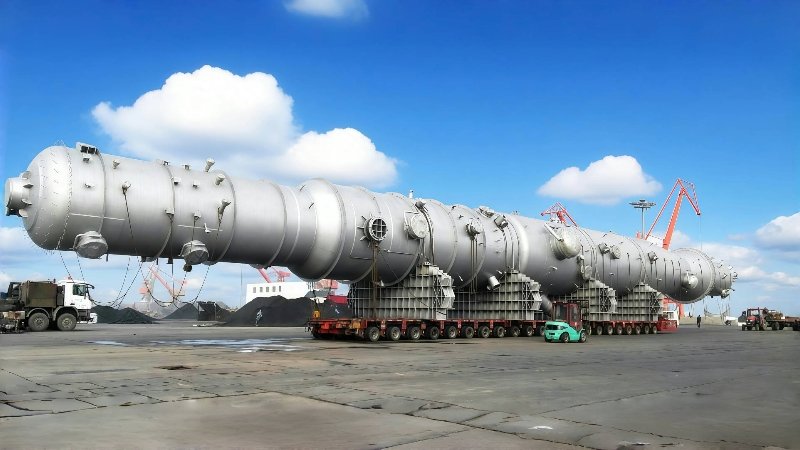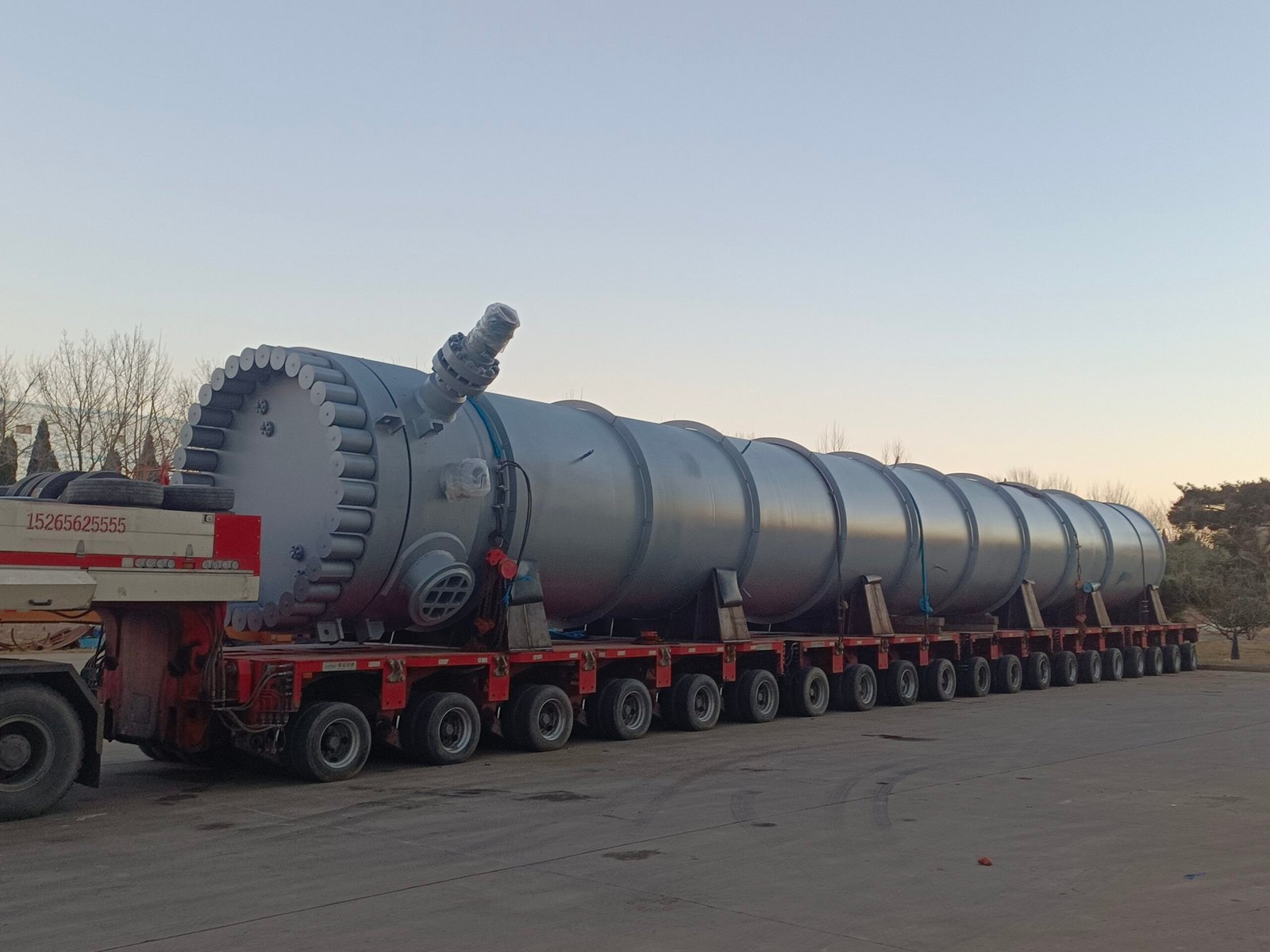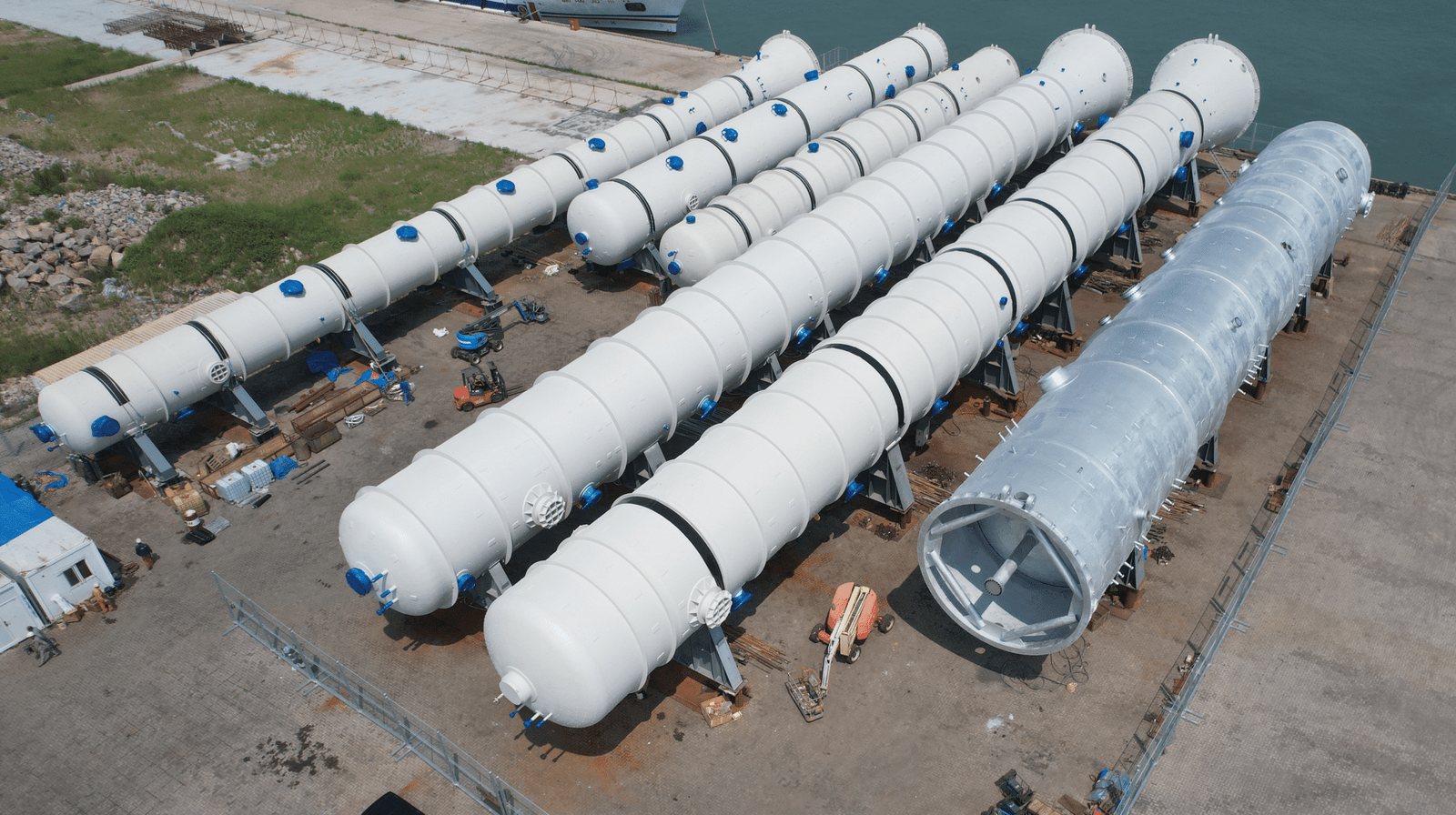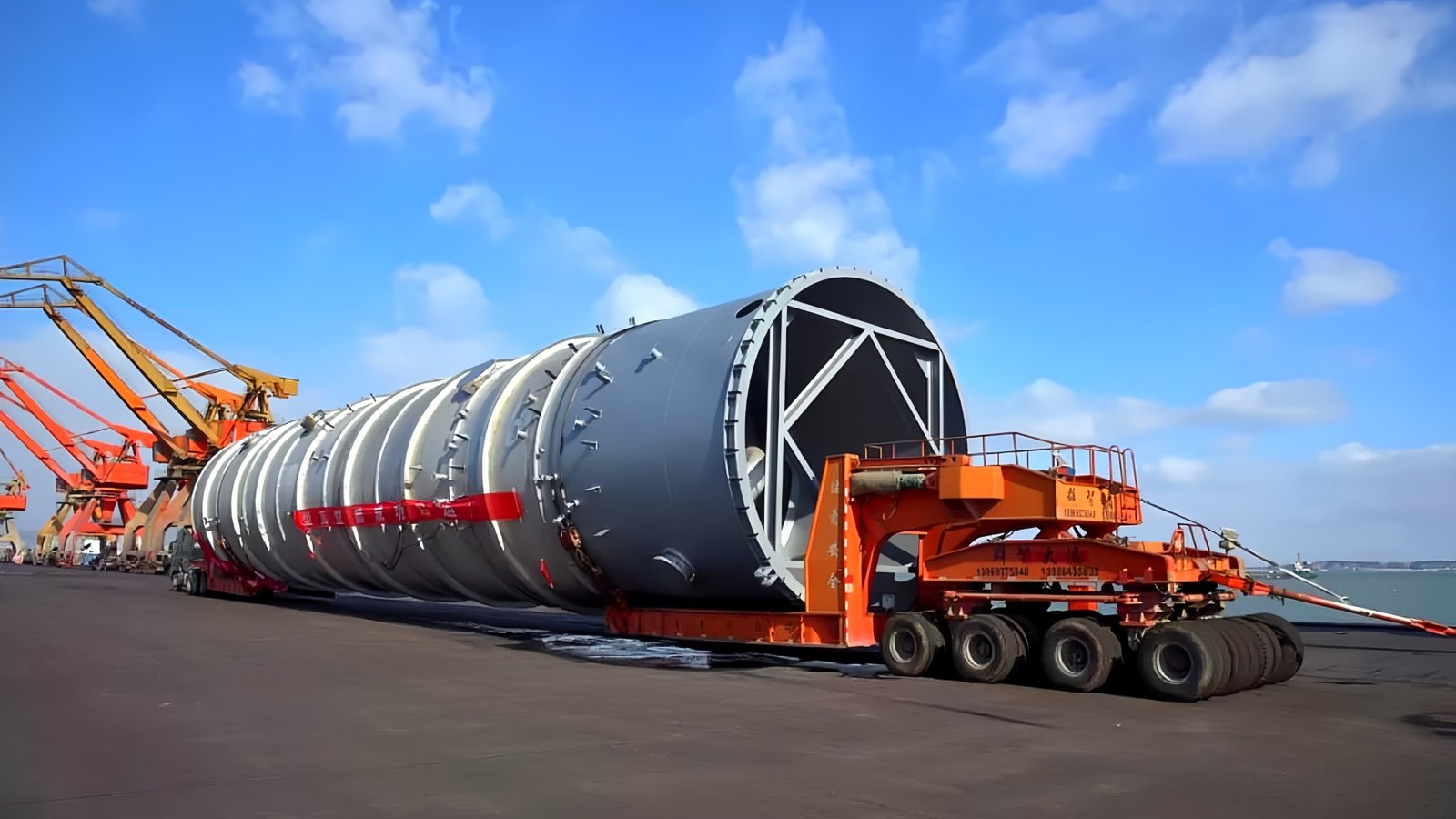


In critical process industries—like petrochemicals, power generation, and offshore oil & gas—every hour of downtime equals lost revenue and every leak introduces safety, environmental, and compliance risks. Traditional bolted channel heat exchangers often require extensive disassembly, retorquing, and gasket replacements during maintenance, which not only increases service time but also introduces potential for human error and leaks. In contrast, Breech Lock Type Heat Exchangers offer a faster, safer, and more robust alternative, especially in high-pressure or high-temperature environments.
A Breech Lock Type Heat Exchanger reduces downtime and leakage risks by replacing conventional bolted flanges with an internal locking system that allows tool-free, fast disassembly and reassembly. This design eliminates the need for multiple high-torque bolts, minimizes gasket exposure, and ensures uniform sealing pressure, drastically reducing the risk of leaks and shortening maintenance windows.
Let’s examine how Breech Lock designs outperform bolted channels in real-world industrial conditions, and why they are preferred for mission-critical applications.
Breech Lock heat exchangers eliminate the need for any gaskets.False
While Breech Lock designs minimize gasket exposure and points of failure, gaskets are still used at specific sealing interfaces, especially at high-pressure junctions.
Key Differences Between Breech Lock and Bolted Channel Designs
| Feature | Bolted Channel Design | Breech Lock Design |
|---|---|---|
| Access Type | Flange with dozens of bolts | Internal locking ring, no external bolts |
| Disassembly Time | High (several hours) | Low (minutes) |
| Leak Points | Multiple gasket interfaces | Minimal, single gasket at locking head |
| Torque Management | Requires high-torque tightening tools | No external torque required |
| Personnel Requirement | Multiple technicians and tools | Fewer personnel, simpler tools |
| Pressure Class Suitability | Up to moderate pressure levels | Ideal for high-pressure (100+ bar) systems |
How the Breech Lock Mechanism Works
A Breech Lock design replaces traditional bolt-on covers with a bayonet-style closure system, similar to the breech of a naval cannon.
Components:
- Locking Ring: Internally threaded or grooved to engage with the channel cover
- Rotating Head or Closure: Presses into the locking mechanism with a small rotation (usually <90°)
- Anti-Rotation Pins: Secure the cover under pressure
- O-Rings or Gaskets: Sealing occurs at a single internal gasket point
Operational Advantage:
- Access to the tube bundle can be achieved in less than 30 minutes
- No need to torque 24–60 bolts in a uniform sequence
- Reduces the risk of over-torquing, gasket extrusion, or misalignment
Downtime Comparison: Realistic Service Scenario
| Task | Bolted Channel (Time Required) | Breech Lock (Time Required) |
|---|---|---|
| Loosening Bolts | 1–2 hours | Not required |
| Cover Removal | 30–60 minutes | 10–15 minutes |
| Bundle Extraction | 30–60 minutes | 30 minutes |
| Gasket Replacement | 30–60 minutes | 10 minutes (if required) |
| Reassembly & Retorquing | 2–3 hours | 20–30 minutes |
| Total Service Time | 6–8 hours | 1–1.5 hours |
Downtime Reduction:
Breech Lock exchangers can reduce maintenance time by over 80%, especially during shutdowns or turnarounds.
Leakage Risk Reduction
Leakage often occurs due to:
- Uneven bolt torque
- Gasket degradation or extrusion
- Thermal expansion affecting flanged seals
Breech Lock Design Advantages:
- Uniform sealing due to axial pressure of the locking mechanism
- Fewer gaskets mean fewer potential leak paths
- Internal compression ensures consistent sealing during thermal cycling
| Factor | Bolted Channel Risk | Breech Lock Risk |
|---|---|---|
| Gasket Misalignment | High | Low |
| Thermal Cycling Impact | High | Moderate–Low |
| Torque-Related Failure | High | Eliminated |
| Seal Repeatability (Multi-use) | Moderate | High |
Breech Lock exchangers provide more consistent sealing pressure than bolted flanges.True
The internal locking mechanism applies even axial pressure, reducing stress concentrations and improving seal integrity.
Ideal Applications for Breech Lock Heat Exchangers
| Industry | Use Case | Reason for Choosing Breech Lock |
|---|---|---|
| Oil & Gas (Offshore) | High-pressure gas coolers | Space-saving, fast maintenance |
| Petrochemical Plants | Hydrogenation reactors | Hydrogen sealing, frequent cleaning |
| Pharmaceutical Manufacturing | Clean steam condensers | Fast access, minimal leak risk |
| Nuclear or Power Plants | High-pressure feedwater heaters | Safety-critical, code-compliant design |
Case Study: Breech Lock Exchanger in Hydrogen Service
Client: Petrochemical plant producing hydrogen
Original Design: Bolted channel, 16 hours of downtime for bundle cleaning
Problems:
- High labor cost
- Gasket leaks due to bolt over-torque
- Inconsistent sealing in cycling conditions
Solution:
Switched to Breech Lock exchanger with 316L bundle and Inconel-cladded channel head
Results:
- Bundle access time reduced from 16 hrs → 2 hrs
- Zero leaks in 3-year operation
- Maintenance frequency reduced by 50%
- ROI achieved in 14 months
Summary Comparison Table
| Feature | Bolted Channel | Breech Lock |
|---|---|---|
| Maintenance Time | Long | Short |
| Leak Potential | High | Low |
| Required Tools | Torque wrenches, jacks | Lock wrench or spanner |
| Manpower Requirement | 3–4 technicians | 1–2 technicians |
| Sealing Surface Exposure | Multiple | Minimal |
| Gasket Costs | High (multiple per job) | Low (fewer, reusable) |
| Pressure Handling | Up to ~100 bar | >150 bar capable |
Conclusion
Breech Lock Type Heat Exchangers offer a superior mechanical design that drastically reduces downtime and leakage risks when compared to bolted channel exchangers. By eliminating external bolting and simplifying gasket sealing, Breech Lock units are ideal for high-pressure, cyclic, or maintenance-intensive applications. While the initial cost may be higher, the long-term savings in operational uptime, gasket replacements, and safety far outweigh the investment.
💡 If your operation demands minimal downtime, tight sealing reliability, or frequent cleaning, a Breech Lock exchanger is your best option.
Breech Lock heat exchangers are ideal for high-maintenance and high-pressure services.True
Their quick-opening mechanism and robust sealing make them perfect for applications requiring frequent inspection or operating under high pressures.
📩 Considering a Breech Lock heat exchanger upgrade or retrofit?
Contact our engineering team today—we’ll help you design the right solution for safer, faster, and leak-free operations.
References
- Breech Lock Heat Exchanger Design – API Heat Transfer
- Breech Lock vs. Bolted Channel Comparison – Exchanger Industries
- TEMA Standards for Heat Exchangers – Tubular Exchanger Manufacturers Association
- Understanding Shell and Tube Heat Exchangers – Chemical Engineering Resources
- Corrosion Risks in Heat Exchangers – Corrosionpedia