

What Is the Definition of Reactors as Pressure Vessels in Process Plants?

In many chemical, petrochemical, fertilizer, and refining plants, reactors are discussed mainly from a reaction or process-performance perspective, while their identity as pressure vessels is not given equal weight. This lack of structural clarity often leads to fragmented engineering decisions, where chemical design, mechanical design, and regulatory compliance are treated as separate topics. The consequences […]
What Materials Are Used for the Construction of Reactors, and Are They Corrosion-Resistant for the Intended Chemicals?
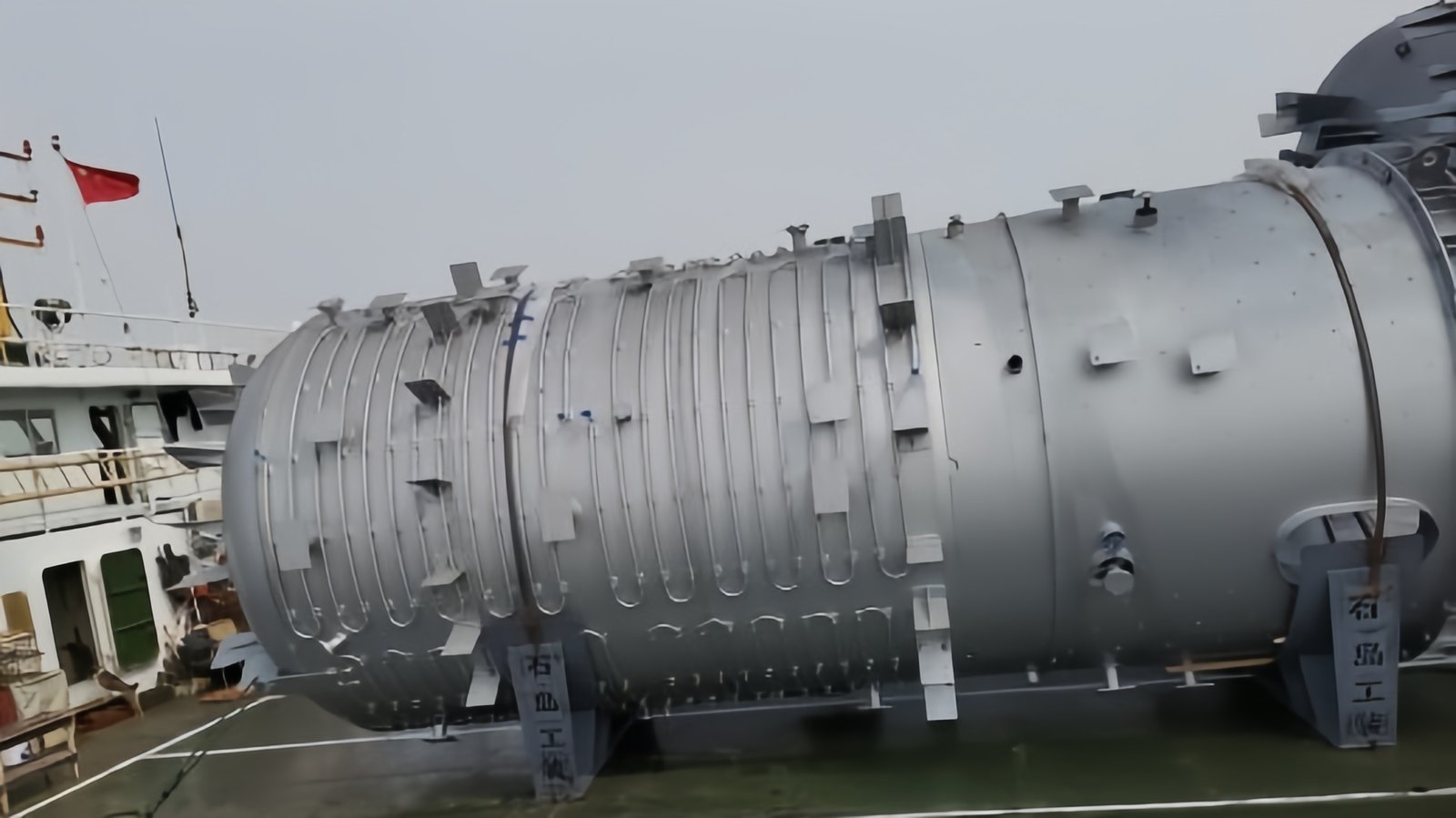
When dealing with chemical processing and reactor design, a critical pain point for manufacturers and engineers is material failure due to corrosion. If a reactor is constructed from incompatible materials for its chemical media, the results can be catastrophic: production halts, equipment degradation, safety hazards, and massive repair costs. The primary concern is: Are the […]
What role do Reactors play in polymerization, hydrogenation, and oxidation processes?
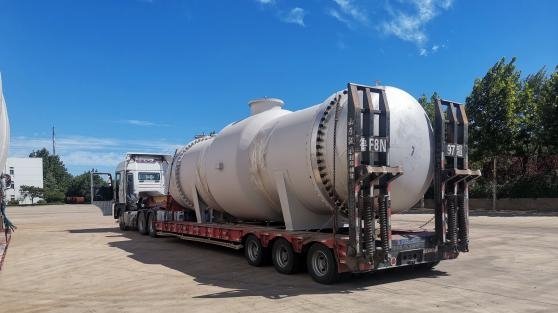
In the vast world of chemical processing, industrial plants depend heavily on the efficiency, reliability, and precision of chemical reactors. Without properly designed and optimized reactors, key processes such as polymerization, hydrogenation, and oxidation would become economically unfeasible or even technically impossible. Poor reactor selection or operation can lead to uncontrollable reaction rates, safety risks, […]
What type of catalyst support system is used inside the Hydrocracking Reactors (e.g., trays, support grids, inert balls)?
In the heart of hydrocracking units—whether for diesel, jet fuel, or naphtha upgrading—the reactor internals play a vital role in ensuring catalyst integrity, flow distribution, and operational safety. When improperly selected or installed, catalyst supports can collapse, cause maldistribution, pressure drops, or even lead to total reactor failure. This results in millions of dollars in […]
What Are Reactors and How Do They Work?
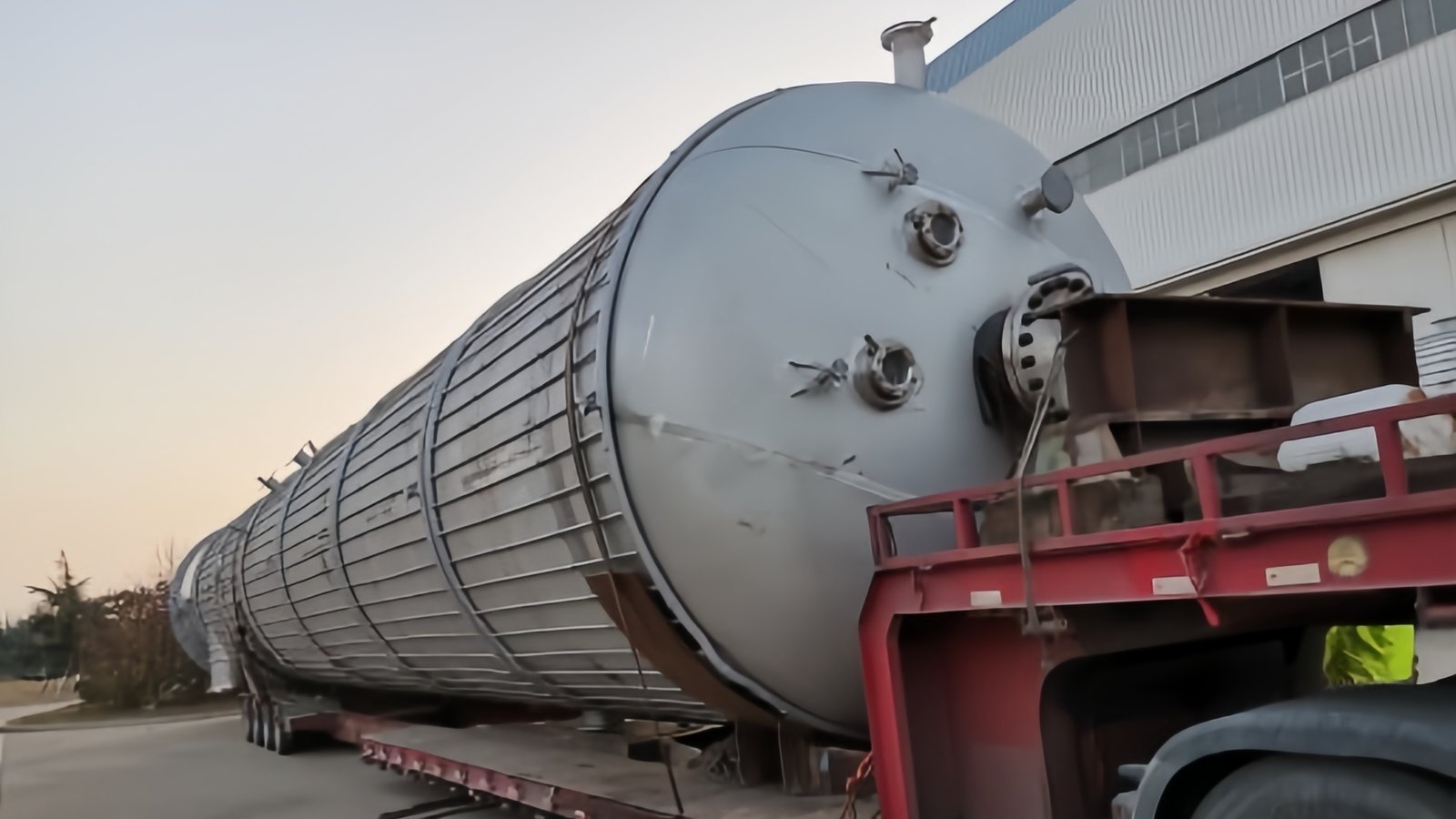
In a world increasingly reliant on clean and consistent energy, understanding how nuclear reactors work is essential for industries, policymakers, and consumers alike. Misconceptions about their safety, complexity, and environmental impact often lead to fear or hesitation around nuclear power. Yet, reactors are one of the most efficient and powerful sources of energy when properly […]
What Are Reactors in Pressure Vessel Manufacturing and Why Are They Important?
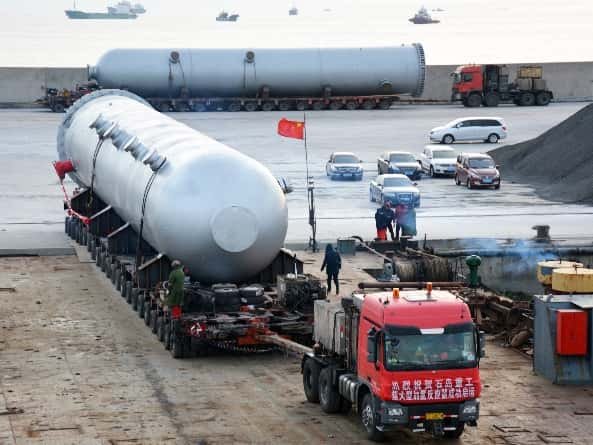
In industries such as chemicals, pharmaceuticals, petrochemicals, and energy, high-performance processing equipment is essential for operational efficiency and safety. Among the most critical components is the reactor—an advanced pressure vessel used to carry out and control chemical reactions under specific temperature and pressure conditions. Many customers are unsure about what defines a reactor, how it […]
Hydrocracking Reactor: The Heart of Modern Refining
Introduction In today’s refining industry, one of the biggest challenges is how to maximize high-quality fuel yield from increasingly heavier, more sulfur-rich crude oils. Traditional catalytic cracking methods alone are insufficient, often producing high-sulfur, lower-value products. This is where the hydrocracking reactor plays a crucial role. By combining hydrogenation and cracking in one process, hydrocracking […]