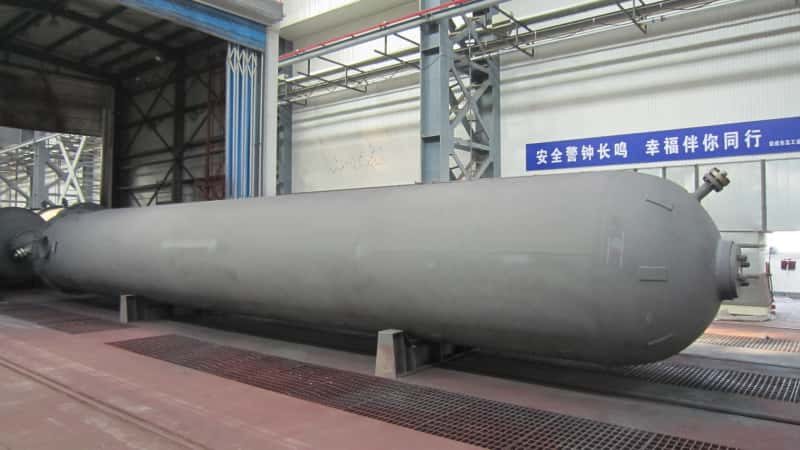

In industrial processing environments, inefficiencies in separation, purification, or reaction stages often lead to product loss, safety risks, and skyrocketing operational costs. Many plants struggle with these problems due to inadequate or misapplied equipment — especially when it comes to vertical vessels like process towers and columns. Understanding the practical applications of these essential components is key to optimizing system performance and achieving reliable throughput. This article explores where and how process towers and columns are used across different industries and why they are critical for efficient plant operation.
Process towers and columns are commonly used in chemical, petrochemical, oil & gas, pharmaceutical, food processing, and environmental industries for operations such as distillation, absorption, stripping, extraction, and scrubbing. Their purpose is to facilitate phase separation or chemical interaction within a controlled environment, enabling purification, recovery, or conversion of products.
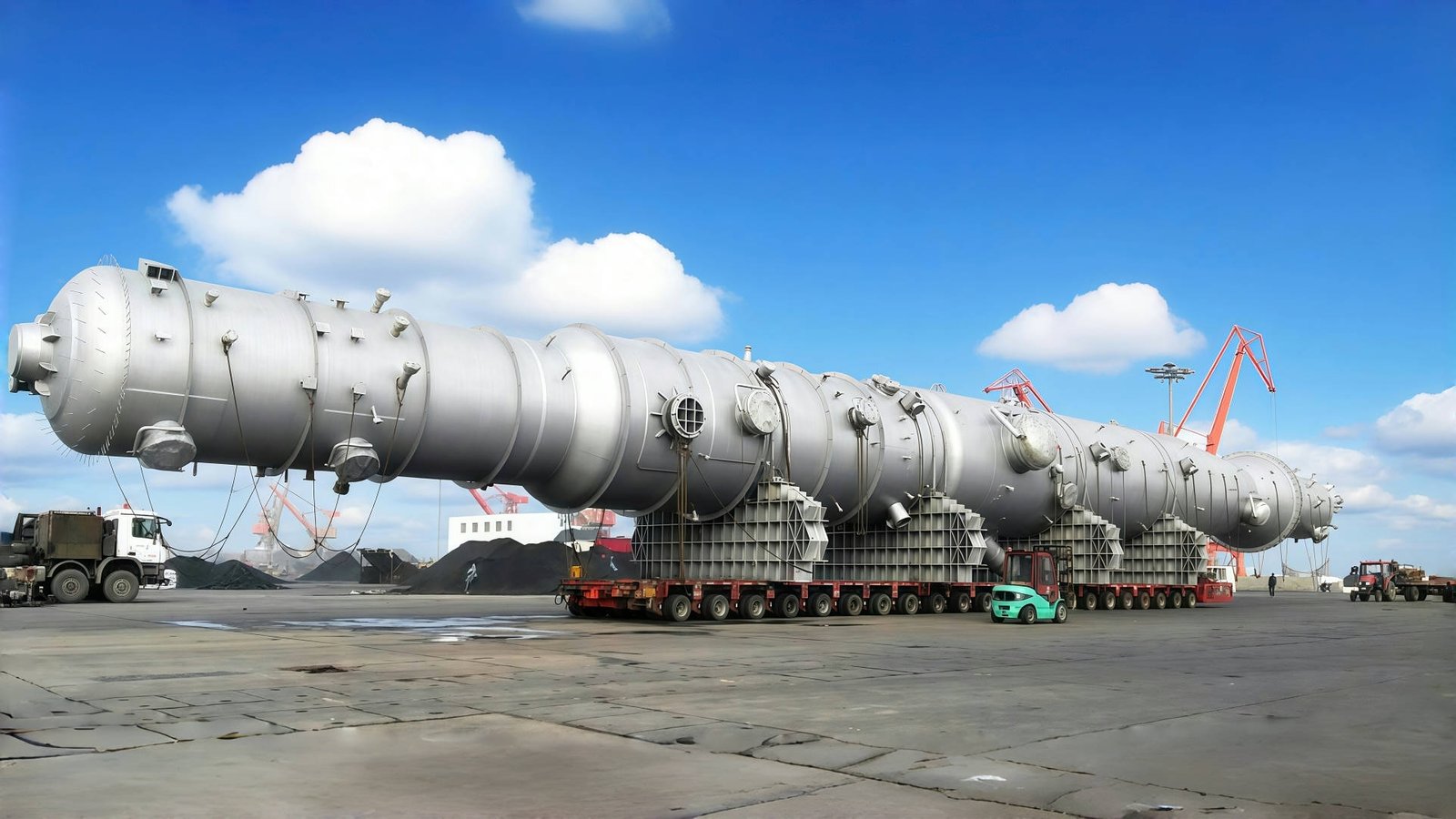
These vertical vessels are not one-size-fits-all—they are engineered for specific functions that directly impact production quality and efficiency. Let’s dive deeper into the different types and their roles across major industries to understand how they add value and where they are indispensable.
What Are Process Towers and Columns Used for in the Chemical Processing Industry?
In the chemical processing industry, manufacturers often face critical challenges when handling complex mixtures of chemicals and gases: how to efficiently separate, purify, or react these substances without excessive energy use, equipment fouling, or regulatory violations. Poor separation results in low product purity, excess waste, and skyrocketing production costs. Process towers and columns are designed to solve these exact problems—they provide a controlled environment for thermal, mass transfer, or chemical reactions to occur continuously and efficiently. From petrochemicals to pharmaceuticals, these vertical vessels are at the core of material transformation and recovery processes. This article will walk you through their types, mechanisms, and crucial roles in industrial chemical workflows.
Process towers and columns are vertical vessels used in the chemical processing industry for separating, purifying, and reacting chemical mixtures. These structures enable processes such as distillation, absorption, stripping, extraction, and chemical reaction by exploiting differences in physical or chemical properties—like boiling point, solubility, or reactivity—between components. They are essential for producing high-purity end products, recovering valuable materials, and ensuring operational safety and efficiency in continuous industrial processes.
If you want to maximize efficiency and product yield in your chemical plant, understanding the specific functions and design principles of these towers is essential. Each type of tower has its unique operating mode, internal configuration, and performance metrics that directly impact process outcomes.
Process towers and columns are mainly used for the separation of chemical mixtures.True
These towers utilize various separation techniques like distillation, absorption, and stripping, all aimed at isolating or purifying chemical components.
1. Distillation Columns: Backbone of Separation
Distillation columns are among the most widely used towers in the industry. Their primary function is to separate liquid mixtures based on differences in component boiling points. The feed mixture is partially vaporized and enters the column, where ascending vapors and descending liquids interact across trays or packing, achieving component separation.
There are two main modes:
- Continuous distillation, often used in petrochemicals or solvents production.
- Batch distillation, suited for fine chemicals or pharmaceuticals.
| Column Component | Function |
|---|---|
| Trays or Packing | Promote contact between vapor and liquid phases |
| Reboiler | Supplies heat from the bottom to generate vapors |
| Condenser | Liquefies top vapor for reflux or collection |
| Feed Stage | Where the mixture is introduced into the system |
Efficiency depends on factors like reflux ratio, number of stages, tray design, and pressure.
2. Absorption Towers: Gas Capture and Purification
Absorption columns are used to remove specific components from a gas stream by contacting it with a liquid absorbent. For example, capturing ammonia from process gases using water, or removing acidic gases like H₂S using an amine solvent.
These towers typically feature:
- Counter-current flow between gas (upward) and liquid (downward)
- Random or structured packing to increase surface area
- Demisters and redistributors to ensure efficient phase contact
| Common Absorption Applications | Absorbent Type |
|---|---|
| CO₂ or H₂S removal from gases | MEA, DEA, MDEA (amines) |
| NH₃ scrubbing | Water |
| VOC control in air | Organic solvents |
Proper solvent selection and tower sizing are crucial for high efficiency and low solvent loss.
3. Stripping Towers: Volatile Component Recovery
Stripping is the reverse of absorption. Here, volatile components are removed from a liquid using a stripping gas, often steam or inert gas. These towers are used to regenerate solvents, recover volatile organic compounds, or strip residual monomers from polymer slurries.
| Typical Stripping Processes | Stripping Medium |
|---|---|
| Solvent regeneration | Steam |
| Ethanol removal from biomass | Nitrogen |
| Ammonia removal from wastewater | Air |
Design depends on temperature profiles, gas-liquid flow rates, and component volatility.
4. Liquid-Liquid Extraction Towers: Separation Without Boiling
Where distillation is infeasible (e.g., for close-boiling or thermally unstable compounds), liquid-liquid extraction towers are used. These towers enable separation based on component solubility in two immiscible liquids.
Common tower types:
- Rotating Disc Contactors (RDCs)
- Pulsed columns
- Packed extraction columns
| Feature | Benefit |
|---|---|
| No boiling required | Gentle on heat-sensitive compounds |
| Multistage contact | High separation efficiency |
| Small footprint | Ideal for fine chemical applications |
5. Reactor Towers: For Chemical Conversions
These towers contain catalysts or heat zones where chemical reactions are conducted under controlled conditions. Applications range from nitration and chlorination to catalytic hydrogenation.
Key design elements:
- Fixed or fluidized catalyst beds
- Precise temperature and pressure control
- Gas-liquid-solid contact optimization
They are widely used in processes such as alkylation, reforming, and oxidation.
6. Material, Safety, and Design Considerations
Process towers are subject to stringent mechanical and chemical performance requirements:
| Factor | Design Implication |
|---|---|
| Corrosive media | Requires stainless steel, PTFE lining |
| High pressure or vacuum | Thick wall construction, ASME design codes |
| Explosion risk | Requires venting, grounding, and interlocks |
| Thermal stress | Expansion joints and insulation systems |
Design must comply with standards like ASME Section VIII, API 650, and ISO 9001-certified fabrication.
7. Energy & Efficiency Optimization
Proper tower integration and energy recovery systems can dramatically improve plant efficiency:
Estimated Energy Use (kWh/ton of product)
| Distillation Column:      █████████ 900
| Absorption Tower:         █████ 450
| Stripping Column:         ███████ 650
| Extraction Column:        ███ 300
| Reactor Tower:            ███████████ 1200
Energy optimization strategies include:
- Heat integration (reboiler-condenser loops)
- High-efficiency structured packing
- Advanced process control (APC) for dynamic operations
8. Application-Specific Case Study: Solvent Recovery in API Production
A pharmaceutical company uses a multi-tower system to recover ethanol and isopropanol from reaction mixtures:
- Distillation column separates water and IPA under vacuum
- Stripping column removes traces of water
- Absorption tower recovers fugitive VOCs from off-gas
Result:
- > 99.5% solvent purity
- > 80% solvent recovery
- 20% reduction in fresh solvent cost
Such configurations are increasingly common in high-purity, high-value manufacturing lines.
Process towers and columns are not generic equipment—they are core, high-performance units that enable modern chemical manufacturing to be precise, scalable, and sustainable. Their versatility spans virtually every major sector, from basic chemicals and polymers to biotech and renewable energy.
Need help designing or sourcing process towers for your chemical operation?
We provide complete engineering, manufacturing, and support for custom-built distillation, absorption, stripping, and reactor towers, fully optimized for your specific feedstock, flowrate, and purity targets.
👉 Contact us today to request a quote or engineering consultation with our expert team.
How Are Process Towers and Columns Applied in the Oil & Gas Sector?
In oil and gas operations, processing raw hydrocarbons into usable, high-value products such as gasoline, diesel, natural gas, and petrochemical feedstocks presents major technical challenges. If not managed correctly, the consequences include reduced yield, poor product quality, higher operational costs, and even safety or environmental hazards. At the core of solving these challenges are process towers and columns—large vertical vessels that facilitate separation, purification, and chemical transformation under tightly controlled conditions. From crude oil fractionation to natural gas treatment and catalytic cracking, these towers are essential to every major stage of petroleum processing. This article will detail their functions, configurations, and applications throughout the oil and gas value chain.
Process towers and columns are essential units in oil and gas facilities for separating, purifying, and chemically transforming hydrocarbon mixtures. Atmospheric and vacuum distillation columns separate crude oil into its component fractions based on boiling point, while absorber towers remove contaminants like CO₂ and H₂S from natural gas. Stripping columns regenerate solvents, and reactor towers enable catalytic cracking or desulfurization. These towers form the backbone of refining and gas processing operations by ensuring product purity, maximizing yield, and supporting environmental compliance.
If you’re an engineer, plant operator, or investor evaluating refinery or gas plant infrastructure, understanding the specific roles of each tower type—and how they integrate—is key to optimizing operational efficiency and long-term performance.
Process towers and columns are primarily used to separate hydrocarbon mixtures in refineries and gas plants.True
Each tower is designed to perform a specific role such as distillation, absorption, stripping, or reaction, based on physical and chemical differences within the mixture.
1. Atmospheric Distillation Towers: Crude Oil Pre-Fractionation
This is the first tower in any refinery operation. Crude oil is preheated to about 370°C and introduced into the distillation tower, where lighter hydrocarbons vaporize and rise through the column while heavier ones remain at the bottom. Internal trays or structured packing facilitate heat and mass transfer, allowing separation by boiling point.
| Product Drawn Off | Boiling Range (°C) | Application |
|---|---|---|
| LPG | <30 | Fuel gas, blending |
| Naphtha | 30–180 | Gasoline production |
| Kerosene | 180–250 | Jet fuel |
| Diesel | 250–350 | Automotive and industrial fuel |
| Atmospheric Residue | >350 | Sent to vacuum distillation unit |
The tower design typically includes 30–60 trays, a reboiler, and a condenser system. Reflux control optimizes separation.
2. Vacuum Distillation Towers: Heavy Residue Processing
Atmospheric residue cannot be further separated at normal pressure without cracking. Vacuum towers reduce the pressure to 40–100 mmHg to allow further separation at lower temperatures.
Products recovered include:
- Light and heavy vacuum gas oils (used in FCC or hydrocrackers)
- Vacuum residue (used in asphalt or coking units)
Key features:
- Larger diameter to manage lower vapor density
- Steam ejectors for vacuum creation
- Anti-fouling internal designs to handle high-viscosity fluids
3. Absorber Towers: Gas Sweetening and Acid Gas Removal
Natural gas often contains acidic impurities like CO₂ and H₂S, which must be removed for safety, efficiency, and compliance. In absorber towers, sour gas flows upward through a column packed or filled with trays, while a chemical solvent (commonly MDEA or DEA) flows downward.
| Component Removed | Typical Solvent | Removal Efficiency |
|---|---|---|
| CO₂ | MDEA | Up to 98% |
| H₂S | DEA or MEA | Up to 99% |
Absorber towers are designed for high pressure (up to 70 bar) and require corrosion-resistant materials and vent gas control.
4. Stripping Columns: Solvent Regeneration
After absorption, the solvent becomes “rich” with contaminants and needs to be regenerated. This is where stripping towers come in. They reheat the solvent and pass a stripping gas (usually steam) upwards to remove absorbed gases.
| Application | Operating Temperature | Recovered Components |
|---|---|---|
| Amine regeneration | 90–120°C | CO₂, H₂S |
| Ethanol recovery from slurries | 60–90°C | Ethanol, water |
| VOC stripping from wastewater | 80–110°C | Benzene, toluene |
Design includes reboilers, temperature control, and anti-foam systems.
5. Reactor Towers: Catalytic Cracking and Hydrotreating
Reactor towers are critical for chemical transformations in refining processes such as:
- Hydrotreating, which removes sulfur, nitrogen, and metals from diesel or naphtha.
- Fluid Catalytic Cracking (FCC), which converts heavy gas oil into gasoline, LPG, and olefins.
These towers operate under:
- Temperatures of 300–550°C
- Pressures from 20 to 80 bar
- Catalyst systems such as CoMo or zeolites
Design involves fixed beds, multi-phase flow, and integrated heat recovery.
6. Integrated Process Flow in a Modern Refinery
A complete refinery typically includes a network of these towers working together:
| Step | Tower Type | Purpose |
|---|---|---|
| Crude fractionation | Atmospheric distillation | Initial separation of crude |
| Residue processing | Vacuum distillation | Extract gas oils from heavy residue |
| Gas purification | Absorber tower | Remove acid gases from fuel gas |
| Solvent regeneration | Stripping column | Reuse amine solvents |
| Fuel upgrading | Reactor tower (HDT, FCC) | Remove sulfur, break large molecules |
Example: A 250,000 bpd refinery may have 2 atmospheric columns, 1 vacuum unit, 4 absorber-stripping pairs, and 3 reactor towers operating continuously.
7. Energy and Performance Metrics
Estimated Energy Use (kWh/ton of throughput)
| Atmospheric Distillation: █████████ 850
| Vacuum Distillation:      ███████████ 1050
| Absorber Tower:           ██████ 500
| Stripper Tower:           ███████ 650
| Reactor Tower:            ████████████ 1200
Energy optimization includes:
- Heat recovery between towers (e.g., reboiler-condenser integration)
- Advanced process control (APC) for tower pressure, reflux ratio, and feedrate
- Catalyst regeneration and solvent recycle systems
8. Material and Safety Considerations
Towers in oil and gas plants must endure high temperatures, pressures, and chemical exposure:
| Challenge | Solution |
|---|---|
| H₂S corrosion | Use of stainless steel or Incoloy |
| High temperature | Insulation and refractory linings |
| High pressure | ASME Section VIII-rated pressure vessels |
| Vapor release risk | Pressure relief valves, flare systems |
Failure to meet design codes can result in hazardous leaks, fire risk, or catastrophic shutdowns.
9. Real-World Case Study: Gas Processing Unit in the UAE
At a 200 million SCFD natural gas plant:
- 4 absorber towers remove CO₂ using MDEA
- Rich MDEA is regenerated in 2 stripping towers
- Output sweet gas meets export spec of <2% CO₂
Savings:
- 30% solvent cost reduction via recycle
- > 99% acid gas removal achieved consistently
10. Tower Selection Guide Based on Process
| Application | Recommended Tower Type | Process Objective |
|---|---|---|
| Crude oil separation | Atmospheric distillation | Separate by boiling point |
| Heavy residue recovery | Vacuum distillation | Lower temp separation at reduced pressure |
| Gas treatment | Absorber tower | Remove acid gases with solvents |
| Solvent recovery | Stripping column | Strip volatile compounds |
| Chemical conversion | Reactor tower | Catalytically transform hydrocarbons |
Process towers and columns are the structural and functional foundation of oil and gas processing facilities. From the initial separation of crude to the final upgrading of fuels, these vessels are tailored to handle extreme conditions and high-throughput demands with precision and safety. Understanding their role enables better design decisions, energy savings, and production efficiency.
Looking to design or optimize process towers for your oil & gas facility?
We offer custom-built towers, engineering consultation, and manufacturing solutions tailored for distillation, absorption, stripping, and catalytic processing in upstream and downstream operations.
👉 Contact us today for a custom quote or technical support.
What Roles Do Process Towers and Columns Play in Environmental and Waste Treatment Applications?
Industrial operations generate various forms of pollutants—airborne VOCs, acidic gases, toxic solvents, and contaminated process water—that, if not managed properly, lead to environmental damage, legal liabilities, and operational shutdowns. For companies striving to meet strict emission and waste discharge regulations, failure to implement effective separation and purification systems can be devastating. Process towers and columns offer one of the most efficient and scalable solutions to this challenge. These vertical units are designed to strip, absorb, or react contaminants from gas or liquid streams, making them indispensable in air pollution control, solvent recovery, wastewater treatment, and chemical neutralization. This article explores how towers and columns are applied in environmental protection and industrial waste management settings.
Process towers and columns play essential roles in environmental and waste treatment by enabling the separation, absorption, stripping, and neutralization of pollutants from gas and liquid waste streams. Absorption towers remove harmful gases like SO₂, NOₓ, and H₂S; stripping towers eliminate volatile organic compounds (VOCs) from wastewater; and chemical reactor towers neutralize hazardous compounds through oxidation or reduction. These systems support regulatory compliance, reduce environmental impact, and recover valuable materials from waste streams.
As industries transition toward sustainability and zero-discharge operations, understanding the strategic function of each tower type in environmental engineering is critical for effective design and implementation of treatment systems.
Process towers and columns are commonly used to treat environmental pollutants in industrial facilities.True
These towers use mass transfer and chemical principles to remove contaminants from gas and liquid waste, playing a central role in environmental compliance.
1. Absorption Towers in Air Pollution Control
Absorber towers are extensively used to remove gaseous pollutants from flue gas or process emissions. In a typical gas scrubbing system, the contaminated gas stream enters the bottom of the tower and rises while a counter-current liquid solvent (often water or a caustic/acidic solution) flows down from the top.
Common targets for removal include:
- Sulfur dioxide (SO₂)
- Hydrogen sulfide (H₂S)
- Ammonia (NH₃)
- Nitrogen oxides (NOₓ)
- Volatile organic compounds (VOCs)
| Pollutant | Typical Absorbent Used | Removal Efficiency (%) |
|---|---|---|
| SO₂ | Sodium hydroxide (NaOH) | 90–99 |
| NH₃ | Water or dilute acids | 95–99 |
| H₂S | Caustic or MDEA solution | 98–99 |
| VOCs | Organic or aqueous solvents | 80–98 |
Design considerations include packed vs. tray towers, solvent recirculation, and mist eliminators.
2. Stripping Towers in Wastewater Treatment
Stripping towers remove volatile pollutants from contaminated liquid streams, particularly in industrial wastewater treatment plants. These towers typically use air or steam as the stripping medium to drive volatile compounds from the liquid phase into the gas phase.
Common applications include:
- Removal of benzene, toluene, xylene (BTX) from petrochemical wastewater
- Ammonia stripping from leachate or fertilizer effluent
- Solvent stripping in pharmaceutical or semiconductor industries
| Process Target | Stripping Gas | Typical Efficiency (%) |
|---|---|---|
| Ammonia | Steam or air | 85–98 |
| Methanol | Air | 80–95 |
| VOCs (e.g., acetone) | Nitrogen or air | 90–98 |
Key design parameters include tower height, gas-to-liquid ratio, operating temperature, and packed material type.
3. Chemical Reactor Towers for Hazardous Waste Neutralization
These towers are used to treat hazardous substances through chemical reaction. Depending on the waste type, reactor towers may promote oxidation, reduction, or acid-base neutralization reactions.
Examples:
- Oxidation of cyanide-containing wastewater using sodium hypochlorite
- Reduction of hexavalent chromium to trivalent chromium
- Neutralization of acidic industrial effluents with lime slurry
Features of chemical reactor towers include:
- Multiple reaction zones or compartments
- Internal baffles or agitators
- Temperature and pH monitoring
- Corrosion-resistant construction (e.g., FRP or lined steel)
4. Odor Control Using Packed Towers
Odorous compounds such as hydrogen sulfide, mercaptans, and amines are frequently emitted from wastewater treatment plants, food processing units, or chemical storage areas. Packed towers filled with activated carbon, zeolites, or chemical absorbents are used to remove these malodors from exhaust gases.
| Odorous Compound | Media or Solution Used | Removal Mechanism |
|---|---|---|
| H₂S | NaOH + oxidizing agent | Chemical absorption |
| Mercaptans | Activated carbon | Adsorption |
| Amines | Sulfuric acid solution | Neutralization |
These towers are often installed as part of air handling or biofiltration systems to ensure workplace safety and community odor compliance.
5. Solvent Recovery Systems in Green Manufacturing
In industries where large amounts of organic solvents are used—such as paints, coatings, and electronics manufacturing—recovery through distillation or stripping towers helps reduce environmental discharge and solvent purchase costs.
- Condensable solvents (e.g., ethanol, acetone) are recovered via distillation towers.
- Low-boiling, volatile solvents are recovered through stripping towers.
Recovered solvents can often be reused in the process, closing the loop on hazardous waste.
| Industry Sector | Solvent Recovered | Tower Type |
|---|---|---|
| Paint & coatings | Toluene, xylene | Stripping + distillation |
| Pharmaceuticals | IPA, methanol | Distillation |
| Semiconductors | Acetone, NMP | Vacuum distillation |
Energy integration with heat exchangers and vapor recompression is often used to reduce the footprint and cost.
6. Energy and Environmental Performance Metrics
Energy Consumption per Ton of Waste Treated (kWh)
| Absorption Tower:       ███████ 600
| Stripping Tower:        █████████ 800
| Reactor Tower:          ███████████ 1100
| Distillation Tower:     █████████ 950
| Odor Control Tower:     ████ 300
Carbon Impact Reduction: Proper use of towers can reduce greenhouse gas emissions by 20–50% compared to untreated venting or open disposal.
7. Key Materials and Compliance Standards
Environmental process towers must meet both operational and regulatory requirements:
| Consideration | Required Features |
|---|---|
| Corrosive chemicals | FRP, PTFE-lined, or stainless steel construction |
| VOC containment | Sealed systems with condensers and scrubbers |
| Explosion protection | Intrinsically safe designs, grounding, pressure relief |
| Regulations | Must comply with EPA, OSHA, ISO 14001 standards |
8. Real-World Example: Waste Gas Treatment at a Petrochemical Plant
A petrochemical site processing ethylene and benzene implemented the following tower system:
- 2 packed absorption towers to scrub HCl and VOCs from vent gas
- 1 stripping column to recover acetone from wastewater
- 1 oxidizing reactor tower to neutralize residual ammonia
Result:
- 99.2% reduction in VOC emissions
- > 95% solvent recovery rate
- Zero environmental non-compliance events in 3 years
9. Tower Selection Summary for Environmental Applications
| Application | Recommended Tower Type | Target Contaminant or Process |
|---|---|---|
| Acid gas scrubbing | Absorption Tower | SO₂, HCl, NH₃ |
| VOC removal from water | Stripping Tower | Benzene, acetone |
| Cyanide oxidation | Chemical Reactor Tower | CN⁻ |
| Odor control | Packed Odor Scrubbing Tower | H₂S, mercaptans |
| Solvent recovery | Distillation or Stripping | IPA, toluene, acetone |
Process towers and columns are foundational to modern environmental engineering. They enable manufacturers to meet emission standards, reduce waste disposal costs, and recover valuable materials. Their versatility and scalability make them ideal for integrating into both new and retrofit environmental systems.
Looking to implement process towers in your environmental treatment system?
We provide custom design, fabrication, and turnkey solutions for air, water, and waste treatment using advanced tower technologies.
👉 Contact us today for a detailed proposal or technical consultation.
Why Are Towers and Columns Essential in Pharmaceutical and Biotech Production?
Precision, purity, and safety are non-negotiable in pharmaceutical and biotech manufacturing. If even trace contaminants or impurities remain in a drug compound or biologic substance, it can compromise therapeutic effectiveness or trigger harmful side effects. This puts immense pressure on producers to achieve ultra-high levels of purity, consistency, and regulatory compliance. Process towers and columns—including distillation units, chromatography columns, and gas stripping towers—play a critical role in enabling this level of control. These vertically oriented vessels help pharmaceutical and biotech manufacturers separate, purify, and concentrate both chemical and biological products with extreme precision. Without them, large-scale production of medicines, vaccines, and therapeutics would not be possible at the quality or scale required by the industry.
Towers and columns are essential in pharmaceutical and biotech production because they enable the precise separation, purification, and recovery of high-value compounds. Distillation columns purify solvents and remove residual solvents from products; chromatography columns separate complex biological mixtures like proteins and nucleic acids; stripping columns remove volatile impurities from drug formulations; and reactor towers facilitate sterile chemical transformations. These units ensure high purity, reproducibility, and regulatory compliance critical to safe drug and biologic manufacturing.
From lab-scale biopharmaceutical discovery to large-scale API production, these towers and columns are the backbone of clean, validated, and compliant processing environments. Understanding their roles and configurations is key for R&D engineers, production managers, and regulatory officers alike.
Chromatography and distillation columns are widely used in pharmaceutical and biotech industries to purify active ingredients.True
Both types of columns enable separation and purification processes critical for meeting pharmaceutical purity standards and ensuring drug safety.
1. Distillation Columns: Solvent Purification and Residual Solvent Removal
Pharmaceutical production relies heavily on high-purity solvents like ethanol, acetone, methanol, and isopropanol for reactions and cleaning. Distillation columns are used to:
- Purify incoming solvents to >99.9%
- Remove residual solvents from finished drug products
- Recover spent solvents for reuse
Typical configurations:
- Vacuum distillation to minimize thermal degradation
- Fractional distillation for multi-component solvent mixtures
- Wiped film evaporators for heat-sensitive compounds
| Application | Column Type | Required Purity (%) |
|---|---|---|
| Ethanol purification | Fractional distillation | ≥99.8 |
| Residual solvent stripping | Vacuum distillation | ≤0.01% remaining |
| Solvent recovery from API wash | Short-path distillation | ≥98.5 |
Designs follow GMP standards with clean-in-place (CIP) and steam-in-place (SIP) capabilities to maintain sterile environments.
2. Chromatography Columns: Biomolecule Separation and Purification
Biotech manufacturing—especially for therapeutic proteins, mRNA vaccines, monoclonal antibodies (mAbs), and enzymes—depends on chromatography columns for precision separation.
Types include:
- Affinity chromatography columns (e.g., Protein A) for antibody purification
- Ion exchange columns for charge-based separation
- Size exclusion columns for molecular size-based separation
| Biologic Product | Chromatography Method | Purity Achievable (%) |
|---|---|---|
| Monoclonal antibodies | Protein A, ion exchange | >99.5 |
| mRNA vaccines | Reverse-phase, SEC | >95 |
| Recombinant proteins | Affinity + hydrophobic int. | >98 |
Columns are packed with specialized resins (e.g., agarose beads, polymer matrices) and designed to handle sterile buffers, low shear stress, and precise elution protocols.
3. Stripping Towers: Volatile Impurity Removal
Stripping columns are applied in:
- Final formulation to remove residual solvents (e.g., dichloromethane, acetone)
- Purification of water for injection (WFI)
- VOC removal in GMP-grade water systems
Design must ensure:
- Minimal carryover
- High surface area contact (structured packing)
- Integration with vacuum and condensing systems
| Use Case | Stripping Gas | Typical Removal Efficiency |
|---|---|---|
| Dichloromethane removal from tablets | Nitrogen/Steam | >99% |
| VOC removal in WFI systems | Air or vacuum | >95% |
4. Reactor Towers for Sterile Synthesis and Biotransformations
These are vertically oriented vessels used in:
- API synthesis under sterile conditions
- Bioreactor fermentation towers for bacteria or cell culture
- Enzymatic reaction towers
They’re engineered for:
- Precise temperature and pH control
- Aseptic sampling and feed systems
- CIP/SIP and containment features
| Process Type | Reactor Tower Function | Sterility Requirement |
|---|---|---|
| API batch synthesis | Solvent-based chemical reactions | Aseptic zone |
| mAb fermentation | Cell culture growth & expression | Class 100 clean zone |
| Enzyme biocatalysis | pH-controlled enzymatic steps | Class 1000 clean zone |
Materials include electropolished stainless steel (SS316L), with gaskets and fittings certified for pharma use (FDA, USP Class VI).
5. Energy Efficiency and Product Yield Considerations
Energy Consumption Per Kg of Product (Estimated)
| Distillation Column:     █████████ 850 kWh
| Chromatography Column:   ██████████ 950 kWh
| Stripping Tower:         ███████ 700 kWh
| Reactor Tower:           ███████████ 1150 kWh
Yield Optimization:
- Multi-effect distillation systems reduce energy use by 20–40%
- Continuous chromatography (SMB systems) improves product yield by 10–30%
- Closed-loop solvent recovery reduces waste disposal costs
6. Compliance with Regulatory and Quality Standards
All towers and columns used in pharmaceutical and biotech must meet:
| Requirement | Compliance Protocol |
|---|---|
| Sterility | SIP validation, Class A airflow |
| Cleanability | CIP systems, surface RA < 0.5µm |
| Material compatibility | FDA-grade gaskets, SS316L |
| GMP and validation standards | EU GMP Annex 1, 21 CFR Part 210/211 |
| Documentation and traceability | IQ/OQ/PQ protocols |
In addition, systems are often 21 CFR Part 11 compliant, supporting electronic records and audit trails for process control and batch tracking.
7. Case Study: Biologic Purification Workflow
A biologics manufacturer producing monoclonal antibodies uses:
- Upstream: Bioreactor towers for CHO cell culture
- Midstream: Depth filtration followed by Protein A chromatography columns
- Downstream: Ion exchange and SEC columns for polishing
- Final step: Stripping tower to remove trace solvents before freeze-drying
Result:
- Final product purity >99.7%
- Batch-to-batch consistency within ±1%
- Fully validated process for FDA and EMA compliance
8. Tower Selection Summary for Pharma and Biotech
| Application Area | Recommended Tower Type | Primary Role |
|---|---|---|
| Solvent purification | Distillation Column | Solvent recovery, residue removal |
| Protein/mAb purification | Chromatography Column | High-selectivity biomolecule separation |
| VOC removal | Stripping Tower | Trace solvent removal from products |
| Fermentation | Bioreactor/Reaction Tower | Cell growth and product expression |
| API synthesis | Sterile Reaction Tower | Controlled synthesis under GMP |
Towers and columns are not only essential but irreplaceable in pharmaceutical and biotech production. From ensuring ultrapure solvents to separating complex biomolecules and removing trace contaminants, these systems uphold the quality, sterility, and efficacy that human health demands. Their precision engineering and compliance features make them a cornerstone of validated, scalable, and regulated production systems.
Need custom-engineered towers or columns for your pharma or biotech facility?
We design and fabricate high-purity, GMP-compliant systems for distillation, chromatography, stripping, and bioreactor applications.
👉 Contact us today for a technical consultation or project quotation.
How Do Food and Beverage Industries Utilize Process Towers and Columns?
Ensuring purity, safety, consistency, and flavor in mass-produced food and beverage products is a daunting technical challenge. Undesirable components like excess alcohol, off-odors, volatile acids, or contaminants must be removed without degrading nutritional value or sensory qualities. Regulations on food safety and shelf stability are stringent, and the economic pressure to recover valuable ingredients is ever-growing. This is where process towers and columns—such as distillation, deodorization, stripping, and evaporation towers—become critical. These vertical process units allow the food and beverage industry to purify, concentrate, recover, and enhance components efficiently and safely. They support everything from aroma recovery and ethanol removal to edible oil refining and flavor concentration.
Process towers and columns are vital in food and beverage production for tasks such as removing alcohol from beverages, refining edible oils, concentrating fruit juices, recovering aromas, and deodorizing fats and flavors. These systems—including distillation columns, stripping towers, evaporators, and deodorization towers—operate under hygienic, often vacuum-assisted conditions to ensure product quality, safety, and regulatory compliance without compromising flavor or nutrition.
If you’re involved in beverage formulation, edible oil processing, or food extract production, understanding how towers and columns work—and choosing the right type—can improve product yield, reduce waste, and maintain food-grade standards.
Process towers are used in food production to remove alcohol, concentrate flavors, and purify ingredients.True
Distillation, stripping, and evaporation towers are widely used to manage volatile components in beverages, oils, and food concentrates.
1. Distillation Columns: Alcohol Removal and Aroma Recovery
Distillation columns are widely used in:
- Dealcoholization: Removing ethanol from beer, wine, or spirits while preserving taste
- Aroma recovery: Capturing delicate flavor volatiles during juice concentration or fermentation
- Vanilla and herbal extract purification
Operating modes:
- Vacuum distillation to protect flavor-sensitive components
- Multi-effect systems to reduce energy use
| Application Area | Purpose | Typical Configuration |
|---|---|---|
| Low-alcohol beer | Ethanol removal | Vacuum distillation tower |
| Juice aroma capture | Volatile aroma recovery | Aroma recovery distillation |
| Natural flavor processing | Alcohol/water separation | Packed fractionation column |
These columns must be food-contact safe (SS316L), CIP-compatible, and thermally efficient to meet hygiene and performance standards.
2. Deodorization Towers in Edible Oil Refining
Vegetable oils (soybean, palm, sunflower, etc.) often contain unpleasant odor compounds like aldehydes, ketones, or free fatty acids. Deodorization towers, a specialized form of stripping or steam distillation column, remove these volatile compounds at high temperatures under vacuum.
| Key Features | Benefit |
|---|---|
| High vacuum (1–5 mbar) | Prevents oil oxidation |
| Live steam injection | Strips volatile contaminants |
| Multiple trays or structured packing | Maximizes contact area |
| Parameter | Typical Range |
|---|---|
| Temperature | 180–260°C |
| Vacuum Pressure | 1–5 mbar |
| Free Fatty Acid Removal | 95–99% |
| Odor Reduction | >90% |
Design also focuses on minimal thermal residence time to preserve essential nutrients like Vitamin E and Omega-3s.
3. Stripping Columns in Beverage and Extract Purification
Stripping towers are used in:
- Aroma recovery during juice concentration
- Removal of organic solvents or contaminants from extracts
- Carbon dioxide removal in brewing or fermentation
Gas (usually steam or air) is introduced at the bottom of the column and passes upward, stripping volatile compounds from the liquid stream.
| Application | Stripping Gas | Outcome |
|---|---|---|
| Apple juice aroma recovery | Steam | Captured natural aroma |
| Herbal extract purification | Nitrogen | Solvent-free extract |
| Brewing CO₂ removal | Air or vacuum | Flavor stability |
These columns are designed for gentle processing and are integrated into closed-loop aroma recovery systems.
4. Falling Film and Rising Film Evaporators (Column-Type)
Technically tower-like in structure, these evaporators are used for:
- Juice and milk concentration
- Sugar syrup thickening
- Whey protein concentration
Falling film evaporators allow thin films of product to evaporate quickly under vacuum, preserving nutrients and flavor.
| Type of Product | Target Solids (%) | Retained Aroma |
|---|---|---|
| Apple juice | 70% | >95% |
| Milk concentrate | 50% | >90% |
| Tomato paste | 28–30% | >85% |
Multiple-effect evaporator towers with integrated aroma traps and energy recovery loops are common in large juice plants.
5. Reactor Towers in Fermentation and Enzyme Processing
Reactor towers are applied in:
- Fermentation of lactic acid, citric acid, amino acids
- Enzymatic hydrolysis of starches and proteins
- Controlled aging and flavor enhancement
These towers must support:
- Precise temperature/pH control
- Agitation and aeration
- CIP/SIP sterilization
| Biochemical Reaction | Reactor Tower Role | Cleanliness Level |
|---|---|---|
| Yogurt culture fermentation | Temperature and agitation | Food-grade sterile |
| Enzyme hydrolysis of soy | Continuous reaction vessel | FDA-compliant |
| Vinegar fermentation | Acetic acid bacteria tower | Open or semi-open |
The design often includes jacketed walls, top-mount mixers, and integrated filtration systems.
6. Energy and Quality Efficiency Comparison
Energy Use (kWh per Ton of Product)
| Deodorization Tower:     █████████ 850
| Juice Distillation:      ███████ 700
| Extract Stripping:       ███████ 650
| Falling Film Evaporator: █████████ 900
| Bioreactor Tower:        ███████████ 1150
Quality preservation strategies include:
- Operating under vacuum to reduce boiling points
- Using inert gases (like nitrogen) to avoid oxidation
- Closed-loop aroma recovery to recapture and reintroduce lost volatiles
7. Sanitation, Materials, and Food-Safe Design
Towers used in food and beverage production must meet the highest hygiene and safety standards:
| Requirement | Compliance Method |
|---|---|
| Food contact safety | SS316L, PTFE gaskets, FDA-approved resins |
| Sanitation | CIP and SIP systems, polished surfaces |
| Cross-contamination prevention | Closed system design, zone separation |
| Regulatory compliance | FSSC 22000, 3-A, EHEDG, FDA CFR 21 |
Materials must be resistant to acids, flavors, fats, and cleaning chemicals. Surface roughness typically ≤0.6 µm Ra to prevent biofilm formation.
8. Case Study: Juice Aroma Recovery and Concentration
A citrus juice plant processing 50,000 liters/day uses:
- Falling film evaporators to concentrate juice from 10% to 70% solids
- Aroma stripping tower to recover volatile citrus esters
- Distillation column to separate ethanol and preserve shelf life
Results:
- 95% aroma recovery
- 99.5% alcohol removal
- 30% energy savings with multi-effect systems
9. Summary: Tower Selection for Food & Beverage Applications
| Application Goal | Recommended Tower Type | Core Function |
|---|---|---|
| Alcohol removal from drinks | Vacuum distillation column | Dealcoholization |
| Edible oil odor removal | Steam deodorization tower | Volatile stripping |
| Juice aroma concentration | Stripping + recovery column | Flavor retention |
| Herbal extract purification | Distillation or stripping | Solvent removal |
| Dairy fermentation | Bioreactor tower | Controlled culture processing |
Towers and columns in food and beverage production are more than just vertical equipment—they’re precision systems enabling clean, safe, and flavorful consumer products. Their ability to handle delicate compounds under hygienic conditions makes them a cornerstone of modern food engineering.
Looking to optimize your food or beverage process line with tower technologies?
We design and supply hygienic, energy-efficient process towers for distillation, stripping, deodorization, and fermentation applications—all compliant with global food safety standards.
👉 Contact us today to discuss your production goals or request a technical proposal.
What Are Emerging Trends in the Design and Application of Process Towers and Columns?
Process towers and columns have long been foundational elements in industries ranging from oil and gas to pharmaceuticals and food processing. However, as the demands for energy efficiency, sustainability, digital integration, and performance scalability increase, conventional tower designs often fall short. Facilities struggle with outdated equipment that leads to excessive energy usage, inconsistent product quality, and limitations in automation and traceability. To address these critical challenges, a new generation of process towers and columns is emerging—designed with advanced materials, integrated sensors, modular construction, and AI-driven control systems. This shift is transforming how industrial separation, purification, and reaction systems are engineered, operated, and maintained across sectors.
Emerging trends in the design and application of process towers and columns include the integration of smart sensors and digital twins for real-time monitoring, use of advanced internal packing and tray technologies for improved separation efficiency, modular and skid-mounted designs for faster deployment, adoption of sustainable materials and green energy integration, and hybrid process combinations such as reactive distillation and membrane-assisted columns. These innovations aim to increase productivity, reduce operational costs, and enable flexible, future-ready manufacturing systems.
Professionals across industries—whether chemical engineers, plant designers, or operations managers—should keep pace with these developments to maintain competitiveness and operational excellence in a rapidly evolving global market.
New process tower designs are incorporating smart technologies and digital integration to improve performance.True
Modern towers often include IoT sensors, real-time control systems, and digital twins to enhance monitoring, efficiency, and automation.
1. Smart Towers: IoT Sensors and Digital Twins
One of the most transformative trends is the adoption of Industry 4.0 technologies in tower systems. Towers are now being designed with embedded smart sensors that monitor:
- Temperature gradients
- Pressure drops
- Internal vapor-liquid equilibrium
- Fouling conditions
- Composition profiles via inline spectrometers
These sensors feed data into digital twins—virtual models of the physical tower—that allow operators to:
- Predict equipment failure
- Optimize operational parameters in real-time
- Run simulations for what-if scenarios
| Smart Technology | Function | Benefit |
|---|---|---|
| IoT-based pressure sensors | Monitor internal vapor flows | Real-time process feedback |
| Digital twins | Simulate and optimize operations | Reduced downtime and tuning cost |
| Predictive maintenance AI | Alert before fouling or breakdown | Extends tower life |
These features are especially relevant in high-purity and high-capacity systems like pharmaceutical distillation and LNG fractionation.
2. High-Performance Internals: Structured Packing and Advanced Trays
Separation efficiency has historically been limited by tray design and traditional random packing. Emerging technologies now offer:
- High-capacity structured packing: Metal or plastic surfaces arranged to optimize surface area and flow
- Low-pressure drop trays: Improve energy efficiency and prevent flooding
- Reactive and catalytic internals: Enable in-situ reactions within distillation columns (e.g., esterification)
| Internal Type | Efficiency Gain (%) | Pressure Drop Reduction |
|---|---|---|
| Structured packing (metal) | +30–50 | 40–60% lower |
| Valve trays (new gen) | +15–25 | 20–30% lower |
| Catalytic structured beds | Enables hybridization | N/A |
These internals support greater throughput, especially in constrained or retrofitted towers.
3. Modular and Skid-Mounted Process Towers
To reduce time-to-market and on-site construction complexity, many manufacturers are shifting to modular and skid-mounted tower designs. These are pre-assembled, tested, and shipped as units for plug-and-play installation.
Key benefits:
- Faster deployment (up to 60% time reduction)
- Reduced on-site labor and construction risk
- Easy scaling and relocation
Industries benefiting most:
- Biotech facilities
- Small-scale oil refining units
- Specialty chemical production
4. Sustainability-Driven Innovations: Energy and Material Efficiency
As industries face growing pressure to reduce carbon emissions and energy use, process tower design is evolving in response:
- Heat integration: Advanced energy recovery systems (e.g., vapor recompression, heat-exchange reboilers)
- Low-energy distillation: Including dividing-wall columns (DWCs) and heat-pump assisted towers
- Recyclable and low-carbon materials: Use of duplex stainless steel, FRP, or corrosion-resistant alloys with longer life cycles
| Sustainability Feature | CO₂ or Energy Savings (%) |
|---|---|
| Dividing-wall columns (DWC) | 20–35 |
| Multi-effect evaporation towers | 40–50 |
| Heat pump distillation towers | 25–45 |
| Recyclable tower material | Lifecycle CO₂ ↓ by 10–20 |
These enhancements support ESG goals while improving ROI.
5. Hybrid Columns: Combining Reaction and Separation
Another emerging concept is the hybridization of separation and chemical reaction within the same tower. This includes:
- Reactive distillation towers: Used in esterification, hydrolysis, or alkylation
- Membrane-assisted towers: Combine traditional towers with membrane modules for sharper separation
- Adsorptive distillation: Uses solid adsorbents integrated inside towers
| Hybrid Tower Type | Core Advantage |
|---|---|
| Reactive distillation | Simultaneous conversion + separation |
| Membrane-assisted column | Improved selectivity, lower energy use |
| Adsorptive distillation | High-purity separation at lower energy |
These systems reduce reactor volume, improve conversion rates, and simplify downstream processing—ideal for fine chemicals and fuel-grade ethanol.
6. Flexible Multi-Product Tower Designs
With the rise of batch and multi-purpose plants, especially in biotech, nutraceuticals, and specialty food processing, there is increasing demand for:
- Multi-feed, multi-cut distillation towers
- Column systems that can switch between product grades
- Towers with interchangeable internals
| Feature | Benefit |
|---|---|
| Adjustable reflux systems | Enables different product specifications |
| Modular trays/packing | Adapts to varying mixtures |
| Flexible control software | Automated recipe changeovers |
This supports contract manufacturing, agile production, and reduced cleaning downtime.
7. Enhanced Safety and Compliance Technologies
Towers are now being built with:
- Explosion-proof electronics
- Non-invasive inspection windows and sensors
- Real-time emissions tracking
- GAMP and GMP-compatible documentation systems
Regulatory frameworks like ISO 45001, EPA Clean Air Act, and GMP Annex 15 are shaping tower design in pharma, food, and chemical sectors.
8. Case Study: Dividing-Wall Column in a Specialty Chemical Plant
A chemical company producing high-purity solvents implemented a dividing-wall column (DWC) to replace two conventional distillation towers.
Results:
- Reduced footprint by 35%
- Energy consumption cut by 30%
- Achieved 99.95% purity in a single step
- Payback time: <2 years
9. Innovation Outlook: What’s Next?
| Future Trend | Expected Impact |
|---|---|
| AI-driven autonomous tower systems | Predictive, self-correcting performance |
| Graphene-based internals | Ultra-efficient, low-fouling surfaces |
| Carbon capture-integrated towers | Built-in CO₂ absorption in flue gas |
| 3D-printed tower components | Custom, rapid tower construction |
These trends indicate a shift toward towers that are not only process tools but also smart, adaptive, and sustainable systems central to next-gen industrial facilities.
Process towers and columns are no longer just static equipment—they are becoming intelligent, modular, and multifunctional assets that define process efficiency, sustainability, and agility. Their design evolution is reshaping industrial engineering across all sectors.
Looking to future-proof your process systems with next-generation tower technologies?
We offer advanced engineering, fabrication, and integration of smart, modular, and sustainable towers tailored to your industry’s needs.
👉 Contact us today to explore new possibilities or request a technical proposal.
In conclusion
Process towers and columns are the backbone of many critical operations across industrial sectors. Their application defines not only the operational efficiency but also the safety, sustainability, and profitability of production lines. By understanding their core functions and applications, engineers and operators can make informed decisions that optimize performance and reduce costs.
Need help choosing or designing the right process tower or column for your operation? Contact our expert team today for tailored advice and solutions.
FAQ
Q1: What are process towers and columns used for in the oil and gas industry?
A1: In the oil and gas industry, process towers and columns are primarily used for separation processes such as distillation, absorption, and stripping. These components are essential in refining crude oil into its various fractions like gasoline, diesel, kerosene, and other petrochemical products. Distillation columns separate hydrocarbons based on boiling points, enabling the efficient transformation of raw crude into usable fuels.
Q2: How do distillation columns work in chemical processing?
A2: Distillation columns function by using temperature differences to separate components within a mixture. Heated mixtures enter the column, where they rise and condense at different levels depending on their boiling points. This process allows chemical plants to purify solvents, recover valuable products, and produce high-purity chemicals needed for pharmaceuticals, plastics, and industrial use.
Q3: Why are absorption towers crucial in environmental and gas treatment applications?
A3: Absorption towers are used to remove contaminants from gas streams, such as carbon dioxide, hydrogen sulfide, or volatile organic compounds. These towers play a key role in environmental management and compliance by reducing emissions and treating industrial waste gases before they are released into the atmosphere, thus helping industries meet strict environmental regulations.
Q4: What industries commonly use stripping columns and for what purpose?
A4: Stripping columns are widely used in wastewater treatment, natural gas processing, and chemical manufacturing. Their main function is to remove volatile components (e.g., ammonia or hydrogen sulfide) from liquid mixtures. In industries like petroleum refining and food production, stripping columns ensure product purity and process efficiency by eliminating unwanted compounds.
Q5: Are there any innovations or advancements in process tower technology?
A5: Yes, recent innovations include the use of advanced materials like corrosion-resistant alloys, improved tray and packing designs for better separation efficiency, and integration with digital monitoring systems for real-time process optimization. These advancements increase the longevity, safety, and operational effectiveness of process towers across industries.
References
- Distillation Column Basics – Chemical Engineering
- Process Columns and Towers – Thermopedia
- How Towers Work – U.S. Department of Energy
- Absorption Towers in Industry – ScienceDirect
- Separation Processes – University of Michigan
- Industrial Distillation – Britannica
- Gas Treatment Technologies – Sulzer
- Process Equipment Overview – Metso
- Stripping Columns Explained – Pumps & Systems
- Advances in Tower Design – European Chemical Industry Council
“`
“`