
In project planning and procurement, underestimating the lead time for a heat exchanger can trigger costly delays, missed commissioning deadlines, and contractual penalties. Whether you’re installing a unit in a petrochemical plant, a food processing facility, or a geothermal station, the delivery schedule of your heat exchanger plays a pivotal role in keeping your timeline and budget under control. The lead time isn’t simply “how long it takes to build”—it includes engineering, approvals, material procurement, fabrication, testing, and logistics. Understanding this timeline in detail is essential for proper project coordination.
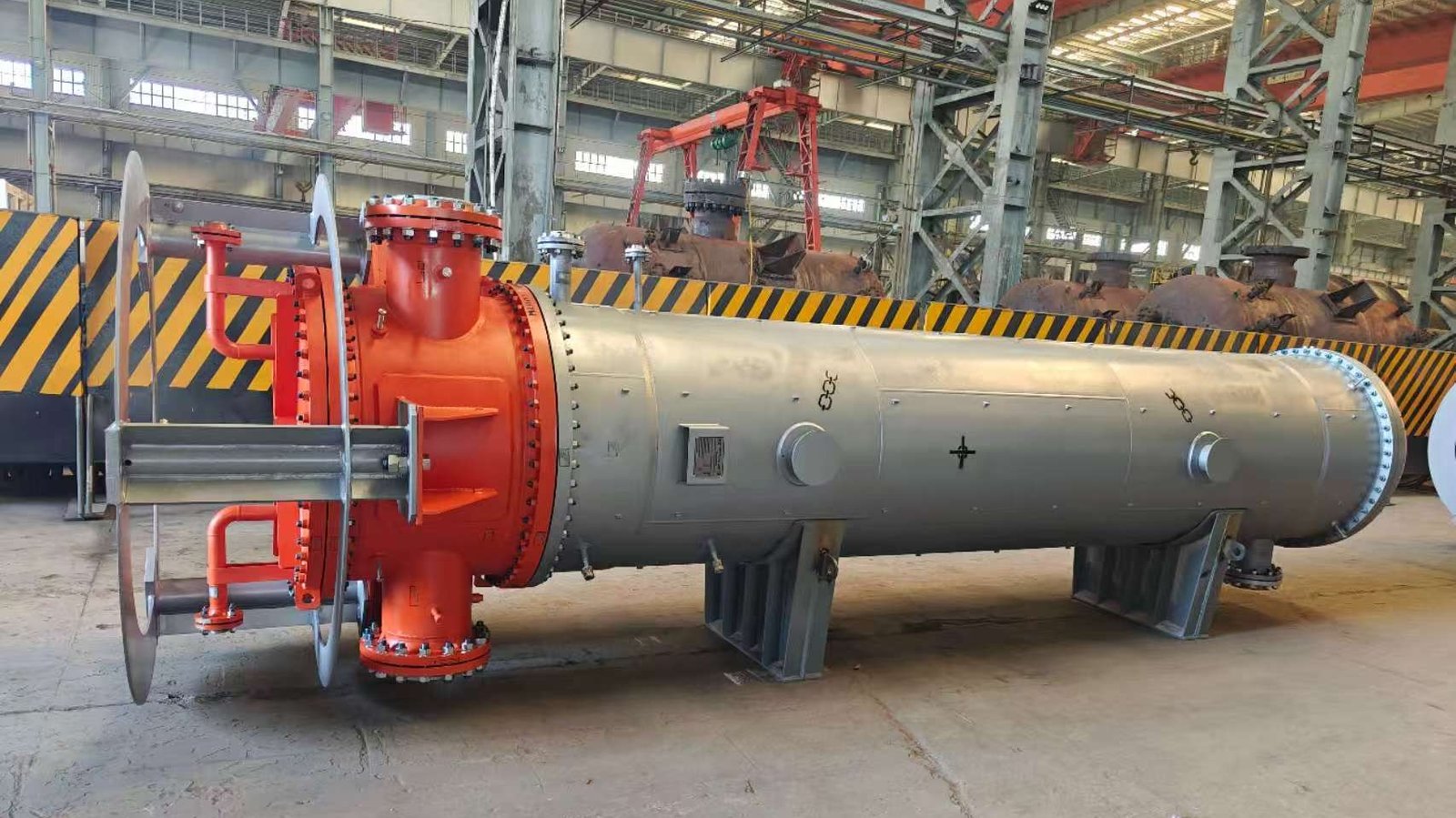
The typical lead time for manufacturing and delivering a heat exchanger ranges from 4 to 24 weeks, depending on the exchanger type, size, material, customization level, and current manufacturing backlog. Standard models with common materials may be delivered in 4–8 weeks, while large, custom, or exotic alloy units can take 12–24 weeks. Accurate lead time estimation is critical to align procurement, installation, and commissioning schedules.
Whether you’re ordering a compact plate heat exchanger for a brewery or a high-pressure shell-and-tube exchanger for an offshore platform, factoring in realistic lead times will protect your project from delays and unplanned expenses. Let’s break down what really goes into this timeframe—and how you can optimize it.
Heat exchanger lead time is fixed once the purchase order is issued.False
Lead times can shift due to raw material delays, changes in design scope, factory workload, or additional testing requirements.
Average Lead Time Ranges by Heat Exchanger Type
The heat exchanger type and its degree of customization are the most decisive factors in determining lead time. Below is a breakdown of typical ranges:
Typical Manufacturing Lead Times by Heat Exchanger Type
| Heat Exchanger Type | Standard Lead Time (Weeks) | Extended Lead Time (Weeks) | Notes |
|---|---|---|---|
| Plate Heat Exchanger | 4 – 8 | 10 – 12 | Shortest due to modularity |
| Shell-and-Tube Exchanger | 10 – 16 | 20 – 24 | More fabrication and testing |
| Spiral Heat Exchanger | 12 – 18 | 20 – 26 | Custom-built and welded |
| Air-Cooled Exchanger | 10 – 14 | 16 – 20 | Large footprint and fan systems |
| Double Pipe Exchanger | 6 – 10 | 12 – 14 | Used in small applications |
These ranges assume material availability and normal production loads. If exotic materials (e.g., titanium, Hastelloy) are required, lead times can increase by 4–8 weeks or more.
Step-by-Step Breakdown of Lead Time Components
The total lead time includes multiple overlapping and sequential stages. Here’s a typical timeline:
Heat Exchanger Production Timeline Breakdown
| Stage | Duration (Typical) | Description |
|---|---|---|
| 1. Engineering & Design Review | 1 – 3 weeks | Drawing creation, customer approvals |
| 2. Raw Material Procurement | 2 – 6 weeks | Plate stock, tubes, gaskets, flanges |
| 3. Fabrication & Assembly | 2 – 10 weeks | Welding, brazing, plate stacking, machining |
| 4. Non-Destructive Testing (NDT) | 1 – 2 weeks | X-ray, hydrotest, dye penetrant |
| 5. Coating & Surface Treatment | 1 – 2 weeks | Painting, passivation, insulation |
| 6. Final Inspection & Packaging | 0.5 – 1 week | QA, crate preparation, documentation |
| 7. Shipping & Delivery | 1 – 3 weeks | Depending on distance and customs |
Delays can occur at any of these stages, especially if:
- Design changes are made after approval
- Special inspection or third-party certification is required
- The manufacturer has high order volumes
Factors That Extend Lead Time
Some projects require more than just a standard build. These factors can extend delivery timelines:
| Factor | Typical Delay (Add-on Time) |
|---|---|
| Custom design from scratch | +2 to 4 weeks |
| Exotic materials (Ti, Inconel) | +4 to 8 weeks (sourcing) |
| Third-party inspection (e.g. ABS, ASME) | +1 to 2 weeks |
| Special coatings or insulation | +1 to 2 weeks |
| International shipping + customs | +2 to 6 weeks (varies) |
If you’re operating in regulated industries (pharma, food, oil & gas), regulatory documentation and validation also add time.
How to Minimize Lead Time
You can often reduce lead time or avoid delays by following these best practices:
- Confirm specifications early: Finalize all process conditions, materials, nozzle locations, and orientation at the start.
- Use pre-approved designs: Selecting from standard or modular units speeds up design and fabrication.
- Coordinate with engineering teams: Fast responses to RFIs, drawing approvals, and clarifications reduce cycle time.
- Plan for logistics in advance: Don’t wait until the unit is ready to start shipping arrangements—especially for international projects.
- Pre-approve inspection and testing procedures: Clarify whether third-party or in-house testing is needed.
Case Study: Managing Lead Time in a Multi-Site Upgrade Project
An energy company upgrading cooling systems across 7 refineries used a mix of standard PHEs and custom S&T exchangers. By working with their vendor to pre-approve generic drawings and select pre-stocked gaskets and plate packs:
- They reduced average lead time from 14 weeks to 9.5 weeks
- Avoided 3 costly shutdown extensions
- Saved ~$1.2 million in lost production across all sites
Early collaboration and modular design significantly improved schedule compliance.
Domestic vs International Delivery Times
If you’re sourcing exchangers internationally, shipping time can greatly vary:
| Region | Typical Shipping Duration |
|---|---|
| North America | 3 – 7 days (domestic freight) |
| Europe | 2 – 4 weeks (ocean freight) |
| Asia (China, India) | 3 – 6 weeks (freight + customs) |
| Middle East | 4 – 8 weeks (varies by port) |
Ensure your vendor provides Incoterms, handles export documentation, and includes crate specs for customs inspections.
Conclusion
The lead time for manufacturing and delivering a heat exchanger is a multi-stage process involving engineering, sourcing, fabrication, testing, and logistics. Depending on the type, material, and customization level, lead times can range from 4 to over 24 weeks. Failure to consider these timelines can lead to project delays, unplanned shutdowns, and contractual penalties. Smart project managers plan early, finalize specs quickly, and coordinate closely with manufacturers to meet critical path milestones.
Need a Fast or Customized Heat Exchanger Delivery?
We offer expedited design and delivery services for urgent projects. Whether you need a quick-ship plate heat exchanger or a custom-fabricated shell-and-tube unit, contact us today for a detailed lead time estimate and delivery schedule tailored to your application.
References
- Heat Exchanger Manufacturing Timeline – Exchanger Industries
- Lead Time Considerations for Heat Exchangers – API Heat Transfer
- Understanding Fabrication Lead Times – Chemical Engineering Resources
- ASME Code Compliance and Delivery – ASME
- Heat Exchanger Procurement Process – Heat Exchanger USA