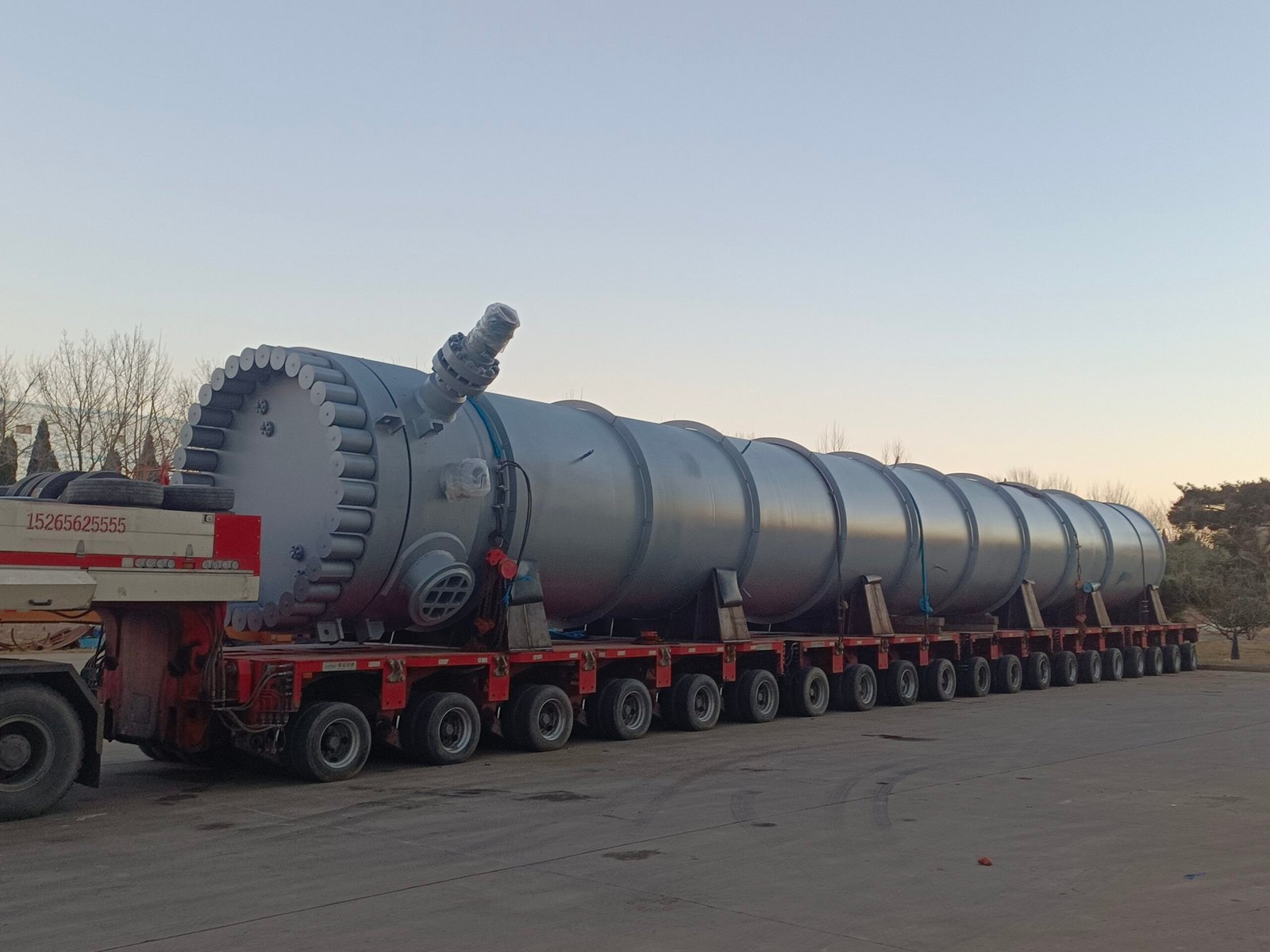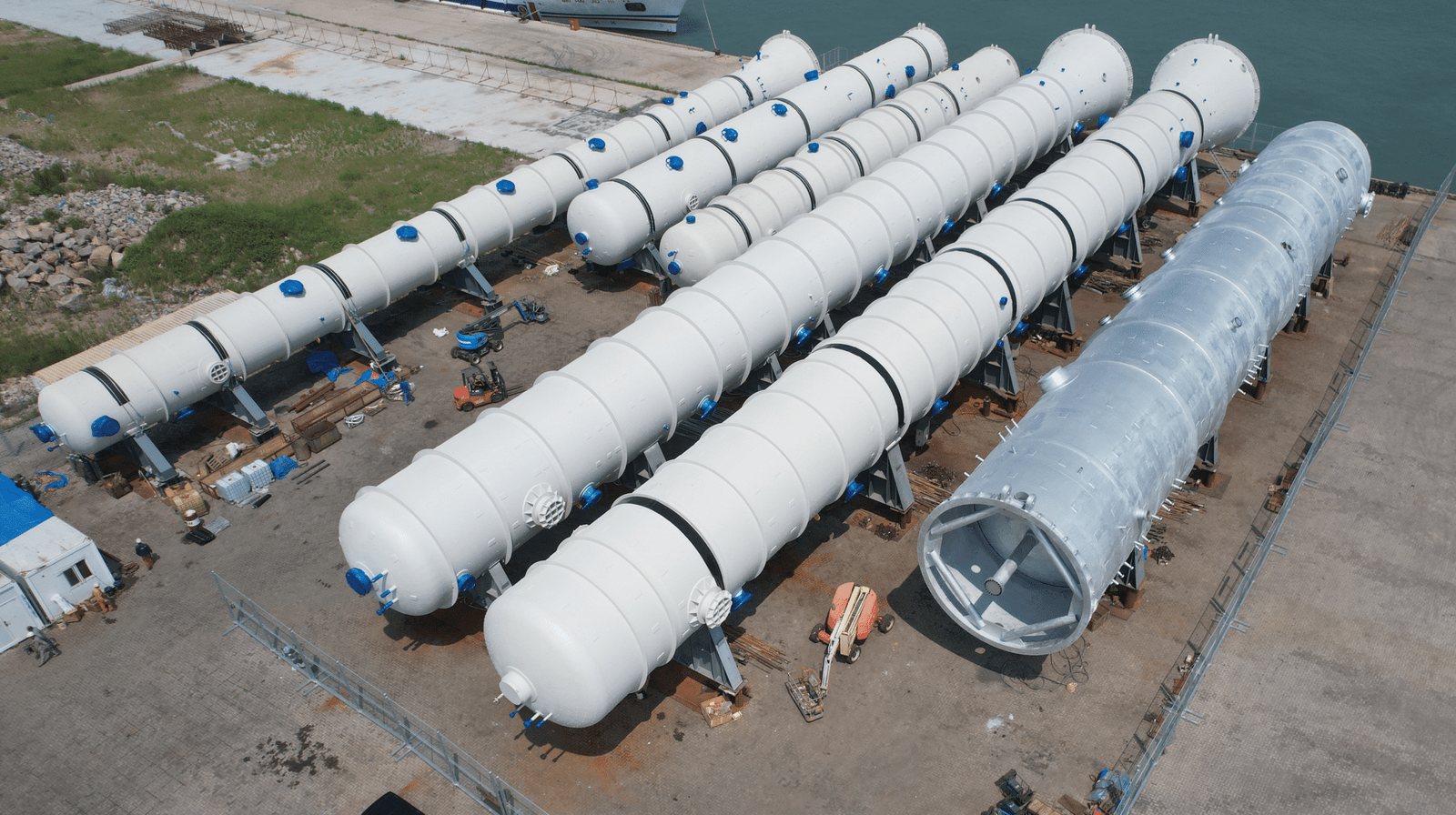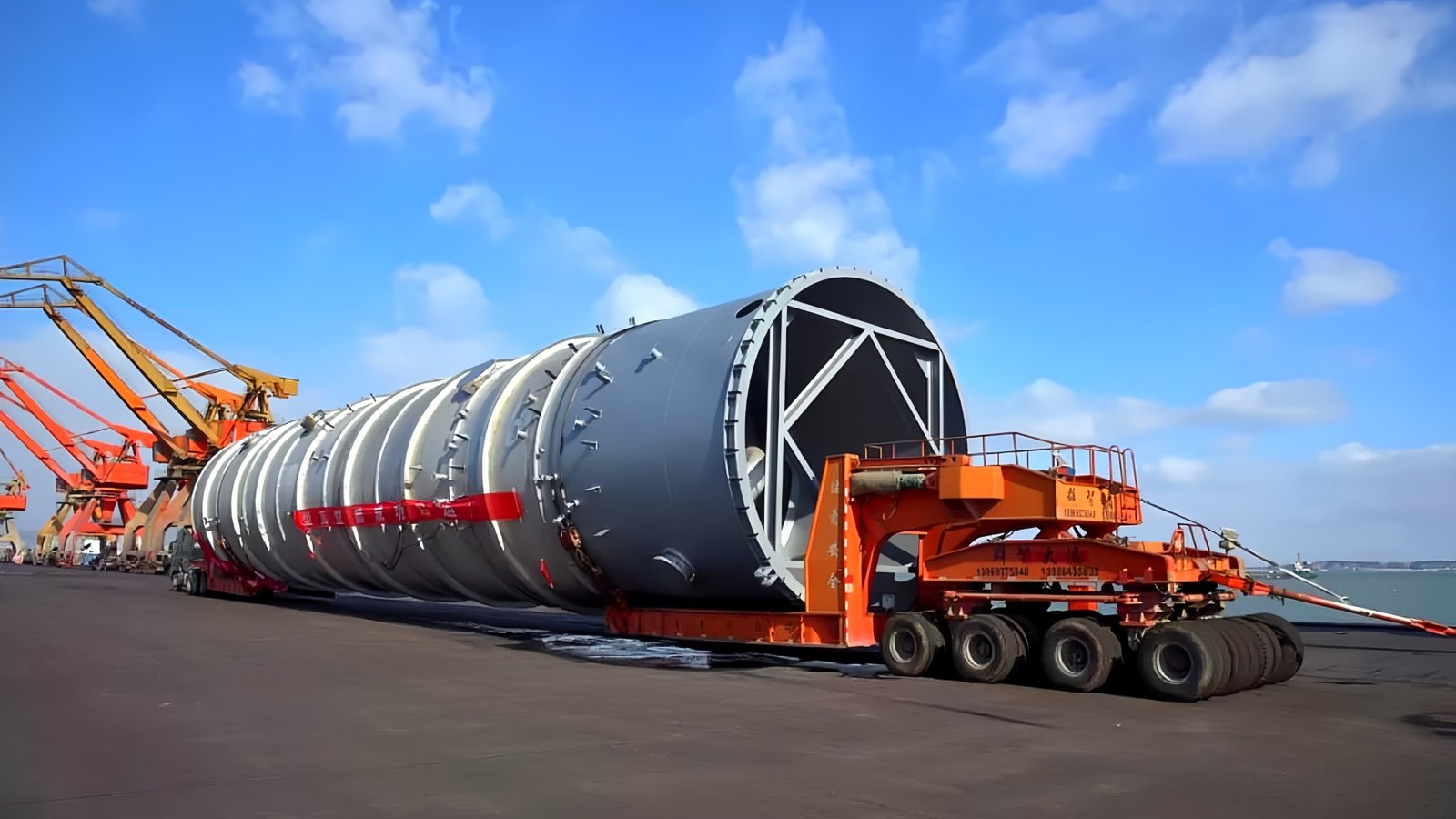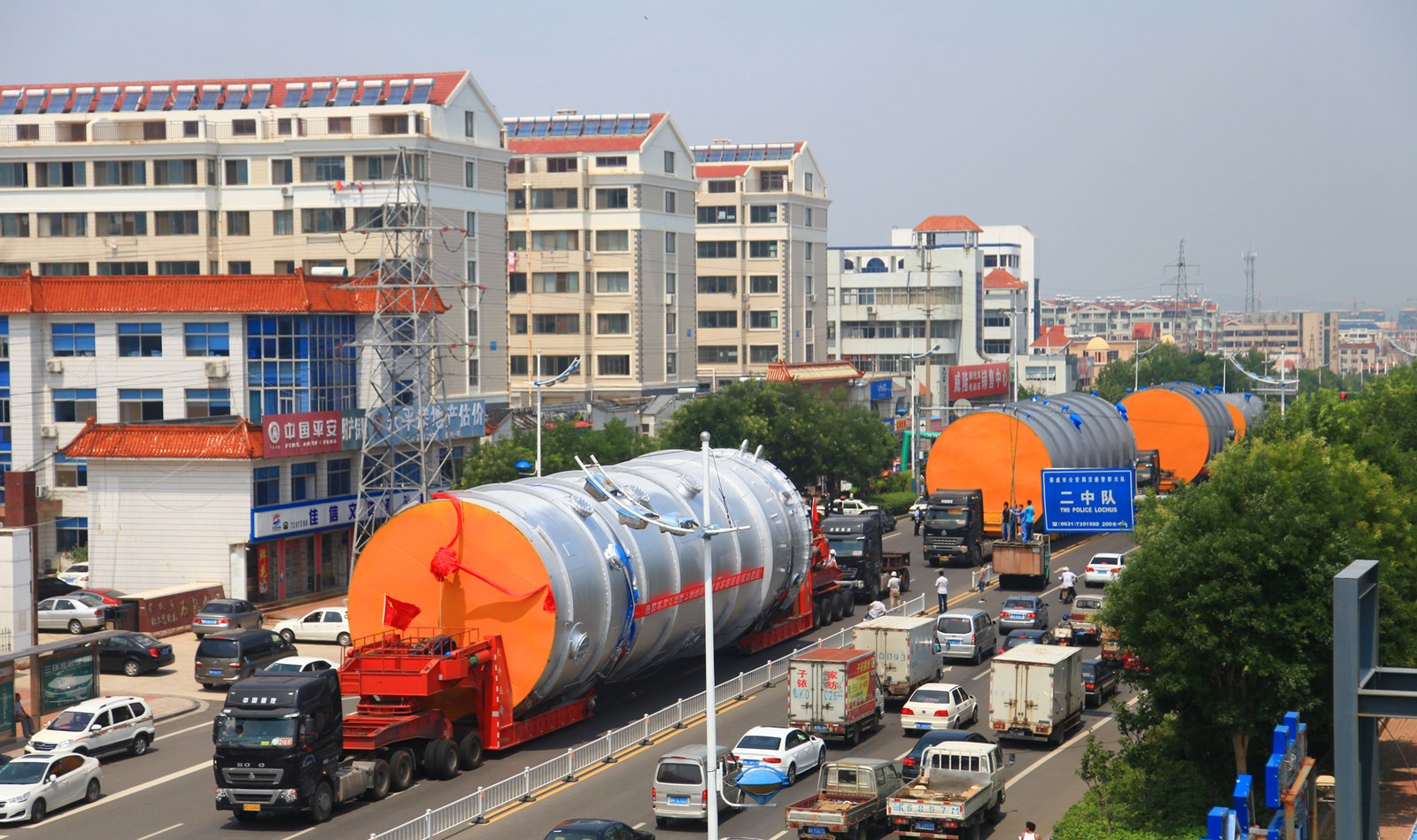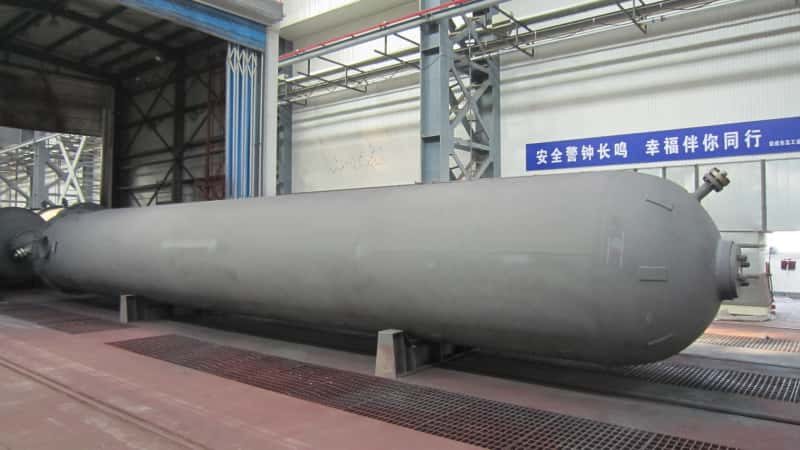

In the heart of hydrocracking units—whether for diesel, jet fuel, or naphtha upgrading—the reactor internals play a vital role in ensuring catalyst integrity, flow distribution, and operational safety. When improperly selected or installed, catalyst supports can collapse, cause maldistribution, pressure drops, or even lead to total reactor failure. This results in millions of dollars in lost production and unplanned outages. But what are these support systems exactly? They are a carefully engineered combination of support grids, trays, inert balls, and screens—each performing critical tasks in high-pressure, high-temperature environments. In this guide, we’ll walk through each component, its function, and how they work together to protect your catalyst and process stability.

The catalyst support system inside hydrocracking reactors typically includes a multi-layered setup consisting of a lower support grid (welded or bolted), topped with graded layers of inert ceramic balls or support media, and sometimes a catalyst retention screen or bed limiter above. In multi-bed designs, intermediate trays or quench zones with similar support features are also included. These systems provide mechanical strength, flow distribution, and protection against catalyst attrition or loss.
If you’re an engineer, operator, or EPC contractor evaluating a hydrocracking reactor design or troubleshooting catalyst issues, understanding the internal support system is essential. The wrong configuration not only reduces run length but can cause permanent damage to high-value equipment and compromise safety compliance. Let’s look at how the right catalyst support system can extend reactor life and performance.
Catalyst support systems in hydrocracking reactors always include a support grid and inert ceramic balls.True
These components are standard in all fixed-bed hydrocracking units to ensure even catalyst loading and stable flow dynamics.
🔧 Overview of Hydrocracking Reactor Catalyst Support Systems
Hydrocracking reactors operate at pressures between 1,500–3,000 psig and temperatures from 300°C to 450°C. The internal layout is typically vertical, downflow, fixed-bed type, often with multiple catalyst beds separated by quench zones. Here’s how the support system is structured.
🔹 1. Support Grid or Catalyst Support Plate
At the very bottom of each catalyst bed lies the support grid—the structural backbone of the system.
✅ Functions:
- Physically supports the catalyst load (often several tons)
- Permits uniform flow through perforations
- Allows drainage and prevents catalyst leakage
- Withstands high axial loads and thermal cycles
📌 Design Features:
- Welded or bolted stainless steel structure
- Perforated plate or slotted design
- May include a wire mesh for fine particle retention
- Load bearing capacity ≥ 3,000 kg/m² in modern designs
🔹 2. Graded Inert Support Media (Ceramic Balls or Alumina Spheres)
Above the support grid, a carefully layered bed of inert balls or support media is placed before the active catalyst is loaded.
📊 Typical Grading Structure:
| Layer No. | Diameter (mm) | Material | Function |
|---|---|---|---|
| Top | 6–13 | Alumina | Catalyst protection from backflow |
| Middle | 19–25 | Ceramic | Uniform flow distribution |
| Bottom | 25–50 | High-density ceramic | Load distribution to grid |
✅ Functions:
- Prevents fine catalyst migration
- Distributes feed uniformly
- Protects grid from catalyst fines
- Thermal buffer during startups/shutdowns
🔹 3. Catalyst Retention Screen or Bed Limiter
Installed above the catalyst bed in certain designs, the bed limiter prevents catalyst movement during pressure or flow surges.
📌 Design Types:
- Grid-type with clips to wall
- Metal mesh with stiffening ribs
- Often custom-fabricated for each reactor diameter
🔹 4. Quench Trays or Intermediate Catalyst Support Trays
In multi-bed hydrocrackers, between each bed is a quench zone with a tray system:
✅ Functions:
- Mixes quench hydrogen with downward-flowing hydrocarbons
- Prevents hot spots
- Provides mechanical support for the next catalyst bed
📌 Tray Types:
- Chimney trays (with mixing devices)
- Perforated or bubble-cap trays
- Includes support grids and inert ball layers similar to main beds
🧠 Technical Comparison of Catalyst Support Components
| Component | Material | Temperature Limit | Pressure Drop Impact | Primary Function |
|---|---|---|---|---|
| Support Grid | SS304/316 or Inconel | >500°C | Low | Catalyst weight support |
| Inert Balls (Top) | α-Alumina | 650°C | Very Low | Prevent catalyst loss |
| Inert Balls (Bottom) | Ceramic/Porous Alumina | 700°C | Moderate | Load distribution, filtration |
| Retention Screen | SS316/Alloy | 600°C | Low | Catalyst containment |
| Intermediate Tray | SS/Clad | >500°C | Depends on design | Quench mixing and support |
🏭 Real-World Use Case: Hydrocracking Reactor Revamp in Europe
In a 2022 reactor revamp project for a major hydrocracker unit in Germany, the existing grid design was replaced with a modular bolted support plate with integrated cone mesh, reducing the pressure drop by 12% and increasing catalyst loading capacity by 8%. Additionally, graded α-alumina spheres were used instead of traditional inert balls, improving bed stability during pressure cycling.
📈 Measured Outcomes:
- +11% throughput increase
- -25°C bed temperature delta (due to improved flow)
- 2-year extension of catalyst run length
- Faster outage turnaround time due to modular internal design
📌 Key Engineering Best Practices
🔸 Always size inert balls based on catalyst particle size—too large leads to channeling; too small increases pressure drop
🔸 Use bed limiters when operating in high ΔP or variable flow scenarios
🔸 Select alloy materials for grids and trays based on hydrogen service (avoid embrittlement)
🔸 Inspect support structures for creep deformation, especially after long cycles at high temperature
🔸 Avoid stacking balls >15% of total bed height to reduce dead zones
🔚 Conclusion
A well-designed catalyst support system inside hydrocracking reactors isn’t just about holding the catalyst—it’s about ensuring mechanical integrity, operational uniformity, and extended catalyst life. Whether it’s the support grid, inert balls, or quench trays, each component must be engineered with precision, tested for compatibility, and installed with strict quality control. Cutting corners here risks not just productivity—but safety.
📞 Need Help Specifying or Sourcing Catalyst Support Systems?
We supply custom-engineered catalyst support internals, including:
- 🛠️ Perforated and slotted support grids
- ⚪ Multi-size inert ceramic and alumina balls
- 🧱 Modular quench trays and bed limiters
📧 Contact us today for detailed specifications, CAD drawings, or a proposal tailored to your reactor design.
➡️ Your reactor’s performance starts with what’s underneath the catalyst. Let us help you get it right.
References
- Catalyst Support Systems in Hydrocracking – Chemical Engineering
- Design of Reactor Internals – ScienceDirect
- Reactor Support Grids Overview – Koch-Glitsch
- Inert Ball Applications in Catalysis – Carbon Catalysts
- Hydrocracking Process Fundamentals – U.S. Department of Energy
- Catalyst Bed Support Materials – Thermopedia
- Catalyst Loading and Support – Sulzer
- Reactor Internals in Refining – Britannica
- Engineering Guidelines for Hydrocracking Units – American Petroleum Institute (API)
- Industrial Catalysis Equipment – Metso