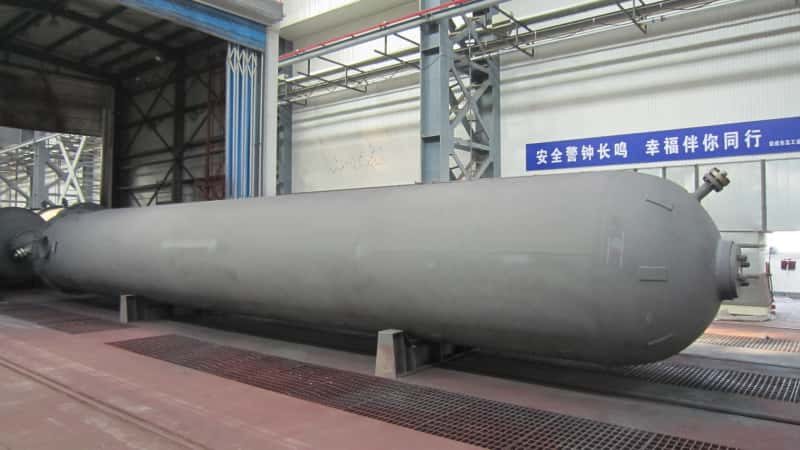

Choosing the right material for a pressure tank is not just about strength and durability — it’s about chemical compatibility. Many pressure tank failures stem not from under-designed structures, but from corrosion, embrittlement, or chemical attack caused by mismatched materials and process media. Whether your system contains water, acids, solvents, brine, or steam, using incompatible materials can cause leaks, failures, contamination, or regulatory violations. So, understanding which materials are used in pressure tank construction — and matching them to your specific fluid — is critical to system integrity and safety.
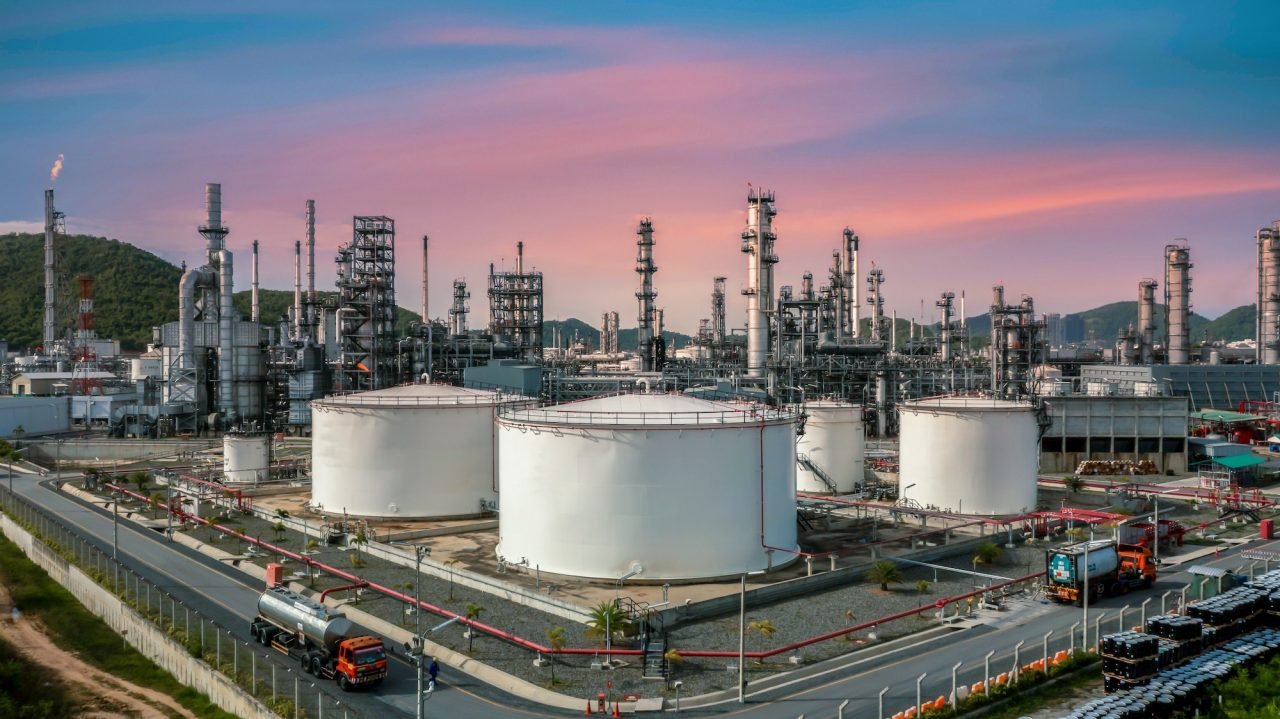
The most commonly used pressure tank materials include carbon steel, stainless steel (304/316), fiberglass-reinforced plastic (FRP), and plastic polymers like HDPE or PP. Each material offers specific mechanical strength, corrosion resistance, and temperature tolerance, which must be carefully evaluated against your process media. Proper material compatibility ensures long-term tank performance, prevents corrosion-related failures, and meets health, safety, and environmental standards.
Let’s explore the most widely used materials for pressure tanks and analyze their compatibility with various common process media — from water and air to aggressive acids and steam.
Stainless steel is compatible with a wide range of process fluids, including food-grade, acidic, and high-temperature media.True
Grades like 304 and 316 stainless steel offer excellent corrosion resistance and are commonly used in clean or aggressive environments.
Carbon steel is resistant to all chemicals if it is coated with paint or epoxy.False
Carbon steel is highly vulnerable to corrosion unless lined with chemically compatible materials; coatings can fail in hot or aggressive environments.
1. Common Materials Used in Pressure Tank Construction
| Material Type | Description | Pressure Rating | Temperature Rating | Corrosion Resistance |
|---|---|---|---|---|
| Carbon Steel | Low-cost steel, weldable, structurally strong | High | Up to 400°C | Low (requires coating) |
| 304 Stainless Steel | General-purpose stainless steel | Medium–High | Up to 600°C | High (mild chemicals) |
| 316 Stainless Steel | Molybdenum-enhanced steel for chlorides/acids | Medium–High | Up to 600°C | Very High |
| Duplex Stainless | Mixed austenitic-ferritic SS for strength + resistance | High | Up to 300°C | Very High |
| FRP (Fiberglass) | Resin + fiber composite, corrosion-resistant | Low (<10 bar) | Up to 100°C | Excellent (resin-specific) |
| HDPE / PP Plastics | Polyethylene/polypropylene tanks for low pressure | Very Low | Up to 60–90°C | High (certain acids) |
| Nickel Alloys | Inconel, Hastelloy, Monel for extreme conditions | Very High | Up to 1000°C | Excellent |
2. Compatibility Chart: Tank Materials vs. Common Process Media
| Process Media | Carbon Steel | SS 304 | SS 316 | FRP (Vinyl Ester) | HDPE/PP | Nickel Alloys |
|---|---|---|---|---|---|---|
| Potable Water | ✅ Yes | ✅ Yes | ✅ Yes | ✅ Yes | ✅ Yes | ✅ Yes |
| Seawater | ❌ No | ⚠️ Limited | ✅ Yes | ✅ Yes | ⚠️ Limited | ✅ Yes |
| Hydrochloric Acid (10%) | ❌ No | ❌ No | ⚠️ Limited | ✅ Yes | ✅ Yes | ✅ Yes |
| Sodium Hydroxide (20%) | ⚠️ With lining | ✅ Yes | ✅ Yes | ✅ Yes | ✅ Yes | ✅ Yes |
| Sulfuric Acid (50%) | ❌ No | ❌ No | ⚠️ With lining | ✅ Yes | ✅ (dilute) | ✅ Yes |
| Acetic Acid (10–20%) | ❌ No | ✅ Yes | ✅ Yes | ✅ Yes | ⚠️ Some swelling | ✅ Yes |
| Steam (Clean/Boiler) | ✅ Yes | ✅ Yes | ✅ Yes | ❌ No | ❌ No | ✅ Yes |
| Brine / Saltwater | ❌ No | ⚠️ Pitting | ✅ Yes | ✅ Yes | ⚠️ Swelling | ✅ Yes |
| Oil (Petroleum-based) | ✅ Yes | ✅ Yes | ✅ Yes | ✅ (with epoxy) | ❌ No | ✅ Yes |
| Compressed Air | ✅ Yes | ✅ Yes | ✅ Yes | ✅ (dry) | ❌ No | ✅ Yes |
3. How to Check Compatibility for Your Process Fluid
Step 1: Identify the following:
- Chemical name
- Concentration (%)
- Operating temperature and pressure
- Phase (liquid/gas/slurry)
- Intermittent cleaning fluids (CIP/acid/alkali)
Step 2: Cross-reference with chemical compatibility guides
Step 3: Confirm with manufacturer testing or certified datasheets
Resources to Use:
- NACE MR0103/MR0175 (for sour service)
- ASME code case materials
- Resin manufacturer chemical resistance tables (for FRP)
4. Real-World Case Study: Selecting the Right Tank Material for HCl Storage
Industry: Wastewater treatment
Fluid: 15% Hydrochloric Acid at ambient temperature
Initial Material: Carbon steel with epoxy lining
Problem: Lining blistered after 3 months, severe corrosion
Redesign: Switched to FRP tank with vinyl ester resin
Result:
- Zero corrosion after 4 years
- Reduced maintenance
- Lower total lifecycle cost despite higher CAPEX
5. Material Selection Tips Based on Media Class
| Media Type | Recommended Materials | Notes |
|---|---|---|
| Neutral liquids | Carbon steel, SS 304 | Protect carbon steel with epoxy if oxygenated |
| Chloride-rich | 316L, Duplex SS, FRP | 304 SS may pit under chloride attack |
| Strong Acids | FRP, PTFE lining, Nickel Alloys | Avoid carbon and standard stainless steels |
| Alkalis (NaOH, KOH) | Rubber-lined CS, FRP, HDPE | Good compatibility across plastics/resins |
| Organic solvents | SS 316, Nickel Alloys, FRP (epoxy) | Resin type critical in FRP applications |
| High-temperature steam | Carbon steel, SS 316Ti, Incoloy | FRP and plastics not suitable |
| Food/Pharma | SS 316L, Electropolished vessels | Must be FDA or USP compliant |
6. Protective Linings for Enhanced Compatibility
When the base material is incompatible, linings can help.
| Lining Type | Fluids Handled | Substrate Used |
|---|---|---|
| Epoxy Coating | Potable water, oil, air | Carbon steel |
| Rubber Lining | Sodium hydroxide, wastewater | Carbon steel |
| PTFE (Teflon) Liner | Sulfuric, nitric, HCl, oxidizers | Stainless steel or FRP |
| Glass Lining | High-purity acids, pharma fluids | Carbon steel vessels |
Warning: Linings must match temperature range and bonding method to avoid failure under cycling.
Summary: Material + Media Compatibility Defines Tank Success
Selecting the correct pressure tank material for your process fluid is non-negotiable. It determines:
- Corrosion resistance and lifecycle
- System safety and regulatory compliance
- Maintenance needs and downtime
- Overall ROI of your pressure system
Stainless steel is ideal for clean, corrosive, or high-temp media.
FRP excels in chemical resistance at low pressures.
Carbon steel works if coated or lined and for neutral media.
Polymers handle many acids but not pressure or heat.
Nickel alloys solve the toughest process challenges — at a price.
Need a compatibility check or tank design tailored to your media? Our engineers provide full chemical compatibility analysis, ASME/PED code-compliant designs, and customized pressure tank solutions. Contact us now for a free consultation.