
A Global Timeline and WHSD Engineering Perspective
Pressure vessels are critical industrial equipment designed to safely contain gases or liquids under pressure.
They are widely used in energy, chemical processing, power generation, oil & gas, and industrial manufacturing.
Over the past 300 years, pressure vessel technology has evolved alongside industrial civilization.
This page presents a global development timeline of pressure vessels and explains how Weihai Shidao Heavy Industry (WHSD) applies this engineering heritage to modern pressure vessel manufacturing.
1698–1760: The Origin of Pressure Containment
In the late 17th century, early steam experiments in Europe created the first demand for containers capable of withstanding internal pressure.
These early metal vessels were structurally simple and lacked safety controls, resulting in frequent failures.
Engineers gradually realized that pressure containment requires controlled design, material strength, and structural optimization, forming the conceptual foundation of pressure vessel engineering.

1760–1850: Industrial Revolution and Structural Design
With steam engines widely adopted, internal pressure levels increased significantly.
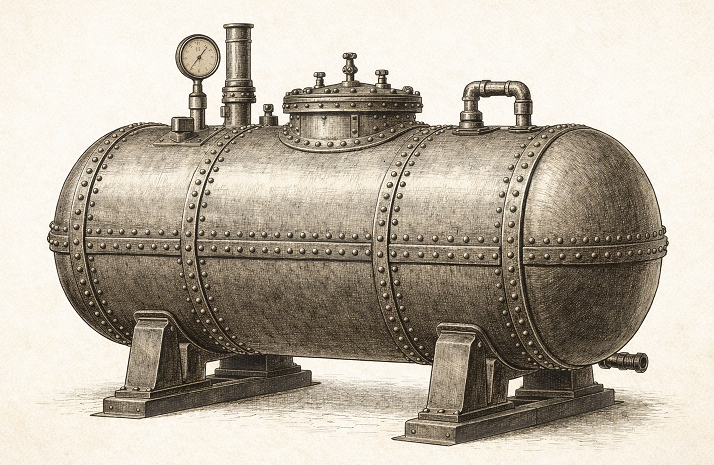
Pressure vessels began to adopt engineered designs, including:
- Cylindrical shells
- Riveted steel plates
- Early dished and elliptical heads
Design principles shifted from trial-and-error to stress-based mechanical calculations, greatly improving operational safety.
1850–1900: Advances in Materials and Manufacturing
The rapid development of steelmaking and machining technologies enabled pressure vessels to achieve higher strength and durability.
Seamless steel plates and improved forming methods replaced earlier riveted structures.
Pressure vessels became essential components in:
- Chemical processing
- Oil refining
- High-temperature and high-pressure industrial systems
1900–1950: Standardization and Safety Codes
The early 20th century marked a turning point for pressure vessel safety.
Welding technology matured, and non-destructive testing methods such as radiographic inspection were introduced.
International pressure vessel codes and standards were established, transforming pressure vessel manufacturing into a highly regulated engineering discipline.
1950–1990: Expansion into Energy and Heavy Industry
As power generation, petrochemical, and energy industries expanded, pressure vessels evolved toward:
- Higher operating pressures
- Larger volumes
- More complex working conditions
Fatigue analysis, pressure relief systems, and lifecycle management became integral to pressure vessel design.
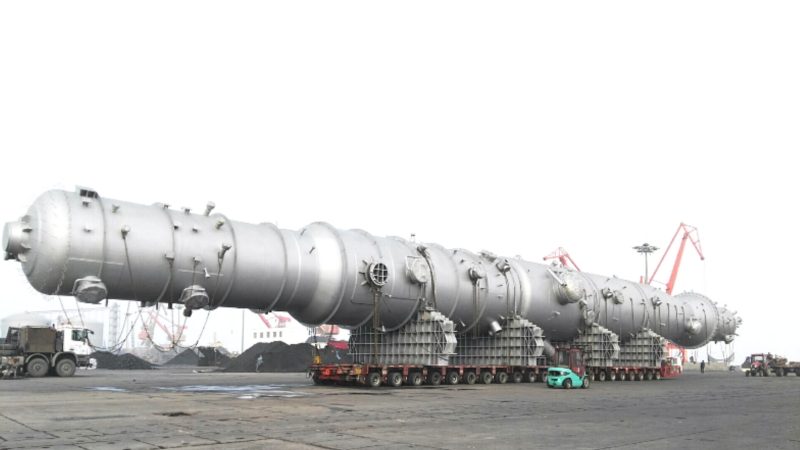
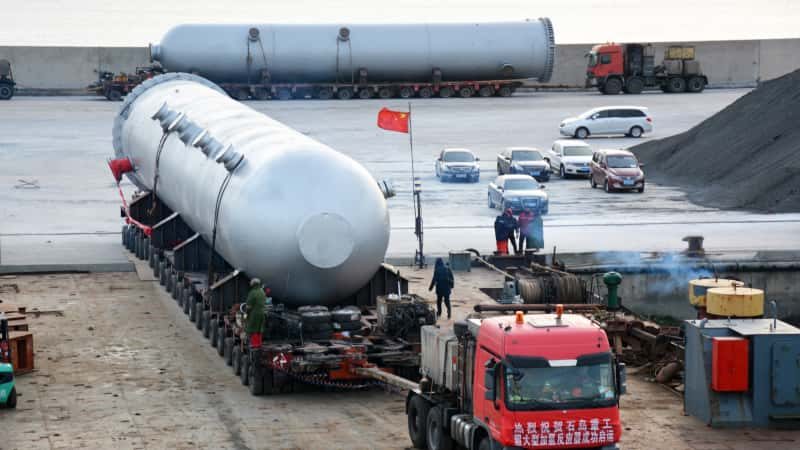
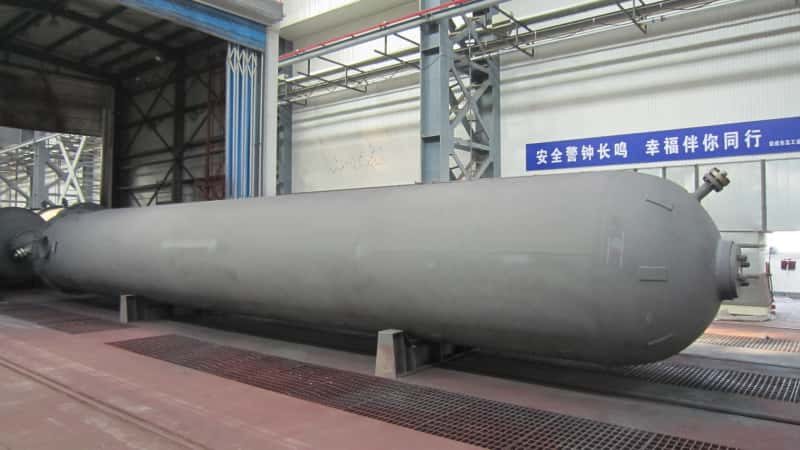
2000–Present: WHSD’s Engineering Practice in Modern Pressure Vessels
With increasing global emphasis on safety, efficiency, and environmental responsibility, pressure vessel manufacturing entered a new phase.
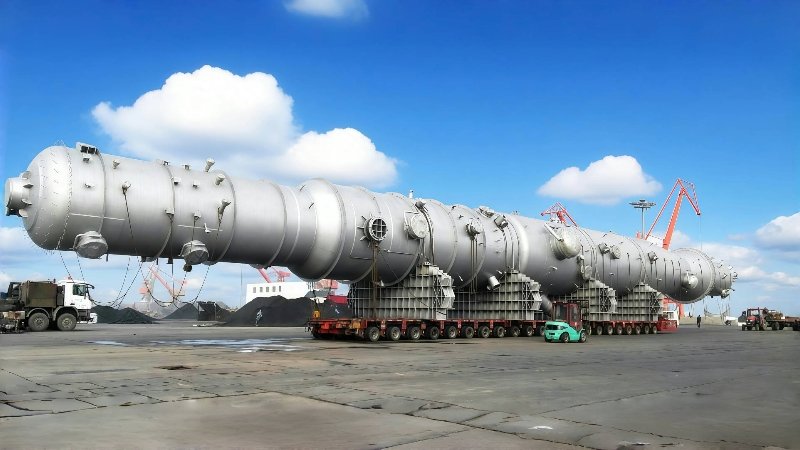
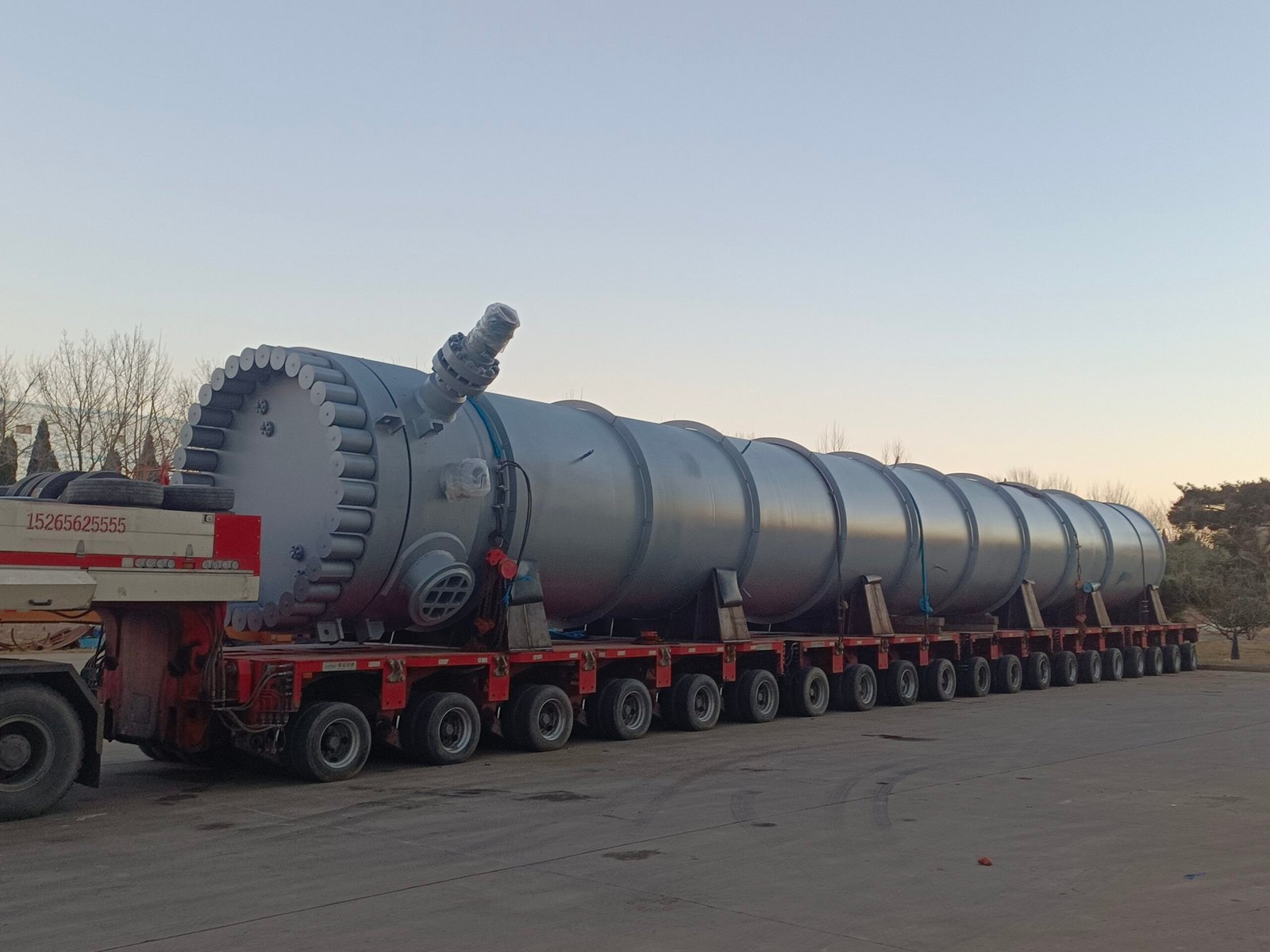
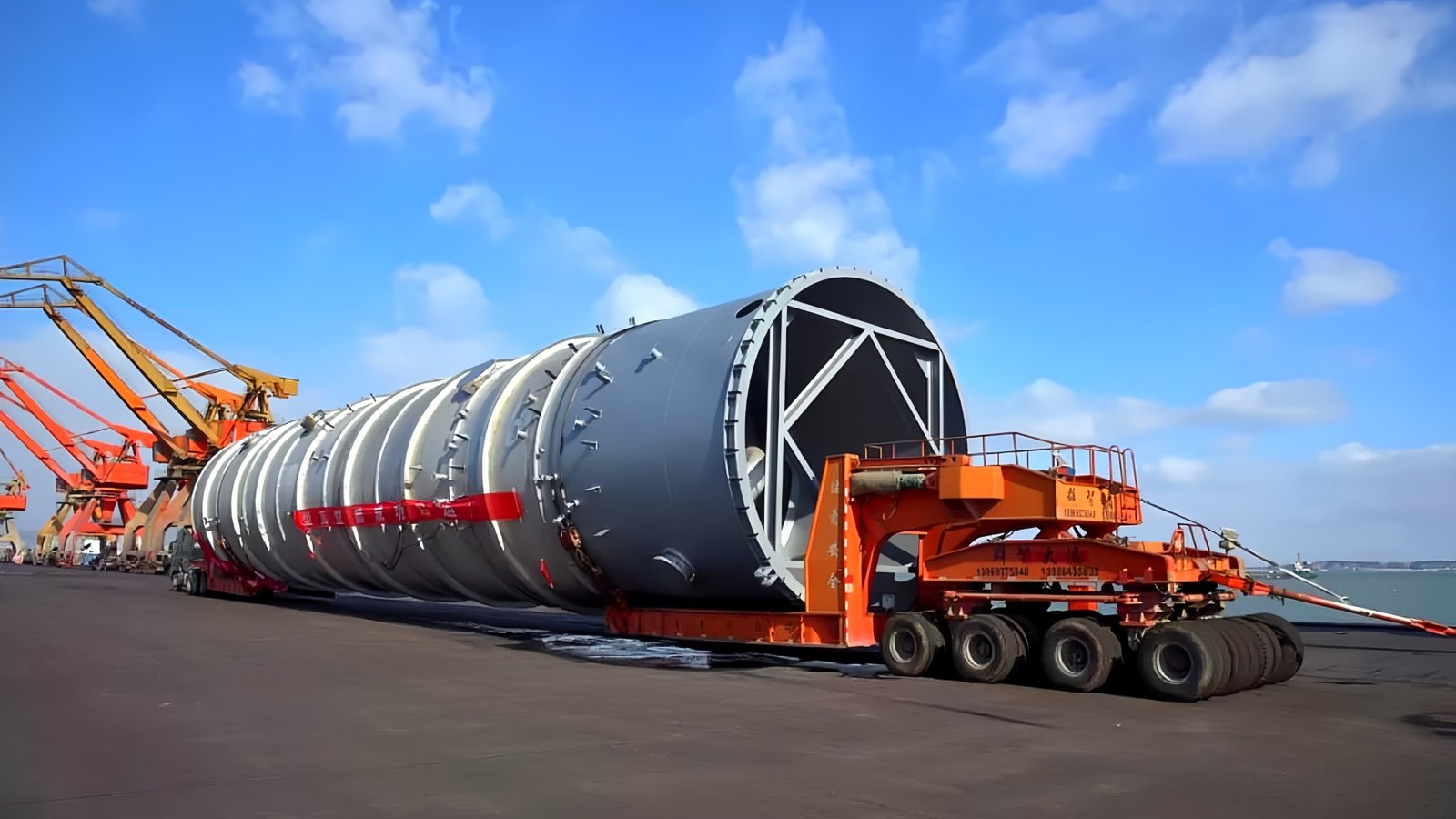
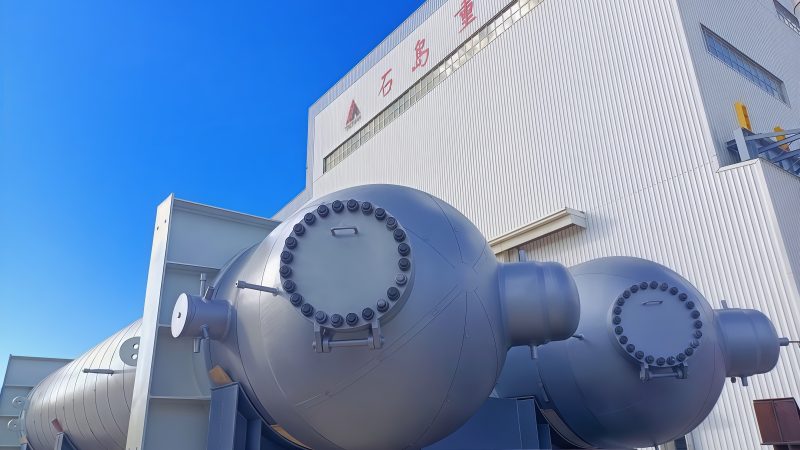
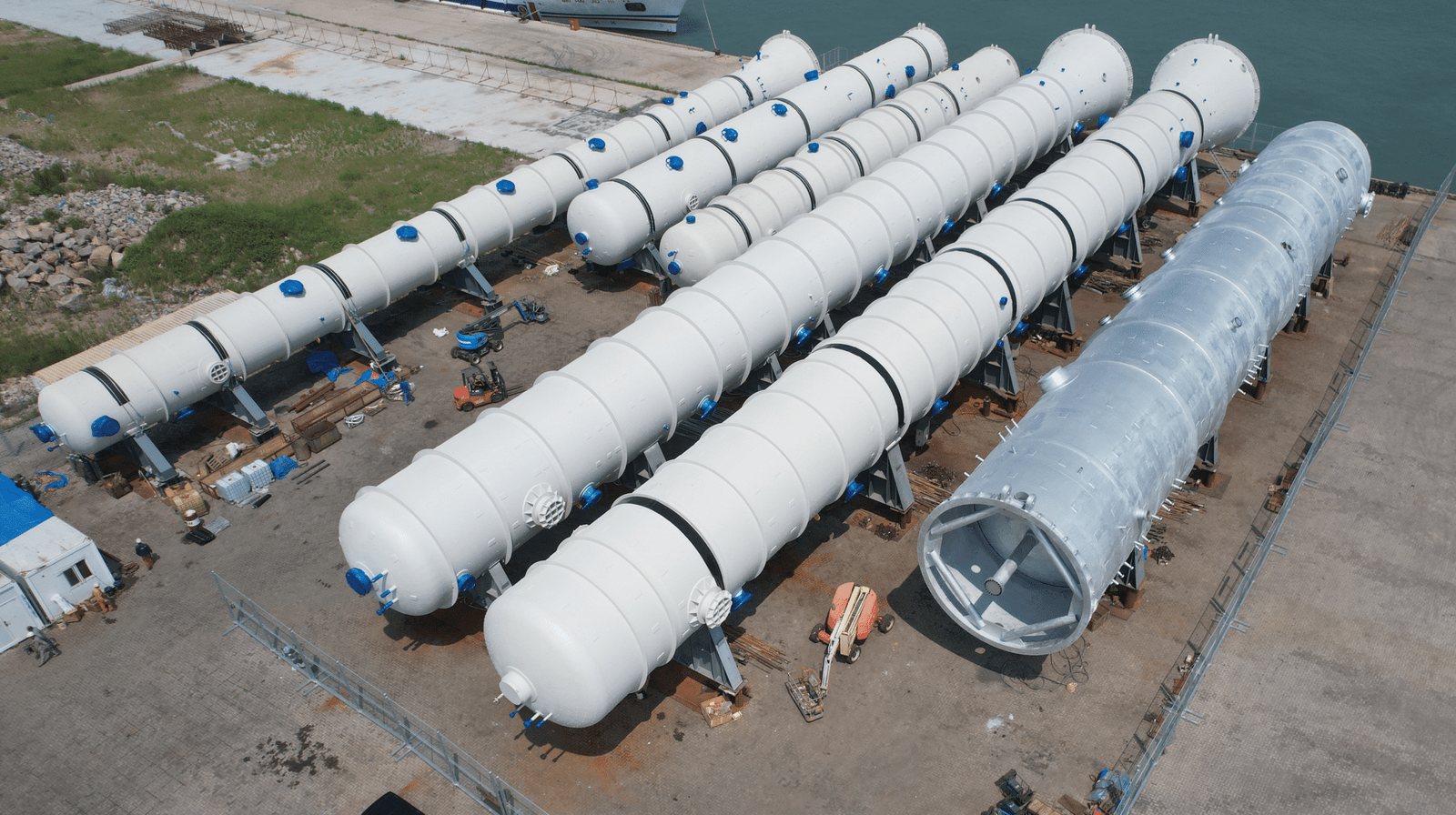
Weihai Shidao Heavy Industry (WHSD) applies advanced manufacturing processes, strict quality management, and standardized engineering practices to deliver reliable pressure vessel solutions for energy and industrial applications.
WHSD focuses on:
- High-grade material selection and traceability
- Qualified welding and inspection procedures
- Compliance with international pressure vessel standards
- Long-term operational safety and reliability
Rather than manufacturing individual components, WHSD supports customers with system-level pressure vessel solutions adapted to demanding industrial environments.
2020–Future: Intelligent and Low-Carbon Pressure Vessels
Modern pressure vessels are increasingly integrated with:
- Digital monitoring systems
- Predictive maintenance technologies
- Energy-efficient and low-emission designs
WHSD continues to enhance its engineering and manufacturing capabilities to support sustainable industrial development worldwide.
Conclusion
From early metal containers to intelligent pressure systems, pressure vessels have remained a cornerstone of industrial safety for over three centuries.
WHSD is committed to advancing this legacy through responsible engineering, reliable manufacturing, and long-term value creation for global industrial partners.