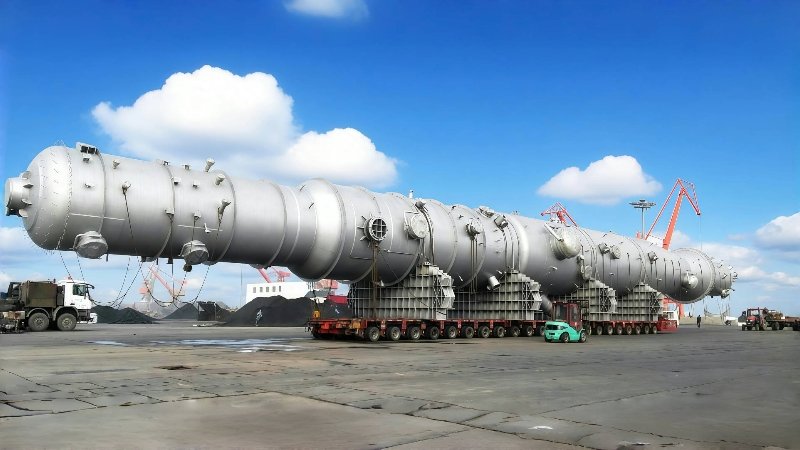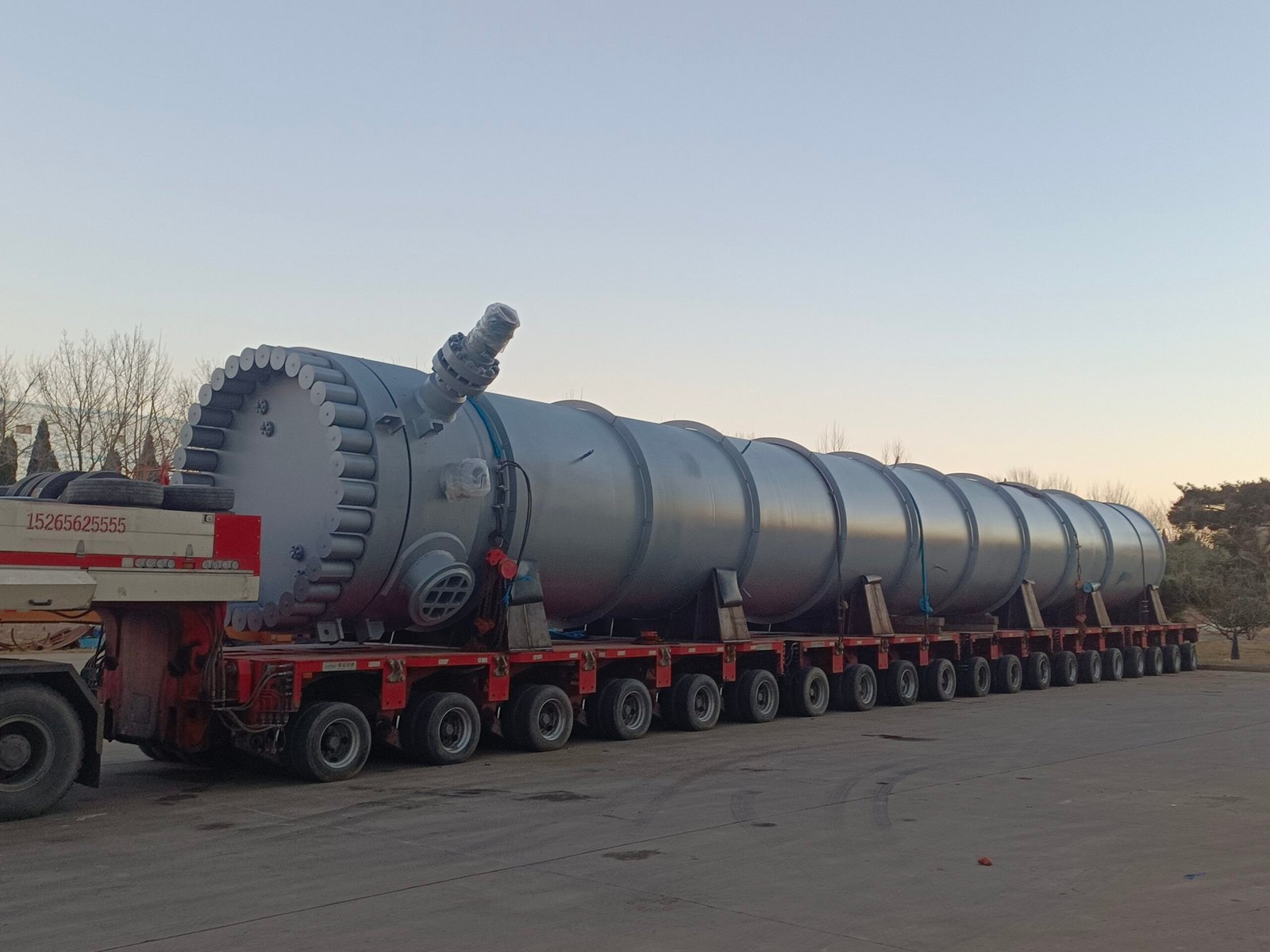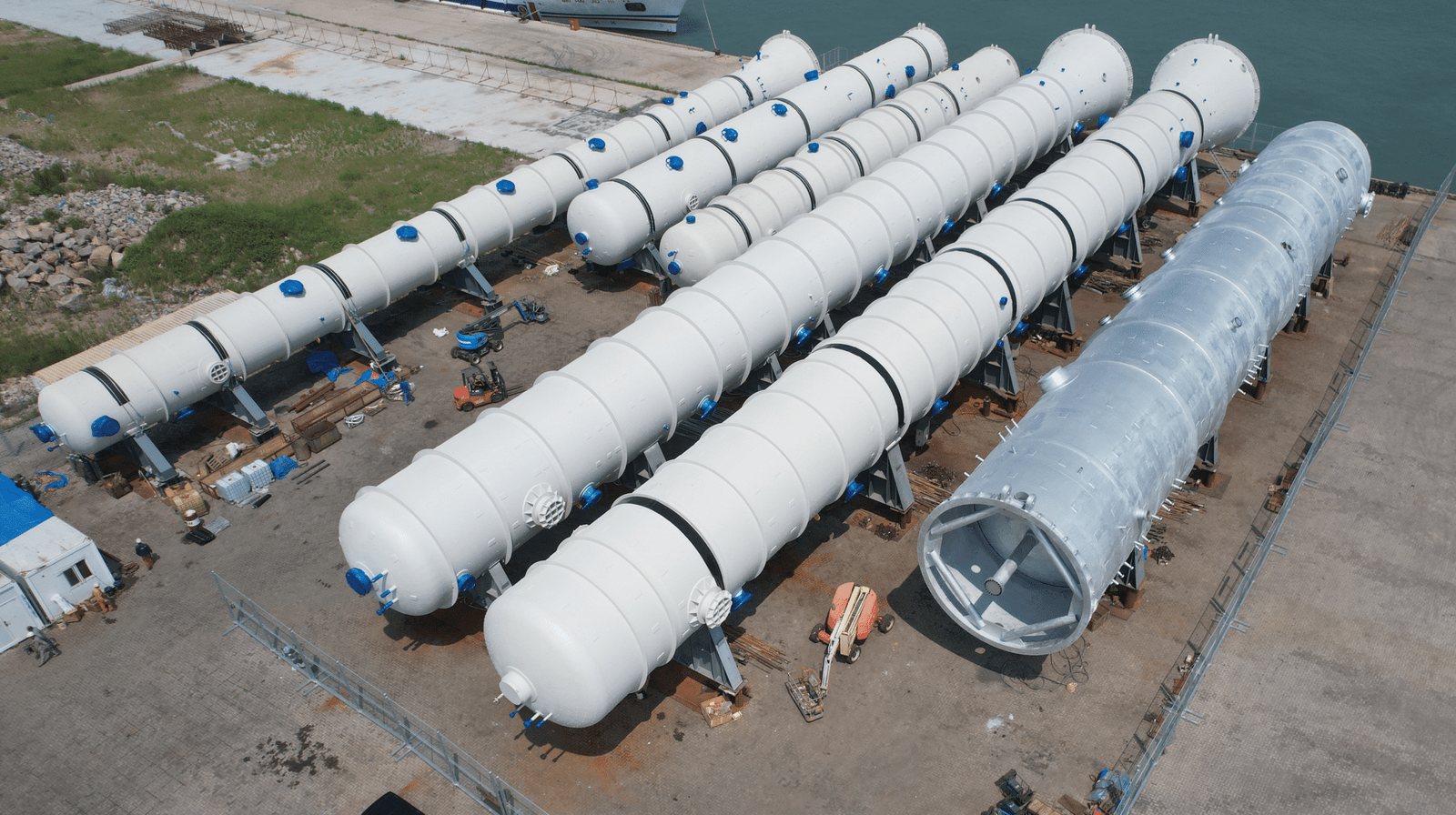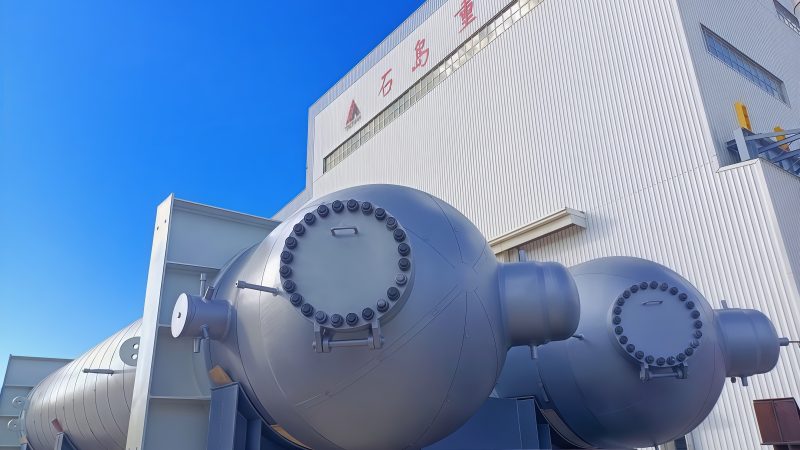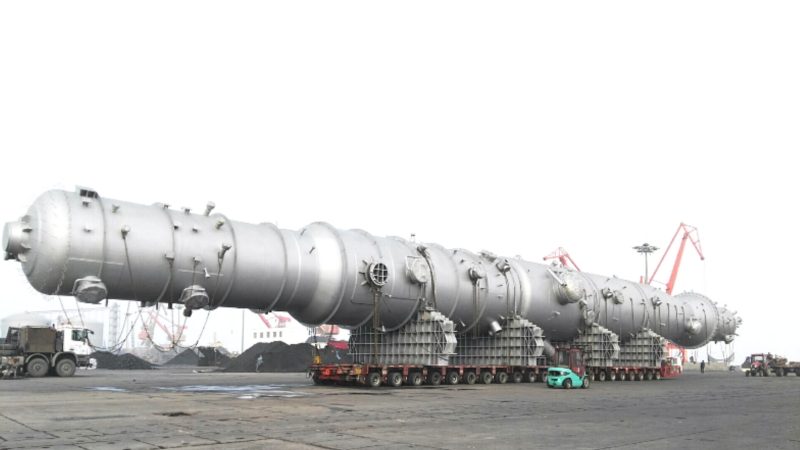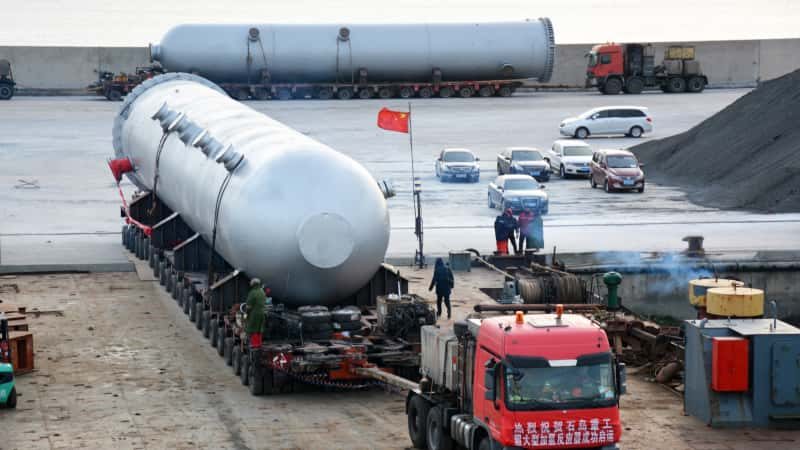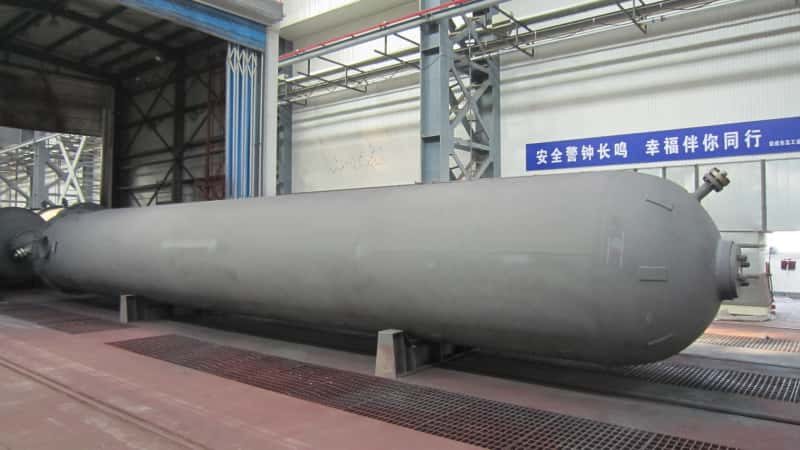

Gas processing and environmental control systems are critical to modern industrial infrastructure. However, many operators face recurring challenges such as incomplete separation, high emissions, corrosion, scaling, and poor product purity. These issues can lead to substantial financial losses, equipment downtime, and even regulatory penalties. The cornerstone solution that addresses these challenges with precision and efficiency is the deployment of process towers and columns. These vertically-structured units are essential in refining, purifying, and controlling the quality of gas streams in both upstream and downstream sectors. If you’ve struggled to understand their function or optimize their performance, this article will help you gain professional-level insight and practical guidance.
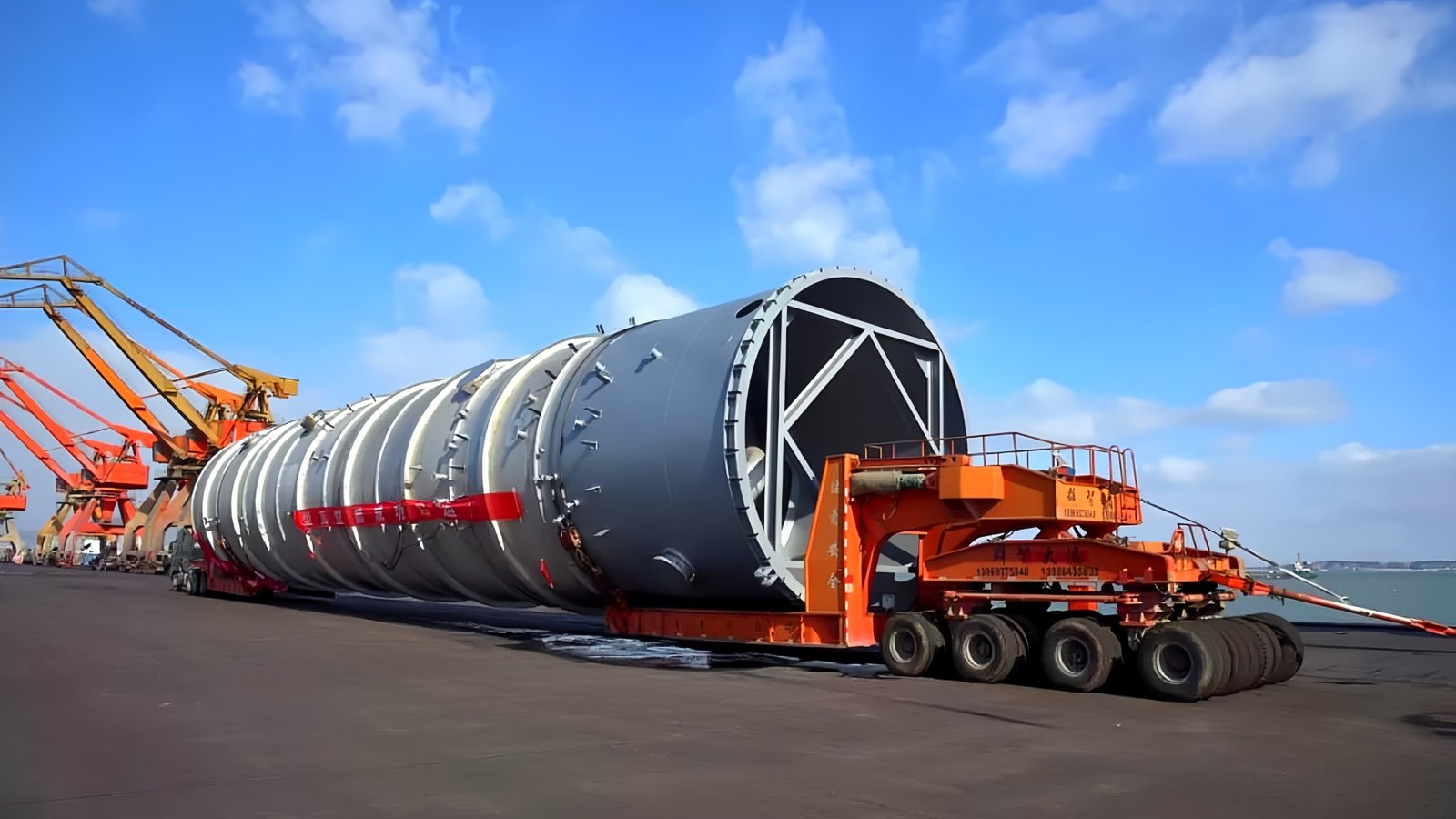
Process towers and columns serve a fundamental role in gas processing and environmental systems by facilitating phase separation, chemical absorption, adsorption, stripping, or distillation. These operations remove contaminants, recover valuable components, and ensure compliance with environmental standards. Their design, internals, and operating parameters directly influence process efficiency, product quality, and environmental emissions.
By understanding how process towers and columns work and how they are applied in gas and environmental systems, you can drastically improve operational reliability, reduce emissions, and enhance the economic value of your processing unit. Let’s dive into the fundamental types, key mechanisms, and real-world applications of these critical engineering systems to empower your decision-making and optimize performance.
Process towers and columns are only used for distillation.False
While distillation is a major application, process towers and columns are also used for absorption, stripping, scrubbing, and chemical reactions.
Towers with packing materials enhance mass transfer efficiency.True
Packing materials increase surface area for gas-liquid contact, improving separation efficiency in operations like absorption or distillation.
What Are Process Towers and Columns?
Core Types and Their Functional Differences
Process towers and columns are vertical vessels designed for mass and heat transfer between gas and liquid phases. The main types include:
| Tower Type | Primary Function | Common Application |
|---|---|---|
| Distillation Column | Component separation by boiling point | Natural gas liquids (NGL) recovery |
| Absorber Tower | Gas purification via liquid solvent | CO₂, H₂S removal from natural gas |
| Stripper Tower | Removing volatile components from liquid | Regenerating amine or glycol solutions |
| Scrubber Tower | Pollutant removal from exhaust gases | Flue gas desulfurization, VOC scrubbing |
| Reactor Column | Gas-liquid chemical reactions | Claus sulfur recovery, hydrogenation |
These towers typically contain internal components like trays or structured/random packing to facilitate contact between the two phases, allowing components to be selectively transferred or separated.
Technical Working Principle: Mass and Heat Transfer
All tower operations revolve around principles of thermodynamics and fluid mechanics. Key mechanisms include:
- Countercurrent flow: Gas flows upward, liquid downward, maximizing contact time.
- Surface area enhancement: Trays and packing increase surface area for inter-phase mass transfer.
- Equilibrium stages: Each tray or section approximates an equilibrium between phases.
Below is a simplified schematic of mass transfer efficiency by tower type:
| Tower Type | Typical Transfer Efficiency (%) | Typical Pressure Drop (kPa) |
|---|---|---|
| Tray Column | 60–75 | 10–20 |
| Packed Column | 80–90 | 5–15 |
| Hybrid Systems | 85–95 | 5–18 |
This performance is influenced by factors like feed composition, flow rate, temperature, pressure, and internals design.
Role in Gas Processing Systems
1. Natural Gas Sweetening (CO₂ & H₂S Removal)
In upstream gas treatment, absorber towers using amine solvents (e.g., MEA, DEA) remove acid gases like CO₂ and H₂S. These gases are absorbed into the liquid phase and removed from the raw natural gas to meet pipeline specifications.
- Absorber: Removes CO₂ and H₂S from gas stream.
- Stripper (Regenerator): Regenerates the solvent by heating and stripping absorbed gases.
2. NGL Recovery via Fractionation
Distillation columns separate components like methane, ethane, propane, butane, and pentanes from natural gas liquids based on boiling points. Multi-column setups (deethanizer, depropanizer, debutanizer) are common.
- Tight temperature control and reflux ratios are critical.
- Tray and packing selection affects separation efficiency.
3. Dehydration Systems
Glycol contactor towers remove moisture from natural gas streams. Triethylene glycol (TEG) absorbs water, and is later regenerated in a stripper column.
Role in Environmental Systems
1. Air Pollution Control via Scrubbers
Gas scrubber towers are used in stack gas treatment for pollutant removal:
- Wet scrubbers: Use liquid to remove particulates, SO₂, NOx, VOCs.
- Dry scrubbers: Spray a reagent (like lime) for neutralizing acid gases.
Scrubber tower efficiency is impacted by:
- Liquid-to-gas ratio
- Spray nozzle design
- Contact time and tower height
2. Carbon Capture Systems
Amine-based absorber towers are also used in post-combustion CO₂ capture systems in power plants. Stripper towers then regenerate the solvent. This is a critical technology in reducing carbon emissions.
3. Odor Control Systems
Bio-scrubbers and chemical scrubbers are used in wastewater and waste management industries for controlling H₂S and ammonia emissions.
Real-World Case Study: Offshore Gas Platform
In a North Sea offshore gas platform, a three-tower system was implemented:
- Amine absorber: Removed >98% CO₂ and H₂S.
- TEG dehydration tower: Achieved gas dew point below −30°C.
- Distillation tower for NGLs: Achieved 99.5% propane recovery.
This modular column system ensured compliance with export gas standards and reduced corrosion risks in downstream pipelines.
Column Design Considerations
Internal Design Options
| Internal Type | Benefits | Drawbacks |
|---|---|---|
| Bubble Cap Trays | Tolerant to flow variations | Higher pressure drop |
| Sieve Trays | Simple design, low cost | Poor turndown ratio |
| Structured Packing | High efficiency, low pressure drop | Sensitive to fouling |
| Random Packing | Cost-effective, flexible design | Less efficient than structured |
Material Selection
- Carbon Steel: Cost-effective, good for non-corrosive applications.
- Stainless Steel: High resistance to corrosion, used with acidic gases.
- Duplex Steel / Alloys: Required in high-pressure or sour gas environments.
Maintenance and Monitoring
Advanced process columns now include sensors and IoT-integrated smart monitoring for:
- Liquid holdup levels
- Tray flooding detection
- Pressure and temperature gradients
- Corrosion monitoring
Predictive maintenance can reduce unscheduled shutdowns by up to 35%.
Simulation and Modeling Tools
Modern gas and environmental systems rely heavily on simulation tools for column design:
- HYSYS and Aspen Plus: For thermodynamic modeling and equipment sizing.
- CFD Analysis: For fluid distribution and internals optimization.
- Process Optimization Platforms: Real-time AI-based tuning of column performance.
These tools assist in optimizing tray loading, pressure drops, and energy usage.
Conclusion
Process towers and columns are the backbone of both gas processing and environmental control systems. Their ability to selectively remove, separate, or purify gases and liquids underpins nearly all modern industrial chemical processes. A deep understanding of their operation, design, and integration can not only solve operational issues but unlock new efficiencies and compliance capabilities for your facility.
📞 Contact Us for Expert Process Column Solutions
Looking for engineering-grade solutions for gas processing, NGL recovery, carbon capture, or environmental control? We are a leading manufacturer and supplier of custom-designed process towers and columns with advanced internals, materials, and automation integration. Contact us today to discuss your needs, get custom drawings, or request a quote.
References
- Distillation Column Basics – https://www.chemengonline.com/distillation-column-basics/ – Chemical Engineering
- Gas Processing Overview – https://www.naturalgas.org/natural-gas/processing-ng/ – NaturalGas.org
- Absorption Towers in Gas Treatment – https://www.sciencedirect.com/topics/chemical-engineering/absorption-column – ScienceDirect
- Environmental Applications of Process Towers – https://www.epa.gov/air-emissions-factors-and-quantification – US EPA
- Process Column Design Considerations – https://www.aiChE.org/resources/publications/cep/2017/june/design-principles-effective-tray-towers – AIChE
- Gas Separation Technologies – https://www.ogj.com/home/article/17287763/gas-processing-techniques – Oil & Gas Journal