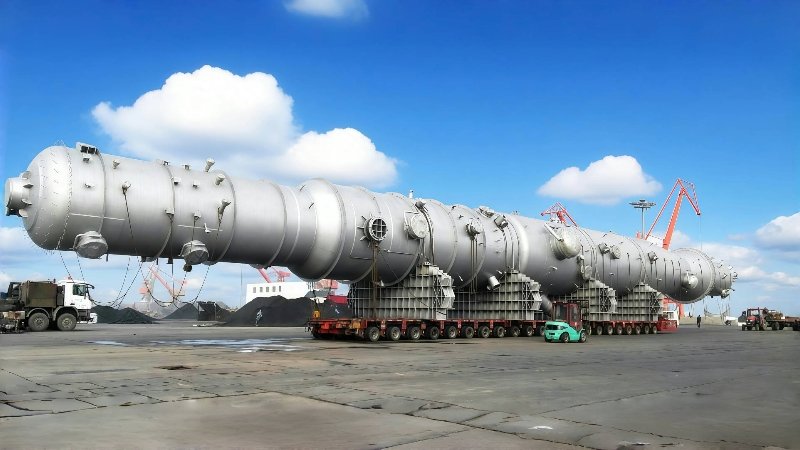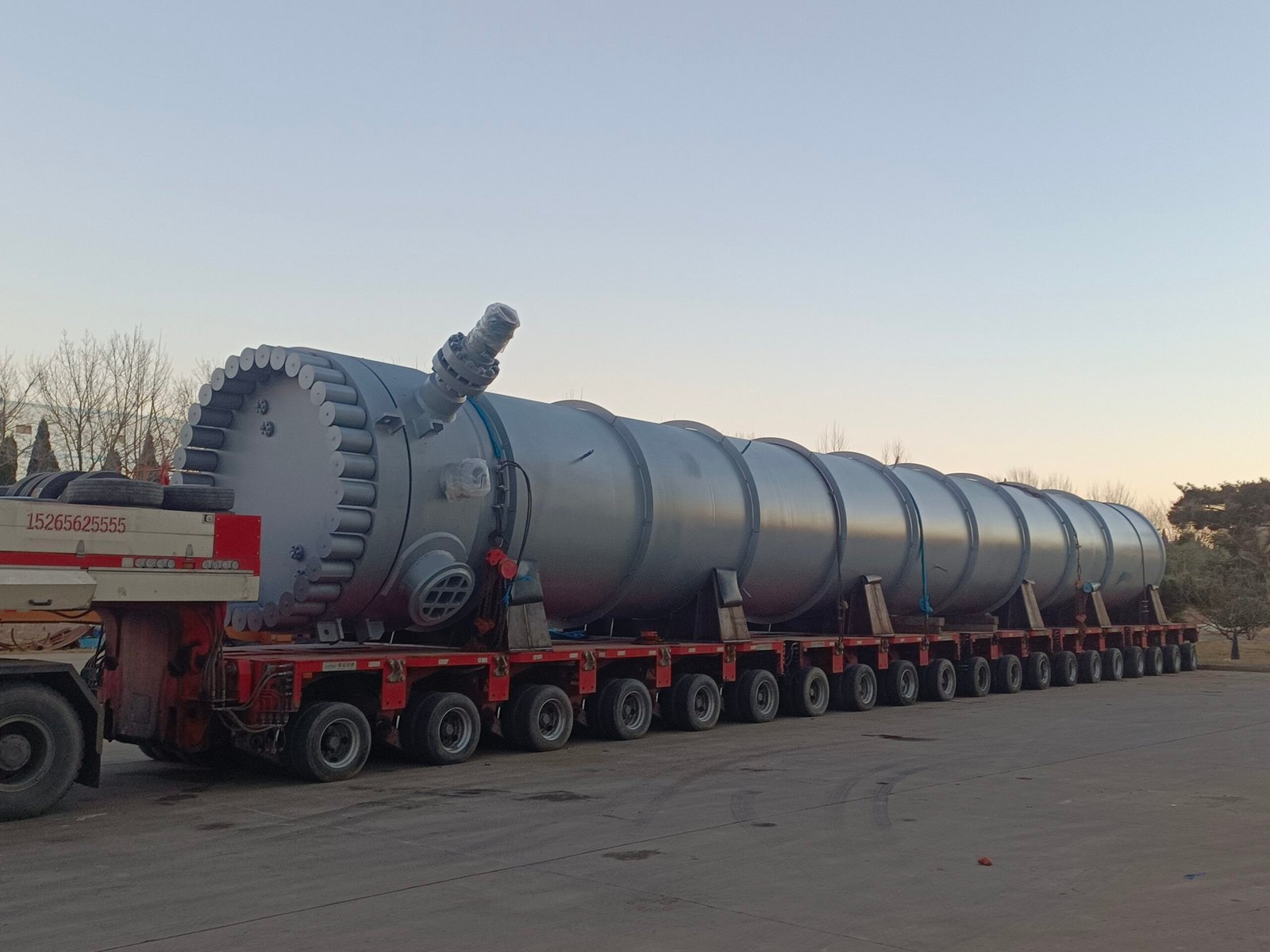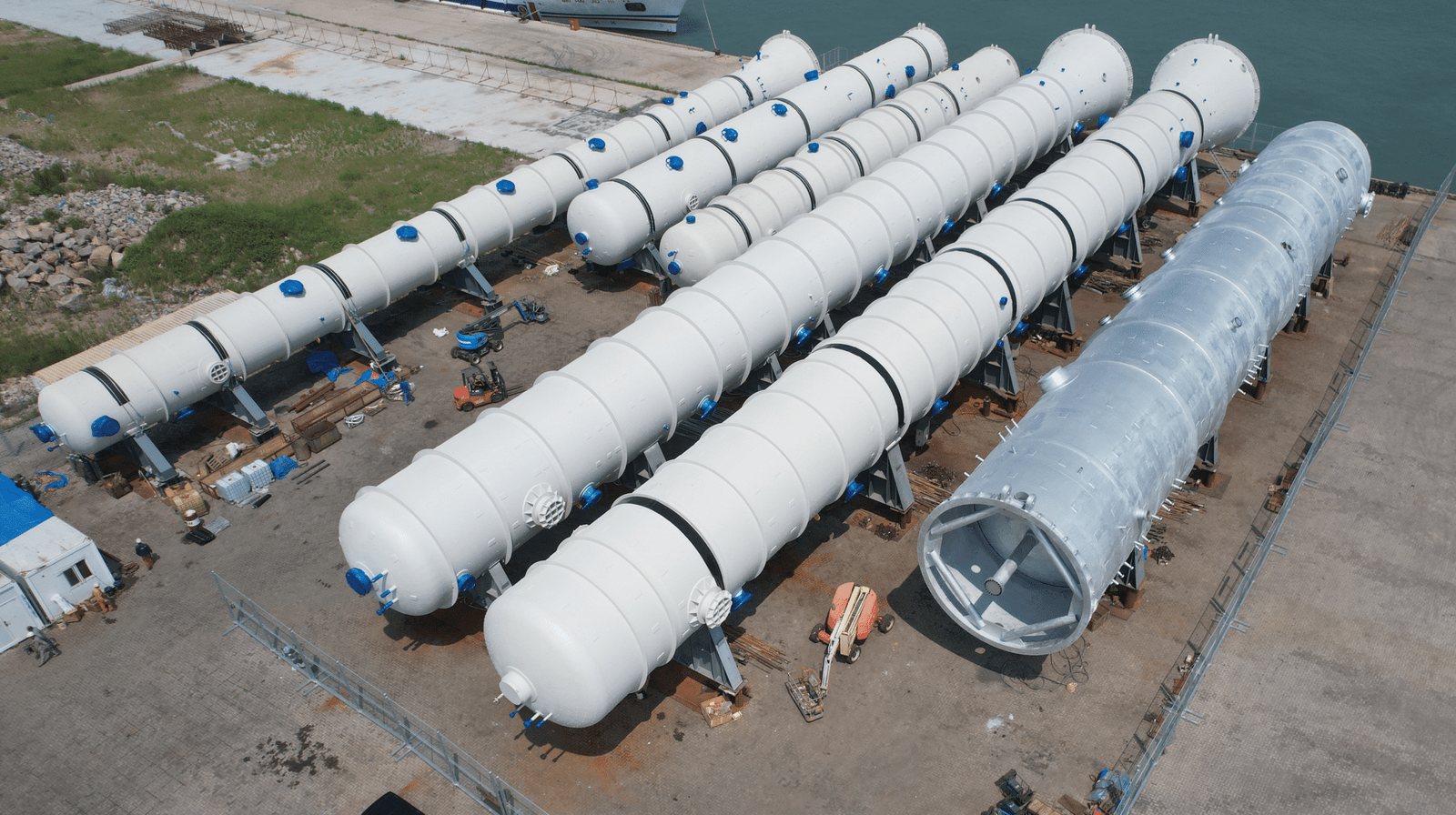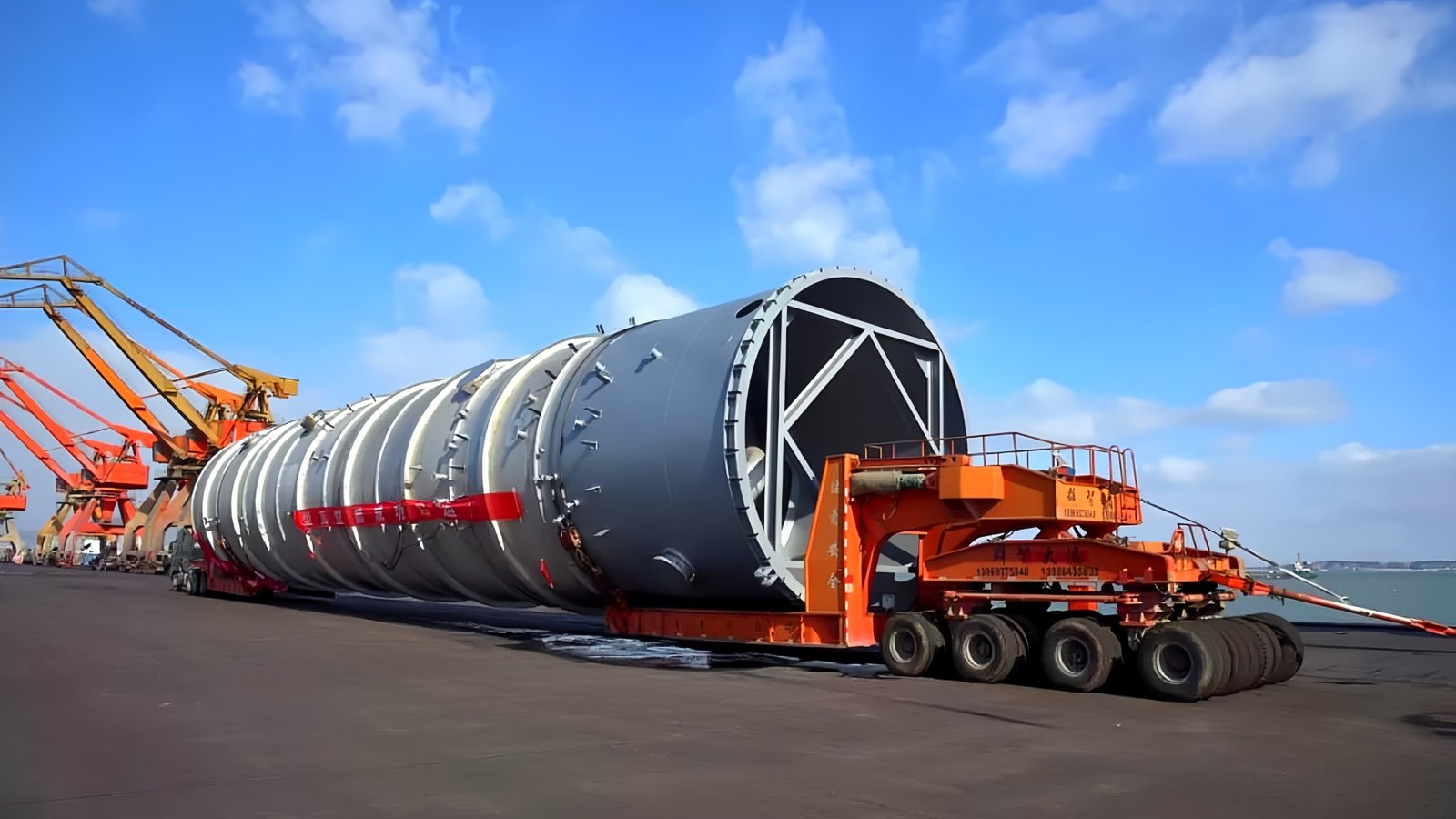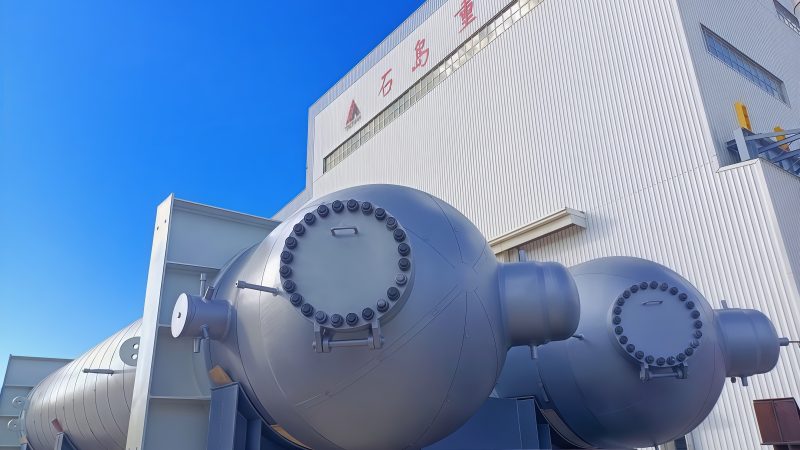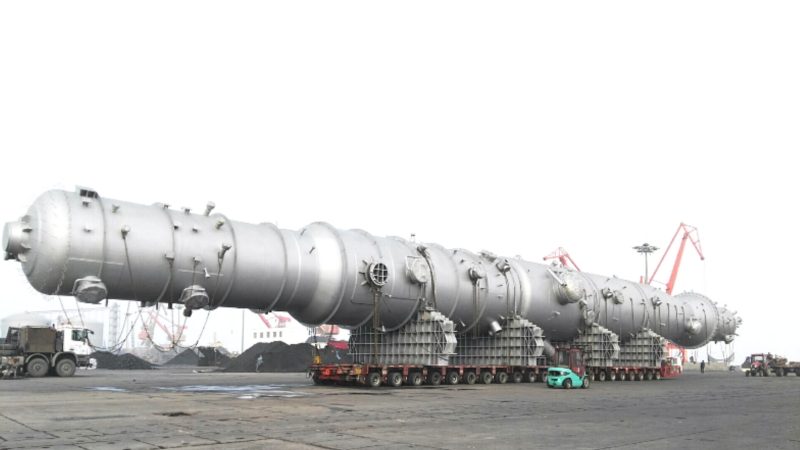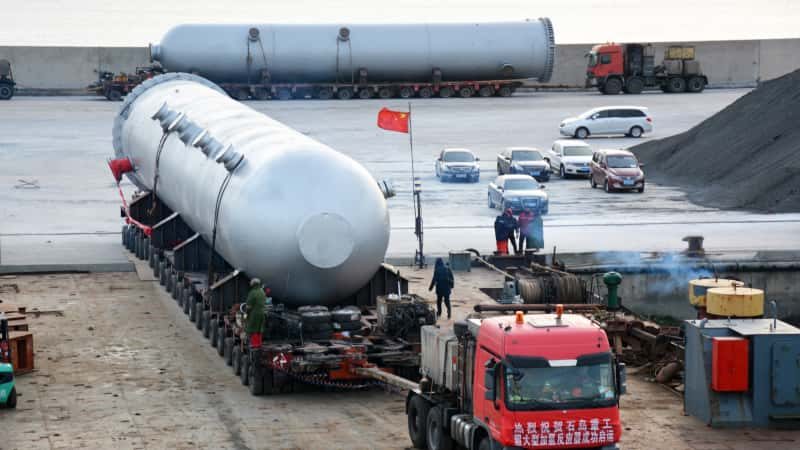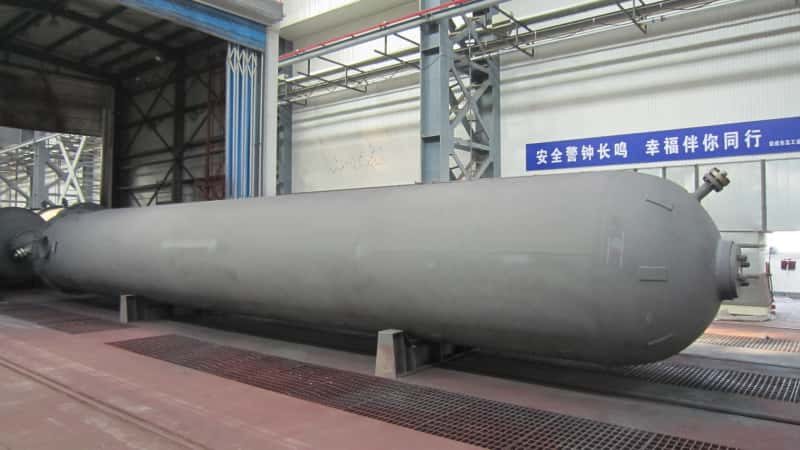

In many industrial processes, especially in the chemical, petrochemical, and pharmaceutical industries, the recovery of valuable solvents, vapors, or by-products is crucial for economic efficiency and environmental compliance. However, without the right equipment, these substances are lost as waste or emissions—leading to higher costs and regulatory risks. A Recovery Tower or Recovery Column solves this by capturing and purifying these valuable components, making them reusable while reducing waste and emissions.
A Recovery Tower, also known as a Recovery Column, is a vertical process vessel used to separate, purify, and recover specific vapors or liquid components from a gas or liquid mixture, typically through distillation, absorption, or stripping techniques, enabling reuse and minimizing loss in industrial processes.
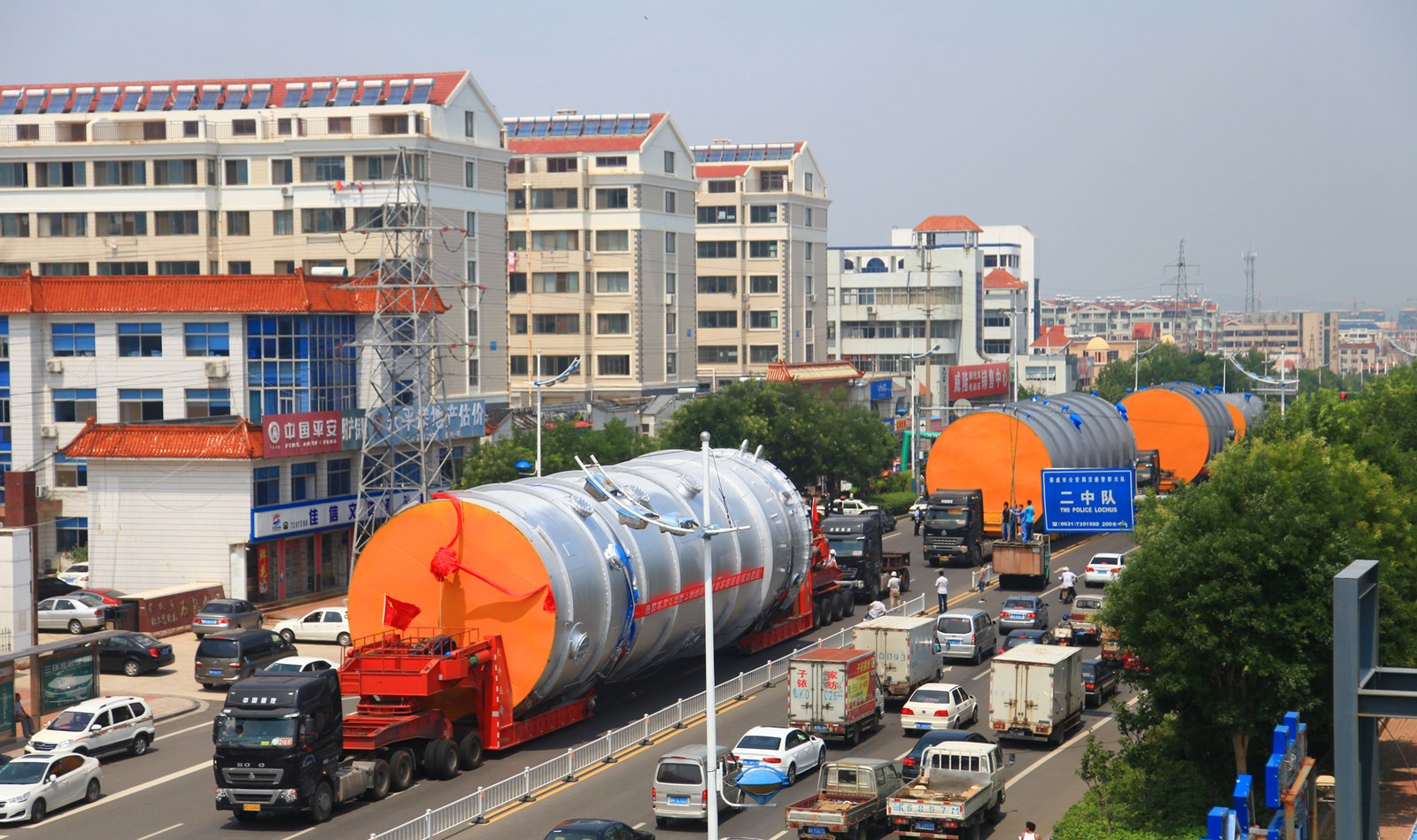
These columns are fundamental in ensuring process efficiency, cost savings, and environmental sustainability. In the sections that follow, we will explore how recovery towers work, their different types, the underlying principles of operation, and how to select the right one for your application.
What Is a Recovery Tower and What Are Its Core Functions in Industrial Processes?
In large-scale industrial operations—especially in petroleum refining, petrochemical, and chemical processing—the loss of valuable vapors, solvents, or reactants can lead to significant economic damage and environmental hazards. These losses not only increase production costs but also pose risks of air pollution, fire, and health hazards. As industries strive for higher efficiency and sustainability, the recovery tower has emerged as a pivotal technology to capture, separate, and reuse these valuable compounds, ensuring safety, profitability, and regulatory compliance. Understanding how recovery towers work and their core functions can empower plant engineers and operations managers to enhance plant efficiency, reduce emissions, and recover high-value materials.
A recovery tower is a vertical distillation or absorption column used in industrial processes to recover valuable components—such as solvents, hydrocarbons, or acids—from process streams, waste gases, or vent emissions. Its core functions include separating components based on differences in volatility or solubility, reducing emissions, improving product yields, and enabling the reuse or recycling of materials in the system.
Whether you’re working in refining, pharmaceutical manufacturing, or chemical processing, understanding the strategic role of a recovery tower can unlock higher process efficiency and lower operational costs. Let’s delve into how this indispensable equipment works, its critical role across sectors, and what to consider when designing or operating one.
Recovery towers are essential for recovering volatile materials in industrial processes.True
They reduce emissions, save costs, and enhance sustainability by capturing and recycling valuable volatile components.
Understanding the Role of Recovery Towers in Industrial Settings
A recovery tower—also known as a recovery column—is a tall vertical process vessel primarily designed for separation and recovery of targeted compounds from gas or liquid mixtures. It’s widely applied in systems where cost, efficiency, and emissions matter most, such as:
- Petrochemical refining
- Solvent recovery systems
- VOC (volatile organic compound) emission control
- Acid gas treatment
- Food and fragrance compound isolation
These towers operate based on mass transfer processes such as distillation, absorption, or stripping—techniques that leverage boiling point or solubility differences between components.
Key Operating Principles: Distillation vs. Absorption
Distillation-Based Recovery Tower
- Utilizes heat to vaporize a liquid mixture.
- Separation occurs due to differing boiling points.
- Overhead vapors are condensed and collected.
- Common in solvent or hydrocarbon separation.
Absorption-Based Recovery Tower
- Gas stream enters from the bottom, while a liquid solvent flows down.
- Target components in the gas are absorbed into the liquid.
- Rich solvent is later regenerated in a stripper or reboiler.
- Common in VOC and acid gas treatment.
Comparison Table
| Feature | Distillation Tower | Absorption Tower |
|---|---|---|
| Separation Principle | Boiling point differences | Solubility differences |
| Operating Phase | Vapor-liquid | Gas-liquid |
| Energy Requirement | High (requires heat input) | Moderate (cooling/solvent circulation) |
| Application Examples | Solvent recovery, hydrocarbon split | VOC removal, acid gas treatment |
| Common Packing Type | Trays, structured/random packing | Packed beds, spray nozzles |
| Typical Output | High-purity fractionated materials | Rich solvent for further stripping |
Internal Components of a Recovery Tower
A well-designed tower includes:
| Component | Function |
|---|---|
| Feed Inlet | Introduces vapor, gas, or liquid stream into the tower |
| Trays or Packing | Enhances contact between vapor and liquid for efficient mass transfer |
| Reboiler | Provides heat to create upward vapor flow |
| Condenser | Cools and condenses vapors at the top of the tower |
| Reflux Drum | Holds condensate, part of which is returned to improve separation |
| Liquid Distributor | Spreads solvent evenly over the packing |
| Demister Pads | Remove entrained droplets from exiting gas |
| Instrumentation | Ensures real-time monitoring of pressure, level, and temperature |
Real-World Applications Across Industries
- Petrochemical plants recover propane, butane, and other light hydrocarbons from flare or vent gases.
- Pharmaceutical factories reclaim solvents like methanol, ethanol, and dichloromethane to reduce raw material costs.
- Paint and coating industries capture VOCs from spray booths to comply with environmental regulations.
- Natural gas processors absorb H₂S and CO₂ using chemical solvents such as amines.
Case Study: Solvent Recovery in Paint Manufacturing
A mid-sized coatings manufacturer was losing over $1.5 million/year incinerating VOCs from spray lines. They installed a packed-bed recovery tower designed for xylene and toluene recovery. Post-installation metrics:
- 94% recovery rate
- $1.3 million in solvent cost savings
- ROI achieved in 9 months
- VOC emissions cut by 72%
This case demonstrates the economic and environmental benefits achievable through recovery tower implementation.
Process Optimization and Design Considerations
To achieve optimal efficiency:
- Use high-efficiency structured packing to reduce HETP (height equivalent to a theoretical plate)
- Optimize temperature and pressure profile across the column
- Integrate reboiler and condenser heat exchange with other units
- Employ simulation tools like ASPEN Plus, HYSYS, or ProMax for detailed design
Engineering Parameters That Matter
- Feed composition (inlet concentration and flow rate)
- Target purity and recovery percentage
- Heat duty and energy balance
- Tower diameter and height calculations
- Pressure drop and hydraulic constraints
- Solvent regeneration requirements
Summary
Recovery towers are essential tools in modern industrial processes. They help reduce emissions, recover valuable materials, and improve energy efficiency. Whether via distillation or absorption, these towers are adaptable, scalable, and economically valuable for nearly all sectors—from petrochemicals to pharmaceuticals.
How Does a Recovery Column Work in Separating and Purifying Substances?
In many industrial sectors—from petrochemicals to pharmaceuticals—the challenge of separating and purifying valuable substances from complex mixtures is central to process efficiency and product quality. If these compounds are not effectively recovered, companies face higher raw material costs, waste treatment expenses, and regulatory penalties. This is where the recovery column, also known as a recovery tower or separation column, becomes a critical piece of equipment. When designed and operated properly, recovery columns enable efficient separation, purification, and even recycling of materials, drastically improving sustainability and profitability.
A recovery column works by exploiting differences in physical or chemical properties—such as boiling points, solubilities, or affinities—to separate components in a mixture. Through distillation, absorption, or stripping mechanisms, vapor and liquid phases are brought into contact inside the column, allowing target substances to be selectively purified or recovered based on their behavior in these interactions.
Whether the process involves recovering solvents, separating hydrocarbons, or scrubbing acidic gases, recovery columns are engineered to maximize mass transfer efficiency and purity. Let’s take a deep dive into the mechanisms, internal structures, and industrial applications of these vital columns.
Recovery columns operate by enhancing vapor-liquid or gas-liquid contact to enable mass transfer between phases.True
By facilitating contact between rising vapors and descending liquids, recovery columns allow substances to separate based on volatility or solubility.
Working Principles of a Recovery Column
A recovery column is a vertical process vessel that enables phase contact between fluids—usually gas/vapor and liquid—to perform separation based on differences in volatility or solubility. The three primary operating mechanisms are:
- Distillation – Separation by boiling point difference
- Absorption – Gas component transfer into a liquid solvent
- Stripping – Removal of absorbed components from a liquid using a stripping gas
In all three cases, the driving force is the concentration gradient between phases. The greater the difference, the more effective the mass transfer, and hence the separation.
In a distillation column, the mixture is heated so that the more volatile component vaporizes and rises through the column. As it contacts the descending liquid (reflux), partial condensation occurs, enriching the rising vapor in more volatile substances and the liquid in less volatile substances. This counter-current flow enhances separation.
In absorption towers, a gas stream containing target components enters from the bottom while a liquid solvent flows down from the top. As the gas and liquid interact across packing or trays, the target gas is absorbed into the liquid, purifying the outgoing gas stream.
Stripping is the reverse: A liquid containing a dissolved substance is contacted with a stripping gas, often steam, which removes the volatile component into the gas phase.
Key Internal Components and Their Roles
The internal structure of a recovery column is critical to its performance. Here’s how the components work together:
| Component | Purpose and Function |
|---|---|
| Trays/Plates | Provide discrete stages for vapor-liquid interaction (used in distillation columns) |
| Packing Materials | Increase surface area for continuous mass transfer (used in absorption and stripping) |
| Reboiler | Heats the bottom mixture to generate vapor (distillation-specific) |
| Condenser | Cools and condenses overhead vapors into liquid |
| Feed Inlet | Introduces the mixture into an intermediate stage |
| Reflux Drum | Collects condensed vapor; some is returned to improve separation |
| Liquid Distributor | Evenly spreads liquid over packing materials |
| Demister Pads | Removes entrained liquid droplets from vapor exiting the column |
Each part contributes to the overall efficiency by promoting intimate contact between phases, ensuring that mass transfer is as complete as possible at each stage of the column.
Thermodynamic and Mass Transfer Basis
The effectiveness of a recovery column is governed by phase equilibrium and mass transfer kinetics:
- Raoult’s Law (for distillation): The partial vapor pressure of each component is proportional to its mole fraction in the liquid.
- Henry’s Law (for absorption): The amount of gas absorbed is proportional to its partial pressure in the gas phase and its solubility in the liquid.
- Driving Force: Separation occurs when there is a concentration or pressure difference across phases.
- HETP (Height Equivalent to a Theoretical Plate): A measure of column efficiency; lower HETP means higher efficiency per unit height.
Mathematical models (e.g., McCabe-Thiele diagrams for distillation or absorption factor analysis for gas absorption) are used to design and size columns for optimal performance.
Real-World Operation: Step-by-Step Flow
Here is how a typical distillation-based recovery column works:
- Feed Entry: A mixture is fed into the middle section of the column.
- Vaporization: The reboiler at the base vaporizes the liquid.
- Upward Vapor Flow: Vapor rises, encountering descending reflux liquid.
- Vapor-Liquid Contact: On trays or packing, the two phases contact, allowing mass transfer.
- Separation by Volatility: The lighter (more volatile) components concentrate at the top.
- Condensation and Reflux: The overhead vapor is condensed, and part of it is recycled back.
- Product Draw-off: The purified components are withdrawn at designated points.
For an absorption column, replace heat with solvent flow, and the gas stream rises to interact with the descending liquid.
Types of Recovery Columns
| Type | Operating Principle | Typical Use Cases |
|---|---|---|
| Distillation Column | Volatility (boiling points) | Solvent recovery, hydrocarbon separation |
| Absorption Column | Solubility differences | VOC removal, acid gas scrubbing |
| Stripping Column | Reverse absorption | Solvent regeneration, steam stripping |
| Reactive Column | Combines separation + reaction | Esterification, hydrogenation, transesterification |
| Azeotropic Column | Breaks azeotropes | Ethanol-water separation using entrainers |
Each column type is customized for specific process needs and physical properties of the substances involved.
Example Case Study: Solvent Recovery from Waste Streams
A chemical manufacturer produces a waste stream containing 70% methanol and 30% water. Instead of discarding it, they use a distillation-based recovery column to purify the methanol.
- Column type: Tray column with 25 stages
- Feed rate: 500 kg/hr
- Methanol recovery: 98.7%
- Purity of product: 99.5%
- Energy consumption: 820 kWh/day
- ROI: 14 months
This example shows how recovery columns not only reduce waste but also reclaim valuable materials that can be reused in production.
Performance Indicators
| Parameter | Description |
|---|---|
| Recovery Efficiency (%) | Amount of target material recovered relative to feed |
| Purity (%) | Degree of removal of unwanted components |
| Energy Usage (kWh/kg) | Energy required per unit of recovered product |
| Pressure Drop (mbar) | Resistance across the column affecting gas flow |
| Flooding Velocity (%) | Operational vapor speed compared to max allowable speed |
| Turndown Ratio | Flexibility to operate at varying feed rates |
Higher efficiency means better separation, lower operating costs, and more sustainable processes.
Control and Optimization
Modern recovery columns are equipped with automated control systems that monitor:
- Tray/packing temperatures
- Column pressure profiles
- Liquid and vapor flow rates
- Level control in reflux and reboiler drums
Using DCS (Distributed Control Systems) or SCADA systems, operators can fine-tune the operation to maintain steady output, minimize energy usage, and respond to process disturbances.
Advanced digital tools like AI-based optimization, model predictive control, and process simulation are increasingly integrated into recovery column design and operation for smarter decision-making and real-time efficiency improvements.
Summary
A recovery column is an engineering marvel that allows industrial plants to efficiently separate and purify valuable substances from mixtures. By leveraging principles of distillation, absorption, and stripping, these columns achieve high-purity outputs, minimize waste, and reduce environmental impact. They are indispensable tools in modern industrial production lines, enabling circular economy practices and sustainable operations.
Whether you are looking to recover solvents, hydrocarbons, or treat emissions, understanding the working principles of recovery columns can help you design or select the optimal solution for your process.
What Are the Main Types of Recovery Towers and How Are They Applied in Various Industries?
In industrial production, particularly in the petrochemical, chemical, pharmaceutical, and environmental sectors, managing emissions, recovering valuable compounds, and purifying process streams are all critical to operational efficiency and environmental compliance. Failure to properly separate and recycle process materials leads to enormous resource wastage, environmental harm, and unnecessary operational costs. This is where recovery towers play a transformative role. However, not all recovery towers are the same—different types serve different purposes, depending on the separation mechanism and the material being recovered.
The main types of recovery towers include distillation towers, absorption towers, stripping towers, reactive towers, and azeotropic/extractive distillation towers. Each type functions based on a specific separation mechanism—such as differences in boiling point, solubility, or chemical reactivity—and is applied in industries such as petrochemicals, pharmaceuticals, food processing, and gas treatment to recover, purify, or recycle valuable compounds or remove hazardous ones.
Knowing the differences between these towers is essential for selecting the right system for a given process, achieving high recovery efficiency, and complying with regulatory standards. In this article, we explore each type of recovery tower in detail and show how they are used across industries with real examples, tables, and performance insights.
Each type of recovery tower uses a different mechanism, such as boiling point or solubility differences, to perform separation.True
Distillation towers rely on volatility, absorption towers use solubility, and stripping towers apply the reverse absorption principle.
Overview of Recovery Tower Types and Mechanisms
Industrial recovery towers are categorized based on how they achieve phase separation between components. The primary categories include:
- Distillation Towers
- Absorption Towers
- Stripping Towers
- Reactive Distillation Towers
- Azeotropic & Extractive Distillation Towers
Each serves a unique role depending on the physical and chemical properties of the mixture being processed.
| Recovery Tower Type | Primary Separation Principle | Main Phase Interaction | Typical State of Feed | Common Applications |
|---|---|---|---|---|
| Distillation Tower | Boiling point difference | Vapor-liquid | Liquid or vapor | Solvent recovery, hydrocarbon splitting |
| Absorption Tower | Solubility difference | Gas-liquid | Gas | VOC removal, acid gas treatment |
| Stripping Tower | Volatilization via stripping gas | Gas-liquid | Liquid | Solvent regeneration, ammonia stripping |
| Reactive Distillation Tower | Chemical reaction + distillation | Vapor-liquid | Liquid or vapor | Esterification, alkylation |
| Azeotropic/Extractive Tower | Entrainer-assisted boiling point shift | Vapor-liquid | Liquid | Ethanol dehydration, azeotrope separation |
Let’s now look at each of these towers in greater detail.
Distillation Towers
Distillation towers are the most common recovery towers. They separate substances based on differences in boiling points. Inside the tower, heat is applied to vaporize the mixture. Components with lower boiling points rise and condense at different heights, while heavier components condense lower in the column.
Industrial Applications:
- Petrochemicals: Crude oil fractionation into LPG, gasoline, kerosene, diesel, etc.
- Pharmaceuticals: Solvent purification (e.g., ethanol, isopropanol).
- Food Industry: Alcohol recovery in beverage production.
Performance Table:
| Parameter | Typical Value Range |
|---|---|
| Number of stages (trays) | 10–60 |
| Top product purity | 95–99.9% |
| Recovery efficiency | Up to 98% for target compounds |
| Energy requirement | High (due to reboiler load) |
Absorption Towers
Absorption towers recover soluble components from a gas stream by using a liquid solvent. As the gas moves upward and the liquid moves downward, the soluble component is absorbed into the liquid.
Industrial Applications:
- Chemical Plants: Absorption of H₂S and CO₂ using amines (e.g., DEA, MEA).
- Paint Factories: VOC (toluene, xylene) absorption into glycol or water-based solvents.
- Environmental Sector: Air scrubbing systems for NOₓ, SO₂ removal.
Performance Table:
| Parameter | Typical Range |
|---|---|
| Packing height | 2–8 meters |
| Absorption efficiency | 90–99% |
| Solvent circulation rate | 1.2–3.0 times gas volume |
| Operating pressure | Ambient to 20 bar |
Stripping Towers
Stripping towers operate in the reverse manner of absorption. A stripping gas (often steam or air) is introduced at the bottom to strip volatile components from the liquid phase. Heat may be applied to improve efficiency.
Industrial Applications:
- Wastewater Treatment: Ammonia or VOC removal from effluent.
- Solvent Recovery: Regeneration of rich solvent from absorption tower.
- Pharma Industry: Stripping of residual solvents from API solutions.
Performance Table:
| Parameter | Typical Range |
|---|---|
| Stripping gas:liquid ratio | 1.5:1 to 4:1 |
| Removal efficiency | 80–98% |
| Reboiler temp (if used) | 100–150°C |
| Application flowrate | 1–100 m³/h |
Reactive Distillation Towers
Reactive distillation towers combine chemical reaction and distillation into one unit. The reaction occurs on catalytic trays or packing, and products are simultaneously separated based on volatility.
Industrial Applications:
- Esterification: Methanol + acetic acid → methyl acetate + water.
- Biodiesel Production: Transesterification reactions.
- Petrochemical Reactions: Alkylation, etherification.
Benefits:
- Reduces equipment count (reactor + separator in one)
- Lowers capital and energy costs
- Improved yield by shifting reaction equilibrium
Performance Table:
| Parameter | Typical Value |
|---|---|
| Catalyst lifespan | 6 months–2 years |
| Conversion efficiency | 85–98% |
| Energy savings (vs. separate units) | 15–40% |
| Operating pressure | 1–10 bar |
Azeotropic and Extractive Distillation Towers
When two components form an azeotrope and cannot be separated by normal distillation, a special agent (entrainer) is added to change the boiling behavior. These towers are used for high-purity separations where standard distillation fails.
Industrial Applications:
- Ethanol Purification: Dehydration using benzene or ethylene glycol.
- Acetone-Methanol Separation: With water as entrainer.
- Solvent Recycling: Pharmaceutical and semiconductor sectors.
Performance Table:
| Parameter | Typical Range |
|---|---|
| Azeotrope purity | 90–95% before separation |
| Final purity after entrainer | 99.9%+ |
| Solvent recovery yield | 95–98% |
| Operating complexity | High |
Cross-Industry Application Matrix
| Industry | Tower Type Used | Application Examples |
|---|---|---|
| Petrochemical | Distillation, Absorption | Crude fractionation, flare gas recovery, gas sweetening |
| Pharmaceutical | Distillation, Stripping | Solvent recovery, API purification |
| Paint & Coatings | Absorption, Distillation | VOC capture, solvent recycling |
| Food & Beverage | Distillation, Reactive | Alcohol purification, aroma compound recovery |
| Environmental | Absorption, Stripping | Acid gas scrubbing, ammonia removal |
| Semiconductors | Azeotropic Distillation | High-purity solvent recovery |
Summary
Each type of recovery tower offers a specialized solution to industrial separation and recovery challenges:
- Distillation towers are ideal for volatile mixtures.
- Absorption towers are best for gas treatment and VOC control.
- Stripping towers help regenerate spent liquids or remove light volatiles.
- Reactive towers offer integrated processing and separation.
- Azeotropic towers tackle complex, near-impossible separations.
Selecting the right tower type requires understanding your mixture’s physical/chemical characteristics, process goals, and regulatory constraints.
What Are the Key Components and Design Considerations of a Recovery Tower?
For industries dealing with chemical processing, petrochemical refining, solvent recovery, or gas treatment, recovery towers are indispensable for efficient separation and purification of valuable or hazardous components. However, poor design or missing components can lead to reduced separation efficiency, excessive energy use, or even hazardous failures. As recovery towers are often customized to specific processes, understanding their key components and design considerations is critical to operational success.
The key components of a recovery tower include trays or packing materials for mass transfer, a reboiler for heat input, a condenser for vapor recovery, liquid distributors, feed and product outlets, and control instruments. Design considerations involve tower diameter, height, tray spacing, pressure and temperature conditions, column internals, and separation efficiency targets. These parameters are tailored based on the process type (distillation, absorption, stripping), fluid properties, throughput, and purity requirements.
By mastering both the hardware and the design logic behind recovery towers, plant engineers and procurement teams can ensure the system performs optimally, remains compliant, and minimizes operational costs. Below is a comprehensive breakdown of each core component, followed by technical design strategies and real-world application considerations.
Recovery towers consist of internal components like trays, packing, reboilers, and condensers that enable efficient separation through mass transfer.True
These components increase phase contact, control flow, and manage thermal gradients to enhance purification.
Key Structural and Functional Components of a Recovery Tower
Recovery towers come in two general categories: tray columns and packed columns, each with distinct internal configurations. Regardless of type, certain components are universally essential.
1. Tower Shell
- Material: Typically stainless steel, carbon steel, or alloy based on chemical compatibility.
- Function: Provides structural containment for internal flow and pressure.
- Design Consideration: Must withstand operating pressure, temperature, and corrosion conditions.
2. Mass Transfer Internals
| Component | Type | Function |
|---|---|---|
| Trays | Sieve, Valve, Bubble Cap | Provide discrete mass transfer stages in tray towers |
| Packing | Random (e.g., Raschig rings), Structured (e.g., Mellapak) | Offers large surface area for vapor-liquid interaction |
- Tray Towers are ideal for high-flow and variable composition systems.
- Packed Towers are preferred in vacuum service or low-pressure systems for low pressure drop and high surface area.
3. Feed Entry Point
- Location: Typically at an intermediate level depending on component volatility.
- Design Tip: Avoid feed near sensitive stages like the reboiler or condenser to prevent flooding.
4. Reboiler (Distillation)
- Purpose: Heats bottom liquid to generate upward vapor.
- Types: Thermosiphon, Kettle, Fired Reboilers.
- Energy Source: Steam, hot oil, or electricity.
5. Condenser
- Purpose: Cools vapor exiting the top of the column into liquid.
- Configurations: Total or partial condensers depending on reflux requirements.
6. Reflux Drum
- Function: Temporarily holds condensed vapor.
- Design Consideration: Should be sized to hold 5–15 minutes of condensate volume.
7. Liquid Distributors
- Used in: Packed towers.
- Function: Uniformly distributes liquid over the packing to avoid channeling.
8. Demister Pads
- Function: Captures entrained liquid droplets from rising vapor, improving separation.
9. Instrumentation and Control
- Key Devices:
- Temperature sensors (multi-level)
- Pressure transmitters
- Liquid level controllers
- Flow meters (feed, reflux, bottom product)
- Control Objective: Maintain stability, prevent flooding, ensure optimal recovery.
Design Considerations for Recovery Tower Engineering
Proper tower design is vital for achieving performance targets such as recovery efficiency, throughput, and product purity. The following factors must be evaluated in the engineering phase.
Tower Diameter and Height
| Parameter | Influence |
|---|---|
| Diameter | Determines vapor velocity and flooding limit |
| Height | Dictates number of stages or packing height |
| Tray Spacing (tray towers) | Typically 18–24 inches for access and flow |
| Packing Height (packed) | Based on HETP (height equivalent to theoretical plate) |
Mass Transfer Efficiency
- Tray Efficiency: 50–70% per stage depending on fluid properties.
- Packing Efficiency: Determined by HETP; lower HETP = better performance.
- Simulation Tools: ASPEN Plus, HYSYS, ChemCAD used for stage calculation.
Pressure and Temperature
- Operating pressure affects component volatility and reboiler duty.
- Vacuum towers require special design to prevent air ingress and structural collapse.
- High-pressure designs need thicker walls, more robust flanges, and stricter welding specs.
Material Selection
- Influenced by:
- Fluid corrosivity
- Operating temperature
- Cost-performance balance
- Common materials:
- SS316: Good for acidic solvents
- Inconel/Hastelloy: For high-temperature corrosive service
- Carbon steel: Used in non-aggressive systems
Flowrate and Load Conditions
| Parameter | Typical Engineering Ranges |
|---|---|
| Liquid flowrate | 0.5–50 m³/h |
| Vapor flowrate | 10–200 kg/m²·h |
| Reflux ratio | 1.0–5.0 |
| Flooding design margin | 60–80% of calculated flooding rate |
Internal Design Comparison: Tray vs Packed Recovery Towers
| Feature | Tray Tower | Packed Tower |
|---|---|---|
| Pressure Drop | Moderate to high | Low |
| Turn-down Ratio | 3:1 or better | 2:1 |
| Maintenance | Easier (trays can be inspected) | Harder (packing may be hard to remove) |
| Efficiency | Stage-based, tunable | Continuous, depends on HETP |
| Preferred Application | High vapor loads, variable feed | Corrosive service, vacuum duty |
Case Study: Solvent Recovery Column for Pharmaceutical Plant
A pharmaceutical plant needed to recover methanol from a waste stream containing 60% methanol and 40% water. Design steps included:
- Target purity: 99.5% methanol
- Feed rate: 1000 kg/hr
- Chosen configuration: 30-tray distillation tower, partial condenser, thermosiphon reboiler
- Material: SS316 due to solvent acidity
- Energy integration: Used recovered methanol vapor as a heat source for preheating feed
- Result: Recovery rate 97.2%, payback in 14 months
Key Equations in Recovery Tower Design
- McCabe-Thiele Method: Graphical method for determining number of theoretical stages.
- Fenske Equation: Minimum number of stages at total reflux.
- Underwood Equation: Minimum reflux ratio calculation.
- NTU/HTU: For absorption/stripping towers to size packing height.
Summary
The success of a recovery tower lies in the synergy between its components and thoughtful design. From choosing the right type of internal (trays vs packing) to properly sizing reboilers, condensers, and distributors, each design decision directly impacts tower performance, energy efficiency, and operational reliability.
Knowing your process goals—be it solvent recovery, gas scrubbing, or VOC control—and aligning them with optimal component design will ensure high recovery yield, reduced environmental impact, and robust long-term operation.
How to Choose the Right Recovery Tower or Column for Your Application?
In the world of chemical processing, petrochemical refining, gas treatment, and solvent recovery, choosing the wrong type of recovery tower can result in poor separation performance, excessive operational costs, environmental violations, or even process failure. A mismatch between your process conditions and tower type can cause flooding, fouling, energy inefficiencies, or product contamination. Whether you’re aiming to separate volatile solvents, remove acidic gases, or reclaim hydrocarbons, choosing the right recovery tower or column design is critical for long-term performance, regulatory compliance, and cost-effectiveness.
Choosing the right recovery tower involves analyzing your application’s physical and chemical process parameters—such as mixture composition, separation goals, pressure, temperature, flowrate, and purity targets—and matching them to the appropriate tower type (distillation, absorption, stripping, reactive, or azeotropic). Considerations include the volatility or solubility of components, energy availability, corrosivity of fluids, and operational flexibility.
Selecting a recovery tower is a process-specific decision, not a one-size-fits-all choice. This article provides a structured methodology and decision tools to help engineers and plant managers make technically sound, cost-effective decisions for their application.
The type of recovery tower chosen must be based on the physical separation principles needed by the specific process.True
Different towers—like distillation or absorption—exploit different mechanisms such as boiling point or solubility to achieve separation.
Step-by-Step Process for Selecting the Right Recovery Tower
Choosing the correct tower involves multiple criteria. Below is a clear decision-making sequence:
1. Define Separation Objective
- Are you trying to separate components based on boiling point?
- Are you removing a gas impurity from a process stream?
- Are you recovering a volatile solvent from water?
2. Determine Feed Composition and Phase
- Is the feed liquid, vapor, or a mixture?
- What are the volatile vs non-volatile components?
- What are the physical properties (density, viscosity, corrosivity)?
3. Set Performance Targets
- Product purity requirement (%)
- Recovery efficiency target (%)
- Throughput capacity (kg/h or m³/h)
- Energy consumption limit
4. Evaluate Operating Conditions
- Pressure (atmospheric, vacuum, high-pressure)
- Temperature range
- Corrosiveness and toxicity
- Heat integration opportunities
Comparison Table: Tower Types and Selection Guidelines
| Tower Type | Best Used When… | Key Process Examples |
|---|---|---|
| Distillation Column | Components have boiling point difference ≥10°C | Solvent recovery, hydrocarbon separation |
| Absorption Column | Target gas is highly soluble in selected liquid | Acid gas removal, VOC scrubbing |
| Stripping Column | Need to remove volatile from a liquid using stripping gas | Ammonia stripping from wastewater, solvent regeneration |
| Reactive Distillation | Reaction and separation occur simultaneously | Esterification, biodiesel production |
| Azeotropic/Extractive | Need to break azeotrope or separate close-boiling components | Ethanol dehydration, solvent recycling |
Application-Oriented Flow Chart: Which Tower to Choose?
Question 1: Are the components you want to separate in liquid form and have different boiling points?
→ Yes → Choose Distillation Column
Question 2: Are you removing a gas impurity that is highly soluble in a liquid solvent?
→ Yes → Choose Absorption Column
Question 3: Are you recovering a volatile compound from a liquid using gas (e.g., steam)?
→ Yes → Choose Stripping Column
Question 4: Does your process involve a reaction that could benefit from simultaneous separation?
→ Yes → Choose Reactive Distillation Column
Question 5: Are you dealing with a constant boiling mixture (azeotrope)?
→ Yes → Choose Azeotropic or Extractive Distillation
Engineering Parameters to Guide Selection
| Design Parameter | Typical Range by Column Type |
|---|---|
| Boiling Point Difference | ≥ 10°C (Distillation) |
| Henry’s Law Constant | < 1000 atm·m³/mol (Absorption) |
| Reboiler Duty | 500–2500 kW (Distillation/Stripping) |
| Pressure Drop Allowance | < 50 mbar for packed columns |
| Turndown Flexibility | High for tray towers, low for packed |
| Operating Pressure | Vacuum (azeotropic) to 30 bar (amine absorption) |
Real-World Case Comparisons
Case A: Pharmaceutical Solvent Recovery
- Feed: Methanol-water waste stream
- Target: Recover 99.5% methanol
- Tower Type Chosen: Distillation
- Why?: Methanol and water have distinct boiling points and high volatility.
Case B: Paint Manufacturing VOC Scrubbing
- Feed: Toluene-rich air from spray booths
- Target: Capture and reuse VOCs
- Tower Type Chosen: Absorption
- Why?: Toluene is highly soluble in glycol-based solvents.
Case C: Ammonia Removal in Wastewater
- Feed: Aqueous ammonia
- Target: Reduce NH₃ to < 5 ppm
- Tower Type Chosen: Stripping
- Why?: Steam can easily strip volatile ammonia from solution.
Case D: Biodiesel Production
- Feed: Methanol + oil + catalyst
- Target: Convert and separate methyl esters
- Tower Type Chosen: Reactive Distillation
- Why?: Combines reaction and separation in one step, reducing unit count.
Summary: Quick Tower Selection Table by Industry
| Industry | Typical Recovery Goal | Recommended Tower Type |
|---|---|---|
| Petrochemical | Separate LPG from naphtha | Distillation |
| Pharmaceutical | Recover ethanol from water | Distillation / Azeotropic |
| Paint/Coating | Remove VOCs from air | Absorption |
| Food & Beverage | Recover alcohols from fermentation | Distillation |
| Wastewater Treatment | Remove ammonia or VOCs | Stripping |
| Biofuels | Combine reaction and distillation | Reactive Distillation |
Design Trade-Offs to Consider
| Design Factor | Tray Column | Packed Column |
|---|---|---|
| Pressure Drop | Higher | Lower |
| Cost | Lower at large scale | Higher at small scale |
| Maintenance | Easier | Harder |
| Efficiency at Low Flow | Poor | Excellent |
| Turndown Flexibility | High | Low |
Final Checklist Before Procurement
- [ ] Have you analyzed feed phase and composition?
- [ ] Do you know the physical separation mechanism needed?
- [ ] Is the goal recovery, purification, or reaction + separation?
- [ ] Have you run simulations (ASPEN Plus, HYSYS)?
- [ ] Are you considering CAPEX vs OPEX?
- [ ] Are you complying with environmental regulations?
If most boxes are checked, you’re ready to design or purchase the appropriate tower.
What Are the Benefits of Using Recovery Columns for Sustainability and Cost-Efficiency?
Industrial operations today face increasing pressure to reduce emissions, recycle materials, and improve energy use while maintaining profitability. In sectors like petrochemicals, pharmaceuticals, food processing, and wastewater treatment, much of the cost and environmental burden comes from lost solvents, unprocessed gases, or inefficient separations. Traditional wasteful approaches—such as venting valuable vapors or incinerating solvent-rich air—are no longer viable. This is where recovery columns play a pivotal role. By recovering valuable materials and reducing process losses, they deliver measurable improvements in both sustainability and cost-efficiency.
Recovery columns improve sustainability by minimizing waste, reducing emissions, and enabling circular use of materials. Simultaneously, they increase cost-efficiency by reclaiming high-value compounds, lowering raw material demand, reducing energy consumption through process integration, and decreasing treatment or disposal costs. These columns contribute to greener operations while improving profitability across industries.
If your plant is struggling with waste discharge limits, solvent losses, or rising production costs, integrating a recovery column could be a strategic move. Below, we’ll examine how and why recovery columns create powerful economic and environmental advantages.
Recovery columns reduce waste and operational costs by recovering valuable substances that would otherwise be lost.True
They separate, purify, and recycle target compounds like solvents and gases, reducing material loss and energy consumption.
Sustainability Benefits of Recovery Columns
Recovery columns make major contributions to environmental goals and regulatory compliance. They are key enablers of industrial sustainability in the following ways:
1. Waste Minimization
- Reduces chemical discharge into air, water, or landfills.
- Decreases total volume of effluents requiring treatment.
- Promotes circular processing, enabling materials to be reused.
2. Emissions Reduction
- Captures volatile organic compounds (VOCs) before they escape.
- Prevents greenhouse gases like methane or CO₂ from being vented.
- Lowers Scope 1 emissions in carbon accounting.
3. Resource Recovery
- Recovers expensive raw materials such as:
- Methanol, ethanol, toluene, acetone
- Hydrocarbons (propane, butane, hexane)
- Acid gases (H₂S, CO₂) for further use or conversion
- Reduces dependence on virgin resources.
4. Regulatory Compliance
- Meets increasingly strict environmental standards:
- EPA (USA), REACH (EU), ISO14001, national emission standards.
- Reduces penalties, inspection failures, and reputation risks.
5. Energy Efficiency and Integration
- Recovered vapors can be condensed and reused as process heat.
- Columns can be integrated with heat exchangers or cogeneration units.
- Reduces load on downstream treatment systems, saving energy.
Cost-Efficiency Benefits of Recovery Columns
Recovery towers not only help the planet—they also improve your bottom line. Their long-term savings often outweigh the capital investment in under a year.
1. Raw Material Cost Savings
- Recovered solvents and chemicals are reused in-process.
- Typical recovery rates:
- Solvents: 90–99%
- Hydrocarbons: 80–95%
- Lowers procurement of fresh inputs by up to 40–70%.
2. Utility and Energy Savings
- Integrated heat use reduces fuel or steam consumption.
- Lower load on air purification or wastewater treatment systems.
- Energy cost reduction in distillation/stripping can be 15–30%.
3. Waste Disposal and Compliance Costs
- Disposal of hazardous waste is expensive and regulated.
- Recovery towers reduce waste treatment volume significantly.
- Fewer violations = fewer fines and audits.
4. Maintenance and Operational Stability
- Cleaner process streams lead to:
- Less fouling
- Fewer shutdowns
- Longer equipment life
5. Fast ROI and Long-Term Value
| Economic Metric | Typical Value Range |
|---|---|
| Recovery efficiency | 85–99% depending on column type |
| Payback period | 6–18 months |
| OPEX reduction | 20–60% on affected processes |
| Waste volume reduction | 50–90% |
| Solvent procurement savings | $200K–$2M/year depending on scale |
Industrial Examples: Sustainability + Savings in Action
Case 1: VOC Recovery in Paint Manufacturing
- System: Absorption tower for toluene-xylene capture
- Emission reduction: 78%
- Solvent recovery rate: 93%
- Annual savings: $1.1 million
- Payback time: < 10 months
Case 2: Solvent Distillation in Pharmaceuticals
- System: Packed column for methanol-water recovery
- Recovery efficiency: 96%
- Product reuse: Solvent fed back into API synthesis
- Energy cost savings: 25%
- Regulatory compliance: VOC emissions cut below threshold
Case 3: Ammonia Stripping in Wastewater Treatment
- System: Steam stripping tower
- Ammonia removal efficiency: 98.5%
- Avoided penalties: $150K/year in discharge fines
- Sludge volume reduced: 60%
Summary Table: Recovery Columns at a Glance
| Benefit Category | Specific Impacts |
|---|---|
| Environmental | Lower emissions, reduced waste, resource recovery |
| Economic | Reduced input costs, energy savings, waste savings |
| Operational | More stable processing, fewer shutdowns |
| Regulatory | Emission compliance, risk reduction |
| Strategic | Supports ESG goals, improves sustainability rating |
Strategic Value for ESG and Circular Economy
Recovery columns directly support corporate Environmental, Social, and Governance (ESG) reporting. By:
- Enabling material recycling
- Reducing carbon footprint
- Promoting zero-waste manufacturing
- Enhancing resource productivity
They also support ISO 50001 (Energy Management) and ISO 14001 (Environmental Management) standards. For companies seeking to attract investment or meet sustainability mandates, installing recovery towers can be a high-impact initiative.
Summary
Recovery columns are powerful tools that offer both environmental and economic value. They enable industries to:
- Reclaim valuable materials
- Reduce waste and emissions
- Save energy and raw material costs
- Comply with increasingly strict environmental regulations
Their adoption is not just a technical decision—it’s a strategic investment in operational resilience, cost efficiency, and environmental leadership.
In summary, a Recovery Tower or Column is an essential piece of equipment that plays a vital role in reclaiming valuable process materials and reducing environmental impact. Understanding its working principle and application can significantly enhance your operation’s efficiency.
FAQ
Q1: What is a recovery tower in chemical processing?
A1: A recovery tower, also known as a recovery column, is a vertical vessel used in industrial chemical processes to separate components from mixtures through distillation, absorption, or stripping. These towers help recover valuable solvents or materials and reduce waste by using differences in boiling points or solubility. Recovery towers are essential in industries like petrochemicals, pharmaceuticals, and food processing, enhancing efficiency and sustainability.
Q2: How does a recovery column work in a chemical plant?
A2: A recovery column operates by feeding a chemical mixture into a tall, structured vessel where separation occurs based on volatility. Inside the tower, trays or packing material increase the contact between rising vapors and descending liquids. As the mixture moves through the column, lighter components vaporize and rise, while heavier ones condense and fall. The result is an efficient separation of chemicals, often collected at different levels of the tower.
Q3: What industries use recovery towers and columns?
A3: Recovery towers and columns are widely used in industries requiring purification or separation of chemical compounds. These include petrochemical refineries, natural gas processing, pharmaceutical manufacturing, wastewater treatment, and food and beverage production. Their main role is to recover solvents, remove impurities, and separate hydrocarbons or other components in cost-effective and environmentally compliant ways.
Q4: What is the difference between a recovery tower and a distillation column?
A4: While the terms are often used interchangeably, a recovery tower generally refers to a broader category that includes any column designed to recover materials, not just through distillation. A distillation column is a specific type of recovery tower that separates compounds based on boiling point differences. Recovery towers may also include stripping and absorption columns used for gas or liquid recovery without boiling.
Q5: Why is a recovery column important in sustainability and cost-efficiency?
A5: Recovery columns play a vital role in reducing waste and maximizing resource utilization. By recovering solvents, chemicals, or gases that would otherwise be discarded, companies lower raw material costs and reduce environmental impact. These systems support closed-loop processes, comply with regulatory requirements, and help industries transition toward greener and more sustainable operations.
References
- Distillation Column Basics – https://www.chemengonline.com/distillation-column-basics/ – Chemical Engineering
- Recovery Tower Design Principles – https://www.sciencedirect.com/topics/chemical-engineering/recovery-columns – ScienceDirect
- Role of Distillation in Industry – https://www.cheresources.com/content/articles/distillation – Cheresources
- What Is a Recovery System? – https://www.engineeringtoolbox.com/gas-recovery-systems-d_1876.html – Engineering Toolbox
- Separation Processes in Industry – https://pubs.acs.org/doi/abs/10.1021/ed074p1155 – ACS Publications
- Industrial Solvent Recovery – https://www.epa.gov/hw/solvent-waste-management – US EPA
- Introduction to Absorption and Stripping – https://www.learncheme.com – LearnChemE
- Packed Tower Operation – https://www.processengr.com/packed-tower-operation.html – Process Engineering
- Distillation and Recovery Technology – https://www.ultrasystemsinc.com/distillation.html – UltraSystems Inc.
- Waste Reduction Through Recovery Columns – https://www.researchgate.net/publication/319951194 – ResearchGate