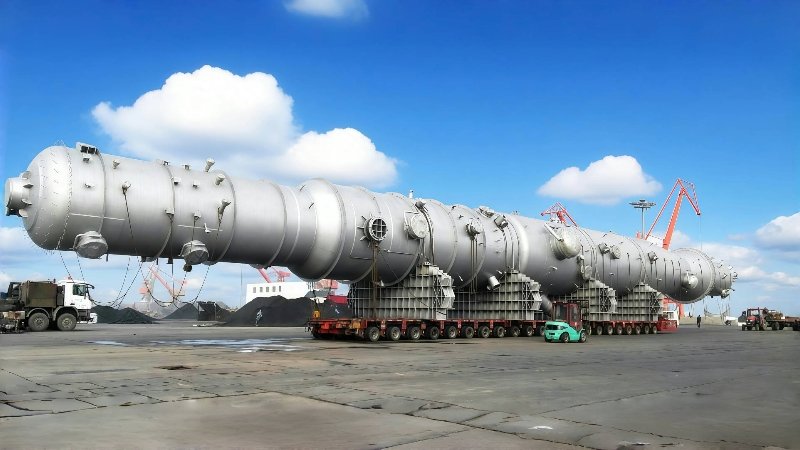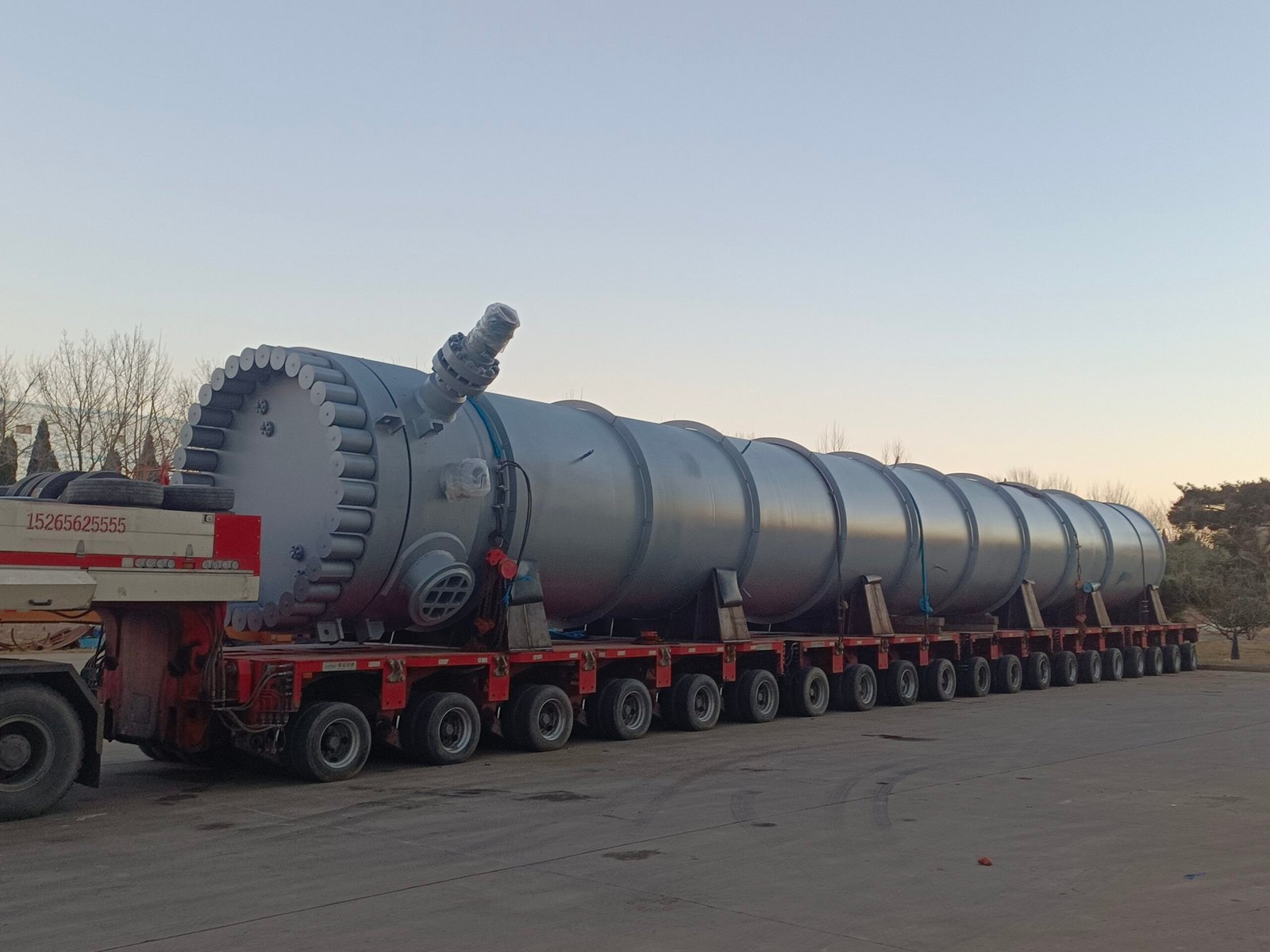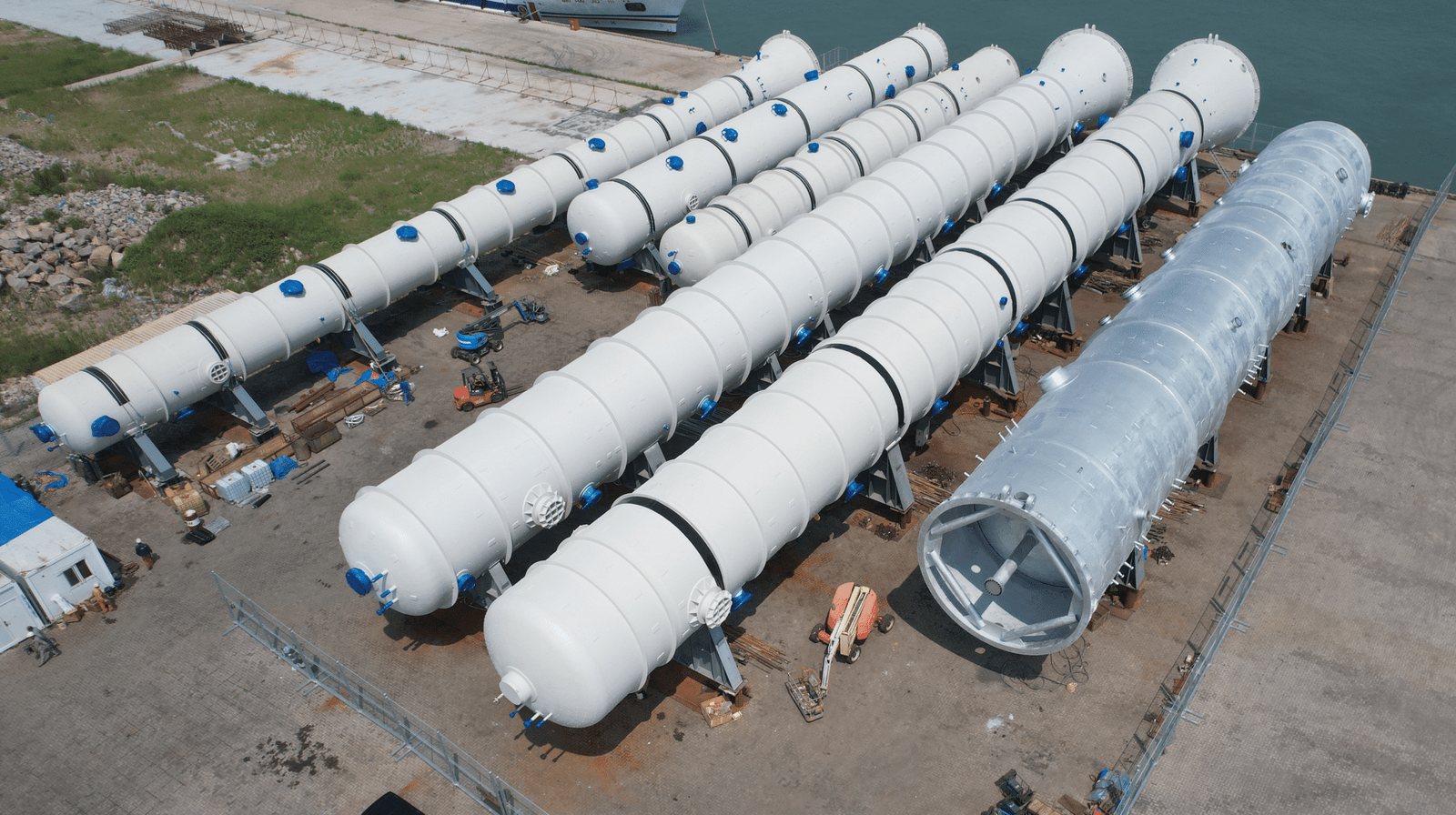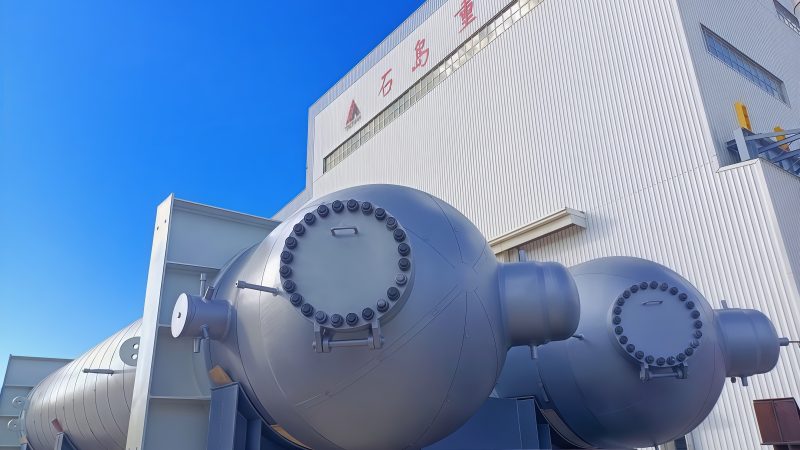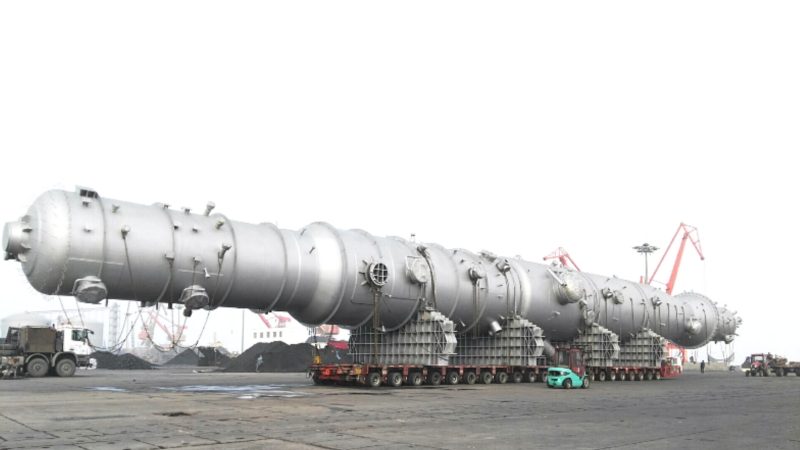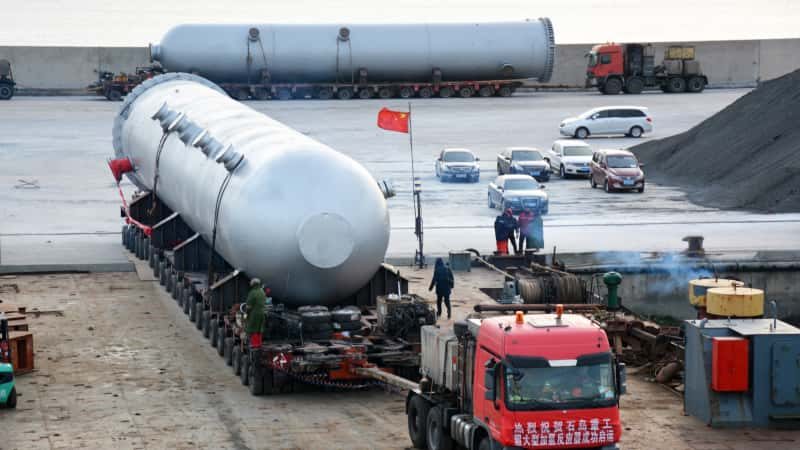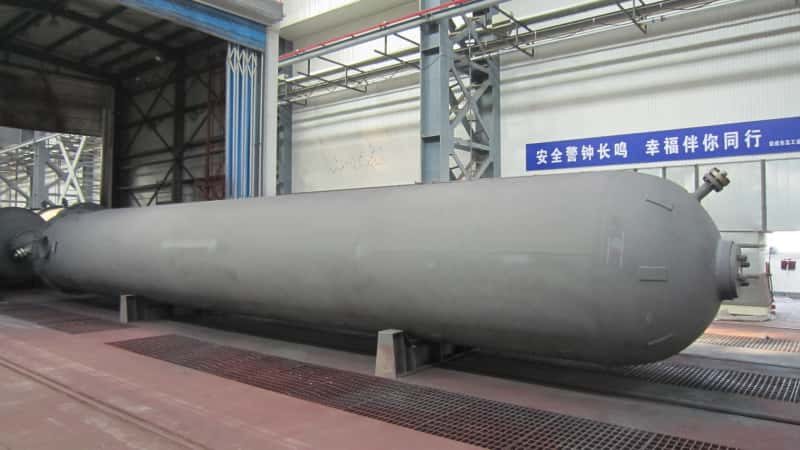

Industrial pressure vessels + photorealistic engineering illustration + stainless steel pressure vessels, factory manufacturing process, welding sparks, engineers inspecting equipment + modern heavy manufacturing facility + professional industrial atmosphere + dramatic industrial lighting
Selecting the wrong pressure vessel manufacturer can lead to catastrophic equipment failure, costly downtime, safety hazards, and regulatory violations. Pressure vessels operate under high pressure and extreme conditions, meaning even small manufacturing defects can cause leaks, explosions, or system failures. Many buyers struggle to identify trustworthy suppliers among hundreds of manufacturers claiming compliance and quality assurance. Without proper evaluation, companies risk investing in unreliable equipment that compromises both safety and productivity.
A reliable pressure vessel manufacturer should demonstrate certified quality standards (such as ASME), advanced engineering capabilities, strict material traceability, proven manufacturing experience, comprehensive testing procedures, customization ability, and strong after-sales technical support. Evaluating these seven critical factors ensures the manufacturer can produce safe, durable, and compliant pressure vessels suitable for industrial applications.
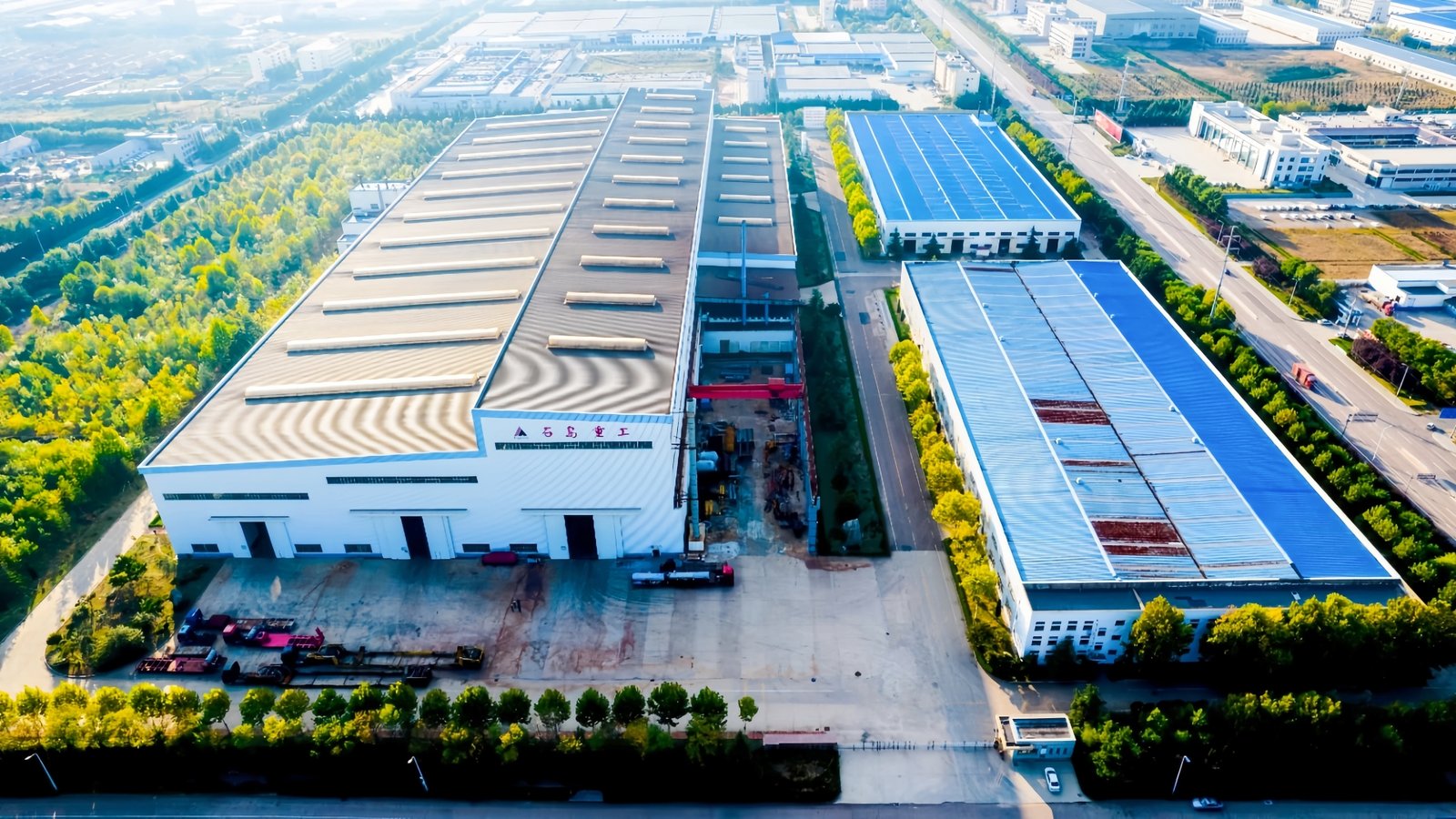
Choosing the right manufacturer is not just about price—it is about long-term reliability, safety compliance, and lifecycle performance. In this comprehensive guide, I will explain the seven essential criteria professional engineers and procurement managers use when selecting a pressure vessel supplier, including technical evaluation methods, real manufacturing indicators, and practical procurement advice.
All pressure vessel manufacturers must follow strict international safety codes such as ASME or PED.True
Pressure vessels operate under hazardous conditions, therefore internationally recognized standards such as ASME Boiler and Pressure Vessel Code and European PED regulations ensure design safety, material traceability, and manufacturing quality.
1. Compliance with International Certifications and Safety Standards
When evaluating a pressure vessel manufacturer, the first and most critical factor is certification. Pressure vessels are heavily regulated equipment because they store compressed fluids, gases, or chemicals under pressure.
A trustworthy manufacturer should possess recognized certifications such as:
| Certification | Region | Importance |
|---|---|---|
| ASME U Stamp | Global | Indicates compliance with ASME Boiler and Pressure Vessel Code |
| PED (Pressure Equipment Directive) | European Union | Mandatory for pressure vessels sold in EU |
| ISO 9001 | International | Quality management system |
| NB Registration | North America | National Board certification for pressure vessels |
| CE Marking | Europe | Safety and conformity compliance |
Manufacturers that hold ASME U Stamp certification have passed strict audits covering:
- Design calculation procedures
- Welding process qualification
- Material traceability
- Quality control documentation
- Pressure testing standards
Why Certification Matters
Pressure vessel failures can result in devastating accidents. Certification ensures that the manufacturer:
- Follows approved engineering standards
- Uses qualified welding personnel
- Implements strict inspection procedures
- Maintains traceable material records
Without these certifications, you cannot guarantee the vessel will meet regulatory requirements.
2. Engineering Design Capabilities and Technical Expertise
A reliable pressure vessel manufacturer must possess strong in-house engineering capabilities.
Pressure vessels must be designed according to precise calculations involving:
- Internal pressure
- Temperature conditions
- Corrosion allowance
- Fatigue stress
- Material strength
Essential Engineering Tools
Modern manufacturers typically utilize advanced engineering software:
| Engineering Tool | Purpose |
|---|---|
| PV Elite | Pressure vessel design calculation |
| ANSYS | Finite element stress analysis |
| AutoCAD / SolidWorks | 3D modeling and fabrication drawings |
| Compress Software | ASME pressure vessel calculations |
Example Engineering Workflow
A professional manufacturer follows a structured design process:
- Process condition analysis
- Mechanical design calculations
- Material selection
- Finite element stress verification
- Fabrication drawing preparation
Real Case Example
In a petrochemical refinery project, a manufacturer redesigned a high-pressure reactor vessel using finite element analysis to reduce wall thickness by 8% while maintaining safety factors, saving significant material cost without compromising safety.
This level of optimization is only possible with experienced engineering teams.
3. Material Quality and Traceability Systems
Pressure vessels operate under extreme conditions such as:
- High pressure
- Corrosive chemicals
- High temperatures
- Cyclic fatigue loading
Therefore, material quality is critical.
Common Materials Used in Pressure Vessels
| Material Type | Applications | Advantages |
|---|---|---|
| Carbon Steel | Air receivers, storage tanks | Cost-effective |
| Stainless Steel | Food, pharmaceutical | Corrosion resistant |
| Alloy Steel | High temperature systems | Superior strength |
| Duplex Stainless Steel | Offshore & marine | High corrosion resistance |
Material Traceability System
A professional manufacturer must implement full material traceability, meaning every plate, pipe, and forging can be tracked back to its original mill certificate.
Traceability includes:
- Heat number tracking
- Mill test certificates (MTC)
- Material identification stamping
- Inspection records
Without traceability, manufacturers cannot prove compliance with safety codes.
4. Advanced Manufacturing Facilities and Equipment
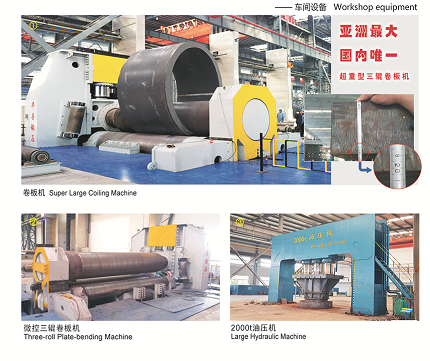
Manufacturing capability directly impacts the structural integrity of pressure vessels.
Key equipment that reliable manufacturers typically possess includes:
| Equipment | Function |
|---|---|
| CNC plate rolling machines | Form cylindrical shells |
| Automatic welding machines | Ensure weld consistency |
| Submerged arc welding (SAW) systems | Deep penetration welds |
| Heat treatment furnaces | Stress relief and normalization |
| Hydrostatic testing systems | Pressure verification |
Importance of Welding Technology
Approximately 70–80% of pressure vessel structural integrity depends on weld quality.
High-end manufacturers often use:
- Robotic welding
- Automatic seam tracking
- Non-destructive weld inspection
These technologies significantly reduce human error.
5. Inspection, Testing, and Quality Control
Quality control is the backbone of safe pressure vessel manufacturing.
Reliable manufacturers conduct multiple inspection stages, including:
Non-Destructive Testing Methods
| Inspection Method | Purpose |
|---|---|
| Radiographic Testing (RT) | Detect internal weld defects |
| Ultrasonic Testing (UT) | Identify cracks and inclusions |
| Magnetic Particle Testing (MT) | Surface crack detection |
| Dye Penetrant Testing (PT) | Surface flaw detection |
Pressure Testing
Before delivery, vessels undergo hydrostatic pressure testing, usually at 1.3–1.5 times the design pressure.
Example:
| Parameter | Value |
|---|---|
| Design Pressure | 10 MPa |
| Hydrostatic Test Pressure | 15 MPa |
| Test Duration | 30 minutes |
If the vessel passes this test without leakage or deformation, it confirms structural safety.
6. Customization and Application Experience
Different industries require specialized pressure vessel designs.
Industry Applications
| Industry | Vessel Type |
|---|---|
| Oil & Gas | Separators, reactors |
| Chemical Processing | Mixing vessels |
| Pharmaceutical | Sterile tanks |
| Power Plants | Boiler drums |
| Food Processing | Sanitary pressure vessels |
A manufacturer with broad industry experience can anticipate potential problems and recommend better solutions.
Example Customization
For offshore oil platforms, pressure vessels may require:
- Corrosion-resistant alloys
- Compact design
- Seismic resistance
- Anti-vibration supports
Manufacturers without offshore experience may overlook these critical factors.
7. After-Sales Support and Long-Term Service
The relationship with a pressure vessel manufacturer does not end after delivery.
Reliable suppliers offer:
- Installation guidance
- Technical documentation
- Maintenance training
- Spare parts supply
- Inspection services
Lifecycle Support
Pressure vessels typically operate for 20–40 years, requiring periodic inspections and maintenance.
A professional manufacturer provides:
| Service | Benefit |
|---|---|
| Maintenance manuals | Proper operation guidance |
| Spare component supply | Reduced downtime |
| Inspection services | Safety compliance |
| Technical upgrades | Extended equipment lifespan |
Strong after-sales service ensures the vessel remains safe and efficient throughout its operational life.
Additional Evaluation Checklist for Buyers
When selecting a manufacturer, procurement teams should verify the following checklist:
| Evaluation Criteria | Key Questions |
|---|---|
| Certification | Do they hold ASME U Stamp certification? |
| Engineering | Do they have experienced design engineers? |
| Materials | Is full material traceability provided? |
| Manufacturing | Do they use advanced welding equipment? |
| Inspection | Are NDT tests documented? |
| Experience | Have they served similar industries? |
| Support | Do they provide lifecycle service? |
Using this checklist significantly reduces procurement risks.
Conclusion
Choosing a reliable pressure vessel manufacturer requires careful evaluation of technical capability, manufacturing quality, safety certification, and industry experience. The seven factors discussed in this guide—certifications, engineering expertise, material quality, manufacturing capability, inspection standards, customization experience, and after-sales support—form a comprehensive framework for identifying trustworthy suppliers. Companies that prioritize these criteria will significantly reduce operational risks, improve equipment longevity, and ensure compliance with global safety regulations.
Pressure vessels are critical industrial assets, and selecting the right manufacturer is a decision that directly impacts plant safety, operational efficiency, and long-term cost performance.
Contact Us for Expert Pressure Vessel Solutions
If you are searching for a reliable pressure vessel manufacturer with certified engineering, advanced manufacturing facilities, and global project experience, our team is ready to help.
We provide:
- Custom-designed pressure vessels
- ASME-certified manufacturing
- Full material traceability
- Advanced inspection and testing
- Complete lifecycle support
Contact us today to discuss your project requirements and receive professional technical guidance from our engineering experts.