
In industrial systems, improper selection of a heat exchanger can lead to excessive energy loss, increased operational costs, maintenance issues, and even system failure. Choosing the wrong type—without considering flow characteristics, temperature profiles, fouling tendencies, or space constraints—can significantly reduce efficiency and increase lifecycle costs. To avoid such consequences, it is critical to understand the available types of heat exchangers and identify which is most compatible with your specific process requirements. This article provides a practical guide to help you make a confident and technically sound decision.
There are several types of heat exchangers, including shell and tube, plate, air-cooled, double pipe, spiral, and welded exchangers, each with unique strengths for specific applications. The most suitable type depends on process factors like temperature range, pressure limits, fouling potential, maintenance access, space, and thermal efficiency. Shell and tube exchangers are often best for high pressure and dirty fluids, while plate exchangers are ideal for compact, high-efficiency applications.
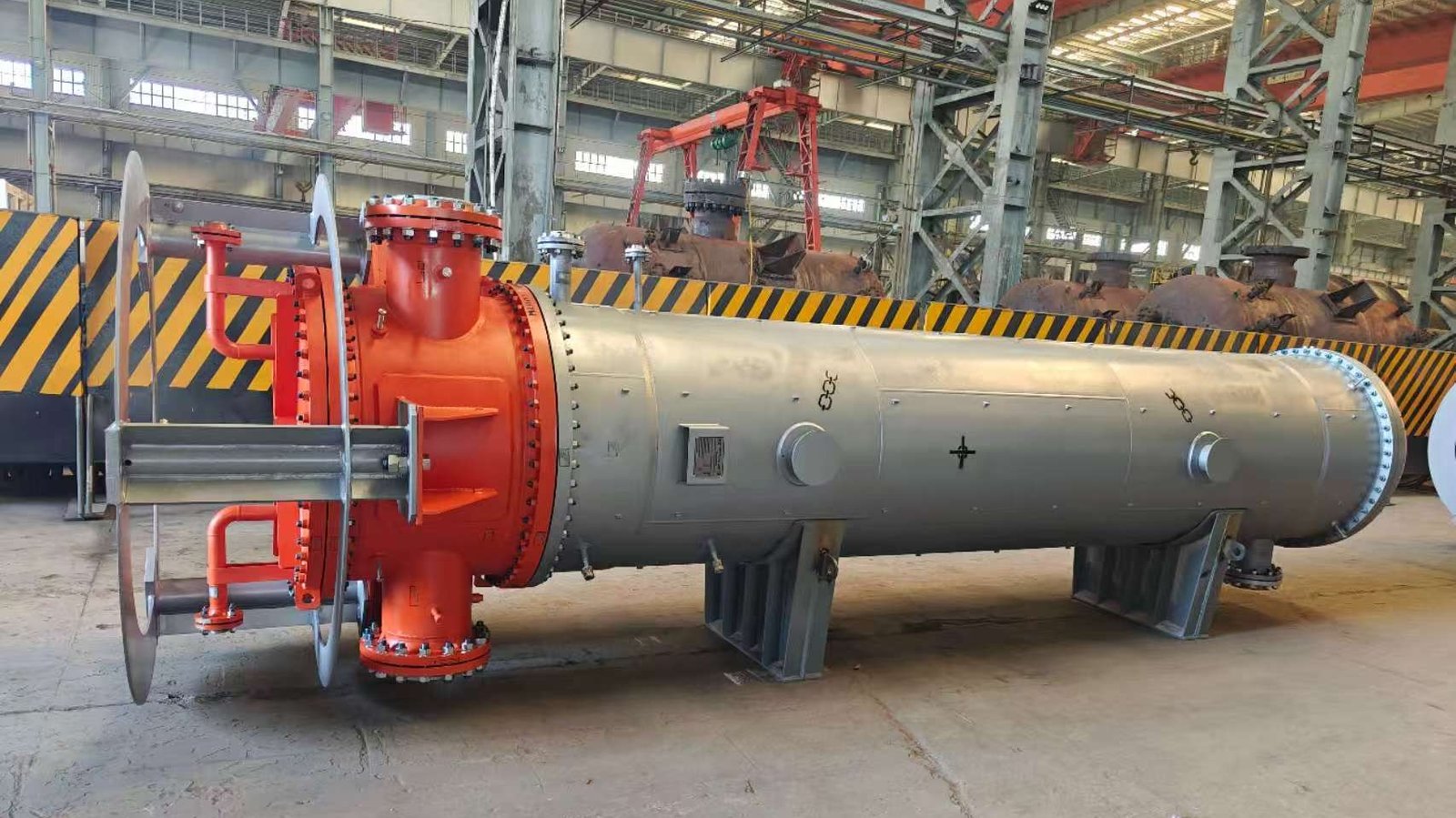
Understanding the fundamental advantages and limitations of each type will help you avoid costly mismatches and maximize energy recovery, process stability, and operational reliability. Let’s explore the essential considerations in more detail.
What Are the Main Types of Heat Exchanger and How Do They Work?
Heat exchangers are critical to modern industry, yet choosing the wrong type or misunderstanding their function can lead to catastrophic inefficiencies, system failure, and energy waste. From chemical processing plants to residential HVAC systems, improperly selected heat exchangers can dramatically increase operational costs and cause long-term damage to equipment. However, by understanding the main types of heat exchangers and how each operates, manufacturers, engineers, and maintenance professionals can drastically improve heat transfer efficiency, extend equipment life, and reduce downtime. This article provides a detailed, technical exploration of the key types of heat exchangers used globally and how they work — so you can make informed decisions that save energy and money.
There are five main types of heat exchangers: shell and tube, plate, finned tube, air-cooled, and regenerative. Shell and tube heat exchangers use bundles of tubes for fluid flow and are widely used in heavy industries. Plate heat exchangers employ stacked metal plates for high-efficiency transfer in compact spaces. Finned tube exchangers enhance surface area for gas-to-liquid applications. Air-cooled exchangers remove heat using ambient air and fans, ideal where water is scarce. Regenerative heat exchangers store heat from one cycle and transfer it in the next, used in cyclic processes like gas turbines. Each type works by transferring thermal energy between fluids without mixing them.
These types serve vastly different applications, and understanding their mechanisms is crucial for selecting the right one. In the following sections, we’ll dive deep into how each heat exchanger type works, including real-world use cases, efficiency data, and design considerations. If you’re designing, maintaining, or optimizing thermal systems, you won’t want to miss this guide.
Shell and tube heat exchangers are the most common type used in large-scale industrial processes.True
Shell and tube designs dominate in oil refineries, power plants, and chemical industries due to their capacity for high-pressure and high-temperature applications.
Plate heat exchangers cannot be used for high-pressure applications.False
Modern plate heat exchangers, especially gasketed or brazed designs, are built to withstand considerable pressure and temperature depending on the configuration.
Shell and Tube Heat Exchangers
Shell and tube heat exchangers are the most prevalent in heavy industries. They consist of a series of tubes (tube bundle) enclosed within a cylindrical shell. One fluid flows inside the tubes while another flows over the tubes (within the shell), allowing heat to be exchanged across the tube walls.
Working Principle:
- Parallel or counterflow fluid dynamics
- Thermal conductivity through tube walls
- Baffles are used to direct flow and increase turbulence, enhancing heat transfer
- Removable tube bundles for maintenance in most designs
Advantages:
- Excellent for high pressure and temperature
- Easily scaled by adding more tubes
- Easy to clean and maintain
Common Applications:
- Power generation (steam condensers)
- Petrochemical processing
- Oil and gas refineries
| Specification | Typical Values |
|---|---|
| Pressure Range | Up to 200 bar |
| Temperature Range | Up to 600°C |
| Heat Transfer Efficiency | Medium (30-50%) |
| Maintenance Difficulty | Moderate |
| Flow Arrangement | Counterflow / Crossflow |
Plate Heat Exchangers (PHE)
Plate heat exchangers use a series of thin, corrugated metal plates to create channels for fluid flow. They achieve high heat transfer efficiency by maximizing surface area in a compact space.
Working Principle:
- Hot and cold fluids alternate between plates
- Turbulent flow improves heat transfer
- Gasketed or brazed types allow for different sealing methods
Advantages:
- Very high thermal efficiency
- Easy to expand capacity by adding plates
- Compact footprint ideal for space-limited environments
Common Applications:
- HVAC systems
- Food and beverage processing
- Pharmaceutical manufacturing
| Specification | Typical Values |
|---|---|
| Pressure Range | 10–30 bar (higher for brazed) |
| Temperature Range | -40°C to 150°C (brazed types up to 250°C) |
| Heat Transfer Efficiency | High (60-90%) |
| Maintenance Difficulty | Low to moderate |
| Flow Arrangement | Counterflow |
Finned Tube Heat Exchangers
Finned tube heat exchangers use extended surfaces or fins to enhance heat transfer by increasing surface area, particularly useful for air or gas cooling.
Working Principle:
- Fins are bonded to the tubes to increase surface contact
- Air flows over fins, while liquid flows inside the tubes
- Ideal for gas-to-liquid heat transfer
Advantages:
- Ideal for low-conductivity fluids like air
- Enhanced surface area without increasing exchanger size
- Common in HVAC, refrigeration, and automotive
Common Applications:
- Condensers in air conditioning
- Radiators in vehicles
- Gas compressors
| Specification | Typical Values |
|---|---|
| Pressure Range | 5–20 bar |
| Temperature Range | Up to 250°C |
| Heat Transfer Efficiency | Medium |
| Maintenance Difficulty | Moderate to high (due to dust accumulation) |
| Flow Arrangement | Crossflow |
Air-Cooled Heat Exchangers (ACHE)
Air-cooled heat exchangers reject heat to the atmosphere, eliminating the need for water. These systems are used in remote locations or water-scarce regions.
Working Principle:
- Fans force air over finned tubes
- Heat is rejected into ambient air
- Horizontal or vertical fan arrangement
Advantages:
- No water required
- Lower environmental impact
- Reduced operating cost in dry regions
Common Applications:
- Power plants in arid areas
- Compressor stations
- Gas pipelines
| Specification | Typical Values |
|---|---|
| Pressure Range | 20–50 bar |
| Temperature Range | Up to 350°C |
| Heat Transfer Efficiency | Lower than water-cooled |
| Maintenance Difficulty | Moderate (requires air filter cleaning) |
| Flow Arrangement | Crossflow with fan assistance |
Regenerative Heat Exchangers
Regenerative heat exchangers reuse heat from one process cycle in the next. The heat storage medium (typically ceramic or metal mesh) absorbs heat during one half of the cycle and releases it during the next.
Working Principle:
- Cyclic heat transfer
- Ideal for batch or alternating flow processes
- High thermal recovery rates
Advantages:
- Very high energy efficiency
- Significant fuel and cost savings
- Often used in high-temperature gas recovery systems
Common Applications:
- Gas turbines
- Industrial furnaces
- Air preheaters in power plants
| Specification | Typical Values |
|---|---|
| Pressure Range | 5–30 bar |
| Temperature Range | Up to 1000°C |
| Heat Transfer Efficiency | Very High (up to 95%) |
| Maintenance Difficulty | High (complex flow control) |
| Flow Arrangement | Cyclical |
Comparative Summary Table of Heat Exchanger Types
| Type | Efficiency | Pressure Tolerance | Temperature Tolerance | Size | Cleaning Ease | Best Use Case |
|---|---|---|---|---|---|---|
| Shell & Tube | Medium | Very High | Very High | Large | Moderate | Oil refineries, chemical plants |
| Plate | High | Medium-High | Medium | Small | Easy | HVAC, food & pharma |
| Finned Tube | Medium | Medium | Medium | Medium | Hard | Air cooling, automotive |
| Air-Cooled | Medium | Medium | Medium-High | Large | Moderate | Remote or arid installations |
| Regenerative | Very High | Medium | Very High | Medium | Complex | Cyclic gas heating systems |
Choosing the correct heat exchanger is vital for maximizing system efficiency and minimizing cost. Whether you’re optimizing a power plant, building an HVAC system, or designing a food processing line, understanding the trade-offs between types like shell and tube, plate, and air-cooled exchangers can guide better design and operational decisions.
When Is a Shell and Tube Heat Exchanger Most Suitable for Process Requirements?
In many industries, improper selection of a heat exchanger can result in severe pressure drops, limited thermal efficiency, corrosion failures, or even full process shutdowns. These problems are especially prevalent when high pressures, large flow volumes, or aggressive fluids are involved. Shell and tube heat exchangers are often the best solution for these demanding conditions — but many engineers are unsure when exactly to choose them. Understanding when a shell and tube exchanger is most appropriate ensures reliable performance, regulatory compliance, and long-term cost savings. In this article, we explore the exact scenarios and process requirements where shell and tube heat exchangers offer unmatched advantages.
A shell and tube heat exchanger is most suitable for process requirements involving high-pressure and high-temperature conditions, large fluid flow rates, phase change operations (condensation or vaporization), and fluids with fouling tendencies or corrosive properties. These exchangers are ideal when mechanical robustness, ease of cleaning, and flexibility in design are crucial — making them the preferred choice in industries such as oil refining, power generation, and chemical processing.
This means that when you’re dealing with a highly corrosive chemical process, an energy-intensive application like steam generation, or a high-volume heat recovery setup, shell and tube heat exchangers are the go-to choice. Keep reading to uncover the specific process conditions, technical parameters, and performance metrics that make this design unbeatable in tough industrial environments.
Shell and tube heat exchangers are ideal for high-pressure and high-temperature applications.True
They are structurally robust, able to handle pressures above 100 bar and temperatures exceeding 600°C, making them suitable for power plants and refineries.
Shell and tube exchangers are inefficient for large-scale heat recovery operations.False
Their large surface area and modular design make them excellent for large-scale, continuous heat recovery systems.
Why Shell and Tube Heat Exchangers Excel in Demanding Process Conditions
The shell and tube configuration is an industry workhorse. Its unique construction — a bundle of tubes housed inside a larger shell — allows it to manage extreme mechanical and thermal stresses that would damage more compact or delicate designs.
Key Design Strengths:
- Pressure containment: Thick shells and welded joints withstand over 100 bar
- Thermal expansion tolerance: U-tube and floating head designs reduce stress from temperature gradients
- Versatile flow arrangements: Counterflow, crossflow, or multi-pass options
- Customizable materials: Suitable for handling corrosive or reactive fluids (e.g., stainless steel, titanium)
| Parameter | Typical Value Range |
|---|---|
| Pressure Capacity | Up to 200 bar (2900 psi) |
| Temperature Range | -200°C to 600°C |
| Tube Bundle Diameter Range | 15 mm – 38 mm |
| Number of Tube Passes | 1–4 (standard), up to 8 (custom) |
| Heat Transfer Surface Area | Up to 5000 m² (modular) |
Application Scenarios Ideal for Shell and Tube Heat Exchangers
1. High-Pressure Process Applications
In refineries, gas processing, or chemical synthesis, pressure levels often exceed 50 bar. Plate or finned designs would deform or leak under such conditions.
Case Example: In hydrogen desulfurization units, shell and tube exchangers handle pressurized hydrogen and oil at temperatures above 400°C.
2. Large-Volume Flow Rates
For bulk fluid movement, only shell and tube designs can accommodate the high cross-sectional area needed for efficient transfer.
| Flow Capacity Comparison Table |
| Exchanger Type | Maximum Flow Rate (m³/h) | Suitable for High Flow |
|---|---|---|
| Shell and Tube | 1000+ | ✅ |
| Plate | 100–300 | ❌ |
| Air-Cooled | 300–500 | ⚠️ |
3. Aggressive or Corrosive Fluids
Shell and tube heat exchangers are often built from specialized alloys or internally coated to withstand acidic, alkaline, or reactive chemicals.
Use Case: Hydrochloric acid cooling with titanium tubes to avoid corrosion and contamination.
4. Steam Condensation or Boiling Applications
Phase changes involve massive energy transfer. Shell and tube exchangers can be oriented vertically or horizontally to optimize for condensation or boiling dynamics.
Example Configuration: Horizontal shell with vertical tube bundle for steam condensing in power plant turbines.
| Thermal Transfer Comparison (Phase Change) |
| Type | Suitable for Condensation/Boiling | Latent Heat Efficiency |
|---|---|---|
| Shell and Tube | ✅ | Very High |
| Plate | ⚠️ (limited due to pressure) | High |
| Spiral | ❌ | Medium |
5. Ease of Maintenance and Fouling Resistance
Shell and tube designs allow mechanical cleaning (especially in straight tube or removable bundles), which is essential in crude oil, slurry, or wastewater applications prone to fouling.
Design Variants:
- Fixed tube sheet: Lower cost, difficult to clean
- Floating head: Allows complete disassembly for cleaning
- U-tube design: Good for thermal expansion, harder to clean
| Maintenance Design Comparison |
| Design Type | Cleaning Ease | Suitable For Fouling Fluids |
|---|---|---|
| Floating Head | ✅ Easy | ✅ |
| U-Tube | ⚠️ Moderate | ⚠️ Partial |
| Fixed Tube Sheet | ❌ Hard | ❌ |
Technical Chart: Shell and Tube Suitability Based on Industry Needs
| Industry | Process Need | Why Shell and Tube Works Best |
|---|---|---|
| Oil & Gas | Crude oil heating, hydrocarbon cooling | Withstands high pressure, corrosive environments |
| Chemical Processing | Heat recovery from exothermic reactions | Custom materials, reliable under extreme conditions |
| Power Generation | Steam turbine condensation | Handles phase change and large volume flow |
| Pharmaceutical | Sterile heat transfer | Can use hygienic internal coatings and clean-in-place |
| Marine & Offshore | Seawater to coolant exchange | Corrosion-resistant alloys like Cu-Ni or titanium |
| Food Processing | Pasteurization and CIP heating | High flow rate and low risk of cross-contamination |
Performance Efficiency: Real World Case Study
Client: Middle East Petrochemical Refinery
Issue: Existing plate heat exchangers failed due to corrosion and flow restriction
Solution: Replaced with 6 shell and tube units, Inconel tubes, floating head design
Result:
- Increased thermal efficiency by 22%
- Reduced downtime by 48%
- Maintained pressure at 60 bar without failures
Summary: Is a Shell and Tube Heat Exchanger Right for You?
Shell and tube heat exchangers shine in high-pressure, high-volume, and corrosive environments — especially where phase change occurs or easy cleaning is a requirement. Their modularity, mechanical strength, and wide material compatibility make them a default choice for refineries, power plants, and heavy manufacturing.
If you’re dealing with high temperatures, high pressures, or aggressive fluids — a shell and tube heat exchanger is not just suitable, it’s essential.
How Does a Plate Heat Exchanger Compare to Other Types in Compact Applications?
Space constraints, energy efficiency, and maintenance accessibility are major concerns in compact industrial and commercial applications. When equipment needs to be installed in confined areas — like inside HVAC units, food processing machines, or pharmaceutical systems — choosing the wrong type of heat exchanger can cause operational inefficiencies, excessive downtime, or even system redesign. While several heat exchanger types exist, the plate heat exchanger (PHE) stands out as a popular solution for compact installations. But how does it truly compare to other options like shell and tube, finned tube, or air-cooled exchangers in tight spaces? In this article, we provide a deep technical comparison of how plate heat exchangers perform in compact scenarios across industries.
Plate heat exchangers are superior for compact applications due to their high thermal efficiency, small footprint, modularity, and ease of maintenance. Compared to shell and tube or finned designs, plate exchangers provide the same or better heat transfer using significantly less space. Their stacked-plate architecture maximizes surface area while minimizing volume, making them ideal for confined environments like HVAC systems, food processing units, marine vessels, and clean-in-place systems.
This fundamental advantage has made PHEs a top choice in modern equipment design, especially when performance must be maintained without sacrificing space. Let’s explore how and why plate heat exchangers outperform other types in compact environments — and what specific configurations you should consider for your application.
Plate heat exchangers are the most compact high-efficiency heat exchanger design available for industrial use.True
PHEs utilize thin, corrugated metal plates with large surface area in a small volume, achieving up to 90% thermal efficiency in minimal space.
Plate heat exchangers cannot be used in clean-in-place (CIP) systems due to hygiene issues.False
Sanitary plate heat exchangers are designed for CIP systems in industries like food and pharmaceuticals, using stainless steel and FDA-approved seals.
Core Space Efficiency: Plate vs. Other Types
One of the main strengths of plate heat exchangers lies in their exceptional heat transfer surface-to-volume ratio. Each plate in a PHE provides a large area in a compact stack, resulting in high efficiency even with limited physical space.
Table 1: Volume-to-Performance Comparison for 100 kW Capacity
| Heat Exchanger Type | Approx. Volume (m³) | Weight (kg) | Typical Efficiency (%) | Suitable for Confined Spaces |
|---|---|---|---|---|
| Plate Heat Exchanger | 0.15 | 60–90 | 85–90 | ✅ |
| Shell and Tube | 0.8–1.2 | 200–300 | 50–70 | ❌ |
| Finned Tube | 0.5–0.8 | 150–250 | 40–60 | ⚠️ Limited |
| Air-Cooled | 1.5–2.0 | 250–400 | 40–55 | ❌ |
From the above comparison, it’s clear that PHEs offer the best thermal performance per unit volume and weight, making them ideally suited for compact installations.
Plate Heat Exchanger Design Benefits in Compact Use
1. Compact Footprint
PHEs can be wall-mounted or integrated into tight piping systems without sacrificing access or performance. Brazed and gasketed types allow flexible positioning in vertical or horizontal orientations.
2. High Thermal Efficiency
The turbulent flow caused by corrugated plate surfaces enhances heat transfer even at low flow velocities, unlike shell and tube designs that rely on long flow paths.
3. Modularity and Expandability
Adding or removing plates allows capacity changes without replacing the entire unit, a huge advantage in scalable systems or phased project rollouts.
4. Ease of Cleaning
Gasketed plate designs allow quick disassembly, enabling manual or CIP cleaning in tight spaces without heavy lifting equipment.
5. Optimized for Low Log Mean Temperature Difference (LMTD)
In compact systems where temperature differentials may be narrow, PHEs excel due to their high surface area and turbulence.
Practical Applications in Confined Spaces
| Industry | Compact Application | Why PHEs are Preferred |
|---|---|---|
| HVAC | Chillers, heat recovery units | Small footprint, high efficiency |
| Marine | Engine and oil cooling | Vibration resistance, corrosion-resistant plates |
| Food Processing | Milk pasteurization, CIP | Hygienic, easy to clean |
| Pharmaceuticals | WFI and glycol loop systems | Sanitary design, low contamination risk |
| Heat Pumps | Evaporator/condenser modules | High transfer rate in minimal volume |
| Data Centers | Liquid cooling loops | Compact and scalable under floor or rack systems |
Technical Chart: Flow Characteristics Comparison
| Feature | Plate HE | Shell & Tube | Finned Tube | Spiral |
|---|---|---|---|---|
| Space Efficiency | ✅ | ❌ | ⚠️ | ⚠️ |
| High Pressure Resistance | ⚠️ | ✅ | ⚠️ | ✅ |
| Cleaning Ease (Manual/CIP) | ✅ | ⚠️ | ❌ | ✅ |
| Turbulence/Heat Transfer Rate | ✅ | ⚠️ | ⚠️ | ✅ |
| Maintenance Accessibility | ✅ | ⚠️ | ❌ | ✅ |
| Modularity/Scalability | ✅ | ❌ | ❌ | ⚠️ |
Real-World Case Study: Plate HE in Food Factory Pasteurizer
Client: German dairy manufacturer
Problem: Outdated shell and tube system causing slow heating and taking excessive floor space
Solution: Gasketed stainless steel plate heat exchanger
Result:
- Reduced equipment footprint by 70%
- Cut energy consumption by 30%
- Fully CIP-compliant for hygiene standards
- Increased product throughput by 25%
Configuration Options for Plate HEs in Compact Systems
| Type | Description | Ideal Use Case |
|---|---|---|
| Gasketed Plate | Plates with elastomer seals, fully disassemblable | CIP systems, food and pharma |
| Brazed Plate | Sealed via brazing (copper/nickel) | HVAC, refrigeration, glycol loops |
| Welded Plate | No gaskets, fully sealed | High pressure, aggressive chemicals |
| Semi-Welded Plate | Hybrid of gasket and weld | Ammonia, hazardous fluids |
| Micro Plate | Fine corrugated design for ultra-compact units | Heat pumps, small cooling systems |
Summary: The Compact Application Champion
In confined environments where thermal performance, hygiene, ease of maintenance, and footprint matter most, plate heat exchangers are unmatched. They deliver up to 90% heat transfer efficiency in just a fraction of the space required by traditional designs, with added flexibility for scaling, cleaning, and layout integration. From air conditioning to biotech labs, their adaptability makes them the default choice for compact thermal systems.
What Process Conditions Favor the Use of Air-Cooled Heat Exchangers?
Water scarcity, rising energy costs, and environmental concerns are pushing industries to rethink how they manage heat rejection. Traditional water-cooled systems are increasingly difficult to justify — not only due to the cost and complexity of water sourcing and treatment but also because of tightening environmental regulations. When conditions make water impractical or unsustainable, air-cooled heat exchangers (ACHEs) become a strategic choice. However, they are not universally ideal — selecting them under the wrong conditions can lead to inadequate cooling, energy waste, or oversized equipment. So, when exactly do process conditions favor the use of air-cooled heat exchangers? This article provides a deep dive into the ideal scenarios, technical thresholds, and system environments where ACHEs shine.
Air-cooled heat exchangers are most suitable in process conditions where water is unavailable, expensive, or environmentally restricted; ambient air temperatures are acceptable for heat rejection; large surface areas can be accommodated; and the process involves high fluid temperatures and moderate-to-high pressures. They are particularly favorable in remote or arid regions, and in industries such as oil and gas, power generation, and petrochemicals, where reliable, self-contained heat rejection is critical.
If your facility operates in a location with water scarcity, or you’re designing for remote environments or want to eliminate water treatment systems, ACHEs may be your best option. Keep reading for a full technical breakdown of when and how air-cooled exchangers outperform their water-based counterparts.
Air-cooled heat exchangers are suitable for locations with limited or no water supply.True
ACHEs eliminate the need for water-based cooling towers or wet systems, making them ideal in remote, arid, or environmentally sensitive areas.
Air-cooled exchangers are less energy-efficient than water-cooled systems under all conditions.False
While generally less efficient, ACHEs can be optimized for specific conditions to offer competitive energy performance without water usage.
Technical Conditions That Favor Air-Cooled Heat Exchangers
Understanding the optimal process conditions involves assessing several key variables: temperature ranges, ambient environment, pressure levels, footprint availability, and operational costs.
1. Water Scarcity or Environmental Restrictions
One of the top drivers for ACHE selection is the unavailability or undesirability of using water.
| Location Type | ACHE Suitability |
|---|---|
| Desert / Arid Regions | ✅ Very High |
| Offshore Installations | ✅ Very High |
| Industrial Urban Zones | ⚠️ Moderate |
| Water-Rich Areas | ❌ Lower Need |
2. High Process Fluid Temperatures
ACHEs are highly effective when cooling hot process fluids, especially where the process starts at elevated temperatures and only moderate cooling is needed.
Example: Gas exiting a compressor at 120°C can be cooled to 45°C using ACHEs when ambient air is ~30°C.
| Parameter | Typical Range for ACHE Suitability |
|---|---|
| Process Inlet Temp | 80°C to 300°C |
| Process Outlet Temp | ≥ 10°C above ambient |
| Ambient Air Temp | < 45°C optimal, < 50°C possible |
Operating Pressure and Fluid Compatibility
ACHEs are mechanically robust and well-suited for high-pressure fluids such as compressed gases, hydrocarbons, or superheated liquids.
| Process Fluid Type | Pressure Range | ACHE Compatibility |
|---|---|---|
| Hydrocarbon Vapors | Up to 100 bar | ✅ Excellent |
| Steam (non-condensing) | Up to 30 bar | ✅ Good |
| Ammonia or Refrigerants | Up to 60 bar | ✅ With design mods |
| Viscous Liquids | < 20 bar | ⚠️ Limited |
Key Materials for Harsh Environments
- Tubes: Carbon Steel, Stainless Steel, Aluminum
- Fins: Aluminum (most common), Copper (better thermal conductivity), Stainless (corrosion-resistant)
Performance Characteristics Comparison Chart
| Feature | Air-Cooled HE | Water-Cooled HE | Shell & Tube |
|---|---|---|---|
| Water Dependency | ❌ None | ✅ High | ✅ High |
| Cooling Efficiency | ⚠️ Medium | ✅ High | ✅ High |
| Installation Cost | ✅ Moderate | ❌ High | ⚠️ Moderate |
| Operational Cost (Water Use) | ✅ Low | ❌ High | ❌ High |
| Maintenance Cost | ✅ Low | ❌ High (scaling) | ⚠️ Moderate |
| Footprint Requirement | ❌ Large | ⚠️ Medium | ❌ Large |
| Environmental Suitability | ✅ High | ⚠️ Limited | ⚠️ Moderate |
| Suitable for Remote Use | ✅ Ideal | ❌ No | ❌ No |
Real-World Applications Where ACHEs Excel
1. Oil and Gas Fields
- Use Case: Crude oil cooling, gas compression stations
- Why ACHE? Remote locations, no water, rugged design for outdoor use
2. Power Plants in Arid Zones
- Use Case: Condensate and turbine exhaust cooling
- Why ACHE? Avoids massive water consumption in dry areas
3. Petrochemical Refineries
- Use Case: Hydrocarbon vapor condensation, glycol loops
- Why ACHE? Hot fluid cooling, reliability, and low operational overhead
4. Remote Mining Sites
- Use Case: Equipment and hydraulic system cooling
- Why ACHE? Mobile units with no dependency on water supplies
| Real-World Case: Saudi Arabia Oil Terminal |
|---|
| Challenge: No freshwater, high ambient temperatures (48°C) |
| Solution: 12-row ACHEs with aluminum fins, VFD fans |
| Outcome: 98% runtime reliability, no water footprint, 28% lower OPEX |
Design Variants Based on Process Conditions
| Configuration | Description | Best Used For |
|---|---|---|
| Forced Draft (Push Air) | Fans below tubes, push air upward | High contamination areas |
| Induced Draft (Pull Air) | Fans above tubes, pull air upward | Hot climates, avoids recirculation |
| Horizontal Layout | Lower height, easier maintenance | Moderate climates |
| Vertical Layout | Gravity-assisted drainage, small footprint | Cold climates, condensable vapors |
Ambient Condition Thresholds for Effective ACHE Use
| Environmental Factor | Optimal Range | Impact on Performance |
|---|---|---|
| Ambient Air Temperature | < 45°C | Higher temps reduce efficiency |
| Dust/Particulate Load | Low–Medium | High dust clogs fins |
| Wind Speeds | Stable, < 10 m/s | Wind drift affects airflow |
| Humidity | Low | High humidity can affect fan motors and fins |
| Elevation | < 2000 m | High altitudes reduce air density |
Summary: When to Choose Air-Cooled Heat Exchangers
Air-cooled heat exchangers are the best solution when your process conditions demand:
- Independence from water systems
- Reliable operation in remote or arid locations
- Handling of hot process fluids with high inlet temperatures
- Moderate to high fluid pressure
- Simple installation and low operating cost
However, they are less effective where ambient air temperatures are consistently high with minimal ΔT between process and air, or where footprint and noise are highly restricted.
To make an informed decision, always assess thermal load, site conditions, process fluid properties, and long-term operating costs. Our engineering team can model your process in real-time and recommend the best ACHE configuration.
Which Heat Exchanger Type Is Best for Handling Fouling Fluids or Corrosive Media?
In industrial operations, fouling and corrosion are among the most persistent and costly problems in heat exchange systems. When fluids contain particulates, biological growth, scaling salts, or aggressive chemicals like acids and alkalis, conventional heat exchangers quickly lose efficiency. Fouling layers act as thermal insulators, cutting performance, increasing pressure drop, and leading to premature failure. Similarly, corrosion can cause tube ruptures, leaks, or contamination, resulting in downtime and expensive repairs. Selecting the right heat exchanger for these harsh media is therefore critical for maintaining long-term performance and safety.
For fouling fluids or corrosive media, shell and tube heat exchangers and spiral heat exchangers are the most effective designs. Shell and tube exchangers allow for easy mechanical cleaning and can be built from corrosion-resistant materials such as titanium, Hastelloy, or stainless steel. Spiral heat exchangers, on the other hand, are ideal for highly fouling fluids because their self-cleaning flow paths minimize blockages. Plate heat exchangers can also handle some corrosive fluids when constructed from appropriate materials, but they are less suitable for heavy fouling applications.
This means that when your process involves contaminated wastewater, chemical slurries, acidic condensates, or polymeric mixtures, your best choice is a robust and maintainable design — one that can resist both chemical attack and fouling deposition. Below, we’ll explore exactly which exchanger types, materials, and configurations offer the best performance in these challenging environments.
Shell and tube heat exchangers are ideal for fouling and corrosive fluids due to their robust design and easy maintenance.True
They allow mechanical or chemical cleaning and can be built from corrosion-resistant alloys or lined materials.
Plate heat exchangers cannot be used with corrosive fluids.False
Plate heat exchangers made from titanium, nickel alloys, or with specialized gaskets can safely handle corrosive media in controlled applications.
1. Shell and Tube Heat Exchangers: The Proven Solution for Corrosion and Fouling
The shell and tube heat exchanger (STHE) remains the industrial standard for processes involving challenging fluids. Its mechanical robustness, large flow channels, and ease of cleaning make it a top performer in fouling and corrosive environments.
Key Advantages:
- Easy cleaning and maintenance: Tubes can be mechanically brushed or chemically cleaned.
- Material flexibility: Available in corrosion-resistant alloys (titanium, Inconel, Hastelloy, duplex stainless steel).
- Versatile configurations: Floating head or U-tube designs allow for thermal expansion and tube removal.
- Fouling resistance: Larger tube diameters reduce clogging risk.
| Parameter | Typical Values / Features |
|---|---|
| Tube Diameter Range | 15–38 mm |
| Pressure Range | Up to 200 bar |
| Material Options | SS316, Titanium, Hastelloy, Cu-Ni |
| Cleaning Access | Mechanical + Chemical |
| Typical Fouling Resistance | Excellent (with correct design) |
Typical Applications:
- Crude oil preheating in refineries
- Wastewater treatment plants
- Acidic or caustic chemical processing
- Pulp and paper industry black liquor cooling
Design Tip: Use removable tube bundles and high-velocity flow design (>1.5 m/s) to minimize fouling deposition.
2. Spiral Heat Exchangers: The Self-Cleaning Champion
Spiral heat exchangers (SHEs) are designed specifically for fouling-prone and viscous fluids. The spiral geometry forces the flow into a single channel, creating high shear and turbulence, which continuously scours the surface and prevents deposits from settling.
Key Advantages:
- Self-cleaning flow path: Reduces fouling accumulation through turbulence.
- Compact design: High heat transfer area per unit volume.
- Handles viscous or slurry fluids: Suitable for fluids with solid or fibrous content.
- Simple maintenance: Can be easily opened and washed.
| Parameter | Typical Values / Features |
|---|---|
| Flow Type | Single-channel spiral path |
| Pressure Range | Up to 25 bar |
| Material Options | Stainless steel, titanium, nickel alloys |
| Suitable Fluids | Slurries, wastewater, fibrous streams |
| Fouling Resistance | Excellent (self-cleaning) |
Typical Applications:
- Municipal sludge heat recovery
- Biofuel and biogas plants
- Viscous chemical process fluids
- Acidic condensate heat recovery
Design Tip: For highly fouling fluids, opt for single-channel spiral configurations with counter-current flow for maximum cleaning efficiency.
3. Plate Heat Exchangers: For Clean but Corrosive Fluids
While not ideal for fouling fluids, plate heat exchangers (PHEs) are excellent for corrosive media when clean or filtered fluids are used. The thin plates can be manufactured from high-grade metals that resist chemical attack.
Key Advantages:
- High heat transfer efficiency: Up to 90% efficiency due to thin walls and turbulence.
- Compact size: Ideal where space is limited.
- Corrosion resistance: Available in titanium, Incoloy, or Hastelloy plates.
- Easy gasket replacement: Gaskets can be made from EPDM, Viton, or PTFE for chemical compatibility.
| Parameter | Typical Values / Features |
|---|---|
| Pressure Range | 10–30 bar (higher for brazed types) |
| Material Options | Titanium, Hastelloy, SS316, Nickel Alloy |
| Suitable Fluids | Acids, alkalis, seawater |
| Fouling Resistance | Moderate (requires filtered fluids) |
| Cleaning Access | Easy (for gasketed types) |
Typical Applications:
- Seawater cooling systems
- Acidic heat recovery in chemical processing
- Hygienic processes in pharmaceuticals and food industries
Design Tip: Always ensure fluid pre-filtration (<0.5 mm particles) and select gaskets rated for your specific chemical media.
4. Double Pipe Heat Exchangers: Simple and Resistant for Small Systems
For smaller process flows with corrosive fluids, double pipe exchangers offer a simple and durable solution. Their straightforward design allows use of special materials without complex fabrication.
| Parameter | Typical Values / Features |
|---|---|
| Pressure Range | Up to 100 bar |
| Suitable Fluids | Corrosive liquids, small-scale flows |
| Maintenance | Simple, tube replacement possible |
| Material Options | Stainless steel, copper-nickel, titanium |
Best Used For: Pilot plants, chemical dosing systems, and corrosive cooling loops where compactness and simplicity are priorities.
Comparative Table: Suitability for Fouling and Corrosive Conditions
| Heat Exchanger Type | Fouling Resistance | Corrosion Resistance | Maintenance Ease | Best Applications |
|---|---|---|---|---|
| Shell & Tube | ✅ Excellent | ✅ Excellent | ✅ Moderate | Refineries, wastewater, chemicals |
| Spiral | ✅ Excellent | ⚠️ Moderate–High | ✅ Easy | Slurries, fibrous fluids, biogas |
| Plate | ⚠️ Moderate | ✅ High | ✅ Easy | Corrosive, clean fluids, seawater |
| Double Pipe | ⚠️ Moderate | ✅ High | ✅ Easy | Small systems, corrosive media |
| Air-Cooled | ❌ Low | ⚠️ Moderate | ⚠️ Moderate | Clean gas streams, remote cooling |
Real-World Case Study: Titanium Shell & Tube in Acid Recovery Unit
Client: Southeast Asian chemical producer
Process: Hydrochloric acid cooling (HCl concentration ~15%)
Previous Issue: Stainless steel PHE failure within 9 months due to pitting corrosion
Solution: Titanium shell and tube exchanger with floating head design
Results:
- Service life extended to >10 years
- Reduced fouling rate by 40% due to higher flow velocity
- Maintenance intervals extended from 3 months to 18 months
Summary: Choosing the Best Type for Harsh Fluids
When handling fouling or corrosive fluids, durability, cleanability, and chemical resistance must guide your heat exchanger selection:
- For severe fouling or slurries: Choose a spiral heat exchanger — self-cleaning and efficient.
- For aggressive chemicals or mixed fouling conditions: Choose a shell and tube exchanger with corrosion-resistant materials and removable tube bundles.
- For clean but highly corrosive fluids: Choose a plate heat exchanger made of titanium or Hastelloy.
Each design offers distinct advantages — your choice should balance fluid characteristics, maintenance access, cost, and longevity.
By thoroughly comparing heat exchanger types and understanding how they interact with your system’s unique demands, you can ensure optimized performance and long-term reliability.
FAQ
Q1: What are the different types of heat exchangers?
A1: The main types of heat exchangers include:
– Shell and Tube Heat Exchangers: Durable and widely used in high-pressure applications like oil refineries.
– Plate Heat Exchangers: Compact and efficient, ideal for food, beverage, and pharmaceutical industries.
– Air Cooled Heat Exchangers: Use ambient air for cooling; ideal in areas with limited water.
– Double Pipe Heat Exchangers: Best for low flow rates or smaller-scale processes.
– Spiral Heat Exchangers: Designed for fouling fluids or viscous materials.
– Condensers and Evaporators: Used in HVAC and refrigeration systems.
Each type has distinct advantages based on thermal efficiency, size, cost, and ease of maintenance.
Q2: Which type of heat exchanger is most efficient?
A2: Plate heat exchangers are generally the most efficient due to their high surface area and turbulence-promoting design. They provide excellent heat transfer with a compact footprint, ideal for applications where space is limited and maintenance access is necessary.
Q3: What is the best heat exchanger for high-pressure systems?
A3: Shell and tube heat exchangers are best suited for high-pressure and high-temperature systems. Their robust construction can handle large pressure differentials and harsh environments, making them ideal for petrochemical, power, and heavy industrial applications.
Q4: When should I use an air-cooled heat exchanger?
A4: Air-cooled heat exchangers are ideal when water is scarce or expensive, especially in remote areas or arid environments. They require more space and power for fans, but eliminate water-related issues like corrosion or fouling, making them cost-effective in the long run.
Q5: What factors influence the choice of a heat exchanger?
A5: Key factors include:
– Heat duty (amount of heat to be transferred)
– Temperature and pressure requirements
– Fluid types and flow rates
– Fouling tendencies
– Maintenance access
– Available installation space
These determine which heat exchanger offers the best performance and lifecycle value for your specific process.
References
- Types of Heat Exchangers – Thermopedia
- Heat Exchanger Selection Guide – Chemical Processing
- Shell and Tube Heat Exchanger Explained – EnggCyclopedia
- Plate Heat Exchanger Basics – Alfa Laval
- Air-Cooled Heat Exchangers – API Heat Transfer
- Spiral Heat Exchangers Overview – Graham Corporation
- Heat Exchanger Types and Applications – Hudson Products
- Choosing the Right Heat Exchanger – Tata Steel
- Heat Transfer and Heat Exchangers – ScienceDirect
- How Heat Exchangers Work – ThermoWorks Blog