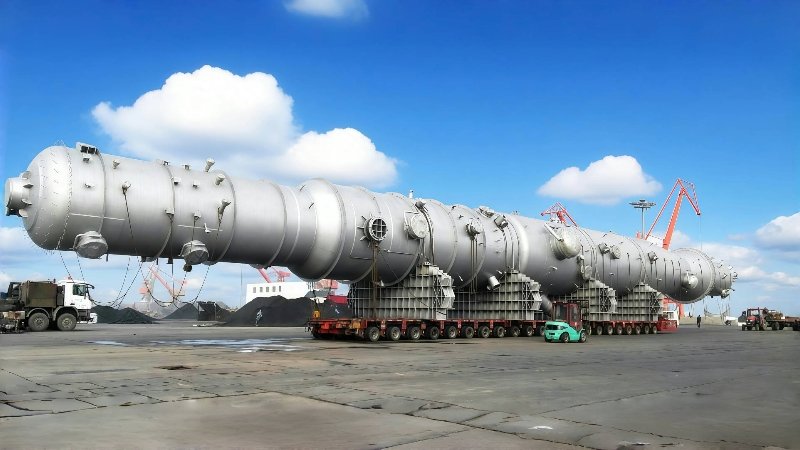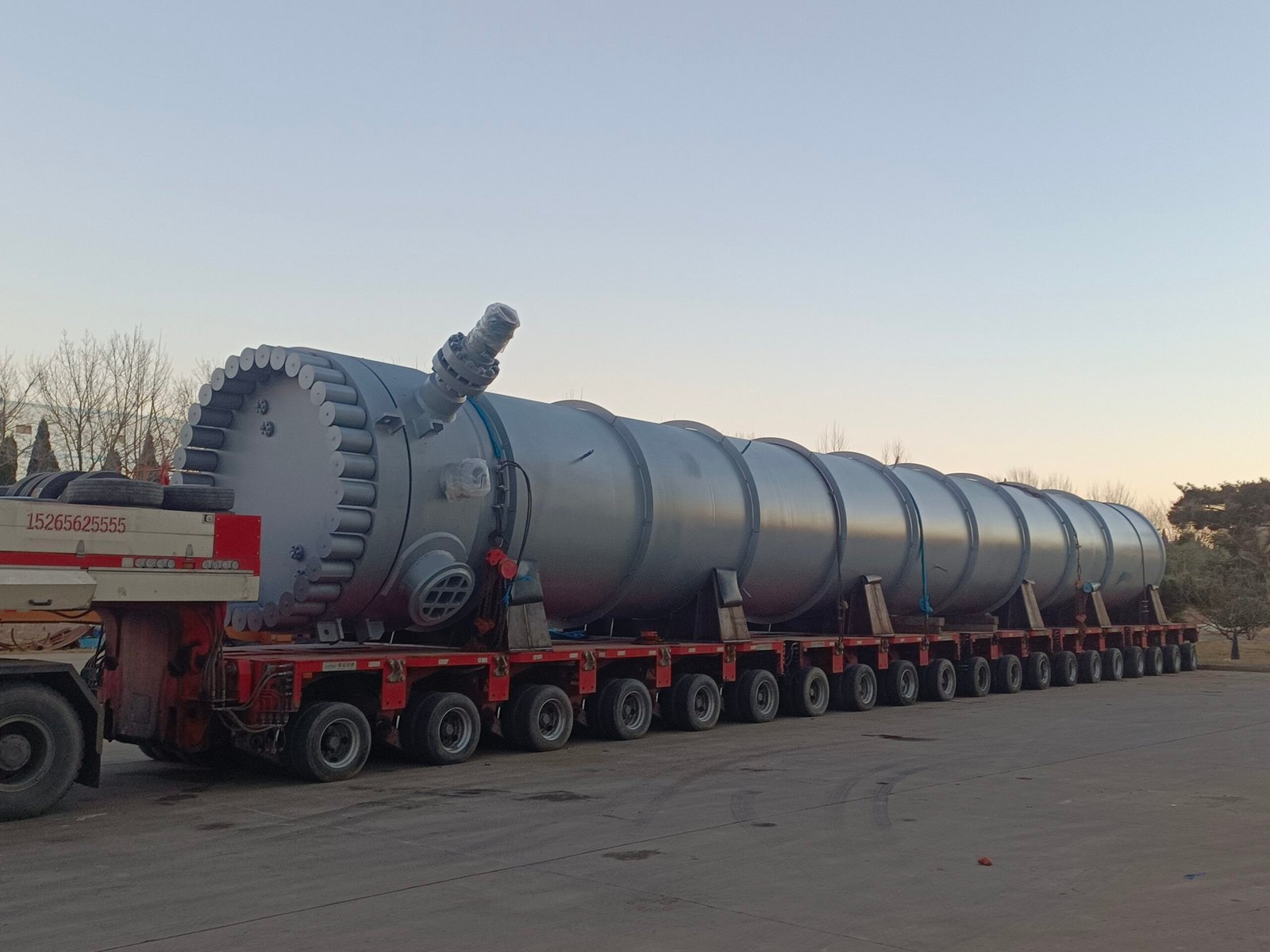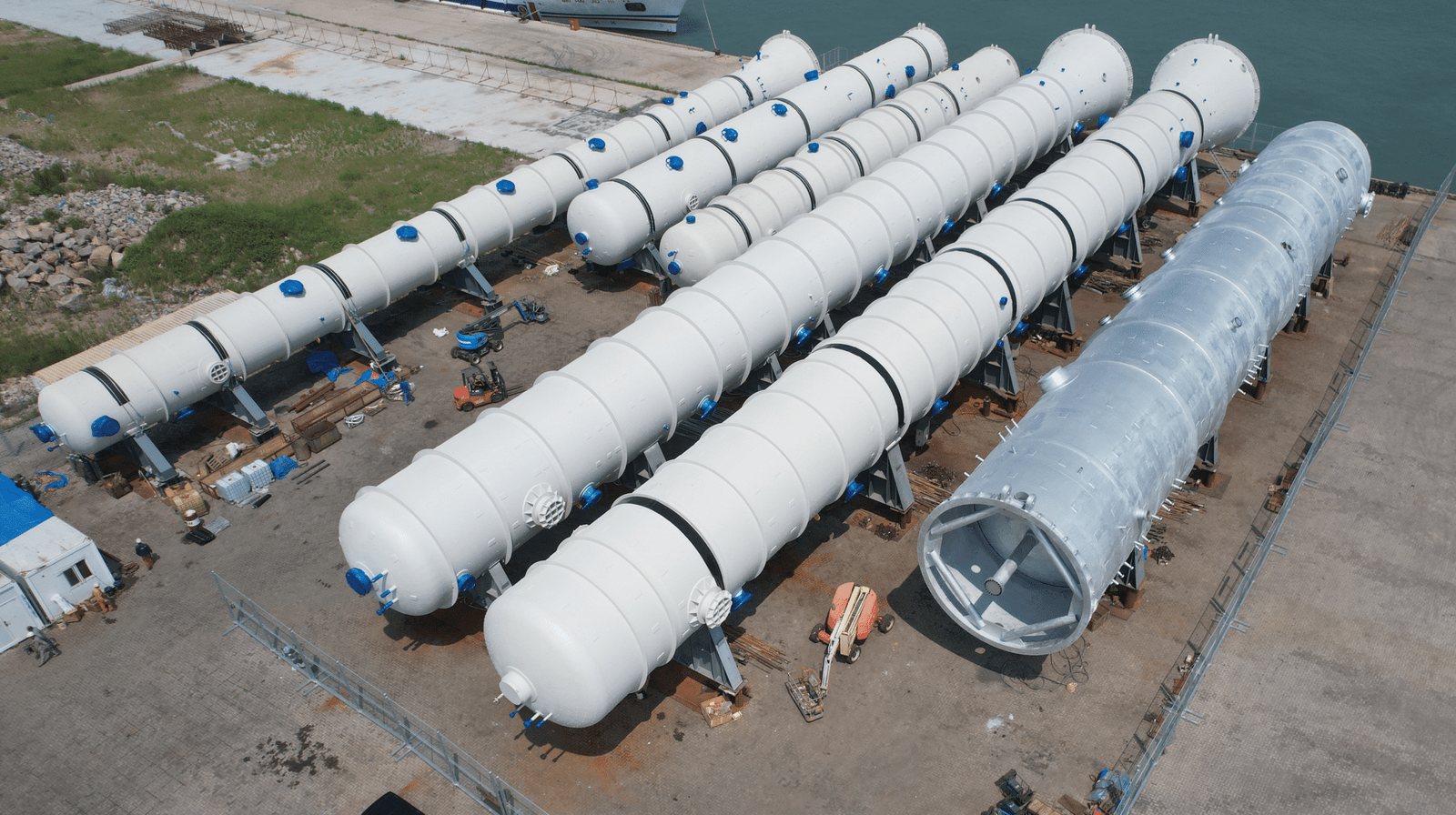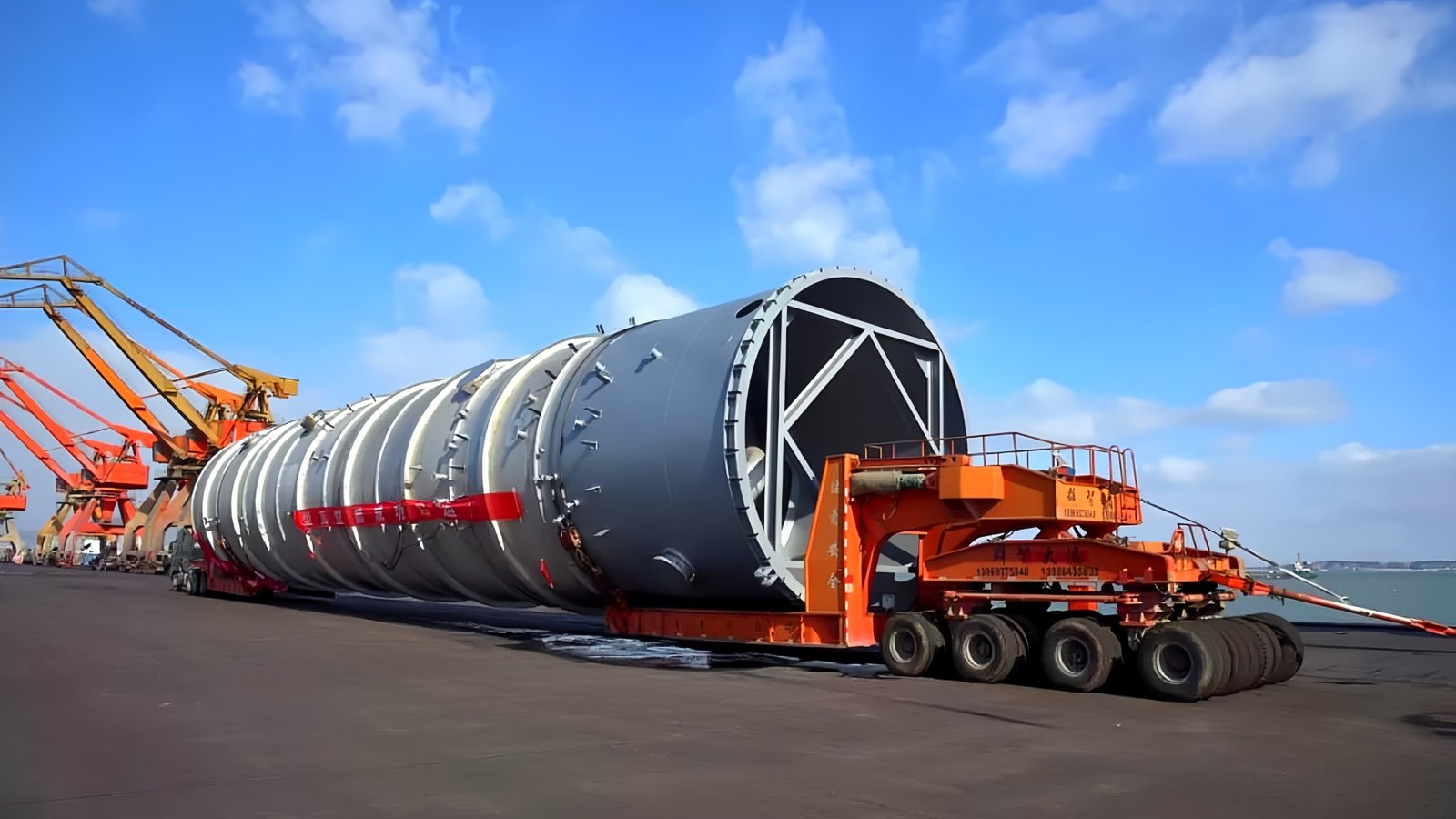

In modern industrial systems, efficient thermal energy transfer is critical. Poor heat exchange can lead to energy loss, increased operational costs, equipment wear, and even safety hazards. Many industries struggle to select the right type of heat exchanger due to the complexity of designs and the diversity of applications. Choosing an unsuitable type can result in performance inefficiencies or expensive retrofitting. Fortunately, understanding the core types of heat exchangers and their optimal uses—especially high-performance models like Breech Lock, Double Pipe, and Hairpin Heat Exchangers—can help industries achieve superior thermal efficiency and long-term reliability.
There are several main types of heat exchangers, including Breech Lock Heat Exchangers, Double Pipe Heat Exchangers, Hairpin Heat Exchangers, Shell and Tube Heat Exchangers, Plate Heat Exchangers, and Air-Cooled Heat Exchangers. Each type has distinct mechanical and thermal characteristics suited for specific industrial applications such as oil refining, petrochemical processing, power generation, and chemical manufacturing. The best choice depends on factors like pressure, temperature, fouling conditions, and ease of maintenance.
Understanding which heat exchanger to use for your specific operating conditions is key to maximizing efficiency and minimizing downtime. Below is a detailed guide that focuses especially on Breech Lock, Double Pipe, and Hairpin types—core solutions for many high-pressure and high-temperature applications.
What Is a Breech Lock Type Heat Exchanger and Where Is It Used?

In high-pressure and high-temperature industries, conventional heat exchanger designs often fall short in safety, maintenance ease, or operational continuity. One of the most overlooked problems in these systems is the challenge of frequent dismantling and reassembly for tube bundle cleaning or inspection, especially when using conventional bolted closures that require large clearances and time-consuming processes. When not addressed, this results in increased downtime, operational losses, and elevated risk exposure for workers. The breech lock type heat exchanger offers a superior solution, eliminating the need to remove the channel or shell entirely, thus minimizing downtime and maximizing safety. This article explores what a breech lock heat exchanger is, how it works, and why it’s a preferred choice in many critical applications.
A breech lock type heat exchanger is a specially designed shell and tube heat exchanger that utilizes a bayonet-style locking mechanism—known as a breech lock—to allow for easy, fast, and safe access to the internal tube bundle for maintenance, without the need for dismantling the entire unit. This type of exchanger is particularly useful in high-pressure, high-temperature, and hazardous environments such as petrochemical plants, refineries, and offshore oil platforms.
If you are responsible for plant design, equipment procurement, or maintenance planning, understanding the breech lock mechanism could significantly improve your equipment’s reliability, safety profile, and maintenance strategy. This article provides an in-depth technical overview, operational advantages, real-world applications, and practical selection criteria to help you decide when a breech lock exchanger is the best fit for your process.
Breech lock heat exchangers eliminate the need for shell or channel removal during maintenance.True
Their bayonet-style locking mechanism allows internal access without dismantling the main body, improving safety and reducing maintenance time.
Breech lock exchangers are unsuitable for high-pressure environments.False
They are specifically designed to handle high pressures safely, making them suitable for critical process conditions.
What Is a Breech Lock Type Heat Exchanger?
The breech lock heat exchanger, also known as a bayonet lock shell and tube heat exchanger, features a unique front-end closure system that simplifies access to the tube bundle for inspection, cleaning, or replacement. Unlike traditional bolted closures, which require unbolting dozens (or hundreds) of fasteners and significant axial clearance, a breech lock exchanger uses a mechanical bayonet system. This consists of a set of locking lugs and a rotating ring that engages or disengages the closure with minimal movement.
Key Components and Construction:
| Component | Function |
|---|---|
| Breech Lock Closure | Facilitates easy opening/closing of the exchanger head without full removal |
| Tube Bundle | Conducts heat exchange between fluids |
| Shell | Contains the tube bundle and fluid on the shell side |
| Locking Ring & Lugs | Secure the breech lock head under pressure |
| External Guide Rods | Aid in axial positioning of the channel head |
This design is ideal for horizontal heat exchangers where space constraints limit the ability to pull tube bundles or remove channels entirely.
How It Works:
- The breech lock ring is rotated, disengaging the bayonet-style locking lugs.
- The channel head is slid forward, often guided by a trolley or rail system.
- The tube bundle can then be pulled out, cleaned or inspected, and reinstalled with ease.
- Re-locking is as simple as sliding the head back and rotating the ring.
This reduces maintenance time from days to mere hours, and requires far less manpower and tooling compared to bolted designs.
Key Advantages of Breech Lock Type Heat Exchangers
| Feature | Benefit |
|---|---|
| No Shell/Channel Removal Needed | Minimizes downtime, labor, and crane use |
| Compact Axial Design | Ideal for tight spaces, offshore platforms, or plant retrofits |
| Safer Operation | Less manual lifting and risk of injury |
| Suitable for High-Pressure Use | Tested and certified for up to 400 bar or more |
| Reduced Downtime | 50–80% faster maintenance cycles |
Real-world tests and customer case studies have shown breech lock exchangers can save over 1,000 man-hours annually in large refinery operations, translating to hundreds of thousands of dollars in operational efficiency.
Where Are Breech Lock Type Heat Exchangers Used?
This heat exchanger design is most valuable in critical, hazardous, or remote process environments, where traditional maintenance is costly or risky.
Common Industries:
- Oil & Gas (onshore and offshore platforms)
Breech lock exchangers are used in heat recovery units, glycol dehydration systems, and gas-to-gas heaters. Petrochemical & Chemical Processing
Ideal for corrosive environments and high-temperature reactions where cleaning is frequent.Nuclear Power
Utilized in secondary loop cooling systems, where radiation shielding prevents manual disassembly.Pharmaceutical Plants
Where contamination risk mandates regular cleaning cycles.
Application Examples Table:
| Industry | Application Area | Reason for Breech Lock Use |
|---|---|---|
| Oil & Gas | Gas Dehydration Units | Frequent inspection needs, high pressures |
| Petrochemical | Aromatics Recovery | Aggressive fluids, high temperature |
| Nuclear | Primary/Secondary Heat Loops | Radiation limits physical access; need remote-friendly access |
| Pharmaceutical | Batch Reactors | Fast cleaning between runs to avoid contamination |
| Marine Engineering | Engine Cooling Loops | Compact space, need for rapid service at sea |
Engineering Considerations for Selection
When deciding whether a breech lock type exchanger is suitable, engineers must assess:
- Design Pressure & Temperature: Breech lock designs are tested for high operating pressures—ensure ASME compliance.
- Cleaning Frequency: More cleaning = greater benefit.
- Physical Plant Layout: Limited axial space favors breech lock designs.
- Fluid Compatibility: Materials must resist corrosion and fouling.
- Budget vs Lifecycle Cost: Breech locks may have higher upfront cost, but much lower OPEX over 10–20 years.
Design Challenges and Customizations
While breech lock exchangers offer distinct benefits, they do require precise fabrication and tolerancing, especially in the locking ring and gasket areas. Customizations often include:
- Exotic material options: Inconel, Hastelloy, Duplex Stainless Steel
- Jacketed shells for temperature control
- Internal corrosion-resistant coatings
- Seismic mounting frames for offshore or mobile plant use
Manufacturers must also ensure precise alignment of locking lugs, which demands CNC-level accuracy during machining.
Technical Specifications Overview
| Parameter | Typical Range |
|---|---|
| Operating Pressure | Up to 400 bar |
| Temperature Range | -40°C to +600°C |
| Material Options | Carbon Steel, SS316L, Hastelloy |
| Closure Mechanism | Breech Lock with Lugs & Lock Ring |
| Standards Compliance | ASME Sec VIII, API 660, PED, TEMA |
Conclusion: Why Breech Lock Type Heat Exchangers Are a Smart Investment
If your process involves frequent tube bundle access, operates under high pressure or temperature, or if downtime is costly, the breech lock heat exchanger provides a strategic mechanical advantage. Not only does it offer unparalleled ease of maintenance, but it also enhances operational safety and plant reliability. As more industries move toward predictive maintenance and automated shutdown procedures, equipment that supports quick intervention without major disassembly becomes increasingly vital.
How Does a Double Pipe Heat Exchanger Work and What Are Its Main Industrial Benefits?

In industrial heat transfer systems, selecting the right heat exchanger design directly impacts thermal efficiency, operational costs, and space utilization. Many facilities struggle with oversized or complex heat exchanger units when a simpler solution would suffice—especially in small-capacity, high-temperature differential applications. The double pipe heat exchanger, often underestimated, provides a cost-effective, modular, and easily maintainable alternative. It’s a smart choice for a wide range of industries, particularly where limited heat duty and frequent cleaning are involved. This article will explain how a double pipe heat exchanger works and why it remains a staple in thermal system design.
A double pipe heat exchanger works by placing one pipe inside another, allowing two fluids to flow in opposite directions—one through the inner pipe and one through the annular space between the inner and outer pipes—facilitating efficient heat exchange through the pipe wall. This counterflow arrangement provides high temperature differentials and is widely used in small-scale industrial processes requiring compact, easy-to-clean, and cost-efficient heat transfer solutions.
If you’re designing a thermal process with modest heat duty or considering a scalable, easy-to-maintain exchanger, this article will provide you with the detailed technical insights, advantages, and typical use cases of double pipe heat exchangers.
Double pipe heat exchangers use counterflow to increase thermal efficiency.True
The counterflow configuration allows the cold fluid to exit at a temperature closer to the hot fluid’s inlet temperature, enhancing heat transfer.
Double pipe exchangers are only used in domestic water heaters.False
They are used in various industrial sectors, including chemical processing, oil refining, food production, and pharmaceutical manufacturing.
What Is a Double Pipe Heat Exchanger?
A double pipe heat exchanger, also known as a pipe-in-pipe or jacketed tube heat exchanger, consists of two concentric pipes. The hot and cold fluids flow through separate channels—one through the inner tube and the other through the outer annular space.
Working Principle:
The unit typically operates in counterflow mode, where:
- Hot fluid flows through the inner pipe in one direction.
- Cold fluid flows through the outer annular space in the opposite direction.
This counter-current design enhances the thermal gradient along the exchanger length, allowing maximum heat recovery.
Double Pipe Heat Exchanger Flow Schematic:
| Component | Function |
|---|---|
| Inner Pipe | Carries one of the process fluids (usually hotter fluid) |
| Outer Pipe (Shell) | Carries the second fluid (usually cooler fluid) |
| Inlet/Outlet Nozzles | Direct fluid into and out of both channels |
| Pipe Supports | Secure the exchanger and manage thermal expansion |
Fluid Flow Diagram:
|--> Hot Fluid (Inner Pipe) -->|
|<-- Cold Fluid (Outer Annulus) <--|
This configuration ensures gradual and consistent heat transfer along the length of the exchanger.
Benefits of Double Pipe Heat Exchangers in Industry
Double pipe heat exchangers bring several strategic advantages, particularly for applications with lower flow rates, moderate heat loads, and batch processing requirements.
Core Industrial Advantages:
| Benefit | Details |
|---|---|
| High Thermal Efficiency | Counterflow design achieves higher outlet temperatures and better heat recovery |
| Low Cost and Simple Design | No complex internals; easy fabrication and assembly |
| Modular and Scalable | Multiple units can be connected in series or parallel |
| Easy Maintenance | Straightforward disassembly and cleaning; ideal for fouling fluids |
| Suitable for High Pressure | With proper materials, can handle pressures >150 bar |
| Compact for Small Duty | Minimal footprint for low-capacity processes |
Common Materials Used:
- Carbon Steel (low-cost, general purpose)
- Stainless Steel (corrosion-resistant)
- Copper or Brass (high thermal conductivity)
- Hastelloy/Inconel (for aggressive chemicals)
Real-World Applications by Industry
Double pipe exchangers are used in batch, continuous, and pilot plant operations across various sectors:
Application Use Cases Table:
| Industry | Application | Reason for Use |
|---|---|---|
| Chemical Processing | Cooling of process side streams | Low flow rates, aggressive chemicals |
| Oil & Gas | Heating of lube oil or fuel systems | High pressure, easy to clean systems |
| Food & Beverage | Pasteurization and pre-heating | Hygienic design, frequent cleaning required |
| Pharmaceuticals | Solvent recovery | Precision temperature control and compact design |
| Power Plants | Condensate or small loop recovery | Modular configuration to fit tight spaces |
Performance Characteristics and Design Configurations
Double pipe heat exchangers can be configured to increase surface area and performance:
Types of Configuration:
| Type | Description |
|---|---|
| Hairpin or U-tube | Saves space, reduces pipe runs |
| Series Flow Connection | Enhances temperature change across multiple modules |
| Parallel Flow Connection | Increases flow rate, reduces temperature differential per unit |
| Finned Tube Variants | Increases surface area for better heat transfer in limited space |
Technical Data Overview:
| Design Parameter | Typical Range |
|---|---|
| Heat Duty | 0.1 kW to 100 kW (can vary with design) |
| Operating Pressure | Up to 150 bar or more |
| Operating Temperature | -50°C to +300°C |
| Flow Rates | Up to 50 m³/h per stream |
| Heat Transfer Coefficient | 300–1000 W/m²·K depending on fluids |
Thermal Performance Chart:
| Flow Type | Temperature Effectiveness | Common Usage |
|---|---|---|
| Counterflow | High (up to 95%) | General industry, energy recovery |
| Parallel Flow | Medium (up to 70%) | Initial heating/cooling stages |
Maintenance, Fouling, and Lifespan Considerations
Because of their simple geometry, double pipe exchangers are:
- Less prone to severe fouling (especially when vertical mounted)
- Easier to clean manually or with pigging tools
- Ideal for corrosive or slurry-type fluids when equipped with appropriate materials
Comparison Chart: Maintenance vs Other Exchangers
| Exchanger Type | Cleaning Difficulty | Downtime Impact | Ideal for Fouling Fluids? |
|---|---|---|---|
| Double Pipe | Low | Minimal | Yes |
| Shell and Tube | Medium | High | With removable bundles only |
| Plate Heat Exchanger | High (if gasketed) | Moderate to High | Not ideal for particulates |
When Should You Choose a Double Pipe Heat Exchanger?
You should consider a double pipe design when:
- Your heat duty is below 100 kW
- Cleanability and ease of inspection are critical
- Space is limited, but modularity is acceptable
- You need material flexibility (e.g., for corrosive or pharmaceutical-grade processes)
- High pressure or temperature resilience is necessary
Double pipe exchangers also serve well in experimental pilot setups, start-up facilities, and R&D applications due to their simplicity and customization ease.
Final Thoughts: Is a Double Pipe Heat Exchanger Right for You?
Despite being a relatively simple thermal device, the double pipe heat exchanger offers an elegant, durable, and high-performance solution for a wide range of low-to-medium duty thermal processes. Its counterflow operation, combined with flexibility and low maintenance needs, makes it one of the most versatile and cost-effective choices in process engineering. Whether you are working in energy, pharma, food, or petrochemicals, this design can deliver reliable heat transfer where it counts—without the overhead of more complex systems.
What Are Hairpin Heat Exchangers and Why Are They Preferred in Certain Applications?
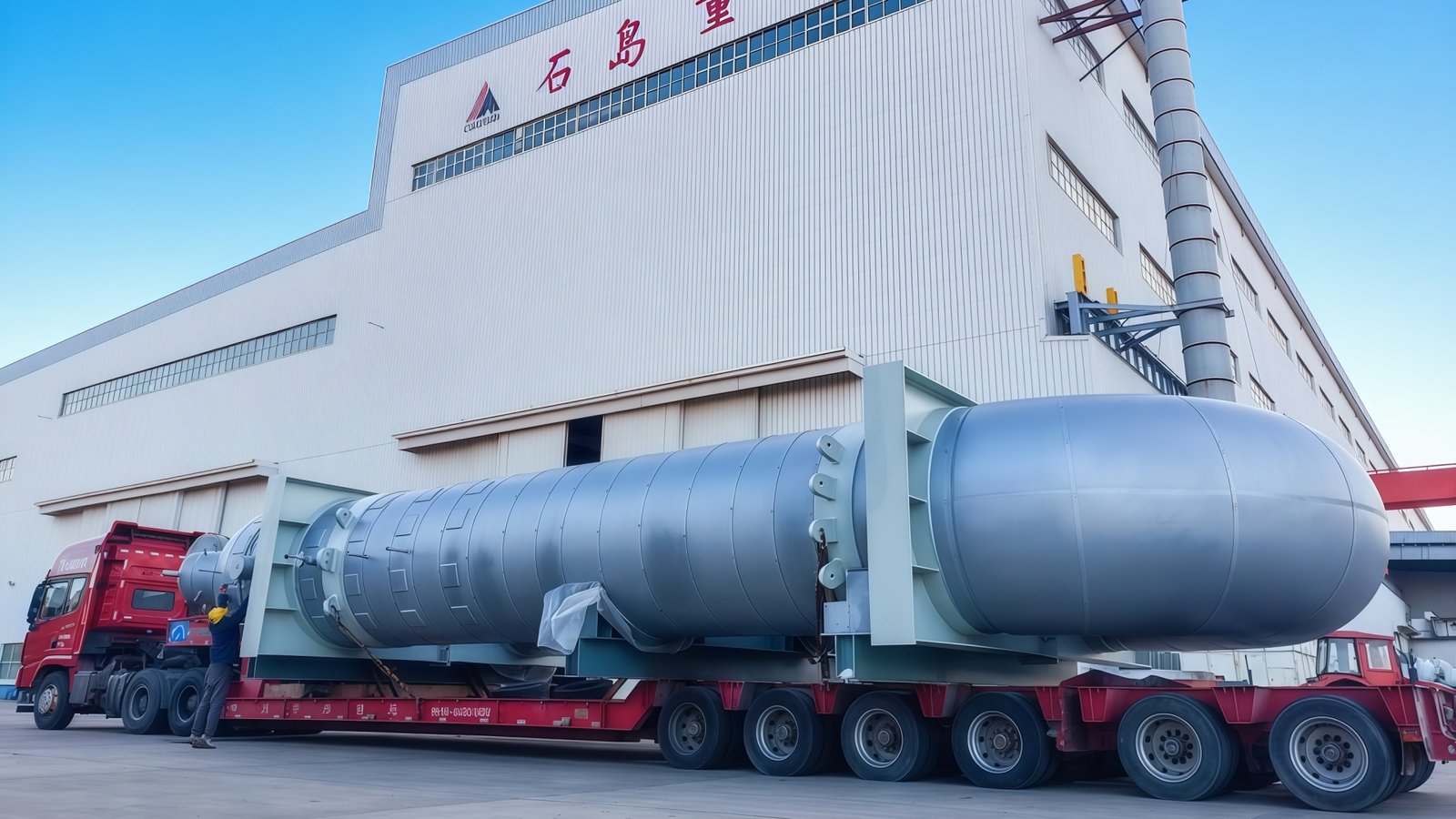
When designing thermal systems for space-constrained industrial environments, engineers frequently encounter the challenge of balancing efficient heat transfer with minimal footprint and pressure drop. In many conventional shell and tube systems, this often leads to oversized installations or inefficient piping configurations. This is where Hairpin Heat Exchangers provide a distinct advantage. Their compact, high-performance U-tube configuration delivers exceptional thermal efficiency in tight spaces—making them ideal for high-pressure and high-temperature applications. This article explains what hairpin heat exchangers are, how they work, and why they are often the preferred solution in specific industries.
A hairpin heat exchanger is a type of shell-and-tube exchanger characterized by a U-shaped (hairpin) tube bundle enclosed in a single shell, allowing fluid to flow in a counter-current path within a compact structure. This design enhances thermal efficiency, requires minimal floor space, and is particularly favored in high-pressure, corrosive, or limited-access environments such as offshore platforms, chemical plants, and oil refineries.
If you’re considering heat exchanger options for a high-performance application where modular design, thermal efficiency, and easy transport are essential, this article will help you understand whether a hairpin exchanger is your best fit.
Hairpin heat exchangers operate using a counter-current flow mechanism to maximize heat transfer efficiency.True
The design of the U-shaped tubes enables fluids to flow in opposite directions, creating a high temperature gradient throughout the exchanger.
Hairpin heat exchangers are unsuitable for high-pressure applications.False
Hairpin heat exchangers are specifically engineered for high-pressure and high-temperature services, often exceeding the pressure limits of traditional shell and tube designs.
What Is a Hairpin Heat Exchanger?
Hairpin heat exchangers are U-tube shell and tube exchangers where one or more U-shaped tube bundles are enclosed within a cylindrical shell. The hairpin (or return bend) design facilitates counterflow heat exchange in a compact and easily installable format.
Core Construction Features:
| Component | Function |
|---|---|
| U-tube Bundle | Carries one fluid in a U-shaped path for counterflow heat exchange |
| Outer Shell | Encases the U-tubes and directs the second fluid around the tubes |
| Closure Heads | Allow fluid entry/exit and provide access for maintenance |
| Support Baffles | Direct shell-side flow and provide mechanical support |
| Optional Expansion Joints | Compensate for thermal expansion in high-temperature applications |
The U-tube design eliminates the need for multiple shell passes, reducing pressure drop and complex flow routing—making it highly effective in viscous or high-pressure services.
Hairpin Heat Exchanger Fluid Flow Pattern:
|--> Tube Side Fluid In -->| Bends around U-tube |--> Exits
|<-- Shell Side Fluid In <--| Counterflow around tubes |--> Exits
This countercurrent flow allows for high thermal effectiveness and approach temperatures as close as 5–10°C, which is difficult to achieve in parallel or crossflow designs.
Advantages of Hairpin Heat Exchangers in Industrial Use
Hairpin exchangers are not just an alternate design—they bring distinct mechanical and thermal benefits in applications where traditional shell and tube systems are less efficient or impractical.
Primary Benefits:
| Feature | Industrial Advantage |
|---|---|
| High Thermal Efficiency | Counterflow ensures tight temperature approaches |
| Compact Footprint | Requires half the space of straight-tube exchangers |
| Easy Transportation & Modular | Skid-mountable, easily transported for offshore or modular plants |
| High Pressure Handling | Ideal for services up to 1000 bar with proper design |
| Lower Pressure Drop | U-tube eliminates flow interruptions from multiple pass configurations |
| Material Flexibility | Constructed in exotic alloys like Hastelloy, Inconel, Duplex SS |
| Less Fouling and Maintenance | Smooth U-bends reduce dead zones and facilitate cleaning |
These advantages make hairpin designs especially attractive for critical process industries, where space, reliability, and performance are paramount.
Where Are Hairpin Heat Exchangers Commonly Used?
Hairpin heat exchangers excel in environments where extreme process conditions and space limitations coincide. They are heavily used in:
Industry Application Table:
| Industry | Typical Application | Why Hairpin Is Used |
|---|---|---|
| Oil & Gas | Gas-gas or gas-liquid exchangers offshore | Compact and withstands high pressures and temperatures |
| Petrochemical | Condensers, reboilers, and side coolers | Counterflow improves efficiency in multicomponent systems |
| Chemical Processing | Solvent recovery and corrosive media cooling | Compatible with exotic alloys for corrosion resistance |
| Power Generation | Feedwater heating and cooling loops | High pressure and low approach temperature requirements |
| Modular Skid Plants | Prefabricated process systems | Easily integrated, lightweight and transportable |
In fact, hairpin units are also gaining traction in waste heat recovery systems, biofuel plants, and mobile chemical systems, thanks to their lightweight design and ease of installation.
Detailed Engineering Comparison vs Traditional Shell & Tube Exchangers
Performance Comparison Table:
| Criteria | Hairpin Heat Exchanger | Conventional Shell & Tube |
|---|---|---|
| Thermal Efficiency | Very High (Counterflow) | Moderate to High (Crossflow/multipass) |
| Footprint | Compact | Larger |
| Ease of Installation | Easy (modular) | Moderate to complex |
| Cleaning/Maintenance | Good for moderate fouling fluids | Better for heavy fouling (removable bundles) |
| Pressure Rating | Very High (>1000 bar) | Up to 600 bar typically |
| Temperature Range | -100°C to 600°C | -50°C to 500°C |
| Customization Flexibility | High (alloys, dimensions) | High, but larger fabrication size |
| Cost (CapEx) | Medium to High | Medium |
| Lifecycle Cost (OpEx) | Low due to low maintenance | Moderate to High depending on fouling |
Key Design Parameters for Hairpin Heat Exchangers
| Parameter | Typical Range |
|---|---|
| Tube Diameters | 0.5″ to 2″ |
| Pressure Range | 1 bar to 1000+ bar |
| Temperature Ratings | -100°C to 600°C |
| Heat Transfer Area | 1 m² to 500 m² or more |
| Materials | Carbon Steel, Stainless Steel, Titanium, Hastelloy |
| Flow Arrangement | Counter-current standard, co-current optional |
Hairpin exchangers can also be designed with finned tubes, extended surfaces, or internal helical baffles to enhance turbulent flow and boost heat transfer rates in low-flow or viscous applications.
Customization Options and Modular Expansion
One of the reasons for their increasing adoption is their modular design. Manufacturers can:
- Connect multiple hairpin units in parallel for higher flow rate
- Use double hairpin (quad tube) configurations for increased surface area
- Incorporate flanged heads or removable bundles for easy inspection
Hairpin exchangers can also include integral expansion joints to handle thermal stresses, and TEMA Class R compliance for refinery-grade applications.
Optional Features Table:
| Feature | Benefit |
|---|---|
| Double Pipe Hairpin | Dual tube pass for enhanced thermal exchange |
| Removable Tube Bundle | Simplifies maintenance in fouling conditions |
| Expansion Bellows | Absorbs thermal stress in high-temperature service |
| Baffle Spacing Adjustment | Tailors turbulence to optimize heat transfer |
Maintenance and Service Life Considerations
Hairpin heat exchangers are often selected for low maintenance environments. Their long lifespan is attributed to:
- Fewer weld joints, reducing potential failure points
- Simplified tube layout, minimizing flow-induced vibration
- Corrosion-resistant materials, especially in aggressive chemical services
Maintenance is simplified by removable closures and accessible U-bends, especially when built with hinged or swing-away heads.
Conclusion: Is a Hairpin Heat Exchanger Right for You?
If your application demands maximum thermal efficiency, high-pressure tolerance, and a compact footprint, the hairpin heat exchanger is an exceptionally reliable and cost-effective solution. Whether you’re working in a remote oil field, designing a modular chemical plant, or upgrading an existing heat recovery system, hairpin exchangers provide unmatched operational advantages with lower lifecycle costs.
How Do Breech Lock, Double Pipe, and Hairpin Heat Exchangers Compare with Other Common Types?
Selecting the right type of heat exchanger is a critical decision in process design, affecting everything from thermal efficiency and pressure drop to maintenance costs and plant footprint. Yet many engineers face delays or performance issues because the selected exchanger type doesn’t match the process conditions. Common mistakes include underestimating fouling tendencies, overdesigning capacity, or failing to accommodate spatial constraints. To help you make a better-informed decision, this article offers an in-depth, side-by-side comparison of Breech Lock, Double Pipe, and Hairpin Heat Exchangers versus other conventional types such as Shell-and-Tube, Plate, and Air-Cooled Exchangers.
Breech lock, double pipe, and hairpin heat exchangers differ significantly in their construction, efficiency, pressure tolerance, and maintenance characteristics compared to other types like shell-and-tube, plate, and air-cooled heat exchangers. While breech lock exchangers are ideal for high-pressure applications with frequent maintenance needs, double pipe exchangers are suited for small duties with simple layouts, and hairpin exchangers are preferred in high-pressure, space-constrained environments requiring counterflow efficiency.
If you’re responsible for equipment specification, engineering design, or plant operations, this article will equip you with actionable comparisons to help you choose the most suitable heat exchanger for your application.
Hairpin, breech lock, and double pipe heat exchangers each offer unique performance advantages in specific industrial scenarios.True
Each design serves a particular niche—breech lock for high-pressure, double pipe for low-duty simplicity, and hairpin for space-limited high-efficiency needs.
Plate heat exchangers always outperform shell-and-tube designs in all applications.False
While plate heat exchangers have higher surface area per unit volume, they are not suitable for high-pressure or high-fouling fluids.
Heat Exchanger Categories Overview
Before we compare them directly, let’s briefly classify the common heat exchanger types:
| Type | Basic Description |
|---|---|
| Breech Lock | Shell & tube exchanger with bayonet-style locking system for easy access |
| Double Pipe | One pipe within another, fluids flow countercurrently |
| Hairpin | U-tube shell-and-tube design for compact high-efficiency heat transfer |
| Shell-and-Tube | Standard industrial design with multiple tube passes and baffles |
| Plate (Gasketed/Welded) | Thin plates stacked with gaskets or welds, high surface area-to-volume ratio |
| Air-Cooled | Uses ambient air as coolant, no water required |
Now let’s explore how Breech Lock, Double Pipe, and Hairpin exchangers compare technically and operationally to these alternatives.
Comparative Performance Table: Core Design Metrics
| Parameter | Breech Lock | Double Pipe | Hairpin | Shell-and-Tube | Plate | Air-Cooled |
|---|---|---|---|---|---|---|
| Flow Type | Counterflow or multi-pass | Counterflow | Counterflow | Parallel/Crossflow | Counterflow | Crossflow/Parallel |
| Footprint | Medium to Large | Small | Compact | Large | Very Compact | Very Large |
| Maintenance Access | Excellent (quick open) | Excellent (simple layout) | Good (modular design) | Moderate (depends on design) | Poor (plate removal needed) | Moderate to Difficult |
| Heat Transfer Efficiency | High | Moderate | High | Moderate | Very High | Low to Moderate |
| Pressure Rating | Very High (up to 400 bar) | High | Very High (>1000 bar) | Moderate to High | Low to Moderate | Low |
| Temperature Rating | Very High (>500°C) | High | Very High | High | Moderate (<200°C) | Low to Moderate |
| Fouling Resistance | High (easy access) | High (cleaning access) | Moderate | Moderate to High | Low | Moderate |
| Cost (CapEx) | High | Low | Medium | Medium | Low to Medium | High |
| Suitability for Dirty Fluids | Excellent | Excellent | Good | Good | Poor | Moderate |
| Customizability | High | High | High | High | Limited | Limited |
Key Design and Operational Differences
🛠 Breech Lock vs Shell-and-Tube
- Breech lock exchangers are a subset of shell-and-tube but with a major upgrade: their bayonet-style locking system replaces bolted closures, allowing rapid internal access.
- Ideal when frequent cleaning is required, such as in fouling crude oil streams or corrosive petrochemical fluids.
- More expensive upfront, but significantly lower lifecycle maintenance costs.
📏 Double Pipe vs Plate Heat Exchangers
- Double pipe is far simpler in design but more robust for corrosive or slurry-laden fluids.
- Plate exchangers offer high thermal efficiency but are not suited to high pressure or dirty media.
- Double pipe systems excel in small duty applications (e.g., lube oil cooling, chemical side streams) where cleaning is frequent and cost must be minimized.
🌀 Hairpin vs Air-Cooled Exchangers
- Hairpin exchangers are compact and closed-loop, ideal for space-limited and high-pressure systems.
- Air-cooled exchangers are great when water is not available, but they require a large footprint and are limited by ambient temperature.
- Hairpin wins where tight approach temperatures and modular deployment are needed—such as on offshore rigs or mobile skid plants.
Industrial Applications Matrix
| Industry | Breech Lock | Double Pipe | Hairpin | Best Alternative Type |
|---|---|---|---|---|
| Oil & Gas | Gas dehydration, crude cooling | Lube oil, condensate loops | Offshore reboilers | Air-cooled (for remote cooling) |
| Petrochemical | Aromatics recovery, HF acid | Side streams, test loops | Compact process heaters | Welded plate exchangers |
| Chemical Processing | High-pressure reactors | Corrosive fluid handling | Acid coolers | Shell & tube |
| Food & Beverage | Sterilization loops | Pasteurization jackets | Product preheating | Gasketed plate exchangers |
| Pharmaceuticals | WFI systems, batch processes | Alcohol or solvent recovery | Skid-mounted reaction systems | Double tube sheet exchangers |
| Power Generation | Steam condensers, feedwater | Small loop heating/cooling | Boiler economizers | Air-cooled or plate-fin |
Thermal Efficiency vs Space Efficiency Chart
| Efficiency ▲
|                          Plate
|                    Hairpin
|           Breech Lock
|      Shell & Tube
|  Double Pipe
|                                Air Cooled
|----------------------------------------------------------▶ Footprint
This chart illustrates that plate and hairpin exchangers offer excellent thermal efficiency per unit volume, while air-cooled systems demand the most space.
Cost-Effectiveness Over Lifecycle
Lifecycle Cost Table (10-Year Estimate Based on Moderate Duty):
| Exchanger Type | Initial Cost | Maintenance Cost | Downtime Risk | Total Lifecycle Cost |
|---|---|---|---|---|
| Breech Lock | $$$$ | $ | Low | $$$ |
| Double Pipe | $ | $ | Very Low | $ |
| Hairpin | $$ | $ | Low | $$ |
| Shell-and-Tube | $$ | $$ | Moderate | $$$ |
| Plate | $ | $$$ | High | $$$ |
| Air-Cooled | $$$ | $ | Low | $$$ |
Summary: When to Use Each Heat Exchanger Type
| Use Case | Recommended Type |
|---|---|
| Frequent maintenance in high-pressure service | Breech Lock |
| Low-flow, low-duty, easily cleanable applications | Double Pipe |
| High-pressure, space-limited modular process design | Hairpin |
| General-purpose, large duty, moderate fouling | Shell-and-Tube |
| Compact, high-efficiency, clean fluids | Plate (Gasketed/Welded) |
| Water-scarce, ambient cooling needs | Air-Cooled Exchanger |
Conclusion: Strategic Selection Yields Long-Term Value
Each heat exchanger type—breech lock, double pipe, and hairpin—has unique technical strengths that outperform conventional designs in the right context. By understanding their operational efficiencies, maintenance requirements, and application fit, you can reduce long-term operating costs and increase plant reliability. Remember: the “best” heat exchanger is the one optimized for your exact process conditions, not necessarily the cheapest or most common.
What Factors Influence the Selection of a Specific Type of Heat Exchanger for Industrial Use?
Choosing the wrong type of heat exchanger in industrial systems can result in inefficiencies, premature failure, high maintenance costs, and even safety risks. Many engineers face issues like insufficient heat transfer, corrosion, or space limitations because critical selection parameters were not fully considered. Whether you’re designing a new process, retrofitting an existing plant, or troubleshooting inefficiencies, the ability to select the right heat exchanger type—based on real-world operating conditions—is crucial. This guide outlines the key engineering, operational, and economic factors that must be evaluated to ensure the best match between process needs and exchanger performance.
The selection of a heat exchanger for industrial use depends on critical factors such as heat duty, temperature and pressure conditions, fluid properties, fouling tendencies, maintenance access, space availability, material compatibility, and cost considerations. Each of these influences the suitability of specific exchanger types like shell-and-tube, plate, double pipe, breech lock, hairpin, or air-cooled exchangers.
Understanding these factors helps engineers make informed choices that ensure long-term efficiency, safety, and cost savings in their thermal systems.
The operating pressure and temperature of a process significantly affect the type of heat exchanger selected.True
Exchangers like breech lock and hairpin are chosen for high-pressure, high-temperature environments, while plate exchangers are better suited to moderate conditions.
All heat exchangers perform equally regardless of fluid type.False
Fluid properties like viscosity, corrosiveness, and fouling potential directly influence heat transfer performance and maintenance requirements.
Core Factors Influencing Heat Exchanger Selection
1. Heat Duty (Q)
The required rate of heat transfer (in kW or BTU/hr) is the starting point for sizing and selecting a heat exchanger.
- High heat duties may require large shell-and-tube or multiple plate exchangers.
- Low-to-moderate duties can be efficiently handled by double pipe or compact heat exchangers.
2. Operating Temperature and Pressure
| Parameter | Considerations |
|---|---|
| Temperature Range | Impacts material selection, gasket types, and thermal expansion allowances |
| Pressure Rating | Determines mechanical design strength, especially for closure systems |
| Pressure Drop Limits | Affects pump sizing and exchanger geometry |
For example, breech lock exchangers are chosen for pressures > 100 bar, while plate exchangers typically operate below 25 bar.
3. Fluid Characteristics
Understanding fluid properties ensures thermal performance and mechanical durability:
| Property | Why It Matters |
|---|---|
| Viscosity | Affects flow regime and heat transfer coefficient |
| Corrosiveness | Determines material selection (e.g., Hastelloy, SS316, Titanium) |
| Fouling Tendency | Influences maintenance strategy and cleaning access |
| Phase (liquid/gas) | Design differs for condensers, evaporators, gas-to-liquid heat exchange |
Comparative Table: Fluid Types and Ideal Exchanger Options
| Fluid Type | Recommended Exchanger Type | Reason |
|---|---|---|
| Corrosive Acids | Hairpin or Welded Plate | Exotic alloys and easy isolation |
| Slurry or Viscous | Double Pipe or Shell-and-Tube | Large flow channels, less clogging risk |
| High-Purity Liquids | Gasketed Plate or Double Tube Sheet | Cleanability and zero cross-contamination |
| Steam or Condensate | Shell-and-Tube or Hairpin | Good for phase change heat transfer |
| Gases at High Pressure | Breech Lock or Hairpin | Pressure resistance and low leakage risk |
4. Thermal Efficiency Requirements
- Applications needing tight temperature approaches (<5°C) benefit from counterflow designs like hairpin or plate heat exchangers.
- Parallel flow or crossflow designs (like air-cooled units) are less efficient but useful where cooling media are limited.
Thermal Effectiveness Table:
| Exchanger Type | Effectiveness Range (% of Ideal) |
|---|---|
| Plate (Gasketed/Welded) | 85–95% |
| Hairpin (Counterflow) | 80–90% |
| Breech Lock (Shell/Tube) | 70–85% |
| Shell-and-Tube | 60–80% |
| Double Pipe | 60–75% |
| Air-Cooled | 45–60% |
5. Fouling and Maintenance Considerations
| Factor | Why It’s Critical |
|---|---|
| Cleaning Frequency | Impacts downtime and operating cost |
| Access for Inspection | Determines ease of bundle removal or disassembly |
| CIP (Clean-in-Place) Compatibility | Important in food, beverage, and pharma industries |
Breech lock and double pipe designs allow easier mechanical cleaning than gasketed plate exchangers.
Fouling Resistance vs Cleanability Chart
| Fouling Resistance ▲
|       Breech Lock
|       Double Pipe
|   Shell-and-Tube
|   Hairpin
|       Plate
|           Air-Cooled
|------------------------------▶ Cleanability
6. Installation Space and Layout Constraints
- Vertical vs horizontal installation options
- Need for axial clearance (e.g., to remove tube bundles)
- Weight and foundation load considerations
Hairpin exchangers are often selected for tight skid-mounted or offshore systems due to their short axial length.
Footprint vs Duty Table:
| Exchanger Type | Typical Footprint | Duty Range |
|---|---|---|
| Plate | Very Compact | 5–10,000 kW |
| Double Pipe | Compact (modular) | 1–100 kW |
| Hairpin | Compact | 50–5000 kW |
| Breech Lock | Medium | 100–20,000+ kW |
| Shell-and-Tube | Large | 500–100,000+ kW |
| Air-Cooled | Very Large | 1000–100,000+ kW |
7. Cost Considerations (CapEx and OpEx)
The true cost of a heat exchanger includes not just the purchase price, but installation, maintenance, downtime, and lifespan.
| Exchanger Type | CapEx | Maintenance Cost | Typical Lifespan |
|---|---|---|---|
| Plate | Low | High (gasket failure) | 10–15 years |
| Double Pipe | Low | Low | 15–25 years |
| Hairpin | Medium | Low | 20–30 years |
| Breech Lock | High | Low | 25–40 years |
| Shell-and-Tube | Medium | Medium | 20–30 years |
| Air-Cooled | High | Medium | 15–25 years |
Low-cost exchangers can be more expensive over time if maintenance is frequent or thermal performance degrades due to fouling.
Summary Checklist for Heat Exchanger Selection
| Parameter | What to Evaluate |
|---|---|
| Heat Duty (kW or BTU/hr) | Total energy to be transferred |
| Temperature Range | Inlet/outlet and max fluid temperature |
| Operating Pressure | Required design pressure (bar or psi) |
| Fluid Properties | Viscosity, phase, corrosiveness, fouling potential |
| Flow Rates | Minimum and maximum (m³/hr or GPM) |
| Maintenance Needs | Cleaning frequency, downtime costs |
| Installation Space | Length, height, clearance, accessibility |
| Budget | Both CapEx and OpEx |
| Regulations | Industry standards (TEMA, ASME, PED, FDA, etc.) |
Conclusion: The Best Heat Exchanger Is Application-Specific
There is no universally “best” heat exchanger—only the best match for a specific process. By carefully evaluating the factors outlined above, engineers can select a heat exchanger that delivers maximum performance, minimal downtime, and optimal cost-efficiency. Remember, the success of your thermal system is rooted in the precision of your selection criteria.
Which Industries Benefit Most from Breech Lock, Double Pipe, and Hairpin Heat Exchangers?
When selecting heat exchangers for industrial use, it’s not just about size or performance—the industry itself dictates which design performs best over time. Many facilities make costly mistakes by using one-size-fits-all approaches, resulting in downtime, maintenance issues, or efficiency losses. For high-pressure environments, tight spaces, or demanding hygiene requirements, the right type of exchanger—whether Breech Lock, Double Pipe, or Hairpin—can offer dramatically better reliability, safety, and energy performance. This article reveals which industries benefit most from each of these specialized heat exchanger types and why they outperform conventional designs in those sectors.
Breech Lock, Double Pipe, and Hairpin heat exchangers are ideally suited to specific industrial sectors based on their pressure tolerance, ease of maintenance, flow capacity, and footprint. Breech Lock exchangers are perfect for high-pressure, hazardous applications like oil & gas and petrochemicals; Double Pipe units thrive in low-flow, cleanable environments such as pharmaceuticals and food; Hairpin exchangers are best in space-constrained, high-efficiency sectors such as offshore, chemical processing, and modular power plants.
Understanding these applications ensures your heat exchanger choice aligns with industry standards, operational needs, and long-term cost efficiency.
Different heat exchanger designs are preferred by different industries based on application needs.True
Designs like breech lock, double pipe, and hairpin serve unique process conditions specific to industries such as oil & gas, pharmaceuticals, or food processing.
Hairpin heat exchangers are rarely used in modular or offshore plant designs.False
Hairpin heat exchangers are compact and modular, making them ideal for offshore and skid-mounted plant systems.
Industry-Specific Benefits of Each Heat Exchanger Type
🛢️ 1. Oil & Gas Industry
Best Fit: Breech Lock & Hairpin
The oil and gas sector involves high-pressure, high-temperature, and often hazardous fluids, making mechanical safety and easy access for cleaning top priorities.
| Process Application | Recommended Exchanger | Why It’s Ideal |
|---|---|---|
| Crude pre-heaters | Breech Lock | Handles fouling, high pressure, and allows fast maintenance |
| Offshore glycol dehydration | Hairpin | Compact, skid-mountable, high efficiency |
| Gas-to-gas exchangers | Breech Lock | Robust design for high-pressure natural gas |
| Separator cooling loops | Hairpin | Counterflow efficiency and compact footprint |
Breech lock closures allow technicians to access internals quickly—even in pressurized systems—without full dismantling, a key advantage in offshore and hazardous zones.
🧪 2. Chemical Processing Industry
Best Fit: Hairpin & Double Pipe
Chemical plants operate with corrosive media, thermal cycling, and space constraints. Hairpin and double pipe exchangers offer material flexibility and modular installation.
| Process Application | Recommended Exchanger | Why It’s Ideal |
|---|---|---|
| Corrosive acid cooling | Hairpin (Hastelloy) | Compact and resistant to aggressive media |
| Solvent condensation | Double Pipe | Simple and easy to clean or replace |
| Modular batch reactors | Hairpin | Integrated with reactors on skids |
| Polymer slurry cooling | Breech Lock or Double Pipe | Handles fouling, easy maintenance |
The ability to use exotic materials like Inconel or titanium is a major benefit for chemical applications prone to corrosion and thermal stress.
🧴 3. Pharmaceutical Industry
Best Fit: Double Pipe & Hairpin
In pharmaceutical plants, sanitary design, batch flexibility, and contamination control are critical. Double pipe and hairpin units offer cleanability and precise thermal control.
| Process Application | Recommended Exchanger | Why It’s Ideal |
|---|---|---|
| WFI (Water for Injection) loops | Double Pipe (316L SS) | Hygienic, cleanable, low fouling risk |
| Solvent recovery skids | Hairpin | Skid-mounted and easy to validate |
| Reactant pre-heating | Double Pipe | Controlled, small-capacity heat exchange |
| API cooling | Hairpin or Double Pipe | Efficient, contamination-resistant |
These exchangers are also easy to validate for GMP compliance, supporting clean-in-place (CIP) or sterilize-in-place (SIP) procedures.
🍞 4. Food & Beverage Industry
Best Fit: Double Pipe & Hairpin
Food processing requires hygienic materials, ease of cleaning, and precise temperature control, especially during sterilization or pasteurization.
| Process Application | Recommended Exchanger | Why It’s Ideal |
|---|---|---|
| Milk pasteurization | Double Pipe (sanitary) | Easily disassembled and cleaned |
| Juice heating/cooling | Hairpin or Double Pipe | Compact and low contamination risk |
| Chocolate tempering | Double Pipe | Low flow, viscous product handling |
| Yeast fermentation loops | Hairpin | Consistent temperature control in compact space |
Double pipe exchangers are often selected for low-duty, cleanable processes, while hairpin units fit into compact processing lines.
⚗️ Petrochemical Industry
Best Fit: Breech Lock & Hairpin
Petrochemical plants need exchangers that handle aggressive fluids, frequent thermal cycling, and high pressures with easy cleaning.
| Process Application | Recommended Exchanger | Why It’s Ideal |
|---|---|---|
| Aromatics condensation | Breech Lock | Withstands thermal expansion and offers easy access |
| HF acid coolers | Hairpin (alloy construction) | Resistant to corrosion, high efficiency |
| High-temperature fractionation | Breech Lock | Handles pressure/temperature extremes |
| Side stream cooling | Hairpin | Ideal for modular installation and control |
Breech lock closures support reliable performance and safety even in explosion-proof zones, reducing downtime from fouling or chemical attack.
⚡ Power Generation & Modular Plants
Best Fit: Hairpin & Breech Lock
In power systems and energy recovery processes, space, pressure, and reliability are key. Hairpin and breech lock types handle steam, condensate, and feedwater efficiently.
| Process Application | Recommended Exchanger | Why It’s Ideal |
|---|---|---|
| Boiler economizers | Hairpin | Recovers waste heat, small footprint |
| Feedwater heaters | Breech Lock or Hairpin | High pressure and tight temperature approach |
| Steam condensers | Breech Lock | Safe and accessible under high-load operations |
| Modular CHP units | Hairpin | Skid-mountable and rapid deployment |
Hairpin exchangers also integrate well into containerized and mobile systems, essential for distributed energy projects.
Summary Chart: Industries vs Exchanger Type
| Industry | Breech Lock | Double Pipe | Hairpin |
|---|---|---|---|
| Oil & Gas | ✅ | 🚫 | ✅ |
| Chemical Processing | ✅ | ✅ | ✅ |
| Pharmaceutical | 🚫 | ✅ | ✅ |
| Food & Beverage | 🚫 | ✅ | ✅ |
| Petrochemical | ✅ | 🚫 | ✅ |
| Power Generation | ✅ | 🚫 | ✅ |
✅ = Strong fit 🚫 = Rarely used
Conclusion: Industry Demands Dictate Exchanger Choice
Each industry faces unique process challenges—from corrosion and pressure extremes to hygiene and modularity. Breech lock, double pipe, and hairpin heat exchangers each offer distinct structural and thermal advantages that align perfectly with these operational needs. By selecting the exchanger type best suited to your industry, you reduce maintenance costs, improve safety, and ensure long-term reliability.
By understanding the core functions, advantages, and applications of each heat exchanger type—especially those that align with your production needs—you can make informed procurement decisions that enhance system performance and lower total cost of ownership.
Need help selecting the ideal heat exchanger for your process?
Contact us today to get professional support and pricing on Breech Lock, Double Pipe, and Hairpin Heat Exchangers tailored to your industrial operation.
FAQ
Q: Where are shell and tube heat exchangers used?
A: Shell and tube exchangers are widely used in oil & gas, refineries, power plants, and chemical processing due to their durability, high pressure tolerance, and large heat transfer area. They are ideal for handling dirty, corrosive, or high-temperature fluids.
Q: What are the typical uses of plate heat exchangers?
A: Plate heat exchangers are commonly used in HVAC systems, food and beverage, pharmaceutical, and dairy processing. They are excellent for clean fluids, moderate pressures, and applications requiring easy disassembly and cleaning.
Q: In which industries are air-cooled heat exchangers preferred?
A: Air-cooled heat exchangers are popular in remote installations, refineries, natural gas plants, and power generation, especially where water is scarce or expensive. They reduce operational costs by avoiding water treatment and supply systems.
Q: What industrial applications use double pipe or spiral heat exchangers?
A: Double pipe heat exchangers are used in pilot plants, chemical batch processing, and utilities with limited flow. Spiral heat exchangers are ideal for sludge treatment, pulp and paper, wastewater, or viscous fluids where fouling resistance and self-cleaning design are advantageous.
References
- Types of Heat Exchangers – Engineering Toolbox
- Shell and Tube Heat Exchanger Overview – Bright Hub Engineering
- Plate Heat Exchanger Applications – Alfa Laval
- Air-Cooled Heat Exchanger Guide – API Heat Transfer
- Spiral Heat Exchanger Design – Chemical Engineering Resources
- Double Pipe Heat Exchanger Basics – HTRI
- Finned Tube Heat Exchangers – Super Radiator Coils
- Heat Exchanger Selection Guide – Process Heating
- TEMA Standards for Heat Exchanger Classification – Tubular Exchanger Manufacturers Association
- Heat Transfer Fundamentals – Khan Academy