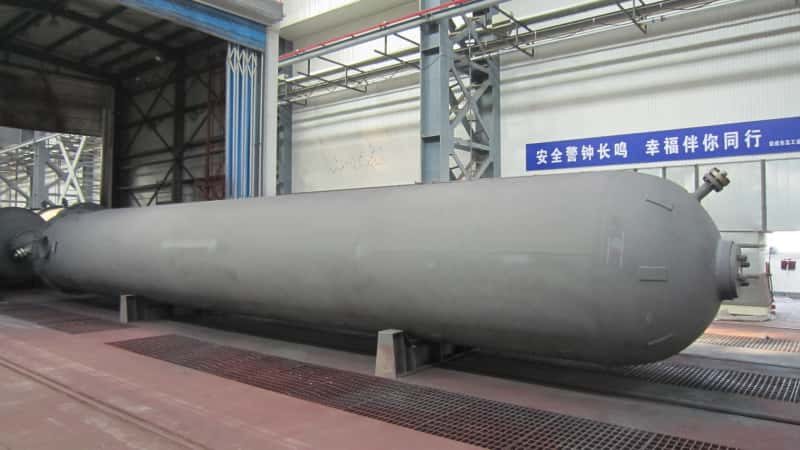

Selecting the wrong shell and tube heat exchanger manufacturer can lead to costly downtime, inefficient heat transfer, frequent maintenance, and even safety risks. Many buyers struggle to distinguish between suppliers who merely offer low prices and those who deliver long-term reliability and performance. The good news is that with a structured evaluation approach, you can confidently identify manufacturers that meet your technical, operational, and budgetary needs.
To evaluate shell and tube heat exchanger manufacturers and suppliers effectively, you should assess their engineering capabilities, certifications, material quality, customization options, manufacturing standards, quality control systems, delivery reliability, and after-sales support. A qualified supplier will demonstrate proven industry experience, compliance with international standards (such as ASME or TEMA), transparent communication, and the ability to provide tailored solutions based on your application requirements.
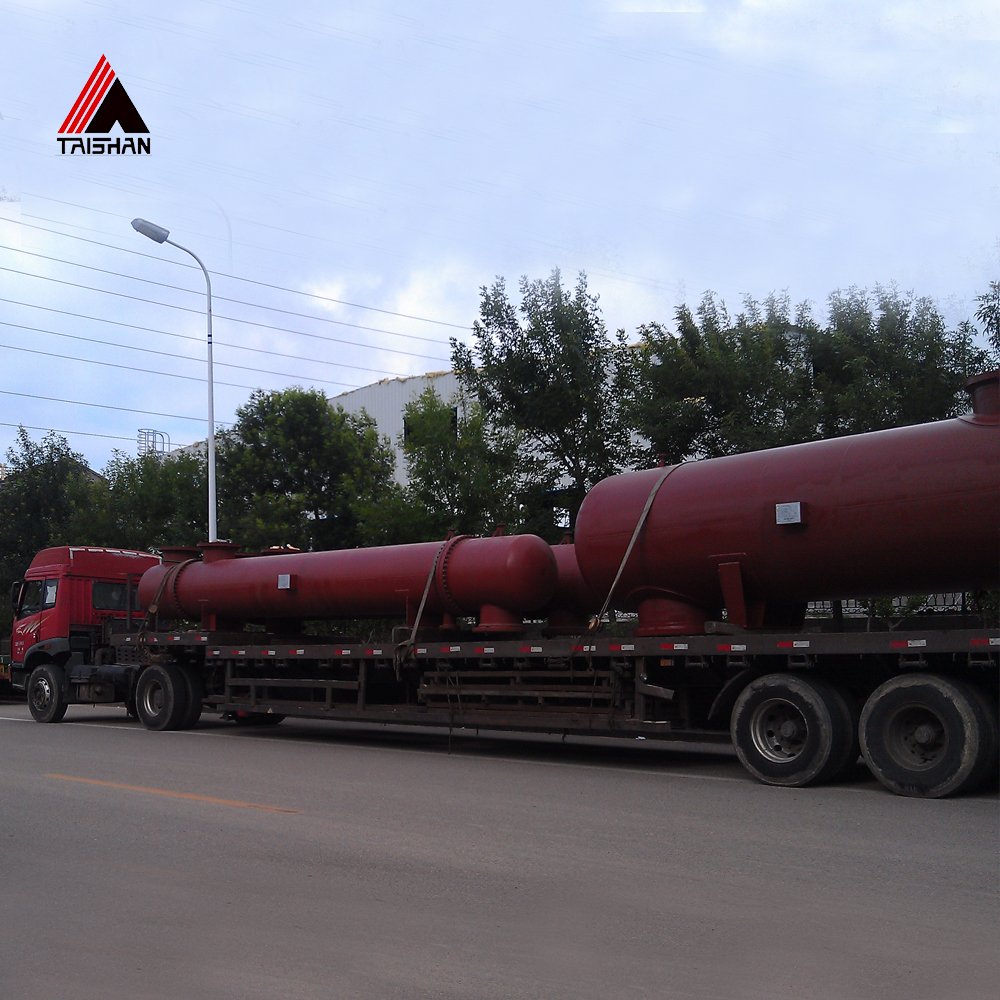
Before making a final decision, it is essential to understand the key criteria that differentiate high-quality suppliers from average ones. The following outline will guide you through the most critical evaluation factors to ensure a reliable and cost-effective partnership.
What Should You Look for in Shell and Tube Heat Exchanger Manufacturers’ Certifications and Standards?
When sourcing shell and tube heat exchangers, many buyers focus heavily on price and delivery timelines—but overlook certifications and standards, which can lead to catastrophic consequences. Poorly certified equipment may fail under pressure, corrode prematurely, or violate regulatory requirements, resulting in downtime, safety hazards, legal penalties, and costly replacements. The solution lies in understanding exactly which certifications and standards truly matter, and how they reflect a manufacturer’s engineering capability, quality control, and compliance reliability.
You should evaluate shell and tube heat exchanger manufacturers based on internationally recognized certifications such as ASME, ISO 9001, PED, TEMA, and industry-specific standards, ensuring they demonstrate compliance in design, material traceability, welding procedures, pressure testing, and quality assurance systems. These certifications validate safety, durability, and regulatory compliance, reducing operational risks and lifecycle costs.
To make a confident and informed decision, you need more than a checklist—you need a deep understanding of what each certification means, how it impacts performance, and how to verify authenticity. Let’s explore this in detail from a professional engineering and manufacturing perspective.
All shell and tube heat exchanger manufacturers with ISO certification automatically meet pressure vessel safety standards.False
ISO certification focuses on quality management systems, not specific pressure vessel safety compliance such as ASME or PED requirements.
Understanding the Role of Certifications in Heat Exchanger Manufacturing
Certifications are not just formalities—they are structured proof that a manufacturer adheres to strict engineering, safety, and quality protocols. In the context of shell and tube heat exchangers, these certifications ensure that the equipment can withstand extreme pressures, temperatures, and corrosive environments while maintaining operational efficiency over long service periods. Without proper certification, even a well-designed heat exchanger can become a liability.
From a manufacturing standpoint, certifications validate multiple stages of production: raw material selection, fabrication processes, welding integrity, non-destructive testing (NDT), and final inspection. For example, a certified manufacturer must maintain full traceability of materials, meaning every plate, tube, or flange can be traced back to its origin and material composition. This is critical in industries such as oil & gas, petrochemical, and power generation, where failure is not an option.
Additionally, certifications enforce standardized documentation practices. This includes design calculations, pressure test reports, welding procedure specifications (WPS), and inspection records. These documents are essential for audits, regulatory approvals, and long-term maintenance planning. Buyers who ignore certification requirements often face challenges during installation approvals or insurance assessments.
Another critical aspect is global compatibility. If your project involves international operations or exports, compliance with widely recognized standards ensures that your equipment is accepted across jurisdictions. For instance, a heat exchanger built to ASME standards is widely recognized in North America and beyond, while PED compliance is mandatory in the European Union.
Key Certifications You Must Evaluate
ASME Certification (American Society of Mechanical Engineers)
ASME certification is arguably the most critical standard for pressure vessels, including shell and tube heat exchangers. It ensures that the equipment is designed and fabricated according to rigorous safety and performance criteria.
Manufacturers with ASME “U” or “U2” stamps have demonstrated their ability to design and build pressure vessels that meet strict code requirements. This includes stress analysis, material selection, and pressure testing.
| Aspect | ASME Requirement | Impact on Buyer |
|---|---|---|
| Design | Code-compliant calculations | Ensures structural integrity |
| Materials | Certified materials only | Prevents premature failure |
| Testing | Hydrostatic pressure testing | Confirms safety under pressure |
| Documentation | Full traceability | Supports audits and compliance |
From an engineering perspective, ASME compliance reduces the risk of mechanical failure and ensures predictable performance under varying operating conditions.
TEMA Standards (Tubular Exchanger Manufacturers Association)
TEMA standards focus specifically on the design and construction of shell and tube heat exchangers. Unlike general certifications, TEMA provides detailed guidelines on mechanical design, vibration control, thermal expansion, and maintenance accessibility.
| TEMA Class | Application | Durability Level |
|---|---|---|
| Class R | Petroleum & heavy-duty | Highest durability |
| Class B | Chemical processes | Moderate durability |
| Class C | General commercial | Basic durability |
Choosing the right TEMA class directly affects the lifespan and reliability of your heat exchanger. For demanding environments, Class R is typically recommended due to its robust construction.
ISO 9001 Quality Management System
ISO 9001 certification ensures that the manufacturer follows a structured quality management system. While it does not guarantee product-specific performance, it indicates consistency in production and continuous improvement practices.
Key benefits include standardized workflows, reduced manufacturing errors, and improved customer satisfaction. However, it should always be combined with technical certifications like ASME or PED.
PED (Pressure Equipment Directive – Europe)
For projects in the European market, PED compliance is mandatory. It governs the design, manufacture, and conformity assessment of pressure equipment.
| Category | Risk Level | Requirement |
|---|---|---|
| I | Low | Self-certification |
| II–IV | Medium to high | Third-party inspection required |
PED-certified manufacturers must work with notified bodies for inspection and approval, adding an extra layer of reliability.
Critical Technical Standards Beyond Certifications
Beyond formal certifications, you should also evaluate adherence to technical standards that directly influence performance.
Material Standards (ASTM, EN)
Material quality determines corrosion resistance, thermal conductivity, and mechanical strength. Standards such as ASTM and EN specify chemical composition and mechanical properties.
For example, stainless steel grades like 316L are often required for corrosive environments due to their molybdenum content, which enhances resistance to chloride-induced corrosion.
Welding Standards (AWS, ASME Section IX)
Welding is one of the most critical processes in heat exchanger fabrication. Poor welding can lead to leaks, structural failure, or contamination.
Certified manufacturers follow qualified welding procedures and employ certified welders. They also conduct non-destructive testing such as radiography or ultrasonic inspection to ensure weld integrity.
Testing and Inspection Standards
Reliable manufacturers perform multiple tests, including:
- Hydrostatic pressure testing
- Pneumatic testing
- Dye penetrant inspection
- Ultrasonic testing
These tests verify that the heat exchanger can operate safely under real-world conditions.
How to Verify Manufacturer Certifications
Many buyers make the mistake of accepting certificates at face value. However, verification is essential to avoid counterfeit or expired certifications.
First, always request copies of certificates and cross-check them with issuing authorities. For example, ASME certification can be verified through official databases.
Second, conduct factory audits whenever possible. A physical inspection provides insights into manufacturing capabilities, equipment quality, and workforce expertise.
Third, review past project references. A reputable manufacturer should be able to provide case studies or client testimonials demonstrating successful installations.
Real-World Case Study: Certification Impact on Performance
In one petrochemical project, two suppliers were evaluated: one with full ASME and TEMA compliance, and another with only ISO certification. Although the ISO-certified supplier offered a 15% lower price, the project team selected the ASME-certified manufacturer.
After five years of operation, the certified unit showed zero leakage and minimal maintenance requirements, while similar units from the lower-cost supplier in another facility experienced frequent tube failures and unplanned shutdowns.
This case highlights the long-term value of proper certification, where initial savings can be outweighed by maintenance and downtime costs.
Common Mistakes Buyers Should Avoid
One of the most frequent mistakes is assuming that all certifications carry equal weight. In reality, ISO certification alone is insufficient for pressure equipment.
Another mistake is overlooking the scope of certification. A manufacturer may hold an ASME certificate, but it may not cover the specific type of equipment you need.
Buyers also often neglect after-sales support. Certified manufacturers typically provide better documentation, spare parts availability, and technical assistance.
Strategic Checklist for Buyers
To simplify your evaluation process, use the following checklist:
| Criteria | Must-Have | Optional |
|---|---|---|
| ASME Certification | ✔ | |
| TEMA Compliance | ✔ | |
| ISO 9001 | ✔ | |
| PED (EU projects) | ✔ | |
| Material Traceability | ✔ | |
| Third-Party Inspection | ✔ | |
| Custom Engineering Support | ✔ |
Conclusion: Certifications Are Your First Line of Defense
Selecting a shell and tube heat exchanger manufacturer without carefully evaluating certifications is a high-risk decision. Certifications are not just paperwork—they represent engineering discipline, manufacturing excellence, and regulatory compliance. By prioritizing standards such as ASME, TEMA, ISO, and PED, you ensure that your equipment will perform reliably, safely, and efficiently לאורך its lifecycle.
Contact Us for Expert Guidance
How Do Engineering Capabilities Impact Shell and Tube Heat Exchanger Supplier Selection?
Selecting the wrong shell and tube heat exchanger supplier is not just a procurement mistake—it’s a long-term operational risk. Many buyers underestimate how deeply a supplier’s engineering capabilities influence performance, efficiency, and reliability. The result? Oversized units wasting energy, undersized systems causing bottlenecks, frequent maintenance issues, or even catastrophic failure under extreme conditions. The solution is clear: prioritize suppliers with strong, verifiable engineering capabilities that go beyond basic fabrication and into advanced thermal design, simulation, and customization.
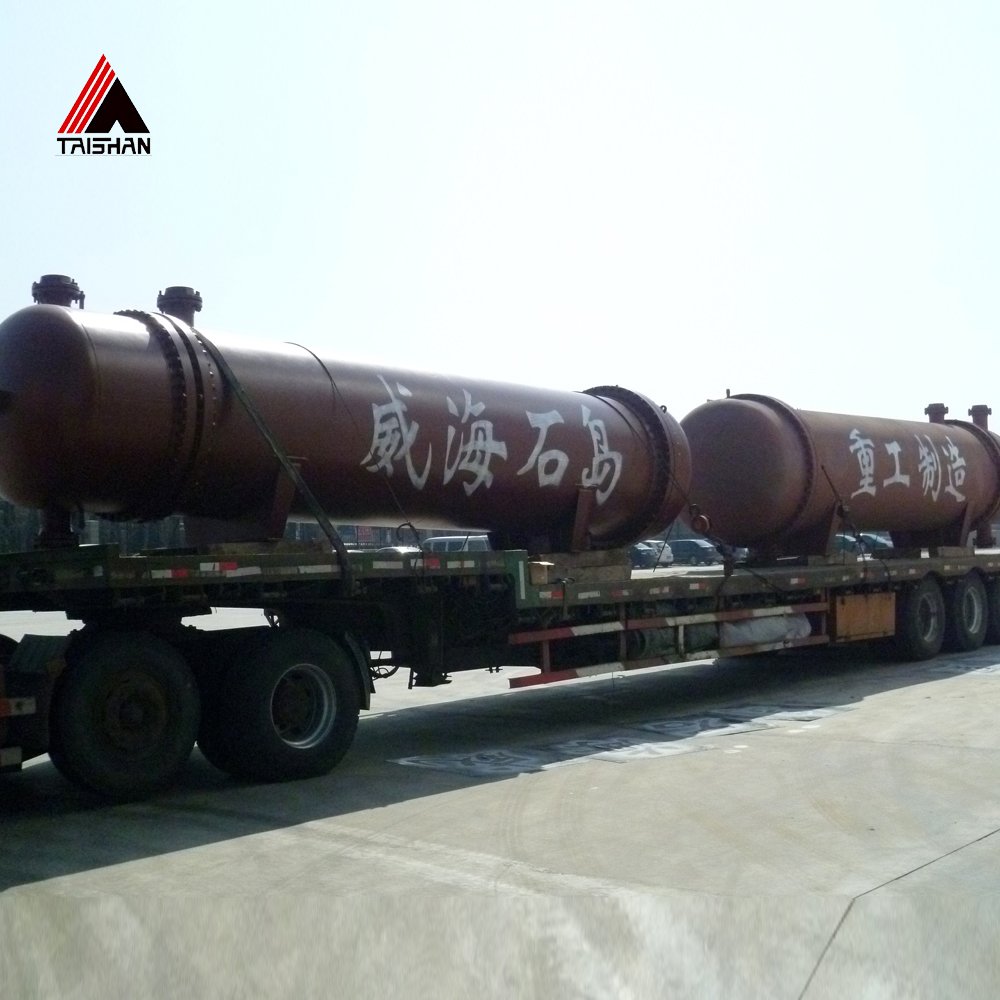
Engineering capabilities directly determine a supplier’s ability to design optimized heat exchangers tailored to your process conditions, ensuring thermal efficiency, mechanical reliability, compliance with standards, and long-term cost savings. Suppliers with advanced engineering expertise can perform precise thermal calculations, material selection, fluid dynamics analysis, and custom design modifications—significantly reducing operational risks and improving lifecycle performance.
Understanding how engineering strength translates into real-world performance will help you avoid costly mistakes and select a supplier that delivers true value—not just equipment.
All heat exchanger suppliers with modern manufacturing equipment automatically have strong engineering capabilities.False
Manufacturing equipment alone does not guarantee advanced engineering expertise, which requires skilled engineers, simulation tools, and design experience.
Why Engineering Capabilities Are the Core of Supplier Evaluation
Engineering is the foundation of every high-performance shell and tube heat exchanger. While fabrication quality is important, it is the engineering design that determines whether the equipment will meet your thermal requirements, withstand operating conditions, and operate efficiently over time.
A supplier with strong engineering capabilities approaches each project as a unique system rather than a standard product. They analyze process parameters such as flow rates, temperature differences, pressure drops, fouling factors, and fluid properties. This allows them to design a heat exchanger that is precisely matched to your application, rather than relying on generic templates.
In contrast, suppliers with limited engineering expertise often oversimplify designs. They may use conservative assumptions, resulting in oversized equipment that increases capital costs and energy consumption. Alternatively, they may underestimate critical parameters, leading to underperformance and frequent operational issues.
From a technical perspective, engineering capabilities influence every aspect of the heat exchanger:
- Thermal performance (heat transfer efficiency)
- Mechanical integrity (pressure and temperature resistance)
- Operational stability (vibration, fouling, and fatigue)
- Maintainability (ease of cleaning and repair)
Ultimately, engineering is what transforms raw materials into a reliable, efficient, and durable system.
Key Engineering Capabilities to Evaluate
Advanced Thermal Design Expertise
Thermal design is the heart of a shell and tube heat exchanger. It determines how effectively heat is transferred between fluids.
A capable supplier performs detailed heat transfer calculations using industry methods such as LMTD (Log Mean Temperature Difference) or NTU (Number of Transfer Units). These calculations consider multiple variables, including:
- Fluid properties (viscosity, density, thermal conductivity)
- Flow regimes (laminar vs. turbulent)
- Heat duty requirements
- Fouling factors
| Parameter | Poor Engineering Approach | Advanced Engineering Approach |
|---|---|---|
| Heat Transfer Calculation | Simplified assumptions | Detailed multi-variable modeling |
| Fouling Consideration | Ignored or generic | Application-specific analysis |
| Safety Margin | Excessive oversizing | Optimized efficiency |
| Output Accuracy | Low | High |
Advanced engineering ensures that the heat exchanger delivers the required performance without unnecessary energy loss or excessive size.
Computational Fluid Dynamics (CFD) and Simulation
Modern engineering goes beyond manual calculations. Leading suppliers use CFD simulations to analyze fluid flow, temperature distribution, and pressure drops داخل the heat exchanger.
CFD allows engineers to:
- Identify dead zones or flow maldistribution
- Optimize baffle design and spacing
- Reduce pressure drop while maintaining heat transfer efficiency
- Predict vibration risks
This level of analysis significantly improves design accuracy and reduces the likelihood of operational issues.
Mechanical Design and Structural Analysis
Mechanical design ensures that the heat exchanger can withstand operating pressures, temperatures, and mechanical stresses.
Suppliers with strong engineering teams perform:
- Finite Element Analysis (FEA)
- Stress and fatigue analysis
- Thermal expansion calculations
| Mechanical Factor | Engineering Impact | Risk if Ignored |
|---|---|---|
| Pressure Stress | Prevents rupture | Catastrophic failure |
| Thermal Expansion | Avoids deformation | Leakage and damage |
| Vibration | Ensures stability | Tube failure |
| Fatigue | Extends lifespan | Premature breakdown |
Mechanical integrity is especially critical in industries such as oil & gas and power generation, where equipment operates under extreme conditions.
Material Selection Expertise
Engineering capabilities also determine the correct material selection for tubes, shells, and components.
A knowledgeable supplier evaluates:
- Corrosion resistance
- Thermal conductivity
- Mechanical strength
- Cost-effectiveness
For example, choosing between carbon steel, stainless steel, duplex alloys, or titanium requires a deep understanding of the operating environment. Incorrect material selection can lead to corrosion, scaling, or reduced efficiency.
Custom Design and Application Adaptability
No two industrial processes are identical. Strong engineering capabilities enable suppliers to customize designs based on specific requirements.
This includes:
- Special tube layouts
- Enhanced surface designs
- Custom nozzle configurations
- Integration with existing systems
Suppliers lacking this flexibility often offer standardized products that may not fully meet your needs.
Engineering Capabilities and Lifecycle Cost Optimization
One of the most overlooked aspects of supplier selection is lifecycle cost—not just initial price.
A well-engineered heat exchanger can:
- Reduce energy consumption
- Minimize maintenance frequency
- Extend service life
- Improve process efficiency
| Cost Factor | Weak Engineering | Strong Engineering |
|---|---|---|
| Initial Cost | Lower | Slightly higher |
| Energy Efficiency | Poor | Optimized |
| Maintenance | Frequent | Minimal |
| Downtime | High | Low |
| Total Lifecycle Cost | High | Lower |
From a long-term perspective, investing in a supplier with strong engineering capabilities delivers significantly higher returns.
Real-World Engineering Impact: Case Study
In a refinery project, two suppliers were evaluated. Supplier A offered a standard design based on historical data, while Supplier B conducted detailed CFD and thermal simulations.
Supplier B identified uneven flow distribution and redesigned the baffle configuration. The result:
- 18% improvement in heat transfer efficiency
- 12% reduction in pressure drop
- 25% longer maintenance intervals
Although Supplier B’s initial cost was higher, the operational savings exceeded the difference within the first year.
How to Assess a Supplier’s Engineering Strength
To evaluate engineering capabilities effectively, consider the following:
1. Engineering Team Expertise
Ask about the qualifications and experience of their engineers. Do they have specialists in thermal design, mechanical analysis, and materials engineering?
2. Design Tools and Software
Look for the use of advanced tools such as:
- HTRI or Aspen Exchanger Design
- CFD software (ANSYS Fluent, etc.)
- FEA tools
3. Design Documentation
A strong supplier provides detailed documentation, including:
- Thermal calculation sheets
- Mechanical design reports
- Simulation results
4. Customization Capability
Assess whether the supplier can adapt designs to your specific process requirements.
5. Proven Track Record
Request case studies or references demonstrating successful projects in similar industries.
Common Pitfalls When Ignoring Engineering Capabilities
Many procurement teams focus primarily on cost and delivery time, neglecting engineering depth. This often leads to:
- Overdesigned systems with high energy consumption
- Underperforming equipment
- Frequent maintenance and downtime
- Safety risks
Another common mistake is assuming that all suppliers follow the same design methodologies. In reality, engineering capabilities vary significantly between manufacturers.
Strategic Supplier Selection Framework
To make a well-informed decision, use this framework:
| Evaluation Criteria | Weight (%) | Key Considerations |
|---|---|---|
| Engineering Capability | 35% | Design accuracy, simulation, expertise |
| Certifications | 20% | ASME, TEMA, ISO |
| Manufacturing Quality | 15% | Equipment and processes |
| Cost | 15% | Initial investment |
| Delivery Time | 10% | Project timeline |
| After-Sales Support | 5% | Maintenance and service |
This approach ensures that engineering capability remains the top priority.
Conclusion: Engineering Is the True Differentiator
In the world of shell and tube heat exchangers, engineering capability is not optional—it is the defining factor that separates reliable suppliers from risky ones. A supplier’s ability to design, analyze, and optimize directly impacts performance, safety, and long-term costs.
By prioritizing engineering expertise—alongside certifications and manufacturing quality—you ensure that your investment delivers consistent, efficient, and trouble-free operation for years to come.
Contact Us for Engineering-Driven Solutions
Why Is Material Selection Critical When Choosing Shell and Tube Heat Exchanger Suppliers?
When selecting a shell and tube heat exchanger supplier, overlooking material selection is one of the most costly mistakes buyers can make. In harsh industrial environments—where high temperatures, pressure fluctuations, and corrosive fluids are common—choosing the wrong material can lead to rapid corrosion, scaling, leakage, or catastrophic failure. The consequences are severe: unplanned downtime, expensive repairs, safety risks, and even regulatory violations. The solution lies in partnering with suppliers who possess deep expertise in material science and can precisely match materials to your operating conditions.
Material selection is critical because it directly determines corrosion resistance, thermal performance, mechanical strength, and lifespan of the heat exchanger. The right materials—such as stainless steel, duplex alloys, titanium, or copper alloys—ensure optimal heat transfer, durability, and compliance with process conditions, while poor material choices lead to premature failure and increased lifecycle costs.
To make a confident supplier decision, you must understand how materials influence performance, reliability, and total cost of ownership—and how to evaluate a supplier’s material expertise.
Stainless steel is always the best material choice for all shell and tube heat exchanger applications.False
While stainless steel offers good corrosion resistance, it is not suitable for all environments, such as highly chloride-rich or acidic conditions where titanium or specialized alloys may perform better.
The Engineering Role of Material Selection in Heat Exchanger Performance
Material selection is not a simple procurement decision—it is a complex engineering process that integrates thermodynamics, fluid chemistry, mechanical stress analysis, and lifecycle economics. In shell and tube heat exchangers, materials must simultaneously satisfy multiple demanding criteria: resist corrosion, conduct heat efficiently, withstand pressure, and maintain structural integrity over time.
A high-quality supplier approaches material selection through detailed analysis of process conditions. This includes evaluating fluid composition (e.g., chlorides, sulfur compounds, acids), temperature ranges, pressure levels, and fouling tendencies. Each of these factors influences how materials behave over time.
For instance, in seawater applications, chloride-induced corrosion is a major concern. Standard stainless steel may suffer from pitting corrosion, while titanium or duplex stainless steel offers superior resistance. Similarly, in high-temperature applications, materials must resist thermal fatigue and oxidation.
From a thermal perspective, materials also affect heat transfer efficiency. Metals like copper have high thermal conductivity, enabling efficient heat exchange, but may lack corrosion resistance in certain environments. On the other hand, titanium provides excellent corrosion resistance but has lower thermal conductivity, requiring design adjustments.
Thus, material selection is a balancing act between performance, durability, and cost—requiring advanced engineering judgment rather than simple material preference.
Key Factors Influencing Material Selection
Corrosion Resistance
Corrosion is the most common cause of heat exchanger failure. Different environments require different materials:
| Environment | Recommended Materials | Risk if Incorrect |
|---|---|---|
| Seawater | Titanium, Duplex SS | Pitting corrosion |
| Acidic fluids | Alloy 20, Hastelloy | Rapid degradation |
| Hydrocarbons | Carbon steel | Minimal risk |
| Chloride-rich | Duplex SS, Titanium | Stress corrosion cracking |
A supplier with strong material expertise will conduct corrosion analysis and recommend materials accordingly.
Thermal Conductivity and Efficiency
Thermal conductivity directly impacts heat transfer performance.
| Material | Thermal Conductivity (W/m·K) | Efficiency Impact |
|---|---|---|
| Copper | ~400 | ممتاز (excellent) |
| Aluminum | ~205 | High |
| Stainless Steel | ~16 | Moderate |
| Titanium | ~22 | Moderate |
Higher conductivity materials improve efficiency but must be balanced with corrosion resistance.
Mechanical Strength and Pressure Resistance
Heat exchangers often operate under high pressure and temperature. Materials must maintain structural integrity under these conditions.
| Material | Strength Level | Suitable Applications |
|---|---|---|
| Carbon Steel | High | General industrial use |
| Stainless Steel | Medium–High | Corrosive environments |
| Duplex SS | Very High | High-pressure systems |
| Titanium | High | Extreme environments |
Mechanical failure due to poor material selection can result in leaks or catastrophic rupture.
Fouling and Scaling Resistance
Material surfaces influence fouling behavior. Smooth, corrosion-resistant materials reduce deposit buildup, improving efficiency and reducing maintenance.
Suppliers with advanced engineering capabilities consider fouling factors during material selection to optimize long-term performance.
How Material Selection Reflects Supplier Capability
Material expertise is a direct indicator of a supplier’s engineering strength. A qualified supplier will not simply offer standard materials—they will provide:
- Detailed material selection reports
- Corrosion analysis and compatibility studies
- Lifecycle cost comparisons
- Compliance with standards such as ASTM and ASME
In contrast, inexperienced suppliers often default to commonly available materials without fully understanding process requirements, increasing the risk of failure.
Lifecycle Cost Impact of Material Selection
Many buyers focus on initial cost, but material selection significantly affects total lifecycle cost.
| Cost Factor | Low-Grade Material | High-Quality Material |
|---|---|---|
| Initial Cost | Low | Higher |
| Maintenance | Frequent | Minimal |
| Downtime | High | Low |
| Replacement | Early | Extended lifespan |
| Total Cost | High | Lower |
Investing in the right material upfront reduces long-term operational expenses and improves reliability.
Real-World Case Study: Material Selection Failure vs Success
In a desalination plant project, a heat exchanger initially used 316 stainless steel tubes due to cost considerations. Within two years, severe pitting corrosion caused leakage and system shutdown.
The system was later upgraded to titanium tubes. Despite higher upfront cost, the new system operated لمدة over 10 years without significant issues, demonstrating the long-term value of proper material selection.
Common Material Selection Mistakes to Avoid
One of the most common mistakes is assuming that a single material can handle all operating conditions. In reality, multi-material designs are often required.
Another mistake is ignoring fluid chemistry variations. Even small changes in composition can significantly impact corrosion behavior.
Buyers also frequently underestimate the importance of material traceability and certification, which are essential for quality assurance and regulatory compliance.
Advanced Material Options and Innovations
Modern heat exchanger design incorporates advanced materials and coatings to enhance performance:
- Clad materials: Combine corrosion resistance with structural strength
- Coatings: Improve resistance to fouling and corrosion
- Enhanced tubes: Increase heat transfer efficiency
Suppliers with advanced capabilities can offer these solutions to optimize performance.
Strategic Material Selection Checklist
| Criteria | Key Questions |
|---|---|
| Corrosion Resistance | Is the material compatible with process fluids? |
| Thermal Performance | Does it meet heat transfer requirements? |
| Mechanical Strength | Can it withstand pressure and temperature? |
| Cost Efficiency | What is the lifecycle cost? |
| Compliance | Does it meet ASTM/ASME standards? |
| Supplier Expertise | Can the supplier justify material choices? |
Conclusion: Material Selection Defines Reliability and Value
Material selection is not just a technical detail—it is the foundation of heat exchanger performance, safety, and longevity. Choosing the right supplier means choosing a partner with deep material expertise, capable of aligning engineering requirements with real-world operating conditions.
By prioritizing material science, corrosion analysis, and lifecycle optimization, you ensure that your shell and tube heat exchanger delivers consistent, efficient, and reliable performance for years to come.
Contact Us for Expert Material Selection Support
How Can You Assess Manufacturing Quality in Shell and Tube Heat Exchanger Manufacturers?
Choosing a shell and tube heat exchanger manufacturer without thoroughly assessing manufacturing quality is a hidden risk that can undermine your entire operation. Even with excellent design and material selection, poor manufacturing execution can lead to weld defects, dimensional inaccuracies, leakage, and premature failure. These issues often remain undetected until installation or operation—when the cost of correction becomes exponentially higher. The solution is to evaluate manufacturing quality systematically, focusing on processes, equipment, quality control systems, and real production capabilities.
You can assess manufacturing quality by evaluating a supplier’s fabrication processes, welding standards, machining precision, inspection and testing procedures, quality management systems, and production traceability. High-quality manufacturers demonstrate strict adherence to standards like ASME, implement advanced inspection methods (NDT), maintain controlled workflows, and provide full documentation—ensuring reliability, safety, and long-term performance.
To confidently select a reliable supplier, you need to go beyond surface-level claims and deeply analyze how manufacturing quality is built, controlled, and verified.
A visually clean and modern factory always guarantees high manufacturing quality in heat exchanger production.False
While a clean facility is positive, true manufacturing quality depends on processes, standards, skilled labor, and inspection systems—not just appearance.
Why Manufacturing Quality Is the Backbone of Heat Exchanger Reliability
Manufacturing quality is where engineering design becomes physical reality. Even the most advanced thermal and mechanical designs can fail if fabrication processes are not executed with precision and discipline. In shell and tube heat exchangers, where components must operate under high pressure and temperature, even minor defects can escalate into serious operational issues.
From an engineering perspective, manufacturing quality affects:
- Structural integrity of the shell and tubes
- Leak-tightness of welded joints
- Alignment and fit of internal components
- Long-term resistance to fatigue and vibration
A high-quality manufacturer ensures that every stage—from raw material preparation to final assembly—is controlled, documented, and verified. This includes strict adherence to tolerances, proper welding procedures, and comprehensive inspection protocols.
In contrast, low-quality manufacturing often introduces hidden defects such as incomplete weld penetration, misaligned tube bundles, or improper heat treatment. These defects may not be immediately visible but can lead to failure during operation.
Key Areas to Evaluate in Manufacturing Quality
Fabrication Processes and Workflow Control
A reliable manufacturer follows standardized fabrication procedures that ensure consistency and repeatability. This includes controlled workflows for cutting, forming, welding, and assembly.
| Process Stage | High-Quality Practice | Risk if Poorly Controlled |
|---|---|---|
| Cutting & Forming | CNC precision cutting | Dimensional errors |
| Tube Expansion | Controlled hydraulic expansion | Tube leakage |
| Assembly | Alignment verification | Flow inefficiency |
| Heat Treatment | Controlled temperature cycles | Material weakness |
Process control ensures that each component meets design specifications and fits seamlessly into the final assembly.
Welding Quality and Standards Compliance
Welding is one of the most critical aspects of heat exchanger manufacturing. Poor welds are a leading cause of failure.
High-quality manufacturers follow standards such as ASME Section IX and implement:
- Qualified Welding Procedure Specifications (WPS)
- Certified welders
- Controlled welding environments
- Post-weld heat treatment (PWHT) when required
| Welding Factor | Quality Indicator | Failure Risk |
|---|---|---|
| Weld Penetration | पूर्ण (complete) penetration | Leakage |
| Weld Consistency | Uniform beads | Weak joints |
| Inspection | Radiography/UT | Undetected defects |
| Documentation | WPS/PQR records | Non-compliance |
Advanced manufacturers also use automated or orbital welding for improved precision and repeatability.
Machining Precision and Dimensional Accuracy
Precision machining ensures that components such as tube sheets, flanges, and shells meet exact tolerances.
Even small deviations can lead to:
- Improper sealing
- Misalignment of tubes
- Increased vibration and wear
Manufacturers with advanced CNC equipment and strict tolerance control deliver better performance and reliability.
Non-Destructive Testing (NDT) and Inspection Systems
Inspection is the backbone of quality assurance. High-quality manufacturers implement comprehensive testing protocols to detect defects before delivery.
Common NDT methods include:
- Radiographic Testing (RT)
- Ultrasonic Testing (UT)
- Dye Penetrant Testing (PT)
- Magnetic Particle Testing (MT)
| Test Method | Purpose | Benefit |
|---|---|---|
| RT | Internal weld inspection | Detects hidden defects |
| UT | Thickness measurement | Ensures structural integrity |
| PT | Surface crack detection | Prevents leakage |
| MT | Magnetic flaw detection | Identifies discontinuities |
In addition, hydrostatic pressure testing is conducted to verify leak-tightness under operating conditions.
Quality Management System (QMS)
A strong QMS, such as ISO 9001, ensures that all manufacturing processes are documented, monitored, and continuously improved.
Key elements include:
- Process standardization
- Internal audits
- Corrective and preventive actions (CAPA)
- Continuous improvement programs
However, as discussed earlier, ISO certification alone is not sufficient—it must be combined with technical standards and real execution capability.
Material Traceability and Documentation
High-quality manufacturers maintain full traceability of materials and components. This means every part can be traced back to its origin, including material certificates and inspection records.
This is critical for:
- Regulatory compliance
- Maintenance and repairs
- Failure analysis
A complete documentation package typically includes:
- Material Test Certificates (MTC)
- Welding records
- Inspection reports
- Pressure test results
Factory Audit: The Most Reliable Assessment Method
One of the most effective ways to evaluate manufacturing quality is through a factory audit. This allows you to verify claims and observe actual production practices.
During an audit, focus on:
- Equipment condition and capability
- Workforce skill level
- Process control systems
- Quality inspection procedures
A professional manufacturer will welcome audits and provide full transparency.
Real-World Case Study: Manufacturing Quality Impact
In a power plant project, two heat exchangers were installed from different suppliers. Both met design specifications, but their manufacturing quality differed significantly.
Supplier A followed strict welding and inspection protocols, while Supplier B had limited quality control.
After three years:
- Supplier A’s unit operated without issues
- Supplier B’s unit developed tube leaks due to weld defects
The cost of repairs and downtime exceeded the initial savings from choosing the lower-cost supplier.
Common Mistakes When Assessing Manufacturing Quality
Many buyers rely solely on certifications or marketing materials without verifying actual production practices. This can lead to overestimating a supplier’s capabilities.
Another common mistake is focusing only on final inspection results rather than process control. Quality must be built into every stage—not just checked at the end.
Buyers also often overlook the importance of skilled labor. Even with advanced equipment, untrained operators can compromise quality.
Manufacturing Quality Evaluation Checklist
| Criteria | Key Questions |
|---|---|
| Fabrication Process | Are workflows standardized and controlled? |
| Welding Quality | Are WPS and certified welders used? |
| Machining Precision | Are tolerances strictly maintained? |
| Inspection Systems | Are comprehensive NDT methods applied? |
| Documentation | Is full traceability provided? |
| Factory Audit | Can processes be verified on-site? |
Advanced Manufacturing Technologies to Look For
Leading manufacturers invest in advanced technologies to improve quality:
- Automated welding systems
- CNC machining centers
- Digital quality tracking systems
- Real-time inspection tools
These technologies enhance precision, consistency, and efficiency.
Conclusion: Manufacturing Quality Determines Long-Term Success
Manufacturing quality is not just a checkpoint—it is the foundation of reliability, safety, and performance in shell and tube heat exchangers. By thoroughly evaluating fabrication processes, welding standards, inspection systems, and quality management practices, you can identify suppliers who deliver consistent, high-quality products.
A well-manufactured heat exchanger ensures efficient operation, minimal maintenance, and long service life—making it a critical factor in your supplier selection strategy.
Contact Us for High-Quality Manufacturing Solutions
What Role Do Customization and Design Flexibility Play in Shell and Tube Heat Exchanger Suppliers?
In industrial heat transfer applications, one-size-fits-all solutions rarely deliver optimal results. Many buyers who rely on standard shell and tube heat exchangers soon encounter inefficiencies—poor heat transfer, excessive pressure drop, frequent fouling, or integration challenges with existing systems. These issues often stem from a lack of customization and design flexibility in the supplier’s approach. The consequence is not just reduced performance but increased operational costs, maintenance burden, and system instability. The solution lies in selecting suppliers who offer advanced customization and flexible engineering design tailored precisely to your process conditions.
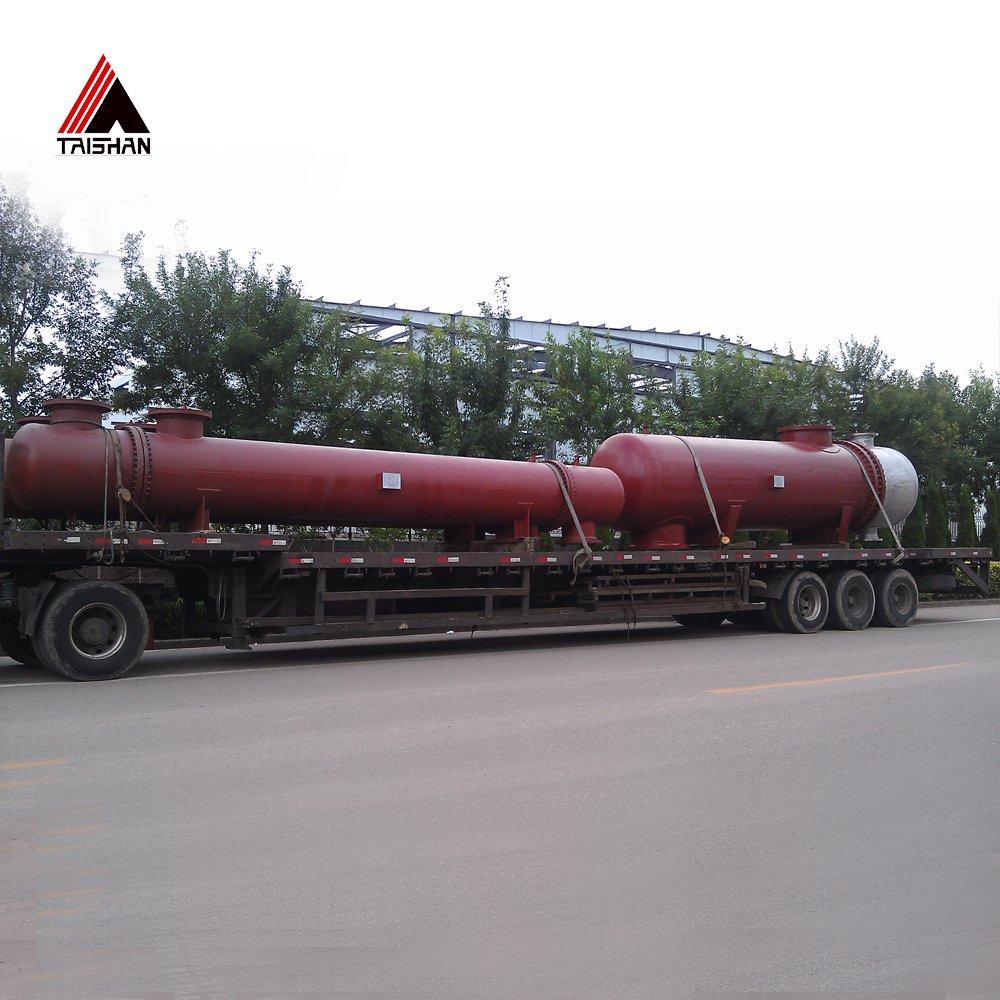
Customization and design flexibility enable suppliers to tailor shell and tube heat exchangers to specific operating conditions, ensuring optimal thermal efficiency, mechanical reliability, seamless system integration, and reduced lifecycle costs. Suppliers with strong design flexibility can adapt tube layouts, materials, baffle configurations, and structural components to meet unique process requirements, significantly improving performance and long-term value.
To fully understand the importance of customization, we must explore how design flexibility impacts every aspect of heat exchanger performance—from thermal efficiency to maintenance and scalability.
Standard shell and tube heat exchanger designs are sufficient for most industrial applications without modification.False
While standard designs may work in simple cases, most industrial processes benefit significantly from customized designs tailored to specific thermal, mechanical, and operational conditions.
Why Customization Is Essential in Modern Heat Exchanger Applications
Industrial processes are inherently complex and diverse. Variables such as fluid composition, temperature ranges, pressure conditions, fouling tendencies, and space constraints differ significantly across industries. A standardized heat exchanger design cannot effectively address all these variables simultaneously.
Customization allows engineers to design equipment that aligns precisely with process requirements. This includes optimizing heat transfer surfaces, minimizing pressure drop, and ensuring compatibility with existing infrastructure. Without customization, systems often operate below optimal efficiency, leading to energy waste and higher operational costs.
From a supplier perspective, design flexibility reflects engineering maturity. A capable supplier does not force the customer into predefined templates but instead develops solutions based on detailed process analysis and simulation.
Key Areas Where Customization Impacts Performance
Thermal Design Optimization
Customization enables precise thermal design tailored to specific heat duty requirements.
| Design Aspect | Standard Design | Customized Design |
|---|---|---|
| Heat Transfer Area | Fixed | Optimized |
| Flow Configuration | Generic | Process-specific |
| Temperature Approach | Limited | دقیق (precise) |
| Efficiency | Moderate | High |
Customized thermal design ensures that the heat exchanger achieves the required performance without oversizing or inefficiency.
Tube Bundle Configuration and Layout
The tube bundle is the core of the heat exchanger. Customization allows engineers to adjust:
- Tube diameter and length
- Tube pitch and arrangement
- Tube material and surface enhancement
Different layouts (triangular, square) affect heat transfer efficiency and cleaning accessibility.
| Layout Type | Advantage | Application |
|---|---|---|
| Triangular | High heat transfer | Clean fluids |
| Square | Easy cleaning | Fouling fluids |
A flexible supplier can select the optimal configuration based on your operational needs.
Baffle Design and Flow Control
Baffles control fluid flow داخل the shell side, directly impacting heat transfer and pressure drop.
Customized baffle design allows:
- Improved flow distribution
- Reduced dead zones
- Controlled vibration
| Baffle Type | Benefit | Use Case |
|---|---|---|
| Segmental | Standard flow control | General use |
| Helical | Reduced pressure drop | Energy-efficient systems |
| Double Segmental | Lower vibration | High-flow systems |
Advanced suppliers use simulation tools to optimize baffle spacing and orientation.
Mechanical Design Flexibility
Customization also extends to mechanical design, ensuring compatibility with installation and operating conditions.
This includes:
- Custom nozzle positions
- Adjustable support structures
- Expansion joints for thermal stress
Such flexibility simplifies installation and reduces structural stress during operation.
Material Customization for Specific Environments
Different process conditions require different materials. Design flexibility allows the use of:
- Multi-material constructions
- Cladding or lining
- Specialized alloys
This ensures durability and corrosion resistance tailored to the application.
Integration with Existing Systems
One of the most overlooked benefits of customization is seamless integration with existing infrastructure.
Standard designs often require costly modifications to piping systems, supports, or layouts. Customized designs, however, can be engineered to fit within existing constraints, reducing installation time and cost.
This is particularly important in retrofit projects, where space and compatibility are critical factors.
Impact on Maintenance and Operational Efficiency
Customized designs can significantly improve maintainability. For example:
- Removable tube bundles for easy cleaning
- Optimized layouts to reduce fouling
- Access points for inspection
| Factor | Standard Design | Customized Design |
|---|---|---|
| Cleaning | Difficult | Simplified |
| Fouling Rate | Higher | Reduced |
| Maintenance Frequency | Frequent | Less frequent |
| Downtime | High | Low |
This directly translates into lower operational costs and improved uptime.
Real-World Case Study: Customization Benefits
In a chemical processing plant, a standard heat exchanger struggled with high fouling rates and frequent shutdowns. A customized solution was developed with:
- Modified tube layout
- Enhanced surface tubes
- Optimized baffle spacing
The results were significant:
- 30% reduction in fouling
- 20% increase in heat transfer efficiency
- 40% reduction in maintenance downtime
This demonstrates how customization directly impacts performance and cost savings.
How to Evaluate a Supplier’s Design Flexibility
To assess customization capability, consider the following:
Engineering Approach
Does the supplier conduct detailed process analysis, or do they rely on standard templates?
Design Tools
Do they use advanced software such as CFD or thermal simulation tools?
Customization Track Record
Can they provide examples of tailored solutions for similar applications?
Responsiveness
Are they willing to adapt designs based on your feedback and requirements?
Collaboration
Do they work closely with your engineering team during the design phase?
Common Pitfalls When Ignoring Design Flexibility
Many buyers prioritize cost and delivery speed, overlooking customization. This often leads to:
- Inefficient heat transfer
- High energy consumption
- Frequent maintenance
- Integration challenges
Another mistake is assuming that minor modifications are sufficient. In reality, true customization requires a holistic design approach.
Strategic Comparison: Standard vs Customized Solutions
| Criteria | Standard Heat Exchanger | Customized Heat Exchanger |
|---|---|---|
| Initial Cost | Lower | Higher |
| Performance | Moderate | Optimized |
| Energy Efficiency | Lower | Higher |
| Maintenance | Frequent | Reduced |
| Lifespan | Shorter | Longer |
| ROI | Lower | Higher |
Advanced Trends in Custom Heat Exchanger Design
Modern suppliers are leveraging advanced technologies to enhance customization:
- Digital twin modeling
- AI-driven design optimization
- Additive manufacturing for complex components
- Smart monitoring integration
These innovations enable even higher levels of precision and performance.
Conclusion: Flexibility Drives Performance and Value
Customization and design flexibility are not optional features—they are essential capabilities that define the effectiveness of a shell and tube heat exchanger. Suppliers who offer tailored solutions can deliver superior performance, lower lifecycle costs, and better integration with your systems.
By prioritizing customization, you ensure that your heat exchanger is not just functional—but optimized for your specific operational needs.
Contact Us for Customized Engineering Solutions
How Important Are After-Sales Service and Technical Support from Shell and Tube Heat Exchanger Manufacturers?
When investing in a shell and tube heat exchanger, many buyers focus heavily on design, materials, and price—but underestimate the critical role of after-sales service and technical support. The reality is that even the best-designed equipment can face operational challenges such as fouling, scaling, vibration, or unexpected performance deviations. Without reliable manufacturer support, these issues can escalate into prolonged downtime, safety risks, and significant financial losses. The solution is to partner with manufacturers who provide strong after-sales service and ongoing technical support, ensuring long-term performance and operational stability.
After-sales service and technical support are essential because they ensure proper installation, optimize performance, reduce downtime, extend equipment lifespan, and provide rapid problem resolution. Manufacturers with strong support systems offer commissioning assistance, maintenance guidance, spare parts availability, troubleshooting expertise, and performance monitoring—helping you maximize the value of your heat exchanger investment.
To fully understand their importance, we must explore how after-sales support impacts every stage of the equipment lifecycle—from installation to long-term operation.
Once a shell and tube heat exchanger is installed, it requires minimal manufacturer involvement for the rest of its lifecycle.False
Heat exchangers often require ongoing maintenance, troubleshooting, and optimization, making continuous manufacturer support essential for reliable operation.
Why After-Sales Service Is a Critical Extension of Engineering Quality
A shell and tube heat exchanger is not a static product—it is a dynamic system operating under continuously changing conditions. Variations in fluid composition, temperature, and flow rates can significantly affect performance over time. Even minor deviations can lead to fouling, corrosion, or reduced heat transfer efficiency.
After-sales service bridges the gap between design assumptions and real-world operation. A manufacturer with strong support capabilities ensures that the equipment performs as intended under actual conditions. This includes monitoring performance, identifying deviations, and recommending corrective actions.
From an engineering perspective, after-sales support is an extension of the design process. It allows for continuous optimization and adaptation, ensuring that the system remains efficient and reliable לאורך its lifecycle.
Key Components of High-Quality After-Sales Service
Installation and Commissioning Support
Proper installation is critical for performance and safety. Even a well-designed heat exchanger can fail if installed incorrectly.
Manufacturers with strong after-sales service provide:
- On-site supervision during installation
- Alignment and connection verification
- Initial performance testing
- Operator training
| Aspect | Without Support | With Support |
|---|---|---|
| Installation Accuracy | Variable | High |
| Startup Issues | Frequent | Minimal |
| Performance Validation | Limited | Comprehensive |
Commissioning support ensures that the system starts operating under optimal conditions from day one.
Maintenance Guidance and Preventive Strategies
Regular maintenance is essential to prevent fouling, corrosion, and mechanical wear.
A reliable manufacturer provides:
- Maintenance schedules
- Cleaning procedures
- Inspection guidelines
| Maintenance Type | Impact | Benefit |
|---|---|---|
| Preventive | Avoids failures | Reduces downtime |
| Predictive | Monitors trends | Improves efficiency |
| Corrective | Fixes issues | Restores performance |
Advanced suppliers may also offer predictive maintenance solutions using data monitoring and analytics.
Troubleshooting and Technical Assistance
Operational issues are inevitable, but rapid resolution minimizes impact.
Strong technical support includes:
- Remote diagnostics
- On-site troubleshooting
- Root cause analysis
- Performance optimization recommendations
This expertise is particularly valuable in complex industrial environments where downtime is costly.
Spare Parts Availability and Supply Chain Support
Access to genuine spare parts is critical for maintaining performance and reliability.
Manufacturers with strong after-sales systems ensure:
- Quick availability of critical components
- Compatibility with original design
- Reduced lead times
| Factor | Poor Support | Strong Support |
|---|---|---|
| Spare Parts Availability | Delayed | Immediate |
| Compatibility | Uncertain | Guaranteed |
| Downtime | Extended | Minimized |
Performance Monitoring and Optimization
Leading manufacturers go beyond basic support by offering performance monitoring services.
This includes:
- Heat transfer efficiency analysis
- Pressure drop monitoring
- Fouling detection
Such insights enable continuous improvement and early detection of potential issues.
Lifecycle Impact of After-Sales Support
After-sales service significantly influences the total lifecycle performance of a heat exchanger.
| Lifecycle Stage | Role of Support | Outcome |
|---|---|---|
| Installation | Ensures правильная setup | Reliable startup |
| Operation | Monitors performance | Stable efficiency |
| Maintenance | Prevents failures | Extended lifespan |
| Troubleshooting | Resolves issues quickly | Reduced downtime |
Without proper support, even high-quality equipment can underperform or fail prematurely.
Real-World Case Study: The Value of Technical Support
In a petrochemical facility, a heat exchanger experienced declining performance due to fouling. The manufacturer provided remote diagnostics and identified suboptimal flow conditions.
By adjusting operating parameters and implementing a revised cleaning schedule, the plant achieved:
- 22% improvement in heat transfer efficiency
- 30% reduction in maintenance frequency
- Significant cost savings
In contrast, a similar facility without manufacturer support faced prolonged downtime and higher operational costs.
How to Evaluate a Manufacturer’s After-Sales Capabilities
To assess after-sales service effectively, consider the following:
Responsiveness
How quickly does the manufacturer respond to inquiries or issues?
Technical Expertise
Do they have a dedicated support team with engineering knowledge?
Service Network
Do they offer local or regional support?
Documentation and Training
Do they provide comprehensive manuals and operator training?
Digital Support Tools
Do they offer remote monitoring or diagnostic systems?
Common Mistakes Buyers Should Avoid
One of the most common mistakes is treating after-sales service as an optional feature rather than a critical requirement. This often leads to selecting suppliers based solely on price.
Another mistake is failing to define service expectations in the contract. Clear agreements on response time, spare parts availability, and support scope are essential.
Buyers also often overlook the importance of long-term partnerships. A reliable manufacturer acts as a technical partner, not just a supplier.
Strategic Evaluation Checklist
| Criteria | Key Questions |
|---|---|
| Installation Support | Is on-site assistance provided? |
| Maintenance Guidance | Are detailed procedures available? |
| Technical Support | Is expert troubleshooting accessible? |
| Spare Parts | Are parts readily available? |
| Performance Monitoring | Are optimization services offered? |
Advanced Trends in After-Sales Service
Modern manufacturers are integrating digital technologies into after-sales support:
- IoT-based monitoring systems
- Predictive maintenance using AI
- Remote diagnostics platforms
- Digital twins for performance simulation
These innovations enable proactive maintenance and continuous optimization.
Conclusion: After-Sales Support Is a Long-Term Investment
After-sales service and technical support are not just supplementary—they are essential components of a successful heat exchanger investment. They ensure that your equipment operates efficiently, reliably, and safely throughout its lifecycle.
By choosing a manufacturer with strong after-sales capabilities, you gain a partner who supports your operations, minimizes risks, and maximizes value over time.
Contact Us for Reliable After-Sales Support
If you are looking for a shell and tube heat exchanger manufacturer that offers comprehensive after-sales service, expert technical support, and long-term partnership, contact us today. We are committed to ensuring your equipment delivers optimal performance and reliability throughout its entire lifecycle.
Conclusion
Choosing the right shell and tube heat exchanger manufacturer is not just about price—it is about ensuring efficiency, durability, and long-term operational success. By carefully evaluating certifications, engineering expertise, material quality, and support services, you can minimize risks and maximize return on investment.
Call to Action
Looking for a reliable shell and tube heat exchanger manufacturer you can trust? Contact us today to discuss your project requirements and get expert guidance tailored to your industry needs.
FAQ
Q1: How do you choose the right shell and tube heat exchanger manufacturer?
A1:
Choosing the right shell and tube heat exchanger manufacturer requires a structured evaluation process that balances technical capability, reliability, and cost-effectiveness. The first step is assessing the manufacturer’s engineering expertise. A qualified supplier should have in-house design capabilities, including thermal design calculations, mechanical design, and simulation tools. This ensures they can customize solutions based on your process requirements such as temperature, pressure, flow rate, and fluid type.
Next, review certifications and compliance. Manufacturers adhering to standards like ASME (American Society of Mechanical Engineers), TEMA (Tubular Exchanger Manufacturers Association), and ISO certifications demonstrate credibility and adherence to global safety and quality standards. These certifications are essential, especially in industries like oil & gas, chemical processing, and power generation.
Experience is another critical factor. Manufacturers with a long track record and a strong portfolio of completed projects are more likely to deliver reliable products. Ask for case studies or references from similar industries to verify their expertise.
Production capabilities also matter. Evaluate their manufacturing facilities, including welding techniques, testing equipment, and quality control processes. Advanced facilities often indicate better consistency and shorter lead times.
Additionally, consider after-sales support. A good manufacturer should provide installation guidance, maintenance support, and spare parts availability. This ensures long-term operational efficiency and reduces downtime.
Finally, pricing should be evaluated carefully. The lowest price is not always the best option. Instead, focus on value—balancing cost with durability, efficiency, and service support. A slightly higher upfront investment can lead to lower lifecycle costs.
In summary, selecting the right manufacturer involves analyzing technical expertise, certifications, experience, production capabilities, support services, and overall value rather than just cost.
Q2: What certifications should a reliable heat exchanger supplier have?
A2:
Certifications play a crucial role in determining the reliability and credibility of a shell and tube heat exchanger supplier. The most important certification is ASME certification, particularly the ASME Boiler and Pressure Vessel Code (BPVC). This certification ensures that the equipment is designed and manufactured to handle high-pressure applications safely.
Another key standard is TEMA (Tubular Exchanger Manufacturers Association). TEMA standards define the design, construction, and maintenance of shell and tube heat exchangers. Suppliers following TEMA guidelines typically produce more durable and efficient equipment.
ISO certifications, especially ISO 9001, indicate that the manufacturer follows a quality management system. This ensures consistent product quality, proper documentation, and continuous improvement processes. ISO 14001 (environmental management) and ISO 45001 (occupational health and safety) are also valuable indicators of responsible manufacturing practices.
For specific industries, additional certifications may be required. For example, in the oil and gas sector, API (American Petroleum Institute) standards may be relevant. In food and pharmaceutical industries, compliance with sanitary standards such as FDA or EHEDG may be necessary.
Material traceability certifications are also important. These ensure that raw materials used in manufacturing meet specified standards and can be traced back to their origin. This is particularly critical for high-risk applications.
Testing and inspection certifications, such as non-destructive testing (NDT) approvals, further validate product quality. These include radiographic testing, ultrasonic testing, and hydrostatic testing.
In conclusion, a reliable heat exchanger supplier should have a combination of ASME, TEMA, ISO certifications, and any industry-specific approvals. These certifications not only ensure safety and quality but also reduce operational risks and compliance issues.
Q3: Why is manufacturing experience important when selecting a supplier?
A3:
Manufacturing experience is a key indicator of a supplier’s ability to deliver high-quality shell and tube heat exchangers. Experienced manufacturers have encountered a wide range of design challenges, operational conditions, and industry requirements, allowing them to provide more reliable and optimized solutions.
One major advantage of experience is problem-solving capability. Over time, manufacturers develop expertise in handling complex thermal and mechanical issues, such as fouling, corrosion, vibration, and thermal expansion. This experience helps them design equipment that performs efficiently under real-world conditions.
Experienced suppliers also tend to have refined manufacturing processes. They understand best practices in welding, material selection, and assembly, which leads to higher product consistency and durability. Their quality control systems are usually more mature, reducing the likelihood of defects.
Another benefit is industry-specific knowledge. Different industries—such as petrochemical, power generation, HVAC, and food processing—have unique requirements. An experienced manufacturer can tailor solutions to meet these specific needs, ensuring compliance and optimal performance.
Additionally, experienced manufacturers often have established relationships with raw material suppliers and logistics partners. This can lead to better material quality, faster delivery times, and more competitive pricing.
Their portfolio and references also provide valuable insights. By reviewing past projects, you can assess their capability to handle similar applications and verify their reliability.
Finally, experienced manufacturers are more likely to offer comprehensive after-sales support. They understand common operational issues and can provide effective maintenance solutions, spare parts, and troubleshooting assistance.
In essence, manufacturing experience reduces risk, improves product quality, and ensures long-term reliability, making it a critical factor when selecting a supplier.
Q4: How do you compare pricing among different heat exchanger suppliers?
A4:
Comparing pricing among shell and tube heat exchanger suppliers requires more than simply looking at the initial quote. A comprehensive evaluation should consider total lifecycle cost, which includes purchase price, installation, operation, maintenance, and potential downtime.
Start by analyzing what is included in the quotation. Some suppliers may offer lower upfront prices but exclude essential components such as testing, documentation, or after-sales support. Ensure that all quotes are based on the same specifications and scope of supply to make a fair comparison.
Material quality significantly impacts pricing. Higher-grade materials such as stainless steel or exotic alloys may increase initial costs but provide better corrosion resistance and longer service life. Cheaper materials may lead to frequent replacements and higher maintenance costs.
Manufacturing standards also influence pricing. Equipment built to ASME or TEMA standards may cost more but offers better safety and reliability. Non-certified products may be cheaper but pose higher risks.
Efficiency is another important factor. A well-designed heat exchanger with higher thermal efficiency can reduce energy consumption, leading to significant cost savings over time. Therefore, investing in a more efficient unit can be more economical in the long run.
Lead time and delivery costs should also be considered. Delays in delivery can impact project timelines and increase overall costs. Suppliers with efficient production and logistics capabilities may offer better value even if their initial price is slightly higher.
After-sales services, including maintenance support and spare parts availability, add value to the overall package. Suppliers offering comprehensive support can reduce downtime and operational costs.
In conclusion, pricing comparison should focus on total value rather than just the lowest cost. Evaluating quality, efficiency, certifications, and support services ensures a more informed and cost-effective decision.
Q5: What role does after-sales support play in supplier evaluation?
A5:
After-sales support is a critical factor when evaluating shell and tube heat exchanger manufacturers and suppliers. It directly impacts the long-term performance, reliability, and cost-effectiveness of the equipment.
One of the primary aspects of after-sales support is installation assistance. Proper installation is essential for optimal performance and longevity. Suppliers that provide technical guidance or on-site support help ensure that the equipment is installed correctly, reducing the risk of operational issues.
Maintenance support is equally important. Heat exchangers require periodic cleaning, inspection, and servicing to maintain efficiency. Suppliers offering maintenance guidelines, training, or service contracts can help extend the equipment’s lifespan and reduce downtime.
Availability of spare parts is another crucial factor. Over time, components such as gaskets, tubes, and seals may need replacement. A reliable supplier should have a readily available inventory of spare parts and a streamlined supply chain to minimize delays.
Technical support and troubleshooting services add significant value. In case of performance issues or failures, quick access to expert assistance can prevent costly downtime. Suppliers with dedicated support teams and responsive communication channels are highly preferable.
Warranty and service agreements also play a role. A comprehensive warranty reflects the manufacturer’s confidence in their product quality. Extended warranties or service contracts provide additional peace of mind.
Furthermore, after-sales support contributes to continuous improvement. Suppliers who gather feedback and provide upgrades or optimization recommendations help enhance system performance over time.
In summary, strong after-sales support ensures smooth operation, reduces maintenance costs, and enhances equipment reliability. It is a vital consideration that should not be overlooked when evaluating suppliers.
References
- Shell and Tube Heat Exchangers Overview – https://www.sciencedirect.com/topics/engineering/shell-and-tube-heat-exchanger – ScienceDirect
- TEMA Standards – https://www.tema.org – Tubular Exchanger Manufacturers Association
- ASME Boiler and Pressure Vessel Code – https://www.asme.org/codes-standards – ASME
- Heat Exchanger Design Handbook – https://www.elsevier.com/books/heat-exchanger-design-handbook – Elsevier
- ISO 9001 Quality Management – https://www.iso.org/iso-9001-quality-management.html – ISO
- API Standards for Equipment – https://www.api.org/products-and-services/standards – American Petroleum Institute
- Heat Exchanger Efficiency Guide – https://www.energy.gov/eere/amo/heat-exchangers – U.S. Department of Energy
- Industrial Heat Transfer Basics – https://www.engineeringtoolbox.com/heat-transfer-d_428.html – Engineering Toolbox
- Thermal Design of Heat Exchangers – https://www.thermopedia.com/content/945/ – Thermopedia
- Maintenance of Heat Exchangers – https://www.chemicalprocessing.com/articles/2019/heat-exchanger-maintenance/ – Chemical Processing