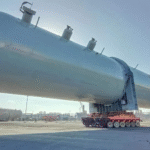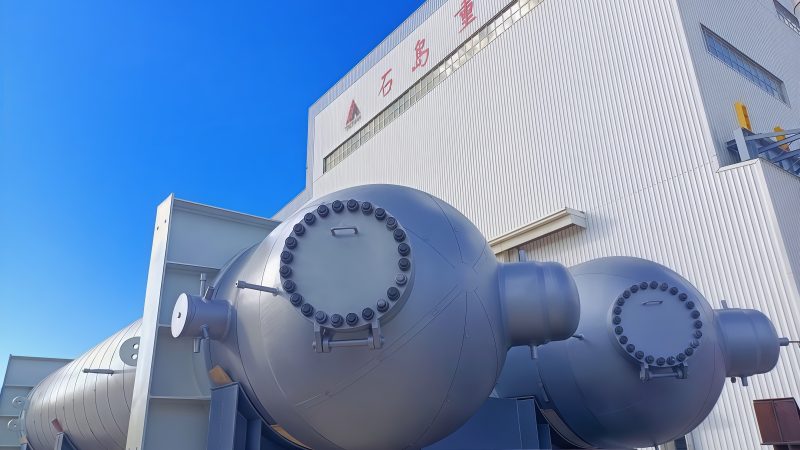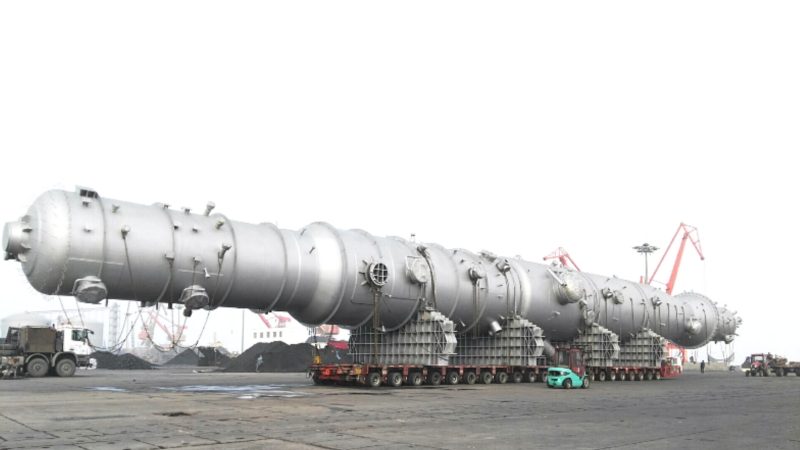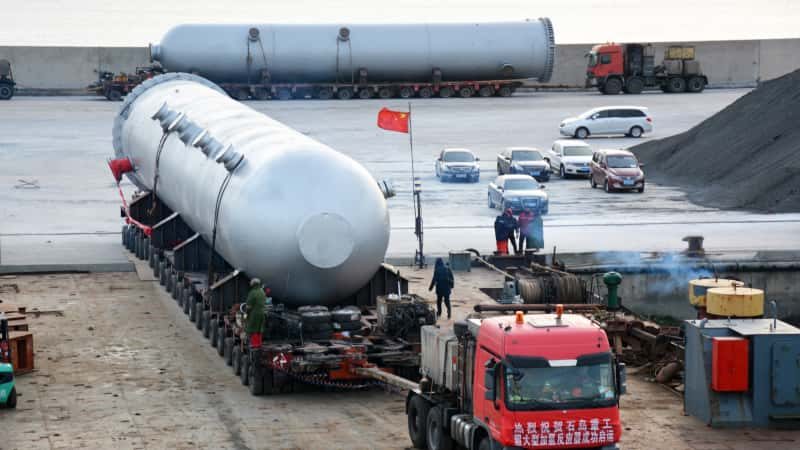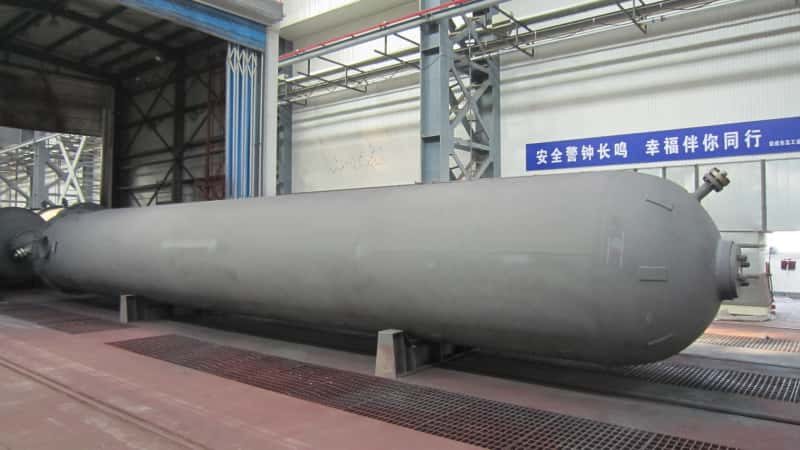

Refinery expansion projects require more than additional processing capacity. They often involve new pressure vessels, separators, heat exchangers, process towers, storage tanks, and auxiliary equipment that must fit existing units, utilities, safety requirements, inspection plans, and delivery schedules. For EPC contractors, engineering procurement teams, and project managers, selecting pressure vessels for refinery expansion is a technical decision that affects project cost, installation risk, inspection workload, and long-term operation.
Recent refinery expansion activity in South Asia again shows that downstream projects continue to move into EPC planning and execution. For equipment buyers, the important question is not only which vessels are needed, but how to define the scope clearly before quotation and fabrication begin.
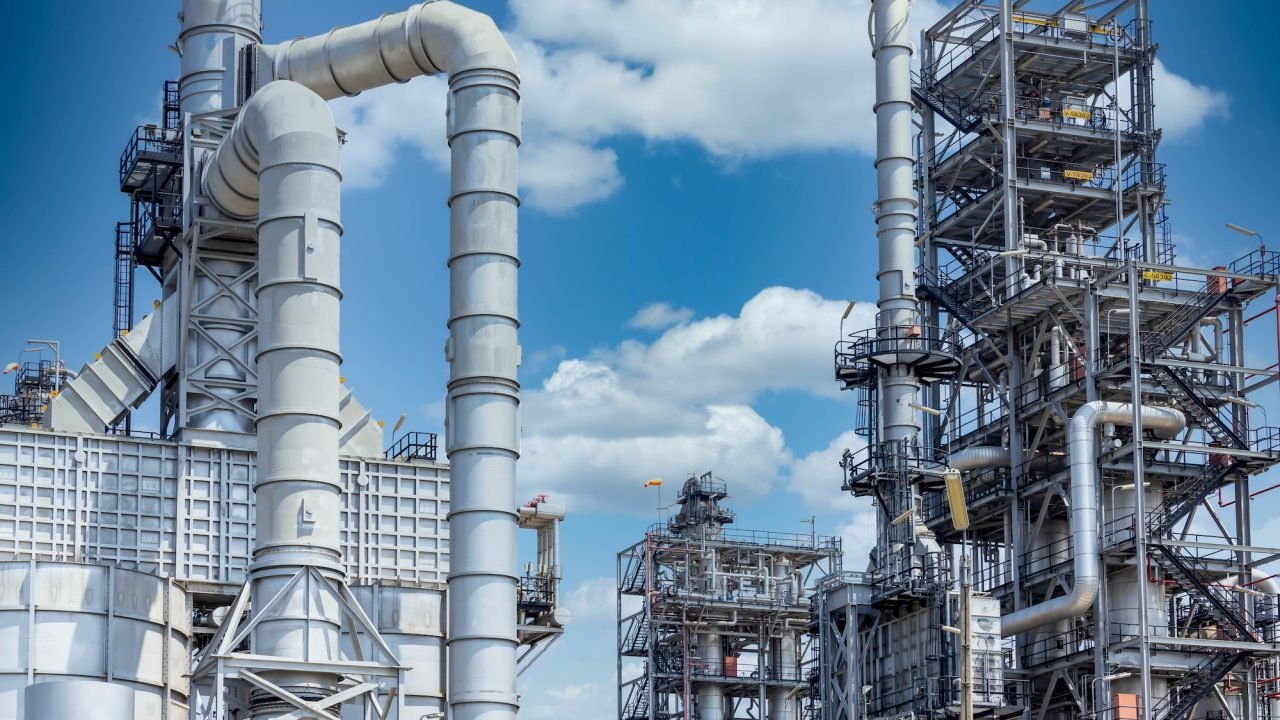
What Pressure Vessels Are Used in Refinery Expansion Projects?
Refinery expansion projects may involve both new equipment packages and replacement equipment for existing units. Depending on the process scope, buyers may need:
- Separators and knockout drums
- Surge drums and receivers
- Reactors and auxiliary pressure vessels
- Shell and tube heat exchangers
- Process towers and columns
- LPG and fuel gas storage vessels
- Custom tanks and process vessels
- Wastewater and utility system vessels
Many of these items are not standard catalog products. They are engineered around process data, design pressure, design temperature, material requirements, nozzle layout, inspection scope, and installation conditions. Buyers can start by reviewing custom pressure vessels when planning the equipment list for refinery EPC packages. The U.S. Energy Information Administration also provides general background on refining crude oil and refinery process flows.
Main Applications in Refinery Expansion
Crude, Product, and Intermediate Processing Units
Refinery expansion may involve new or upgraded crude processing, product treatment, hydrocarbon separation, and intermediate storage systems. Pressure vessels in these units may be used for phase separation, pressure buffering, process storage, feed preparation, or equipment protection.
For refinery and downstream projects, pressure vessels for oil and gas are often evaluated together with separators, heat exchangers, storage tanks, and columns.
Separation and Fractionation Systems
Refinery expansion can also increase demand for columns, stripping towers, stabilizers, absorbers, and fractionation equipment. These vessels must be designed according to separation duty, pressure profile, temperature range, internal arrangement, nozzle orientation, and lifting or installation constraints.
Where distillation or hydrocarbon separation is involved, buyers may need process towers and columns or a project-specific fractionation tower as part of the equipment package.
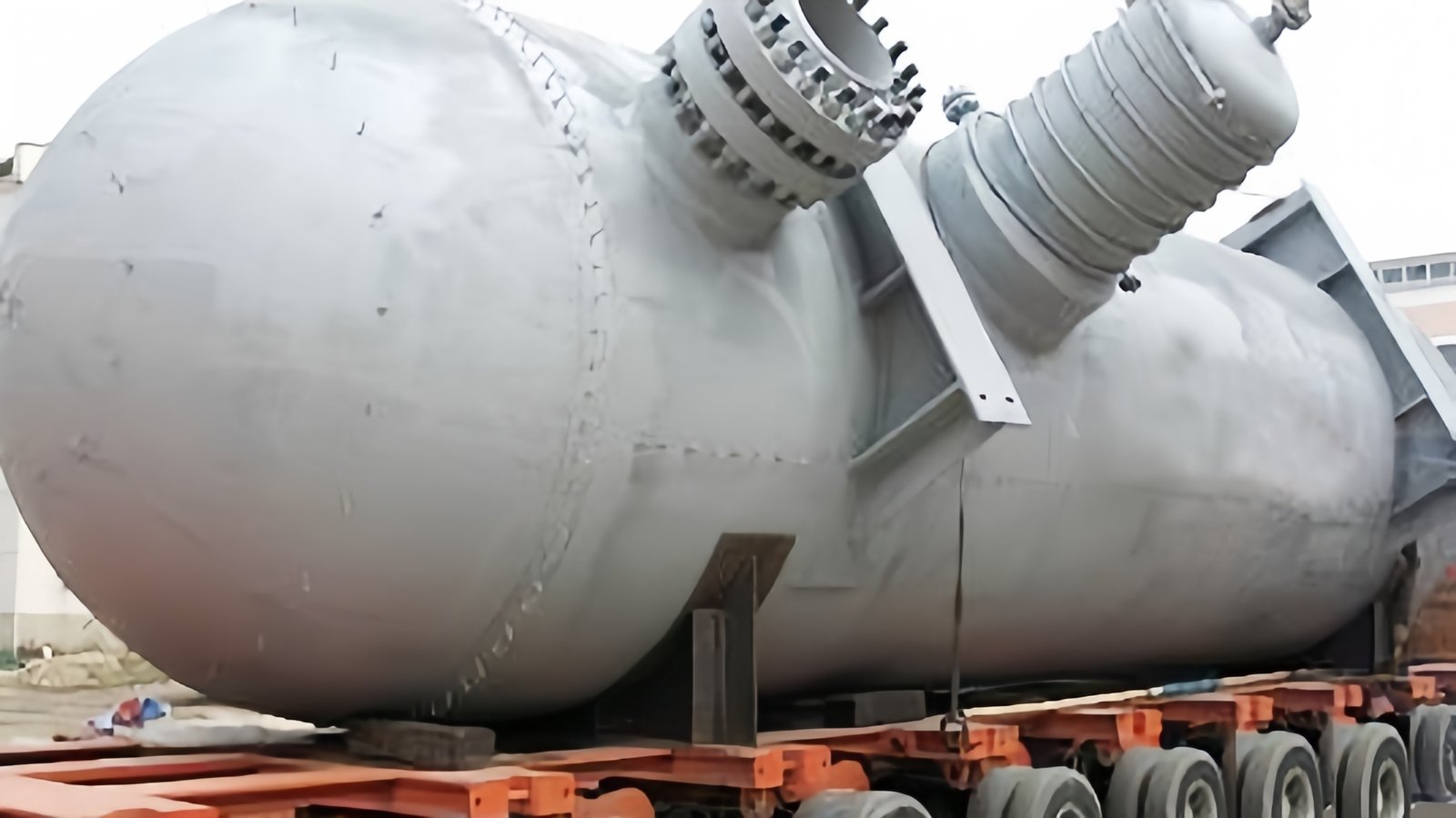
Heat Transfer and Energy Recovery Systems
Heat exchangers are often critical in refinery projects because they influence energy efficiency, process temperature control, product cooling, condensation, and heat recovery. Refinery expansion may require new exchangers or replacement of aging units where performance, fouling, or inspection results justify action.
Project teams may review industrial heat exchangers and shell and tube heat exchanger options when planning refinery heat transfer systems.
Storage and Utility Systems
Refinery projects may also require storage tanks and auxiliary vessels for LPG, fuel gas, process liquids, chemicals, condensate, wastewater, or utilities. Equipment selection should consider medium, pressure, corrosion risk, site layout, safety distances, inspection access, and delivery route.
For pressurized storage, buyers can review industrial storage tanks as part of the broader equipment planning process.
Key Selection Factors Before Requesting a Quotation
Process Conditions and Design Basis
A reliable quotation cannot be prepared from equipment name and capacity alone. Buyers should provide design pressure, design temperature, operating conditions, medium composition, corrosion allowance, fluid phase, flow rate, and any expected upset conditions.
Refinery service can involve hydrocarbons, hydrogen-containing streams, sour or corrosive media, high temperature, cyclic operation, or fouling risk. Final design requirements should be confirmed by qualified engineers and according to applicable project standards.
Equipment Function
A separator, receiver, surge drum, storage vessel, reactor, and tower may look similar from the outside, but they solve different process problems. The manufacturer needs to understand whether the equipment is intended for phase separation, residence time, pressure buffering, reaction support, heat transfer, vapor-liquid contact, or temporary storage.
The function affects internal components, nozzle layout, support design, inspection access, and fabrication sequence.
Material Selection
Material selection depends on medium, temperature, pressure, corrosion risk, project specification, and inspection requirements. Carbon steel may be used in many applications, while stainless steel, low-temperature steel, clad plate, alloy steel, or other materials may be required depending on service conditions.
Any material substitution should be reviewed through the project approval process. For refinery equipment, material traceability and documentation are especially important.
Nozzle Orientation and Site Interface
Refinery expansion often happens around existing units. This makes nozzle orientation, support location, installation clearance, and maintenance access more important. Poor interface control can cause piping interference, platform modification, or field rework.
Buyers should confirm general arrangement drawings, nozzle schedule, manway location, safety valve connections, instrument ports, drains, vents, supports, lifting lugs, and installation envelope before fabrication begins.
Manufacturing and Quality Control Considerations
Drawing Review and Engineering Communication
Before fabrication, the manufacturer should review drawings, specifications, material requirements, welding requirements, inspection plans, coating or insulation requirements, documentation scope, and delivery conditions.
A large-scale pressure vessel manufacturer should be able to support manufacturability review, welding access evaluation, lifting design, transportation dimension checking, and document planning. This is especially important for refinery expansion projects where equipment may need to fit a restricted site.

Welding and Fabrication Control
Pressure vessel fabrication may include material inspection, cutting, forming, shell rolling, head fitting, longitudinal seam welding, circumferential seam welding, nozzle installation, support welding, internal assembly, dimensional inspection, and final preparation.
Welding procedures, welder qualifications, heat treatment requirements, and repair procedures should follow approved project requirements. For refinery service, weld quality and documentation control should be agreed before production begins.
NDT, Pressure Testing, and Inspection Records
Inspection scope depends on vessel type, material, wall thickness, joint design, service condition, and project specification. Non-destructive testing may include radiographic testing, ultrasonic testing, magnetic particle testing, liquid penetrant testing, and visual inspection.
OSHA pressure vessel standards resources can provide general safety reference context. Pressure testing is usually required before delivery according to approved procedures. Final records may include material certificates, welding records, NDT reports, dimensional reports, pressure test records, coating reports, and as-built drawings.
Surface Treatment, Coating, and Packing
Refinery equipment may operate outdoors, in coastal areas, or in corrosive industrial environments. Surface preparation and coating should be specified according to site conditions and project requirements. Buyers should define blasting grade, coating system, dry film thickness, color, inspection method, and site touch-up requirements.
For export projects, packing and transport protection should consider inland transport, sea shipment, lifting, temporary storage, and unloading conditions.
Common Buyer Mistakes in Refinery Equipment Procurement
Comparing Prices Without Comparing Scope
Two quotations may appear similar but include different assumptions. One may include NDT, coating, documentation, third-party inspection support, packing, and port delivery, while another may not. EPC buyers should compare suppliers on the same technical and commercial basis.
Providing Incomplete Technical Data
Incomplete data can lead to inaccurate pricing, technical deviations, rework, or schedule delays. If process data is not final, buyers should clearly identify which information is preliminary and which requirements are fixed.
Ignoring Site Constraints
Refinery expansion often involves brownfield conditions. Existing pipe racks, foundations, access roads, lifting areas, and shutdown windows can affect equipment design and delivery. These constraints should be shared with the manufacturer early.
Treating Related Equipment Separately
Pressure vessels, heat exchangers, towers, separators, and storage tanks often connect to each other in refinery units. Coordinated equipment planning can reduce interface problems and simplify project communication.
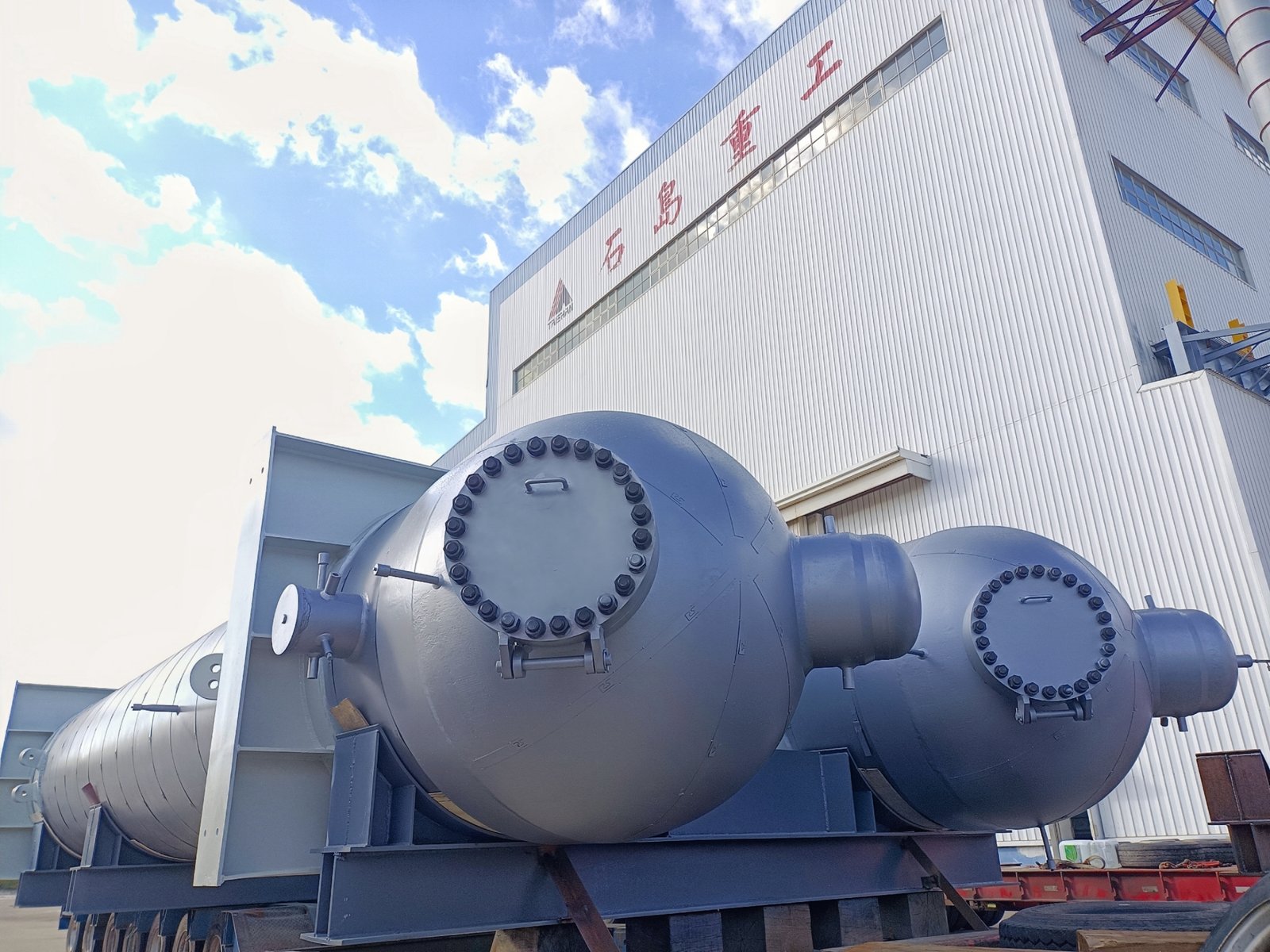
What Buyers Should Prepare Before Requesting a Quotation
Before requesting a quotation for refinery pressure vessels, buyers should prepare:
- Equipment list and process description
- General arrangement drawings
- Process datasheets
- Design pressure and design temperature
- Operating pressure and operating temperature
- Medium composition and corrosion risk
- Material specification
- Corrosion allowance
- Nozzle schedule
- Internal component requirements, if applicable
- Support and lifting requirements
- Applicable design code and project standard
- NDT and inspection requirements
- Pressure testing requirements
- Coating or insulation specification
- Delivery destination and delivery terms
- Documentation requirements
- Site constraints for installation or replacement
If the project is still in early engineering, preliminary data can still help the manufacturer provide feasibility feedback and identify missing technical inputs.
FAQ
What pressure vessels are commonly used in refinery expansion projects?
Common equipment includes separators, knockout drums, receivers, surge drums, reactors, heat exchangers, fractionation towers, storage tanks, and auxiliary process vessels. The final scope depends on process design and project requirements.
What information is needed to quote refinery pressure vessels?
Buyers should provide drawings, process datasheets, design pressure, design temperature, medium composition, material requirements, nozzle schedule, inspection scope, coating requirements, delivery terms, and documentation requirements.
Why are heat exchangers important in refinery expansion?
Heat exchangers support process heating, cooling, condensation, product temperature control, and heat recovery. They can affect energy efficiency, operating stability, and maintenance planning.
How should buyers compare pressure vessel suppliers?
Buyers should compare engineering review capability, material control, welding quality, inspection scope, documentation, coating, delivery support, and ability to handle large non-standard equipment.
Why does delivery planning matter for refinery equipment?
Large vessels, towers, and exchangers may face road, port, lifting, and site access restrictions. Early logistics review helps reduce delivery and installation risk.
Conclusion
Selecting pressure vessels for refinery expansion requires a full review of process data, equipment function, materials, fabrication quality, inspection planning, documentation, site constraints, and delivery feasibility. For EPC contractors and refinery project teams, the right supplier should support technical communication from quotation through fabrication and delivery.
If you are sourcing pressure vessels, separators, heat exchangers, towers, storage tanks, or other custom refinery equipment for an expansion, revamp, petrochemical, or EPC project, you can discuss your project requirements with an engineering and manufacturing team. Sharing drawings, process conditions, material requirements, inspection needs, and delivery terms will help support technical communication and fabrication evaluation.