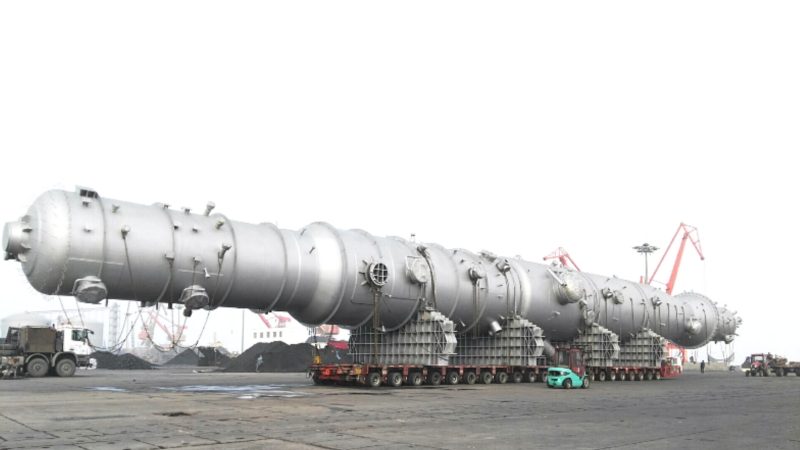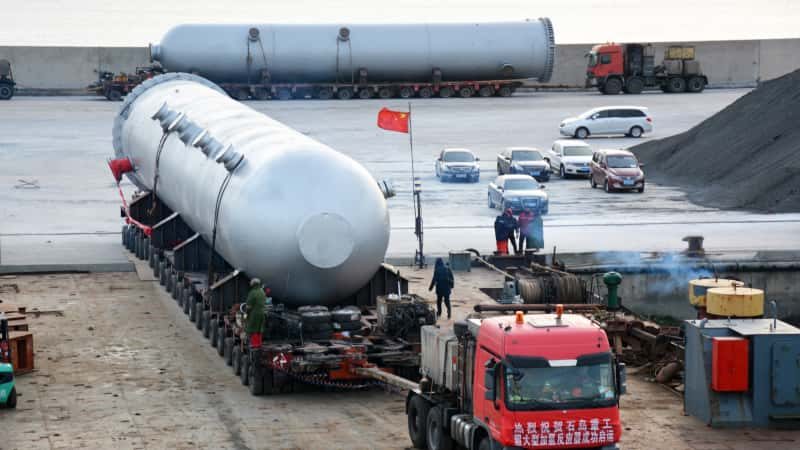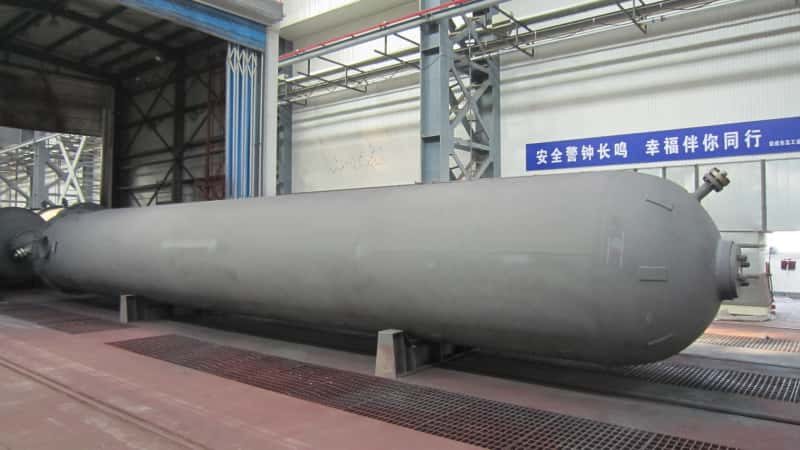

Double pipe heat exchanger procurement can look simple at first: two pipes, two fluids, and a compact heat transfer path. In practice, the real cost depends on heat duty, pressure drop, material selection, fabrication code, inspection scope, installation layout, cleaning access, spare parts, and long-term operating reliability. A low purchase price can become expensive if the exchanger is undersized, difficult to clean, energy-intensive, or unsuitable for the process fluid.
The main cost considerations for double pipe heat exchanger procurement include heat-transfer area, pipe size and length, design pressure and temperature, material grade, corrosion allowance, fouling risk, allowable pressure drop, code compliance, inspection requirements, installation space, supports, insulation, maintenance access, delivery time, and lifecycle operating cost. Buyers should compare total cost of ownership rather than only initial purchase price.
For equipment category planning, buyers can review industrial heat exchangers, hairpin heat exchangers, shell and tube heat exchangers, and broader custom pressure vessels before selecting the final equipment type.
The lowest quoted price is not always the lowest-cost choice for a double pipe heat exchanger.True
Total procurement cost also includes pressure drop, pumping power, metallurgy, fouling, cleaning access, installation, supports, testing, spare parts, delivery risk, and future maintenance.
A double pipe heat exchanger is always cheaper than a shell and tube exchanger for every heat duty.False
Double pipe units are often economical for smaller duties, high-pressure services, or modular systems, but large duties may require many sections and extensive piping, making shell and tube designs more economical.
1. Start with Heat Duty and Temperature Approach
Heat duty is the first cost driver because it determines required heat-transfer area. A small utility duty may need only a simple double pipe section, while a larger process duty may require multiple hairpin sections in series or parallel. As the required duty increases, cost can rise through extra pipe length, fittings, supports, valves, insulation, instrumentation, and installation labor.
Temperature approach also matters. A tight approach temperature may require more surface area and more exchanger sections. The MIT thermodynamics heat exchanger notes describe basic heat exchanger flow arrangements and the importance of heat transfer between streams. In procurement terms, counterflow arrangement can often improve thermal effectiveness compared with parallel flow, but the actual choice depends on layout, pressure drop, fouling, and maintenance constraints.
| First cost driver | What the buyer should check | Cost risk if ignored |
|---|---|---|
| Heat duty | Required kW or MMBtu/h, normal/minimum/maximum cases | Undersized exchanger or excessive added sections |
| Temperature approach | Required hot outlet versus cold inlet approach | More surface area and more pipe length than expected |
| Flow arrangement | Counterflow, parallel flow, series or parallel banks | Wrong arrangement can increase area and pressure drop |
| Number of sections | Single section, multiple hairpins, modular bank | More supports, piping, drains, vents, and installation cost |
| Thermal margin | Clean and fouled duty, design margin, turndown cases | Overdesign raises capital cost; underdesign raises operating risk |
| Future expansion | Whether extra duty may be required later | Retrofit may require new foundations, pipework, and shutdown time |
2. Pressure Drop Can Become an Operating Cost
Double pipe exchangers can have attractive heat transfer at higher velocity, but velocity also increases pressure drop. A lower purchase price may hide higher pumping or compression energy over years of operation. For continuous-duty services, pressure drop should be treated as a lifecycle cost item, not only a thermal design result.
Buyers should specify allowable pressure drop for both the inner pipe and annulus side. If the vendor is allowed to use a high pressure drop to reduce surface area, the exchanger may be cheaper to buy but more expensive to operate.
| Cost item | Lower pressure-drop design | Higher pressure-drop design |
|---|---|---|
| Purchase price | Often higher because more surface area may be needed | Often lower because higher velocity can improve heat transfer |
| Pump or compressor energy | Lower | Higher |
| Throughput flexibility | Better | Worse if pressure drop limits future flow |
| Fouling sensitivity | Depends on velocity and deposit behavior | Can become severe if fouling further raises pressure drop |
| Best use | Continuous-duty units with meaningful energy cost | Small intermittent services where energy impact is minor |
3. Material Selection Is Often the Largest Capital Cost Variable
Material selection can change both purchase price and service life. Carbon steel may be economical for clean, non-corrosive service, while stainless steel, duplex stainless steel, titanium, copper alloys, or nickel alloys may be required for corrosion resistance, product purity, seawater, acids, chlorides, or high-temperature service. The cheapest material is not always the lowest-cost choice if corrosion, fouling, leakage, or contamination causes early failure.

| Material option | Initial cost tendency | Where it can save money | Main cost risk |
|---|---|---|---|
| Carbon steel | Lowest | Benign fluids, moderate temperature, low corrosion rate | Corrosion allowance, coating, fouling, short life in aggressive service |
| Low-alloy steel | Low to medium | Higher temperature or strength requirement | PWHT, hardness control, hydrogen-service review |
| 304/304L stainless steel | Medium | Clean water, food-grade, or mild chemical services | Chloride stress corrosion cracking risk |
| 316/316L stainless steel | Medium to high | Better chloride resistance than 304 in many mild services | Still not immune to hot chloride attack |
| Duplex stainless steel | High | Chloride resistance and strength can reduce thickness | Welding control, availability, phase balance, testing |
| Titanium or nickel alloy | High to very high | Seawater, selected chlorides, severe acids, high-temperature corrosion | Long lead time, specialized fabrication, high rework cost |
Material selection can change the total procurement cost of a double pipe heat exchanger more than heat-transfer area alone.True
Material selection affects raw pipe cost, wall thickness, fabrication labor, welding qualification, corrosion allowance, inspection, delivery time, spare parts, cleaning compatibility, and service life.
4. Pressure Rating, Temperature, and Code Requirements
Pressure rating and temperature influence wall thickness, flange class, fittings, supports, welding procedures, heat treatment, NDT, hydrotesting, and documentation. A non-code low-pressure utility exchanger may be relatively simple. A high-pressure or high-temperature double pipe exchanger may require certified welding, forged fittings, ASME design review, material certificates, pressure testing, and third-party inspection.
ASME BPVC Section VIII Division 1 is commonly referenced for pressure vessel construction where pressure equipment code requirements apply. For some petroleum, petrochemical, and natural gas projects, buyers may also reference API Standard 660, TEMA standards, or project-specific heat exchanger specifications when the equipment scope overlaps with shell and tube style procurement requirements.
5. Fouling and Cleaning Cost Must Be Priced Before Purchase
Fouling is a lifecycle cost issue. It can reduce heat transfer, increase pressure drop, shorten cleaning intervals, and force unplanned shutdowns. A double pipe or hairpin exchanger may be cost-effective when cleaning is simple, but the layout must support the expected maintenance method.
Buyers should define the dirty stream, fouling factor, cleaning method, chemical compatibility, removable section requirements, access space, spare gaskets, drain and vent locations, and inspection interval. If this information is missing, suppliers may quote a cheaper design that is hard to clean or costly to operate.
6. Installed Cost Can Exceed Fabrication Cost
The fabricated exchanger price is only part of the procurement cost. Multiple double pipe sections may require more supports, interconnecting piping, valves, drains, vents, insulation, field welding, lifting, and installation labor. A compact shop price may become a larger field installation cost if the layout is not reviewed early.
| Installed-cost item | Why it matters |
|---|---|
| Number of hairpin sections | More sections mean more supports, connections, drains, vents, and insulation |
| Plot space | Long layouts can compete with maintenance access and pipe racks |
| Field welding | Adds labor, inspection, hydrotest, and schedule risk |
| Insulation and tracing | Important for hot, cold, viscous, or freeze-sensitive services |
| Supports and anchors | Thermal expansion can require guided supports and anchors |
| Valves and bypasses | Maintenance isolation may cost more than expected |
| Instrumentation | Temperature, pressure, and differential-pressure taps support performance monitoring |
| Modularization | Shop-assembled skids may lower field labor but raise shipping cost |
7. Inspection, Testing, and Documentation Add Cost but Reduce Risk
Inspection and documentation can add upfront cost, but they are often essential for pressure equipment, regulated projects, export supply, and plant maintenance records. Buyers should define whether the quotation includes material certificates, welding records, NDT reports, pressure test reports, coating reports, dimensional inspection, inspection and test plan, third-party inspection support, and final data book.
A low quotation may exclude these items. If the project later requires them, change orders can erase the initial price advantage and delay delivery.
8. Lifecycle Cost Matters More Than Purchase Price
Lifecycle cost includes purchase price, installation, pumping energy, thermal efficiency, fouling, cleaning, spare parts, repairs, downtime, inspection, and replacement. A higher-priced exchanger may be better value if it reduces pressure drop, avoids corrosion, improves cleaning access, or extends operating life.
Energy recovery can also justify higher capital cost. In continuous-duty services, better heat recovery may reduce steam, fuel, cooling water, refrigeration, or electrical demand. Buyers should compare annual utility savings against the additional exchanger cost and expected service life.
9. What Buyers Should Include in the RFQ
A clear RFQ reduces assumptions and makes vendor quotations easier to compare. It should define process data, mechanical requirements, materials, inspection scope, delivery expectations, and documentation requirements.
| RFQ item | What to provide | Why it affects cost |
|---|---|---|
| Process duty | Heat duty, inlet/outlet temperatures, min/normal/max cases | Sizes heat-transfer area and number of sections |
| Flow and fluid properties | Flow rate, density, viscosity, heat capacity, thermal conductivity, phase condition | Controls thermal design, pressure drop, and velocity |
| Pressure and temperature | Operating/design pressure and temperature for each side | Controls wall thickness, fittings, testing, and code scope |
| Materials | Material grade, corrosion allowance, gasket and bolting requirements | Drives raw material, welding, inspection, and service life |
| Fouling and cleaning | Fouling factor, dirty-side placement, cleaning method, access requirements | Impacts area, layout, downtime, and spare parts |
| Inspection and documents | NDT, hydrotest, third-party inspection, final data book | Prevents missing-scope change orders |
| Installation constraints | Plot space, nozzle orientation, supports, lifting, insulation, delivery destination | Controls installed cost and site schedule |
Common Procurement Mistakes
Comparing Only Equipment Purchase Price
Two quotations may use different materials, pressure drops, cleaning access, documentation scope, and testing requirements. Compare total scope and lifecycle value.
Ignoring Pressure Drop
A design with high pressure drop may look cheaper but increase pumping power and limit future throughput.
Underestimating Installation Cost
Multiple hairpin sections can require more piping, supports, field welding, insulation, drains, vents, and access space than expected.
Using Generic Material Requirements
Material names should be specific. Buyers should define grade, corrosion allowance, product form, welding requirements, PMI, and compatibility with both process fluids.
FAQ
What are the main cost considerations when procuring a double pipe heat exchanger?
Main cost considerations include heat duty, heat-transfer area, materials, pressure rating, temperature, fluid properties, fouling, pressure drop, fabrication code, inspection, installation, maintenance, and lifecycle cost.
How do materials affect the purchase cost?
Materials affect cost through corrosion resistance, pressure containment, temperature capability, welding requirements, availability, inspection, and service life. Stainless steel and specialty alloys cost more than carbon steel but may reduce lifecycle risk.
Why do pressure rating and code requirements influence price?
Higher pressure and temperature can require thicker walls, stronger fittings, certified welding, pressure testing, inspection, documentation, and ASME code compliance, all of which increase procurement cost.
How do installation and maintenance costs affect total value?
They affect value through piping layout, supports, access, cleaning frequency, spare parts, downtime, bundle or section removal clearance, and pressure drop-related energy costs.
What should buyers include in an RFQ?
Buyers should include process data, design pressure and temperature, materials, allowable pressure drop, fouling factors, codes, inspection scope, drawings, documentation, spare parts, and installation constraints.
Conclusion
Double pipe heat exchanger procurement cost should be evaluated as total cost of ownership, not only as a fabricated equipment price. Heat duty, pressure drop, material selection, pressure rating, code compliance, fouling, cleaning access, installation layout, inspection, documentation, and lifecycle energy use can all change the real value of the purchase.
If you are sourcing double pipe heat exchangers, hairpin heat exchangers, shell and tube heat exchangers, pressure vessels, separators, towers, or other custom process equipment for chemical, petrochemical, refinery, energy, or EPC projects, you can discuss your project requirements with an engineering and manufacturing team. Sharing process datasheets, fluid properties, materials, inspection needs, layout constraints, and delivery terms will support accurate quotation and fabrication evaluation.