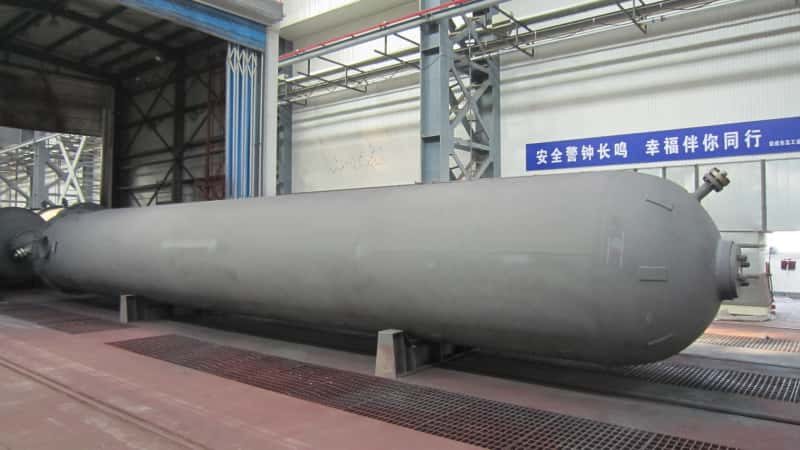

Nozzle orientation is one of the most practical details in custom pressure vessel manufacturing. A vessel can be properly designed, welded, inspected, painted, and shipped, but still create serious site problems if its nozzles do not match the piping layout, instruments, relief devices, internals, access platforms, drains, vents, and maintenance requirements.
For EPC contractors, plant engineers, and industrial buyers, nozzle orientation should be reviewed before fabrication begins. Once the shell is cut, the nozzle is welded, the vessel is inspected, tested, coated, and delivered, changing the orientation is no longer a drawing revision. It becomes field rework, schedule delay, added cost, and sometimes a safety or process-performance issue.

Pressure vessels are engineered equipment. References such as ASME BPVC, the U.S. EPA’s pressure vessel rupture hazard alert, and the European Pressure Equipment Directive all point to the importance of proper design, fabrication, inspection, and conformity for pressure equipment. Nozzle orientation belongs inside that engineering review, not outside it.
Nozzle orientation is only a drafting preference and can be adjusted easily after fabrication.False
After shell openings are cut and nozzles are welded, changing orientation may require cutting, repair welding, inspection, retesting, coating repair, and schedule delay.
Correct nozzle orientation helps custom pressure vessels fit the process, piping, instruments, and maintenance plan.True
Nozzle orientation affects piping fit-up, flow path, pressure relief, drainage, venting, inspection access, reinforcement, welding access, and future maintenance.
What Is Nozzle Orientation?
Nozzle orientation describes the exact position and direction of each nozzle on a pressure vessel. It includes nozzle number, service, size, pressure rating, facing, projection, elevation, angular location, clock position, bolt-hole orientation, reinforcement, internal extension, and clearance around the connection.
On a vertical vessel, nozzle orientation is usually defined by elevation and angular position around the shell. On a horizontal vessel, it may be defined by clock position, distance from tangent line, distance from head, and relation to saddle supports. For both types, the drawing should clearly define the orientation datum so engineering, fabrication, inspection, logistics, and installation teams are all using the same reference.
Why Nozzle Orientation Matters
Nozzles connect the vessel to the process system. They are used for inlets, outlets, drains, vents, relief devices, manways, instruments, sample points, cleaning connections, agitators, internal distributors, coils, and auxiliary piping. A nozzle in the wrong place can cause piping misalignment, poor drainage, trapped gas, inaccurate level readings, difficult valve access, interference with supports, or poor flow distribution inside the vessel.
Nozzles are also pressure-boundary openings. Each opening removes material from the shell or head and may require reinforcement depending on code, pressure, temperature, shell thickness, nozzle size, and loads. This is why orientation should be reviewed with the same seriousness as material, wall thickness, weld details, and inspection scope.
| Nozzle Type | Orientation Priority | Risk If Poorly Oriented |
|---|---|---|
| Process inlet | Match flow path, inlet device, erosion allowance, and internal clearance | Turbulence, erosion, foaming, liquid carryover, or short-circuiting |
| Gas outlet | Locate in clean vapor space with enough separation distance | Liquid entrainment, mist carryover, compressor or downstream equipment damage |
| Liquid outlet | Provide proper elevation, submergence, and anti-vortex review where needed | Pump cavitation, gas entrainment, unstable flow, or incomplete withdrawal |
| Drain | Place at the true low point or slope vessel toward the drain | Residual liquid, corrosion, contamination, poor cleaning, or unsafe maintenance |
| Vent | Place at the high point for filling, testing, purging, and gas release | Air pockets, incomplete filling, difficult hydrotest, or trapped process gas |
| Relief nozzle | Provide correct phase exposure, access, and discharge piping route | Poor relief installation, unsafe maintenance, backpressure problems, or liquid accumulation |
| Manway | Provide safe access to internals, cleaning zones, and inspection areas | Difficult shutdown work, longer maintenance time, and confined-space access risk |
Piping Fit-Up and Installation
Nozzle orientation directly affects how easily field piping connects to the pressure vessel. The nozzle angle, flange face direction, elevation, projection length, bolt-hole orientation, and location relative to supports determine whether piping spools fit without forcing. Correct orientation allows flanges to mate properly, valves to be operated safely, supports to be installed in practical locations, and maintenance teams to reach instruments and accessories.
Poor orientation can create pipe spool rework, extra elbows, temporary pulling, field welding, added supports, or misaligned flanges. These changes increase cost and may add pressure drop or stress to the system. For high-temperature piping, pump suction lines, compressor connections, large valves, or heavy piping, external loads can become an important local stress issue around the nozzle-to-shell junction.
Safety and Pressure Relief
Safety-related nozzles need special attention. Relief valve nozzles, rupture disc connections, pressure gauges, vents, drains, emergency depressurization connections, and instrument connections must be oriented so they can function correctly and be maintained safely. A relief valve installed in a technically connected but inaccessible location can still become a long-term safety and maintenance problem.
Relief connections should be reviewed against the actual relieving case. Vapor relief, liquid relief, thermal relief, and two-phase relief may have different layout concerns. The discharge piping route, platform access, removal clearance, drainage, and nozzle loads should be considered before the vessel is manufactured.
Process Performance
Nozzle orientation can affect how gas, liquid, vapor, steam, condensate, slurry, chemicals, or mixed phases enter and leave the vessel. In gas-liquid separators, the inlet nozzle should work with the inlet device and separation volume. If the inlet is too close to the outlet, droplets may not have time to separate. If the inlet is too low, the stream may disturb the liquid level. If the outlet is poorly located, carryover or entrainment may increase.
For reactors and mixing vessels, nozzle location can affect how feed streams meet agitators, baffles, coils, spargers, or internal distributors. For storage vessels, nozzle location affects filling, emptying, venting, relief protection, level measurement, and cleaning. For industrial heat exchangers, nozzle orientation affects piping routing, drainage, venting, thermal expansion, and maintenance access.
Stress, Reinforcement, and Local Loads
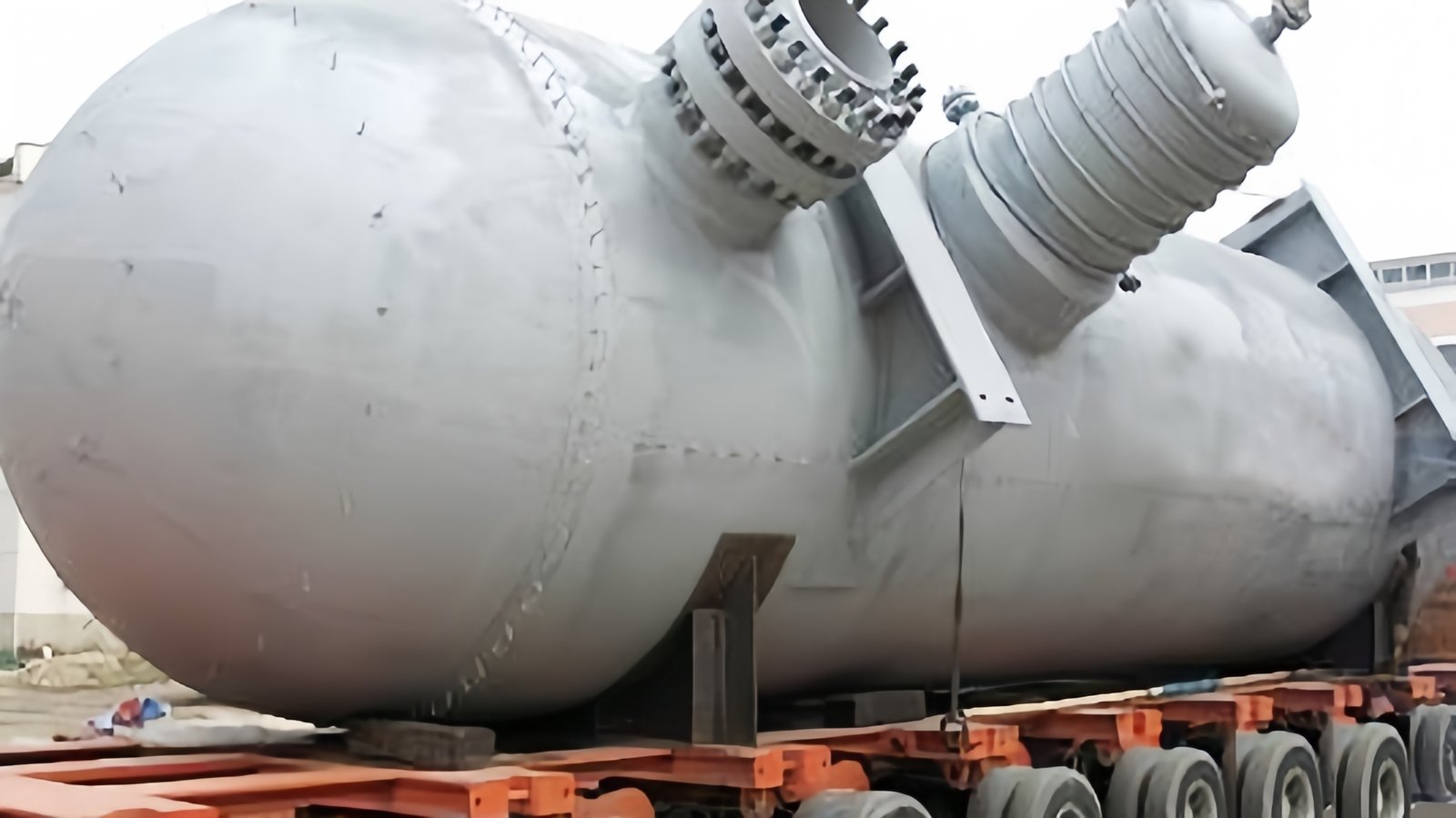
Every nozzle opening changes the pressure boundary. Material is removed from the vessel wall, and reinforcement may be required according to the applicable design code and project specification. Large nozzles, angled nozzles, nozzles near weld seams, nozzles close to supports, or clustered nozzles may require additional engineering review.
Nozzle orientation also affects external loads from connected piping. Thermal expansion, vibration, settlement, heavy valves, and unsupported piping can transfer forces and moments into the vessel. In demanding projects, local stress review or finite element analysis may be needed. The manufacturer should receive nozzle loads, piping interface requirements, and layout drawings before fabrication begins.
Fabrication Quality and Inspection Access
During manufacturing, nozzle orientation affects shell layout, marking, cutting, beveling, fit-up, welding access, distortion control, nondestructive examination, heat treatment, hydrotesting, coating, and final dimensional inspection. A nozzle located too close to a seam, saddle, skirt, head knuckle, lifting lug, or another nozzle may make welding and inspection more difficult.
A qualified custom pressure vessel manufacturer should verify nozzle orientation against approved drawings before cutting the shell. This review should include nozzle projection, flange rotation, reinforcement pads, internal attachments, bolt clearance, insulation clearance, and access for inspection tools.

Vertical vs Horizontal Vessel Orientation
Vertical and horizontal vessels use different orientation logic. In vertical vessels, top nozzles may serve gas outlets, relief valves, vents, agitators, spray devices, and instruments. Bottom nozzles may serve drains, liquid outlets, recirculation lines, or flush connections. Side nozzles must be arranged by elevation and angular position so they do not interfere with internals, platforms, ladders, support legs, skirt openings, or maintenance routes.
In horizontal vessels, clock position matters. Top nozzles often serve vents, relief valves, gas outlets, manways, and instruments. Bottom nozzles serve drains and liquid outlets, but they must not conflict with saddles, foundations, or grade clearance. Side nozzles may serve level bridles, sight glasses, process inlets, outlets, sample points, and recirculation lines.
| Vessel Type | Orientation Focus | Buyer Review Point |
|---|---|---|
| Vertical vessel | Elevation, angular position, top access, skirt or leg clearance | Confirm platform access to top nozzles, relief devices, vents, instruments, and manways |
| Horizontal vessel | Clock position, saddle clearance, drain slope, liquid level range | Confirm nozzles do not conflict with saddles, foundations, pipe supports, or grade clearance |
| Separator | Inlet device, gas outlet, demister clearance, liquid outlet, level nozzles | Coordinate nozzle layout with internals and phase separation duty |
| Reactor | Feed points, sampling, temperature nozzles, coils, agitator, internals | Protect process performance, catalyst or mixing behavior, and maintenance access |
| Storage vessel | Fill, discharge, vent, relief, level, drain, manway | Support safe filling, emptying, inspection, and emergency response |
Common Nozzle Orientation Mistakes
A common mistake is approving the vessel drawing without checking it against the piping model. Another is forgetting insulation thickness, valve handle clearance, platform location, or bolting space. A nozzle that looks accessible on a bare drawing may become difficult to use after insulation, ladders, pipe supports, or adjacent equipment are added.
Other mistakes include clustering nozzles too closely, placing drains away from low points, placing vents where gas can still be trapped, locating level nozzles in turbulent zones, ignoring bolt-hole orientation, omitting spare nozzle details, and failing to mark plant north or vessel orientation clearly. Replacement vessels are especially risky because old drawings may not match actual field conditions after years of modification.
What Buyers Should Confirm Before Fabrication
Before approving fabrication drawings, buyers should review the general arrangement drawing, nozzle orientation drawing, nozzle schedule, P&ID, piping layout, instrument requirements, relief-device requirements, insulation thickness, platform arrangement, maintenance access, and site constraints. If a 3D model exists, the vessel should be checked inside the model before drawing approval.
| Buyer Input | Why It Is Needed |
|---|---|
| P&ID | Confirms each nozzle’s process function, instrument role, and safety purpose |
| Nozzle schedule | Defines tag, service, size, pressure class, facing, projection, material, and notes |
| Piping layout or 3D model | Confirms piping fit-up, flange direction, valve access, and support locations |
| Internals information | Ensures inlets, outlets, drains, vents, distributors, demisters, coils, and baffles align |
| Inspection and maintenance plan | Protects manway access, clean-out locations, NDE access, and future repair work |
| Site constraints | Prevents interference with foundations, platforms, pipe racks, walls, lifting routes, and grade |
Related Equipment and Project Interfaces
Nozzle orientation matters across many equipment types, including separators, receivers, reactors, heat exchanger shells, storage vessels, columns, and industrial storage tanks. In refinery and gas processing projects, pressure vessels for oil and gas often require close coordination between vessel layout, piping loads, relief systems, and maintenance access. In chemical and petrochemical projects, petrochemical pressure vessels may involve internals, corrosive service, special instruments, and strict inspection requirements.
FAQ
Why does nozzle orientation matter in custom pressure vessel manufacturing?
Nozzle orientation matters because it determines how the vessel connects to piping, instruments, drains, vents, relief devices, internals, manways, and maintenance access. Poor orientation can cause fit-up problems, field rework, process issues, inspection difficulty, and higher cost.
How does nozzle orientation affect piping installation?
It affects flange direction, bolt-hole position, elevation, projection, valve clearance, pipe support layout, and installation access. Incorrect orientation may require pipe spool changes, extra fittings, forced alignment, or field welding.
Why is nozzle orientation important for vessel safety?
Nozzles are pressure-boundary openings that may create local stress concentrations. Their orientation affects reinforcement, piping loads, relief device installation, inspection access, drainage, venting, and long-term reliability.
How does nozzle orientation affect process performance?
It controls how fluids and gases enter, leave, drain, vent, mix, separate, or contact internals. Incorrect nozzle placement can cause turbulence, carryover, dead zones, inaccurate instrument readings, poor draining, or unstable operation.
What should buyers confirm before fabrication?
Buyers should confirm nozzle number, service, size, rating, facing, projection, elevation, angular position, bolt-hole orientation, reinforcement, internal extension, access clearance, insulation clearance, and alignment with piping drawings or the 3D model.
Conclusion
Nozzle orientation is a small drawing detail with large project consequences. It affects piping fit-up, flow performance, stress control, relief connections, inspection access, maintenance safety, fabrication quality, and field installation. For custom pressure vessels, buyers should review nozzle orientation carefully before approving fabrication drawings.
If you are sourcing custom pressure vessels, separators, reactors, heat exchangers, storage tanks, or other engineered process equipment, you can discuss your project requirements with an engineering and manufacturing team or download the pressure vessel catalog for preliminary reference. Sharing P&IDs, nozzle schedules, drawings, piping layouts, material requirements, inspection needs, and delivery terms will help support a smoother fabrication review.