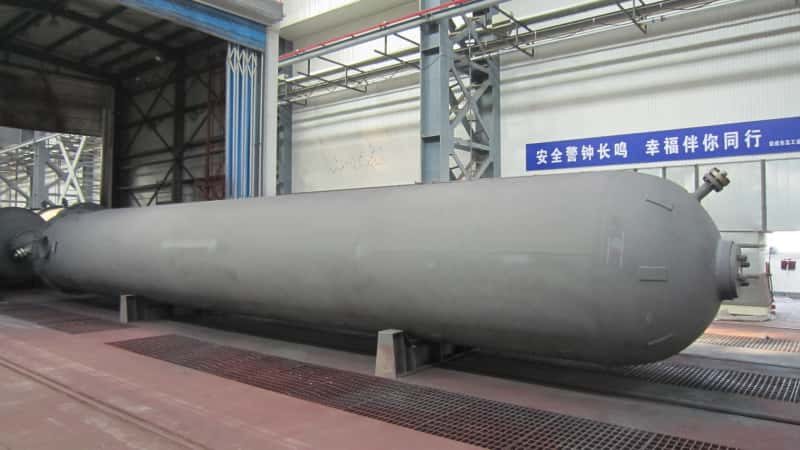

How Do EPC Buyers Specify Condensate Receiver Vessels for Chemical Plants?
Condensate receiver vessels are used in chemical plants, petrochemical units, evaporation systems, heat recovery systems and steam-related process lines to collect and manage condensed liquid. For EPC buyers, the important question is not simply “what receiver volume is required?” A reliable RFQ should define the condensate source, pressure, temperature, flashing risk, corrosion condition, level control philosophy, nozzle orientation, inspection scope and delivery requirements before fabrication begins.
A condensate receiver vessel should be specified as a complete process vessel or pressure vessel package, not as a small accessory around a heat exchanger or evaporator. This keeps the procurement focus on project-based equipment, including vessel body, supports, nozzles, instruments, inspection, testing, coating, documentation and delivery requirements.

A condensate receiver vessel can always be specified as a simple water tank.False
Chemical plant condensate may contain dissolved gases, solvents, hydrocarbons, acidic components, flash steam or corrosive contaminants, so pressure, temperature, material and inspection requirements must be reviewed.
Condensate receiver RFQs should define the condensate source, pressure, temperature, flashing risk, corrosion data and level control interfaces.True
These inputs affect vessel sizing, material selection, nozzles, venting, pump interface, inspection scope and fabrication requirements.
What Is a Condensate Receiver Vessel?
A condensate receiver vessel is a process vessel used to collect liquid formed when vapor or steam condenses. In industrial plants, condensate may come from heat exchangers, evaporators, condensers, steam systems, solvent recovery units, distillation systems or process cooling sections.
Depending on the operating condition, a condensate receiver may be atmospheric, vacuum-rated or pressure-rated. In many chemical and petrochemical projects, it should be treated as one of the custom pressure vessels because pressure, temperature, medium composition, corrosion allowance and connection requirements vary by project.
Where Are Condensate Receiver Vessels Used?
Heat Exchanger and Condenser Systems
Condensate receivers are often installed downstream of condensers or heat exchangers to collect condensed liquid before it is pumped, returned, treated or transferred to another process step. When the receiver is connected with industrial heat exchangers, EPC buyers should coordinate heat duty, vapor load, condensate flow, outlet conditions and layout requirements.
Evaporation and Concentration Systems
In evaporation systems, condensate receivers may collect vapor condensate from condensers, vacuum systems or vapor recompression circuits. The vessel may need to handle varying flow, vacuum conditions, hot condensate, corrosive components or cleaning liquids.
For wastewater concentration or chemical recovery projects, condensate quality and downstream reuse or discharge requirements should be reviewed by the project engineering team.
Steam and Condensate Recovery Systems
Steam systems often benefit from condensate recovery because hot condensate can reduce water, chemical and energy consumption. The U.S. Department of Energy notes that condensate return systems can reduce water use, chemical use and operating costs when properly applied. DOE also provides a wider steam systems resource hub for industrial energy management and steam system optimization.
However, a chemical plant condensate receiver must still be specified around real service conditions. Condensate may include treatment chemicals, dissolved gases, flash steam or contaminants from process leakage.
Distillation and Process Separation Units
Condensate receiver vessels may also appear around distillation columns, solvent recovery systems and vapor-liquid separation units. In these cases, they may connect with process towers and columns, condensers, pumps and downstream storage equipment.
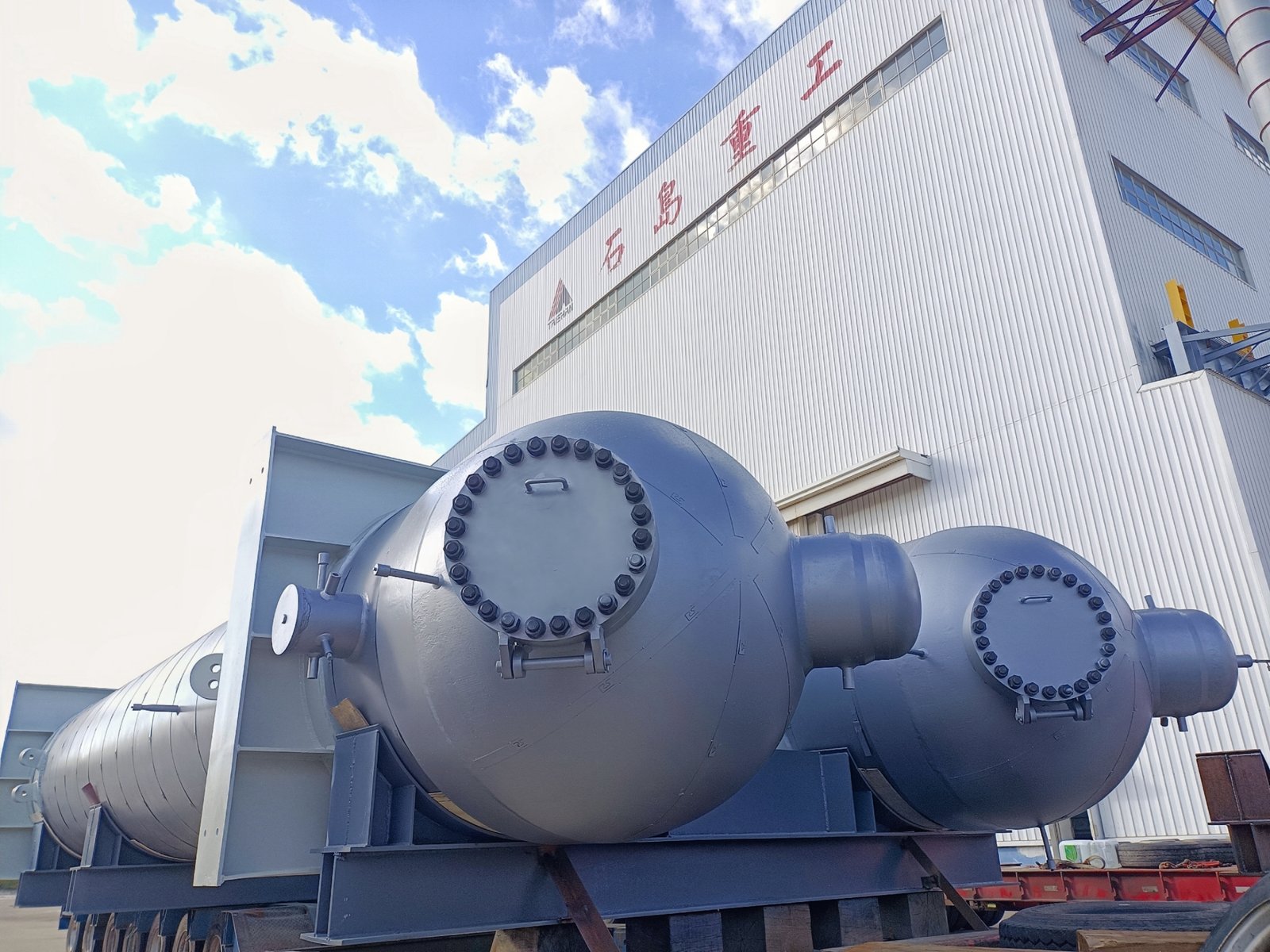
Key Selection Factors for EPC Buyers
1. Condensate Source and Composition
The RFQ should state where the condensate comes from. Clean steam condensate, solvent condensate, evaporator condensate, acidic condensate and hydrocarbon condensate may require different vessel designs.
Buyers should provide composition, pH, chlorides, dissolved gases, oxygen content, hydrocarbons, solvents, suspended solids and possible contamination where available. Material selection should be based on actual data rather than a generic “condensate” description.
2. Pressure and Temperature Conditions
Condensate receivers may handle hot liquid, flash steam, vacuum, low pressure or changing pressure during operation. EPC buyers should provide operating pressure, design pressure, operating temperature, design temperature, vacuum condition and start-up or shutdown cases.
If the vessel is pressure-rated, ASME BPVC standards may be relevant depending on project location and contract requirements. Final code, edition and certification requirements should follow project documents and local regulations.
3. Flashing and Vapor Handling
Hot condensate may flash when pressure is reduced. This can create vapor flow, pressure fluctuation, noise, level instability and safety concerns. If flashing is expected, the RFQ should define the flash steam condition, venting philosophy, downstream connection and control requirements.
The manufacturer can fabricate the vessel according to approved drawings and specifications, but process flashing behavior should be defined by the EPC process team.
4. Corrosion and Material Requirements
Condensate can be corrosive, especially when it contains dissolved oxygen, CO2, chlorides, acidic components or process contaminants. Depending on the service, the specification may require corrosion allowance, stainless steel, internal coating, lining or other material controls.
Material decisions should be reviewed by qualified engineers. A large-scale pressure vessel manufacturer can support manufacturability review, welding planning and quality control, but final compatibility should be based on project engineering.
5. Level Control and Pump Interface
Condensate receivers often connect with pumps, control valves, return lines or downstream treatment equipment. EPC buyers should confirm liquid hold-up volume, level instrument connections, pump suction requirements, drain location, overflow philosophy and maintenance access.
Nozzles, vents, drains, supports and instrument connections should be coordinated as part of the complete vessel package, not purchased as separate small parts.
Condensate Receiver Vessel RFQ Summary
| Selection item | What buyers should define | Why it matters |
|---|---|---|
| Condensate source | Heat exchanger, condenser, evaporator, steam system or process unit | Determines medium composition and operating pattern |
| Pressure and temperature | Operating, design, vacuum and upset conditions | Affects vessel classification, wall thickness and testing |
| Flashing risk | Flash steam load, venting, pressure control and downstream routing | Supports stable level control and safe operation |
| Corrosion data | pH, chlorides, dissolved gases, solvents, hydrocarbons and contaminants | Supports material selection and corrosion allowance |
| Level and pump interface | Hold-up volume, instruments, drains, pump suction and nozzle layout | Improves operation, maintenance and site integration |
Manufacturing and Quality Control Considerations
Condensate receiver vessels may appear simple, but fabrication quality still matters. Depending on the project, manufacturing may include material procurement, plate forming, welding, heat treatment if required, dimensional inspection, non-destructive examination, pressure testing, coating and packing.
For chemical plant service, quality control may include:
- Material traceability
- Welding procedure control
- Visual inspection
- Radiographic or ultrasonic testing when specified
- Magnetic particle or penetrant testing when specified
- Hydrostatic or leak testing where applicable
- Coating or lining inspection
- Dimensional inspection
- Documentation review
WSHI supports pressure vessel manufacturing based on drawings, datasheets, materials, inspection requirements and delivery terms for chemical, petrochemical and environmental projects. Safety and operating requirements should also be reviewed against applicable project documents and regulatory programs such as OSHA Process Safety Management standards where relevant.

Integration With Storage Tanks and Downstream Treatment
A condensate receiver vessel rarely works alone. It may connect with condensate return systems, wastewater treatment, solvent recovery, flash vessels, heat exchangers or large storage tanks above 1,000L.
If condensate must be stored before reuse, treatment or disposal, industrial storage tanks should be specified with medium composition, volume, temperature, corrosion protection, coating, inspection and delivery conditions.
For chemical plants, condensate systems should be reviewed together with the complete process boundary rather than as isolated equipment.
RFQ Checklist for Condensate Receiver Vessels
Before requesting quotation, EPC buyers should prepare:
- Equipment name and tag number
- Process source of condensate
- PFD, P&ID, drawings and datasheets
- Condensate flow rate and operating range
- Vapor or flash steam condition if applicable
- Operating and design pressure
- Operating and design temperature
- Vacuum condition if applicable
- Medium composition and corrosion data
- Material grade and corrosion allowance
- Hold-up volume and level control requirements
- Nozzle orientation and connection schedule
- Pump suction and downstream interface
- Applicable code and project standards
- NDE, testing and third-party inspection scope
- Coating, lining or preservation requirements
- Packing, transport and delivery terms
- Documentation requirements
A complete RFQ helps the supplier evaluate the condensate receiver vessel as a full engineered equipment package.
Common Procurement Mistakes
One common mistake is assuming that condensate is always clean water. In chemical plants, condensate may contain process contaminants, dissolved gases, chemicals or corrosive components.
Another mistake is ignoring flashing conditions. If hot condensate flashes inside or upstream of the receiver, vessel sizing, venting, pressure control and downstream connections may need review.
EPC buyers should also avoid late changes to nozzle orientation, pump suction connections or instrument interfaces. These changes can affect fabrication, inspection, coating and delivery schedule.
Conclusion
Condensate receiver vessels for chemical plants should be specified around process source, flow rate, pressure, temperature, flashing risk, corrosion condition, level control, inspection requirements and delivery constraints. They are complete process vessels, not small accessories.
If you are preparing an EPC inquiry for condensate receiver vessels, condensate drums, heat exchanger systems, evaporation systems or related custom pressure vessels, you can share drawings, datasheets, operating conditions and delivery requirements with WSHI. Our team can support early communication for fabrication feasibility, quality control planning and project delivery review. You can contact our engineering team to discuss your project.
Frequently Asked Questions
What is a condensate receiver vessel used for?
A condensate receiver vessel collects condensed liquid from heat exchangers, condensers, steam systems, evaporators or process separation units before return, transfer, treatment or storage.
Is a condensate receiver vessel always a pressure vessel?
Not always. Some are atmospheric or vacuum vessels, while others are pressure-rated. The classification depends on pressure, temperature, service condition and applicable project standards.
What information is needed to quote a condensate receiver vessel?
Buyers should provide drawings, datasheets, condensate source, flow rate, pressure, temperature, medium composition, corrosion data, level control requirements, inspection scope and delivery terms.
Why is flashing important in condensate receiver design?
Hot condensate can flash when pressure drops, creating vapor flow and pressure fluctuation. This should be reviewed by the process engineering team before vessel specification.
Can condensate receiver vessels be supplied with heat exchangers?
Yes. Condensate receiver vessels can be coordinated with heat exchangers, condensers and related process vessels as part of a complete industrial equipment package.