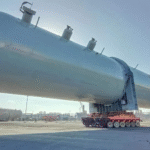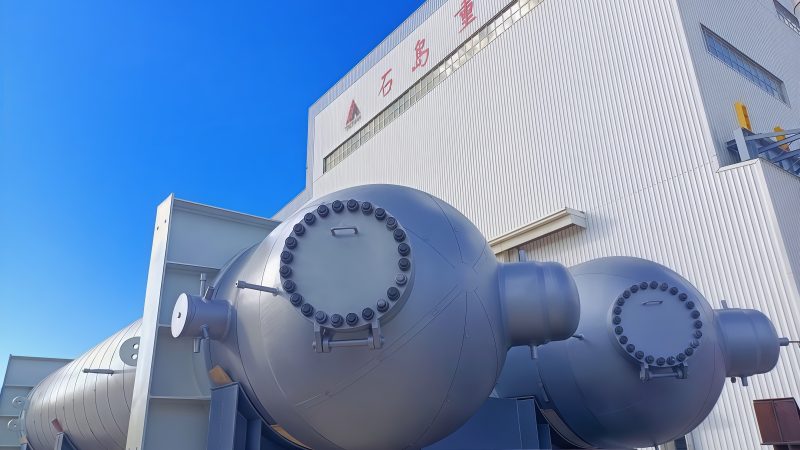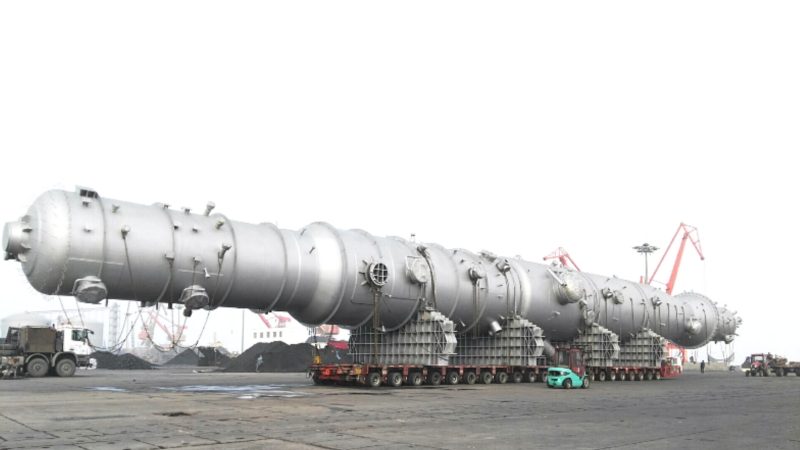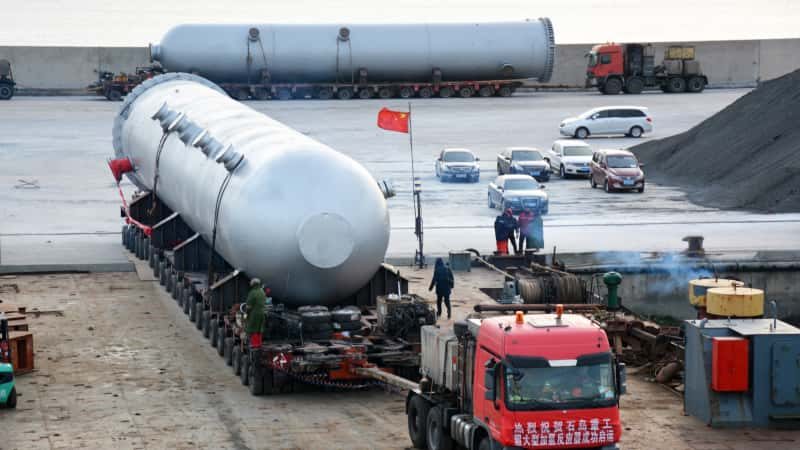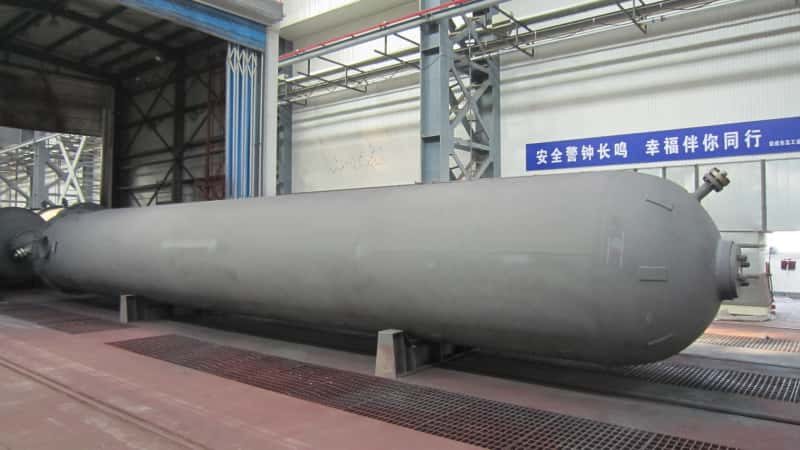

Refinery upgrade and capacity expansion projects often require more than new process design. They depend on reliable replacement equipment, compatible pressure vessels, upgraded heat exchangers, separator vessels, process columns, and large storage vessels that can fit into existing plant constraints. For EPC buyers, refinery upgrade equipment should be evaluated as complete project equipment packages, not as isolated small components.
A recent Hydrocarbon Processing report noted that Vietnam awarded a major refinery upgrade contract for the Binh Son Refining and Petrochemical project. For equipment procurement teams, this type of refinery revamp highlights a practical issue: upgraded units must balance new capacity targets with existing piping, foundations, shutdown windows, inspection requirements, and delivery schedules.

For industry context, see the Hydrocarbon Processing report on a Vietnam refinery upgrade contract. For pressure equipment context, ASME BPVC Section VIII Division 1 may be relevant where vessels are designed as pressure equipment. Final code, safety, and inspection requirements should always be confirmed by the project owner, EPC contractor, inspection authority, and qualified engineers.
Refinery upgrade equipment can be purchased like new-build equipment without special interface review.False
Revamp projects usually involve existing foundations, piping, shutdown windows, lifting limits, nozzle orientation constraints, and site access restrictions.
Refinery upgrade procurement should compare complete equipment scope, not only equipment price.True
Documentation, dimensional accuracy, inspection scope, coating, packing, and delivery timing can be as important as fabrication cost in refinery revamp projects.
What Is Refinery Upgrade Equipment?
Refinery upgrade equipment refers to new, replacement, or modified industrial equipment used during refinery revamps, capacity increases, feedstock flexibility improvements, utility upgrades, emissions-related modifications, or reliability projects.
Typical equipment may include custom pressure vessels, separator vessels, shell and tube heat exchangers, process columns and towers, condensers and coolers, surge drums and process vessels, large storage vessels above 1,000 liters, utility vessels, and custom petrochemical equipment.
For EPC buyers sourcing custom pressure vessels, the equipment must match both process requirements and existing plant interfaces. A technically correct vessel can still create project delays if it does not match nozzle positions, support locations, lifting access, transport route, or shutdown schedule.
Why Refinery Revamp Procurement Is Different
New-build projects usually start with a clean layout. Refinery upgrade projects rarely do. Existing foundations, piping routes, lifting space, shutdown windows, operating units, and site safety procedures can all limit equipment design and delivery.
For pressure vessels for oil and gas, buyers should confirm existing equipment dimensions, replacement interface requirements, process medium and feedstock changes, design pressure and temperature, material and corrosion requirements, inspection and test scope, site installation limits, and shutdown and delivery schedule.
A vessel that is acceptable on paper may still create installation problems if it does not match site constraints. This is why refinery revamp RFQs should include both process data and brownfield interface information.
Key Equipment in Refinery Upgrade Projects
Replacement Pressure Vessels
Pressure vessels may be replaced during refinery upgrades due to capacity increase, corrosion, code requirements, process modification, reliability improvement, or service life concerns. These vessels may support separation, buffering, reaction support, utility service, process storage, or condensate handling.
For pressure vessel manufacturing, EPC buyers should provide approved drawings, old equipment references where available, inspection requirements, nozzle interface requirements, and any dimensional limits from the existing plant.
Heat Exchanger Replacement and Upgrades
Heat exchangers are often reviewed during refinery revamps because fouling, duty changes, higher throughput, reliability targets, or new feedstock conditions may affect thermal performance. A heat exchanger manufacturer should review heat duty, pressure drop, medium, fouling risk, material, inspection scope, and maintenance access.
A shell and tube heat exchanger may be suitable for many refinery services because it can be customized for pressure, temperature, inspection, cleaning, and heavy-duty industrial operation.
Separator Vessels
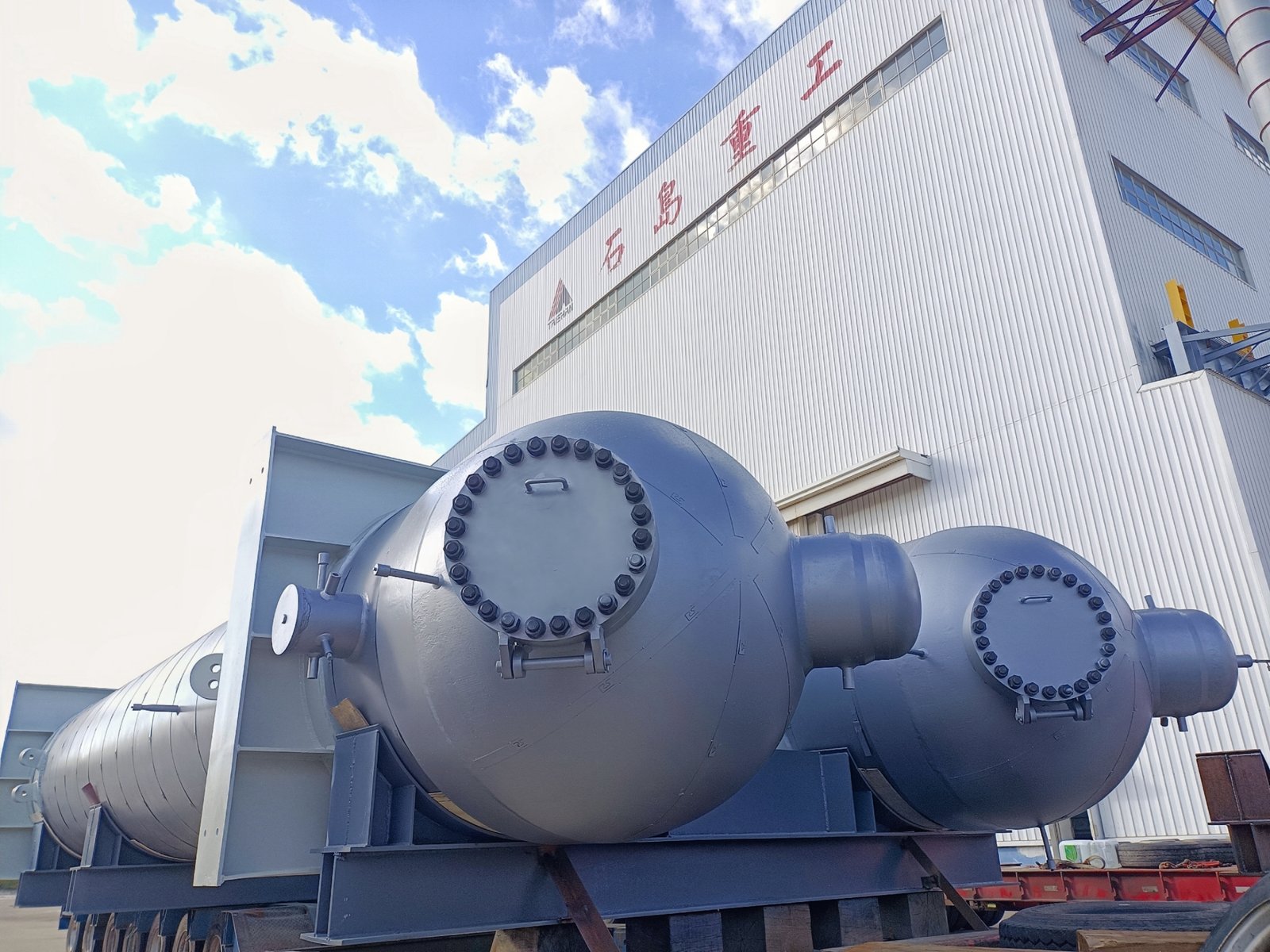
Refinery upgrade projects may require gas-liquid separators, knock-out drums, flash drums, or three-phase separator vessels. These should be specified as complete separator vessels, not as standalone internal parts.
Buyers should confirm process medium, gas and liquid load, pressure, temperature, corrosion risk, internal interface, nozzle layout, drainage, instrument connections, and inspection requirements before quotation.
Process Towers and Columns
Some refinery upgrades involve distillation, stripping, absorption, or fractionation equipment. Process towers and columns should be reviewed for shell design, nozzle orientation, transport limits, field installation, support requirements, and inspection scope.
Where tower internals are included by process design, they should be treated only as part of the complete tower procurement scope, not as standalone small-item purchasing.
Large Storage and Utility Vessels
Refinery upgrades may also require large storage or utility vessels for process liquids, intermediate streams, condensate, wastewater, chemicals, or fuel-related service. WSHI focuses on industrial storage tanks above 1,000 liters, not small standard tanks.
Typical Refinery Upgrade Equipment Scope
| Equipment Category | Possible Revamp Role | Buyer Review Points |
|---|---|---|
| Pressure vessels | Replacement, buffering, separation support, utility service, process holding | Design conditions, material, nozzle interfaces, inspection, dimensions, delivery timing |
| Heat exchangers | Duty increase, replacement, fouling improvement, cooling, condensation, heat recovery | Heat duty, pressure drop, fouling, tube material, cleaning access, bundle removal space |
| Separators and drums | Gas-liquid separation, knock-out service, flashing, condensate handling, surge control | Flow conditions, liquid load, corrosion, internals interface, drainage, instruments |
| Towers and columns | Distillation, stripping, absorption, fractionation, process separation | Height, diameter, internals interface, lifting, transport route, platform and nozzle arrangement |
| Large storage vessels | Chemicals, condensate, wastewater, fuel-related service, intermediate liquid holding | Capacity above 1,000L, material, coating, venting, nozzles, containment and delivery limits |
Selection Factors for EPC Buyers
Existing Plant Interface
For refinery revamps, interface control is critical. Buyers should provide existing foundation data, nozzle orientation, piping constraints, installation access, platform limitations, lifting envelope, and transport limits.
Where replacement equipment must fit an existing location, dimensional accuracy and drawing review can be as important as mechanical strength.
Process Medium and Feedstock Changes
A refinery upgrade may allow different crude types, higher throughput, new product specifications, or changed process conditions. This can affect corrosion, fouling, temperature, pressure, and material selection.
Material compatibility should be reviewed by qualified engineers based on actual medium composition, temperature, pressure, sour service considerations if applicable, and project standards.
Code, Inspection, and Documentation
If equipment is designed as pressure equipment, standards such as ASME Section VIII or local pressure vessel codes may apply depending on project location and specifications. Buyers should define NDT, pressure testing, coating inspection, third-party inspection, document review, and final data book requirements before ordering.
Delivery and Shutdown Schedule
Upgrade projects often have tight shutdown windows. Equipment should be fabricated, inspected, coated, packed, and delivered according to the planned installation sequence.
A large-scale pressure vessel manufacturer should be able to coordinate fabrication, NDT, pressure testing, coating, loading, and export delivery.

RFQ Checklist for Refinery Upgrade Equipment
| RFQ Item | Recommended Information |
|---|---|
| Equipment scope | Pressure vessels, exchangers, separators, drums, towers, storage vessels, utilities, replacement boundaries |
| Process data | Medium composition, flow conditions, design pressure, design temperature, operating cases, corrosion allowance |
| Existing plant interface | Old drawings, nozzle orientation, foundation data, piping constraints, lifting access, installation envelope |
| Materials and inspection | Material grade, sour or corrosive service notes, NDT scope, pressure testing, coating, third-party inspection |
| Delivery planning | Shutdown date, delivery destination, transport limits, packing, preservation, port handling, site unloading |
Common Procurement Mistakes
One common mistake is treating refinery upgrade equipment like new-build equipment. Existing plant constraints can change nozzle layout, support design, transport method, installation planning, and shutdown readiness.
Another mistake is requesting a quotation without current operating data. Higher throughput, different feedstock, changed service conditions, or new inspection requirements may require different materials and fabrication controls.
A third mistake is focusing only on equipment price. In revamp projects, documentation, dimensional accuracy, coating, packing, and delivery timing can be just as important as fabrication cost.
FAQ
What equipment is commonly replaced during refinery upgrades?
Refinery upgrades may involve pressure vessels, heat exchangers, separator vessels, process columns, condensers, utility vessels, and large storage vessels.
What should EPC buyers provide for a refinery revamp quotation?
Buyers should provide drawings, datasheets, existing equipment references, process medium, pressure, temperature, material requirements, inspection scope, site constraints, and delivery requirements.
Why are heat exchangers important in refinery upgrade projects?
Heat exchangers affect process duty, energy recovery, cooling, condensation, and reliability. Replacement units should match new operating conditions, fouling risk, and maintenance access.
Can WSHI supply small refinery parts or internals only?
WSHI focuses on complete project-based pressure vessels, heat exchangers, separator vessels, towers, and large storage vessels, not standalone small parts.
Why does delivery planning matter for refinery upgrades?
Revamp projects often have limited shutdown windows. Late delivery, wrong nozzle orientation, missing inspection records, or incomplete documentation can delay installation.
Conclusion
Refinery upgrade equipment should be specified as complete project equipment, including pressure vessels, heat exchangers, separator vessels, process towers, and large storage vessels above 1,000 liters. EPC buyers should confirm process conditions, existing plant interfaces, materials, inspection scope, documentation, and delivery constraints before procurement.
If you are planning a refinery upgrade, petrochemical revamp, or capacity expansion project, you can discuss your project requirements with an engineering team or download the pressure vessel catalog. Sharing drawings, datasheets, operating conditions, replacement equipment details, material requirements, inspection needs, and delivery terms will help support manufacturing feasibility review.