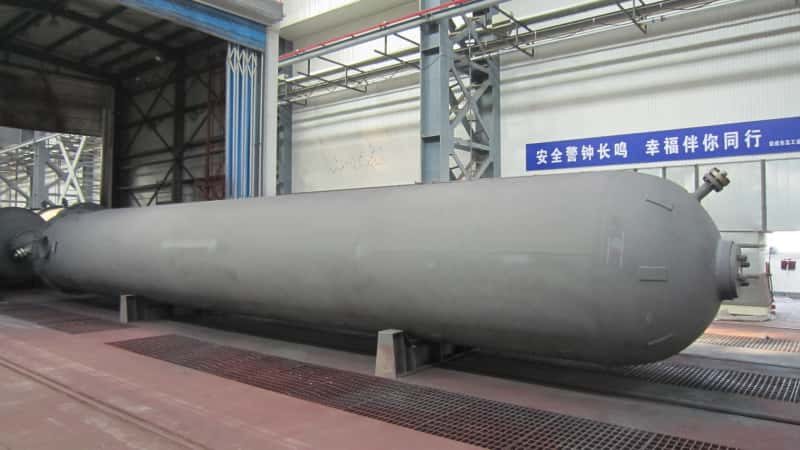

Recent news about CNPC launching China’s first full-chain green and low-carbon ethylene project has brought renewed attention to petrochemical equipment procurement for lower-carbon production routes. For EPC contractors and project buyers, the key issue is not only the “low-carbon” concept. It is how complete process equipment, including pressure vessels, heat exchangers, towers, separators, and storage tanks, can be specified, fabricated, inspected, and delivered for complex ethylene projects.
This article explains what EPC buyers should review when sourcing equipment for ethylene and olefin-related projects. It focuses on complete fabricated equipment and project-based procurement, not small accessories, internals, or standalone minor components.
A low-carbon ethylene project can reduce the need for conventional heavy process equipment review.False
Even when projects use low-carbon power, heat recovery, or carbon management, EPC buyers still need to review pressure containment, heat transfer, separation, storage, welding, inspection, and delivery requirements.
Ethylene plant equipment should be specified as complete fabricated equipment packages for EPC procurement.True
Complete equipment review helps align vessels, heat exchangers, towers, separators, storage tanks, documentation, packing, and delivery with the project schedule.
Why Low-Carbon Ethylene Projects Still Depend on Heavy Process Equipment
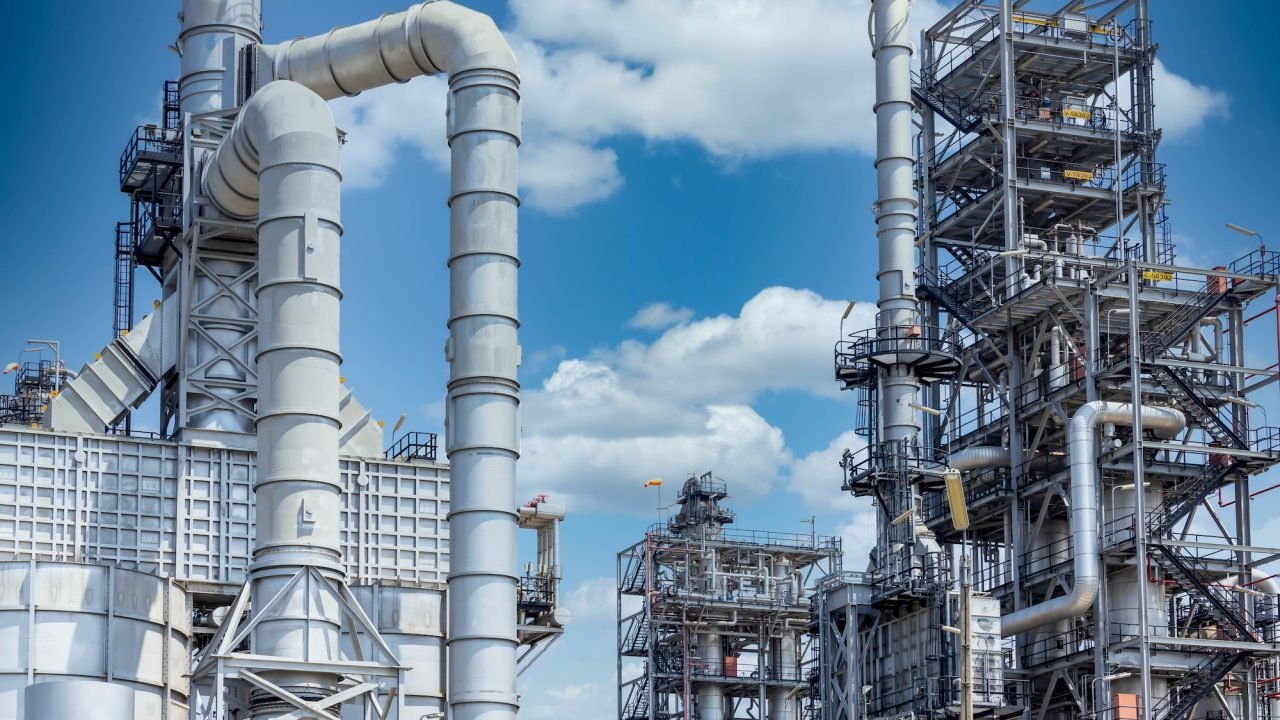
Ethylene is a core building block for petrochemical production. Even when a project integrates renewable power, carbon capture, heat recovery, or other low-carbon measures, the plant still depends on reliable heavy equipment. Pressure containment, heat transfer, separation, condensation, storage, and utility systems remain essential.
For EPC buyers, this means equipment procurement must balance process performance, safety, fabrication feasibility, delivery schedule, and documentation. Low-carbon project positioning does not reduce the need for careful vessel design, welding quality, inspection planning, or material review.
In many ethylene projects, buyers evaluate petrochemical pressure vessels together with custom pressure vessels, heat exchangers, process columns, separators, and storage tanks.
| Project Requirement | Equipment Impact | Buyer Review Point |
|---|---|---|
| Heat recovery and energy efficiency | Heat exchangers, condensers, coolers, and utility integration equipment | Heat duty, approach temperature, pressure drop, fouling, material, and cleaning access |
| Hydrocarbon separation | Process towers, fractionation columns, separators, and knock-out vessels | Pressure, temperature, medium composition, nozzle orientation, internals interface, and transport limits |
| Process safety and pressure containment | Pressure vessels, process drums, receivers, and storage vessels | Design code, material, NDT, pressure testing, relief interfaces, and documentation |
| Project delivery and modular integration | Large fabricated vessels, exchangers, towers, and storage tanks | Dimensions, weight, lifting points, packing, port delivery, and site installation sequence |
Main Equipment Used in Ethylene and Olefin Plants
Pressure Vessels and Process Drums
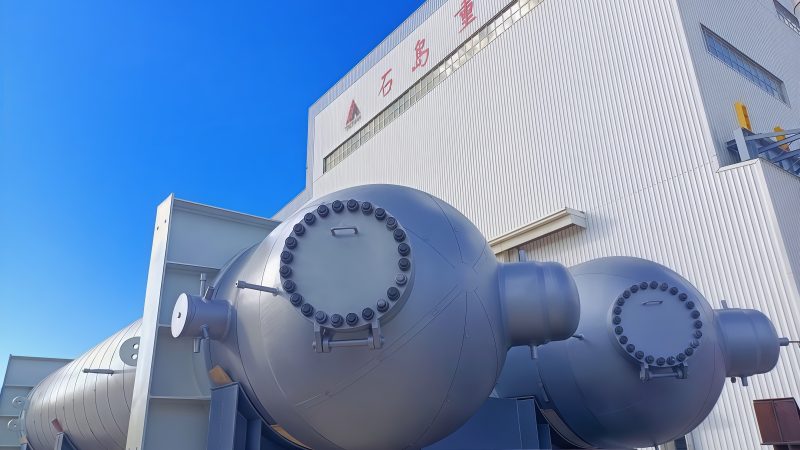
Ethylene plants use different pressure vessels and process drums for separation, buffering, condensate collection, gas-liquid handling, and process stabilization. These vessels may operate under different pressure, temperature, and medium conditions, depending on the process section.
EPC buyers should confirm design pressure, design temperature, process medium, corrosion allowance, cyclic operating conditions, support design, inspection requirements, and documentation scope before sending an RFQ.
For low-carbon ethylene projects, process vessels may also be connected with carbon management, heat recovery, or utility integration systems. The manufacturer should review drawings and datasheets carefully to avoid fabrication or site installation conflicts.
Heat Exchangers for Thermal Efficiency
Heat exchangers are critical in ethylene plants because cracking, compression, condensation, cooling, and heat recovery all depend on efficient heat transfer. A low-carbon project may place additional attention on energy recovery and utility optimization, but exchanger procurement still begins with accurate process conditions.
When sourcing from a heat exchanger manufacturer, EPC buyers should provide heat duty, fluid properties, inlet and outlet temperatures, design pressure, fouling tendency, pressure drop limits, material requirements, and cleaning expectations.
For many petrochemical services, shell and tube heat exchangers are commonly considered because they can be engineered for higher pressure, temperature, and material requirements. Final selection should always follow process design and project specifications.
Process Towers and Columns
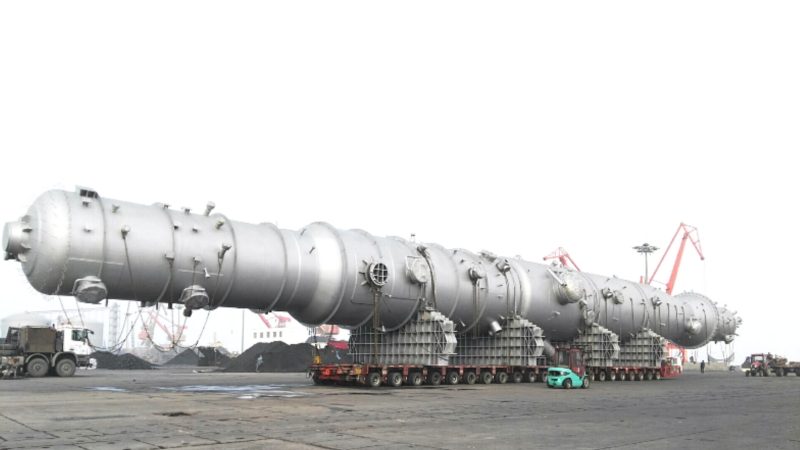
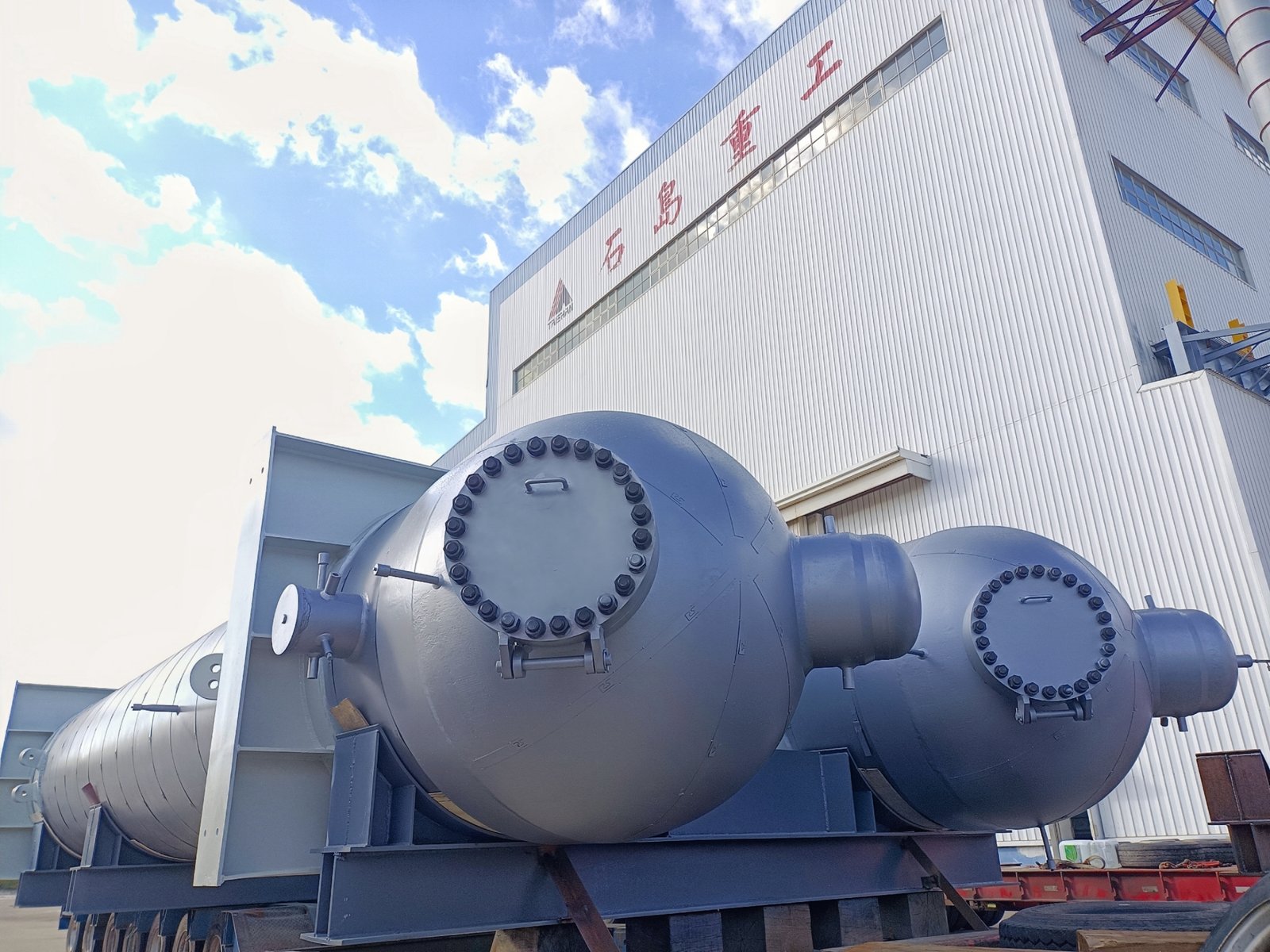
Ethylene and olefin plants may use process towers and columns for separation, absorption, stripping, fractionation, or purification duties. These towers are large custom equipment items, and procurement should focus on the complete fabricated column rather than isolated internal items.
When reviewing process towers and columns, buyers should confirm column diameter, height, shell thickness, design pressure, design temperature, material, corrosion allowance, nozzle orientation, support type, lifting plan, inspection scope, and transportation limits.
If the project includes hydrocarbon fractionation, buyers may also review fractionation tower requirements as part of the overall separation system.
Separators and Knock-Out Vessels
Gas-liquid separation is important in petrochemical plants where process gas, condensate, liquid hydrocarbons, or mixed streams must be handled reliably. Separators and knock-out drums should be sized and fabricated according to process conditions, pressure, temperature, medium composition, and downstream equipment protection requirements.
From a procurement perspective, buyers should not focus on a single internal element. The complete separator vessel, including pressure boundary, supports, nozzles, inspection, testing, coating, and documentation, should be reviewed as one equipment scope.
Storage Tanks Above 1,000L
Ethylene projects may require large storage tanks for feedstock, intermediate liquids, chemicals, condensate, wastewater, or utilities. Storage tank procurement should be based on industrial project requirements above 1,000 liters, not small container demand.
Buyers can evaluate industrial storage tanks together with process vessels when a project requires coordinated fabrication, coating, inspection, and export delivery. For hazardous or pressure-containing service, applicable design codes and safety requirements must be confirmed by the project engineering team.
Equipment Package Review Matrix
| Equipment Category | Typical Ethylene Plant Role | RFQ Data to Prepare |
|---|---|---|
| Pressure vessels and drums | Buffering, receiving, process stabilization, gas-liquid handling, condensate collection | Datasheet, pressure, temperature, medium, material, corrosion allowance, support, and NDT |
| Heat exchangers | Cooling, condensation, heat recovery, compression-stage temperature control, utility integration | Heat duty, fluids, pressure drop, fouling, thermal cases, material, and cleaning method |
| Process towers and columns | Fractionation, absorption, stripping, separation, and purification | Diameter, height, pressure, temperature, material, nozzles, internals interface, and transport limits |
| Separator vessels | Liquid carryover removal, condensate separation, compressor protection, and process phase control | Gas load, liquid load, operating cases, material, instruments, drains, and inspection scope |
| Large storage tanks | Feedstock, chemicals, intermediates, condensate, wastewater, and utility storage | Capacity above 1,000L, stored medium, pressure boundary, coating, nozzles, and delivery limits |
Key Procurement Factors for EPC Buyers
Process Medium and Operating Conditions
The RFQ should define the process medium, phase, composition, operating pressure, design pressure, operating temperature, design temperature, density, corrosion characteristics, and any cyclic operation. Ethylene, propylene, hydrocarbon gas, condensate, quench water, steam, cooling water, and chemical additives may all require different equipment decisions.
Incomplete medium data can lead to inaccurate material selection, incorrect corrosion allowance, or unsuitable inspection requirements.
Material Selection and Corrosion Allowance
Material selection should be based on process conditions, temperature, pressure, corrosion behavior, weldability, and code requirements. Depending on service, equipment may use carbon steel, low-alloy steel, stainless steel, clad construction, or other project-specified materials.
For petrochemical projects, buyers should avoid selecting material only by price. A lower-cost material may create higher maintenance risk if corrosion, temperature, or process compatibility is not properly reviewed.
Applicable Codes and Standards
Pressure vessels, heat exchangers, towers, and storage tanks may be designed and fabricated according to different codes depending on pressure, medium, region, and project specification. ASME BPVC Section VIII is commonly referenced for pressure vessels, while other standards may apply to storage tanks, piping interfaces, or owner-specific requirements.
Final compliance should always be confirmed against the latest project specifications, applicable regulations, and owner requirements.
Fabrication Size and Transportation
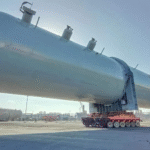
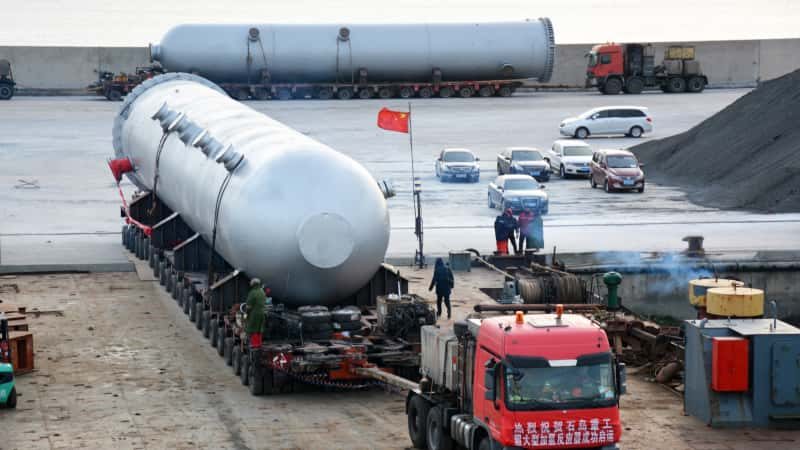
Ethylene plant equipment can be large, heavy, and difficult to transport. Before fabrication, EPC buyers should confirm overall dimensions, lifting weight, shipping saddle design, road limits, port handling, site access, and installation sequence.
If a tower, exchanger, or vessel is too large for planned logistics, redesign may be required. Early transport review can reduce project execution risk.
Inspection, Testing, and Documentation
Inspection requirements should be confirmed before fabrication begins. Depending on the equipment and code, testing may include visual inspection, radiographic testing, ultrasonic testing, magnetic particle testing, penetrant testing, hydrostatic testing, pneumatic testing, or leak testing.
Buyers should also confirm documentation requirements such as material certificates, weld maps, NDT reports, pressure test records, painting reports, dimensional inspection records, and packing lists.
Manufacturing Capability: What to Review
Engineering Communication
A capable manufacturer should review drawings, datasheets, material specifications, weld requirements, delivery boundaries, and inspection requirements before production. For custom petrochemical equipment, engineering communication can identify potential fabrication, installation, or shipping issues early.
Welding Quality Control
Welding quality is central to pressure vessel and heat exchanger manufacturing. EPC buyers should review whether the manufacturer can follow required welding procedures, manage welder qualification, control fit-up, handle heat treatment requirements, and maintain traceability.
Equipment Integration Across Multiple Product Types
Ethylene projects often require different equipment types in the same procurement package: vessels, exchangers, towers, separators, and tanks. A manufacturer with broader petrochemical equipment capability can help buyers coordinate schedule, inspection planning, and delivery documentation across multiple equipment categories.
WSHI manufactures large custom pressure vessels, heat exchangers, towers, storage tanks, and non-standard chemical equipment for industrial projects. Buyers can review the pressure vessel product catalog before preparing detailed inquiries.
Common Mistakes in Ethylene Plant Equipment Procurement
Treating “Low-Carbon” as a Substitute for Technical Review
A low-carbon project may use cleaner power, carbon capture, or heat recovery measures, but equipment must still meet process, mechanical, inspection, documentation, and safety requirements. Procurement should remain grounded in datasheets, drawings, and project specifications.
Sending Incomplete RFQ Documents
A basic equipment name is not enough for accurate quotation. EPC buyers should provide drawings, datasheets, operating conditions, material requirements, inspection scope, testing requirements, and delivery terms.
Ignoring Site Layout and Shipping Constraints
Large equipment must be manufacturable, transportable, and installable. Nozzle orientation, support design, lifting points, and shipping dimensions should be reviewed as part of the complete equipment scope.
Underestimating Documentation Requirements
Petrochemical projects often require detailed quality and inspection documentation. If documentation scope is not clarified early, project handover can be delayed even when fabrication is complete.
What EPC Buyers Should Prepare Before Requesting a Quotation
- Equipment list and process description
- Approved or preliminary datasheets
- General arrangement drawings
- Process medium and composition
- Operating pressure and design pressure
- Operating temperature and design temperature
- Material specification and corrosion allowance
- Heat duty and thermal data for exchangers
- Tower or column interface requirements
- Nozzle schedule and orientation requirements
- Support, lifting, and transport limits
- Applicable codes and project standards
- NDT, inspection, testing, and documentation requirements
- Coating, insulation, packing, and delivery terms
FAQ
What equipment is commonly used in an ethylene plant?
Common equipment may include pressure vessels, process drums, gas-liquid separators, heat exchangers, process towers, fractionation columns, and large storage tanks, depending on the plant design.
Why are heat exchangers important in low-carbon ethylene projects?
Heat exchangers support cooling, condensation, heat recovery, and utility integration. In lower-carbon projects, energy efficiency and heat recovery may receive additional attention, but final selection must follow process requirements.
Are low-carbon ethylene plant vessels different from standard petrochemical vessels?
They may share similar equipment categories, but the project may include additional integration with renewable power, heat recovery, or carbon management systems. Vessel design still depends on pressure, temperature, medium, material, inspection, and applicable standards.
What should EPC buyers include in an RFQ?
Buyers should include drawings, datasheets, process medium, design pressure, design temperature, material requirements, corrosion allowance, inspection scope, testing requirements, documentation requirements, and delivery terms.
Should storage tanks for ethylene projects be specified as complete equipment?
Yes. Large industrial storage tanks should be specified as complete fabricated equipment, including pressure boundary, supports, coating, inspection, testing, and delivery requirements. This article focuses on tanks above 1,000 liters.
Conclusion
Low-carbon ethylene projects create new attention around petrochemical modernization, but they still depend on reliable heavy process equipment. EPC buyers should carefully review pressure vessels, heat exchangers, process towers, separators, and storage tanks according to actual process conditions, standards, inspection requirements, and delivery constraints.
If you are preparing procurement for an ethylene, olefin, or petrochemical project, you can share drawings, datasheets, operating conditions, and delivery requirements with our engineering team. WSHI can support manufacturing feasibility review for pressure vessels, heat exchangers, process towers, large storage tanks, and related custom petrochemical equipment.
CTA: Discuss your project requirements or download the pressure vessel catalog.