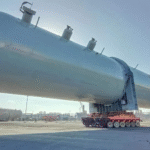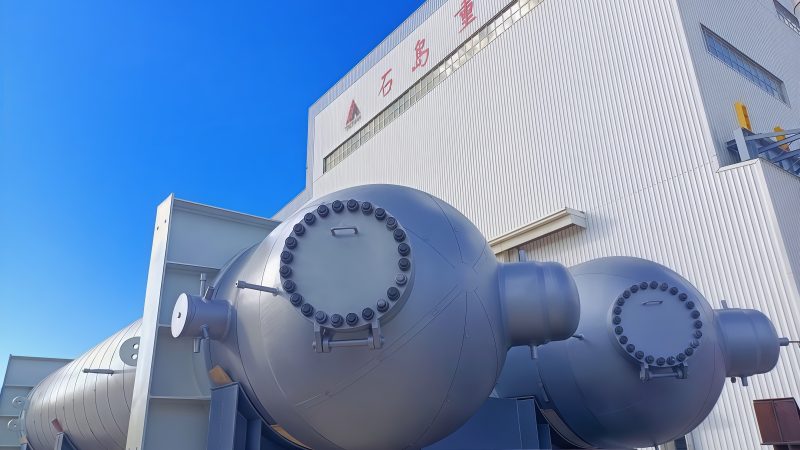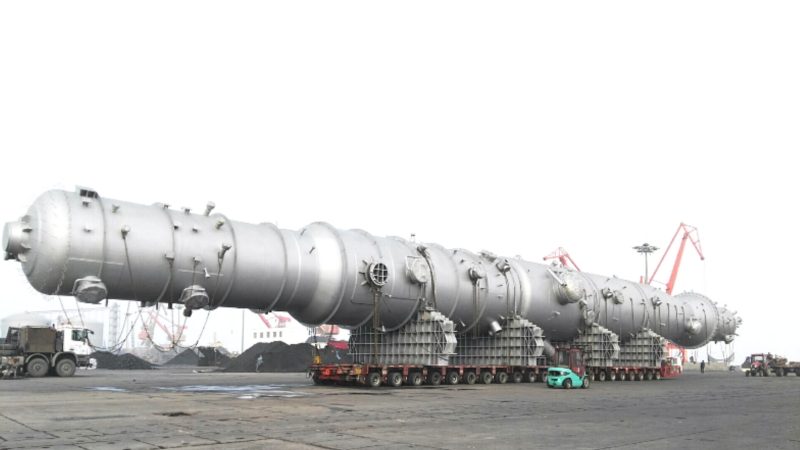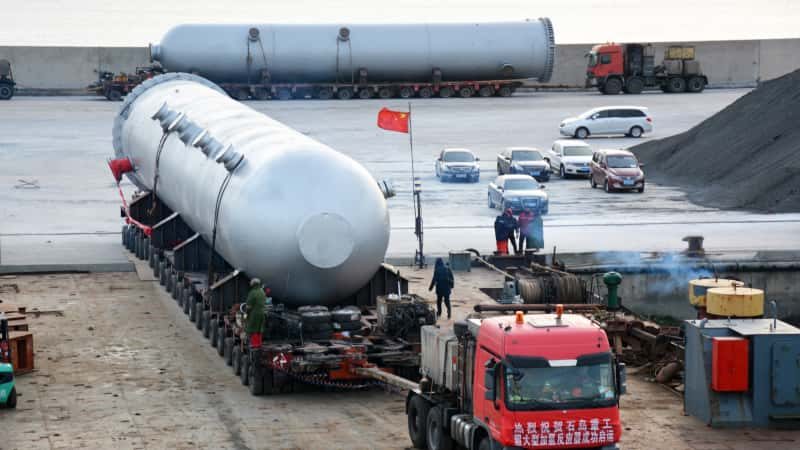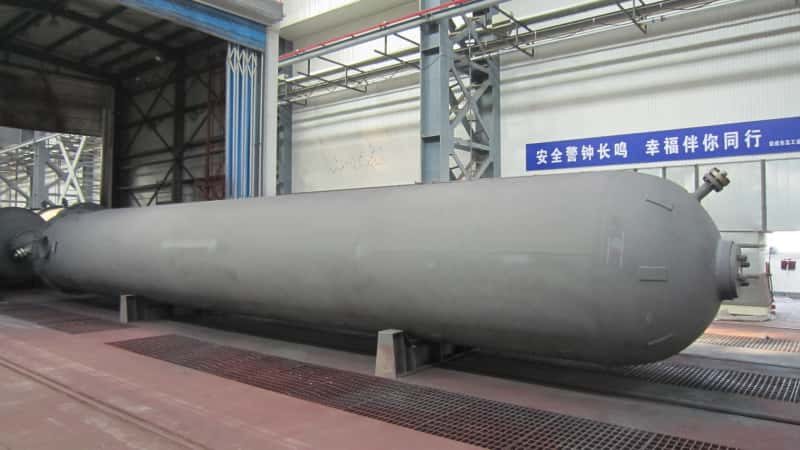

Recent refinery emission-control activity, including July 2026 reporting on BELCO gas cleaning technology startup at TotalEnergies’ Antwerp site, shows that refineries continue to invest in gas treatment and environmental process upgrades. For EPC contractors and refinery procurement teams, refinery gas cleaning equipment is not a single device purchase. It often involves complete scrubber towers, process vessels, separators, heat exchangers, liquid holding tanks, and supporting fabrication scope.
This article explains what buyers should review when sourcing refinery gas cleaning equipment for emission control, acid gas treatment, particulate control, process vent treatment, or environmental upgrades. The focus is complete industrial equipment procurement, not standalone small components or tower internals.
A refinery gas cleaning project can be procured as one small scrubber component.False
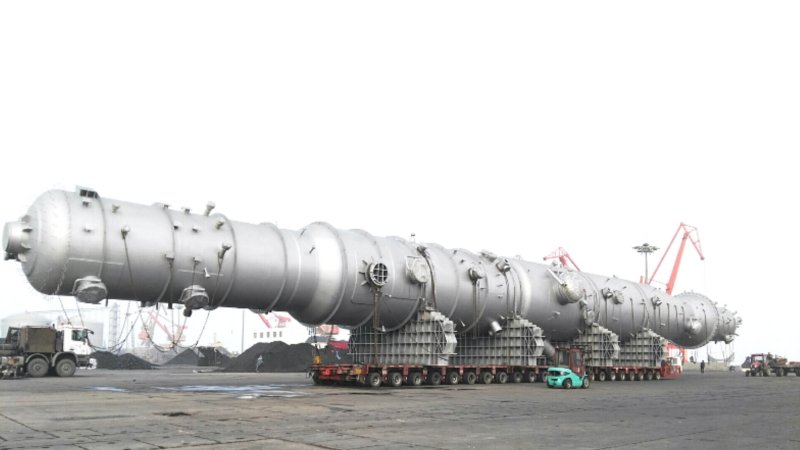
Refinery gas cleaning often requires complete scrubber towers, absorber columns, separators, process vessels, heat exchangers, holding tanks, inspection records, and delivery planning.
Equipment manufacturers should avoid unsupported refinery emission compliance guarantees.True
Manufacturers can fabricate vessels and towers to drawings and specifications, but final compliance depends on process design, gas composition, operating conditions, regulations, controls, and plant operation.
What Is Refinery Gas Cleaning Equipment?
Refinery gas cleaning equipment refers to process equipment used to remove, absorb, separate, or control contaminants from gas streams in refinery and petrochemical operations. Depending on the process, the system may handle acid gases, sulfur compounds, particulates, VOCs, mist, aerosols, corrosive vapors, or contaminated process vents.
In real EPC projects, the equipment scope may include:
- Scrubber towers
- Absorber columns
- Gas-liquid separators
- Knock-out drums
- Process vessels
- Heat exchangers
- Waste liquid holding tanks above 1,000 liters
- Custom fabricated chemical equipment
The exact configuration depends on gas composition, flow rate, temperature, pressure, contaminants, environmental targets, plant layout, and approved process documents. Final equipment design should follow process engineering documents, applicable standards, and local regulatory requirements.
For buyers evaluating complete refinery or petrochemical equipment scope, petrochemical pressure vessels and process towers and columns are often reviewed together.
Why Emission Control Projects Need Complete Equipment Review
A refinery gas cleaning project is usually connected to existing process units, utilities, piping, wastewater handling, and plant safety systems. If one equipment item is not correctly specified, the issue may affect pressure drop, corrosion resistance, inspection access, maintenance schedule, or site installation.
EPC buyers should review gas cleaning equipment as a complete process equipment package rather than selecting isolated items. For example, a scrubber tower may need upstream knock-out protection, downstream mist separation, liquid collection, chemical storage, heat exchange, or wastewater transfer. The equipment should be coordinated according to the complete process design.
This is especially important in brownfield refinery upgrades, where space, tie-in schedule, lifting route, and shutdown windows can strongly influence fabrication and delivery decisions.
| Project Concern | Equipment Impact | Buyer Review Point |
|---|---|---|
| Gas composition | Scrubber chemistry, corrosion risk, material selection, and liquid handling | Provide gas analysis, contaminants, temperature, pressure, and expected operating range |
| Pressure drop | Fan or compressor interfaces, tower internals, separator sizing, and system stability | Confirm allowable pressure drop and downstream equipment constraints |
| Corrosive liquid | Holding tanks, drains, blowdown vessels, coatings, linings, and wastewater interfaces | Define scrubbing liquid, spent solution, condensate, pH, chlorides, and disposal route |
| Brownfield installation | Vessel dimensions, lifting points, nozzle orientation, delivery sequence, and shutdown timing | Share site layout, tie-in limits, lifting route, transport restrictions, and delivery deadline |
Main Applications in Refinery and Petrochemical Plants
Acid Gas and Sulfur-Related Gas Treatment
Refineries may need gas cleaning equipment for acid gas or sulfur-containing streams. Scrubber towers, absorber columns, and related pressure vessels must be reviewed for corrosion, pressure, temperature, gas composition, and liquid handling requirements.
For these services, material selection and corrosion allowance should be confirmed carefully. Buyers should avoid assuming that one material or coating system is suitable for all gas cleaning applications.
Process Vent and Off-Gas Treatment
Process vents and off-gas streams may contain hydrocarbons, acidic components, aerosols, or other contaminants. Gas cleaning equipment can help condition or treat these streams before downstream processing or discharge, depending on plant design.
In these applications, process vessels and separators should be selected according to gas flow, liquid loading, pressure condition, and expected contaminant behavior.
Particulate, Mist, and Aerosol Control
Some refinery gas cleaning systems are designed to reduce particulates, mist, or aerosols. The complete vessel design should consider separation targets, pressure drop limits, liquid drainage, access for inspection, and compatibility with process fluids.
Procurement should focus on the complete fabricated separator or scrubber vessel, including shell, heads, supports, nozzles, testing, coating, and documentation.
Environmental Upgrade and Retrofit Projects
Refinery environmental upgrades often take place inside existing plants. Equipment must fit available space, connect to existing piping, and be delivered within a limited shutdown schedule. For this reason, site dimensions, lifting conditions, and transportation limits should be reviewed before fabrication.
Buyers working on refinery upgrade projects can review pressure vessels for oil and gas and custom process equipment options together.
Key Equipment Types for Refinery Gas Cleaning
Scrubber Towers
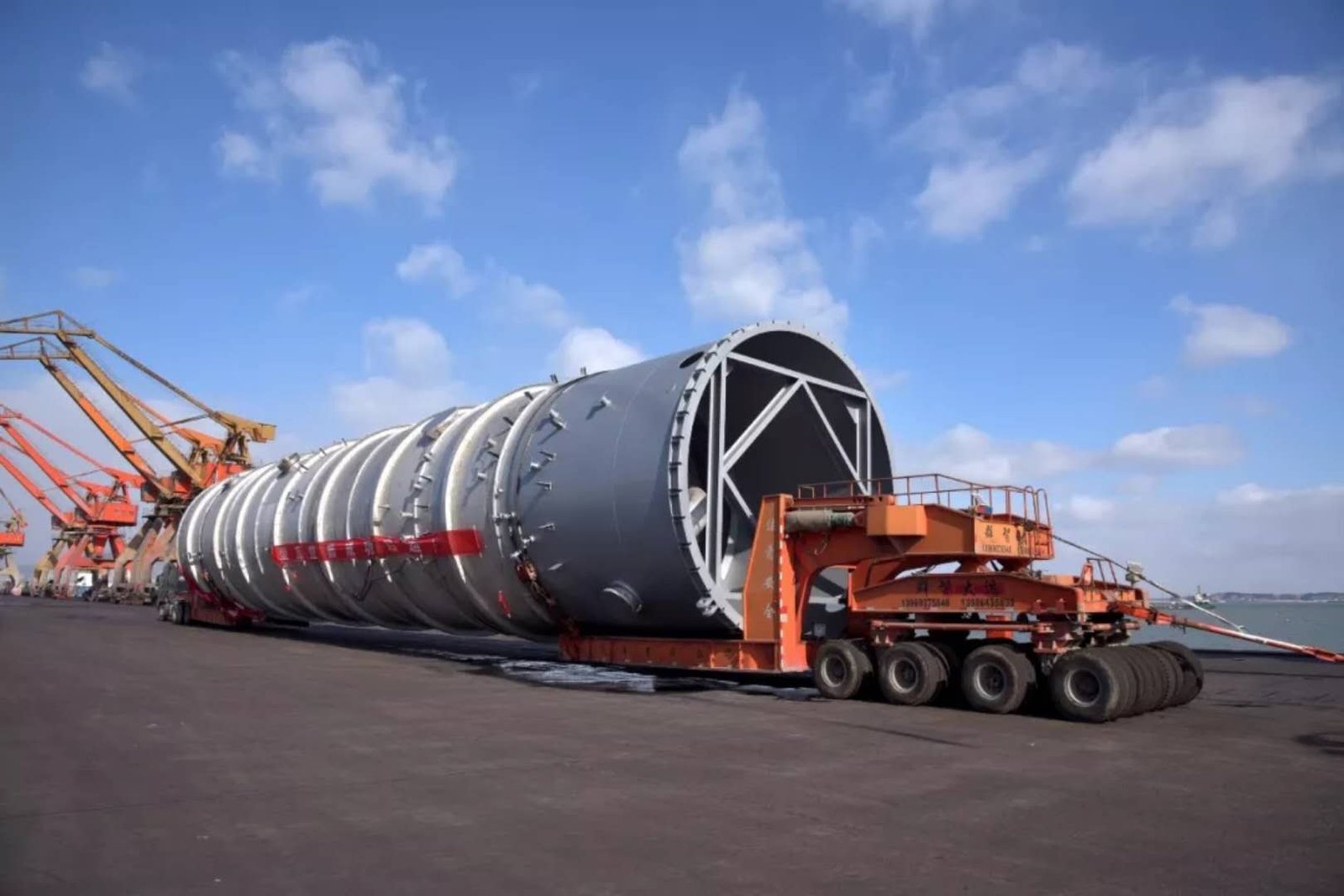
Scrubber towers are widely used for gas-liquid contact in gas cleaning and emission-control systems. They may be designed for absorption, neutralization, quenching, particulate capture, or removal of selected gas contaminants, depending on process design.
When sourcing a scrubber tower, EPC buyers should confirm gas flow rate, liquid flow rate, operating pressure, design pressure, operating temperature, gas composition, liquid chemistry, corrosion allowance, material requirements, inspection scope, and site installation limits.
Absorber Columns and Process Towers
Absorber columns and process towers are used where gas components need to be transferred into a liquid phase or treated through staged contact. In refinery projects, these columns may be large, heavy, and customized for the specific gas-cleaning duty.
For industrial process columns, buyers should confirm column dimensions, design code, tray or packing requirements as project-specified items, support type, nozzle orientation, inspection requirements, and transport boundary. Any internal configuration should follow approved process design documents and be treated as part of the complete column scope.
Gas-Liquid Separators and Knock-Out Drums
Gas cleaning systems often need separators or knock-out drums to remove bulk liquid before or after treatment. These vessels protect downstream equipment, reduce liquid carryover, and stabilize process conditions.
EPC buyers should review vessel size, flow conditions, pressure rating, liquid level control interfaces, drainage requirements, corrosion protection, and inspection scope. The focus should remain on the complete fabricated vessel, not on small internal elements.
Heat Exchangers
Heat exchangers may be required to cool, condense, or condition gas streams before gas cleaning. They may also support heat recovery or utility integration.
When sourcing industrial heat exchangers, buyers should provide heat duty, gas and liquid properties, inlet and outlet temperatures, pressure drop limits, fouling tendency, material requirements, and cleaning expectations.
Waste Liquid Holding Tanks
Gas cleaning systems may generate waste liquid, spent scrubbing solution, or contaminated condensate. Large holding tanks above 1,000 liters may be required before neutralization, wastewater treatment, or disposal.
For these tanks, buyers should confirm medium composition, corrosion protection, capacity, venting, coating, inspection, and delivery boundary. Industrial storage tanks should be specified as complete project equipment, especially when used in chemical or refinery wastewater service.
Equipment Package Review Matrix
| Equipment Category | Typical Role | RFQ Data Needed |
|---|---|---|
| Scrubber towers | Gas-liquid contact for absorption, neutralization, quenching, or selected contaminant control | Gas flow, liquid flow, gas composition, liquid chemistry, pressure, temperature, materials, and internals interface |
| Absorber columns | Staged gas treatment or component transfer into liquid phase | Column dimensions, operating cases, design code, material, nozzle orientation, supports, and inspection scope |
| Separator vessels | Bulk liquid removal, mist control, knock-out protection, and downstream equipment protection | Gas load, liquid load, droplet or mist concern, pressure, temperature, drains, and instrumentation |
| Heat exchangers | Gas cooling, condensation, heat recovery, and process conditioning | Heat duty, fluid properties, pressure drop, fouling risk, cleaning method, material, and testing requirements |
| Holding tanks | Spent scrubbing liquid, condensate, wastewater, or chemical holding above 1,000 liters | Capacity, liquid chemistry, corrosion protection, coating, venting, nozzle layout, and delivery terms |
RFQ Checklist for EPC Buyers
Before requesting a quotation for refinery gas cleaning equipment, buyers should prepare:
- Process flow diagram or equipment arrangement drawing
- Equipment datasheets
- Gas composition and liquid composition
- Gas flow rate and liquid flow rate
- Operating pressure and design pressure
- Operating temperature and design temperature
- Corrosion allowance
- Material requirements
- Internal coating or lining requirements
- External painting specification
- Applicable design code
- NDT and pressure testing requirements
- Documentation requirements
- Site installation limitations
- Transportation and lifting requirements
- Delivery terms and project schedule
If some data is preliminary, it should be clearly marked. For hazardous or corrosive service, assumptions should be reviewed by the project engineering team before final order confirmation.
Material and Corrosion Considerations
Refinery gas cleaning equipment may contact acidic gases, sulfur compounds, chlorides, solvents, alkaline scrubbing solutions, contaminated condensate, or mixed wastewater. These conditions can create significant corrosion risk.
Material selection may involve carbon steel, stainless steel, low-alloy steel, clad construction, rubber lining, internal coating, or other project-specified solutions. The final choice should be based on gas composition, liquid chemistry, temperature, pressure, corrosion allowance, maintenance plan, and applicable standards.
The manufacturer can support fabrication feasibility review, but final corrosion strategy should be confirmed by the project owner, engineering contractor, and applicable specifications.
Manufacturing and Quality Control Review
Drawing and Fabrication Review
Custom refinery gas cleaning equipment should be reviewed for shell thickness, head type, support structure, nozzle orientation, lifting lugs, manways, inspection openings, weld details, and transport dimensions. These details affect fabrication quality and site installation.
Welding and NDT
Welding quality is important for scrubber towers, pressure vessels, separators, and heat exchangers. Depending on the equipment and design code, inspection may include visual inspection, radiographic testing, ultrasonic testing, magnetic particle testing, penetrant testing, hydrostatic testing, or leak testing.
Coating, Lining, and Surface Protection
Because gas cleaning service may be corrosive, coating and lining requirements should be confirmed before fabrication completion. Surface preparation, coating system, curing, holiday testing where applicable, and export protection should be included in the quality plan if required by the project.
Delivery and Site Coordination
Refinery upgrade projects may have limited installation windows. EPC buyers should confirm equipment dimensions, lifting weight, shipping supports, packing method, port delivery, site route, and shutdown schedule before shipment.
Common Procurement Mistakes
Buying Equipment Without Complete Process Data
Gas cleaning performance depends on gas composition, flow rate, temperature, pressure, and liquid chemistry. Without this information, equipment sizing and material review may be unreliable.
Treating Environmental Compliance as a Supplier Claim
Equipment manufacturers can fabricate vessels, towers, and tanks according to drawings and specifications, but final environmental compliance depends on process design, operating conditions, regulatory limits, and plant operation. Buyers should avoid unsupported compliance claims.
Ignoring Corrosive Liquid Handling
Scrubbing systems often create corrosive waste liquid or contaminated condensate. Holding tanks, drainage vessels, and wastewater interfaces should be reviewed as part of the complete system.
Underestimating Brownfield Installation Limits
In refinery retrofit projects, space and lifting restrictions can be just as important as equipment design. Early layout review can prevent late-stage fabrication or installation changes.
FAQ
What equipment is used in refinery gas cleaning systems?
A refinery gas cleaning system may include scrubber towers, absorber columns, gas-liquid separators, knock-out drums, heat exchangers, process vessels, and large waste liquid holding tanks.
What information is needed for a scrubber tower quotation?
Buyers should provide gas flow rate, gas composition, liquid chemistry, operating pressure, design pressure, temperature, material requirements, corrosion allowance, inspection scope, and delivery terms.
Can a manufacturer guarantee refinery emission compliance?
Equipment manufacturers can fabricate equipment according to drawings and specifications, but final emission compliance depends on process design, operating conditions, regulatory limits, monitoring, controls, and plant operation.
Why is corrosion protection important in gas cleaning equipment?
Gas cleaning equipment may contact acidic gases, sulfur compounds, chlorides, alkaline solutions, or contaminated condensate. Material, lining, and coating should be selected according to actual service conditions.
Should refinery gas cleaning equipment be purchased as separate parts or complete equipment?
For EPC projects, it is usually better to review complete fabricated equipment such as scrubber towers, separators, vessels, heat exchangers, and holding tanks, rather than sourcing minor components separately.
Conclusion
Refinery gas cleaning equipment plays an important role in emission control, acid gas treatment, process vent handling, and environmental upgrades. EPC buyers should evaluate scrubber towers, absorber columns, separators, heat exchangers, process vessels, and large holding tanks as complete project equipment rather than isolated parts.
If you are preparing procurement for a refinery gas cleaning, petrochemical emission-control, or environmental upgrade project, you can share drawings, datasheets, gas composition, liquid chemistry, and delivery requirements with our engineering team. WSHI can support manufacturing feasibility review for scrubber towers, pressure vessels, heat exchangers, separators, industrial storage tanks, and related custom process equipment.
CTA: Discuss your project requirements or download the pressure vessel catalog.