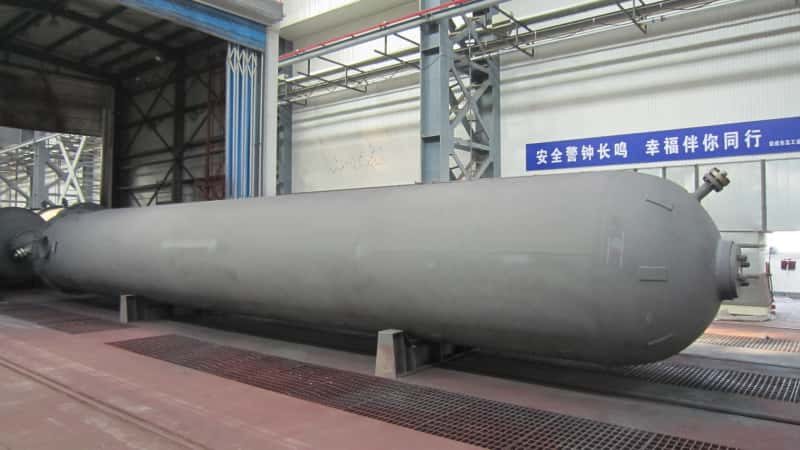

Material selection is one of the most important decisions when ordering large industrial storage tanks above 1,000 liters. For EPC contractors, chemical plants, petrochemical projects, wastewater treatment facilities and industrial buyers, the tank material affects corrosion resistance, service life, fabrication feasibility, inspection requirements, coating design, delivery risk and long-term maintenance cost.
This guide explains how to choose materials for large storage tanks used in industrial projects. It focuses on complete fabricated tanks and pressure storage vessels, not small tanks, accessories or individual components. Final material selection should always be confirmed according to actual medium, operating conditions, project specifications and applicable standards.
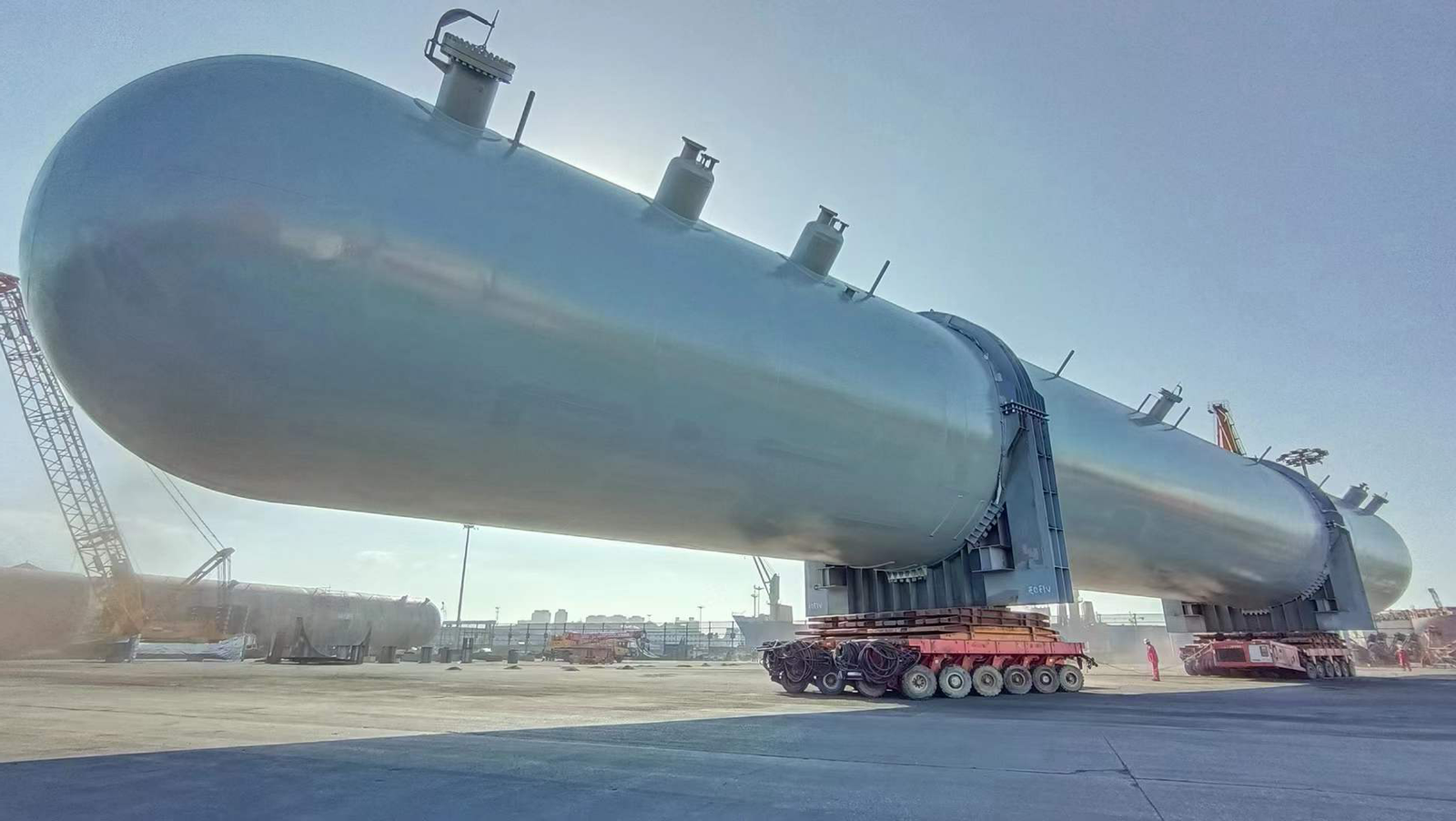
Large storage tank material selection should start with the stored medium, pressure, temperature and corrosion risk.True
Two tanks with similar volume can require very different materials, coatings, linings, wall thickness, inspection scope and documentation depending on service conditions.
All storage tanks above 1,000 liters can be treated as the same atmospheric tank category.False
Some large tanks are atmospheric or low-pressure tanks, while LPG and certain chemical storage duties may require pressure-vessel-level design, welding, testing and documentation review.
Why Storage Tank Material Selection Matters
Large industrial storage tanks are often used for chemicals, hydrocarbons, LPG-related media, wastewater, condensate, process liquids, solvents, acids, alkalis, feedstock and intermediate products. Even when two tanks look similar from the outside, their material requirements may be very different.
A tank storing neutral water may not require the same material as a tank storing chloride-containing wastewater. A tank for petrochemical feedstock may have different vapor pressure, coating, grounding, fire safety and inspection requirements from a tank used for alkaline process liquid. A pressure-containing storage vessel also requires a different level of mechanical design and inspection than an atmospheric storage tank.
For this reason, EPC buyers should treat tank material selection as an engineering decision, not only a purchasing decision. Buyers evaluating industrial storage tanks or custom pressure storage tanks should prepare enough process and site data before requesting a quotation.
Start With the Stored Medium
The stored medium is the first factor in choosing tank material. Buyers should provide:
- Chemical name and concentration
- Liquid, gas or liquefied gas phase
- Density and viscosity
- pH value
- Chloride content
- Sulfur or acid gas content
- Solvent content
- Solid particles or sludge content
- Operating temperature
- Possible contamination or batch variation
For mixed wastewater or process liquid, average data may not be enough. EPC buyers should provide normal, maximum and abnormal conditions where available. Material that works for one batch may be unsuitable when concentration, temperature or contaminants increase.
Match Material to Pressure and Temperature
Atmospheric and Low-Pressure Tanks
Atmospheric and low-pressure tanks may be used for many liquid storage applications. Material selection still matters because corrosion, external weathering, internal lining and foundation conditions can affect tank life.
API Standard 650 is widely associated with welded tanks for oil storage. Buyers should confirm whether API 650, an owner specification or another tank standard applies to the project.
Pressurized Storage Vessels
Pressurized storage vessels are commonly used when the medium must be contained under pressure. LPG storage and certain industrial gas or chemical applications may fall into this category.
For pressure-containing equipment, ASME BPVC Section VIII is often referenced for pressure vessel design, fabrication, inspection and testing. The final applicable code should be confirmed by the project engineering team and local regulations.
Buyers sourcing LPG storage tanks or other pressure storage vessels should clearly define design pressure, design temperature, medium composition and inspection requirements before fabrication.
Common Material Options for Large Industrial Storage Tanks
| Material option | Where it may fit | Buyer cautions |
|---|---|---|
| Carbon steel | Water, oil, neutral chemicals, utility fluids and many general industrial services | May require corrosion allowance, lining, internal coating or external painting depending on service |
| Stainless steel | Certain chemical, solvent, cleaner-service, pharmaceutical or food-related storage applications | Grade selection depends on chlorides, temperature, acidity and cleaning method |
| Low-alloy steel | Selected pressure, temperature or mechanical service requirements | Welding, heat treatment and inspection requirements may be more demanding |
| Lined or coated steel | Corrosive services where steel provides strength and lining provides chemical resistance | Lining must match medium, temperature, abrasion, cleaning and inspection plan |
Carbon steel may be economical and fabricable, but it should not be selected only because it is low cost. Stainless steel may offer better corrosion resistance in some services, but it is not automatically suitable for every corrosive medium. Lined or coated tanks can be useful, but the lining system needs its own inspection and quality-control plan.
Corrosion Protection: What Buyers Should Confirm
Corrosion protection is a major risk area in large storage tank procurement. EPC buyers should not treat coating as a late-stage detail.
- Corrosion allowance
- Internal lining or coating
- External coating system
- Surface preparation grade
- Dry film thickness
- Outdoor or indoor installation
- Coastal or chemical plant environment
- Insulation and corrosion-under-insulation risk
- Maintenance and inspection access
For chemical storage tanks and wastewater holding tanks, corrosion risk may come from both the stored medium and the external environment. Tanks installed near coastal ports, chemical plants or outdoor industrial areas may need more robust external protection.
Material Selection by Application
Chemical Storage Tanks Above 1,000L
Chemical storage tanks should be selected according to chemical compatibility, concentration, temperature, vapor behavior and corrosion risk. Buyers should provide the full chemical name and concentration instead of using broad terms such as acid, alkali or solvent.
Petrochemical Storage Tanks
Petrochemical tanks may store hydrocarbons, process liquids, feedstock or intermediates. Material selection should consider flammability, vapor pressure, grounding, coating, inspection and safety requirements. Buyers can review petrochemical pressure vessels when the tank is part of a larger refinery or petrochemical equipment package.
Industrial Wastewater Holding Tanks
Wastewater tanks above 1,000L may handle acidic, alkaline, high-salt, oily or mixed waste streams. Material and lining selection should be based on wastewater analysis, not only tank volume. The EPA industrial wastewater overview can provide useful environmental context for industrial wastewater handling, while final equipment decisions should follow project specifications.
LPG and Pressurized Gas Storage
LPG and pressurized gas storage require pressure vessel level review. Material selection, welding quality, NDT, pressure testing, support design and export delivery should all be confirmed before ordering.
Manufacturing and Delivery Risks Related to Material Choice
Welding Feasibility
Different materials require different welding procedures, filler materials, heat input control and inspection requirements. Stainless steel, clad structures and low-alloy steels may require more careful welding control than ordinary carbon steel.
Plate Availability
Large tanks may require thick plates or special material grades. If material availability is not confirmed early, procurement lead time may increase. EPC buyers should confirm whether the selected material is available in the required thickness and size.
Forming and Dimensional Control
Material strength and thickness affect rolling, forming and assembly. Large-diameter tanks, horizontal bullet tanks and pressure storage vessels require dimensional control during fabrication.
Inspection and Documentation
Material selection affects the inspection plan. Depending on the tank type and applicable code, inspection may include material certificate review, weld map, visual inspection, radiographic testing, ultrasonic testing, magnetic particle testing, penetrant testing, hydrostatic testing, leak testing, coating reports and final data book.
Transport and Site Installation
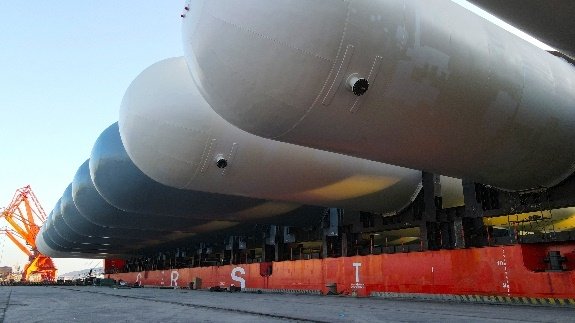
Large tanks must be manufacturable, transportable and installable. Material thickness and design pressure affect tank weight, lifting method, shipping saddle design and route feasibility.
RFQ Checklist for Material Selection
| RFQ item | Why it matters |
|---|---|
| Tank capacity above 1,000L | Confirms the project belongs to large industrial tank procurement rather than small container purchasing |
| Stored medium and concentration | Defines material compatibility, corrosion risk and coating or lining needs |
| Pressure and temperature conditions | Clarifies atmospheric, low-pressure or pressure-vessel-level design requirements |
| Material requirement or preferred grade | Allows fabrication feasibility and plate availability review |
| Corrosion allowance and coating | Prevents under-specified corrosion protection and late coating changes |
| Installation environment | Supports external coating, weathering, coastal and chemical-plant exposure review |
| Applicable design code | Defines engineering, welding, testing and documentation basis |
| NDT, testing and documents | Supports EPC quality review, inspection planning and final handover |
| Delivery destination and transport limits | Helps review tank size, weight, lifting and route constraints before fabrication |
If material is not finalized, buyers can ask the manufacturer to review fabrication feasibility, but final material selection should be confirmed by the project engineering team.
Common Mistakes to Avoid
Choosing Material Only by Price
A lower material cost can create higher coating cost, maintenance risk or shorter service life if the medium is corrosive.
Ignoring Chlorides and Temperature
Chloride content and temperature can strongly influence corrosion behavior, especially for stainless steels and wastewater service.
Treating All Storage Tanks as Atmospheric Tanks
Some storage tanks are pressure-containing vessels. Pressure service requires stricter design, welding, inspection and testing review.
Leaving Coating Decisions Too Late
Coating and lining should be part of early procurement planning. Late changes may affect fabrication schedule and quality inspection.
FAQ
What material is commonly used for large industrial storage tanks?
Carbon steel, stainless steel, low-alloy steel, lined steel or coated steel may be used depending on medium, pressure, temperature, corrosion risk and project specifications.
How do I choose the right material for a chemical storage tank?
Start with the chemical name, concentration, temperature, pressure, pH, chloride content and corrosion behavior. Final selection should be confirmed by the project engineering team.
Are storage tanks above 1,000L always pressure vessels?
No. Some are atmospheric or low-pressure tanks, while others are pressure-containing vessels. Classification depends on design pressure, medium and applicable standards.
Why is coating important for large storage tanks?
Coating or lining can protect the tank from internal corrosion, external weathering or chemical plant environments. It should be selected according to actual service conditions.
What should buyers provide before requesting a tank quotation?
Buyers should provide drawings, datasheets, tank volume, medium, pressure, temperature, material requirements, corrosion allowance, coating specification, inspection requirements and delivery terms.
Conclusion
Choosing materials for large industrial storage tanks above 1,000L requires careful review of medium compatibility, pressure, temperature, corrosion, coating, fabrication, inspection and delivery risks. EPC buyers should prepare complete process data before ordering and avoid treating storage tanks as simple commodity containers.
If you are sourcing large chemical storage tanks, LPG pressure storage vessels, wastewater holding tanks or other industrial storage equipment above 1,000 liters, you can share drawings, datasheets, stored medium, operating conditions and delivery requirements with our engineering team. WSHI can support manufacturing feasibility review for large storage tanks, pressure vessels and related custom process equipment.