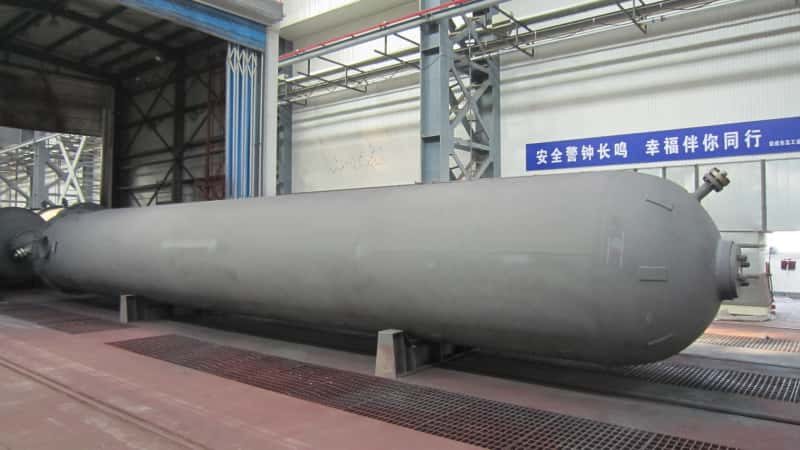

A knock-out drum is a pressure vessel used to remove bulk liquid, condensate or entrained droplets from a gas stream before the gas enters downstream equipment. In chemical plants, gas processing units, hydrogen systems, syngas lines, refinery off-gas treatment and compressor stations, the knock-out drum helps protect compressors, heat exchangers, scrubbers, reactors and purification equipment from liquid carryover.
For EPC buyers, a knock-out drum should be treated as complete pressure equipment, not as a small separation part. Correct procurement requires process data, vessel orientation, material selection, corrosion review, inspection requirements and delivery planning.
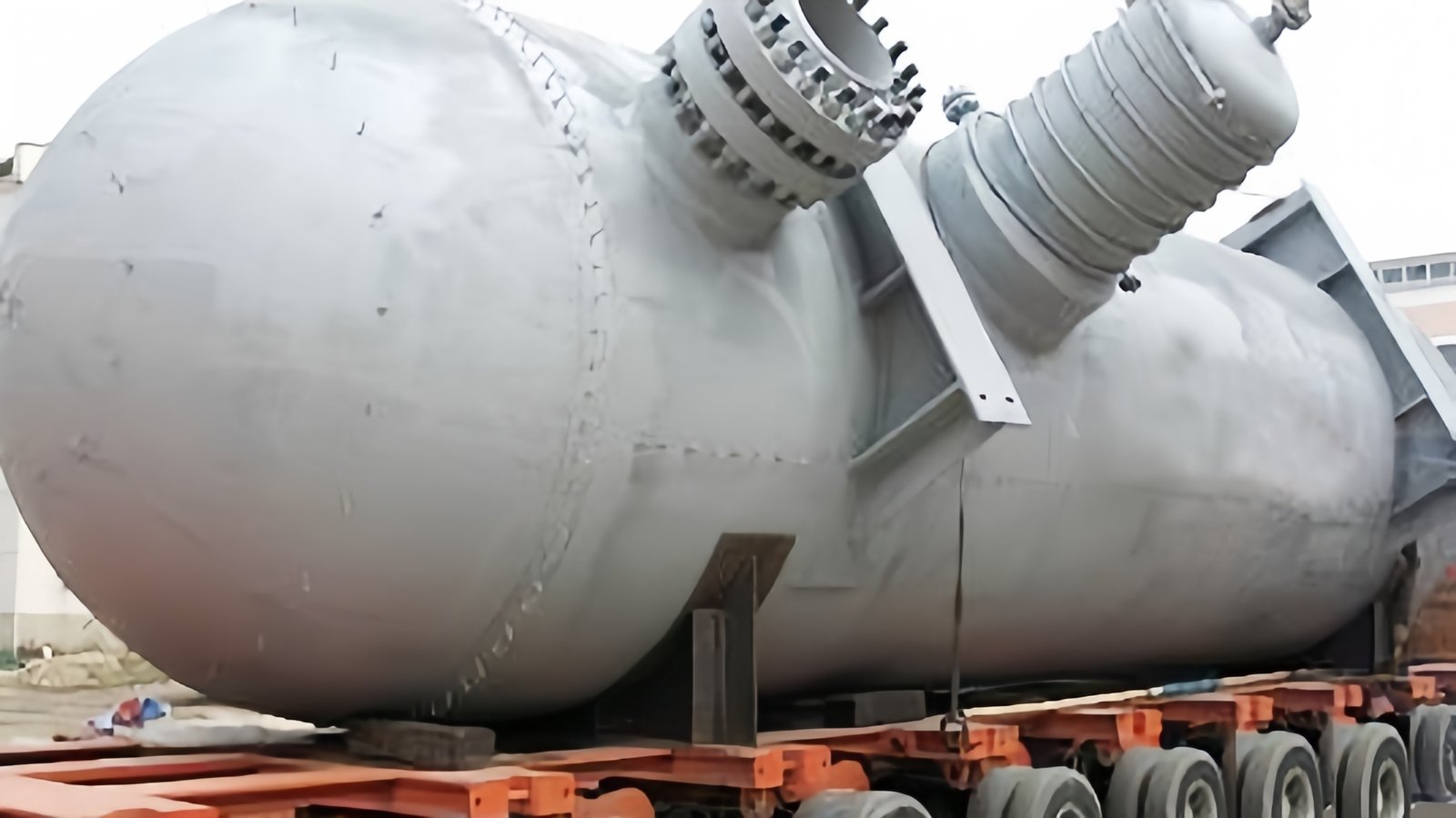
A knock-out drum should be specified as a complete pressure vessel package, not only as a separation internal.True
EPC procurement should include the vessel shell, heads, nozzles, supports, inspection openings, testing, coating, documentation and any internals within the approved vessel scope.
Gas flow alone is enough to request a reliable knock-out drum quotation.False
Liquid loading, gas and liquid composition, pressure, temperature, corrosion risk, orientation, inspection scope and delivery limits are also needed for meaningful review.
What Does a Knock-Out Drum Do?
A knock-out drum separates liquid from gas by reducing velocity and allowing liquid droplets to fall out of the gas stream. Depending on the project, it may remove water, hydrocarbon condensate, solvent droplets, chemical liquid, scrubber liquid, oil mist or process condensate.
Common purposes include:
- Compressor inlet protection
- Bulk liquid removal before gas treatment
- Condensate separation after cooling
- Gas-liquid separation before purification
- Protection of downstream heat exchangers or reactors
- Collection of liquid from process vents or off-gas streams
In many projects, buyers review knock-out drums together with custom pressure vessels, scrubber towers, heat exchangers and other process vessels.
Where Are Knock-Out Drums Used?
Natural Gas and Gas Processing
Gas processing systems often use knock-out drums to remove condensate or water before compression, dehydration, purification or pipeline transfer. For this application, buyers may review pressure vessels for oil and gas as part of the complete gas handling package.
Chemical and Petrochemical Plants
Chemical plants use knock-out drums after coolers, condensers, reactors, scrubbers or process vents. The vessel must match actual gas composition, liquid loading, corrosion condition and pressure class.
Hydrogen and Syngas Systems
Hydrogen, syngas and industrial gas projects may require knock-out drums before purification, drying, compression or downstream synthesis. For these services, material compatibility, leak-tightness expectations and safety review should be handled carefully according to project specifications.
Environmental Gas Treatment
Scrubber systems and emission-control units may use knock-out drums to remove entrained scrubbing liquid or condensate. These vessels are often procured with scrubber towers and related gas cleaning equipment.

Key Selection Factors for EPC Buyers
| Selection factor | What buyers should provide | Why it matters |
|---|---|---|
| Gas flow rate | Normal, minimum, maximum, startup, shutdown and upset cases | Supports vessel sizing and downstream protection review |
| Liquid loading | Liquid type, density, viscosity, quantity and condensate behavior | Defines hold-up, drainage, level control and separation duty |
| Pressure and temperature | Operating and design conditions, including possible vacuum | Defines pressure-vessel design, material grade and testing basis |
| Gas and liquid composition | Hydrocarbons, hydrogen, CO2, H2S, ammonia, chlorides, solvents and moisture | Guides corrosion allowance, materials and safety review |
| Orientation | Vertical or horizontal preference and layout constraints | Affects plot space, liquid volume, residence time and delivery route |
| Inspection scope | NDT, pressure testing, coating, documentation and third-party inspection requirements | Prevents quotation gaps and fabrication-stage disputes |
Vertical or Horizontal Configuration
Vertical knock-out drums may suit limited plot space or moderate liquid hold-up. Horizontal knock-out drums may be selected when larger liquid volume, longer residence time or higher gas flow is required. The choice should be based on process data and layout constraints.
| Configuration | Typical fit | Review points |
|---|---|---|
| Vertical knock-out drum | Compact layout, moderate liquid hold-up, limited plot space | Height, drainage, platform access, level instrumentation and transport clearance |
| Horizontal knock-out drum | Higher liquid load, longer residence time or larger gas flow | Footprint, saddle support, liquid inventory, lifting weight and route limits |
Pressure Vessel Codes and Supplier Capability
A knock-out drum is often a pressure vessel. Buyers should define operating pressure, design pressure, possible vacuum condition, operating temperature and design temperature. ASME BPVC Section VIII is commonly referenced for pressure vessels, but the final applicable code should follow project and local requirements.
When evaluating a manufacturer, EPC buyers may also review the ASME Boiler and Pressure Vessel Certification page for code-related manufacturing context, while final qualification should be confirmed through actual certificates, project references and inspection documents.
Manufacturing and Delivery Considerations
A knock-out drum should be purchased as a complete vessel scope, including shell, heads, supports, nozzles, lifting points, inspection openings, coating, testing and documentation. These interface details are important, but they should remain part of the full equipment package rather than becoming standalone small-part procurement.
Buyers should also confirm welding requirements, NDT scope, pressure testing method, surface treatment, packing, shipping saddles, lifting weight, transport dimensions and site access. Large vessels may require early logistics review before drawings are released for fabrication.

RFQ Checklist for Knock-Out Drum Vessels
- Process flow diagram
- Equipment datasheet
- Gas flow rate
- Liquid loading
- Gas and liquid composition
- Operating pressure and design pressure
- Operating temperature and design temperature
- Required vessel orientation
- Material requirements
- Corrosion allowance
- NDT and testing requirements
- Coating or painting specification
- Documentation requirements
- Delivery terms and site limitations
Common Procurement Mistakes
Treating It as a Simple Drum
A knock-out drum may look simple, but it is usually pressure equipment. Incorrect pressure rating, material or inspection scope can create project risk.
Sending Incomplete Process Data
Gas flow alone is not enough. Liquid loading, gas composition, pressure, temperature and corrosion data are needed for meaningful review.
Focusing on Internal Items Instead of the Vessel
For EPC projects, the complete fabricated pressure vessel matters most. Internal details should follow approved drawings and be reviewed within the complete vessel scope.
Ignoring Transportation Limits
Diameter, length, weight and lifting method can affect delivery and site installation. These should be checked early.
FAQ
What is a knock-out drum used for?
A knock-out drum removes bulk liquid, condensate or entrained droplets from a gas stream before downstream equipment.
Is a knock-out drum a pressure vessel?
In many industrial gas and chemical applications, yes. It should be reviewed according to applicable pressure vessel codes and project specifications.
What data is needed for a knock-out drum quotation?
Buyers should provide gas flow, liquid loading, composition, pressure, temperature, material requirements, inspection scope and delivery terms.
Should I choose a vertical or horizontal knock-out drum?
The choice depends on gas flow, liquid volume, residence time, plot space, maintenance access and project layout.
Can I purchase only internal separation parts?
This article focuses on complete knock-out drum vessel procurement. Internal details should be reviewed as part of the full vessel scope.
Conclusion
A knock-out drum plays an important role in chemical and gas processing projects by removing bulk liquid from gas streams and helping protect downstream equipment. EPC buyers should review process conditions, liquid loading, pressure, temperature, material, corrosion allowance, inspection scope and delivery requirements before ordering.
If you are sourcing knock-out drum vessels for a chemical, petrochemical, natural gas, hydrogen, syngas or environmental project, you can share drawings, datasheets, process conditions and delivery requirements with our engineering team. WSHI can support manufacturing feasibility review for complete knock-out drums and related custom pressure vessels.