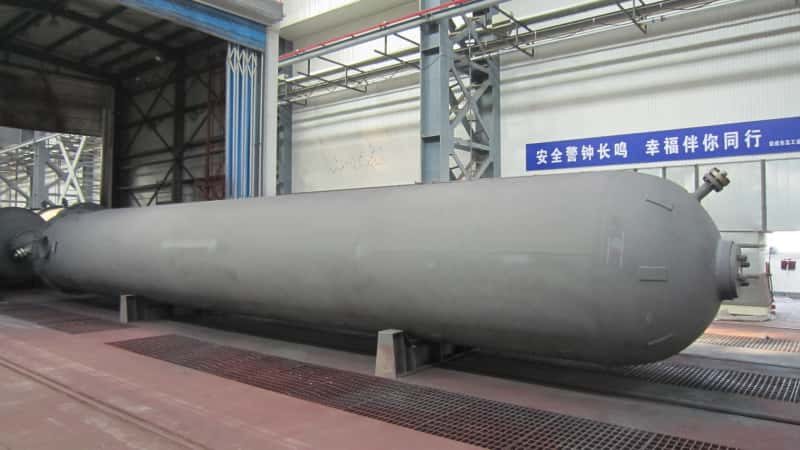

ASME PVP 2026, held in Anaheim from July 19-24, 2026, highlighted pressure vessels, piping, materials, high-pressure technology and weld performance in the energy sector. For EPC buyers, this industry focus points to a practical procurement issue: pressure vessel quality is not determined only by wall thickness or price. Welding control, nondestructive examination, pressure testing, documentation and delivery preparation all affect whether a vessel can be accepted and installed without costly delays.
This article explains what EPC contractors, project owners and industrial buyers should review when sourcing custom pressure vessels for energy, petrochemical, hydrogen, LPG, chemical and environmental projects. The focus is complete pressure vessel procurement, not small parts or standalone accessories.

Why Welding and NDE Matter in Pressure Vessel Procurement
Pressure vessels are often used in demanding services involving pressure, temperature, flammable media, corrosive fluids, hydrogen, LPG, process gas, chemicals or wastewater. A vessel may be designed correctly on paper, but fabrication quality determines whether the final equipment meets the project specification.
Welding and NDE affect:
- Pressure boundary integrity
- Weld quality traceability
- Project inspection acceptance
- Pressure test readiness
- Site installation schedule
- Long-term maintenance planning
- Final documentation handover
When buying custom pressure vessels, EPC teams should review welding and inspection requirements during the RFQ stage, not after fabrication is complete. ASME also provides broader references for Boiler and Pressure Vessel Code standards, while the exact project code basis should be confirmed by the owner, EPC contractor and qualified engineers.
What EPC Buyers Should Confirm Before Fabrication
Approved Drawings and Welding Scope
The approved drawing should define design pressure, design temperature, material, thickness, weld details, nozzle orientation, supports, lifting points and testing requirements. Buyers should confirm which welds are part of the pressure boundary and which inspection methods apply.
For large custom vessels, drawing revision control is important. Fabrication should follow the final approved revision, and any change should be recorded before production proceeds.
Material Traceability
Welding quality begins with material control. EPC buyers should request material certificates for plates, forgings, pipes, flanges and other pressure-boundary materials according to project requirements.
For energy and chemical projects, material traceability helps connect the final vessel with heat numbers, material grades, purchase specifications and inspection documents.
Welding Procedure and Welder Qualification
Pressure vessel welding should follow qualified welding procedures and qualified welders according to the applicable code and project specification. ASME’s Boiler and Pressure Vessel Certification information is a useful background reference for understanding how pressure vessel certification programs connect with design, fabrication, assembly and inspection quality systems.
Buyers should not treat welding as a generic workshop activity. Welding procedure requirements, heat input control, preheat, post-weld heat treatment and repair procedures may all affect quality and schedule.
Common NDE Methods for Pressure Vessels
NDE, also called NDT in many procurement documents, is used to examine welds and materials without damaging the equipment. The exact method and percentage should be defined by code, vessel service, drawings and project specification.
Visual Inspection
Visual inspection is basic but important. It checks surface condition, weld appearance, fit-up, dimensions and visible discontinuities. It is usually performed throughout fabrication.
Radiographic Testing
Radiographic testing may be used to examine weld internal quality. It can help identify certain internal discontinuities, depending on weld type, thickness and acceptance criteria.
Ultrasonic Testing
Ultrasonic testing is often used for welds or materials where internal examination is required. It may be selected according to vessel thickness, weld configuration and project specification.
Magnetic Particle and Penetrant Testing
Magnetic particle testing and penetrant testing are commonly used for surface or near-surface discontinuities. The suitable method depends on material type and inspection requirement.
Hydrostatic or Pneumatic Testing
Pressure testing is not the same as NDE, but it is a critical quality verification step. Hydrostatic testing is commonly used for pressure vessels, while pneumatic testing may be specified in some cases with additional safety considerations. The method should follow applicable code and project requirements.

Applications in Energy and Chemical Projects
Petrochemical and Refinery Projects
Refinery and petrochemical projects often involve reactors, separators, drums, heat exchangers, storage vessels and process columns. Buyers reviewing petrochemical pressure vessels should confirm welding, NDE and documentation scope before production.
Hydrogen and New Energy Projects
Hydrogen-related equipment may require careful review of material compatibility, pressure, leakage expectations and inspection planning. Buyers can review pressure vessels for new energy when preparing procurement for hydrogen, methanol, ammonia or low-carbon chemical projects.
LPG and Liquefied Gas Storage
Large LPG and liquefied gas storage vessels require strict welding quality, pressure testing and delivery review. When sourcing LPG storage tanks, buyers should define design code, inspection scope, test requirements and export delivery boundary.
Heat Exchangers and Process Towers
Welding and NDE also apply to industrial heat exchangers and process towers and columns. For project packages, inspection planning should be coordinated across all pressure equipment.
RFQ Checklist for Welding and NDE Review
Before requesting a quotation, EPC buyers should prepare:
- Approved drawings or preliminary drawings
- Equipment datasheets
- Design pressure and design temperature
- Material requirements
- Applicable design code
- Welding requirements
- Heat treatment requirements, if any
- NDE method and percentage
- Acceptance criteria
- Pressure test requirements
- Third-party inspection requirements
- Documentation and data book requirements
- Coating or painting specification
- Delivery terms and site limitations
If some information is preliminary, it should be clearly marked. Welding and NDE assumptions should be reviewed before purchase order release.
Common Procurement Mistakes
Treating NDE as a Late-Stage Add-On
NDE requirements affect production planning, cost, schedule and documentation. Adding inspection requirements after welding has started can create delay and rework.
Comparing Suppliers Only by Price
A lower price may not include the same welding control, NDE scope, documentation package, coating requirement or delivery preparation. Buyers should compare technical scope, not just total price.
Missing Hold Points
Some projects require owner or third-party witness points during material inspection, welding, NDE, pressure testing or final inspection. These should be defined before fabrication.
Ignoring Documentation
NDE reports, pressure test records, material certificates and weld maps are part of project delivery. Missing documents can delay handover even if the vessel is physically complete.
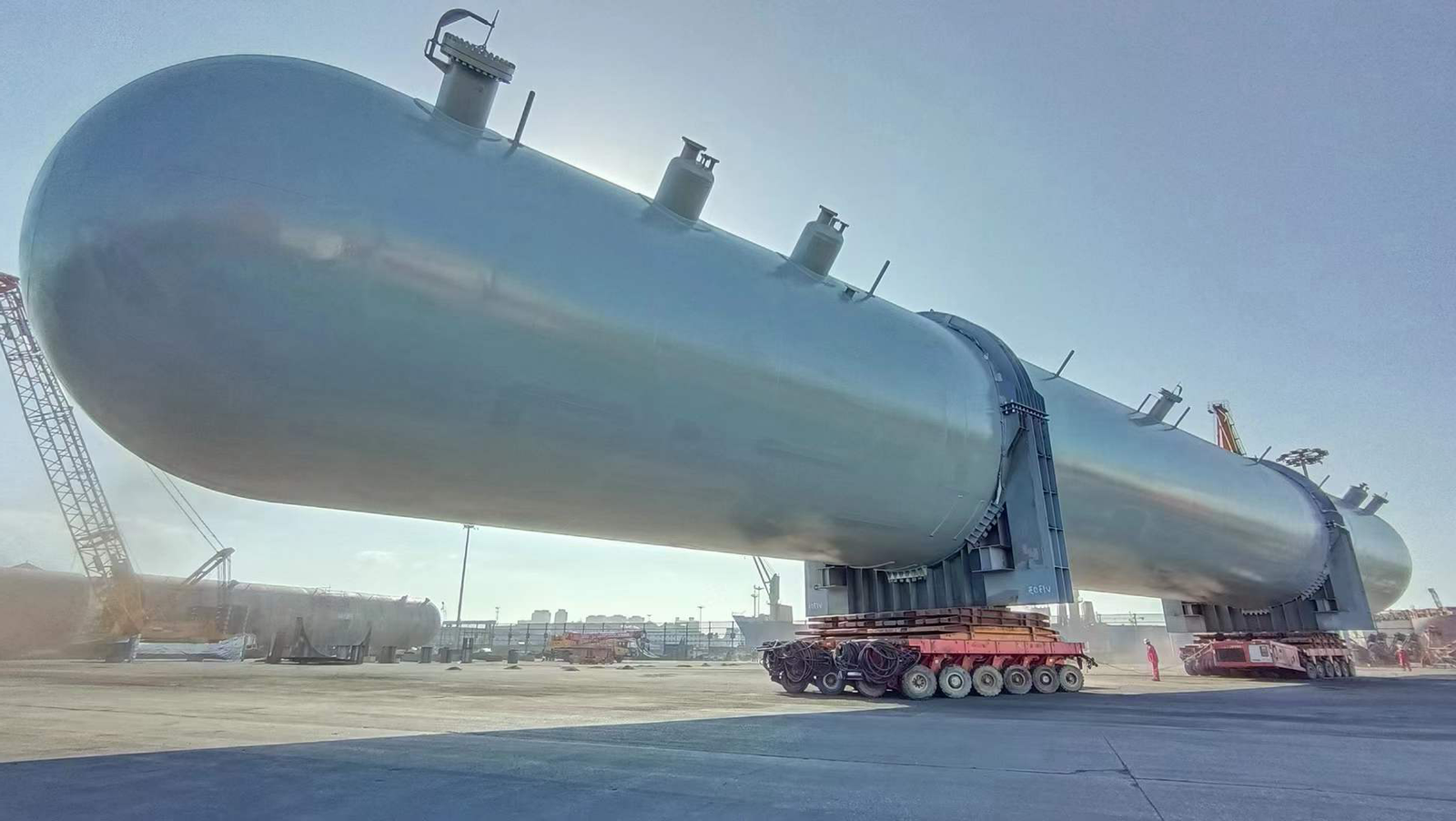
Why Manufacturer Capability Matters
A capable manufacturer should coordinate engineering review, material procurement, welding, NDE, pressure testing, coating and delivery documentation as one complete manufacturing process. For large non-standard equipment, this coordination matters because each project may involve different materials, pressures, inspection requirements and shipment constraints.
WSHI manufactures large custom pressure vessels, heat exchangers, process towers, storage tanks and non-standard chemical equipment for industrial projects. Buyers can also download the pressure vessel catalog before preparing a detailed inquiry.
FAQ
What is NDE in pressure vessel manufacturing?
NDE means nondestructive examination. It is used to inspect welds or materials without damaging the vessel. Common methods include RT, UT, MT, PT and visual inspection.
When should EPC buyers define NDE requirements?
NDE requirements should be defined during RFQ and purchase order review, before fabrication begins.
Is pressure testing the same as NDE?
No. Pressure testing verifies pressure containment under specified test conditions, while NDE examines weld or material quality without damaging the equipment.
What documents should buyers request after welding and NDE?
Buyers may request weld maps, NDE reports, material certificates, pressure test records, dimensional inspection reports and final data books.
Can one NDE scope fit every pressure vessel project?
No. NDE scope depends on design code, vessel service, material, thickness, weld type, project specification and regulatory requirements.
Conclusion
Pressure vessel welding and NDE are critical procurement review points for energy and chemical projects. EPC buyers should define welding requirements, NDE scope, testing, inspection hold points, documentation and delivery expectations before fabrication begins.
If you are sourcing custom pressure vessels, heat exchangers, towers or large storage equipment for an energy, petrochemical, hydrogen, LPG or chemical project, you can share drawings, datasheets, inspection requirements and delivery terms with our engineering team. WSHI can support manufacturing feasibility review for complete custom pressure equipment.