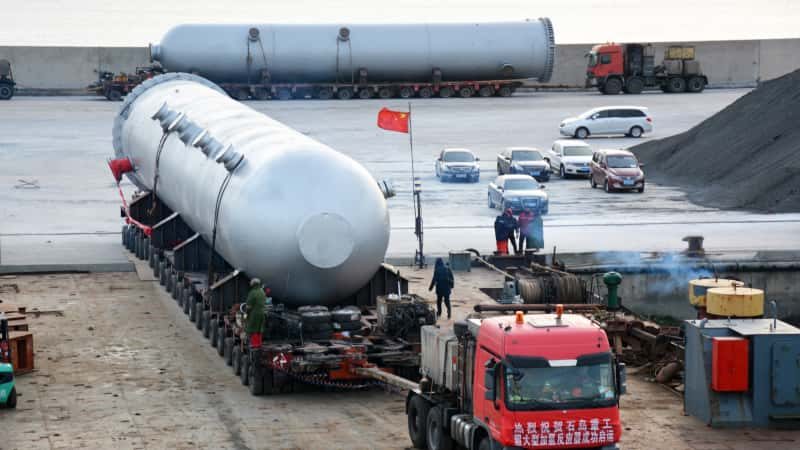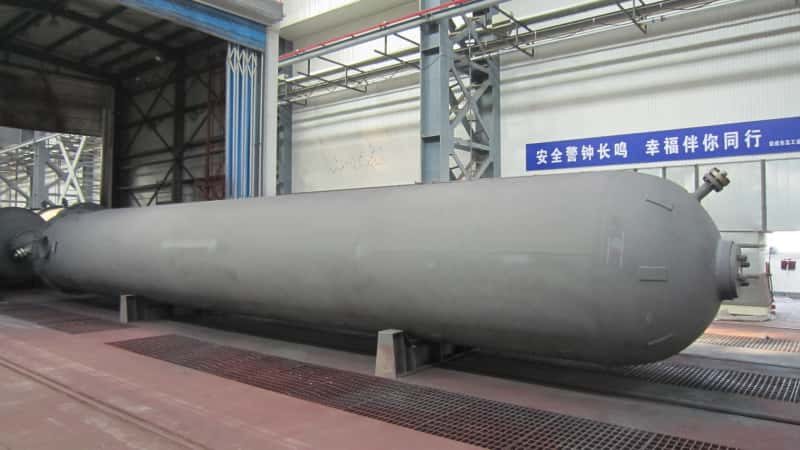

Refinery turnaround periods are often the best window to inspect, repair, replace, or upgrade critical static equipment. For EPC buyers, maintenance planners, and refinery project teams, the challenge is not only finding replacement vessels quickly. It is deciding which heat exchangers, pressure vessels, separators, towers, and storage equipment should be reviewed before the outage window becomes too tight.
Recent refinery news keeps this topic relevant. MarketScreener carried a Reuters item reporting restart planning around Kuwait’s Al-Zour refinery crude units in August 2026. Hydrocarbon Processing’s refining coverage also continues to track refinery maintenance, outages, restarts, and operational disruptions. These events show why turnaround planning is closely connected with equipment integrity, corrosion review, and replacement procurement.

Refinery turnaround replacement should be treated as complete equipment procurement, not as a search for small parts or isolated accessories.True
The vessel body, materials, nozzles, supports, inspection scope, coating, documentation, transport, and site interface should be reviewed together before fabrication.
A refinery replacement vessel can usually be ordered from an old drawing without current process and field checks.False
Existing plants may have changed operating severity, corrosion history, piping interfaces, platform clearances, foundation details, and inspection requirements since the original equipment was installed.
What Is Refinery Turnaround Equipment Replacement?
Refinery turnaround equipment replacement refers to the planned removal, repair, or replacement of major static equipment during a scheduled or emergency shutdown. In crude units, vacuum units, hydrotreating units, FCC units, sour water units, amine systems, and utility areas, equipment may be replaced because of corrosion, fouling, cracking risk, wall thinning, outdated materials, process changes, or inspection findings.
For EPC buyers, the replacement scope may include custom pressure vessels, industrial heat exchangers, separators, drums, process towers and columns, scrubber towers, and large refinery storage tanks above 1,000L.
The key point is to treat replacement as complete equipment procurement, not as a search for small parts or isolated accessories. The vessel body, material, nozzles, supports, inspection scope, coating, documentation, transport, and site interface should be reviewed together.
Why Turnaround Planning Matters for Static Equipment
Turnarounds compress engineering, inspection, procurement, fabrication, shipment, and installation decisions into a limited window. If replacement equipment is not planned early, the project may face rushed technical clarifications, material availability issues, incomplete drawings, delayed inspection, or transport problems.
A refinery may discover equipment damage during inspection, but the procurement team should already have a strategy for likely high-risk equipment. This includes reviewing historical corrosion data, inspection records, process changes, fouling history, and known damage mechanisms.
API RP 571, published by the American Petroleum Institute, provides guidance for pressure equipment integrity personnel on refinery damage mechanisms. It is not a substitute for project engineering, but it is a useful reminder that refinery equipment degradation should be evaluated systematically.
| Turnaround Review Area | What EPC Buyers Should Confirm | Why It Matters |
|---|---|---|
| Inspection findings | Wall thickness, corrosion rate, NDE results, repair history, and remaining-life basis | Supports repair, replacement, or material-upgrade decisions |
| Existing interfaces | Nozzle orientation, supports, foundation, piping route, platforms, and lifting access | Reduces field mismatch and shutdown rework |
| Updated process data | Current pressure, temperature, feed changes, sour service, fouling, and corrosion risks | Prevents repeating outdated design assumptions |
| Delivery window | Drawing approval, material lead time, fabrication, inspection, coating, packing, and shipment | Protects the turnaround schedule and restart plan |
Main Equipment Reviewed During Refinery Turnarounds
Heat Exchangers
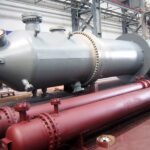
Heat exchangers are frequently reviewed during turnarounds because they face fouling, corrosion, tube leakage, erosion, vibration, and thermal cycling. In crude oil refineries, heat exchanger performance can affect energy recovery, process stability, product cooling, and unit throughput.
A shell and tube heat exchanger may be replaced or upgraded when the existing exchanger has severe tube damage, repeated leakage, insufficient heat duty, corrosion under deposits, or material incompatibility. Buyers should provide thermal datasheets, fluid properties, fouling assumptions, material requirements, allowable pressure drop, cleaning expectations, and inspection requirements.
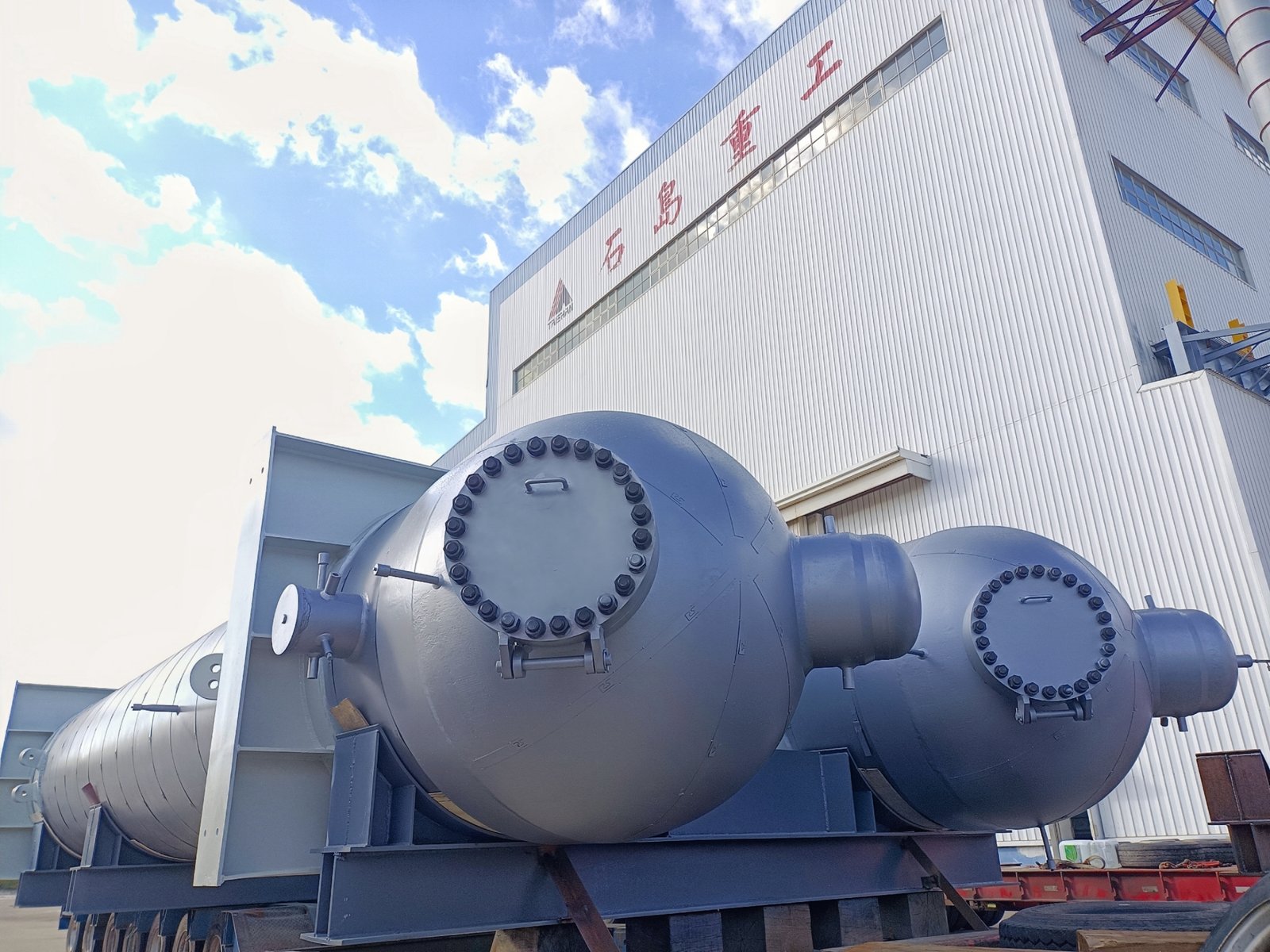
Pressure Vessels and Drums
Pressure vessels in refinery service may include flash drums, knockout drums, reflux drums, surge vessels, separators, and process buffer vessels. These vessels can be exposed to sour service, wet gas, amine systems, chlorides, high temperature, hydrogen service, or other corrosion-prone conditions.
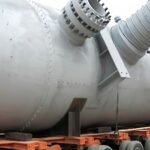
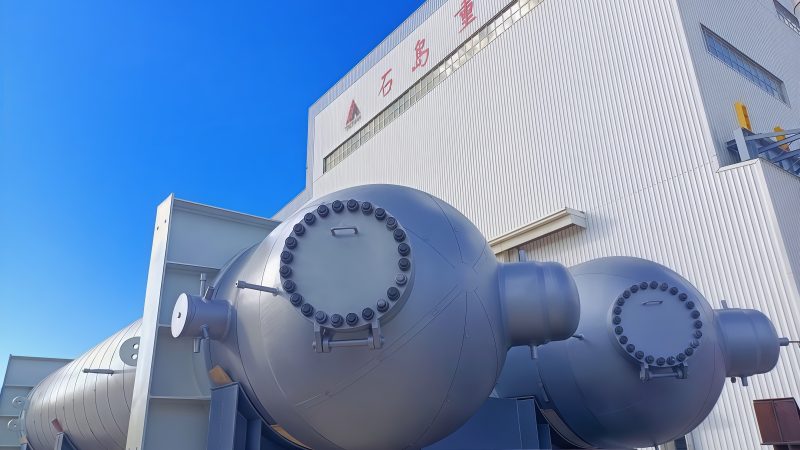
When purchasing pressure vessels for oil and gas, buyers should define design pressure, design temperature, medium composition, corrosion allowance, material grade, NDE scope, pressure testing, coating requirements, and delivery schedule. For pressure vessel design, ASME BPVC Section VIII may be relevant depending on project requirements and local regulations.
Separators
Refinery separators may handle gas-liquid, oil-water, vapor-liquid, or mixed-phase streams. During turnaround review, separators may be evaluated for wall thinning, corrosion, carryover issues, process changes, or outdated inspection access.
A replacement separator should be specified as a complete pressure vessel. The inquiry should include flow conditions, gas and liquid composition, pressure, temperature, orientation, material requirements, corrosion allowance, inspection scope, and nozzle interface details.
Towers and Columns
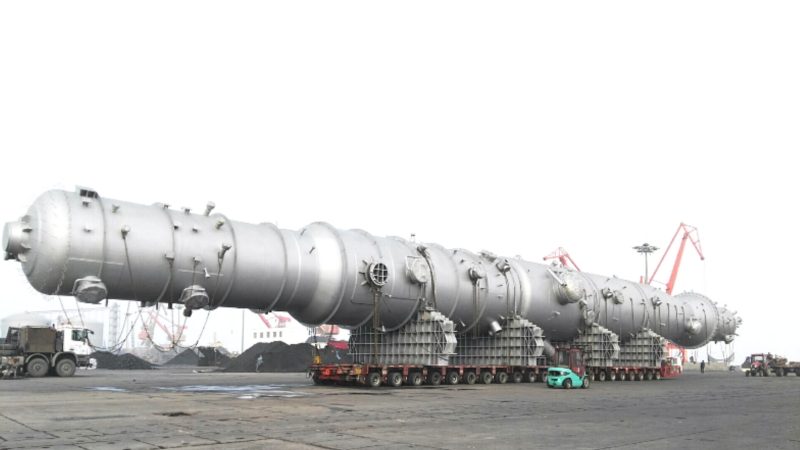
Crude units, vacuum units, stripping systems, absorption units, and recovery sections may include large process towers and columns. Turnaround findings may require tower shell repair, replacement sections, new complete columns, or updated metallurgy in corrosion-prone areas.
Because towers are large and logistics-sensitive, procurement planning should start early. EPC buyers should confirm vessel dimensions, support arrangement, lifting restrictions, transport route, coating or lining requirements, site installation interface, and inspection hold points.
Large Storage Tanks Above 1,000L
Refineries may also review large tanks for crude oil, intermediate streams, finished products, wastewater, sour water, and chemical storage. For WSHI’s scope, storage tank content should focus on industrial tanks above 1,000L and project-based applications.
Buyers can review industrial storage tanks when tank replacement or new storage capacity is part of a turnaround-linked project. Tank selection should consider medium, capacity, pressure condition, corrosion, coating, foundation, inspection, and environmental requirements.

Corrosion-Prone Services Buyers Should Review
Refinery corrosion depends on process unit, feed quality, operating temperature, water content, chlorides, sulfur compounds, acid gases, amine chemistry, velocity, deposits, and insulation condition. The exact damage mechanism should be confirmed by refinery inspection and corrosion specialists.
Common areas requiring careful review may include:
- Crude unit overhead systems
- Sour water service
- Amine systems
- Wet H2S or acid gas service
- High-temperature sulfur service
- Chloride-containing streams
- Corrosion under insulation areas
- Heat exchanger bundles and channel sections
- Process vessels exposed to deposits or stagnant zones
A recent open-access failure analysis in Springer Nature discussed ammonium bisulfide corrosion in a refinery sour water unit heat exchanger, showing how refinery corrosion can affect equipment integrity. This type of technical evidence supports the need for careful material selection, inspection planning, and replacement evaluation.
Key Procurement Factors for EPC Buyers
Inspection Findings and Remaining Life
Replacement decisions should be based on inspection data, wall thickness readings, corrosion rates, NDE findings, repair history, and operating risk. The manufacturer can help evaluate fabrication feasibility, but it should not replace the owner’s mechanical integrity program.
Material Upgrade Requirements
Some refinery replacement projects require material upgrades due to corrosion, higher severity service, feedstock changes, or repeated failures. Buyers should define whether the replacement will use the same material, upgraded alloy, clad plate, corrosion-resistant lining, or other project-approved solution.
Any material change should be reviewed by refinery corrosion, process, and mechanical specialists.
Schedule and Long-Lead Fabrication
Turnaround windows are short, but large equipment fabrication is not. Pressure vessels, heat exchangers, towers, and large tanks require drawing review, material procurement, welding, inspection, testing, coating, and transport. Early RFQ preparation helps avoid emergency procurement.
Site Fit and Interface Control
Replacement equipment must match site constraints. EPC buyers should confirm nozzle orientation, support location, foundation interface, lifting plan, overall dimensions, shipping split if required, and tie-in schedule. A replacement vessel that does not fit the existing piping or foundation can create serious site rework.
Documentation and Quality Control
Turnaround replacement equipment should include material certificates, welding documentation, NDE reports, pressure test records, dimensional reports, coating records, inspection release notes, packing lists, and final data books.
As a large-scale pressure vessel manufacturer, WSHI supports project-based manufacturing of pressure vessels, heat exchangers, separators, towers, columns, and large storage tanks. Buyers can also download the pressure vessel catalog before preparing a refinery replacement RFQ.
What Buyers Should Prepare Before Requesting a Quotation
- Existing equipment tag and service description
- Current drawings and proposed replacement drawings
- Inspection findings and corrosion history where available
- Design pressure and design temperature
- Operating pressure and operating temperature
- Medium composition and corrosion concerns
- Material grade and any upgrade requirements
- NDE, pressure test, and inspection requirements
- Coating, lining, or insulation requirements
- Site interface, nozzle orientation, and support requirements
- Delivery deadline linked to turnaround schedule
- Transport limits, lifting plan, and delivery terms
FAQ
What equipment is commonly replaced during refinery turnarounds?
Common replacement equipment may include heat exchangers, pressure vessels, separators, drums, towers, columns, scrubbers, and large storage tanks. The final scope depends on inspection findings, corrosion history, process severity, and project schedule.
Why are heat exchangers often reviewed during turnarounds?
Heat exchangers face fouling, corrosion, tube leakage, thermal cycling, and duty changes. Turnaround windows allow inspection teams to evaluate whether cleaning, repair, retubing, or complete replacement is required.
What information should EPC buyers provide for replacement pressure vessels?
Buyers should provide existing drawings, updated datasheets, inspection findings, corrosion history, design conditions, material requirements, NDE scope, pressure test requirements, coating requirements, and delivery schedule.
How does corrosion affect refinery equipment procurement?
Corrosion can change material requirements, corrosion allowance, inspection scope, coating or lining needs, and replacement urgency. Material decisions should be reviewed by qualified corrosion and mechanical engineers.
Why does early procurement matter for turnaround projects?
Large refinery equipment requires time for drawing review, material procurement, welding, NDE, pressure testing, coating, transport, and documentation. Starting late can create schedule risk during the shutdown window.
Conclusion
Refinery turnaround equipment replacement is a high-pressure procurement task because inspection findings, corrosion risk, fabrication lead time, and site restart schedules all come together. EPC buyers should review complete equipment packages, including heat exchangers, pressure vessels, separators, towers, columns, and large storage tanks, before the shutdown window becomes critical.
If you are planning refinery turnaround equipment replacement for crude units, sour water systems, amine units, gas processing areas, petrochemical units, or corrosion-prone services, WSHI can support manufacturing evaluation based on your drawings, datasheets, inspection requirements, material specifications, and delivery expectations. You can contact our engineering team to discuss your replacement equipment scope before quotation.