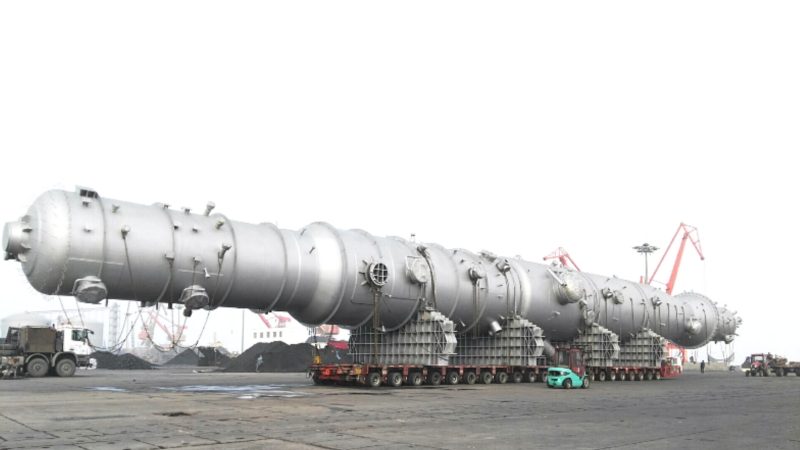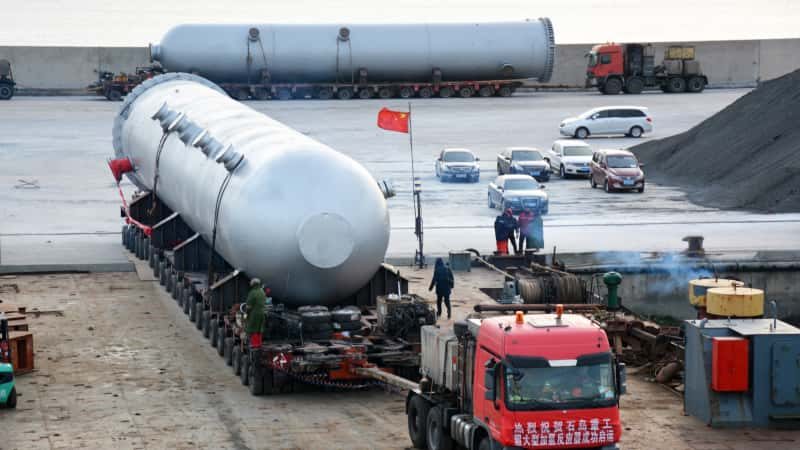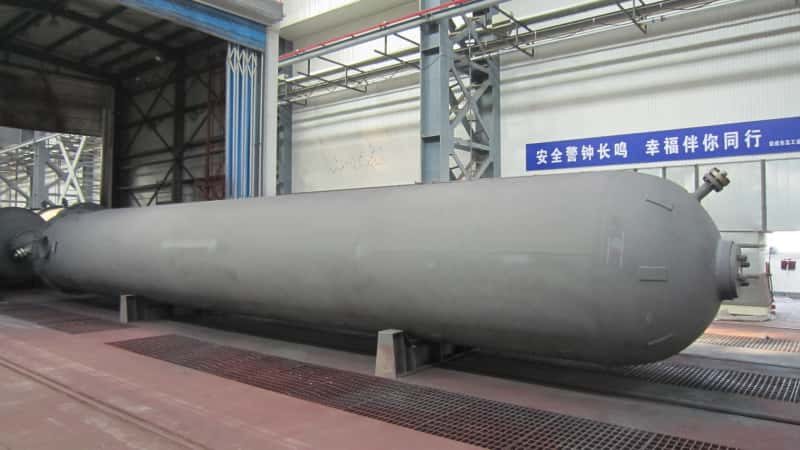

Carbon capture equipment for natural gas plant flue gas treatment requires careful coordination between process design, fabricated vessels, heat transfer equipment, separation systems, materials, inspection, and site delivery. For EPC buyers and technical managers, the key procurement question is not only “which capture technology is selected?” It is also “what complete equipment package is required, and what should be confirmed before manufacturing?”
DOE/NETL notes that point-source carbon capture separates CO2 from power plant flue gas or syngas so it can be stored or converted for long-term use. Natural gas combined cycle plants are specifically included in current carbon capture research, testing, and FEED study discussions. For equipment buyers, this creates demand for absorber vessels, heat exchangers, separators, custom pressure vessels, and supporting storage or process tanks.
Carbon capture equipment for natural gas plant flue gas should be planned as a complete EPC equipment package, not only as an absorber purchase.True
Absorber vessels, heat exchangers, separators, condensate vessels, storage tanks, materials, inspection scope, and retrofit delivery constraints all affect project execution.
The equipment manufacturer should select the capture chemistry and guarantee emissions compliance without process licensor data.False
Process selection, capture chemistry, performance guarantees, and emissions compliance should be confirmed by the EPC designer, technology provider, owner, and qualified specialists.
What Is Carbon Capture Equipment for Natural Gas Flue Gas?
Carbon capture equipment is used to remove, concentrate, condition, or handle CO2-containing streams from industrial emissions. In natural gas power plants or gas-fired industrial facilities, flue gas typically has lower CO2 concentration than many coal-fired flue gas streams, so equipment design must carefully consider gas volume, pressure drop, solvent or sorbent system requirements, heat integration, water balance, and downstream CO2 handling.
A complete equipment package may include process towers and columns, absorber vessels, desorber or regeneration vessels, industrial heat exchangers, gas-liquid separators, condensate vessels, custom pressure vessels, and large storage tanks above 1,000L for process liquids or auxiliary fluids.
Main Applications
Natural Gas Combined Cycle Power Plants
Post-combustion carbon capture can be considered for natural gas combined cycle plants where CO2 is separated from flue gas after combustion. The capture technology may be solvent-based, sorbent-based, membrane-related, or another project-specific process. The manufacturer’s role is not to select the chemistry, but to fabricate approved equipment according to process datasheets, mechanical drawings, materials, and inspection requirements.
Natural Gas Processing and Utility Systems
Some natural gas processing or industrial utility plants may require emissions treatment, CO2 handling, gas cooling, condensate separation, or supporting process vessels. In these projects, pressure vessels for oil and gas and separation equipment may be part of a wider environmental or decarbonization package.
Carbon Capture Pilot, Demonstration, and EPC Projects
Pilot and demonstration projects often require flexible, custom-fabricated equipment. EPC buyers should define whether the scope is for testing, demonstration, retrofit, or commercial operation, because the documentation, inspection, material, and delivery requirements may differ.
Key Equipment in a Carbon Capture Package
Absorber and Regeneration Vessels
Absorber columns or towers are often central to post-combustion capture systems. They may contact flue gas with a solvent or other capture medium under controlled conditions. Regeneration equipment may then release concentrated CO2 for compression, storage, or utilization.
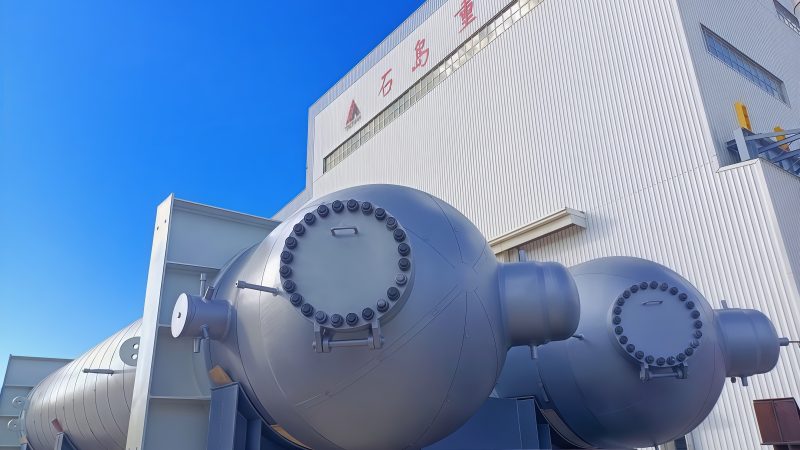
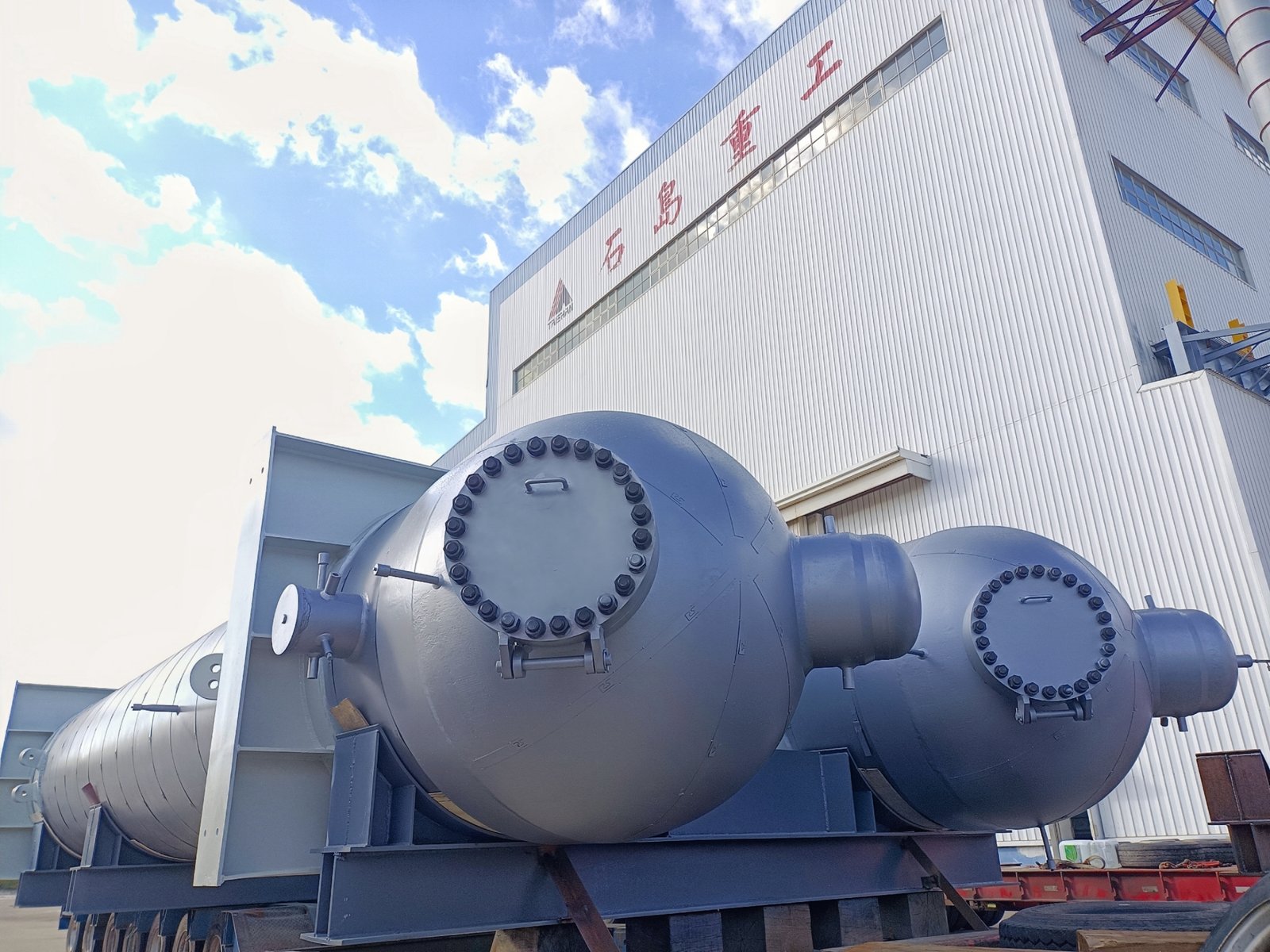
For EPC procurement, absorber and regeneration vessels should be purchased as complete fabricated equipment. Nozzles, supports, platforms interface, inspection access, and internal arrangements should be defined only as part of the complete vessel scope, not as standalone small-item purchases.
Heat Exchangers and Coolers
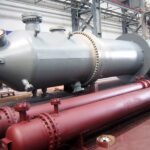
Carbon capture systems usually require heat transfer equipment for flue gas cooling, solvent heating, solvent cooling, condensate handling, or heat recovery. A shell and tube heat exchanger may be considered for many industrial services, depending on duty, pressure, temperature, corrosion, fouling, and maintenance needs.
Buyers should provide thermal datasheets, fluid composition, inlet and outlet temperatures, heat duty, allowable pressure drop, material requirements, and cleaning expectations.
Separators and Condensate Vessels
Flue gas treatment systems may require demisting, condensate collection, gas-liquid separation, or knock-out service. These should be specified as complete separator vessels. The inquiry should include gas flow, liquid load, operating pressure, temperature, condensate chemistry, corrosion risks, and inspection requirements.
Storage and Process Tanks
Carbon capture projects may require large tanks above 1,000L for solvents, wash water, condensate, wastewater, chemical dosing liquids, or process fluids. Buyers can review industrial storage tanks when defining the complete plant equipment boundary.
What EPC Buyers Should Confirm Before Procurement
Flue Gas and CO2 Conditions
Buyers should provide flue gas flow rate, CO2 concentration, moisture content, oxygen content, contaminants, temperature, pressure, and operating variation. For natural gas flue gas, low CO2 concentration can influence equipment size, gas handling, and heat integration.
Materials and Corrosion Review
Carbon capture systems may involve wet CO2, oxygen, amines, solvents, salts, condensate, or acidic components depending on the process. Material selection should be based on the project specification and qualified corrosion review. Coating, lining, stainless steel, alloy, or clad material requirements should be clearly stated where applicable.
Codes, Inspection, and Testing
Pressure vessels may be designed and fabricated according to ASME BPVC Section VIII or other applicable standards, depending on project location, pressure condition, and owner requirements. EPC buyers should define NDE, pressure testing, welding documentation, material traceability, coating inspection, and final data book requirements before fabrication begins.
Delivery and Retrofit Constraints
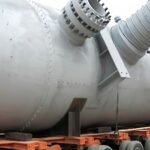
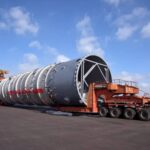
Many carbon capture projects are retrofits. Equipment size, transport route, lifting plan, site tie-in window, foundation interface, and port delivery can be as important as the vessel design itself. Large towers, exchangers, and pressure vessels should be reviewed for manufacturability and logistics early.
As a large-scale pressure vessel manufacturer, WSHI supports project-based fabrication of pressure vessels, heat exchangers, towers, columns, separators, and large storage tanks. Buyers can also download the pressure vessel catalog before preparing a formal inquiry.
Common Procurement Mistakes
One mistake is focusing only on the capture technology while delaying static equipment planning. Absorbers, heat exchangers, separators, and tanks can become long-lead items.
Another mistake is requesting pricing without flue gas composition or process datasheets. Without this data, material selection, vessel sizing, inspection scope, and delivery schedule cannot be evaluated reliably.
A third mistake is ignoring retrofit space and transport limits. Carbon capture equipment may be large, and installation around existing power plant or gas plant infrastructure can be difficult.
FAQ
What equipment is used in natural gas plant carbon capture?
Common equipment may include absorber towers, regeneration vessels, heat exchangers, gas-liquid separators, condensate vessels, pressure vessels, and large storage tanks for process liquids or auxiliary fluids.
Why are heat exchangers important in carbon capture systems?
Heat exchangers support flue gas cooling, solvent heating or cooling, condensate management, and heat integration. Their design depends on process duty, fluid properties, corrosion risk, and maintenance requirements.
What information should EPC buyers provide before requesting a quotation?
Buyers should provide flue gas composition, flow rate, pressure, temperature, CO2 concentration, process datasheets, drawings, materials, inspection requirements, coating requirements, delivery terms, and project schedule.
Are carbon capture vessels pressure vessels?
Some vessels in a carbon capture package may be pressure vessels, depending on operating pressure and project standards. The applicable code should be confirmed by the EPC engineering team and local authority.
Can WSHI help select the carbon capture process?
WSHI’s role is equipment manufacturing evaluation based on approved drawings and specifications. Process selection, capture chemistry, performance guarantees, and emissions compliance should be confirmed by the EPC designer, technology provider, and qualified specialists.
Conclusion
Carbon capture equipment for natural gas plant flue gas treatment should be planned as a complete EPC equipment package. Absorber vessels, heat exchangers, separators, pressure vessels, and large storage tanks must match the selected process, flue gas conditions, materials, inspection requirements, and site delivery plan.
If you are planning a natural gas power plant carbon capture project, gas treatment retrofit, environmental engineering package, or CO2 handling system, WSHI can support manufacturing evaluation for custom pressure vessels, process towers, heat exchangers, separators, and large storage tanks based on your drawings, datasheets, operating conditions, inspection requirements, and delivery expectations. You can contact our engineering team to discuss your project before quotation.