Polyolefin waste-to-fuels projects are moving from pilot discussion toward larger commercial planning in some markets. For EPC buyers, project developers, and technical procurement teams, the core question is not only whether the chemical recycling process is commercially viable. It is also what complete equipment package is needed: reactors, condensers, heat exchangers, separators, scrubber towers, pressure vessels, and large storage tanks must be reviewed together before procurement.
Chemical Engineering reported that a commercial-scale plant for converting polyolefin waste into fuels and petrochemical feedstocks is moving toward a final investment decision. EPA also explains that advanced recycling can use chemical or thermal treatment to convert plastics into feedstocks or fuels, and that polyolefins such as polypropylene, HDPE, and LDPE are common target feedstocks for conversion processes. For equipment buyers, this creates a clear procurement theme: commercial-scale chemical recycling needs industrial fabricated equipment, not isolated components.
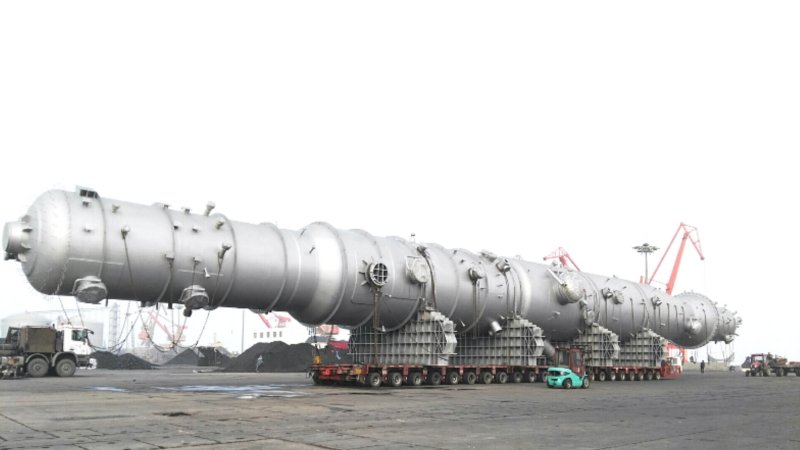
Commercial-scale polyolefin waste-to-fuels projects should be planned as complete equipment packages, not isolated equipment items.True
Reaction, condensation, separation, emissions control, wastewater handling, storage, inspection, documentation, and delivery interfaces must work together in the plant design.
An equipment manufacturer can guarantee fuel yield, product quality, and emissions compliance from the vessel quotation alone.False
Fuel yield, product quality, emissions performance, and regulatory compliance should be confirmed by the process technology provider, EPC designer, owner, and qualified specialists.
What Is Polyolefin Waste-to-Fuels Plant Equipment?
Polyolefin waste-to-fuels plant equipment refers to the major static and process equipment used to convert waste plastics such as polyethylene and polypropylene into liquid fuels, hydrocarbon streams, waxes, gases, or petrochemical feedstocks. The exact process may involve pyrolysis, catalytic conversion, condensation, gas treatment, separation, liquid storage, and wastewater or residue handling.
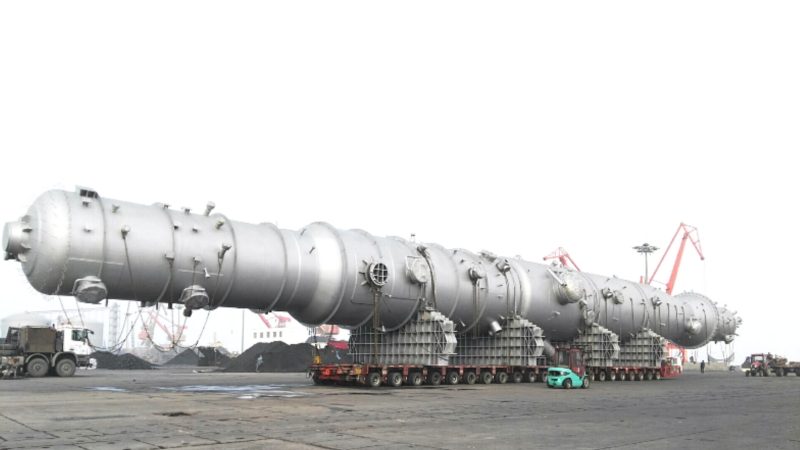
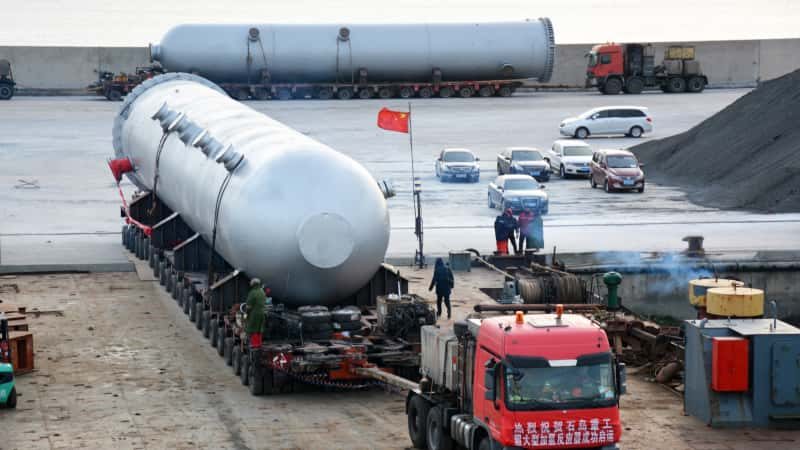
For EPC procurement, the equipment scope may include custom pressure vessels, reactors, condensers, industrial heat exchangers, gas-liquid separators, scrubber towers, process tanks, and industrial storage tanks above 1,000L.
The technology provider or EPC designer should define process performance, feedstock acceptance, product slate, emissions control, and operating conditions. The equipment manufacturer’s role is to fabricate approved equipment according to drawings, datasheets, materials, inspection requirements, and delivery boundaries.
Main Applications
Commercial-Scale Chemical Recycling Plants
Commercial-scale waste-to-fuels plants require larger and more integrated equipment than laboratory or pilot systems. Feedstock receiving, thermal treatment, vapor condensation, product separation, off-gas treatment, wastewater handling, and product storage must work as a coordinated plant.
For project buyers, this means early equipment planning is essential. Reactors, condensers, tanks, and scrubbers can become long-lead items if material selection, pressure conditions, and logistics are not confirmed early.
Petrochemical Feedstock Recovery
Some chemical recycling projects aim to produce naphtha-like or hydrocarbon feedstocks for further refining or petrochemical use. In these applications, product quality, intermediate storage, separation, and cooling equipment may need to meet strict owner specifications.
Buyers should clearly state whether the project is producing fuels, petrochemical feedstocks, waxes, mixed hydrocarbons, or intermediate streams, because the equipment requirements may differ.
Environmental and Waste Reduction Projects
Waste plastic conversion projects often sit between recycling, waste management, fuel production, and chemical processing. EPA’s advanced recycling page notes that advanced recycling can complement mechanical recycling, but also highlights the need to communicate inputs, yields, product specifications, processing feasibility, and environmental impacts clearly. This is why compliance and safety review must be handled carefully before procurement.
Key Equipment in a Complete Package
Reactors and Thermal Process Vessels
Reactors are central to many polyolefin waste-to-fuels systems. Depending on the process, the reactor may handle high temperature, mixed plastic feed, vapors, char, wax, catalyst, or hydrocarbon products. The design may involve pressure, temperature, material compatibility, thermal expansion, inspection, cleaning, and process safety considerations.
Reactors should be purchased as complete fabricated vessels, not as loose internal parts. EPC buyers should provide the approved process datasheet, design pressure, design temperature, medium composition, material specification, inspection requirements, and delivery schedule.
Condensers and Heat Exchangers
Condensers and heat exchangers are critical because waste-to-fuels processes often generate hot vapor streams that must be cooled and condensed into liquid products. Heat transfer equipment may also support feed preheating, product cooling, gas cooling, or heat recovery.
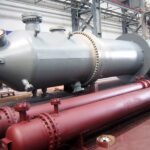
A shell and tube heat exchanger may be considered for many industrial services depending on thermal duty, fluid properties, pressure, temperature, fouling risk, cleaning method, and material requirements. Buyers should provide heat duty, inlet and outlet temperatures, vapor and liquid composition, allowable pressure drop, fouling assumptions, and maintenance requirements.
Separation Vessels
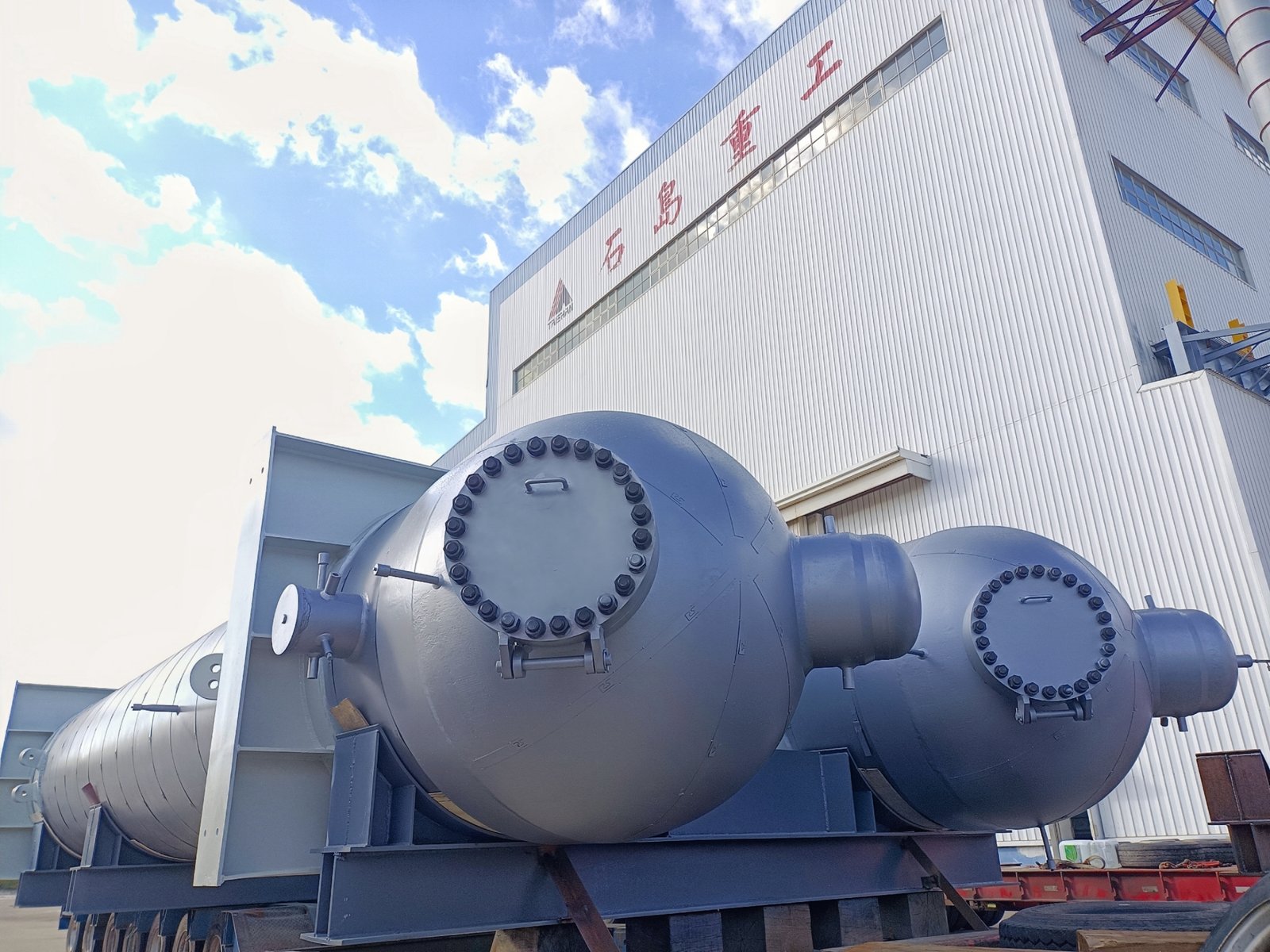
Chemical recycling plants may need gas-liquid separators, condensate vessels, phase separation vessels, and product collection vessels. These vessels help separate hydrocarbon liquids, water, non-condensable gas, and mixed streams.
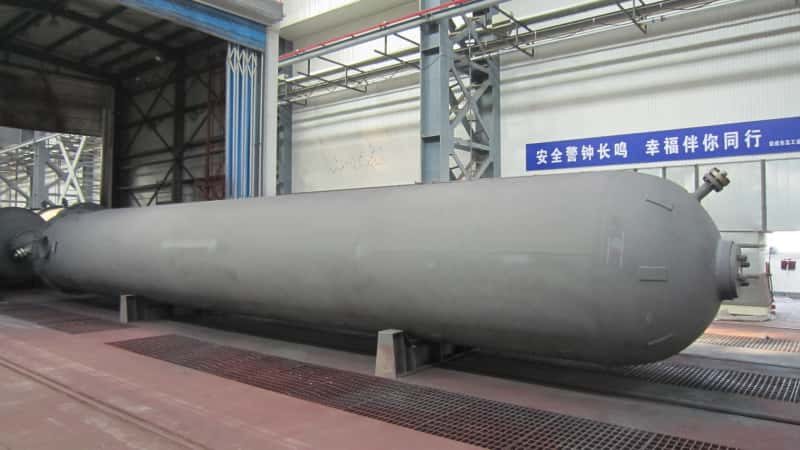
For pressure vessel manufacturing, buyers should define operating pressure, temperature, stream composition, corrosion allowance, material grade, NDE scope, pressure test requirements, coating or lining needs, and documentation expectations.
Scrubber Towers and Off-Gas Treatment Equipment
Waste-to-fuels plants may produce off-gas, acid gases, odor, VOC-containing streams, or other emissions depending on feedstock and process conditions. Scrubber towers or absorption systems may be required as part of the environmental control package.
A custom scrubber column should be specified as complete equipment, including tower body, nozzles, supports, coating or lining, inspection requirements, and delivery boundary. Small accessories should only be discussed as part of the complete tower package.
Large Storage Tanks Above 1,000L
Commercial-scale projects may require large tanks for feedstock-related liquids, pyrolysis oil, intermediate hydrocarbons, wastewater, process chemicals, recovered fuels, or off-spec products. For WSHI’s scope, storage tanks should be positioned as large industrial tanks above 1,000L and project-based systems.
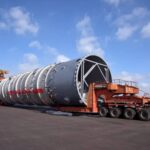
Large tanks should be specified according to medium composition, capacity, temperature, pressure condition, corrosion risk, coating or lining requirements, fire safety interface, foundation assumptions, and transport limits.
What EPC Buyers Should Confirm Before Procurement
Feedstock and Product Basis
Polyolefin waste can vary in composition, contamination, moisture, additives, ash, chlorine-containing plastics, and non-plastic impurities. Buyers should define accepted feedstock types, expected contaminants, feed preparation assumptions, product targets, and byproduct handling requirements.
Process Pressure and Temperature
Conversion equipment may operate at elevated temperature and sometimes under pressure or controlled atmosphere. Buyers should clearly define design pressure, design temperature, operating range, vacuum condition if any, and emergency or upset assumptions.
Material and Corrosion Review
Chemical recycling streams may include hydrocarbons, condensate, acidic components, sulfur compounds, chlorine-related species, solids, or tar-like materials depending on feedstock and process design. Material selection, corrosion allowance, coating, lining, and cleaning access should be reviewed by qualified engineers.
Inspection and Documentation
Inspection may include material certificates, welding documentation, dimensional inspection, NDE, pressure testing, leak testing, coating inspection, and final data books. For export EPC projects, document language, third-party inspection, packing, lifting marks, and port delivery should be defined early.
Standards and Compliance
Pressure vessels may be designed and fabricated according to ASME BPVC Section VIII or other applicable standards, depending on pressure level, destination country, and owner requirements. Waste-to-fuels projects may also involve waste management, fuel product specifications, air emissions, hazardous waste, flammable liquids, and environmental permitting. EPA’s hazardous waste recycling guidance highlights that waste-derived fuel and recycling status can have regulatory implications. Final compliance must be reviewed by qualified specialists.
Common Procurement Mistakes
One mistake is treating the technology package as separate from equipment planning. Even if the process route is selected, reactors, condensers, separators, scrubbers, and tanks still need detailed mechanical specifications.
Another mistake is requesting quotations without feedstock and product information. Plastic waste composition and contamination can affect corrosion, fouling, product handling, off-gas treatment, and material selection.
A third mistake is buying equipment item by item without defining the complete plant boundary. EPC buyers should coordinate reaction, condensation, separation, emissions control, wastewater handling, storage, inspection, and delivery as one procurement plan.
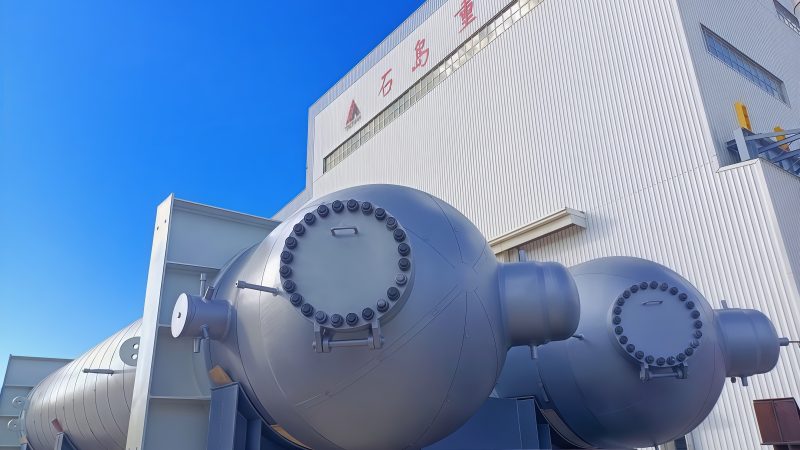
As a large-scale pressure vessel manufacturer, WSHI supports project-based fabrication of pressure vessels, reactors, heat exchangers, separators, scrubber towers, and large storage tanks. Buyers can also download the pressure vessel catalog before preparing a formal inquiry.
FAQ
What equipment is used in a polyolefin waste-to-fuels plant?
Typical equipment may include reactors, condensers, heat exchangers, gas-liquid separators, product collection vessels, scrubber towers, wastewater handling vessels, and large industrial storage tanks. The final scope depends on the process technology and project design.
Why are condensers important in chemical recycling plants?
Condensers cool hot vapor streams and help recover liquid hydrocarbon products. Their design depends on vapor composition, temperature, pressure, fouling risk, product properties, and cleaning requirements.
What should EPC buyers provide before requesting a quotation?
Buyers should provide process datasheets, drawings, feedstock basis, product stream information, design pressure and temperature, material requirements, inspection scope, coating or lining requirements, delivery terms, and project schedule.
Are waste-to-fuels reactors standard products?
Usually no. Reactors for polyolefin waste conversion are project-specific and should be fabricated according to approved technology provider or EPC engineering documents.
Can WSHI guarantee fuel yield or product quality?
No. WSHI supports equipment manufacturing evaluation based on approved drawings and specifications. Fuel yield, product quality, emissions performance, and regulatory compliance should be confirmed by the process technology provider, EPC designer, and qualified specialists.
Conclusion
Polyolefin waste-to-fuels plant equipment should be planned as a complete chemical recycling package. Reactors, condensers, heat exchangers, separation vessels, scrubber towers, pressure vessels, and large storage tanks must match the process route, feedstock variability, material requirements, inspection scope, and delivery schedule.
If you are planning a commercial-scale chemical recycling, waste plastic-to-fuels, pyrolysis, petrochemical feedstock recovery, or environmental engineering project, WSHI can support manufacturing evaluation for complete process equipment based on your drawings, datasheets, operating conditions, material requirements, inspection scope, and delivery expectations. You can contact our engineering team to discuss your project before quotation.