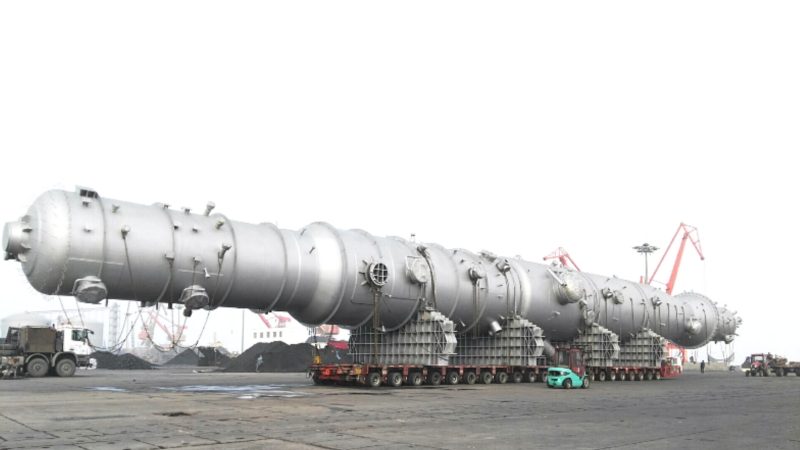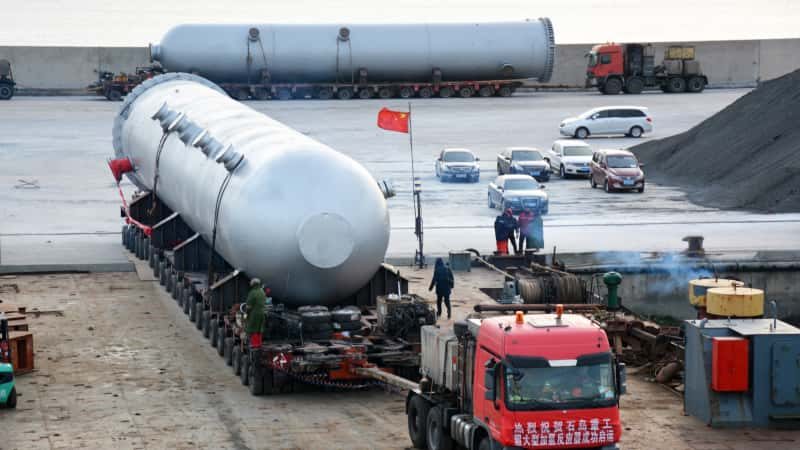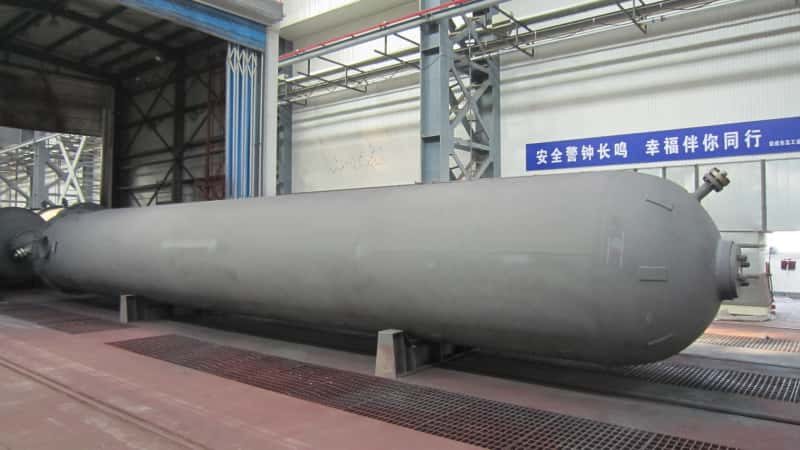

Methanol-based hydrogen fuel cell pilot plants are attracting attention because methanol can be used as a liquid hydrogen carrier for distributed power, demonstration systems, and low-carbon energy applications. For EPC buyers and technical project teams, the key procurement question is not only how the process works. It is what complete equipment package is required around methanol reforming, hydrogen purification, heat exchange, CO2 handling, water recovery, pressure vessels, and project delivery.
MECIP’s 2026 methanol-based hydrogen fuel cell pilot plant project describes an integrated system involving methanol reforming, hydrogen purification and conditioning, CO2 stripping and liquefaction, hydrogen preheating before a solid oxide fuel cell system, and water recovery for reuse. For equipment procurement, this kind of pilot plant highlights the need to define fabricated equipment boundaries early, especially when the project involves hydrogen, methanol, pressure containment, heat integration, and process safety.
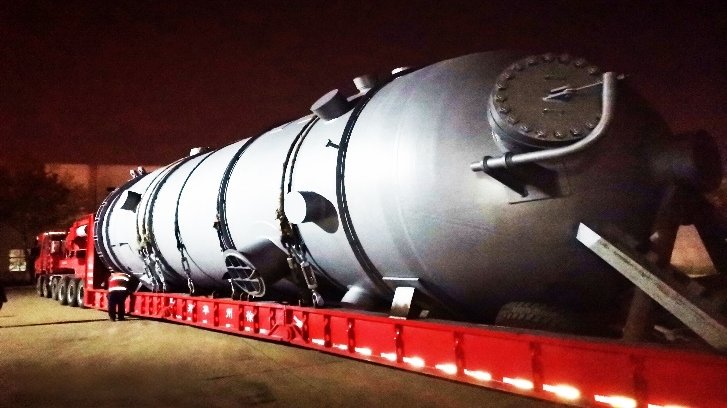
Methanol hydrogen pilot plant equipment should be planned as a complete EPC equipment package, not as a single reactor purchase.True
Reforming, purification, heat exchange, CO2 handling, water recovery, storage, inspection, documentation, and delivery interfaces must be coordinated.
A pressure vessel manufacturer should independently guarantee hydrogen purity and fuel cell output for a methanol pilot plant.False
Hydrogen purity, methanol conversion, CO2 recovery, and fuel cell performance are process and technology-provider responsibilities unless a separate process guarantee is agreed.
What Is Methanol-Based Hydrogen Fuel Cell Pilot Plant Equipment?
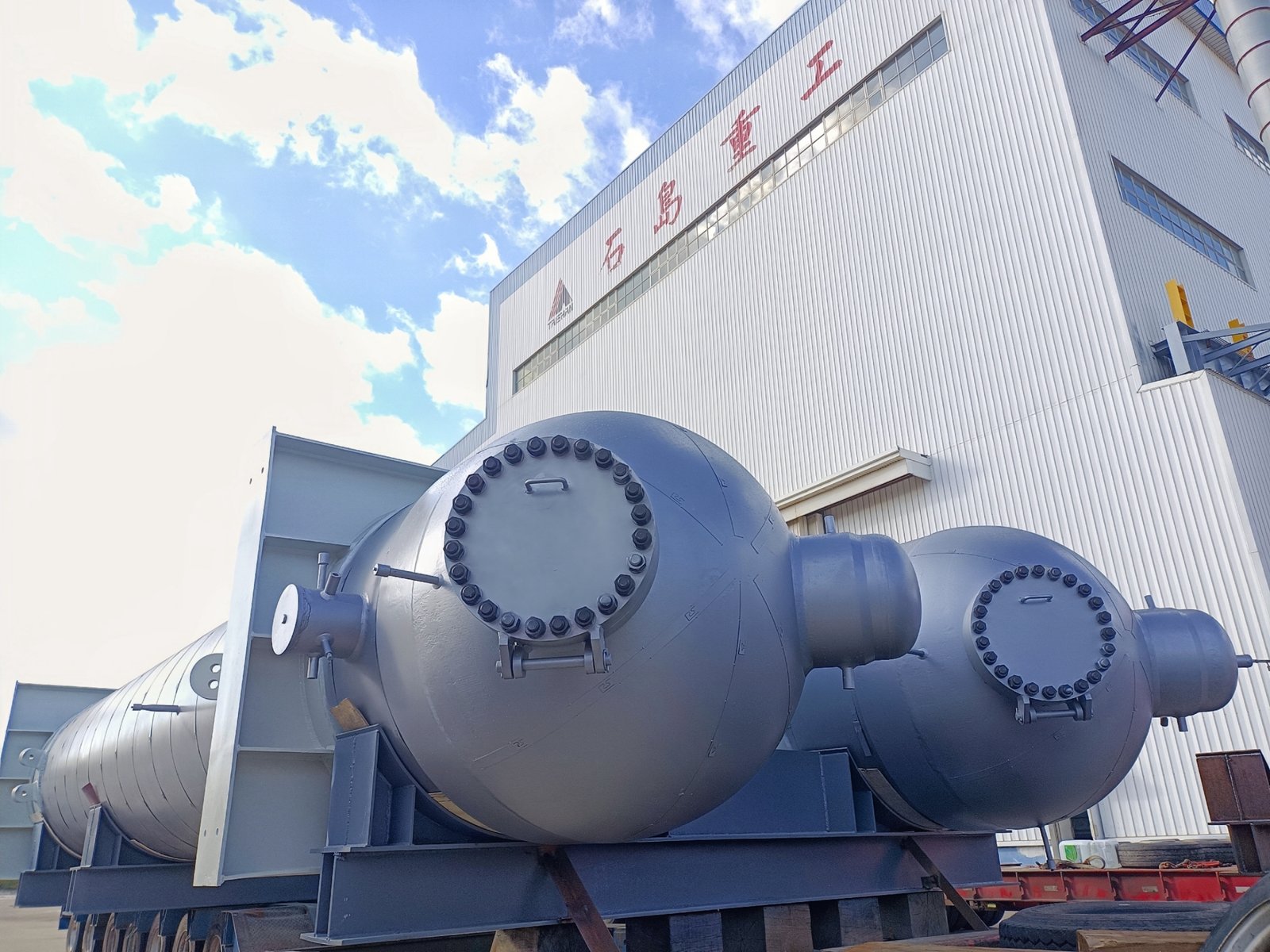
Methanol-based hydrogen fuel cell pilot plant equipment refers to the fabricated vessels, reactors, heat exchangers, separators, and storage equipment used to convert methanol into hydrogen-rich gas and condition that gas before fuel cell use. Depending on the technology route, the system may include reforming reactors, purification vessels, CO2 handling equipment, preheaters, condensers, water recovery vessels, and supporting tanks.
The U.S. Department of Energy explains that when a fuel cell system is powered by a hydrogen-rich conventional fuel such as methanol, a reformer is typically used to convert the fuel into a hydrogen-containing gas mixture. That gas may then require additional processing before it reaches the fuel cell stack.
For EPC procurement, these systems should be treated as complete project equipment packages. WSHI can support manufacturing discussions for custom pressure vessels, reactors, industrial heat exchangers, separators, and related vessels based on approved drawings and specifications.
Main Equipment in a Methanol Hydrogen Pilot Plant
Methanol Reforming Reactor
The reforming reactor is one of the central pieces of equipment in a methanol-to-hydrogen pilot plant. Depending on the selected technology, it may involve steam reforming, autothermal reforming, aqueous alkaline reforming, microchannel reaction design, or another licensed process.
For equipment manufacturing, the reactor should be specified by the EPC designer or technology provider. Buyers should provide design pressure, design temperature, operating range, medium composition, heat input method, material requirements, corrosion concerns, inspection scope, and delivery expectations.
For new energy applications, buyers may also review pressure vessels for new energy when defining the complete project equipment boundary.
Hydrogen Purification and Conditioning Vessels
Hydrogen produced from methanol reforming may require purification, conditioning, or impurity control before fuel cell use. DOE notes that reformate can require reactors or treatment steps to convert carbon monoxide and remove trace impurities that could affect fuel cell catalysts.
The exact purification technology may vary. EPC buyers should not ask the fabricator to define hydrogen purity or process performance unless that is part of the technology provider’s scope. Instead, the manufacturer should receive approved vessel drawings, datasheets, pressure ratings, materials, inspection requirements, and documentation needs.
Heat Exchangers and Hydrogen Preheating
Heat integration is important in methanol reforming and fuel cell pilot systems. Heat exchangers may support methanol-water feed preheating, reactor temperature control, reformate cooling, hydrogen preheating, condensation, or water recovery.
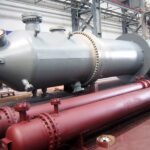
A shell and tube heat exchanger may be considered for many industrial duties depending on pressure, temperature, medium, heat duty, corrosion, fouling risk, and maintenance access. Buyers should provide thermal datasheets, inlet and outlet temperatures, flow rates, allowable pressure drop, material requirements, and cleaning expectations.
CO2 Stripping, Separation, and Liquefaction Support
Methanol reforming produces carbon-containing streams. MECIP’s project description includes CO2 stripping and liquefaction as part of the integrated pilot plant concept. For EPC buyers, CO2 handling may involve separation vessels, condensers, process drums, low-temperature or pressure-rated equipment, and related storage or transfer interfaces.
The final CO2 equipment scope should be defined by the process designer. Fabricated vessels should be specified according to CO2 composition, pressure, temperature, water content, corrosion risk, material requirements, inspection scope, and applicable standards.
Water Recovery and Process Liquid Tanks
Water recovery may be used to improve process efficiency and reduce make-up water requirements. Equipment may include condensers, condensate receivers, water recovery vessels, process tanks, and storage tanks above 1,000L for methanol-water mixtures or recovered process liquids.
For large project storage requirements, buyers can review industrial storage tanks as part of the complete pilot plant equipment boundary.
What EPC Buyers Should Confirm Before Procurement
Process Route and Technology Boundary
Methanol-to-hydrogen systems are technology-specific. Before requesting fabrication pricing, buyers should confirm whether the technology provider has issued process datasheets, P&IDs, heat and material balances, equipment sizing, and mechanical design requirements.
The equipment manufacturer should not be expected to guarantee methanol conversion, hydrogen purity, CO2 recovery, fuel cell output, or system efficiency unless a separate process guarantee agreement exists.
Methanol, Hydrogen, and CO2 Conditions
Buyers should define methanol-water feed composition, hydrogen-rich gas composition, CO2 stream conditions, pressure, temperature, flow rates, moisture, impurities, and expected operating cases. Hydrogen service and methanol handling require careful safety and material review.
Materials and Compatibility
Methanol, hydrogen, CO2, water, reformate, condensate, and possible trace impurities may affect material selection. Buyers should specify material grade, corrosion allowance, gasket compatibility, internal surface requirements, coating or painting, and inspection requirements.
Pressure Vessel Code and Inspection
Some equipment in a methanol hydrogen pilot plant may be pressure vessels. ASME’s BPVC resources cover design, fabrication, inspection, and certification requirements for pressure equipment, including Section VIII pressure vessels where applicable. Final code selection should follow project location, owner specifications, pressure level, and local regulatory requirements.
Pilot Plant Layout and Delivery
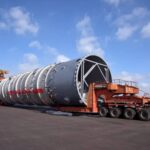
Pilot plants often have compact layouts and evolving design interfaces. EPC buyers should confirm nozzle orientation, support arrangement, skid or module interface if applicable, lifting points, shipping dimensions, export packing, documentation language, and site delivery requirements.
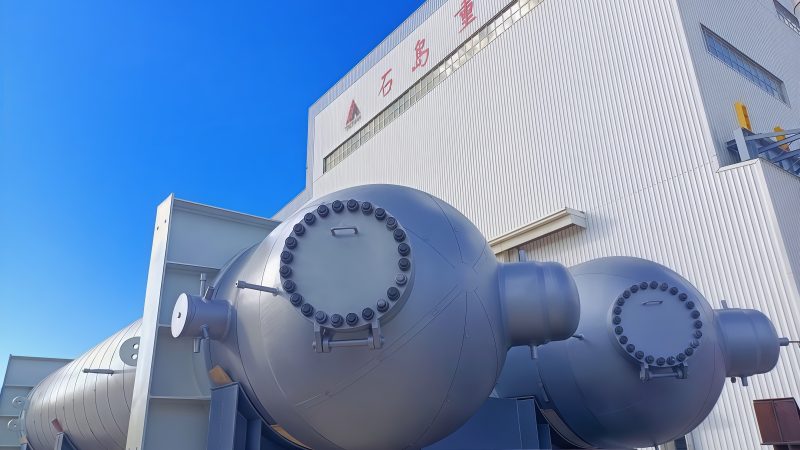
As a large-scale pressure vessel manufacturer, WSHI supports project-based manufacturing of pressure vessels, reactors, heat exchangers, separators, towers, and large tanks. Buyers can also download the pressure vessel catalog before preparing a formal inquiry.
Common Procurement Mistakes
One mistake is treating a pilot plant as simple laboratory equipment. Even pilot systems can involve hydrogen, methanol, pressure vessels, hot equipment, CO2 handling, and safety-critical interfaces.
Another mistake is requesting equipment pricing without process datasheets. Without pressure, temperature, composition, material, inspection, and delivery information, the supplier can only provide limited budget feedback.
A third mistake is separating each vessel or exchanger from the complete system boundary. EPC buyers should coordinate reforming, purification, heat exchange, CO2 handling, water recovery, storage, inspection, documentation, and delivery as one project package.
FAQ
What equipment is used in a methanol-based hydrogen fuel cell pilot plant?
Typical equipment may include methanol reforming reactors, hydrogen purification vessels, heat exchangers, condensers, CO2 handling vessels, water recovery vessels, separators, and large storage tanks for process liquids.
Why are heat exchangers important in methanol reforming systems?
Heat exchangers support feed preheating, reactor heat integration, reformate cooling, hydrogen preheating, condensation, and water recovery. Their design depends on process duty, materials, pressure, temperature, and maintenance requirements.
What should EPC buyers provide before requesting a quotation?
Buyers should provide P&IDs, process datasheets, drawings, heat and material balance information, medium composition, design pressure and temperature, material specifications, inspection requirements, coating requirements, delivery terms, and schedule.
Are methanol hydrogen pilot plant vessels standard products?
Usually no. Pilot plant equipment is typically customized according to the process technology, site layout, safety requirements, pressure conditions, and documentation scope.
Can WSHI guarantee hydrogen purity or fuel cell performance?
No. WSHI supports equipment manufacturing evaluation based on approved drawings and specifications. Hydrogen purity, methanol conversion, CO2 recovery, fuel cell output, and process performance should be confirmed by the technology provider, EPC designer, and qualified specialists.
Conclusion
Methanol-based hydrogen fuel cell pilot plant equipment should be planned as a complete EPC procurement scope. Reforming reactors, hydrogen purification vessels, heat exchangers, CO2 handling equipment, water recovery vessels, and storage tanks must match the selected process, safety requirements, materials, inspection scope, and site delivery plan.
If you are planning a methanol reforming, hydrogen fuel cell pilot plant, distributed power, new energy, or CO2 handling project, WSHI can support manufacturing evaluation for complete process equipment based on your drawings, datasheets, operating conditions, material requirements, inspection scope, and delivery expectations. You can contact our engineering team to discuss your project before quotation.