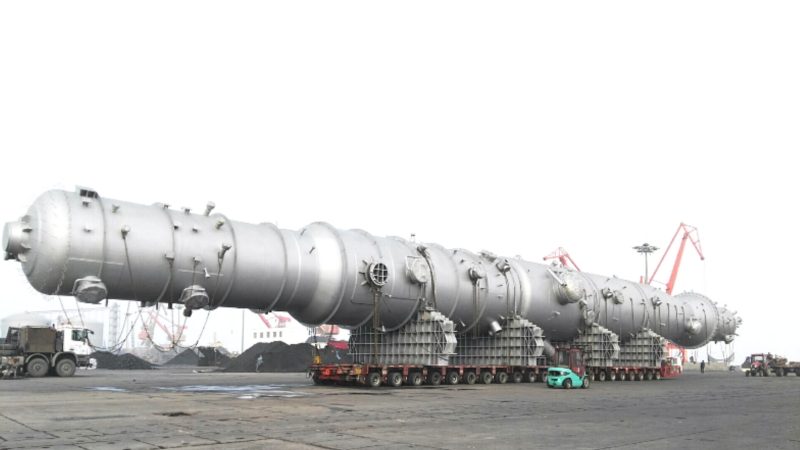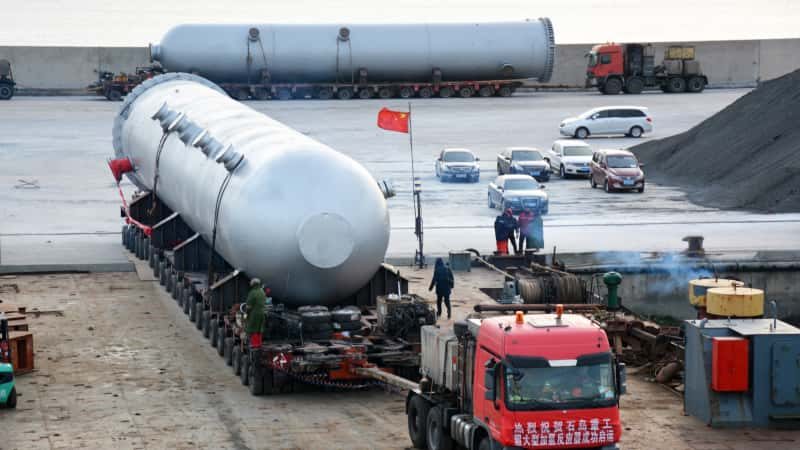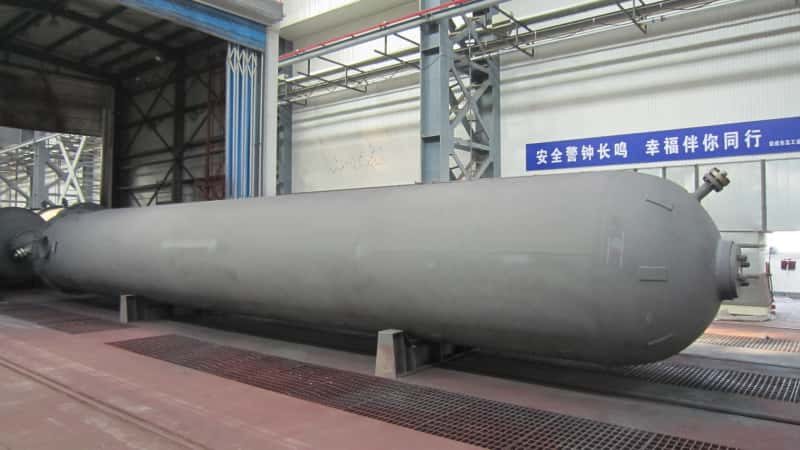

SMPO wastewater evaporator systems are used in styrene and propylene oxide production projects where wastewater may contain high salinity, high COD, alkalinity, organic components, and difficult-to-treat process residues. For EPC buyers and environmental engineering teams, the procurement challenge is not only choosing an evaporator. It is defining a complete evaporation and condensation package, including evaporator bodies, condensers, heat exchangers, wastewater holding tanks, concentrate collection vessels, corrosion-resistant materials, inspection requirements, and delivery boundaries.
SMPO wastewater treatment references describe styrene/propylene oxide cogeneration wastewater as difficult to handle due to high temperature, alkalinity, COD, and salt content. Evaporation concentration may be used as part of a treatment route before further disposal or downstream treatment. Final treatment design, discharge compliance, and performance targets should always be confirmed by the EPC designer and environmental specialists.
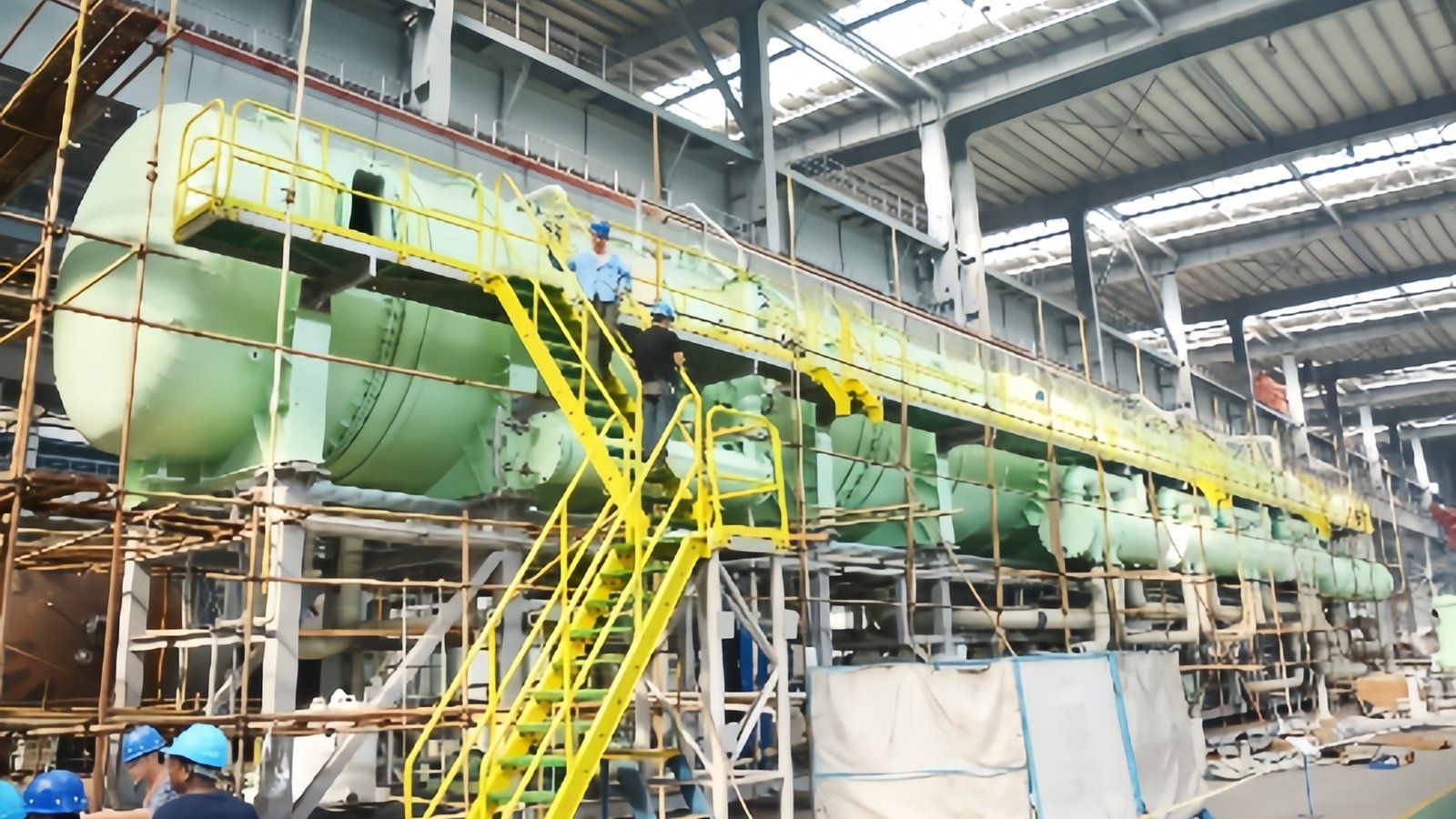
SMPO wastewater evaporator systems should be purchased as a complete evaporation and condensation package, not only as an evaporator body.True
Condensers, heat exchangers, vapor-liquid separators, feed tanks, concentrate vessels, materials, inspection, cleaning access, and delivery boundaries affect system reliability.
Evaporation alone guarantees wastewater discharge compliance for SMPO projects.False
Evaporation may reduce volume or separate streams, but final discharge, condensate quality, concentrate disposal, emissions, and permits require project-specific environmental review.
What Is an SMPO Wastewater Evaporator System?
An SMPO wastewater evaporator system is an industrial evaporation package designed to concentrate wastewater from styrene monomer and propylene oxide co-production units. Depending on the process design, it may reduce wastewater volume, separate condensate from high-salt concentrate, support downstream biochemical treatment, or prepare concentrated waste for further handling.
A complete system may include evaporator bodies, vapor-liquid separators, condensers, industrial heat exchangers, circulation vessels, condensate tanks, concentrate tanks, vacuum or pressure-rated vessels, and industrial storage tanks above 1,000L.
For project procurement, buyers should treat this as an integrated wastewater concentration package, not a single small unit.
Why SMPO Wastewater Is Difficult to Treat
SMPO wastewater can contain salts, organic compounds, high COD, alkalinity, and process-specific residues. Some engineering references note that salt-containing wastewater from styrene/propylene oxide cogeneration plants may be difficult for direct biological treatment, so evaporation concentration can be considered as part of the pretreatment or reduction route.
The exact wastewater composition varies by process, plant operation, catalyst system, washing steps, and upstream separation. Before equipment selection, EPC buyers should request actual wastewater analysis, not only a generic wastewater label.
Important parameters include:
- COD and TOC range
- Salt concentration and ion composition
- pH and alkalinity
- Operating temperature
- Suspended solids
- Volatile organics
- Foaming tendency
- Scaling tendency
- Viscosity change during concentration
- Concentrate disposal route
Main Equipment in a Complete Evaporator Package
Multi-Effect Evaporator Bodies
Multi-effect evaporators may be considered when the project needs to improve thermal efficiency compared with single-effect evaporation. The correct configuration depends on feed composition, steam availability, concentration target, fouling risk, and operating strategy.
For SMPO wastewater, buyers should confirm whether the feed contains salts or organics that may scale, foam, crystallize, or foul heat transfer surfaces. This affects evaporator type, cleaning plan, material selection, and maintenance access.
Condensers and Heat Exchangers
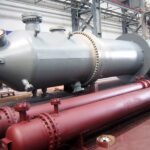
Condensation is central to the system because vapor generated during evaporation must be cooled and collected safely. A shell and tube heat exchanger may be used for many industrial condensation or cooling duties, depending on vapor composition, cooling medium, fouling risk, pressure, and materials.
EPC buyers should provide heat duty, vapor composition, inlet and outlet temperatures, cooling water conditions, allowable pressure drop, material requirements, and cleaning expectations.
Vapor-Liquid Separators and Process Vessels
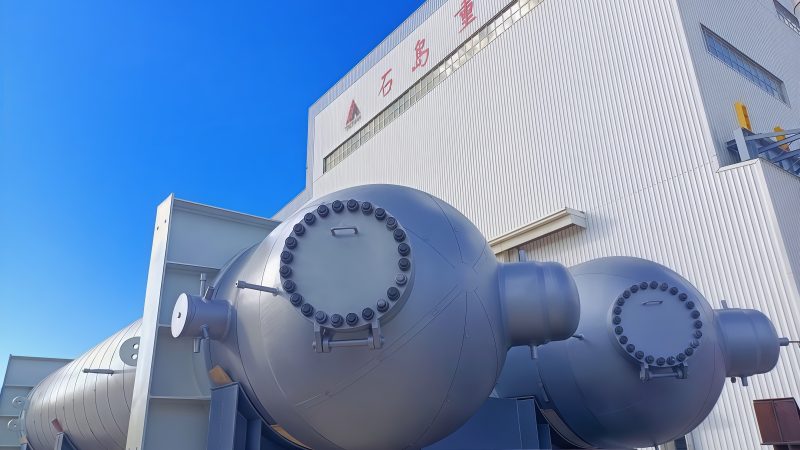
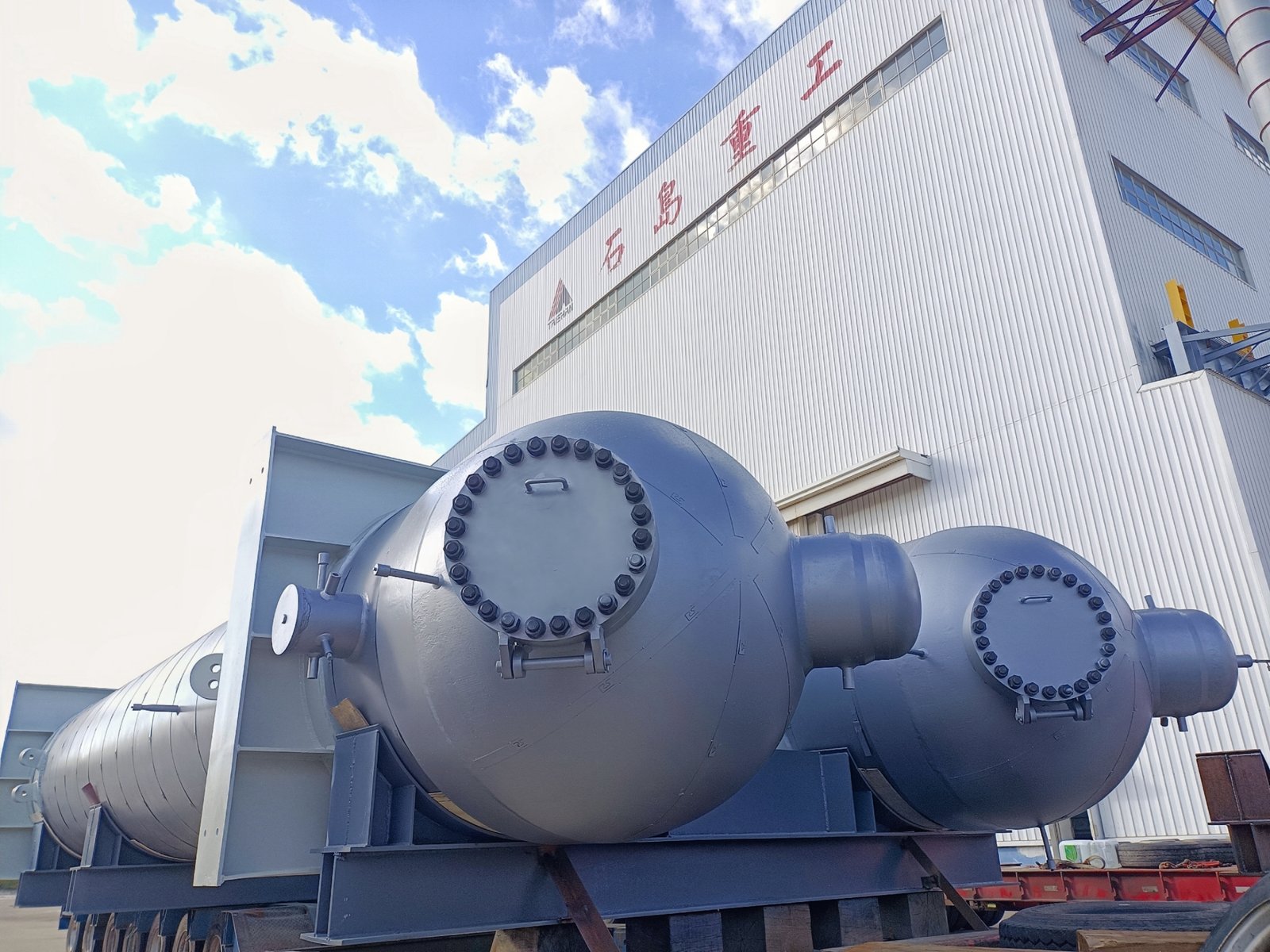
Evaporation systems may require vapor-liquid separation, condensate receiving, concentrate buffering, flash separation, or vacuum-related vessels. These should be specified as complete custom pressure vessels when pressure conditions require pressure vessel design.
Buyers should define operating pressure, design pressure, operating temperature, design temperature, medium composition, corrosion allowance, NDE scope, testing requirements, and documentation needs.
Wastewater Holding and Concentrate Tanks
SMPO wastewater projects may require large tanks above 1,000L for raw wastewater equalization, feed buffering, condensate collection, concentrate holding, cleaning liquid storage, or off-spec material management. Tank design should consider pH, salt content, organics, temperature, corrosion, coating or lining, ventilation, containment, and site layout.
For environmental projects, tanks should be defined as part of the complete process package rather than small standalone containers.
What EPC Buyers Should Confirm Before Procurement
Feed Analysis and Variability
SMPO wastewater may change with operating mode, shutdown, cleaning, upset conditions, or upstream process variation. Buyers should provide normal, maximum, and minimum feed conditions, including COD, salt, pH, temperature, organics, solids, and flow rate.
Scaling, Fouling, and Cleaning Strategy
High-salt and high-COD wastewater can create scaling, fouling, foaming, or organic deposition. EPC buyers should clarify whether the system requires mechanical cleaning access, chemical cleaning, flushing, anti-foam strategy, or operating procedures to manage concentration limits.
Materials and Corrosion Resistance
Material selection should be based on wastewater composition, pH, salt content, organics, temperature, and cleaning chemicals. Stainless steel, duplex materials, clad materials, coatings, or linings may be considered depending on project requirements, but final selection should follow qualified engineering review.
Inspection, Testing, and Documentation
Depending on pressure condition and project standard, evaporator bodies, separators, and receivers may require pressure vessel code review. ASME BPVC resources describe construction requirements for pressure vessels, but the correct code basis should follow the project specification and destination-country requirements.
Buyers should define material certificates, welding documents, dimensional inspection, NDE, pressure or leak testing, coating inspection, and final data book requirements before fabrication.
Delivery and Installation Boundaries
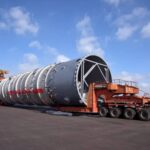
Large evaporator and condenser systems may include several fabricated items shipped together. EPC buyers should confirm delivery scope, equipment dimensions, lifting points, transport limits, export packing, site installation interfaces, and document language.
As a large-scale pressure vessel manufacturer, WSHI supports project-based fabrication of pressure vessels, evaporator-related vessels, heat exchangers, separators, towers, and large tanks. Buyers can also download the pressure vessel catalog before preparing a formal inquiry.
Common Procurement Mistakes
One mistake is asking for a wastewater evaporator quotation without wastewater analysis. For SMPO service, COD, salinity, pH, organics, scaling risk, and concentrate route are essential inputs.
Another mistake is focusing only on the evaporator body while delaying condensers, tanks, vapor-liquid separators, and concentrate handling vessels. These supporting items affect system reliability and procurement schedule.
A third mistake is assuming evaporation alone solves all compliance problems. Evaporation may reduce volume or separate streams, but final discharge, concentrate disposal, emissions, and environmental compliance must be reviewed by qualified specialists.
FAQ
What is SMPO wastewater?
SMPO wastewater usually refers to wastewater from styrene monomer and propylene oxide co-production processes. It may contain salts, organics, high COD, alkalinity, and other process-specific components.
Why are evaporators used for SMPO wastewater?
Evaporators may be used to concentrate salt-containing or high-COD wastewater, reduce liquid volume, separate condensate, or prepare concentrate for further handling. The final treatment route depends on project design and compliance requirements.
What equipment is included in an SMPO wastewater evaporator system?
A complete system may include evaporator bodies, condensers, heat exchangers, vapor-liquid separators, condensate vessels, feed tanks, concentrate tanks, cleaning tanks, and supporting pressure vessels.
What information should EPC buyers provide before requesting a quotation?
Buyers should provide wastewater analysis, flow rate, COD, salt content, pH, temperature, solids, organics, concentration target, material requirements, drawings, inspection requirements, delivery terms, and project schedule.
Can WSHI guarantee wastewater treatment performance?
No. WSHI supports equipment manufacturing evaluation based on approved drawings and specifications. Treatment performance, discharge compliance, concentrate disposal, and environmental permits should be confirmed by the EPC designer, technology provider, and qualified specialists.
Conclusion
SMPO wastewater evaporator systems for styrene and propylene oxide plants should be planned as complete industrial packages. Evaporator bodies, condensers, heat exchangers, separators, wastewater tanks, concentrate vessels, materials, inspection, and delivery boundaries all need early technical review.
If you are planning an SMPO wastewater treatment, chemical wastewater concentration, evaporator and condenser package, or environmental engineering project, WSHI can support manufacturing evaluation for complete process equipment based on your drawings, datasheets, wastewater analysis, operating conditions, material requirements, inspection scope, and delivery expectations. You can contact our engineering team to discuss your project before quotation.