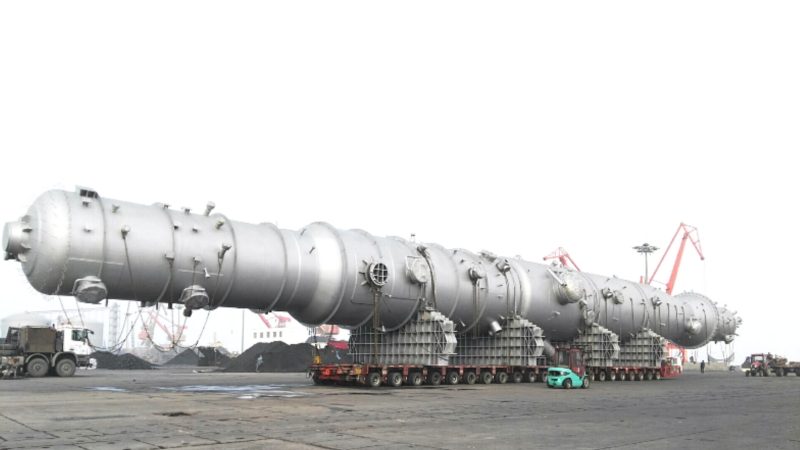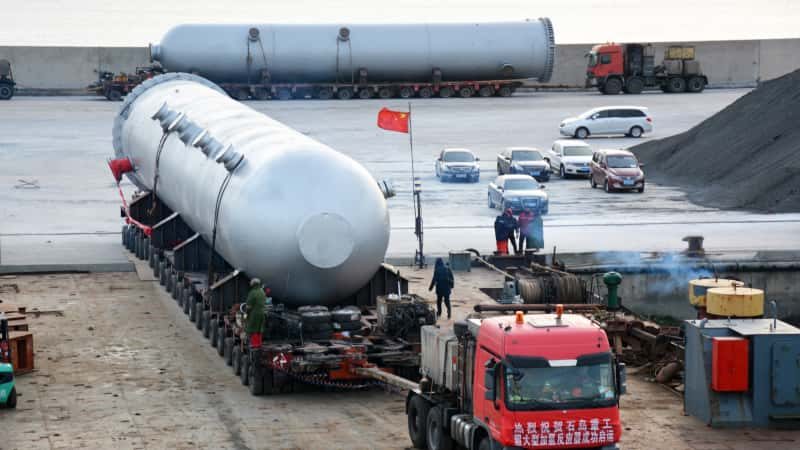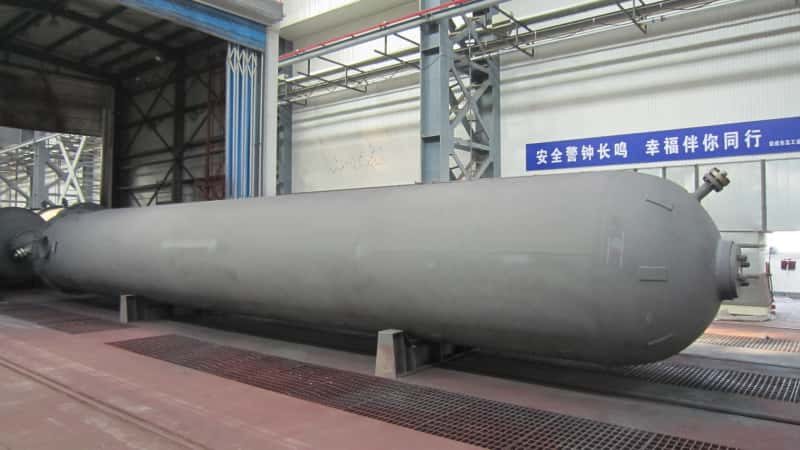

Linear alkylbenzene, or LAB, is an important feedstock for detergent and surfactant production. As petrochemical complexes expand downstream chemical output, EPC buyers and project teams need to review not only the licensed process route, but also the pressure vessels, process columns, heat exchangers, reactors, and storage tanks required to build a reliable production unit. For project procurement teams, the key question is not simply “what equipment is used?” but how each major vessel fits the operating conditions, inspection requirements, layout, and delivery schedule of the full plant.
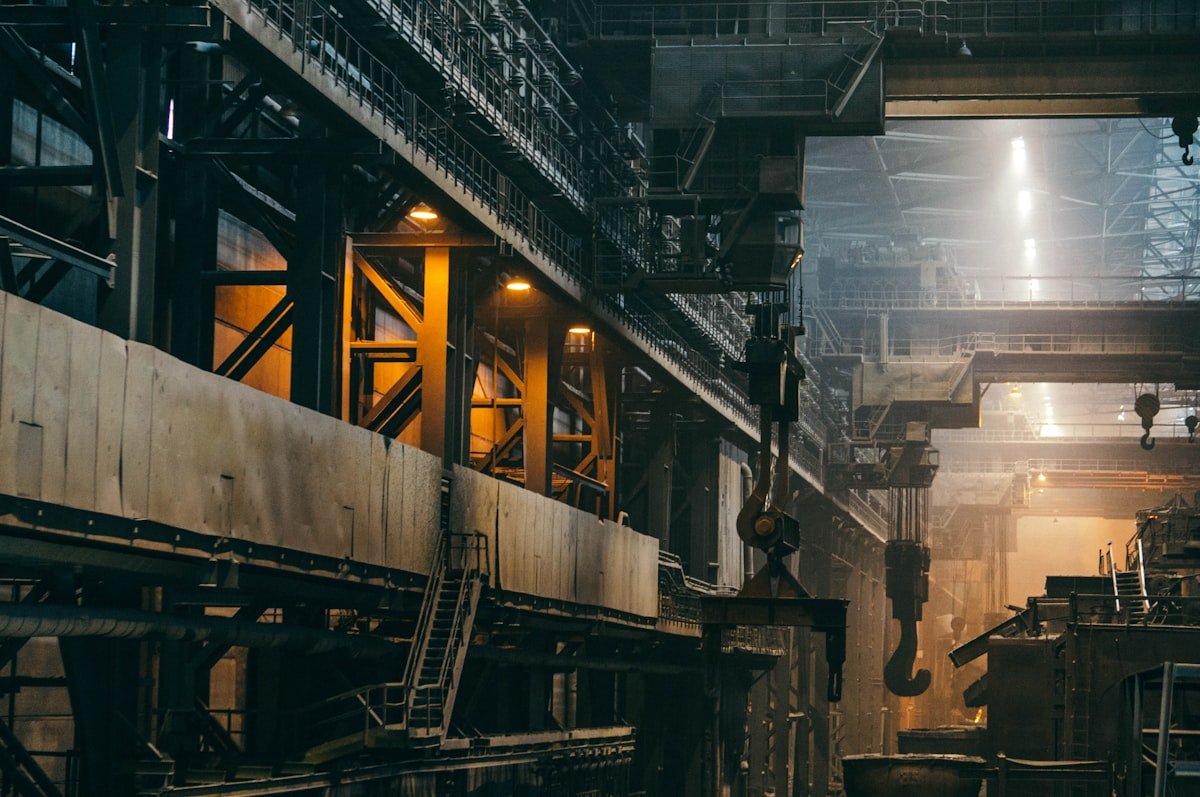
LAB plant equipment should be reviewed as a complete petrochemical EPC package, not as unrelated vessel purchases.True
Reactors, process columns, heat exchangers, pressure vessels, and storage tanks share process, layout, inspection, delivery, and documentation interfaces.
LAB plant pressure vessels are usually standard catalog products.False
Most petrochemical vessels are customized around process conditions, materials, nozzle orientation, inspection scope, and site delivery limits.
Why LAB Plant Equipment Is Relevant to Petrochemical EPC Procurement
Recent petrochemical expansion news has highlighted new linear alkylbenzene capacity as part of integrated refinery and petrochemical development. According to Honeywell’s announcement on the Dangote petrochemical expansion, LAB is used in detergent and surfactant supply chains, and large projects may combine multiple process technologies, catalysts, utilities, and downstream units.
For equipment procurement, this creates demand for complete fabricated equipment packages rather than isolated small components. A LAB-related petrochemical project may require custom pressure vessels, reaction vessels, separation columns, shell and tube exchangers, buffer vessels, and storage tanks, all coordinated with process licensors, EPC contractors, inspection agencies, and site construction teams.
What Equipment Is Commonly Used in LAB and Surfactant Feedstock Projects?
The final equipment list depends on the licensed process, feedstock, design basis, and plant integration. However, EPC teams commonly evaluate several categories of major process equipment.
Reaction and Process Vessels
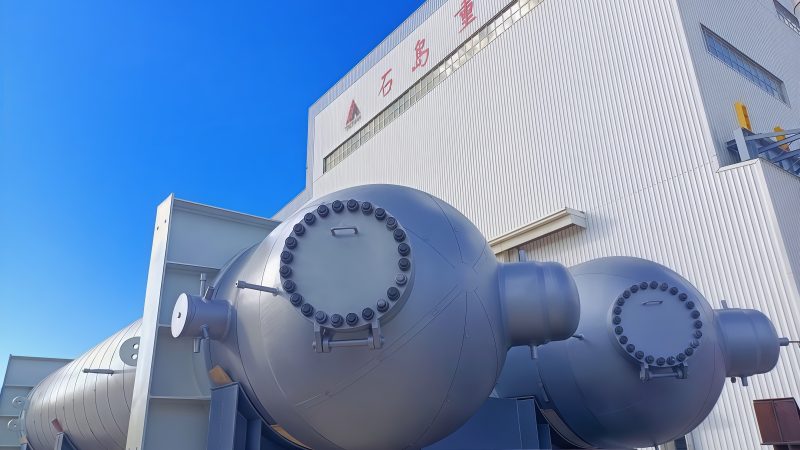
LAB production routes may involve dehydrogenation, alkylation, feed treatment, hydrogen-related service, or product stabilization depending on the selected technology. Reactors and process vessels must be reviewed based on design pressure, design temperature, corrosion allowance, catalyst or process requirements, nozzle orientation, inspection access, and fabrication tolerances.
For these services, buyers should treat reactors and pressure vessels as engineered equipment. Early communication should include process datasheets, material requirements, heat treatment requirements if applicable, NDE expectations, and any special inspection hold points required by the project.
Process Towers and Separation Columns
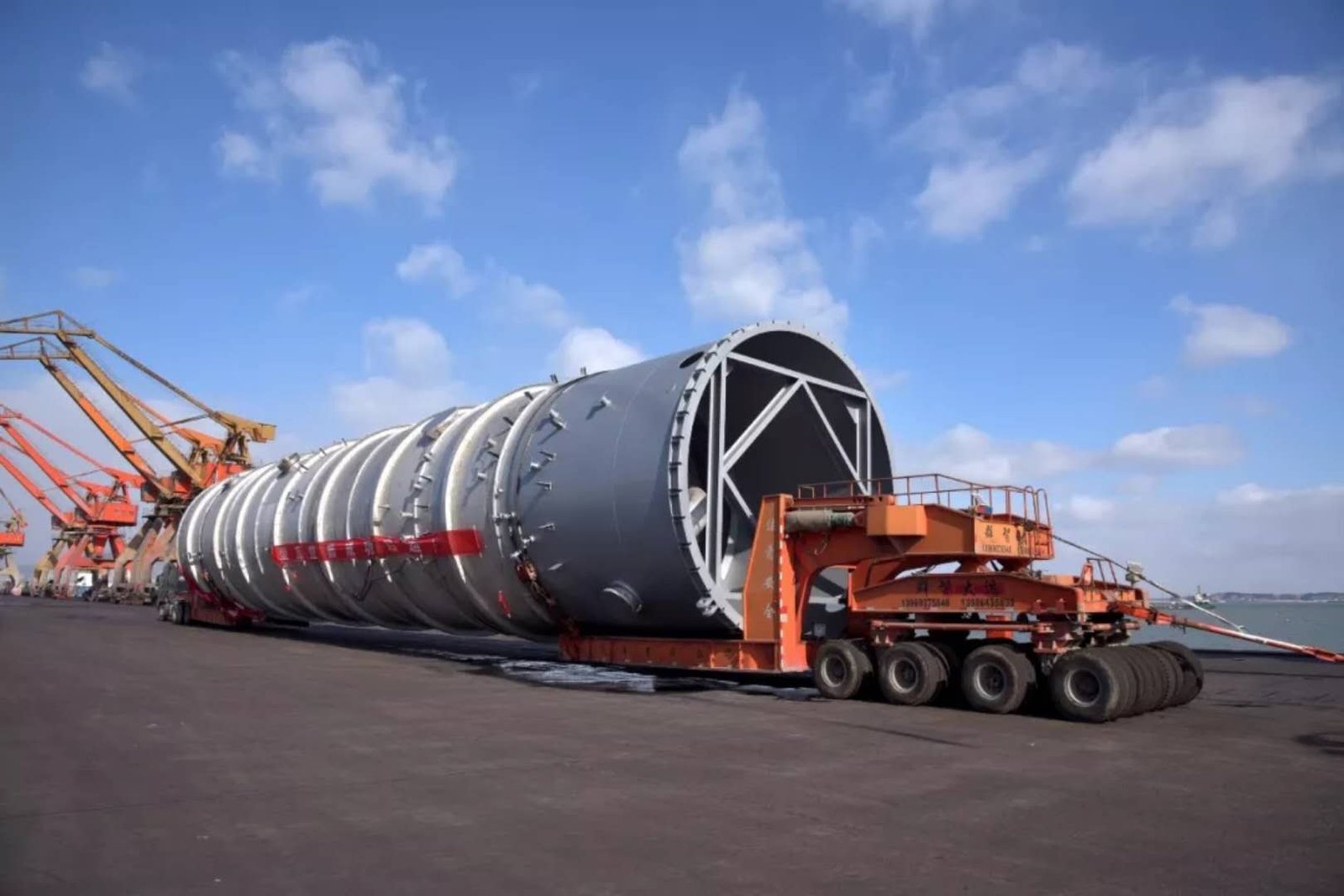
LAB and related petrochemical units may include distillation, stripping, recovery, purification, or fractionation sections. Process towers and columns can be large, heavy, and highly layout-sensitive. Their procurement should be coordinated with piping layout, platform arrangement, transport limits, lifting plans, and site installation sequence.
A column is not only a shell. Even when internal arrangements are specified by the process design, the procurement focus for the vessel manufacturer should remain the complete column body, pressure boundary, materials, welding, inspection, pressure testing, surface treatment, and delivery condition.
Heat Exchangers
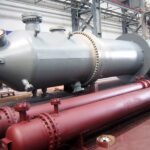
Heat transfer is central to petrochemical projects because feed preheating, product cooling, condensation, reboiling, and heat recovery all affect energy consumption and unit stability. Many LAB-related projects may use industrial heat exchangers such as shell and tube heat exchangers for robust process service.
When purchasing exchangers, EPC buyers should clarify heat duty, fluid properties, fouling tendency, allowable pressure drop, design temperature, material compatibility, tube-side and shell-side design conditions, and maintenance expectations. If the service is high pressure, high temperature, or hydrogen-related, the mechanical design review should be more conservative and project-specific.
Large Storage Tanks and Buffer Vessels
Petrochemical projects normally need storage or buffer capacity for feedstocks, intermediate streams, finished products, utilities, or off-spec material. These should be positioned as industrial-scale tanks, not small commercial tanks. For large project storage, industrial storage tanks should be selected based on medium properties, vapor pressure, corrosion behavior, operating temperature, filling and emptying cycle, site layout, and inspection requirements.
Where the stored medium is hazardous, flammable, or environmentally sensitive, tank design and fabrication should be reviewed together with the latest project standards, local regulations, safety requirements, and environmental controls.
Key Selection Factors for LAB Plant Equipment
Operating Conditions and Medium Compatibility
The first purchasing mistake is requesting a quotation before the operating conditions are clear. For LAB plant equipment, buyers should prepare normal and design pressure, normal and design temperature, medium composition, density, viscosity, corrosion data, phase behavior, and expected operating cycle.
Material selection should be based on process medium and project requirements. Carbon steel, low-alloy steel, stainless steel, or other materials may be considered depending on the service, but the final choice should be confirmed by the process design party and applicable standards.
Code, Standard, and Inspection Scope
Pressure vessels and heat exchangers may need to follow ASME, GB, EN, or other project-specified codes. For international EPC projects, buyers should confirm the applicable pressure vessel code, third-party inspection requirements, documentation format, welding procedure requirements, NDE ratio, pressure test requirements, and nameplate/document package expectations.
For pressure vessel design topics, EPC teams can refer to the official ASME BPVC Section VIII overview, while the final compliance path should always be confirmed by the project owner, EPC contractor, and authorized inspection body.
Layout, Nozzle Orientation, and Transport Limits
Large petrochemical equipment is strongly affected by site layout and logistics. Nozzle orientation, support type, platform interface, lifting lugs, shipping saddles, insulation allowance, and transportation dimensions should be checked before fabrication begins.
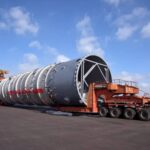
For overseas projects, equipment size and weight may influence inland transport, port handling, sea freight method, and site lifting. A reliable manufacturer should review the equipment delivery boundary with the buyer instead of treating fabrication and shipping as unrelated steps.
Manufacturing and Quality Control Considerations
For petrochemical LAB plant equipment, fabrication capability matters because large vessels and columns must meet mechanical, dimensional, and documentation requirements at the same time. Procurement teams should review whether the manufacturer can support drawing review, material procurement, welding fabrication, NDE coordination, dimensional inspection, pressure testing, surface treatment, packaging, and export delivery.
Typical quality control points may include material traceability, welding procedure qualification, welder qualification, fit-up inspection, visual inspection, radiographic or ultrasonic testing where required, hydrostatic or pneumatic testing where applicable, and final dossier preparation. The exact inspection scope should be defined by the project specification and applicable code.
As a large-scale pressure vessel manufacturer, WSHI’s content focus is on complete equipment manufacturing for industrial projects, including pressure vessels, process columns, heat exchangers, and storage tanks. EPC buyers can also review WSHI’s pressure vessel product catalog when preparing early-stage equipment discussions.
Common Procurement Risks in LAB Plant Equipment Projects
One common risk is separating equipment packages too aggressively. If reactors, columns, exchangers, and storage vessels are purchased without coordinated interfaces, the project may face nozzle mismatch, delayed documentation, transport conflicts, or additional site modification.
Another risk is focusing only on price before the technical boundary is clear. LAB and petrochemical equipment may involve high temperature, flammable hydrocarbons, corrosive media, hydrogen-related service, or strict inspection requirements. In these cases, buyers should compare quotations based on the same design basis, material scope, inspection level, surface treatment, documentation, and delivery terms.
A third risk is underestimating manufacturing schedule impact. Large columns, pressure vessels, and exchangers often require long-lead materials, welding planning, NDE scheduling, pressure testing, coating, and transport preparation. Early supplier involvement helps reduce redesign and procurement delays.
Why Customized Manufacturing Matters
LAB plant equipment is rarely a standard catalog purchase. The same equipment name may require different materials, wall thickness, nozzle arrangement, supports, testing scope, and shipping method from one project to another. Custom manufacturing allows the equipment to be aligned with the process datasheet, plant layout, safety requirements, and site installation plan.
For EPC buyers, the right question is not only whether a supplier can manufacture a vessel, but whether the supplier can understand project drawings, communicate around technical deviations, support inspection documentation, and deliver large equipment safely to the agreed project boundary.
FAQ
What equipment is commonly required in a LAB plant project?
A LAB-related petrochemical project may require reactors, pressure vessels, process columns, heat exchangers, buffer vessels, and storage tanks. The exact scope depends on the licensed process, feedstock, plant integration, and EPC design basis.
Why are process columns important in LAB plant equipment procurement?
Process columns may be used for distillation, stripping, recovery, or purification duties. Their size, nozzle orientation, internal process requirements, transport limitations, and inspection scope should be reviewed before fabrication.
What should EPC buyers prepare before requesting a quotation?
Buyers should prepare process datasheets, design pressure and temperature, medium composition, material requirements, drawings, applicable codes, NDE requirements, pressure test requirements, delivery terms, and documentation expectations.
Are LAB plant pressure vessels standard products?
Usually not. Most petrochemical pressure vessels are customized according to project-specific operating conditions, material requirements, inspection scope, and site layout.
Can one supplier manufacture multiple types of LAB plant equipment?
Depending on capability and project scope, a manufacturer may support pressure vessels, process columns, heat exchangers, and storage tanks. EPC buyers should confirm fabrication capacity, quality control process, documentation capability, and delivery experience.
Conclusion
LAB plant equipment procurement should be planned as a complete petrochemical equipment package, not as a collection of unrelated vessels. Reactors, process columns, heat exchangers, pressure vessels, and large storage tanks all affect process reliability, site installation, inspection, and delivery schedule.
If you are preparing a LAB, surfactant feedstock, petrochemical, or refinery-integrated chemical project, you can share your datasheets, drawings, medium information, inspection requirements, and delivery terms with WSHI. Our engineering and manufacturing team can help discuss the feasibility of custom pressure vessels, process columns, heat exchangers, and large industrial storage tanks for your project requirements.