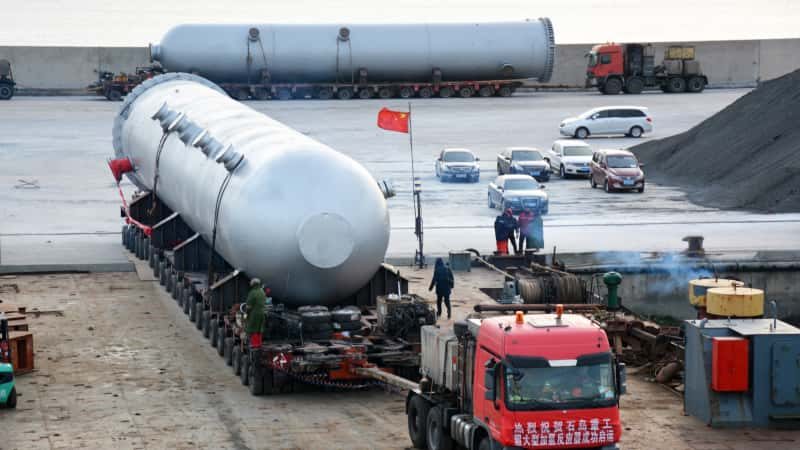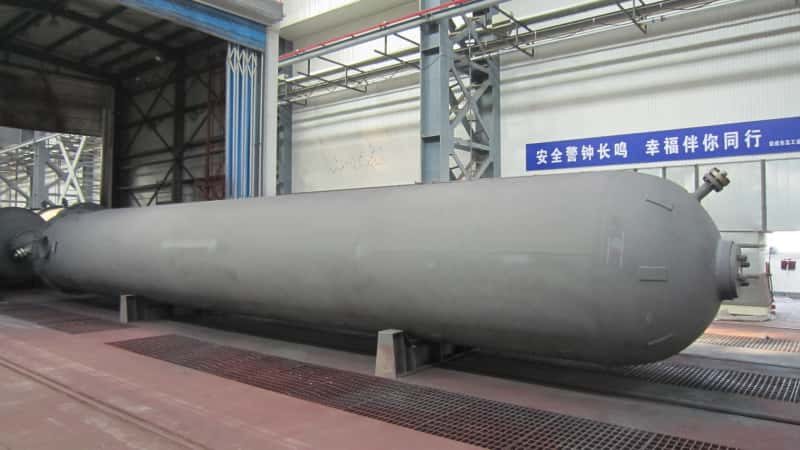

Industrial wastewater evaporator systems are often considered when conventional treatment cannot economically manage high salinity, high COD, difficult organics, or concentrated waste streams. For EPC buyers and plant engineers, the challenge is not simply selecting an evaporator type. The real decision is how to translate wastewater analysis, pilot testing, scaling behavior, material compatibility, condensate quality, and residue handling into a full-scale equipment package that can be fabricated, inspected, delivered, and operated reliably.
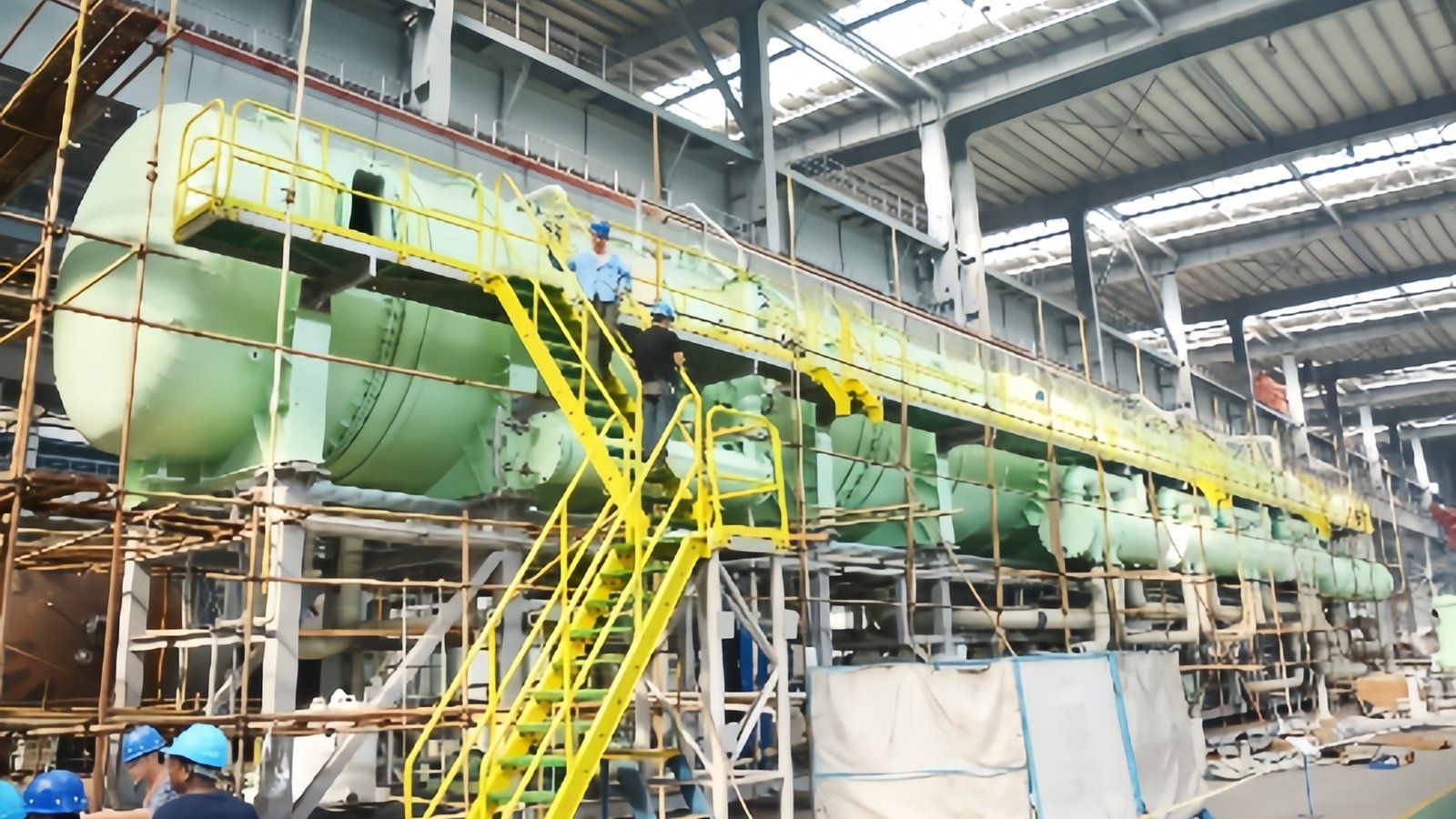
Industrial wastewater evaporator scale-up should be planned as a complete equipment package, not only as an evaporator body selection.True
Feed tanks, heat exchangers, separators, condensers, concentrate tanks, cleaning systems, materials, inspection, and delivery boundaries all affect full-scale project success.
Pilot test results can be copied directly into full-scale evaporator procurement without additional engineering review.False
Full-scale systems must account for flow variation, worst-case concentration, utility limits, cleaning downtime, residue handling, storage capacity, site layout, and maintenance access.
What Are Industrial Wastewater Evaporator Systems?
Industrial wastewater evaporator systems use heat, vacuum, vapor recompression, or multi-effect evaporation to separate water from dissolved or suspended contaminants. The recovered condensate may be reused or sent to further treatment, while the concentrated liquid or slurry must be stored, treated, crystallized, or disposed of according to the project’s environmental requirements.
In full-scale projects, an evaporator is rarely a single standalone machine. A complete system may include feed tanks, heat exchangers, evaporation bodies, vapor-liquid separation vessels, condensers, pumps, vacuum equipment, concentrate tanks, cleaning systems, pipework, instruments, platforms, and control interfaces. For large industrial plants, EPC buyers should review these items as one integrated procurement scope.
WSHI’s manufacturing focus is on custom pressure vessels, industrial heat exchangers, large tanks, and project-based equipment fabrication. These capabilities are relevant when an environmental engineering company or EPC contractor needs major fabricated equipment for wastewater evaporation, brine concentration, or industrial waste reduction projects.
Why Pilot Testing Matters Before Full-Scale Procurement
Pilot testing helps reduce uncertainty. Industrial wastewater can vary widely from one plant to another, even within the same industry. A pilot test may help confirm evaporation rate, foaming tendency, scaling risk, boiling point elevation, corrosion behavior, condensate quality, cleaning frequency, and concentrate characteristics.
However, pilot data should not be used mechanically. A pilot unit may operate under controlled conditions, while a full-scale project must handle daily flow variation, seasonal feed changes, shutdown and restart conditions, utility fluctuations, residue storage, operator access, and maintenance constraints. EPC buyers should ask how pilot results will be converted into mechanical design parameters, material selection, heat transfer area, vapor-liquid separation volume, cleaning arrangement, and storage capacity.
The U.S. EPA’s Industrial Wastewater Treatment Technology Database is a useful reference for understanding treatment technology data sources, but each project still requires its own wastewater analysis and engineering review.
Main Applications of Wastewater Evaporator Systems
Chemical and Fine Chemical Manufacturing
Chemical plants may generate high-salt, solvent-containing, acidic, alkaline, or organic-rich wastewater streams. Evaporation may be used to reduce liquid waste volume, recover water, or concentrate difficult streams before downstream disposal or treatment.
For these projects, material compatibility and corrosion allowance are critical. Buyers should provide chloride, pH, COD, ammonia, sulfate, hardness, solvent content, suspended solids, and cleaning chemical information before equipment selection.
Pharmaceutical and Specialty Chemical Wastewater
Pharmaceutical and specialty chemical plants may have complex wastewater with high variability. Some streams may foam, scale, crystallize, or contain heat-sensitive organics. Evaporator system procurement should therefore consider feed equalization, pretreatment, vapor treatment, condensate handling, and residue storage as part of the full package.
Coal Chemical, Petrochemical, and Refinery Wastewater
Coal chemical and petrochemical wastewater can contain salts, hydrocarbons, ammonia, phenols, sulfides, or other difficult components depending on the upstream process. Evaporation equipment may need to work with pressure vessels for chemical plants, separation vessels, condensers, and storage tanks.
In refinery and petrochemical projects, integration with utilities, hazardous-area classification, maintenance planning, and plant shutdown windows should be reviewed early.
Environmental Engineering and ZLD Projects
For zero liquid discharge or near-ZLD projects, evaporation may be combined with pretreatment, membrane concentration, crystallization, condensate reuse, and solids management. EPA’s Effluent Limitations Guidelines database describes evaporation as a treatment technology where water is vaporized and the remaining product becomes concentrated brine. In practice, the final design must be confirmed against the actual wastewater, local permit requirements, and disposal route.
Key Selection Factors for Full-Scale Evaporator Systems
Feed Composition and Variability
A full-scale evaporator should be selected from feed data, not only from nominal flow rate. EPC buyers should prepare a complete wastewater profile, including flow range, TDS, COD, BOD if relevant, chloride, sulfate, hardness, silica, suspended solids, oil content, pH, volatile compounds, crystallization tendency, and expected daily or seasonal variation.
If wastewater composition changes between production campaigns, the system should be evaluated under worst-case and normal operating conditions.
Scaling, Fouling, and Cleaning Requirements
Scaling and fouling are among the most common causes of poor evaporator performance. Calcium sulfate, silica, hardness salts, organic fouling, suspended solids, and slurry formation can reduce heat transfer and increase downtime.
For scaling-prone wastewater, buyers should ask whether the system requires forced circulation, special heat exchanger design, cleaning-in-place provisions, anti-scaling pretreatment, or crystallization handling. Cleaning frequency and chemical compatibility should be considered before final material selection.
Heat Transfer and Utility Conditions
Evaporator performance depends on steam, electricity, cooling water, chilled water, vacuum level, and heat recovery design. Multi-effect evaporation, MVR, forced circulation evaporation, or hybrid systems may be considered depending on evaporation capacity, energy cost, site utilities, and concentrate target.
When industrial heat exchangers are part of the package, buyers should clarify heat duty, temperature approach, pressure drop limits, fouling resistance, cleaning access, and material requirements.
Material Selection and Corrosion Risk
Material selection should not be based only on TDS. Chloride concentration, pH, temperature, oxidizing components, cleaning chemicals, ammonia, sulfate, organics, and stress corrosion risk may all influence the final material. Carbon steel, stainless steel, duplex stainless steel, titanium, or higher alloy materials may be considered depending on the project, but final selection must be verified by the process design party and applicable specifications.
Concentrate, Condensate, and Storage Boundary
Full-scale evaporator procurement should clearly define what happens after evaporation. Where does the condensate go? Is it reused, polished, or discharged? Where is the concentrate stored? Does the project require crystallization, off-site disposal, or further treatment?
Large concentrate or wastewater holding tanks should be designed for industrial project service, above 1,000 liters, with attention to corrosion resistance, coating or lining requirements, agitation if required by process design, venting philosophy, foundation interface, and inspection needs. Buyers can review industrial storage tanks when planning larger wastewater storage or concentrate holding requirements.
Manufacturing and Quality Control Considerations
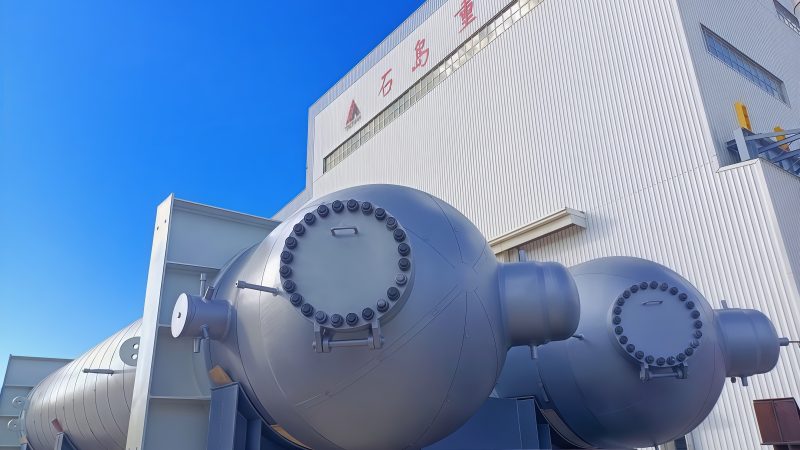
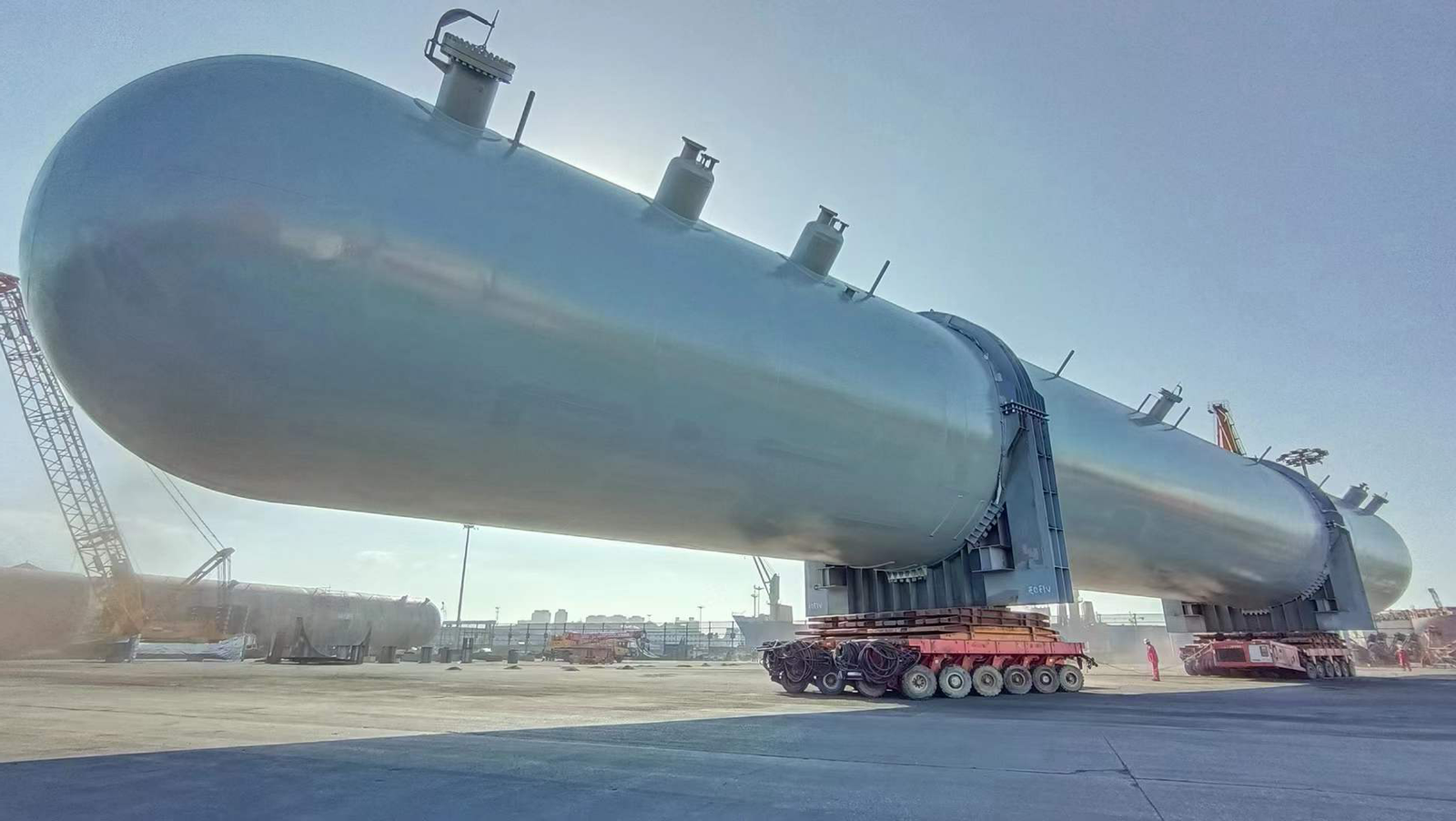
Industrial wastewater evaporator systems may include pressure vessels, shell and tube heat exchangers, evaporation bodies, separators, condensers, tanks, and skid-mounted or modular equipment. The manufacturing quality of these fabricated items affects leakage risk, corrosion life, inspection compliance, and long-term maintainability.
A practical manufacturing review should include material traceability, welding procedure qualification, dimensional inspection, nondestructive examination where specified, pressure testing where applicable, coating or lining inspection, nozzle orientation checks, and final documentation.
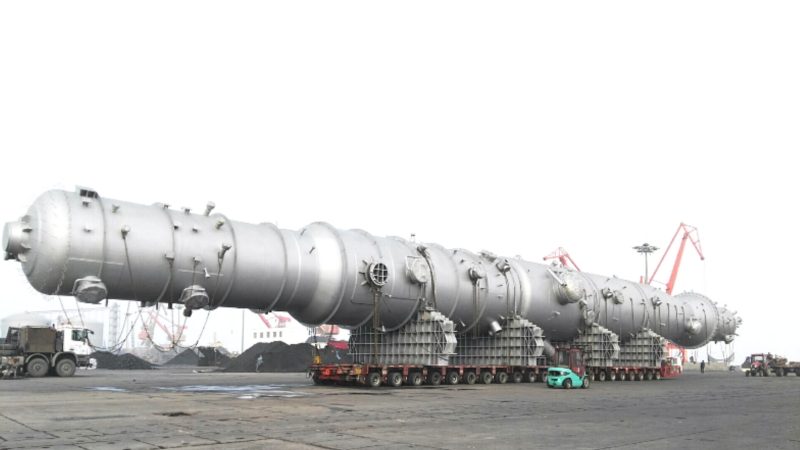
For EPC projects, the manufacturer should also support drawing review, fabrication sequencing, large-equipment loading, export packaging, and delivery coordination. As a large-scale pressure vessel manufacturer, WSHI can support project discussions involving custom vessels, heat exchangers, large tanks, and fabricated equipment packages for industrial and environmental engineering applications.
Common Buyer Mistakes
One common mistake is scaling up from pilot testing without enough safety margin for feed variability. Pilot data is valuable, but full-scale design should consider worst-case concentration, cleaning downtime, utility limits, and residue handling.
Another mistake is focusing only on evaporator capacity. Capacity alone does not define system success. Material compatibility, scaling risk, energy consumption, condensate quality, concentrate storage, maintenance access, and documentation can have equal or greater impact on long-term operation.
A third mistake is leaving storage and delivery boundaries unclear. Feed tanks, condensate tanks, concentrate tanks, heat exchangers, separation vessels, and connecting interfaces should be defined before purchase order release to avoid scope gaps between the process supplier, equipment manufacturer, EPC contractor, and site installer.
What Should EPC Buyers Prepare Before Requesting a Quotation?
Before requesting a quotation, buyers should prepare wastewater analysis, flow range, target concentration, condensate reuse requirement, concentrate disposal route, operating hours, available utilities, site layout, applicable standards, material preferences, corrosion data, cleaning requirements, drawings if available, inspection requirements, and delivery terms.
If the project is still in early design, preliminary feed data and expected operating conditions are still useful. Early discussion can help identify scale-up risks, material concerns, large tank requirements, transportation limits, and equipment packaging options.
FAQ
What data is needed before selecting an industrial wastewater evaporator system?
Buyers should prepare wastewater composition, flow range, TDS, COD, pH, chloride, sulfate, hardness, suspended solids, scaling tendency, target concentration, condensate reuse requirement, utility conditions, and disposal route.
Why is pilot testing important for wastewater evaporation projects?
Pilot testing helps confirm evaporation behavior, foaming, scaling, corrosion risk, condensate quality, cleaning needs, and concentrate characteristics before full-scale procurement.
What equipment may be included in a full-scale evaporator system?
A complete system may include feed tanks, heat exchangers, evaporation bodies, vapor-liquid separation vessels, condensers, vacuum equipment, concentrate tanks, cleaning systems, pipework, instruments, and control interfaces.
How should materials be selected for wastewater evaporator equipment?
Material selection should consider chloride, pH, temperature, oxidizing components, cleaning chemicals, ammonia, sulfate, organics, and corrosion risk. Final material choice should follow project specifications and engineering review.
Are large storage tanks needed in wastewater evaporation projects?
Many full-scale projects require large feed, condensate, or concentrate tanks above 1,000 liters. Tank material, coating, lining, venting, foundation interface, and inspection requirements should be reviewed with the overall system design.
Conclusion
Industrial wastewater evaporator systems should be procured as complete project equipment, not as a single evaporator body. Pilot testing helps validate feasibility, but full-scale success depends on feed variability, scaling behavior, material compatibility, heat transfer design, condensate and concentrate handling, storage capacity, manufacturing quality, and delivery planning.
If you are planning an industrial wastewater evaporation, brine concentration, chemical wastewater reduction, or ZLD-related project, you can share your wastewater analysis, flow rate, target concentration, drawings, material requirements, inspection scope, and delivery terms with WSHI. Our engineering and manufacturing team can help discuss the feasibility of custom pressure vessels, heat exchangers, evaporator-related vessels, and large industrial storage tanks for your project requirements.