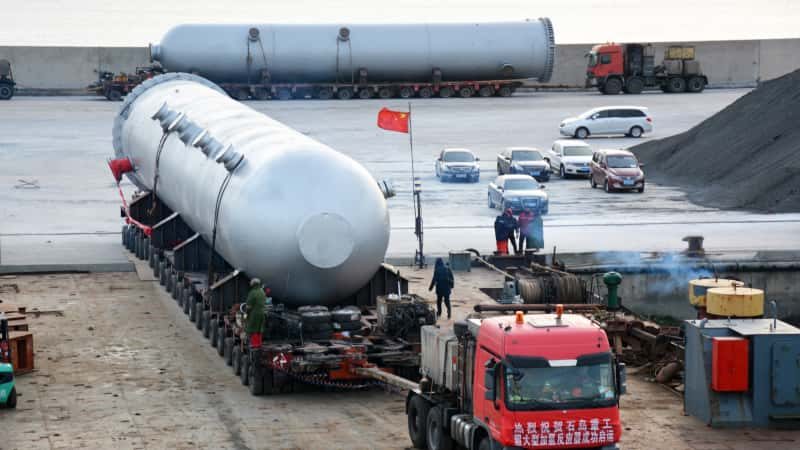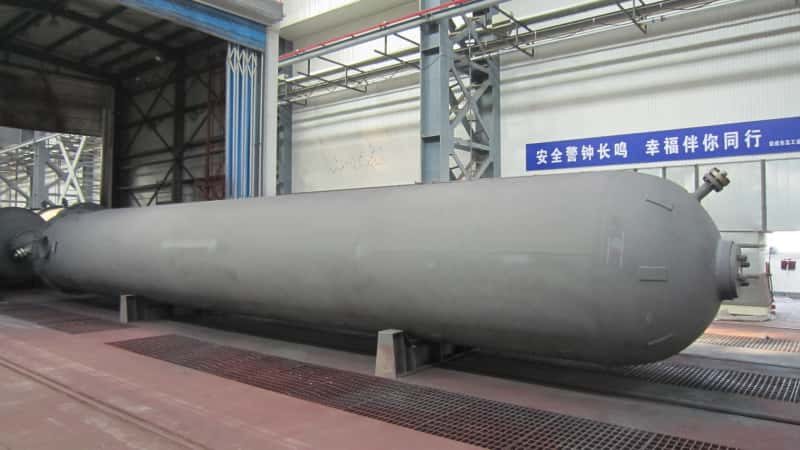

MVR evaporator systems are attracting attention as chemical, petrochemical, pharmaceutical, and environmental engineering projects look for lower steam consumption and more efficient wastewater or process-liquid concentration. For EPC buyers, the real procurement question is not only whether MVR technology can save energy. It is whether the complete system, including evaporator bodies, heat exchangers, vapor-liquid separation vessels, condensate handling, large storage tanks, controls, inspection, and delivery scope, can match the actual plant conditions.
An MVR evaporator system should be procured as a complete evaporation package, not only as an energy-saving machine.True
Evaporator bodies, heat exchangers, vapor-liquid separators, feed and concentrate tanks, controls, inspection, cleaning access, and delivery boundaries all affect project performance.
MVR energy savings can be guaranteed from generic marketing percentages without feed analysis.False
Energy performance depends on feed composition, boiling point elevation, concentration target, compressor load, operating hours, utility prices, fouling, and maintenance conditions.
What Is an MVR Evaporator System?
An MVR evaporator system, or mechanical vapor recompression evaporator system, compresses secondary vapor generated during evaporation and reuses it as a heating medium. Compared with a conventional single-effect steam evaporator, the system can reduce external steam demand under suitable operating conditions. However, actual performance depends on feed composition, boiling point elevation, concentration target, compressor design, heat transfer area, fouling tendency, and utility availability.
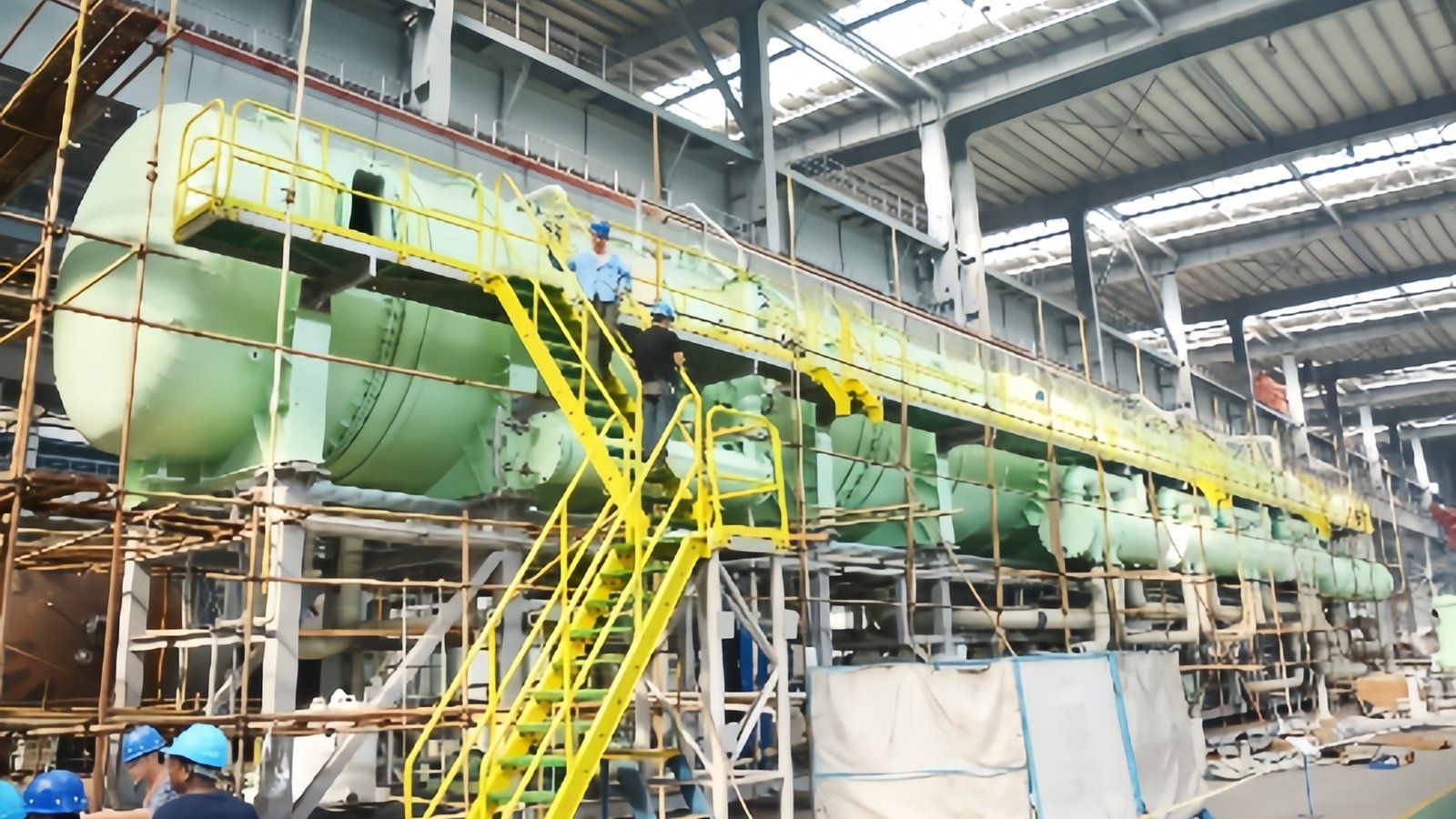
In industrial projects, an MVR system is usually not a single machine. A complete package may include evaporation vessels, circulation equipment, industrial heat exchangers, condensers if required, vapor-liquid separation vessels, feed tanks, condensate tanks, concentrate tanks, platforms, piping interfaces, instrumentation, and electrical/control coordination.
For EPC procurement teams, this means the equipment boundary should be defined early. Otherwise, scope gaps between process design, mechanical fabrication, electrical control, tank supply, and site installation can create delays later.
Where Are MVR Evaporator Systems Used?
Industrial Wastewater Concentration
MVR evaporator systems are commonly considered for industrial wastewater streams where volume reduction, water recovery, or brine concentration is required. Typical applications may include chemical wastewater, high-salinity wastewater, pharmaceutical wastewater, coal chemical wastewater, and certain refinery or petrochemical waste streams.
For these applications, the wastewater analysis is more important than the equipment name. Buyers should provide TDS, chloride, sulfate, COD, pH, hardness, silica, suspended solids, oil content, volatile components, and expected variation between production campaigns.
Chemical Process Concentration
Some chemical plants use evaporation to concentrate process liquids, intermediates, mother liquor, salts, or recovered solutions. MVR can be considered when evaporation load is high and energy efficiency is important. The final selection should be reviewed together with process engineers because crystallization tendency, foaming, viscosity change, and thermal sensitivity can influence the equipment design.
Environmental Engineering and ZLD Projects
In zero liquid discharge or near-ZLD projects, MVR evaporators may work with pretreatment, membrane concentration, crystallizers, condensate polishing, and large wastewater or concentrate storage tanks. Buyers should avoid treating the evaporator as the whole solution. Residue handling, condensate quality, cleaning, tank capacity, and disposal path must be included in the project boundary.
Key Selection Factors for EPC Buyers
Feed Composition and Operating Range
An MVR evaporator system should be selected based on the full operating envelope, not only nominal flow rate. Feed composition affects boiling point elevation, heat transfer, scaling, corrosion, foaming, vapor quality, compressor load, and cleaning frequency.
Before requesting a quotation, EPC buyers should prepare normal and maximum flow rate, feed temperature, concentration target, operating hours, startup frequency, wastewater analysis, expected seasonal variation, and worst-case operating cases. If the stream is hazardous or contains volatile organics, the system design should be reviewed according to project safety and environmental requirements.
Heat Transfer Design
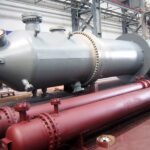
Heat transfer is central to MVR performance. The evaporator body and exchanger surfaces must be selected according to fouling tendency, viscosity, circulation rate, temperature difference, allowable pressure drop, and cleaning method. For some projects, shell and tube heat exchangers may be required as part of preheating, condensation, heat recovery, or auxiliary thermal systems.
EPC teams can review WSHI’s custom heat exchangers when planning fabricated heat transfer equipment for chemical and environmental projects.
Vapor-Liquid Separation
Vapor-liquid separation affects compressor protection, condensate quality, carryover control, and downstream reliability. The separation vessel should be designed around vapor flow, droplet loading, liquid level control, pressure, temperature, residence time, and maintenance access.
This should be purchased as part of a complete engineered equipment scope, not as a standalone small component inquiry. The buyer should confirm the full vessel size, pressure boundary, nozzles, supports, inspection requirements, and documentation scope.
Material Selection and Corrosion Allowance
Material selection for MVR evaporator systems depends on chloride level, pH, operating temperature, cleaning chemicals, oxygen content, sulfate, ammonia, solvents, and concentration factor. Carbon steel, stainless steel, duplex stainless steel, titanium, or other alloys may be considered depending on the service, but final selection should be confirmed by project engineers and applicable specifications.
For pressure-retaining equipment, buyers should define applicable design codes, corrosion allowance, NDE scope, pressure testing requirements, and documentation before purchase order release.
Storage and Holding Tank Boundary
Large tanks are often needed before and after evaporation. Feed equalization tanks, condensate tanks, concentrate tanks, cleaning solution tanks, and residue holding tanks may all affect the system layout. For WSHI’s positioning, storage tank content should remain industrial and project-scale, above 1,000 liters, and connected to complete system procurement.
Buyers can review industrial storage tanks when planning large feed, condensate, or concentrate holding requirements for evaporation projects.
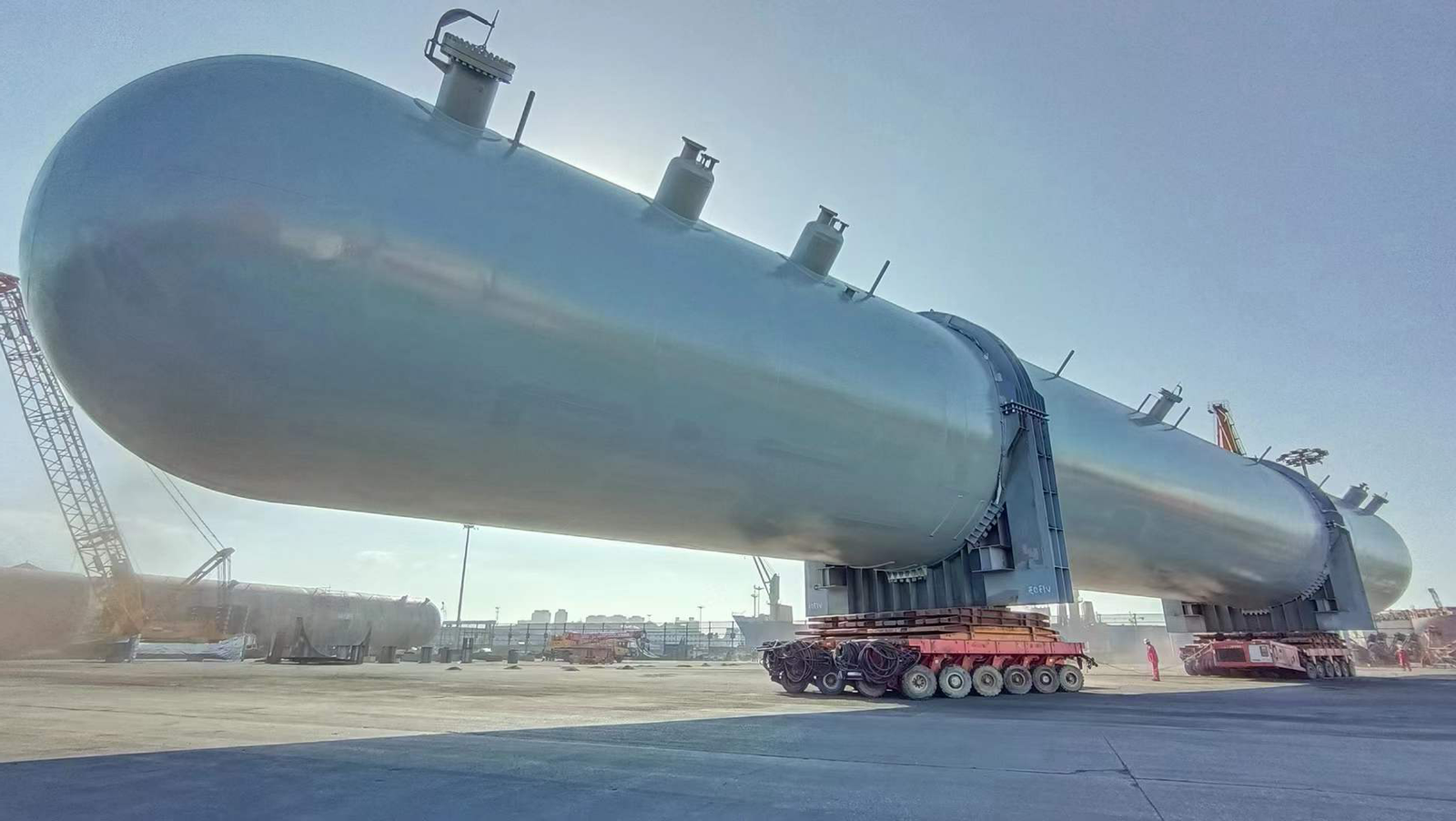
Manufacturing and Quality Control Considerations
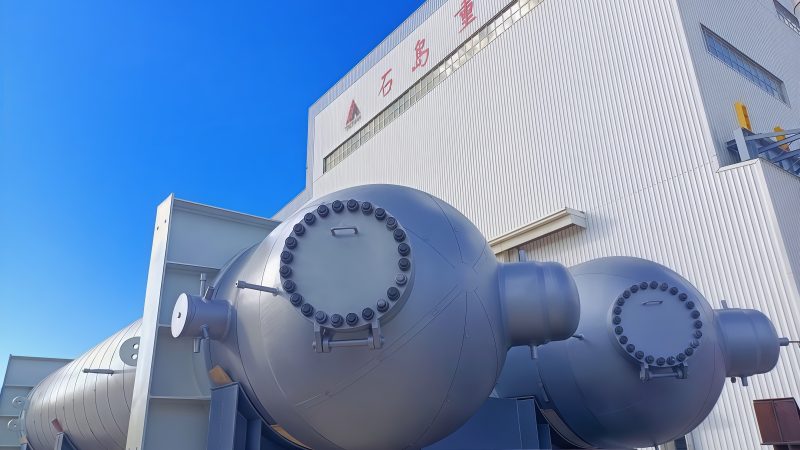
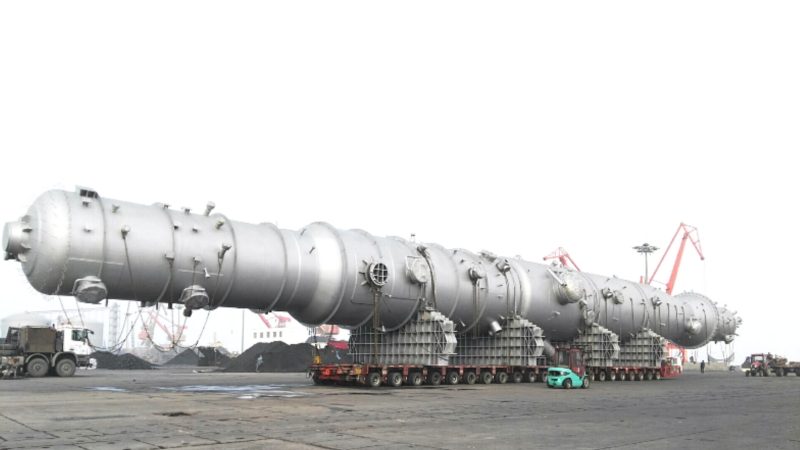
For MVR evaporator systems, equipment quality depends on both process design and fabrication execution. Major fabricated items may include evaporation vessels, vapor-liquid separation vessels, heat exchangers, condensers, and large tanks. These items need reliable welding, dimensional control, pressure testing where applicable, and documentation.
A practical quality review may include material traceability, welding procedure qualification, welder qualification, fit-up inspection, NDE where specified, dimensional inspection, hydrostatic or pneumatic testing where applicable, coating or lining inspection, and final dossier preparation.
As a large-scale pressure vessel manufacturer, WSHI focuses on project-based manufacturing for complete equipment needs, including custom pressure vessels, heat exchangers, large tanks, and related fabricated process equipment.
Common Procurement Mistakes
One common mistake is evaluating MVR systems only by energy-saving claims. Energy performance depends heavily on actual feed properties, concentration target, electricity price, steam cost, operating hours, and maintenance conditions. Buyers should request project-specific calculations instead of relying on generic percentages.
Another mistake is separating the evaporator body from the surrounding equipment too early. Feed tanks, heat exchangers, separators, condensate systems, concentrate tanks, and cleaning arrangements directly affect operation. If the boundary is unclear, the EPC contractor may face additional interface work during installation.
A third mistake is underestimating fouling and cleaning. Scaling-prone wastewater can reduce heat transfer and increase downtime. Cleaning access, chemical compatibility, drainability, and maintenance space should be reviewed before fabrication drawings are finalized.
What Should Buyers Prepare Before Requesting a Quotation?
Before requesting a quotation for an MVR evaporator system, EPC buyers should prepare wastewater or process-liquid analysis, flow range, concentration target, operating hours, utility conditions, site layout, material requirements, corrosion data, cleaning requirements, drawings if available, inspection requirements, delivery terms, and documentation expectations.
If the project is still in early engineering, preliminary process data is still useful. Early manufacturer involvement can help identify fabrication risks, long-lead materials, large-equipment transport constraints, and storage tank requirements.
FAQ
What is an MVR evaporator system?
An MVR evaporator system compresses secondary vapor from evaporation and reuses it as a heating source. It can reduce external steam demand under suitable operating conditions.
What industries use MVR evaporator systems?
MVR systems may be used in chemical manufacturing, pharmaceutical wastewater treatment, coal chemical wastewater, petrochemical wastewater, brine concentration, and environmental engineering projects.
What data is needed before selecting an MVR evaporator system?
Buyers should prepare flow rate, feed composition, TDS, COD, chloride, pH, suspended solids, viscosity, concentration target, utility conditions, material requirements, and operating schedule.
Why are heat exchangers important in MVR systems?
Heat exchangers affect preheating, vapor condensation, heat recovery, energy efficiency, and maintenance. Their design should consider heat duty, fouling, corrosion, pressure drop, and cleaning access.
Are storage tanks part of an MVR evaporator project?
Many full-scale projects require large feed, condensate, or concentrate tanks above 1,000 liters. These tanks should be reviewed as part of the complete system boundary.
Conclusion
MVR evaporator systems for chemical plants should be planned as complete industrial equipment packages. The evaporator body, heat exchangers, vapor-liquid separation vessels, condensate handling, concentrate storage, large tanks, fabrication quality, and delivery boundary all influence long-term project success.
If you are preparing a chemical wastewater concentration, process evaporation, brine reduction, or ZLD-related project, you can share your feed analysis, flow rate, target concentration, drawings, material requirements, inspection scope, and delivery terms with WSHI. Our engineering and manufacturing team can help discuss the feasibility of custom pressure vessels, heat exchangers, evaporator-related vessels, and large industrial storage tanks for your project requirements.