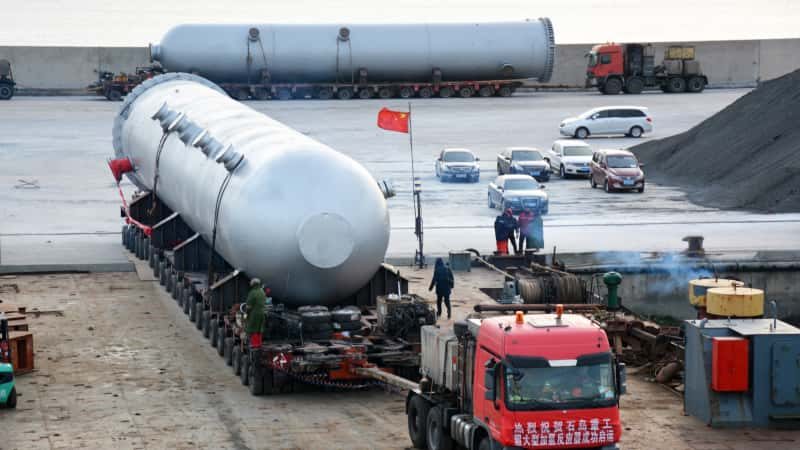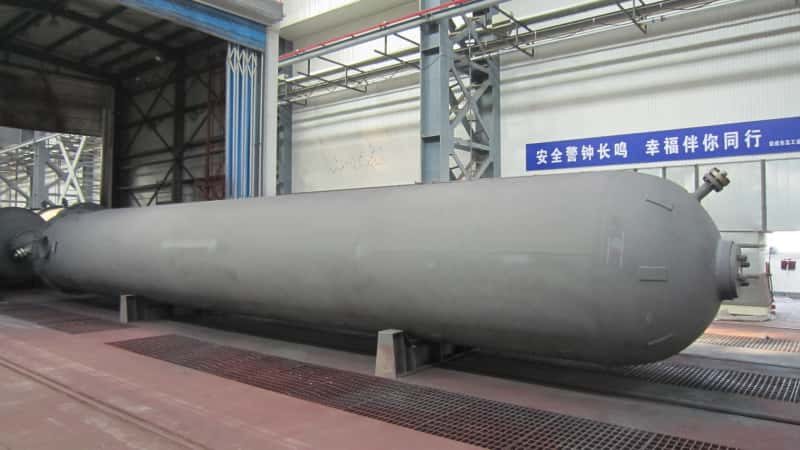
Coal chemical wastewater ZLD equipment is becoming more important as coal-to-chemicals, coal gasification, methanol, ammonia, and downstream chemical projects face stricter water reuse and wastewater reduction expectations. For EPC buyers, the challenge is not only choosing an evaporator or crystallizer. The real task is defining a complete equipment boundary that includes pretreatment interfaces, evaporators, crystallizers, heat exchangers, vapor-liquid separation vessels, condensate handling, concentrate storage, large wastewater holding tanks, fabrication quality, and project delivery requirements.
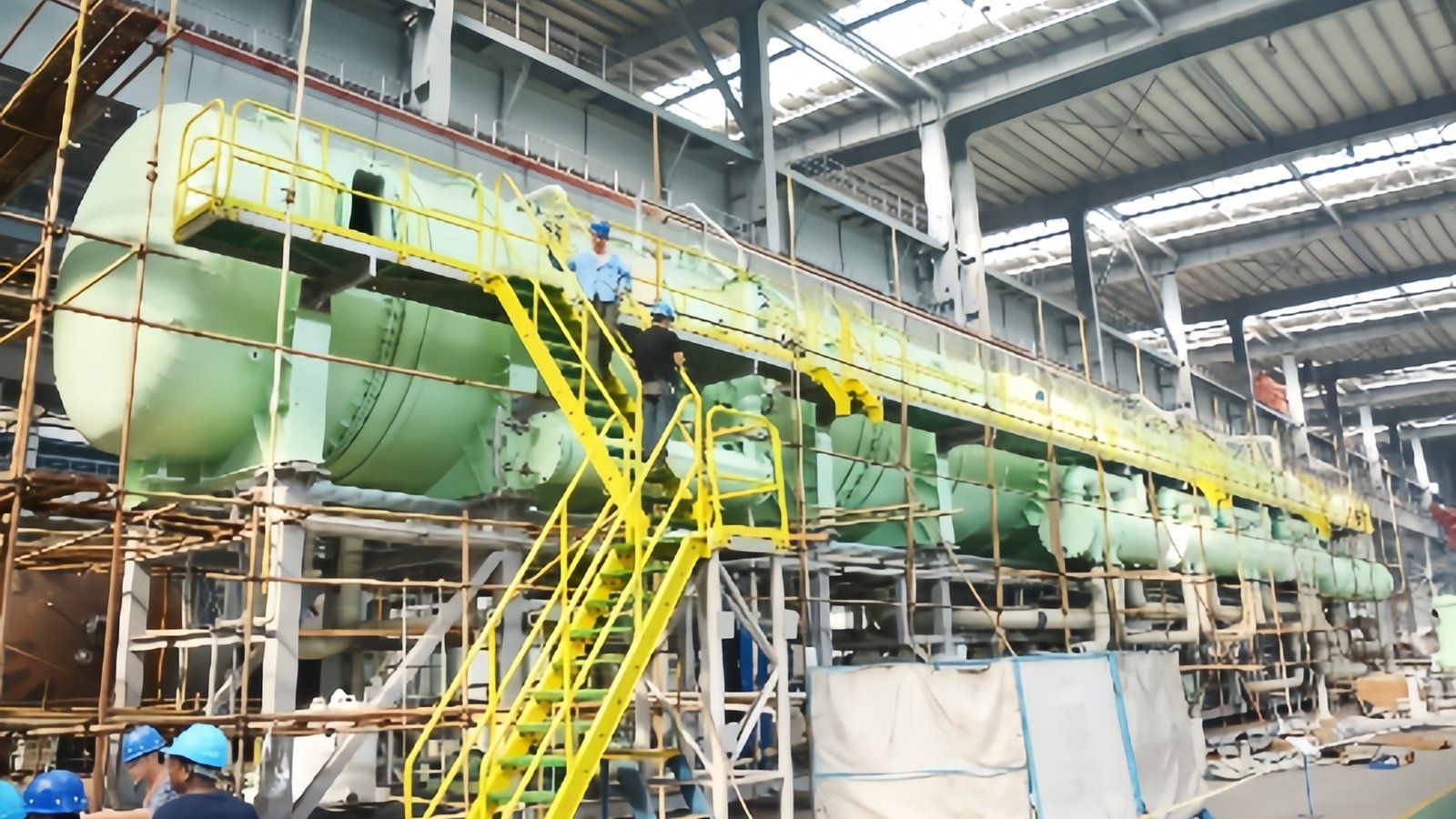
Coal chemical wastewater ZLD equipment should be planned as a complete system boundary, not as a single evaporator purchase.True
Pretreatment interfaces, evaporators, crystallizers, heat exchangers, vapor-liquid separation, condensate handling, concentrate tanks, materials, inspection, and delivery all affect ZLD project reliability.
A ZLD equipment supplier can guarantee discharge compliance from the equipment name alone.False
Compliance depends on wastewater analysis, pretreatment, condensate quality, residue disposal, permits, operating control, local regulations, and project-specific engineering review.
Why Coal Chemical Wastewater ZLD Requires Careful Equipment Planning
Coal chemical wastewater is often difficult to treat because it may contain high salinity, hardness ions, ammonia nitrogen, phenols, organic compounds, suspended solids, and other process-related contaminants. The exact composition depends on the upstream unit, feedstock, pretreatment process, and operating conditions.
Research on hypersaline coal chemical wastewater has repeatedly emphasized that ZLD is usually an integrated process rather than a single evaporator. A pilot-scale study published in Desalination described a treatment chain combining membrane concentration, softening, oxidation, and evaporator-crystallizer equipment for coal chemical wastewater. A 2026 article in Separation and Purification Technology also reflects continued research interest in sustainable evaporation approaches for hypersaline coal chemical wastewater.
For industrial EPC projects, this reinforces one practical point: ZLD procurement should be planned as a complete system. Evaporators, crystallizers, industrial heat exchangers, separation vessels, condensate tanks, concentrate tanks, and large wastewater storage tanks must be reviewed together.
What Equipment Is Used in Coal Chemical Wastewater ZLD Projects?
The final process route depends on water analysis, recovery target, discharge requirements, and owner specifications. However, several major fabricated equipment categories are commonly considered in full-scale coal chemical wastewater ZLD projects.
Evaporators
Evaporators concentrate brine or wastewater by removing water as vapor. Depending on project conditions, EPC teams may consider multi-effect evaporation, forced circulation evaporation, MVR evaporation, or hybrid evaporation systems.
For hypersaline wastewater, buyers should pay close attention to scaling tendency, boiling point elevation, viscosity increase, foaming, suspended solids, and cleaning requirements. A nominal evaporation capacity alone is not enough for procurement. The RFQ should include wastewater composition, flow range, concentration target, operating schedule, utility conditions, and cleaning expectations.
Crystallizers
Crystallizers may be used when the project needs to further concentrate brine, recover salts, or reduce liquid residue. In coal chemical wastewater service, crystallizer design must consider salt composition, crystal growth behavior, slurry concentration, discharge method, scaling tendency, corrosion risk, and downstream solids handling.
The crystallizer should be reviewed as part of the complete ZLD equipment package. Buyers should avoid treating it as an isolated item without confirming upstream pretreatment, evaporator outlet conditions, condensate quality, and concentrate storage requirements.
Heat Exchangers
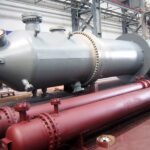
Heat exchangers support preheating, evaporation, condensation, heat recovery, and utility integration. In high-salinity wastewater service, fouling resistance, cleaning access, corrosion allowance, material compatibility, and pressure drop limits are critical.
WSHI manufactures custom heat exchangers for industrial projects where process conditions, materials, and inspection requirements must be reviewed case by case.
Vapor-Liquid Separation Vessels
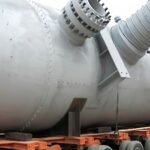
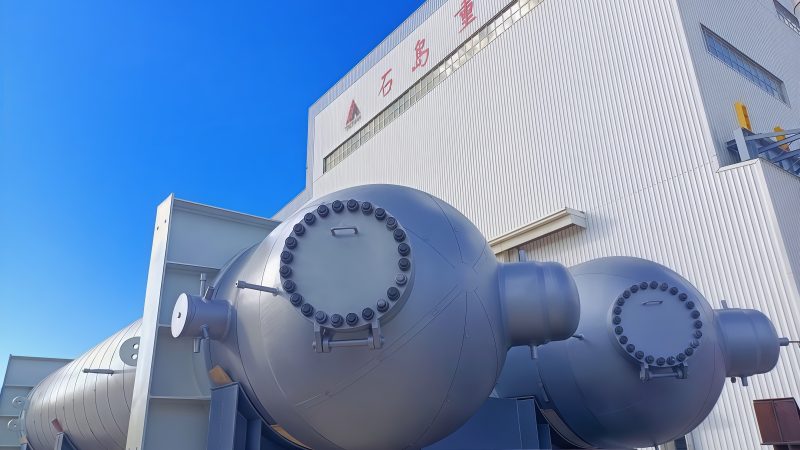
Vapor-liquid separation is important for carryover control, compressor protection in MVR systems, condensate quality, and stable operation. Separation vessels should be specified as complete engineered vessels, including pressure boundary, nozzles, supports, inspection scope, material requirements, and documentation.
For coal chemical wastewater projects, these vessels may operate with corrosive vapor, entrained droplets, or variable liquid loading. The design basis should be confirmed by the process supplier and EPC contractor.
Large Wastewater and Concentrate Holding Tanks
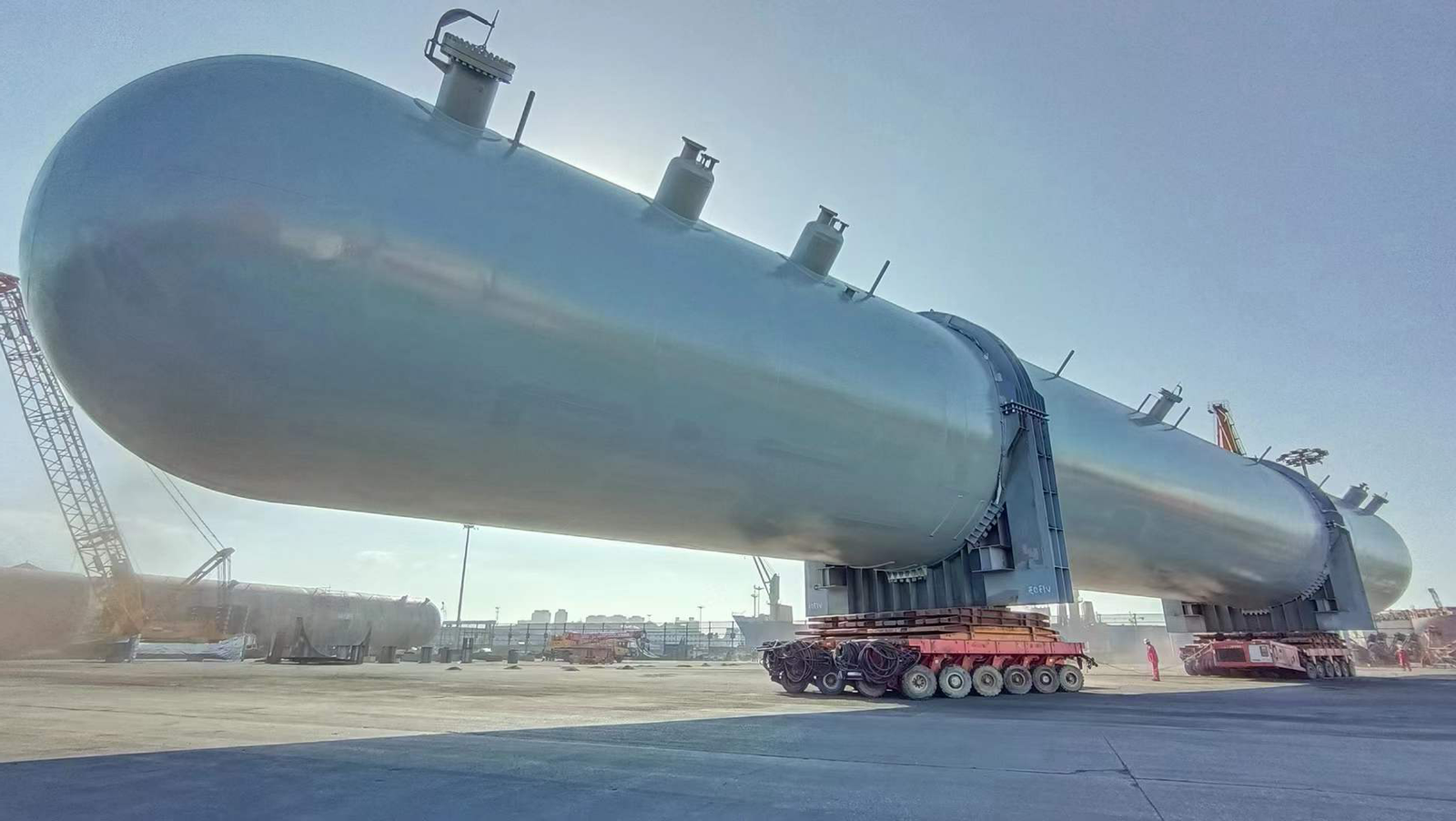
Full-scale ZLD systems often require feed equalization tanks, intermediate tanks, condensate tanks, cleaning solution tanks, and concentrate holding tanks. These should be industrial project-scale tanks, above 1,000 liters, with clear material, coating, lining, venting, foundation, inspection, and delivery requirements.
Buyers can review WSHI’s industrial storage tanks when planning large wastewater, condensate, or concentrate storage for coal chemical and environmental engineering projects.
Key Selection Factors for EPC Buyers
Wastewater Composition
Coal chemical wastewater equipment selection should begin with water analysis. Important parameters may include TDS, chloride, sulfate, calcium, magnesium, silica, COD, ammonia nitrogen, phenols, oil content, suspended solids, pH, alkalinity, and expected variation between operating campaigns.
If only average water quality is provided, the system may be underprepared for worst-case scaling, corrosion, or residue handling. EPC buyers should ask for normal, maximum, and upset-case data where possible.
Scaling and Fouling Risk
Scaling is one of the biggest risks in ZLD systems. Hardness salts, silica, sulfate, carbonate, and organic fouling can reduce heat transfer, increase cleaning frequency, and reduce system availability.
Before ordering major equipment, buyers should confirm pretreatment effectiveness, cleaning strategy, heat exchanger design, circulation approach, material compatibility with cleaning chemicals, and maintenance access.
Material Selection and Corrosion Control
Hypersaline wastewater can be aggressive, especially when chloride concentration, temperature, pH, oxidants, ammonia, or cleaning chemicals are involved. Carbon steel, stainless steel, duplex stainless steel, titanium, or higher alloy materials may be considered depending on the service, but no material should be selected only by equipment name.
Final material selection should be confirmed based on actual wastewater analysis, operating temperature, concentration factor, cleaning method, project specifications, and applicable standards.
Utility and Energy Boundary
ZLD equipment can require steam, electricity, cooling water, compressed air, vacuum systems, and control interfaces. MVR systems may reduce steam demand under suitable conditions, but electricity consumption, compressor reliability, feed properties, and maintenance needs must be reviewed.
Buyers should compare lifecycle operation requirements rather than only initial equipment cost.
Condensate and Residue Handling
A ZLD system does not end at evaporation. EPC teams must define where condensate goes, whether it needs polishing, whether it can be reused, how concentrate is stored, how salts or slurry are removed, and how residue disposal will be managed.
These topics may involve environmental permits and local regulations. Equipment suppliers should provide manufacturing support and technical discussion, but final compliance decisions must come from the project owner, EPC contractor, environmental consultant, and local authority.
Manufacturing and Quality Control Considerations
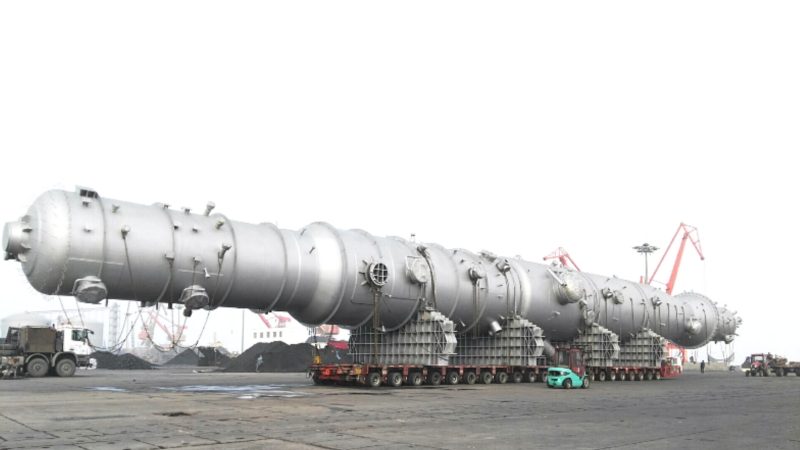
Coal chemical wastewater ZLD projects often require large fabricated equipment with corrosion-sensitive service. Manufacturing quality affects leakage risk, service life, installation schedule, and inspection acceptance.
A practical quality plan may include material traceability, welding procedure qualification, welder qualification, fit-up inspection, dimensional inspection, nondestructive examination where specified, pressure testing where applicable, coating or lining inspection, and final documentation.
As a large-scale pressure vessel manufacturer, WSHI focuses on complete project equipment manufacturing, including custom pressure vessels, heat exchangers, evaporator-related vessels, and large storage tanks for chemical, coal chemical, petrochemical, and environmental engineering projects.
Common Procurement Mistakes
One common mistake is requesting a quotation without enough wastewater data. Without feed composition, flow range, concentration target, scaling tendency, and material requirements, quotations may not be technically comparable.
Another mistake is buying the evaporator without defining the full system boundary. Feed tanks, pretreatment interfaces, crystallizers, heat exchangers, condensate tanks, concentrate tanks, and residue handling can all affect project cost and performance.
A third mistake is underestimating corrosion and cleaning. High-salinity wastewater becomes more concentrated as evaporation proceeds, so the most aggressive conditions may appear near the final concentration or crystallization stage.
What Should Buyers Prepare Before RFQ?
Before requesting a quotation, EPC buyers should prepare wastewater analysis, design and normal flow rate, concentration target, condensate reuse requirement, residue disposal route, operating hours, utility conditions, material requirements, corrosion data, cleaning method, drawings if available, inspection requirements, applicable standards, documentation expectations, site layout, and delivery terms.
If the project is still in early design, preliminary data is still valuable. Early discussion can help identify scale-up risks, material concerns, large tank requirements, transport constraints, and fabrication schedule issues.
FAQ
What equipment is commonly used in coal chemical wastewater ZLD projects?
A complete ZLD project may include pretreatment interfaces, evaporators, crystallizers, heat exchangers, vapor-liquid separation vessels, condensate tanks, concentrate tanks, large wastewater holding tanks, piping interfaces, and control systems.
Why is wastewater analysis important before selecting ZLD equipment?
Wastewater composition affects scaling, corrosion, evaporation behavior, crystallization, condensate quality, material selection, and cleaning frequency. EPC buyers should provide detailed feed data before procurement.
Is an MVR evaporator suitable for coal chemical wastewater?
MVR may be considered for some coal chemical wastewater concentration projects, but suitability depends on feed composition, boiling point elevation, fouling risk, energy economics, compressor requirements, and system design.
What materials are used for hypersaline wastewater equipment?
Material selection may involve carbon steel, stainless steel, duplex stainless steel, titanium, or other alloys depending on chloride level, pH, temperature, cleaning chemicals, and corrosion risk. Final selection should follow project engineering review.
Are storage tanks part of a ZLD equipment package?
Yes, many full-scale ZLD projects require large feed, condensate, concentrate, or cleaning solution tanks above 1,000 liters. These tanks should be specified as part of the complete project boundary.
Conclusion
Coal chemical wastewater ZLD equipment should be planned as a complete industrial equipment package. Evaporators, crystallizers, heat exchangers, vapor-liquid separation vessels, condensate handling, concentrate storage, large wastewater holding tanks, material selection, inspection, and delivery planning all affect project reliability.
If you are preparing a coal chemical wastewater concentration, hypersaline brine treatment, evaporator-crystallizer, or ZLD-related project, you can share your wastewater analysis, flow rate, concentration target, drawings, material requirements, inspection scope, and delivery terms with WSHI. Our engineering and manufacturing team can help discuss the feasibility of custom pressure vessels, heat exchangers, evaporator-related vessels, crystallizer-related equipment, and large industrial storage tanks for your project requirements.