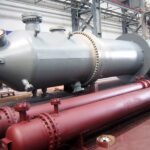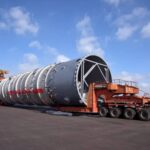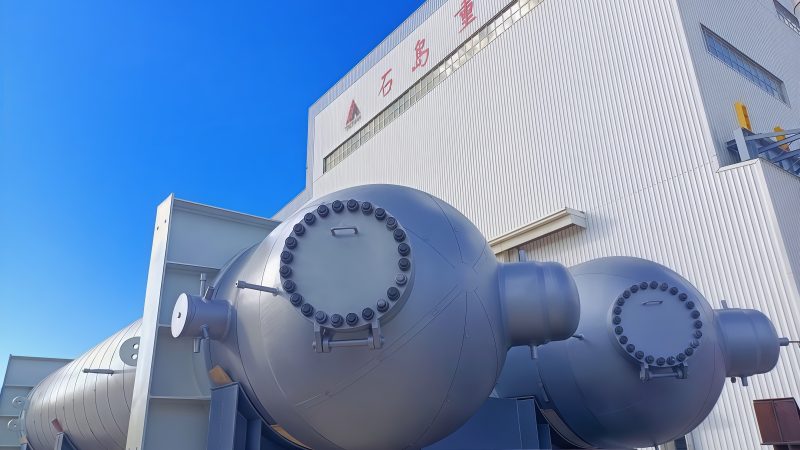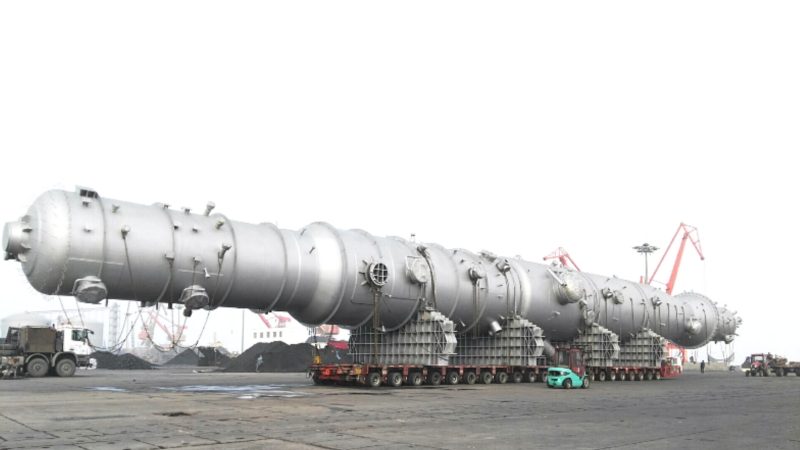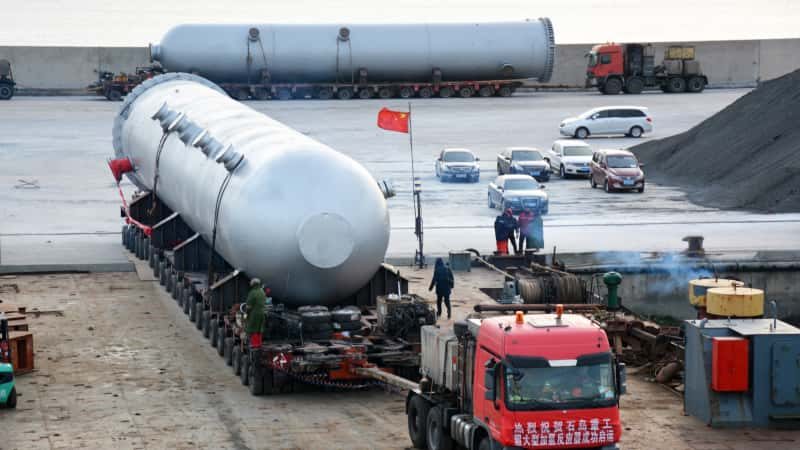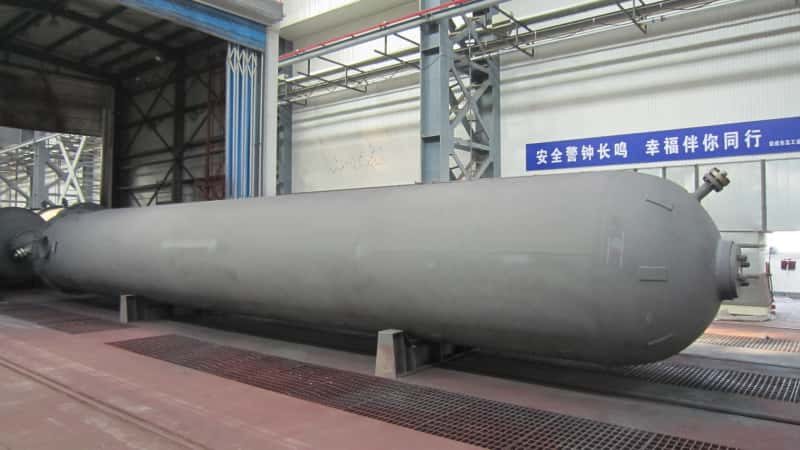

Hydrogen electrolyzer projects are often discussed around stack technology, power supply, and renewable electricity. But for EPC buyers, the balance-of-plant equipment is just as important for safe and stable operation. Hydrogen electrolyzer BOP vessels may include gas-liquid separators, buffer vessels, cooling heat exchangers, purification vessels, condensate or water handling vessels, and project-scale storage equipment. These items must be reviewed as complete engineered equipment, not as small accessories, because they affect hydrogen quality, pressure stability, plant reliability, inspection, layout, and delivery.
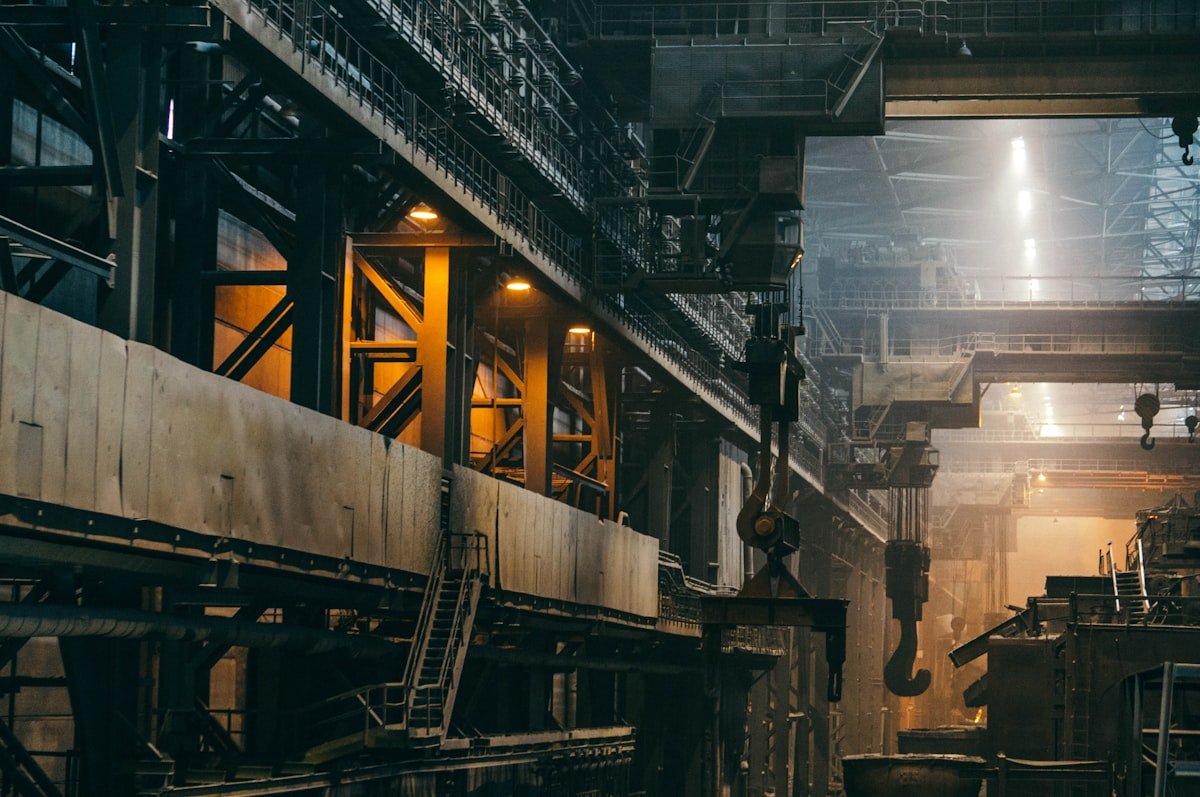
Hydrogen electrolyzer BOP vessels should be reviewed as complete engineered equipment, not as small accessories around the stack.True
Gas-liquid separation, buffering, cooling, purification, pressure control, layout, inspection, documentation, and delivery boundaries all affect green hydrogen project reliability.
Hydrogen BOP vessels can be selected only by equipment name without operating data.False
Gas flow, liquid loading, pressure, temperature, purity target, electrolyzer technology, materials, inspection scope, and site interfaces are needed before reliable procurement.
What Are Hydrogen Electrolyzer BOP Vessels?
Hydrogen electrolyzer BOP vessels are the pressure vessels and fabricated equipment installed around the electrolyzer system to support gas separation, cooling, purification, buffering, liquid removal, and process stability. The exact equipment scope depends on whether the project uses alkaline, PEM, AEM, or solid oxide electrolysis, as well as plant capacity, operating pressure, water quality, safety philosophy, and downstream hydrogen use.
The U.S. Department of Energy explains that electrolysis uses electricity to split water into hydrogen and oxygen, and that different electrolyzer types operate under different conditions. For EPC procurement, this means BOP equipment should not be selected by name only. It should be reviewed according to the process datasheets, operating envelope, hydrogen purity requirements, pressure level, temperature, water management, and project code requirements.
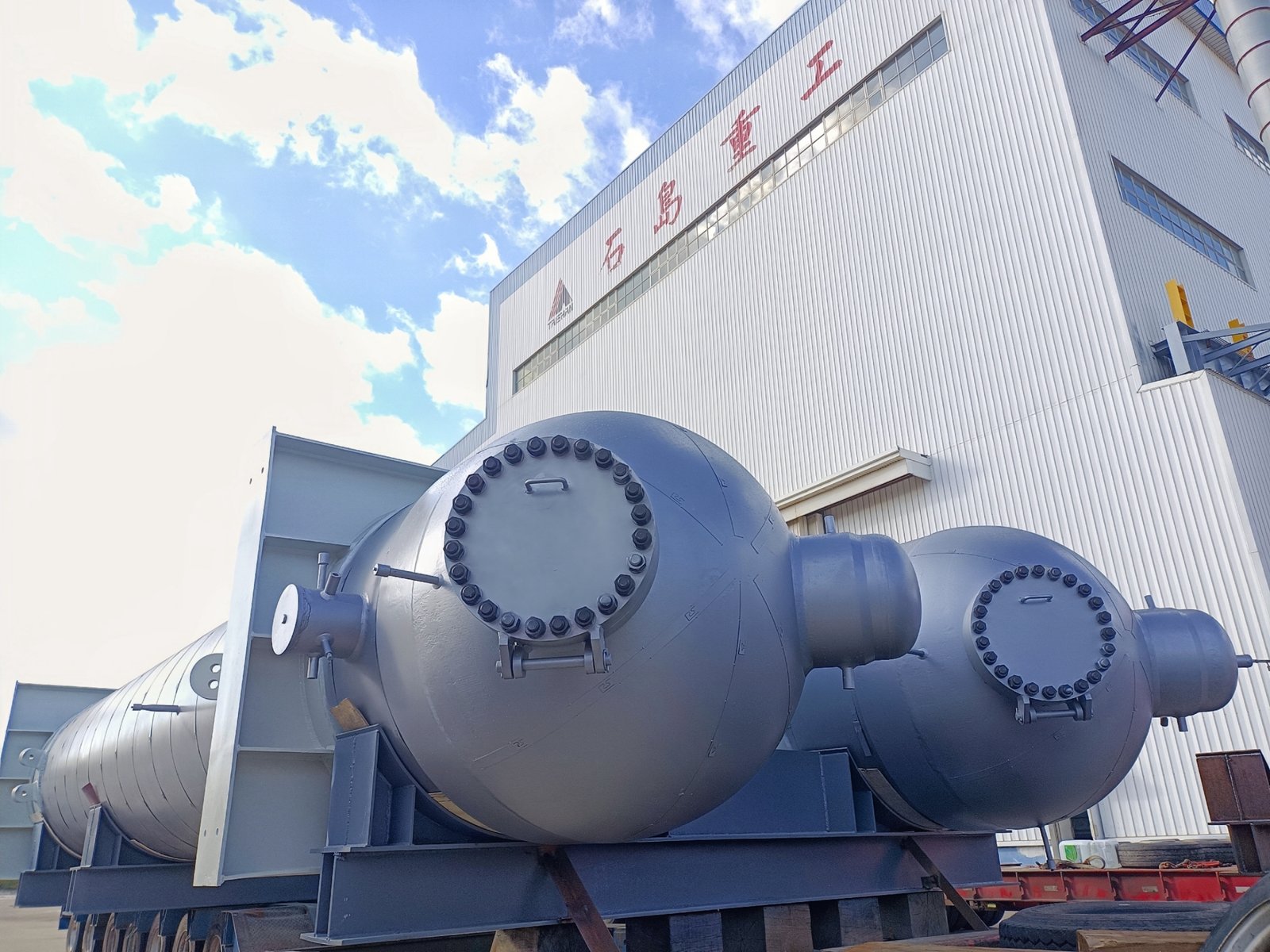
A complete hydrogen BOP package may involve custom pressure vessels, gas-liquid separation vessels, buffer vessels, industrial heat exchangers, purification-related vessels, and large storage tanks where required by the project boundary.
Main Applications in Green Hydrogen Projects
Gas-Liquid Separation After Electrolysis
Hydrogen and oxygen streams leaving an electrolyzer system may contain entrained liquid depending on the technology and system design. Gas-liquid separation vessels help remove liquid from the gas stream before downstream drying, purification, compression, or storage.
For EPC buyers, the important point is to define the separator as a complete pressure vessel. The RFQ should clarify gas flow rate, liquid loading, operating pressure, design pressure, design temperature, materials, nozzle orientation, level control philosophy, inspection scope, and documentation requirements.
Hydrogen Buffer and Surge Vessels
Hydrogen production from renewable energy may fluctuate when power input changes. Buffer vessels can help stabilize pressure, manage short-term flow variation, and protect downstream equipment. These vessels may be used between electrolyzer trains, purification units, compressors, or hydrogen users.
Because hydrogen service can involve special safety and material considerations, buyers should confirm the applicable design code, pressure rating, material compatibility, welding requirements, inspection plan, and project safety requirements before fabrication.
Cooling and Heat Exchange Equipment
Electrolyzer systems generate heat during operation, and stable temperature control is important for performance and durability. Cooling loops, water systems, gas cooling, and heat recovery interfaces may require custom heat exchangers or related fabricated equipment.
A 2025 open-access study on PEM electrolyzer system modeling noted that heat exchangers and gas-liquid separation vessels are part of the mass and energy balance of a PEM electrolyzer plant. For buyers, this reinforces the need to review BOP vessels and heat exchangers as part of plant-level engineering rather than afterthoughts.
Purification and Dryer-Related Vessels
Hydrogen may need drying, oxygen removal, water removal, or other purification steps depending on its downstream use. Purification-related pressure vessels should be reviewed based on hydrogen purity target, gas flow, pressure, temperature, materials, inspection requirements, and interface with process packages.
If drying or purification internals are specified by a process supplier, the vessel manufacturer’s scope should still be defined around the complete pressure boundary, vessel fabrication, testing, surface treatment, documentation, and delivery condition.
Project-Scale Storage and Utility Vessels
Some hydrogen projects require intermediate storage, treated water tanks, condensate tanks, utility vessels, or large buffer tanks. Storage equipment should be industrial project-scale and aligned with site layout, safety distances, inspection access, foundation interface, and export or delivery requirements.
For larger storage requirements, buyers can review industrial storage tanks and related pressure vessels for new energy applications.
Key Selection Factors for EPC Buyers
Electrolyzer Technology and Operating Envelope
Different electrolyzer technologies create different BOP requirements. Alkaline systems may involve electrolyte circulation and gas-liquid separation. PEM systems may emphasize water management, gas purity, pressure control, and thermal stability. Solid oxide systems involve higher-temperature conditions and different heat integration questions.
EPC buyers should define normal, minimum, maximum, and transient operating cases. This is especially important when the plant follows variable renewable power or has multiple electrolyzer trains.
Hydrogen Pressure, Purity, and Downstream Use
Hydrogen used for chemical synthesis, refining, fuel cells, mobility, or industrial heating may have different pressure and purity requirements. Buffer vessels, separators, heat exchangers, and purification vessels should be specified according to the downstream user’s requirements.
Before RFQ, buyers should clarify whether hydrogen will be compressed, stored, blended, consumed directly, or sent to a pipeline or chemical process. This affects vessel pressure, materials, testing, interfaces, and documentation.
Material Compatibility and Safety
Hydrogen service requires careful material review. Material selection should consider pressure, temperature, hydrogen exposure, moisture, oxygen traces, process impurities, cyclic operation, and applicable standards. Carbon steel, stainless steel, or other materials may be considered depending on service, but the final decision should follow project specifications and qualified engineering review.
Hydrogen safety topics should always be handled cautiously. Equipment design, hazardous area classification, ventilation, relief philosophy, leak detection, grounding, and site safety systems must be confirmed by the EPC contractor, owner, and relevant authorities.
Heat Management and Energy Efficiency
Cooling equipment is not only a utility item. Heat management can influence electrolyzer performance, equipment life, and plant stability. Buyers should review heat duty, cooling water temperature, pressure drop, allowable fouling, cleaning access, and whether heat recovery is part of the project.
For large plants, shell and tube heat exchangers may be considered where rugged construction, maintainability, and project-specific mechanical design are needed.
Layout, Interfaces, and Delivery Boundary
Hydrogen BOP vessels are connected with electrolyzer modules, compressors, dryers, cooling systems, control systems, and storage equipment. Nozzle orientation, support type, skid boundary, transport dimensions, lifting points, pipe rack interface, and maintenance access should be reviewed before fabrication.
For overseas EPC projects, large-equipment loading, export packaging, port delivery, and documentation requirements should be confirmed early.
Manufacturing and Quality Control Considerations
Hydrogen electrolyzer BOP vessels should be manufactured under a clear quality plan. Depending on project requirements, quality control may include material traceability, welding procedure qualification, welder qualification, fit-up inspection, dimensional inspection, nondestructive examination, pressure testing, surface treatment inspection, and final dossier preparation.
As a large-scale pressure vessel manufacturer, WSHI focuses on complete industrial equipment manufacturing for chemical, petrochemical, oil and gas, environmental, and new energy projects. Buyers can also download the pressure vessel product catalog when preparing early equipment discussions.
Common Procurement Mistakes
One common mistake is focusing only on the electrolyzer stack while leaving BOP vessels undefined. This can lead to unclear interfaces between the electrolyzer supplier, EPC contractor, vessel manufacturer, compressor package, and site installer.
Another mistake is treating hydrogen separators or buffer vessels as simple tanks. In project procurement, they are engineered pressure vessels that must match the operating envelope, inspection requirements, site layout, and safety philosophy.
A third mistake is issuing quotations without enough process information. Missing gas flow, liquid loading, pressure, temperature, purity target, material requirements, and documentation scope can make supplier proposals difficult to compare.
What Should Buyers Prepare Before RFQ?
Before requesting a quotation, EPC buyers should prepare process datasheets, PFD or P&ID if available, gas and liquid flow rates, operating and design pressure, operating and design temperature, hydrogen purity requirements, water or electrolyte composition where applicable, material requirements, applicable standards, inspection requirements, pressure test requirements, nozzle orientation, site layout constraints, delivery terms, and documentation expectations.
If the project is still in feasibility or FEED, preliminary data is still useful. Early supplier communication can help identify fabrication risks, long-lead materials, transport constraints, and package boundary questions.
FAQ
What does BOP mean in a hydrogen electrolyzer project?
BOP means balance of plant. It includes auxiliary systems and equipment around the electrolyzer, such as water treatment, gas-liquid separation, cooling, drying, purification, compression interfaces, buffer vessels, storage, and controls.
What pressure vessels are used in hydrogen electrolyzer BOP systems?
Common vessel types may include gas-liquid separators, hydrogen buffer vessels, oxygen-side vessels, condensate or water handling vessels, purification-related vessels, and project-scale storage vessels.
Why are heat exchangers needed in hydrogen plants?
Heat exchangers help manage process heat, cooling loops, gas cooling, water temperature, and sometimes heat recovery. Thermal stability can affect plant reliability and electrolyzer operation.
What should EPC buyers check before ordering hydrogen BOP vessels?
Buyers should confirm gas flow, liquid loading, pressure, temperature, hydrogen purity target, materials, code requirements, NDE scope, pressure test requirements, nozzle orientation, documentation, and delivery boundary.
Are hydrogen BOP vessels standard products?
Usually not. Most hydrogen BOP vessels are customized according to electrolyzer technology, plant capacity, operating pressure, safety requirements, inspection scope, and site layout.
Conclusion
Hydrogen electrolyzer BOP vessels are essential to the reliability and safety of green hydrogen projects. Gas-liquid separation, buffer capacity, cooling, purification, pressure control, storage interfaces, fabrication quality, and documentation all influence project execution.
If you are preparing a hydrogen electrolysis, green hydrogen, ammonia, methanol, refining decarbonization, or new energy project, you can share your datasheets, drawings, operating conditions, hydrogen purity requirements, inspection scope, and delivery terms with WSHI. Our engineering and manufacturing team can help discuss the feasibility of custom pressure vessels, gas-liquid separation vessels, heat exchangers, purification-related vessels, and large industrial storage tanks for your project requirements.