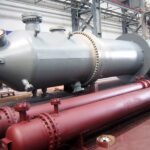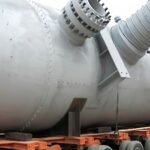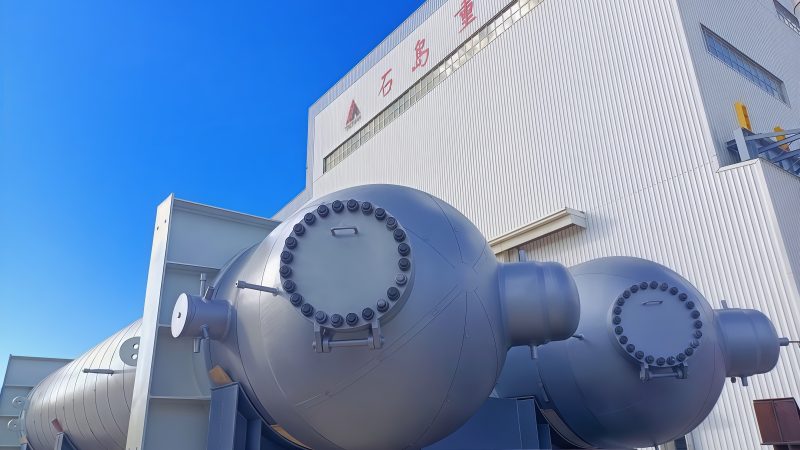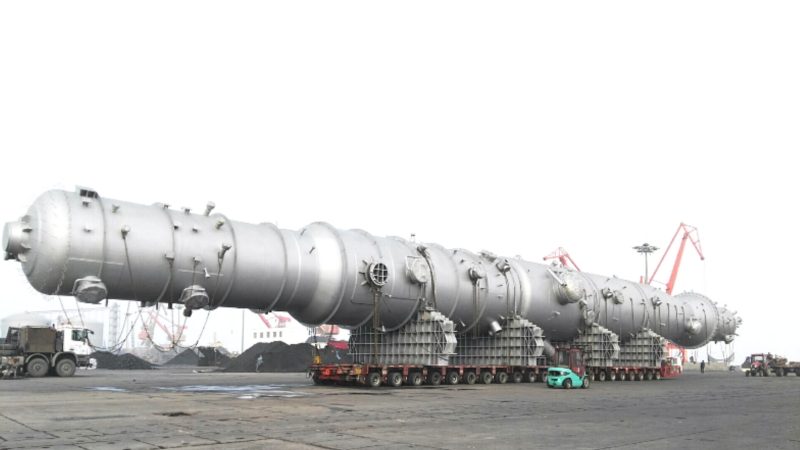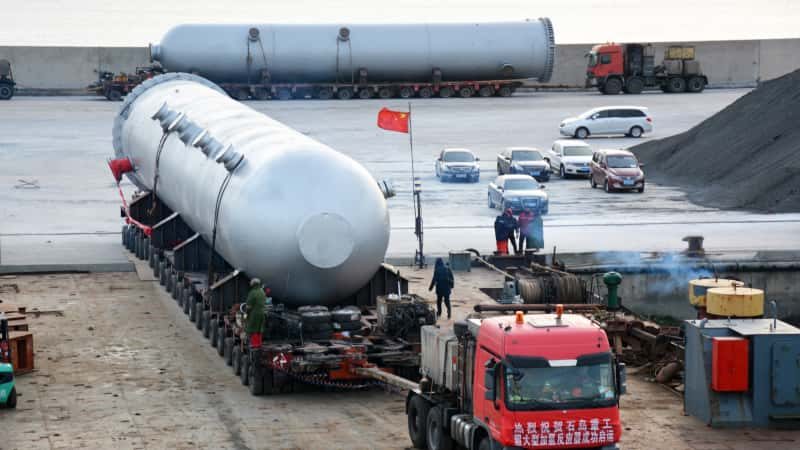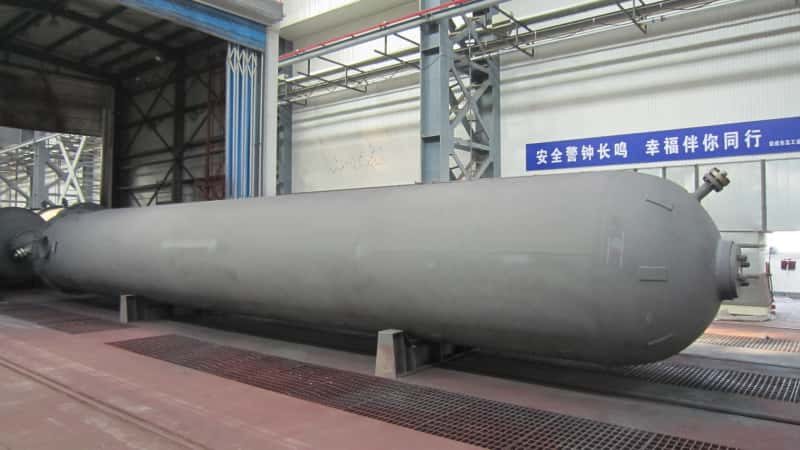

A custom pressure vessel RFQ package should give the manufacturer enough technical, commercial, and delivery information to evaluate fabrication feasibility and prepare a comparable quotation. For EPC buyers, project managers, and technical teams, an incomplete RFQ can lead to unclear pricing, missing inspection scope, schedule risk, and repeated clarification rounds. A strong RFQ package should define the process conditions, drawings, materials, codes, testing requirements, documentation, coating, packing, and delivery boundary before the purchase decision moves forward.

A custom pressure vessel RFQ should define the complete project equipment boundary before quotation.True
Process data, drawings, materials, codes, NDE, testing, coating, documentation, packing, and delivery terms all affect quotation accuracy and comparability.
Volume and design pressure are enough for a reliable custom pressure vessel quotation.False
Material, temperature, medium, code, corrosion allowance, inspection scope, testing, coating, documentation, and logistics can significantly change fabrication requirements and cost.
What Is a Custom Pressure Vessel RFQ Package?
A custom pressure vessel RFQ package is the set of documents and technical information sent to a manufacturer before quotation. It allows the manufacturer to understand what the vessel is, where it will be used, how it will operate, what standards apply, and what manufacturing scope is expected.
For industrial projects, the RFQ should not be limited to a vessel name and capacity. A separator, storage vessel, reactor, surge drum, or process vessel can have very different design, material, welding, testing, and documentation requirements depending on service conditions.
Buyers preparing custom pressure vessels should treat the RFQ as an engineering communication package, not only a price request.
Why RFQ Quality Matters for EPC Buyers
For EPC projects, quotation accuracy depends on the quality of input data. If one supplier receives complete datasheets and another receives only a general inquiry, the quotations will not be comparable. Differences may appear in material grade, wall thickness, welding scope, NDE ratio, pressure testing, coating, documentation, packing, and delivery terms.
A clear RFQ helps reduce:
- Technical deviations after purchase order
- Missing scope between EPC contractor and manufacturer
- Late drawing revisions
- Unplanned inspection costs
- Material procurement delays
- Export packing or transport issues
- Site installation conflicts
For project-based equipment such as pressure vessels, process towers and columns, industrial heat exchangers, and large storage tanks, early clarity is usually less expensive than late correction.
Core Technical Information to Include
1. Equipment Name and Application
Start with the equipment name, tag number, project name if disclosure is allowed, and application. For example:
- Gas-liquid separator for natural gas treatment
- Process vessel for chemical plant service
- Large pressure storage tank for petrochemical feedstock
- Heat exchanger shell or pressure-containing vessel
- Reactor vessel for process plant use
The application helps the manufacturer understand whether the vessel involves gas service, liquid service, mixed phase operation, corrosive media, cyclic operation, vacuum, high temperature, low temperature, or special inspection requirements.
2. Process Datasheet
The process datasheet is one of the most important RFQ documents. It should include normal and design conditions, not only operating conditions. Useful information includes:
- Design pressure
- Operating pressure
- Design temperature
- Operating temperature
- Medium composition
- Flow rate
- Liquid level or residence time requirements where applicable
- Density, viscosity, and phase information
- Corrosion data if available
- Vacuum condition if applicable
- Cyclic or intermittent operation if relevant
For separation vessels, gas-liquid separators, and process drums, flow range and phase behavior are especially important. For chemical service, medium compatibility and corrosion risk should be reviewed carefully.
3. Drawings and Dimensional Requirements
If drawings are available, include general arrangement drawings, equipment sketches, nozzle orientation drawings, support details, platform interface information, and layout constraints.
If the project is still in early engineering, a preliminary drawing is still useful. It helps the manufacturer evaluate vessel diameter, length, head type, support type, nozzle arrangement, lifting points, transport envelope, and fabrication feasibility.

Materials, Standards, and Design Code
Material Requirements
The RFQ should state required material grades if they have already been selected. If material selection is still open, the buyer should provide process medium, corrosion data, temperature, pressure, and cleaning conditions so the engineering team can discuss feasible options.
Material selection may involve carbon steel, low-alloy steel, stainless steel, duplex stainless steel, or other project-specific materials. Final selection should be based on process conditions, corrosion evaluation, owner specification, and applicable standards.
Applicable Codes and Standards
Pressure vessels may be designed according to ASME, GB, EN, or other project-specified standards. The RFQ should clearly state the required code, edition if specified, jurisdictional requirements, and whether third-party inspection is required.
For buyers working with ASME-related projects, the official ASME BPVC Section VIII Division 1 page is a useful reference. ASME also provides information on its Boiler and Pressure Vessel Certification Program. The final compliance route, however, should always be confirmed by the project owner, EPC contractor, inspection authority, and latest applicable requirements.
Inspection, Testing, and Quality Control Scope
A custom pressure vessel RFQ should define the expected inspection and testing scope. If this is not clearly stated, suppliers may quote different quality levels.
Common requirements may include:
- Material certificate requirements
- Welding procedure qualification
- Welder qualification
- Fit-up inspection
- Visual inspection
- Radiographic testing, ultrasonic testing, magnetic particle testing, or penetrant testing where specified
- Post-weld heat treatment if required
- Hydrostatic or pneumatic testing where applicable
- Dimensional inspection
- Coating or lining inspection
- Final documentation dossier
The RFQ should state whether inspection will be performed by the buyer, EPC contractor, third-party inspection agency, or local regulatory authority. It should also define required hold points and witness points.
For pressure vessel documentation, ASME’s Data Report Forms page can be a useful reference for understanding the type of documentation environment used in code-related pressure equipment.
Surface Treatment, Coating, and Corrosion Protection
For petrochemical, coal chemical, oil and gas, environmental, and overseas projects, surface treatment should be included in the RFQ. Buyers should define internal and external surface requirements separately.
Important items may include:
- Blasting grade
- Primer and paint system
- Dry film thickness
- Internal lining or coating if required
- Corrosion allowance
- Insulation allowance
- Site touch-up requirements
- Marine packing protection for export delivery
For industrial storage tanks above 1,000 liters, coating and lining requirements are especially important when the medium is corrosive, humid, saline, or environmentally sensitive.
Delivery Boundary and Logistics Information
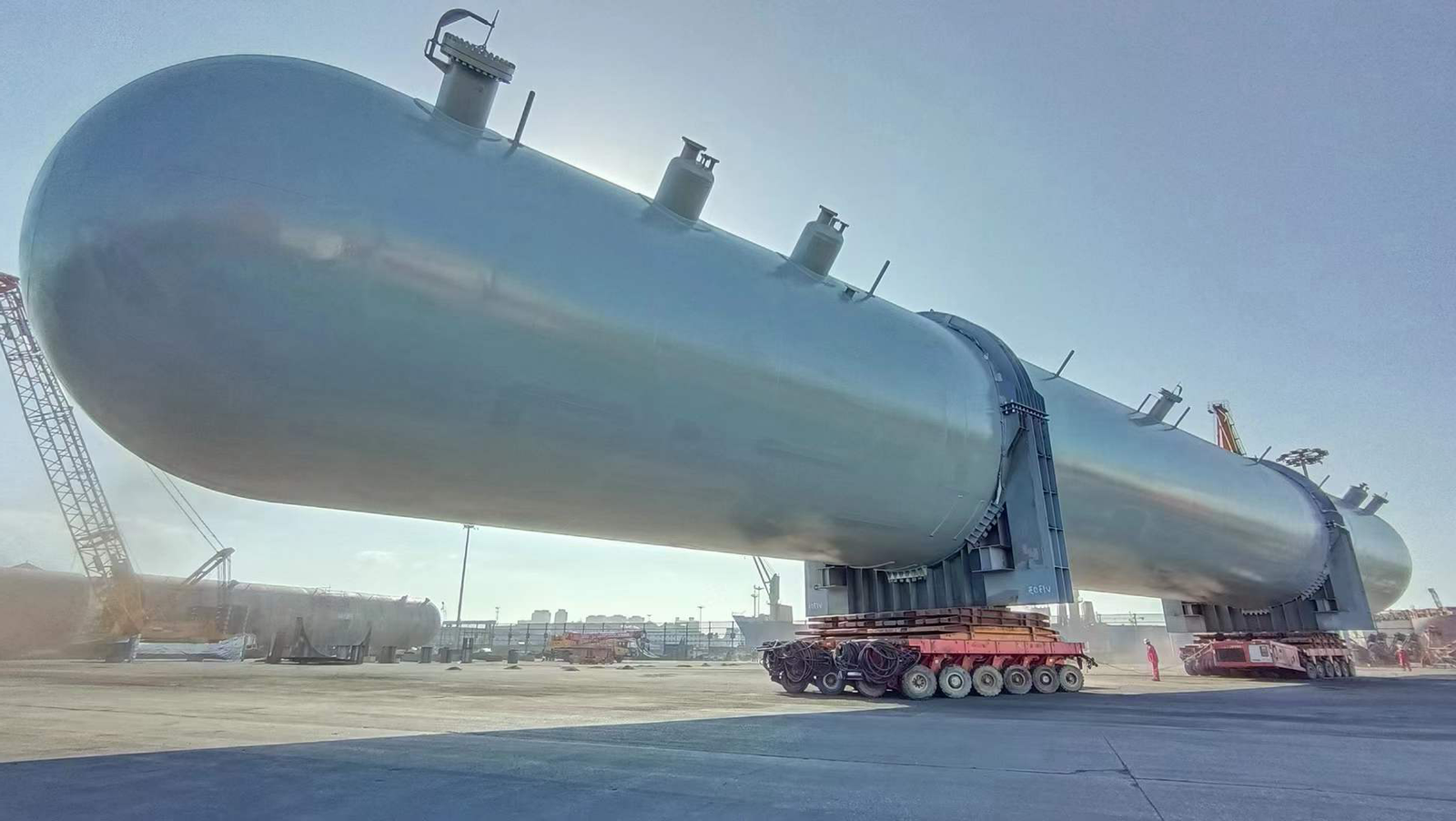
A technically complete vessel can still create project problems if the delivery boundary is unclear. For large non-standard equipment, buyers should include logistics and export requirements in the RFQ.
Useful information includes:
- Incoterms or delivery terms
- Destination port or project site
- Maximum transport dimensions
- Maximum transport weight
- Road, bridge, or port restrictions
- Lifting and loading requirements
- Export packing requirements
- Whether spare gaskets, bolts, or loose shipped items are included as part of the complete vessel package
- Required delivery date
- Documentation required before shipment
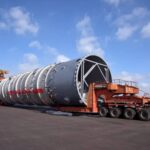
For large equipment, transport saddles, lifting lugs, packing frames, and preservation requirements should be reviewed as part of the full equipment delivery scope.
Commercial Information to Include
A strong RFQ should also define the commercial basis for comparison. EPC buyers should clarify:
- Required quotation currency
- Quotation validity
- Payment terms
- Delivery terms
- Required delivery schedule
- Warranty basis, if applicable
- Scope split between manufacturer, EPC contractor, and site installer
- Required documentation language
- Required format for technical deviation lists
This helps avoid comparing one quotation with complete manufacturing, testing, coating, and export delivery against another quotation that excludes major scope items.
What Buyers Should Ask the Manufacturer
Before selecting a pressure vessel manufacturer, EPC buyers should ask practical questions:
- Can the manufacturer review and deepen drawings based on project documents?
- What is included in the manufacturing scope?
- What materials are included and what are optional?
- What NDE and testing scope is quoted?
- What documentation will be provided?
- What are the main technical deviations?
- What items may affect delivery schedule?
- How will large equipment be loaded, packed, and delivered?
- Can the manufacturer support multiple equipment types within one project?
As a large-scale pressure vessel manufacturer, WSHI focuses on complete project equipment manufacturing, including custom pressure vessels, heat exchangers, process columns, and large industrial storage tanks for petrochemical, coal chemical, natural gas, new energy, and environmental engineering applications. Buyers can also download the pressure vessel catalog when preparing early-stage project discussions.
Common RFQ Mistakes to Avoid
One common mistake is asking for a price with only volume and pressure. These two values are not enough for a pressure vessel quotation. Material, temperature, medium, code, NDE, testing, coating, and delivery scope can significantly affect manufacturing requirements.
Another mistake is excluding drawings until after supplier selection. Even preliminary drawings can reveal important issues related to nozzle orientation, support layout, transportation, and installation.
A third mistake is treating inspection as a later detail. Inspection requirements influence welding planning, fabrication sequence, cost, and schedule. They should be included before quotation.
A fourth mistake is requesting standalone small parts rather than defining the complete vessel package. Nozzles, supports, instruments, internals, and accessories should be discussed only as part of the full pressure vessel or equipment scope, not as separate small-item procurement.
RFQ Checklist for Custom Pressure Vessels
Before sending your RFQ, confirm whether the package includes:
- Equipment name, tag number, and application
- Process datasheet
- Design and operating pressure
- Design and operating temperature
- Medium composition and corrosion information
- Material requirements
- Applicable code and project standard
- Drawings or preliminary sketches
- Nozzle orientation and support requirements
- NDE, pressure test, and inspection scope
- PWHT requirement if applicable
- Coating, lining, or surface treatment requirements
- Documentation and certificate requirements
- Delivery terms and destination
- Packing, preservation, and transport limits
- Required delivery date
- Technical deviation format
FAQ
What is the most important document in a custom pressure vessel RFQ?
The process datasheet is usually the most important document because it defines pressure, temperature, medium, flow, corrosion conditions, and operating requirements. Drawings and project specifications are also critical.
Can I request a pressure vessel quotation without final drawings?
Yes, preliminary drawings or sketches can support early discussion. However, final pricing and fabrication should be based on confirmed drawings, datasheets, material requirements, inspection scope, and applicable standards.
What inspection requirements should be included in the RFQ?
Buyers should define material certificates, welding requirements, NDE scope, pressure testing, third-party inspection, hold points, coating inspection, and final documentation requirements.
Why should delivery information be included in the RFQ?
Large pressure vessels may require special transport, export packing, port handling, lifting planning, and preservation. Delivery terms can affect both cost and schedule.
Should small components be listed separately in the RFQ?
They should be listed only as part of the complete vessel or equipment package. For project procurement, the focus should remain on complete pressure vessels, separators, heat exchangers, columns, and large tanks rather than standalone small items.
Conclusion
A custom pressure vessel RFQ package should help the manufacturer understand the complete project requirement, not only the vessel name. The more clearly buyers define operating conditions, drawings, materials, standards, inspection, coating, documentation, and delivery scope, the easier it is to receive comparable quotations and reduce procurement risk.
If you are preparing an RFQ for custom pressure vessels, separators, heat exchangers, process columns, or large industrial storage tanks, you can share your datasheets, drawings, medium information, inspection requirements, and delivery terms with WSHI. Our engineering and manufacturing team can help discuss the fabrication feasibility and project equipment boundary before formal quotation.