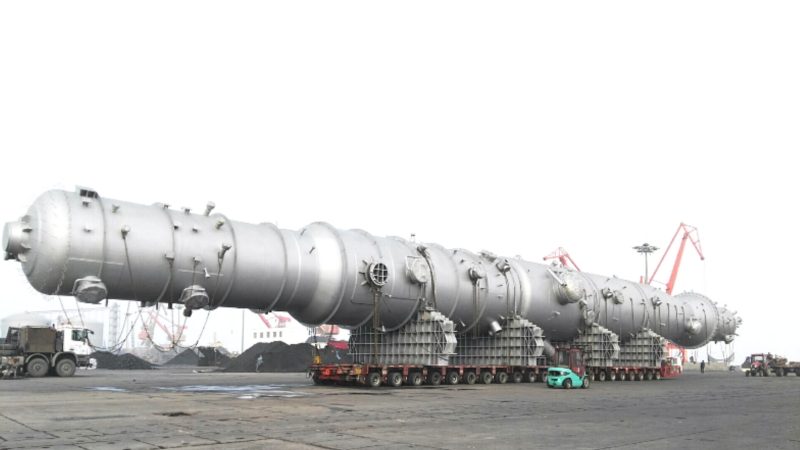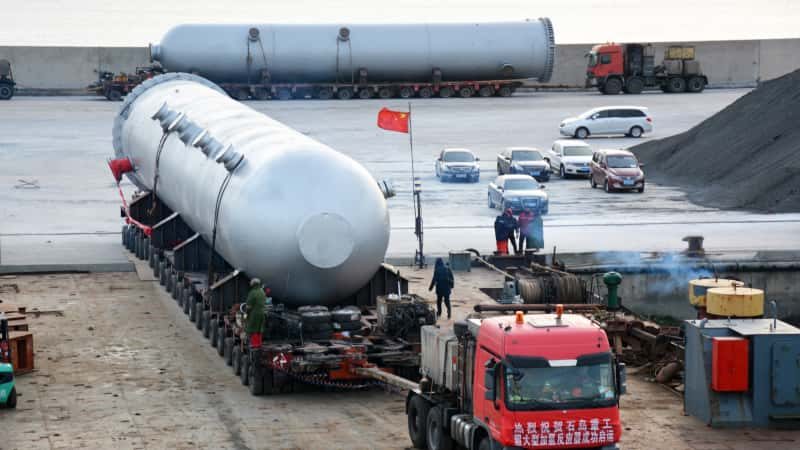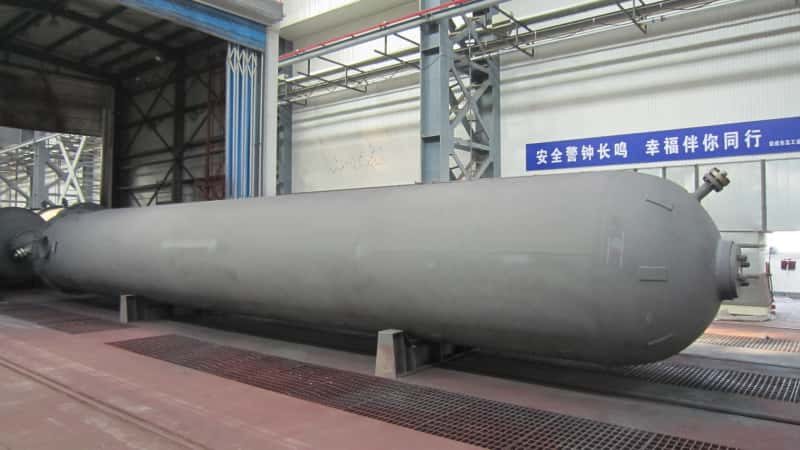

Custom pressure vessel lead time is one of the first questions EPC buyers ask, but it is also one of the hardest to answer without project details. For large non-standard pressure vessels, delivery time depends on drawings, design review, material procurement, welding, heat treatment if required, nondestructive examination, pressure testing, coating, packing, and heavy transport.
A realistic schedule should be built around the complete vessel scope, not only workshop fabrication time. For EPC projects, the useful question is not simply “how many weeks?” It is: what engineering, inspection, documentation, and delivery steps must be completed before the vessel can be safely released for shipment?

For pressure equipment background, ASME explains that its Boiler and Pressure Vessel Certification Program relates to design, fabrication, assembly, and inspection rules for boiler and pressure vessel components during construction. Final code, certification, inspection, and delivery requirements should always follow the project specification, owner requirements, inspection body, and destination-country regulations.
Custom pressure vessel lead time is only the number of days needed for welding.False
Real project lead time also includes technical clarification, drawing approval, material procurement, inspection, testing, coating, documentation, packing, loading, transport, and buyer approval steps.
A complete RFQ package can reduce pressure vessel schedule risk.True
Datasheets, drawings, material requirements, inspection scope, coating requirements, documentation needs, and delivery terms help the manufacturer confirm schedule assumptions earlier.
Why Lead Time Matters in EPC Pressure Vessel Procurement
In petrochemical, coal chemical, oil and gas, new energy, and environmental engineering projects, large pressure vessels often sit on the critical path. A separator, reactor vessel, storage vessel, heat exchanger shell, or process drum may affect piping installation, steel structure work, insulation, electrical and instrument installation, commissioning, and plant startup.
When purchasing custom pressure vessels, the lead time should be evaluated from technical clarification to final documentation and dispatch, including the time required for buyer approval and third-party inspection.
What Is Included in Custom Pressure Vessel Lead Time?
Custom pressure vessel lead time usually includes more than the physical fabrication period. Several activities may run in parallel, but some cannot begin until previous steps are approved. For example, fabrication should not move too far before drawings, materials, inspection plans, and hold points are clear.
| Lead Time Stage | Typical Buyer Review Point |
|---|---|
| Technical clarification | Confirm missing process, material, inspection, coating, and delivery information |
| Drawing review and approval | Approve general arrangement, nozzle orientation, supports, dimensions, and interfaces |
| Material procurement | Check plate, forging, pipe, flange, gasket, bolting, and consumable requirements |
| Fabrication | Plan cutting, forming, fit-up, welding, dimensional control, and handling |
| Inspection and testing | Coordinate NDE, pressure testing, third-party inspection, repairs, and reinspection if needed |
| Finishing and delivery | Complete coating, preservation, final documentation, packing, loading, and export transport |
Key Factors That Affect Lead Time
1. Drawing Completeness and Approval Speed
Drawing approval is often the first schedule gate. If the RFQ includes complete process datasheets, general arrangement drawings, nozzle orientation, material requirements, support details, and inspection requirements, the manufacturer can start review faster.
If drawings are incomplete, the clarification cycle becomes longer. Common missing items include design pressure, design temperature, medium composition, corrosion allowance, nozzle schedule, support type, lining requirement, code requirement, NDE scope, and delivery boundary.
EPC buyers should confirm who approves the drawings: owner, EPC contractor, process licensor, inspection agency, or end user. Multiple approval parties can add time if review responsibilities are not clear.
2. Material Procurement and Traceability
Material procurement can strongly affect custom pressure vessel lead time, especially for large plate thickness, alloy steel, stainless steel, duplex stainless steel, low-temperature material, clad plate, or imported material.
Material lead time may depend on mill availability, required certificates, impact testing, heat treatment condition, specification changes, and project-specific approval. For pressure equipment, material traceability is not optional. Buyers should define required material certificates and documentation before purchase order release.
For pressure vessel code-related projects, buyers can review the official ASME Boiler and Pressure Vessel Certification page for general background, while final certification and inspection requirements should follow the project specification.
3. Vessel Size, Wall Thickness, and Manufacturing Complexity
Large diameter, long length, heavy wall thickness, special heads, multiple nozzles, complex supports, internal pressure boundary requirements, and tight dimensional tolerance can all extend fabrication time.
A simple carbon steel air receiver and a large petrochemical process vessel should not be compared by the same schedule logic. Heavy vessels may require more forming time, welding passes, preheating, post-weld heat treatment, additional handling, special lifting, and more inspection points.
For equipment such as process towers and columns, schedule planning should also consider overall length, transport sections, field assembly boundary if applicable, platform interfaces, and nozzle orientation control.
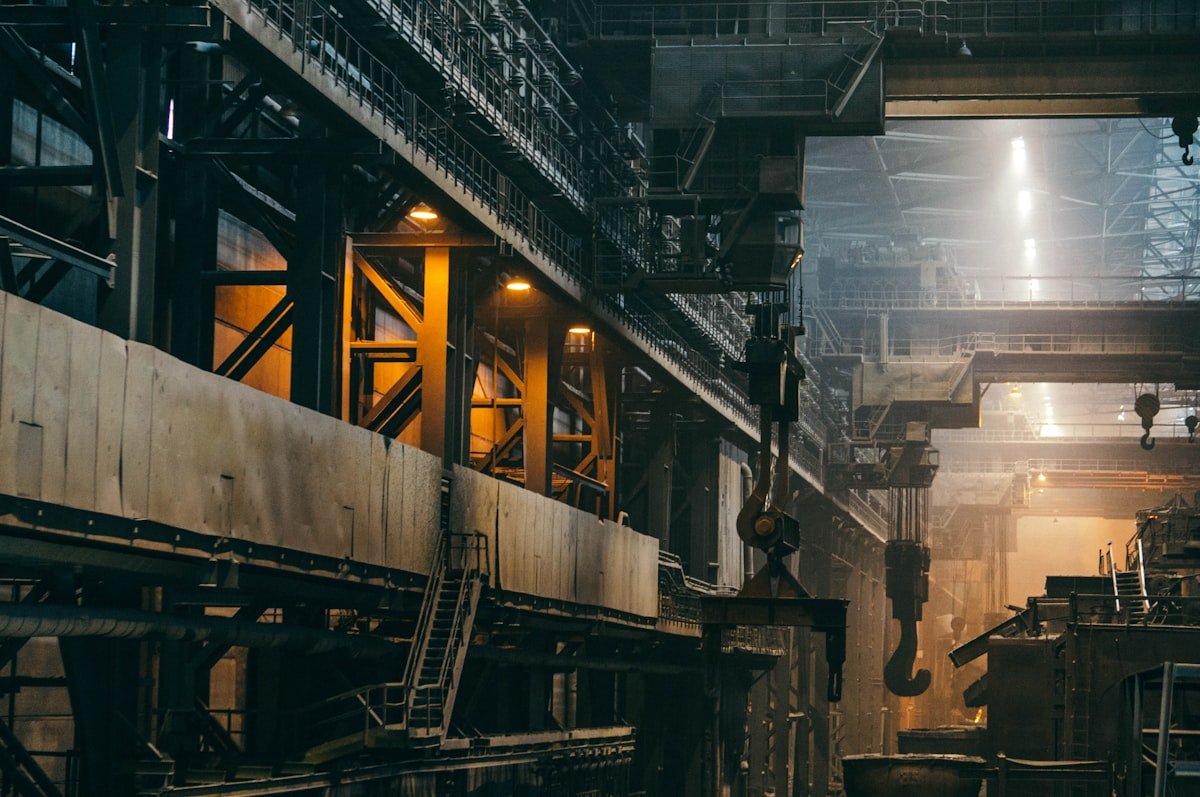
4. Welding, Heat Treatment, and Fabrication Sequence
Welding time depends on material, thickness, joint type, welding process, position, fit-up quality, and inspection requirements. Some vessels may require qualified welding procedures, welder qualification review, preheat control, interpass temperature control, and post-weld heat treatment.
If post-weld heat treatment is required by code, material, thickness, or project specification, it should be included in the schedule from the beginning. PWHT planning may affect fabrication sequence, furnace availability, thermocouple arrangement, documentation, and inspection timing.
5. NDE and Pressure Testing Requirements
Nondestructive examination can include radiographic testing, ultrasonic testing, magnetic particle testing, penetrant testing, visual inspection, or other methods depending on code and project requirements. ASME’s article on modern techniques for inspecting high-pressure vessels gives general background on NDE approaches, but actual inspection scope must be defined by the project.
Inspection time is affected by weld length, inspection ratio, repair rate, inspector availability, third-party witness points, and documentation requirements. If repairs are required after NDE, the schedule must allow time for repair welding and reinspection.
Pressure testing also needs planning. Hydrostatic or pneumatic testing should be performed according to applicable code, project procedure, safety requirements, and inspection hold points. Test water quality, drying, cleaning, and preservation may also affect final delivery.
6. Coating, Lining, and Surface Protection
Surface treatment can become a schedule risk if it is treated as a late detail. Blasting, primer, paint system, dry film thickness, curing time, internal lining, rubber lining, special coating, and holiday testing may all affect lead time.
For large industrial storage tanks above 1,000 liters, coating or lining requirements are especially important when the medium is corrosive, humid, saline, acidic, alkaline, or environmentally sensitive.
If the vessel is exported by sea, external coating, flange protection, nozzle sealing, desiccant, packing frame, and preservation method should be defined before shipment.
7. Documentation and Third-Party Inspection
Final documentation can include material certificates, welding documents, NDE reports, pressure test records, dimensional inspection reports, heat treatment charts if applicable, coating inspection records, as-built drawings, packing lists, and quality dossiers.
EPC buyers should define documentation format, language, number of copies, electronic file requirements, and third-party inspection involvement early. Late documentation changes can delay shipment even after the vessel is physically complete.
For ASME-related documentation background, buyers may refer to ASME Data Report Forms, while actual documentation requirements should be confirmed by the owner, EPC contractor, inspection body, and applicable code.
8. Heavy Transport and Export Delivery
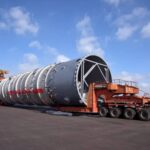
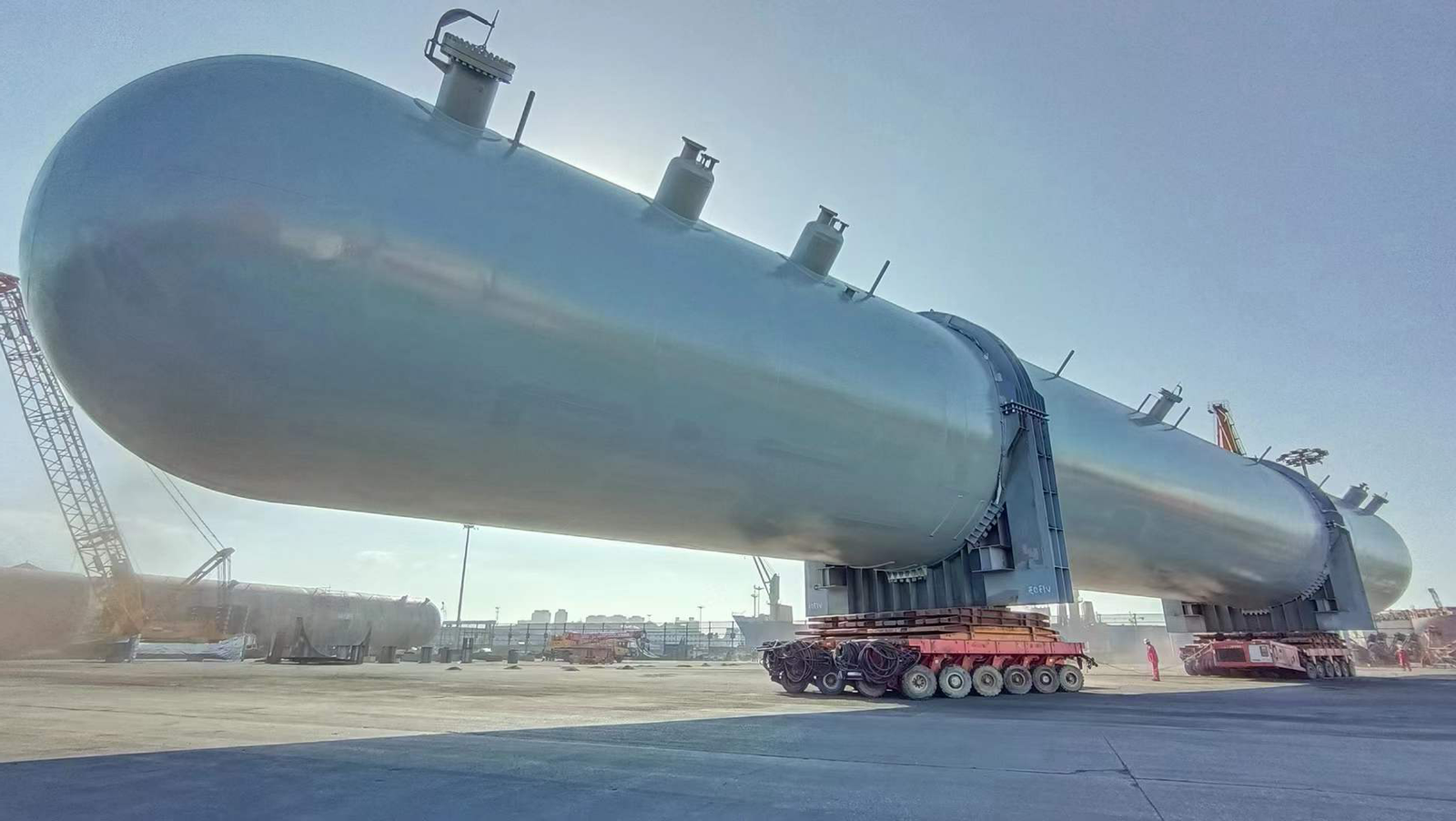
Large custom pressure vessels may require special loading, transport saddles, lifting lugs, route survey, port coordination, sea freight booking, and export packing. Oversized equipment may face restrictions related to road transport, bridge clearance, port cranes, vessel schedule, weather, and customs documents.
For overseas EPC projects, delivery terms should clarify whether the manufacturer is responsible for EXW, FOB, CFR, CIF, DAP, or another delivery basis. The schedule should include inland transport and port delivery, not only factory completion.
How EPC Buyers Can Reduce Schedule Risk
| Action | How It Helps |
|---|---|
| Prepare a complete RFQ package | Reduces clarification time and helps the manufacturer confirm schedule assumptions earlier |
| Confirm long-lead materials early | Prevents plate, forging, alloy, or clad material availability from becoming a hidden delay |
| Align inspection hold points before fabrication | Avoids waiting for buyer, owner, or third-party inspectors after a step is complete |
| Avoid late design changes | Reduces rework, reinspection, documentation revision, and schedule drift |
| Discuss logistics before final shipment | Allows early review of dimensions, weight, lifting, packing, port handling, and route limits |
What Buyers Should Ask the Manufacturer
Before placing an order, EPC buyers should ask what information is still missing before schedule confirmation, which materials are long-lead items, what inspection hold points may affect fabrication, whether PWHT is required, what NDE scope is included, what coating or lining time is included, what documents will be submitted before shipment, what transport assumptions are included, and what buyer approvals are required before fabrication proceeds.
As a large-scale pressure vessel manufacturer, WSHI supports project-based manufacturing for pressure vessels, separation vessels, heat exchangers, process columns, and large storage tanks. EPC teams can also download the pressure vessel catalog when preparing early project discussions.
FAQ
What is the typical lead time for a custom pressure vessel?
There is no single fixed lead time. It depends on vessel size, material, design complexity, code requirements, inspection scope, coating, documentation, and transport conditions. Large or special-material vessels usually require more planning time than simple standard vessels.
Why does material procurement affect pressure vessel delivery?
Large plates, alloy materials, stainless steel, clad plate, forgings, and certified materials may require longer sourcing time. Material certificates, testing requirements, and owner approval can also affect the schedule.
Can fabrication start before final drawing approval?
Some preparation may begin, but major fabrication should normally follow approved drawings and clarified technical requirements. Starting too early can increase the risk of rework.
How do NDE and pressure testing affect lead time?
NDE and pressure testing require procedures, inspector coordination, reporting, and possible repair or reinspection. Third-party witness points can also add schedule time.
How can EPC buyers shorten pressure vessel procurement time?
Buyers can reduce delays by preparing complete RFQ documents, confirming materials early, aligning inspection requirements, avoiding late design changes, and discussing transport limits before fabrication is complete.
Conclusion
Custom pressure vessel lead time is determined by the whole project execution chain, not only welding time. Drawings, material procurement, fabrication complexity, welding, heat treatment, NDE, pressure testing, coating, documentation, and heavy transport all influence the final delivery date.
If you are planning custom pressure vessels, separators, heat exchangers, process columns, or large industrial storage tanks for an EPC project, you can discuss your project requirements with WSHI. Sharing datasheets, drawings, material requirements, inspection scope, coating requirements, destination, and delivery terms will help support fabrication feasibility review and delivery-boundary discussion before formal quotation.