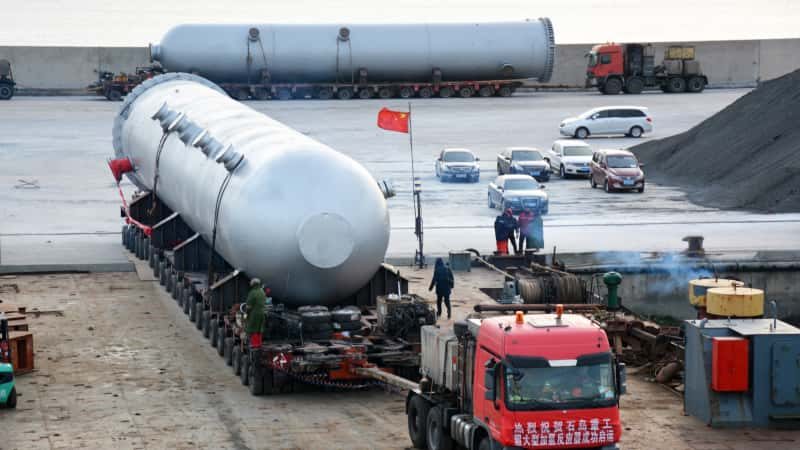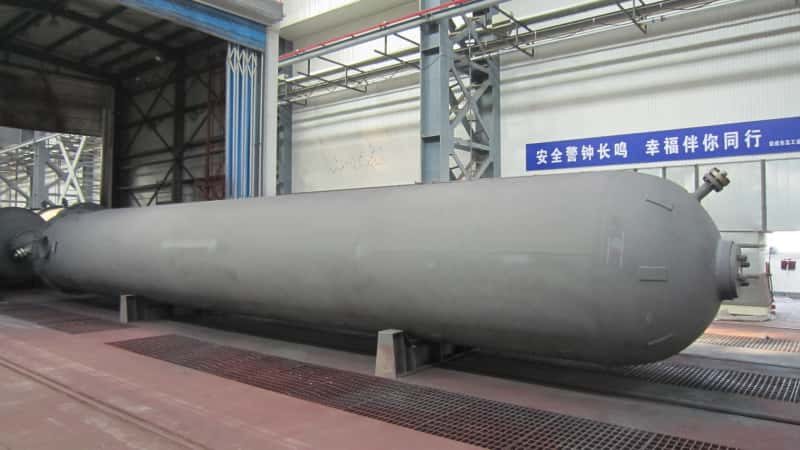

Rich gas processing equipment is becoming more important as natural gas producers invest in higher-value liquids recovery, gas sweetening, and NGL fractionation capacity. For EPC buyers, the key procurement challenge is not only selecting one separator or one column. A complete rich gas processing project may require process towers, gas sweetening vessels, heat exchangers, gas-liquid separators, regeneration-related vessels, propane and butane handling equipment, and large industrial storage tanks.
Each item must be reviewed against process conditions, materials, inspection scope, site layout, and delivery requirements. For pressure vessel and process equipment procurement, the practical goal is a complete equipment package that can be engineered, fabricated, inspected, documented, delivered, and installed with clear interfaces.

Recent market activity keeps this topic current. In August 2026, ADNOC Gas announced final investment decisions and EPC contract awards for Phases 2 and 3 of its Rich Gas Development project. Gas Processing & LNG reported that MAIRE’s Tecnimont was awarded the EPC contract for Phase 3, including an additional NGL fractionation unit, treatment and sweetening systems, regeneration gas treatment, propane refrigeration, ancillary systems, and storage facilities. This article focuses on natural gas processing and NGL recovery equipment, not LNG equipment.
Rich gas processing equipment should be purchased as isolated small components.False
EPC buyers should review separators, treatment vessels, fractionation columns, heat exchangers, drums, storage tanks, inspection scope, documentation, and delivery interfaces as a complete project equipment package.
NGL fractionation projects often require both pressure equipment and large storage equipment.True
Mixed NGL recovery and fractionation may involve columns, drums, condensers, reboilers, exchangers, separators, propane or butane handling, and large industrial storage tanks.
What Is Rich Gas Processing?
Rich gas is natural gas that contains recoverable hydrocarbon liquids such as ethane, propane, butane, isobutane, pentane, or heavier components. These liquids are commonly grouped as natural gas liquids, or NGLs. The U.S. Energy Information Administration explains that hydrocarbon gas liquids come from natural gas processing and crude oil refining, and that natural gas processing plants separate these liquids from the gas stream.
A rich gas processing facility may remove water, acid gases, condensate, and heavier hydrocarbons before the gas is sent to pipeline, industrial users, or downstream plants. The extracted mixed NGL stream may then be separated in fractionation facilities into individual products such as ethane, propane, normal butane, isobutane, and natural gasoline. EIA also notes that natural gas liquids have uses as petrochemical feedstocks, fuels, and blending components.
For EPC buyers, this means the equipment scope can span both gas treatment and liquids handling. It may include pressure vessels for oil and gas, process towers and columns, industrial heat exchangers, separator vessels, and large project-scale tanks.
Main Equipment Used in Rich Gas Processing Projects
Gas-Liquid Separators and Inlet Vessels
Gas-liquid separators help remove free liquids, condensate, and entrained droplets from incoming gas streams. In some projects, separation may occur in multiple stages depending on pressure, temperature, liquid loading, and downstream process needs.
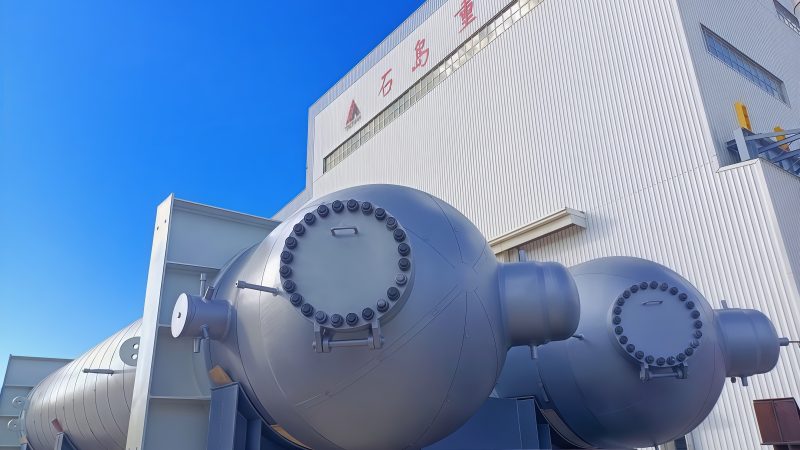
When purchasing separator vessels, buyers should provide gas flow, liquid loading, operating pressure, design pressure, temperature, medium composition, corrosion data, expected turndown, and liquid carryover requirements. The separator should be specified as a complete pressure vessel, including pressure boundary, nozzles, supports, inspection, coating, documentation, and delivery.
Gas Sweetening and Treatment Vessels
Rich gas may contain CO2, H2S, water vapor, or other contaminants depending on the source. Sweetening and treatment systems may include absorbers, regeneration-related vessels, knock-out vessels, flash drums, filters as part of package scope, and heat exchange equipment.
Small filtration items or internals should not be promoted as standalone products in this procurement context. They may be mentioned only as part of a complete treatment package or vessel system. The procurement focus should remain on complete fabricated vessels and pressure equipment.
Gas sweetening vessels require careful review of materials, corrosion allowance, sour service requirements if applicable, inspection scope, and project safety standards. Final decisions should be based on process licensor requirements, EPC specifications, and current applicable standards.
NGL Fractionation Columns
NGL fractionation separates mixed liquid hydrocarbons into individual products. Fractionation systems may include deethanizers, depropanizers, debutanizers, deisobutanizers, stabilizers, and associated reflux drums, reboilers, condensers, and heat exchangers.
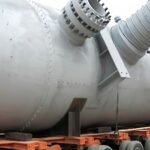
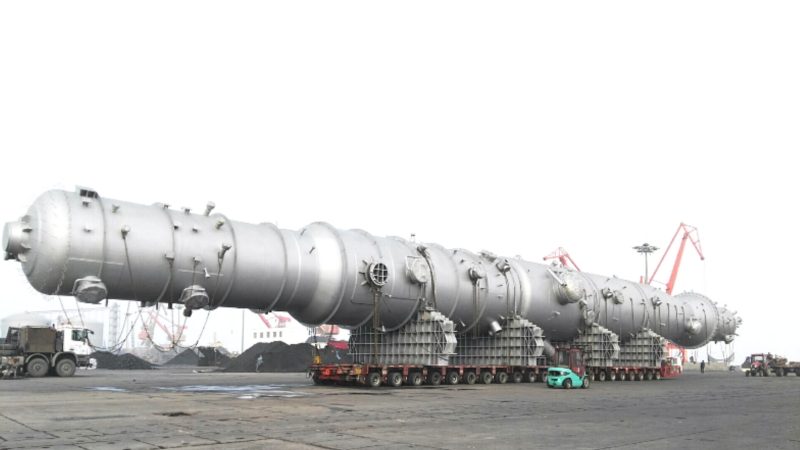
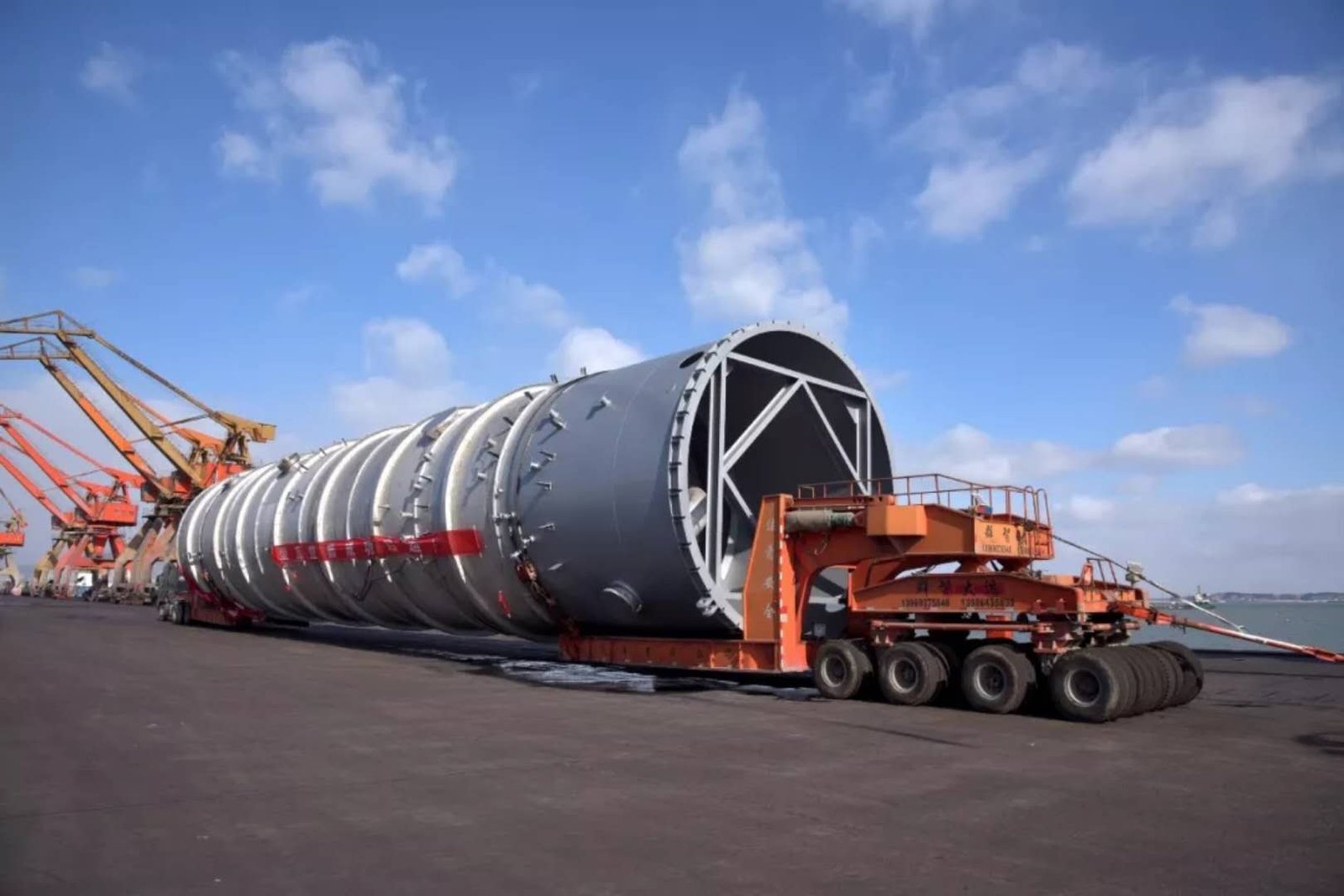
Custom distillation columns can be large, heavy, and layout-sensitive. EPC buyers should review column diameter, height, design pressure, design temperature, material requirements, nozzle orientation, support design, transport limits, inspection plan, and site installation sequence.
Heat Exchangers and Thermal Equipment
Heat exchangers are used for feed preheating, cooling, condensation, reboiling, heat recovery, propane refrigeration interfaces, and regeneration systems. In rich gas processing projects, exchanger design may involve high pressure, hydrocarbon service, sour gas risk, low-temperature operation, or fouling concerns.
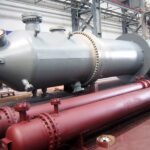
EPC buyers should clarify heat duty, shell-side and tube-side fluids, design pressure, design temperature, allowable pressure drop, material requirements, fouling assumptions, cleaning access, and inspection scope. Where rugged project-specific heat transfer equipment is needed, shell and tube heat exchangers may be considered.
Large NGL and Product Storage Tanks
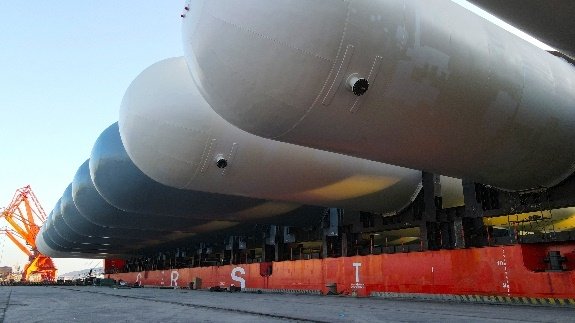
NGL recovery and fractionation projects may require storage or buffer capacity for condensate, propane, butane, mixed NGL, off-spec product, or other hydrocarbon liquids. These tanks should be industrial project-scale equipment above 1,000 liters, with proper review of vapor pressure, temperature, material, coating, foundation interface, inspection, safety spacing, and delivery conditions.
For liquefied gas and pressurized hydrocarbon storage, buyers can review WSHI’s liquefied gas storage tanks and broader industrial storage tanks capabilities.
Equipment Package Checklist for EPC Buyers
| Equipment Area | Typical Complete Equipment | Buyer Review Point |
|---|---|---|
| Inlet separation | Gas-liquid separators, inlet drums, knock-out vessels | Flow range, liquid loading, carryover limits, corrosion risk, pressure rating |
| Gas sweetening | Absorbers, flash drums, regeneration-related vessels, treatment vessels | Acid gas content, sour service requirements, material selection, inspection scope |
| NGL fractionation | Fractionation columns, reflux drums, condensers, reboilers, related exchangers | Column dimensions, internals interfaces, nozzle orientation, transport limits |
| Thermal systems | Heat exchangers, coolers, condensers, reboilers, refrigeration interfaces | Heat duty, pressure drop, fouling, low-temperature cases, cleaning access |
| Product handling | Large storage tanks, LPG bullet tanks, buffer vessels, off-spec product vessels | Vapor pressure, safety spacing, coating, foundation, delivery and site access |
Key Selection Factors for EPC Buyers
Feed Gas Composition
The first procurement input is rich gas composition. EPC buyers should prepare methane, ethane, propane, butane, heavier hydrocarbons, CO2, H2S, water content, nitrogen, oxygen if relevant, mercury if applicable, and expected variation between operating cases.
Feed gas composition affects separator sizing, corrosion risk, sweetening system requirements, fractionation duty, heat exchanger design, product storage, and materials.
Pressure, Temperature, and Phase Behavior
Rich gas processing equipment must be selected based on normal, maximum, minimum, and design conditions. Phase behavior can change with pressure and temperature, especially around condensate and NGL recovery sections.
Buyers should confirm operating pressure, design pressure, operating temperature, design temperature, low-temperature cases, startup and shutdown cases, and pressure relief philosophy provided by the process design party.
Material Selection and Corrosion Control
Material selection may be affected by H2S, CO2, chlorides, water content, low temperature, hydrogen exposure in related services, and product composition. Carbon steel, low-alloy steel, stainless steel, or other materials may be considered depending on service conditions. Final selection should follow project specifications, corrosion review, and applicable code requirements.
Code, Inspection, and Documentation
Pressure vessels, columns, heat exchangers, and storage tanks may need to follow ASME, GB, EN, API, or project-specific standards. The RFQ should clearly define applicable code, third-party inspection, NDE scope, pressure testing, coating inspection, material certificates, and final documentation.
For pressure vessel construction background, EPC buyers may refer to ASME’s official BPVC Section VIII Division 1 information. Final compliance should always be confirmed by the owner, EPC contractor, inspection authority, and current local regulations.
Manufacturing and Delivery Considerations
Rich gas processing projects often involve large and heavy equipment. Manufacturing capability should cover drawing review, material procurement, welding, dimensional inspection, nondestructive examination, pressure testing, surface treatment, preservation, packing, large equipment loading, and export delivery.
As a large-scale pressure vessel manufacturer, WSHI focuses on complete project equipment manufacturing for oil and gas, petrochemical, chemical, new energy, and environmental engineering applications. EPC teams can also download the pressure vessel catalog when preparing early-stage equipment lists.
Common Procurement Mistakes
One common mistake is separating equipment packages without clear interfaces. NGL fractionation columns, heat exchangers, reflux drums, separators, treatment vessels, and storage tanks are connected by process conditions and layout.
Another mistake is underestimating material and corrosion requirements. Rich gas and NGL service can involve water, acid gases, low temperature, hydrocarbons, and pressure cycling. Generic material assumptions may not be sufficient.
A third mistake is issuing RFQs without transport limits. Large columns and pressure vessels may require special lifting, route surveys, shipping saddles, port coordination, and export preservation.
FAQ
What equipment is used in rich gas processing projects?
Typical equipment may include gas-liquid separators, treatment vessels, gas sweetening vessels, regeneration-related vessels, NGL fractionation columns, heat exchangers, reflux drums, condensers, reboilers, and large storage tanks.
What is NGL fractionation equipment?
NGL fractionation equipment separates mixed natural gas liquids into products such as ethane, propane, butane, isobutane, and heavier hydrocarbons. Major equipment may include fractionation columns, heat exchangers, drums, and storage vessels.
Why are pressure vessels important in gas sweetening projects?
Gas sweetening may involve acid gas removal, regeneration, flash separation, knock-out service, and related treatment steps. These services often require custom pressure vessels designed for specific pressure, temperature, corrosion, and inspection requirements.
What should EPC buyers prepare before requesting a quotation?
Buyers should prepare process datasheets, gas composition, flow rate, pressure, temperature, material requirements, drawings, applicable standards, NDE scope, pressure testing requirements, coating requirements, delivery terms, and documentation expectations.
Is this article about LNG equipment?
No. This article focuses on rich gas processing, NGL fractionation, sweetening systems, separators, heat exchangers, pressure vessels, and LPG or propane-butane related storage. It does not cover LNG equipment.
Conclusion
Rich gas processing equipment for NGL fractionation and sweetening projects should be planned as a complete EPC procurement scope. Separators, treatment vessels, fractionation columns, heat exchangers, pressure vessels, and large storage tanks all affect process reliability, product quality, safety, inspection, and delivery.
If you are preparing a natural gas processing, NGL fractionation, gas sweetening, propane-butane recovery, or oil and gas EPC project, you can discuss your project requirements with WSHI. Sharing datasheets, drawings, feed gas composition, operating conditions, material requirements, inspection scope, and delivery terms will help support feasibility review for custom pressure vessels, process columns, heat exchangers, gas-liquid separators, and large industrial storage tanks.