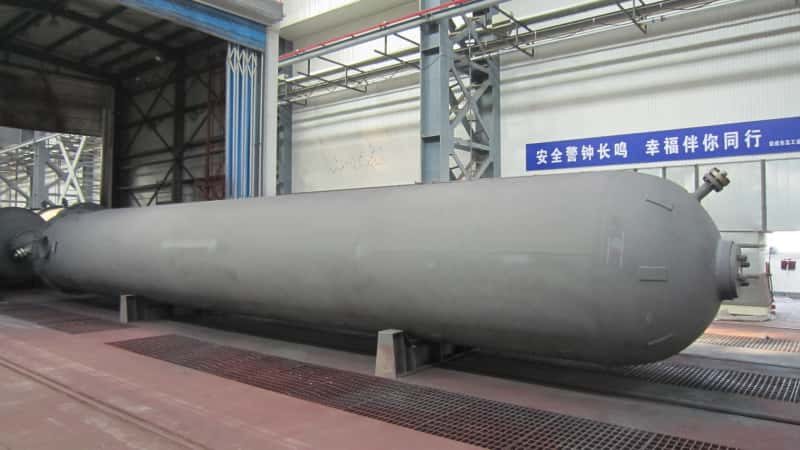

Naphtha Upgrading Equipment for Refinery Depentanizer Projects
Naphtha upgrading equipment is receiving renewed attention as refineries invest in flexibility, gasoline blendstock value, and more efficient use of domestic light crude streams. For EPC buyers, a depentanizer project is not only a column purchase. It may involve a complete package of distillation columns, condensers, reboilers, reflux drums, separation vessels, heat exchangers, pressure vessels, and storage or buffer equipment. Each item must be specified around process duty, hydrocarbon service, materials, inspection scope, layout constraints, and delivery schedule.
WSHI focuses on project-based fabricated equipment, including process towers and columns, industrial heat exchangers, custom pressure vessels, separation vessels, and large industrial storage tanks above 1,000 liters. For refinery revamps, small internals, accessories, nozzles, and fittings should only be discussed as part of a complete equipment scope.
A refinery depentanizer project is only a distillation column purchase.False
Depentanizer projects can also require condensers, reboilers, reflux drums, separation vessels, heat exchangers, pressure vessels, storage or buffer tanks, inspection records, testing, documentation, and delivery planning.
Naphtha upgrading equipment should be specified around process duty, hydrocarbon service, layout limits, inspection scope, and delivery schedule.True
Equipment names alone are not enough for EPC procurement. Feed composition, pressure, temperature, materials, nozzles, heat duty, NDE, pressure testing, and site constraints define the actual manufacturing scope.
Why Naphtha Upgrading Equipment Is a Current EPC Topic
On September 1, 2026, CITGO announced a 310 million USD investment in its Lake Charles Refinery Depentanizer Project. The company said the project will add facilities and equipment to improve naphtha upgrading capabilities by converting lower-value streams into higher-value gasoline blend components. Oil & Gas Journal also reported that the project is expected to support refinery flexibility and future fuel supply reliability.
For WSHI’s SEO and buyer audience, the relevant angle is not the ownership or commercial story of one refinery. The useful procurement topic is how EPC teams should review major fabricated equipment for refinery depentanizer and naphtha upgrading projects. This article does not imply WSHI is involved in the CITGO project.
What Is a Depentanizer in Naphtha Upgrading?
A depentanizer is a distillation column used to separate C5 and lighter components from heavier naphtha-range streams. The exact position of the unit depends on the refinery configuration and process design. In refinery upgrading projects, depentanizer equipment may support gasoline blending, naphtha splitting, isomerization feed preparation, light ends management, or product quality improvement.
The column itself is only one part of the system. A practical depentanizer project may also include overhead condensation, reflux accumulation, reboiling, feed preheating, product cooling, pressure control, relief interfaces, separation vessels, and downstream storage or transfer systems. For EPC procurement, the equipment should be reviewed as a connected process package rather than isolated items.
Main Equipment in a Depentanizer Project
| Equipment | Role in the system | EPC buyer review focus |
|---|---|---|
| Depentanizer column | Separates C5 and lighter components from heavier naphtha-range streams | Feed composition, separation objective, pressure, temperature, diameter, height, corrosion allowance, support, nozzles |
| Condensers | Condense overhead vapor and support reflux control | Heat duty, shell/tube media, fouling, pressure drop, materials, cleaning access |
| Reboilers | Supply heat to the lower column section | Heating medium, process fluid, duty, temperature approach, maintenance access |
| Reflux drums | Collect overhead liquid and support reflux/product control | Vapor-liquid behavior, liquid residence, level control, pressure rating, NDE |
| Separators and pressure vessels | Handle liquid knock-out, buffering, stabilization, and process interfaces | Medium composition, pressure, temperature, nozzle orientation, testing, documentation |
| Large storage and buffer tanks | Store feed, intermediate, off-spec, or finished blend components | Capacity above 1,000 L, vapor pressure, flammability, coating, foundation, delivery method |
Depentanizer Column
The depentanizer column is the main separation vessel. It should be specified based on feed composition, separation objective, pressure, temperature, vapor and liquid loading, column diameter, height, corrosion allowance, material, nozzle orientation, support type, and inspection requirements.
For WSHI’s equipment scope, internals should not be promoted as standalone products. If trays, packing, distributors, or other internal arrangements are defined by the process licensor or EPC contractor, they should be discussed only as part of the complete custom distillation column package.
Condensers and Heat Exchangers
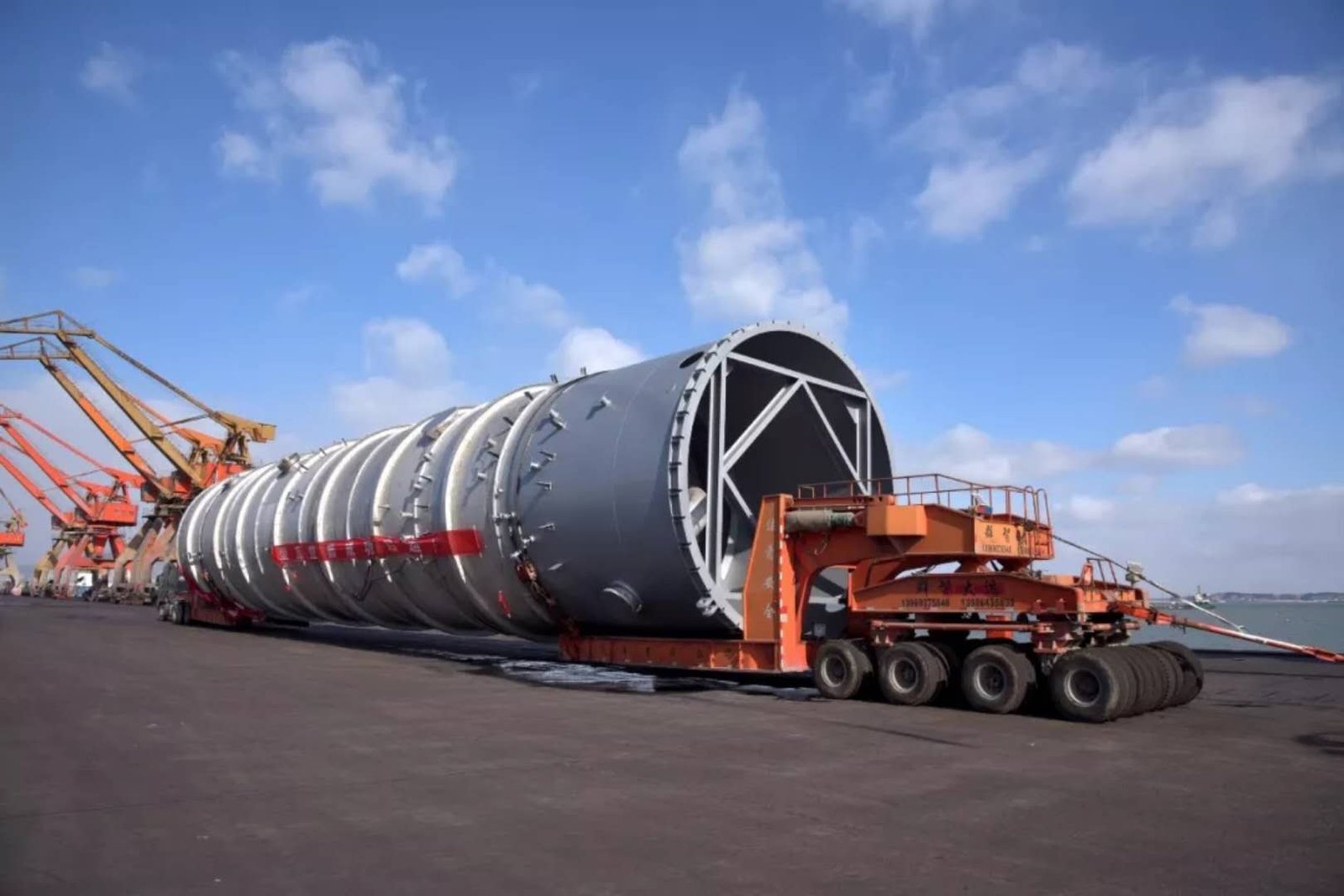
Condensers and heat exchangers are essential for overhead vapor condensation, feed preheating, product cooling, heat recovery, and utility integration. In refinery service, buyers should review shell-side and tube-side fluids, heat duty, design pressure, design temperature, pressure drop limits, fouling tendency, cleaning method, and material compatibility.
Where rugged refinery service is required, shell and tube heat exchangers are commonly considered because they can be customized around pressure, temperature, inspection, maintenance, and process duty.
Reboilers
A reboiler supplies heat to the lower section of the distillation system. The reboiler duty affects column performance, product separation, energy use, and operating stability. EPC buyers should define process fluid, heating medium, heat duty, fouling allowance, pressure drop, temperature approach, material, and cleaning access.
Reboilers should be purchased as complete heat exchanger equipment, including pressure boundary, materials, nozzles, testing, inspection, coating or preservation, and documentation.
Reflux Drums and Separation Vessels
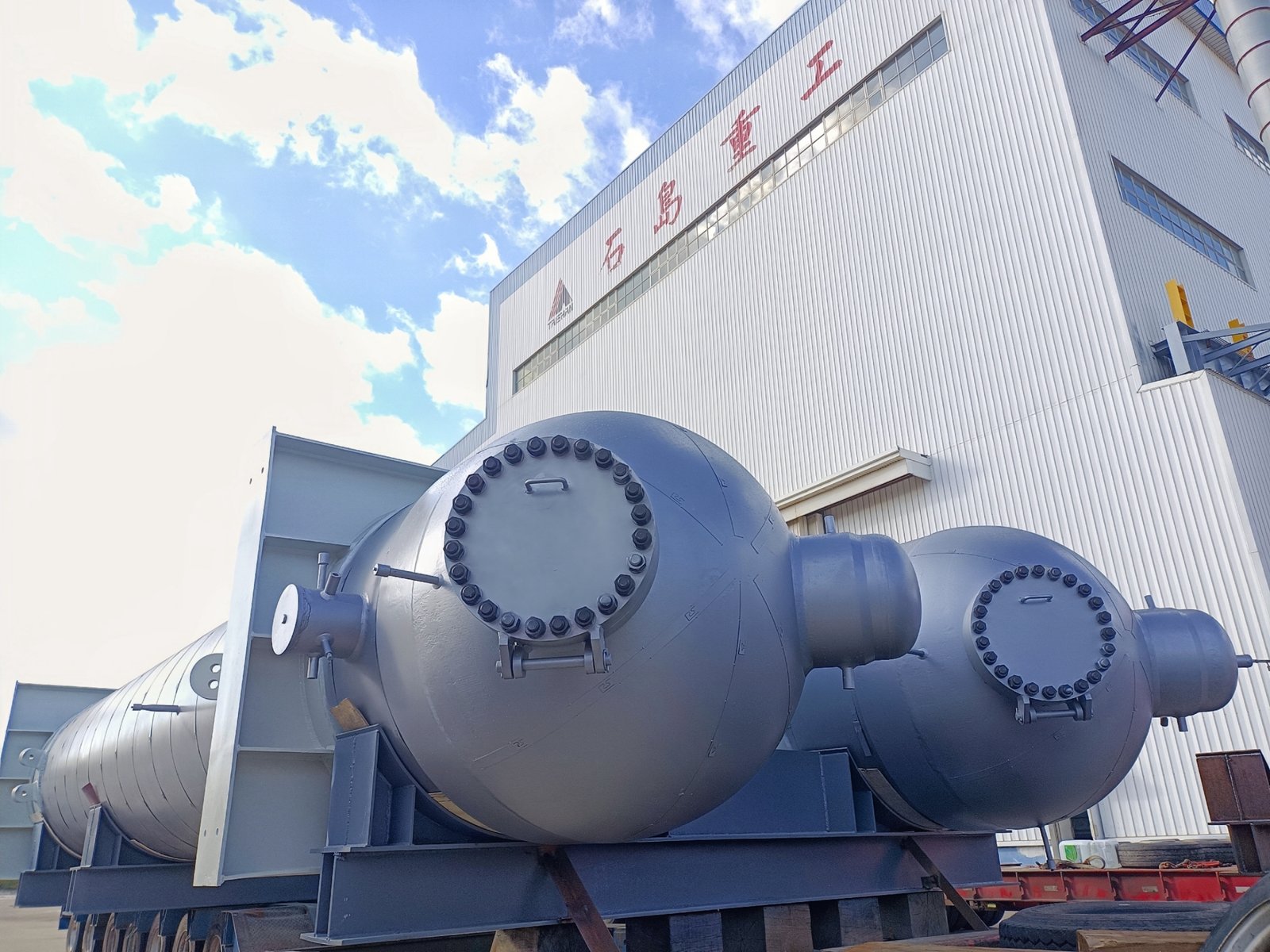
The overhead system may require a reflux drum or accumulator to collect condensed liquids, separate vapor and liquid, and support reflux control. Other separation vessels may be needed for feed handling, liquid knock-out, or product stabilization.
These should be specified as complete pressure vessels, not as small components. The RFQ should define design pressure, design temperature, medium composition, vapor-liquid behavior, liquid residence time, nozzle orientation, level control interface, NDE scope, pressure testing, and documentation.
Large Storage and Buffer Tanks
Naphtha upgrading projects may require tanks for feed, intermediate streams, finished blend components, off-spec product, or drainage and wastewater interfaces. For this manufacturer’s positioning, storage tank content should remain focused on industrial project-scale tanks above 1,000 liters.
Buyers can review industrial storage tanks when planning large hydrocarbon or process liquid storage requirements. Tank selection should consider vapor pressure, flammability, operating temperature, corrosion behavior, coating or lining, foundation, fire safety, inspection, and delivery method.
Key Selection Factors for EPC Buyers
Feed and Product Requirements
Naphtha streams can vary by crude slate, upstream unit, boiling range, sulfur content, light ends, olefins, aromatics, and blending objective. EPC buyers should provide feed composition, target separation, operating flexibility, expected turndown, product specifications, and upset-case data where available.
Pressure, Temperature, and Hydrocarbon Service
Depentanizer systems handle volatile hydrocarbons. Pressure and temperature affect column design, condenser duty, reboiler duty, vapor-liquid equilibrium, material selection, relief design, and storage requirements. The equipment RFQ should clearly state normal and design pressure, normal and design temperature, minimum temperature where applicable, and startup or shutdown cases.
Material and Corrosion Review
Material selection depends on hydrocarbon composition, sulfur compounds, chlorides, water content, operating temperature, corrosion allowance, and owner specifications. Carbon steel, low-alloy steel, stainless steel, or other materials may be considered depending on the service, but final selection should follow project engineering review.
Layout and Interface Requirements
Refinery upgrade projects often occur within existing sites. Nozzle orientation, column height, exchanger footprint, foundation fit, pipe rack interface, access platforms, lifting paths, and transport route limits should be reviewed before fabrication drawings are approved.
Inspection, Testing, and Documentation
Pressure vessels, columns, and heat exchangers may need to follow ASME, GB, EN, TEMA, API, or owner-specific requirements depending on equipment type and project location. Buyers should define applicable code, NDE, pressure testing, third-party inspection, coating inspection, data book requirements, and shipment release documents.
For general code background, EPC buyers may refer to ASME BPVC Section VIII Division 1, while final compliance must follow the project specification and latest regulatory requirements. For technical background on refinery and petrochemical fractionation context, buyers may also review this IntechOpen chapter.
Manufacturing and Delivery Considerations
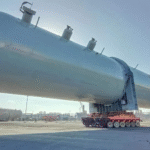
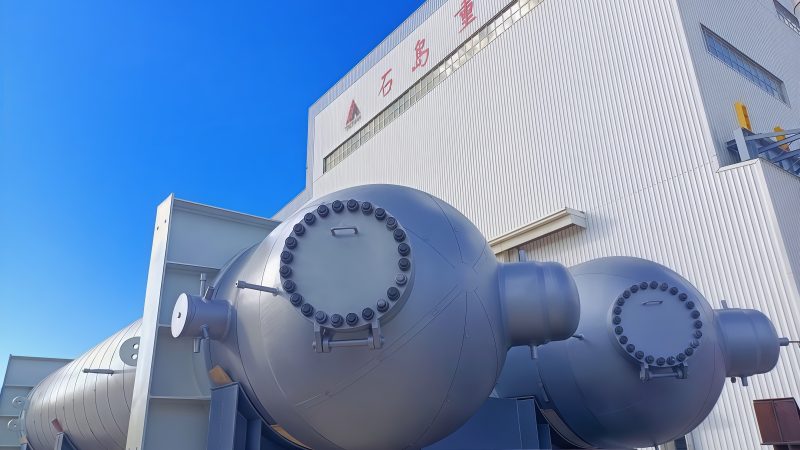
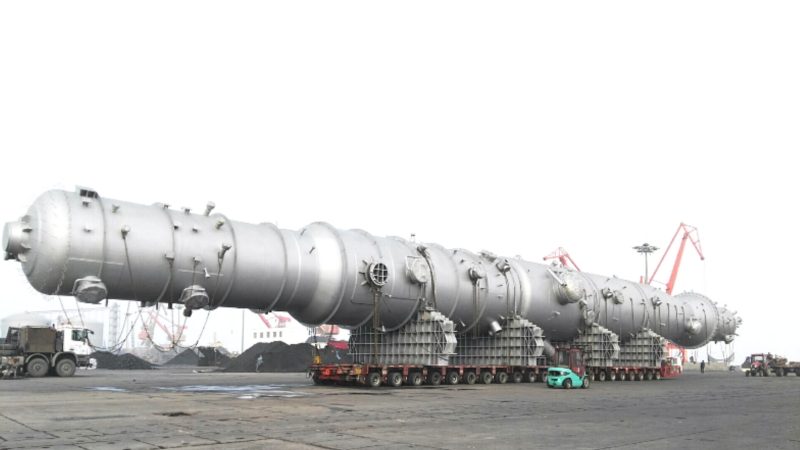
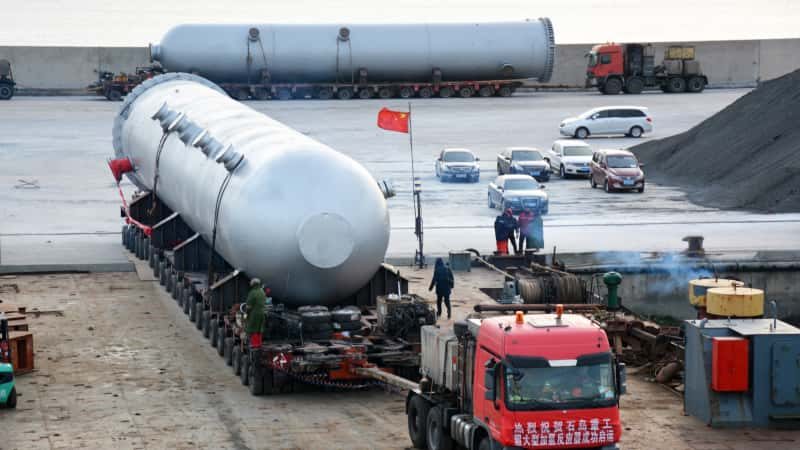
Depentanizer projects can include tall columns, heavy exchangers, pressure vessels, and large tanks. Manufacturing capability should cover drawing review, material procurement, welding, dimensional inspection, nondestructive examination, pressure testing, surface treatment, preservation, packing, large-equipment loading, and export delivery.
As a large-scale pressure vessel manufacturer, WSHI supports project-based manufacturing for refinery, petrochemical, oil and gas, chemical, new energy, and environmental engineering applications. EPC buyers can also download the pressure vessel catalog when preparing early-stage refinery equipment lists.

RFQ Checklist for Naphtha Upgrading Equipment
| RFQ input | Recommended detail |
|---|---|
| Process basis | Process datasheets, PFD or P&ID, separation objective, equipment list |
| Feed and products | Feed composition, boiling range, light ends, sulfur, product targets, turndown cases |
| Design conditions | Operating/design pressure and temperature, minimum temperature, startup/shutdown cases |
| Heat transfer duty | Condenser, reboiler, preheater, cooler, fouling, pressure drop, cleaning requirements |
| Mechanical scope | Column height, diameter, vessel dimensions, nozzles, supports, lifting and transport |
| Materials and corrosion | Material grade, corrosion allowance, hydrocarbon service concerns, coating or preservation |
| Inspection and testing | Applicable code, NDE, pressure testing, third-party witness, final data book |
| Delivery boundary | Destination, route limits, shipment split, packing, preservation, site schedule |
Common Procurement Mistakes
One common mistake is requesting pricing with only an equipment name. A “depentanizer column” or “overhead condenser” cannot be properly evaluated without process data, materials, pressure, temperature, inspection scope, and interface information.
Another mistake is separating the column from the overhead and bottom systems too early. Condensers, reflux drums, reboilers, separation vessels, and storage tanks all affect operation and layout.
A third mistake is underestimating site constraints. Refinery upgrades often require equipment to fit existing foundations, pipe connections, shutdown windows, transport paths, and lifting plans.
A fourth mistake is comparing quotations without equal quality and documentation scope. NDE, pressure testing, coating, packing, third-party inspection, and data books can significantly change both cost and delivery time.
Conclusion
Naphtha upgrading equipment for refinery depentanizer projects should be planned as a complete EPC equipment scope. Depentanizer columns, condensers, reboilers, reflux drums, separators, pressure vessels, heat exchangers, and large storage tanks all influence refinery flexibility, product handling, installation risk, and project delivery.
If you are preparing a refinery depentanizer, naphtha upgrading, gasoline blendstock, petrochemical, or refinery revamp project, you can share your datasheets, drawings, feed composition, operating conditions, material requirements, inspection scope, and delivery terms with WSHI. Our engineering and manufacturing team can help discuss the feasibility of custom pressure vessels, distillation columns, heat exchangers, separation vessels, and large industrial storage tanks for your project requirements. You can contact our engineering team to discuss your equipment scope.
FAQ
What equipment is used in a refinery depentanizer project?
A depentanizer project may include a distillation column, overhead condenser, reflux drum, reboiler, feed preheater, product cooler, separation vessels, pressure vessels, and large storage tanks.
What does a depentanizer column do?
A depentanizer separates C5 and lighter components from heavier naphtha-range streams. The exact function depends on the refinery configuration and product objective.
Why are condensers and reboilers important in naphtha upgrading?
Condensers control overhead vapor condensation and reflux, while reboilers supply heat for separation. Both affect column performance, energy use, material selection, and maintenance.
What should EPC buyers provide before ordering depentanizer equipment?
Buyers should provide process datasheets, feed composition, pressure, temperature, heat duty, materials, drawings, inspection requirements, testing scope, delivery terms, and documentation expectations.
Are depentanizer columns standard products?
Usually not. Refinery distillation columns and associated pressure equipment are typically customized according to process duty, site layout, material requirements, inspection scope, and project standards.